The Dinner Party Kiss of Death: 4 Hosting Errors That Can Ruin a Meal Fast
There is something almost magical about a great dinner party. The clink of glasses, the smell of something good coming from the kitchen, conversations that stretch past midnight. Honestly, it is one of the best things humans do together. Yet the whole evening can quietly fall apart before the first course even lands on the table, and the culprit is almost never the food itself.
The real damage tends to come from a small handful of completely avoidable hosting mistakes. Mistakes that feel harmless in the moment, but that guests notice, remember, and quietly file away. Event pros say the awkward moments usually start with the host, and even the most well-meaning hosts can accidentally create tension through habits that feel harmless in the moment. So if you have ever wondered why a party never quite found its rhythm, the answer might surprise you. Let’s dive in.
Error #1: The Cocktail Hour That Never Ends

A very long cocktail hour is, quite simply, the kiss of death. Guests may feel restless or bored by the time dinner begins, which makes it harder to recover the energy later in the evening. Think of it like a movie trailer that goes on for forty minutes. By the time the actual film starts, you are already emotionally checked out.
Hosting experts suggest thinking of dinner gatherings as having distinct stages, essentially three acts: starting with drinks, moving to dinner, and finishing with dessert or conversation somewhere else. Even simply shifting rooms can help keep the energy from feeling stagnant. That room shift is a sneaky little trick, by the way. It works like a reset button on the whole evening.
During the week, dinner parties should begin by 7 p.m. to allow guests time to finish work, take care of family responsibilities, and commute home. Hosts should serve cocktails and small hors d’oeuvres as hungry guests arrive and plan to sit for dinner around 8. Sticking to that kind of pacing is not about being rigid. It is about respecting your guests’ time and their hunger.
Error #2: Not Checking for Dietary Needs in Advance

I think this one trips up more hosts than any other. It is not about being precious or overcomplicated. It is about making sure nobody sits at your table staring at a plate they cannot eat. Forgetting about dietary restrictions is a genuine mistake. It is good practice to ask guests ahead of time, as the last thing you want is to serve a meal that makes guests feel uncomfortable at best or sick at worst.
According to the CDC, food allergies affect about 6 percent of adults and 4 to 8 percent of children in the United States. That sounds like a small number until you put eight people around a dinner table. Suddenly the odds shift considerably. One of the most critical and frequently underestimated errors is the failure to comprehensively account for dietary restrictions and preferences. In today’s culinary climate, assuming a one-menu-fits-all approach is a profound misstep, as this oversight encompasses allergies to nuts, dairy, shellfish, and gluten, intolerances, religious observances, and lifestyle choices.
When confirming each guest’s attendance, make sure to ask about any food allergies. Another event that will certainly put a damper on the night is someone having an allergic reaction to something they ate. If someone mentions being allergic to peanuts, shellfish, or eggs, these are best left off the table entirely. It is a simple ask. Two sentences in a message. The payoff in warmth and safety is enormous.
Error #3: Running Out of Food and Drinks

Here is the thing: guests will forgive a slightly overdone steak. They will laugh off a dropped napkin. What they will not easily forgive is sitting at a dinner party and going genuinely hungry. The biggest mistake a party host can make once the party is in full swing is not having enough food and drinks. More than half of respondents in a survey of nearly a thousand Americans ranked that as the worst oversight when having guests over.
One surprisingly common mistake is simply running out of ice. People run out of ice every single time, experts note. Between cocktails, water, and chilling bottles, it disappears quickly. It seems almost absurdly small, doesn’t it? Yet ice is one of those invisible things that the whole evening quietly depends on.
Beverage service is frequently treated as an afterthought, leading to two primary failures: running out of popular options or offering a confusing and illogical selection. A host must think beyond just “red, white, and beer,” and key considerations include the duration of the event, the demographic of guests, the season, and the food pairings. A practical rule of thumb, one worth writing down: always buy more than you think you need. Then buy a little more on top of that.
Error #4: The Host Disappears Into the Kitchen
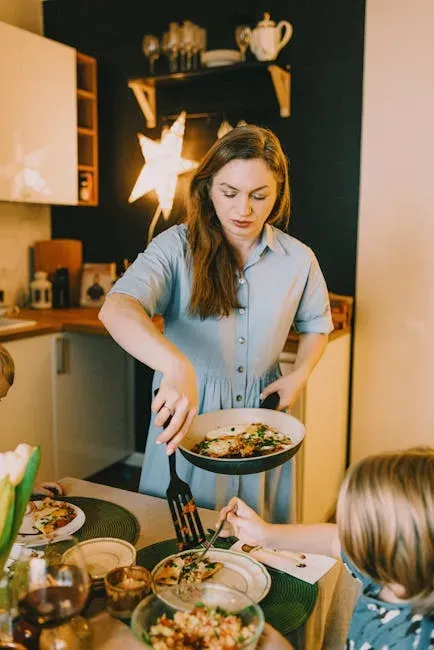
Picture a dinner party where the host spends roughly two thirds of the evening somewhere behind a closed door, appearing only to apologize for the delay. When you spend too much time in the kitchen or trying to make things perfect, it has the opposite effect and makes guests feel neglected. Your attitude sets the tone for the evening. Relax, smile, and have fun, because your guests will follow your lead.
Orchestrating a dinner party and feeding a bunch of people can quickly become stressful if the host hasn’t carefully considered the menu, and perhaps counterintuitively, the key to being a good host is to resist the temptation to do too much. There is actually a kind of wisdom in this. Professional kitchens do not make everything from scratch either. Professional kitchens do not make everything from scratch, with bread, pastry, fries, and snacks often bought in. This is not about laziness but smart strategy. The more items you make from scratch, the more your time and attention will be divided, and you are better off spending the majority of your time nailing two to three key elements of a meal rather than splitting it across twelve.
Plan a menu around dishes you are familiar with that can be prepped in advance, and avoid any recipes that require last-minute cooking. You should not be stuck in the kitchen as everyone arrives. This is not the time to show off or try new recipes. Simple, delicious food works best.
Error #5: Obsessing Over Perfection and Forgetting the People

Hosting seems like a lot of work and pressure, and part of the blame falls on the themed gatherings with printed menus, elaborate tablescapes, and decorative ice cubes that appear all over Instagram and TikTok. Social media has a lot to answer for here. It has turned something as simple and human as feeding your friends into a performance-level production.
Hosting advice communities on TikTok see thousands of messages from people who want to host but do not know where to begin, and many associate hosting with a Martha Stewart-level production. Let’s be real: that association is exhausting, and it is keeping people from doing something genuinely beautiful. Some hosts fall into the trap of spending money they do not have on fancy ingredients and going overboard cleaning their homes, only to find that they are not really enjoying themselves. When they finally take the pressure off and redirect energy toward bringing people together, it makes for a better experience.
One of the biggest issues is overdoing the “perfect” concept. When hosts get too locked into a theme, they can forget the point of the night, which is the people. A dinner party is not an event. It is a conversation that happens to have food in it.
Error #6: Skipping the Pace and Timing Altogether
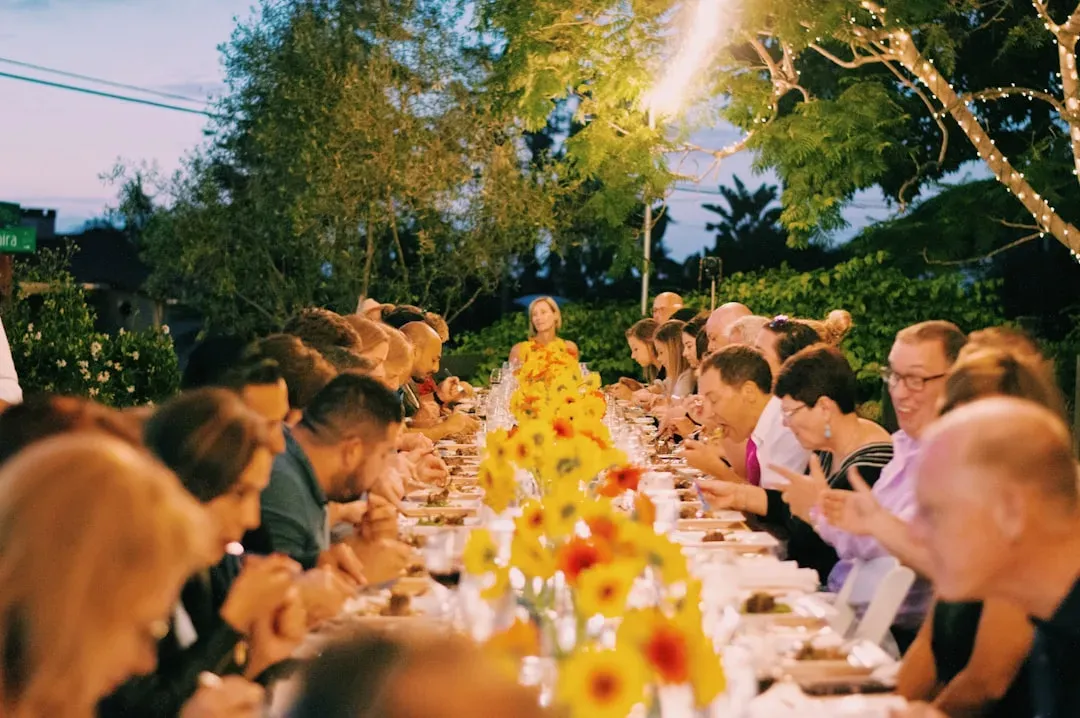
The biggest mistake a host could possibly make is assuming a party will simply come together on its own. Timing is everything. Not in a rigid, clipboard-carrying way, but in the sense of keeping things flowing so that the evening feels effortless to the people in it.
For three courses, expect the party to run for about three hours, allowing 15 to 30 minutes between courses so guests do not feel rushed. Dessert is a gentle indication that the evening is drawing to a close. Whether it is an elaborate cake or a simple fruit platter, it is a tradition that should not be overlooked, and guests can be expected to leave an hour after dessert is served. That structure is a gift to guests. Nobody leaves wondering when they should go.
The key to avoiding kitchen isolation lies in thorough preparation. Entertainment experts advise creating a detailed timeline for your menu, working backward from serving time, including every step from chopping vegetables to preheating the oven. Test new recipes before the big night, and keep a folder of reliable dishes that can be partially prepared in advance. Even preparing a fallback dish is smart. Because something, at some point, will go sideways. That is the nature of cooking for a crowd, and the great hosts simply plan for it.
A dinner party does not need to be flawless to be unforgettable. In fact, the evenings people tend to remember most are the ones where the host was present, warm, and genuinely having fun alongside everyone else. The food matters, yes. The pacing matters. The small details add up. But at the center of every truly great dinner table is a host who made the people around it feel like the whole point of the evening, because they were. What kind of host do your guests remember you as?