Why Some Travelers Are Choosing Fewer Trips – but Better Ones
There’s a quiet reordering happening in how people think about vacations. The rush to collect passport stamps, cram five cities into ten days, and maximize every spare weekend has started to lose its appeal for a growing number of travelers. In its place, something more deliberate is emerging.
The era of “revenge travel” is now a thing of the past. Rather than traveling at any cost, consumers are slowing down and traveling more meaningfully, even if that means they travel less often. This isn’t a fringe preference held by a handful of burned-out road warriors. It’s becoming a measurable, documented shift in how millions of people plan, budget for, and experience time away from home.
The Post-Pandemic Frenzy Has Cooled
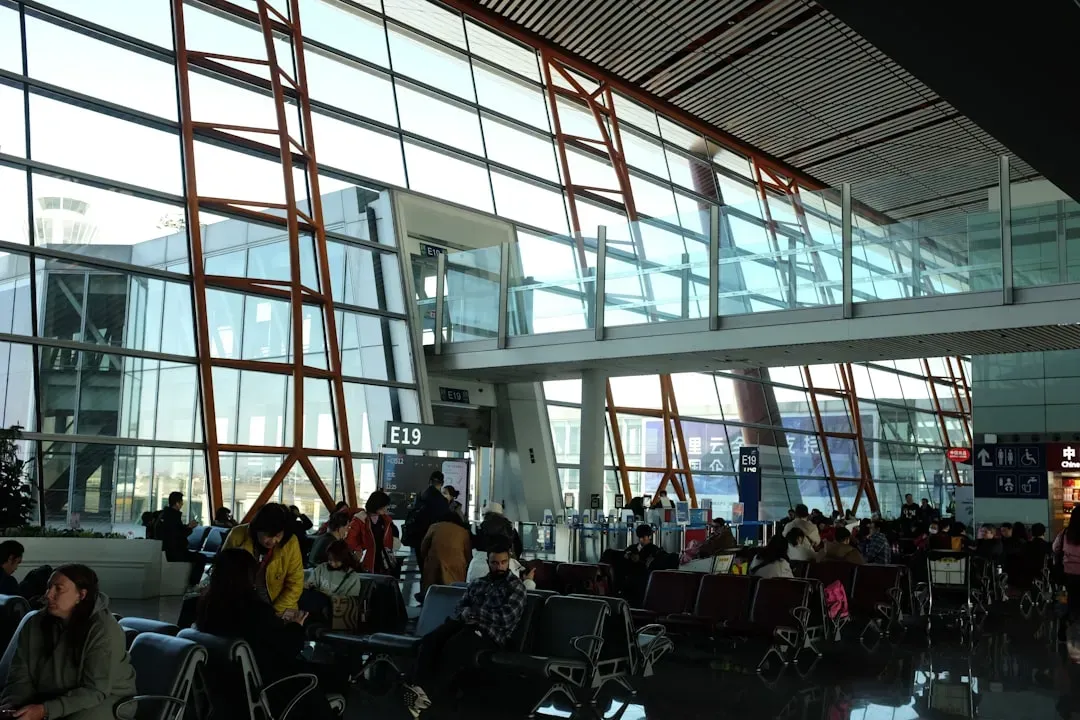
After years of post-pandemic overdrive, travelers are finally downshifting. They’re still traveling, just not traveling more. In 2025, nearly roughly two in five travelers said they took approximately the number of trips they expected. That measured quality has replaced the frantic catch-up mentality that dominated 2022 and 2023.
For the first time in years, several months saw fewer people fly than the year before, a sign that the post-pandemic frenzy has finally cooled. Travelers went back to the drawing board, rethinking what a “good trip” actually means. That rethink is at the heart of everything happening in travel right now.
Fewer Trips, Longer Stays

One key shift is that more travelers are now opting for fewer, longer trips rather than multiple shorter ones, a reversal of the pre-pandemic norm. Data from the Mastercard Economics Institute found that travelers are extending their trips by an extra day over the twelve months ending March 2024 compared to the same period in 2019, highlighting a growing desire for more immersive and meaningful travel experiences.
For most travelers, 2026 marks a shift toward fewer trips, both domestically and internationally. Planned international trips have dipped below the two-trip mark for the first time since 2023, meaning the majority of travelers are heading into the new year with a “one big trip” mindset. The logic is simple: a single well-planned trip often yields far more satisfaction than three rushed ones.
The Rise of Slow Travel

Slow travel, which often means staying in fewer places or immersing in a local culture for an extended time, is gaining popularity. For some, it’s about rest, relaxation, or unplugging from work emails, social media, or television. Others engage in hobbies, self-discovery, or connecting with the outdoors or local cultures, often far away from crowded hotspots.
A survey of 2,000 US adults revealed that roughly three in five travelers were planning their vacations with the main intention of slowing down and switching off. This eagerness to escape the stress of everyday life has led to the coining of a new trend: the “slowcation.” US Google searches for the term “slowcation” increased by half compared to the prior year, and there have been more than sixteen million posts mentioning the trend on TikTok.
Quality Over Quantity Is Reshaping Budgets

In summer 2024, fewer Americans traveled, and those who did planned to spend enthusiastically to maximize their experiences. That trade-off, fewer trips but higher investment per trip, has become a defining feature of travel in this period. People are willing to spend more on the right experience precisely because they’re not spreading their budget thin across many trips.
The 2026 Global Travel Trends Report from American Express shows that travelers are being incredibly intentional about how they spend their vacation time this year. A substantial share of global respondents plan to spend more on travel in 2026 than last year, and nearly three quarters of Millennials and Gen Z surveyed say travel is a “non-negotiable” expense. The willingness to spend isn’t diminishing. What’s changed is where and how that money goes.
Overtourism Is Pushing Travelers Away from the Obvious Choices

Three quarters of surveyed travelers worry about overtourism, while about a third have personally experienced it. More than half reported plans to avoid overpopulated hotspots such as France, Spain, Italy, Greece, Thailand, the Netherlands, and Peru. The experience of standing in a four-hour queue at a famous viewpoint has a way of permanently rewiring your priorities.
With roughly four in five travelers flocking to just one in ten global destinations, overtourism threatens the authenticity and sustainability of travel itself. This has encouraged a movement to craft itineraries that uncover lesser-known regions and provide deeper, more meaningful explorations. More than seven in ten respondents said that, when choosing a destination, they are conscious of whether it deals with overtourism. In 2025, over two in five respondents said they chose a destination specifically because they thought it would have fewer crowds.
Wellness Tourism Is Driving Intentional Travel

Wellness tourism, where individuals seek optimal physical and mental well-being through travel, has gained prominence due to changing health attitudes and the growing integration of wellness into lifestyle choices. According to the Global Wellness Institute, wellness tourism is expected to hit $1.3 trillion by 2025 and is one of the industry’s fastest-growing sectors. That scale reflects a genuine cultural shift, not a passing trend.
TripIt survey data showed that more than four in five Americans travel to break free from routines and responsibilities. Nearly three quarters want to unplug from phones and social media while traveling. Studies show that travel decreases stress and depression symptoms, with positive effects lasting weeks after returning. Activities during travel, such as outdoor exploration, promote physical and mental health, reinforcing the importance of making travel a regular part of a wellness routine.
Younger Travelers Are Leading the Intentional Shift
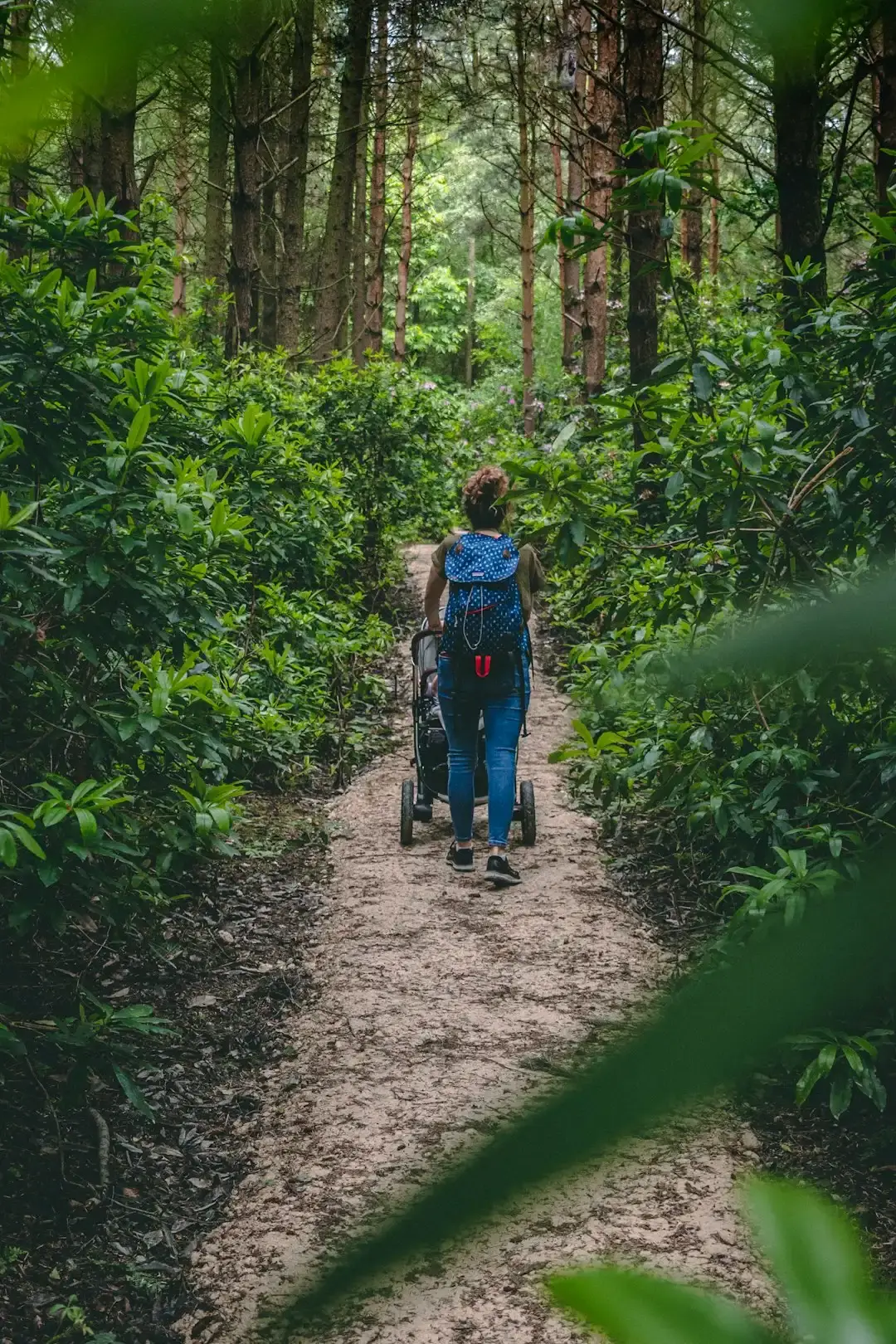
For Gen Z, travel is more than a respite. It’s about exploring wider, deeper, and with more intention. Whether it’s a tortilla-making class in Mexico City or a fragrance workshop in Paris, nearly four in five Millennials and Gen Z surveyed say that they’re likely to seek out local workshops or activities specific to the destination they’re visiting in 2026.
Among Millennial and Gen Z respondents, the vast majority say that they prioritize unique, authentic experiences over popular tourist attractions. Deloitte’s survey found that roughly two in five travelers, especially Millennials and Gen Zers, do at least one thing to reduce their environmental impact, such as traveling at off-peak times and preferring hotels, airlines, and rentals with higher sustainability ratings. The thinking is more layered than simply seeing the world. It’s about how you see it.
Climate Awareness Is Redirecting Where People Go
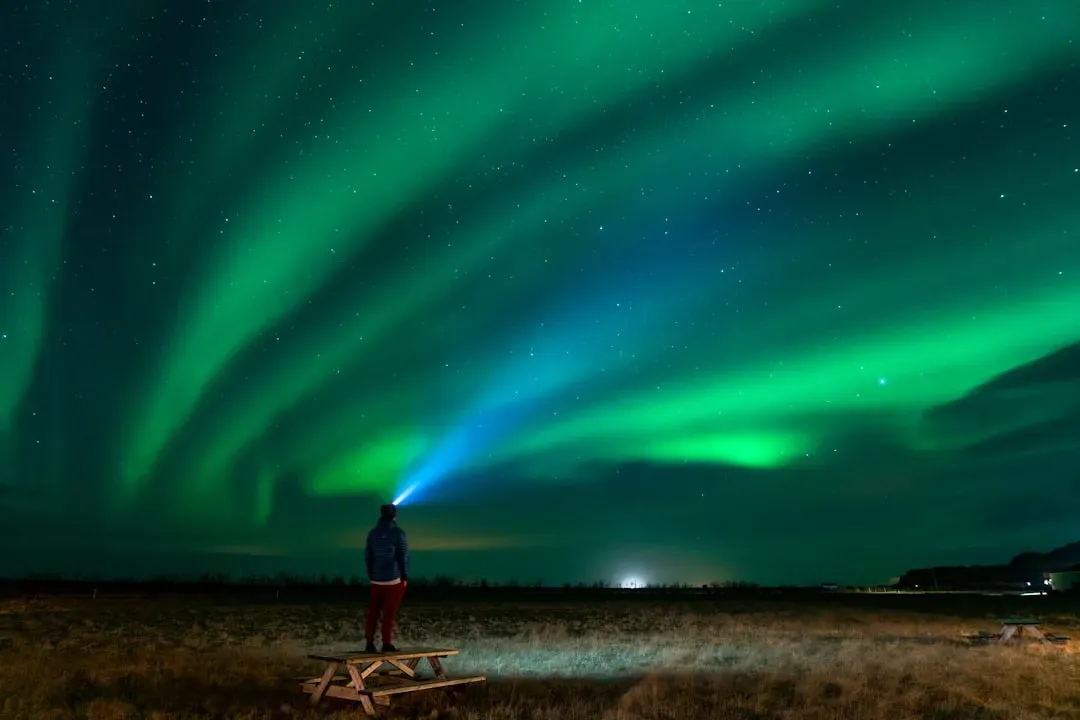
Climate plays an increasingly significant role in travel decisions. Travelers are deliberately avoiding regions vulnerable to wildfires, extreme heat, and other natural disasters, fueling the rise of so-called “coolcations.” Travel to Nordic countries, for example, was expected to grow by nearly one in ten in 2025, surpassing many of the usual warm-weather hotspots.
A survey conducted by Virtuoso found that roughly four in five of its luxury travel advisor clients were interested in taking a coolcation in 2024. Advisors also reported a more than one-quarter year-over-year increase in bookings to Scandinavia that summer, with trips to Sweden up nearly half. Going north, traveling in shoulder season, and avoiding heat-stressed regions has become a practical travel logic rather than a niche preference.
Bucket List Travel Is Replacing Bucket List Counting
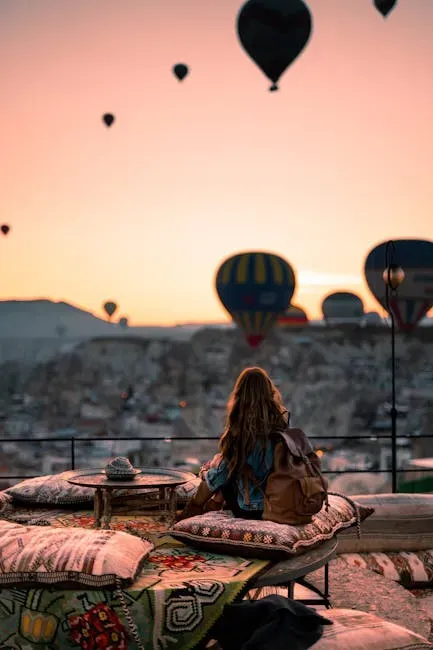
More than two in five travelers report increased interest in iconic destinations compared with two years ago. The distinction worth noting is that this isn’t about visiting more iconic places. It’s about finally committing to one significant trip that matters, rather than spreading energy across a string of mediocre ones. The “one big trip” mindset is increasingly anchoring people’s entire travel year.
Nearly four in five Millennials and Gen Z say that milestone trips feel more rewarding than a typical vacation. Beyond just interactive immersion, travelers are focused on experiences that leave a lasting impression, as more than three quarters of global respondents believe the skills they gain on a trip remain with them longer than any material souvenir. The vast majority of global respondents also like to leave room in their itinerary for unexpected local discoveries. That open space on the schedule, once considered wasted time, has become one of the most valued parts of a trip.
What the Travel Industry Is Doing in Response
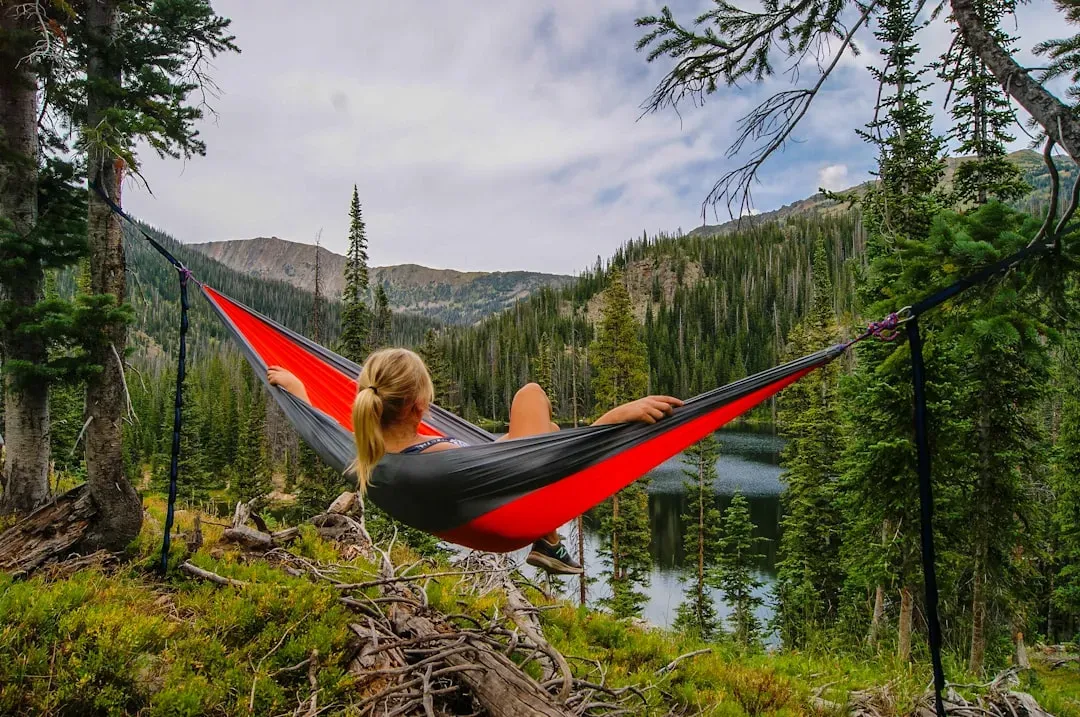
One significant trend shaping travel in 2026 is a shift toward what is sometimes called the “anti-tourist” mindset, where visitors increasingly avoid peak seasons and overtourism hotspots in favor of less crowded and more culturally immersive experiences. This aligns with growing demand for sustainable destinations that offer authenticity and respect local communities.
Visitors are being encouraged to explore lesser-known areas, travel outside peak seasons, and stay longer rather than rushing through highlights. Destinations want tourism that contributes economically without overwhelming residents. The era of unchecked mass tourism is ending. In its place, the rise of “Quality over Quantity” is reshaping how destinations and travelers alike approach the experience. Both sides of the equation are arriving at the same conclusion from different directions.
The shift toward fewer but better trips isn’t just a lifestyle choice. It’s a response to crowding, burnout, rising costs, climate anxiety, and a growing sense that the point of travel was never really about the number of stamps in a passport. When a single week in one place leaves you more changed than three rushed weekends ever could, the math starts to feel obvious.