12 Subtle Signs Your Hotel Room May Not Have Been Properly Cleaned, According to Housekeepers
You check in, the room looks spotless. Crisp-looking sheets, a faint scent of cleaning product in the air, towels folded like little swans on the bathroom counter. Everything seems fine. Except, honestly, it might not be.
Hotel cleanliness is one of the biggest concerns travelers carry with them on every trip, and for good reason. Analyzing guest reviews, research found that the vast majority of guests (around 85%) consider cleanliness a primary factor influencing their overall experience. Yet the gap between what a room looks like and what it actually is can be surprisingly wide. So how do you really know if your room was properly cleaned? Let’s dive in.
1. The TV Remote Looks Fine But Feels Sticky or Grimy
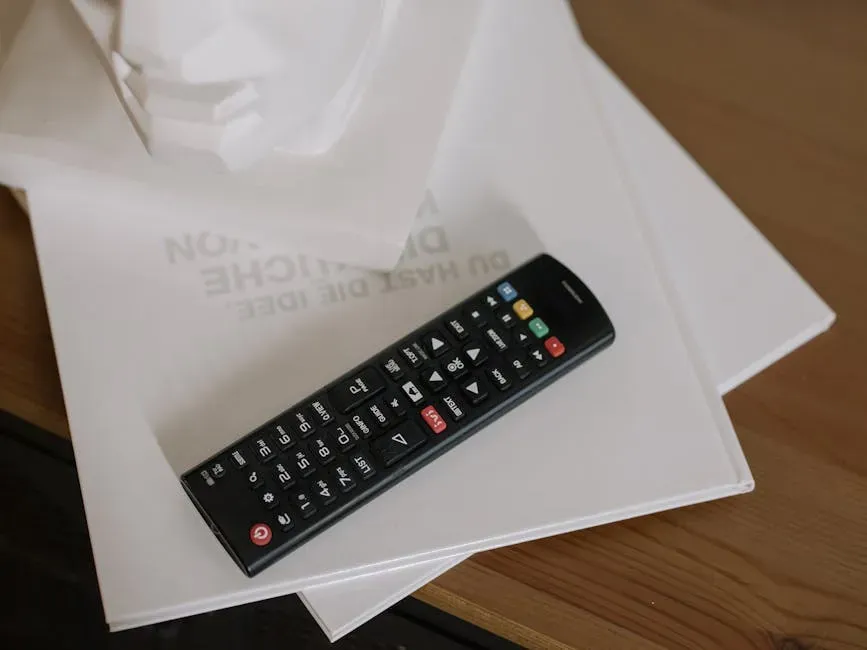
Here’s the thing: the TV remote is almost universally agreed upon as the single dirtiest item in any hotel room, according to housekeeping insiders. It gets touched constantly, rarely disinfected, and almost never given a deep clean between guests.
A University of Houston study found that TV remotes in hotel rooms contain an average of 67.6 colony-forming units of bacteria per cubic centimeter, making them germier than toilet seats. That should make you pause the next time you reach for it to flip channels.
Housekeepers typically have just 30 minutes to clean each room, and thoroughly disinfecting a remote control takes precious time away from more visible tasks that supervisors check. If the remote feels tacky or has visible residue between the buttons, that is a clear sign this room was not cleaned to any proper standard.
2. The Sheets Have Unusual Creasing or Discoloration
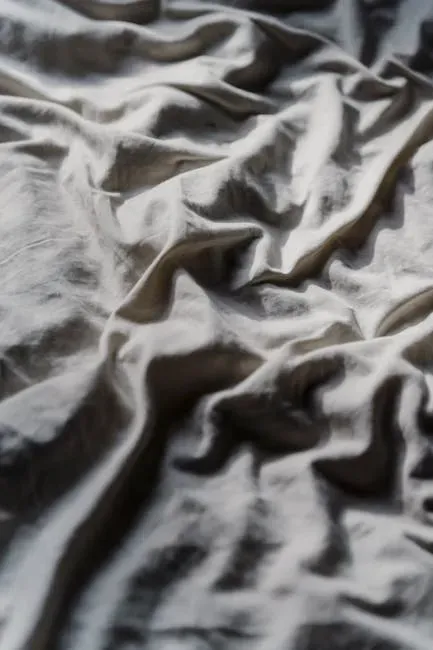
Most of us assume the bed was freshly made for us. Sometimes, though, the evidence tells a different story. The bed is arguably the most visually deceptive element in a hotel room. It can look immaculate and still be far from fresh.
Begin by examining the sheets and pillowcases for any stains or discoloration. Also inspect the sheets for any unusual creasing, as this messy appearance may suggest that the bed was hastily made between guests rather than completely washed and replaced.
In bedrooms, the three most important cleanliness factors for guests were clean linen, no evidence of previous guests, and absence of bad smells or odours. If you spot hair strands, faint yellowing, or deep fold marks that look more “remade” than “laundered,” take it as a warning signal.
3. The Duvet and Decorative Pillows Are Still in Place
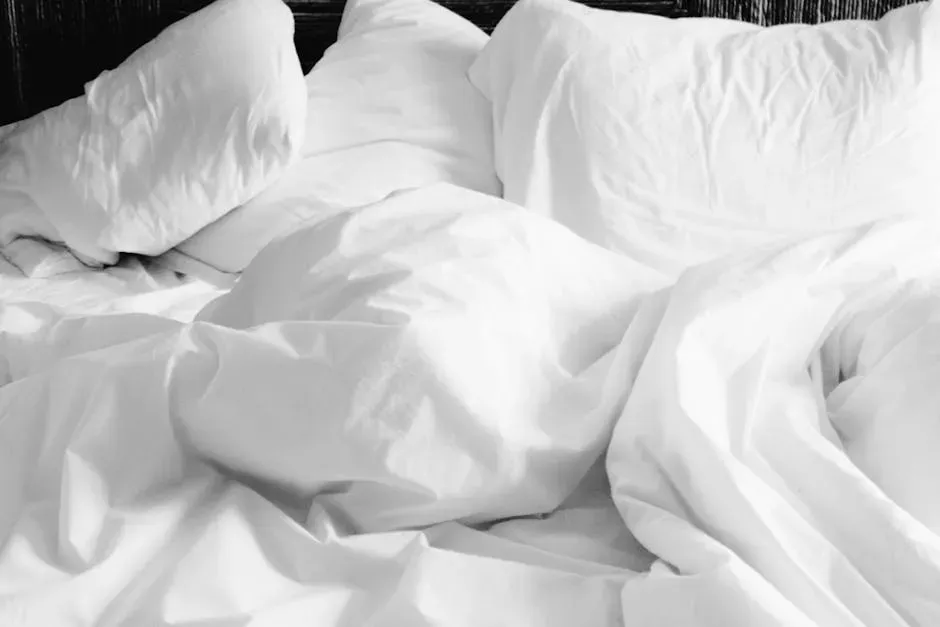
I know it sounds a little paranoid, but those fluffy decorative pillows and the thick duvet cover are rarely washed between guests. Most hotels quietly get away with this because guests almost never notice or question it.
Those beautiful comforters and throw pillows on your hotel bed are mostly for show. Unlike sheets and pillowcases, they are not replaced between guests. Many hotels only wash bedspreads once a month or longer.
Duvet covers can also be a collecting place for germs. Most hotels do not wash the big duvet. They only wash the sheets, a former hotel staffer noted. If the duvet looks exactly the same as every other hotel room you have ever checked into, that might not be a coincidence.
4. A Lingering, Stale, or Musty Smell in the Room
Your nose is one of the most reliable cleanliness detectors you own. When asked what indicates a hotel room is clean, consumers selected as their top three indicators, in order for the second consecutive year: no odor or pleasant fragrance, no dirty or moldy shower or tub, and clean soft linens.
A musty smell often signals mold or mildew that has been building unnoticed, perhaps behind the shower wall or under the carpet. A chemical smell that is overpoweringly sharp can, conversely, indicate a heavy spray-down was used to mask odors rather than eliminate them at the source.
Extreme mold buildup often doesn’t happen overnight, so moldy walls can be indicative of repeated failures to keep the room clean. Look for peeling wallpaper or water stains on the wall, both of which are likely signs of mold growth. Trust your nose on this one. It rarely lies.
5. Light Switches and Door Handles Look Smudged
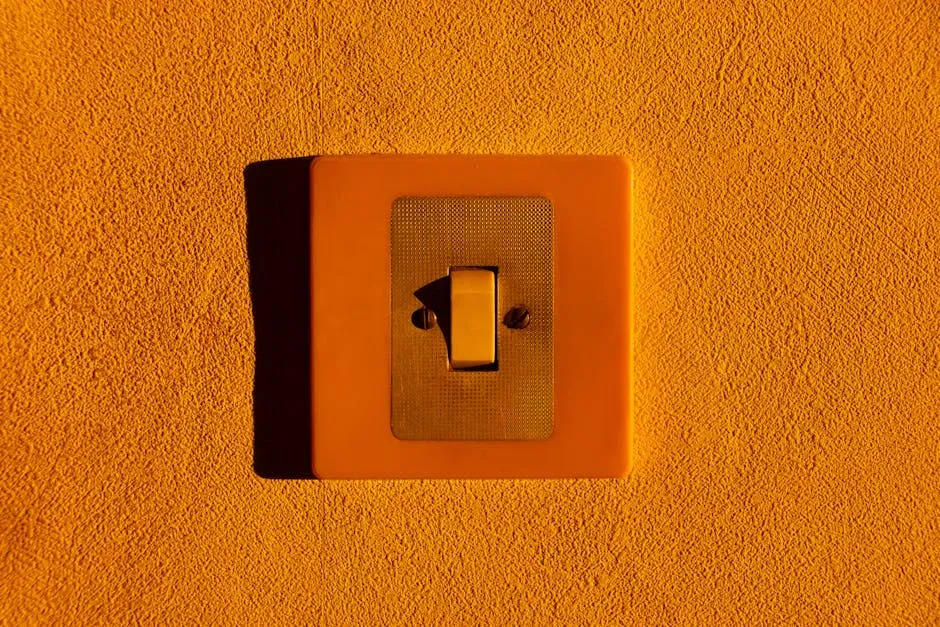
Light switches and door handles are touched hundreds of times a day by dozens of different hands. You would think they would be priority items on any housekeeping checklist. Surprisingly, they often are not.
Housekeepers often skip them entirely. Because cleaning checklists are broken down by zones like bathroom, bed, and surfaces, and switches don’t neatly fit into any of them. They just get forgotten. Smudges, fingerprint trails, or a greasy feel on the light switch near your door should raise an immediate flag.
An AAA inspector noted that it is usually the light switch at the front door that tends to fail the most. These observations are backed up by research reported by Time, which found that both TV remotes and light switches very often had high levels of bacteria growing on them. A quick wipe with a disinfectant wipe when you arrive costs you nothing.
6. The Bathroom Glasses Are Wrapped But Look Cloudy
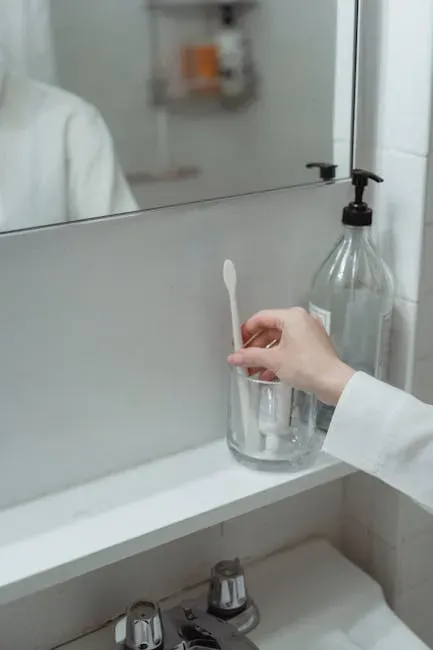
That paper or plastic wrap around your bathroom drinking glass is meant to signal hygiene and cleanliness. It is also, at times, pure theater. The wrapping can be replaced without the glass itself receiving a proper wash.
If the drinking glass in the bathroom is not disposable, wash it before use, as body wash or shampoo are effective dishwashers, since you can never be sure if they’ve been cleaned properly. That is genuine advice from a microbiologist, not an overreaction.
The paper wrapping that suggests sanitation becomes nothing more than theater, a prop in the performance of cleanliness that hotels stage every day. If the glass looks cloudy, has watermarks from previous use, or feels slightly oily, do not use it without washing it yourself first.
7. The Bathtub Has Residue or a Grayish Tint
The bathroom might be the area guests inspect most carefully, and yet it still hides some seriously unsavory surprises. According to a KALDEWEI study, cleanliness is an absolute must for hotel bathrooms: nearly all respondents, roughly 95%, said they would not book a hotel again if the bathroom was unhygienic.
According to a 2023 investigation by WaterFilterGuru.com, hotel bathtubs can harbor up to 40 times more bacteria than a toilet seat. Run your finger along the inside edge of the tub before use. A grayish film, soap scum ring, or any hair near the drain are all signs the tub was not properly scrubbed.
Hotel bathtubs, especially those with jets, can harbor bacteria, experts warn. Jetted tubs are notoriously difficult to fully disinfect because the pipes themselves hold standing water. If in doubt, skip the bath entirely and stick to the shower.
8. Carpets Feel Damp or Have Visible Staining
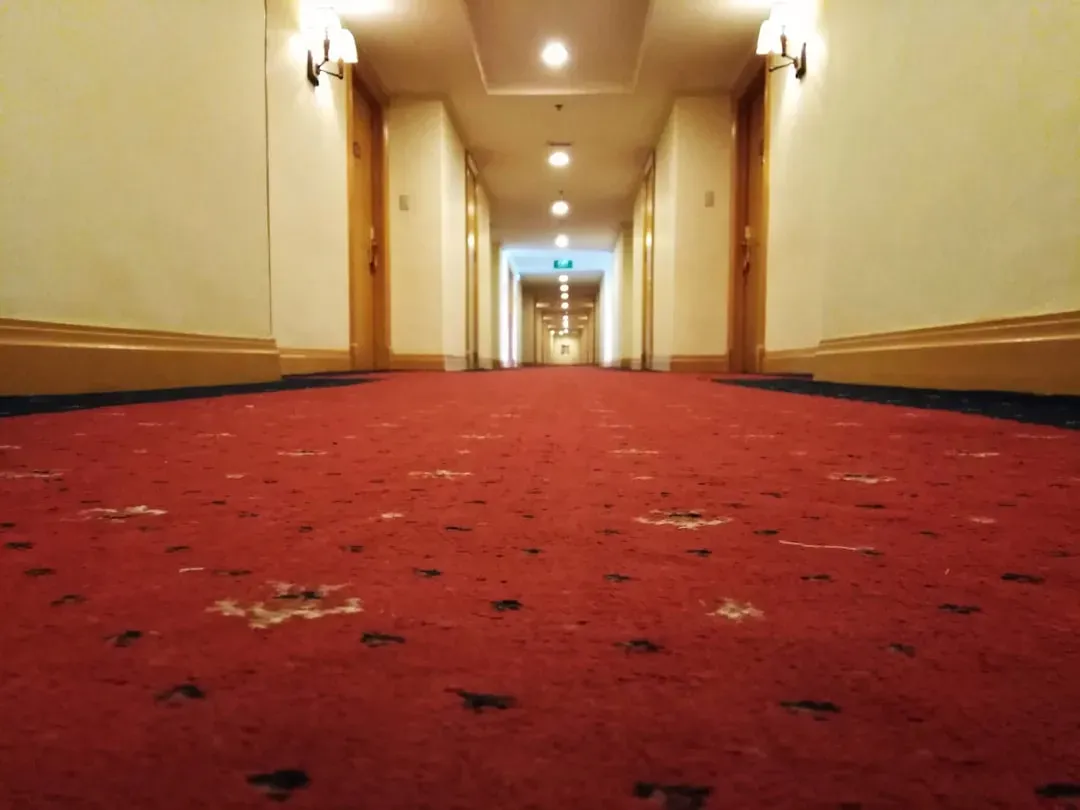
Hotel carpets are vacuumed regularly enough, but a surface vacuum is not the same as a deep clean. Think of carpet like a sponge. It absorbs everything that lands on it and gives very little of it back during a standard turnover clean.
Even if housekeeping diligently vacuums between guests, the carpets are likely not actually deep-cleaned after each use. Stains, damp patches, or a faintly sour smell near floor level are all strong indicators that the carpet has not been properly maintained.
While some people always wear flip flops in the hotel shower, the carpets may be a bigger risk. Like other soft surfaces in the room, it can hold a lot of grime. Seriously, keep your shoes on until you are confident in what you are walking on. It is a small habit that makes a real difference.
9. The Upholstered Furniture Has Stains or a Worn Look
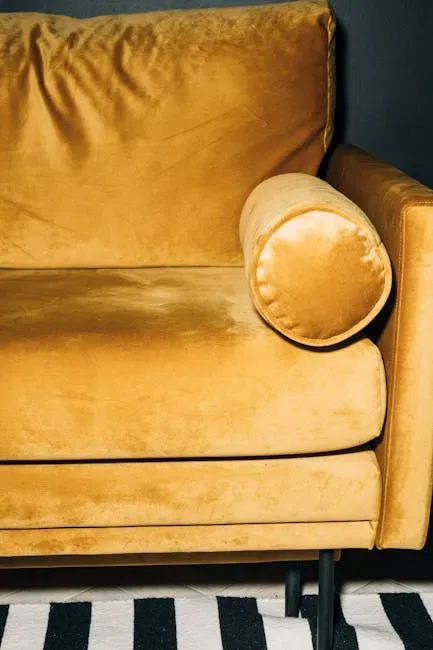
That cushioned armchair in the corner, the padded headboard, the small sofa near the window. These are some of the most neglected surfaces in any hotel room because they are not easy to clean quickly.
Most people probably don’t think about all the surfaces that may be high touch but not cleaned or difficult to clean, like the chairs or upholstered furniture in a room. Unlike items that can be easily tossed in the washing machine, these seating staples can often go without regular upkeep. Stains from bodily fluids, which aren’t always visible to the naked eye, can harbor a variety of viruses and bacteria.
If you spot any visible discoloration or staining on the armchair or sofa, that is a sign the room’s cleaning has been surface-level at best. It’s hard to say for sure how long those marks have been there, but experienced housekeepers note that upholstered pieces can go weeks without any real attention.
10. Dust on Shelves, Behind the TV, or on the Air Vent

Dust tells the truth. A room can have perfectly made beds and a sparkling toilet and still be absolutely crawling with dust in the spots where no one thinks to look. Corners, shelves, the top of the wardrobe, and especially the air vent are the housekeeping dead zones.
Ceiling fans, curtain rods, shower heads, and other such spots are often neglected, according to housekeeping insiders. Run a finger along the TV stand, the shelf above the desk, or the top edge of the bathroom mirror. A thick gray smear means nobody has touched that surface in a very long time.
The deep-cleaning or monthly maintenance checklist addresses upkeep tasks beyond the daily or turnover routine, prioritizing tasks like rotating mattresses, descaling shower fixtures, shampooing carpets, and deep-cleaning HVAC vents. If those tasks were being done on schedule, you would not find the dust you will almost certainly find.
11. The Room Was Turned Over Extremely Quickly
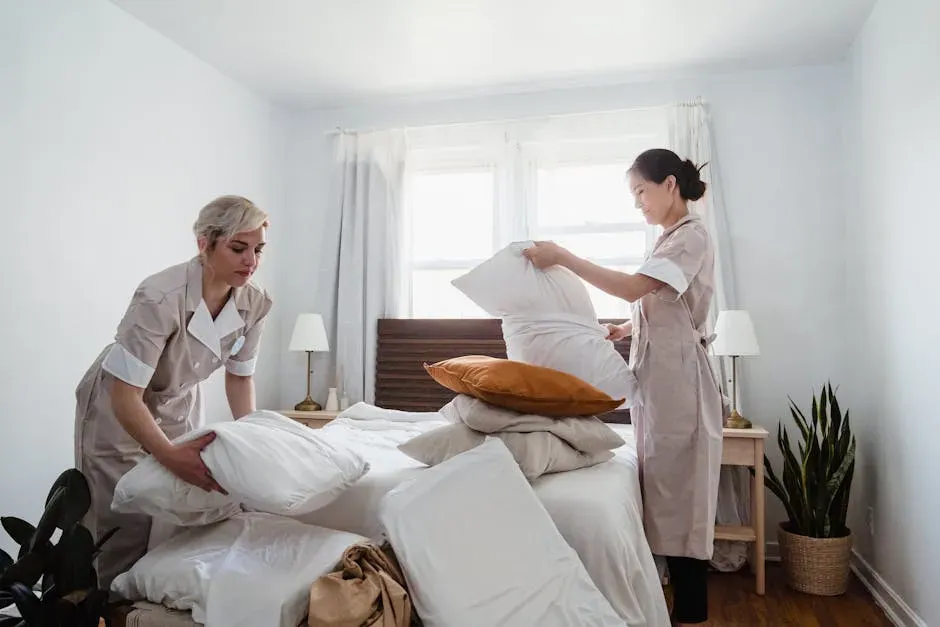
Speed is the enemy of thorough cleaning. This is a fact that anyone who has worked in hotel housekeeping will confirm without hesitation. A standard housekeeper cleans 12 to 18 rooms per 8-hour shift, spending 20 to 30 minutes per room. Budget properties push 18 to 20 rooms per shift, and some demand up to 30.
Quick turnovers are a daily challenge. During back-to-back check-in and check-out times, housekeepers have less than an hour to clean, sanitize, restock, and inspect the room, leaving no room for delay or errors. A room that smells overpoweringly of spray and has towels folded slightly unevenly or toiletries restocked but not straightened is a sign of a rushed job.
According to AHLA surveys, by late 2024, roughly two thirds of hotels still reported staffing shortages, with housekeeping the hardest position to fill. When staff are stretched thin, corners get cut. It is not a reflection of character, it is math. Too many rooms, too little time.
12. Trash Has Been “Hidden” Rather Than Emptied
This one is more common than you might expect. A housekeeping team under time pressure might straighten a bin rather than fully empty it, or push a wrapper behind the TV unit rather than search for it. It sounds absurd, but it happens.
When rooms go multiple days without cleaning, they are so much dirtier and harder to clean. Housekeepers have opened the door and seen huge piles of garbage, dirty diapers, and rotting food that had to be cleaned so the room was ready for the next guest. Even when rooms are cleaned daily, time pressure means some waste gets overlooked.
Housekeepers have reported that when rooms are left for multiple days, the trash smells and is all over the floor, and when a family checks in, there can be dust, syrup on top of the desk, and crumbs throughout the room. Check behind the nightstand, inside the bin liner, and under the desk before you settle in. It takes two minutes and can save you from a very unpleasant surprise.