What Creative Professionals Do Differently Every Day
There’s a persistent myth that creativity is something you wait for. The idea that the right idea arrives when it wants to, uninvited, and all you can do is stay receptive. Most working creative professionals know this isn’t how it actually goes. The ones who sustain meaningful output over years tend to operate within deliberate structures, even when those structures look invisible from the outside.
What separates consistently productive creative workers from those who lurch between inspiration and stagnation isn’t raw talent or lucky inspiration. It’s the texture of their everyday habits. The choices they make before they sit down to work, how they protect their attention, and how they recover, matter more than most people expect.
They Treat Routine as a Creative Tool, Not a Constraint

Many creative people tend to stick to a strict schedule and are disciplined about when and how they work. Routines don’t inhibit creativity but allow it to flourish. This might feel counterintuitive, but the logic is straightforward once you see it: over time, routines become habits, and habits require little to no conscious effort to maintain, freeing you up to focus on other tasks.
A predictable routine and a set of creative habits free up brain space from mundane planning, leading to a measurable increase in creativity. The freedom to think expansively, it turns out, depends on how much mental energy isn’t being burned on small decisions. Routine takes care of those decisions in advance.
They Start the Day With Intentional, Unguarded Writing

Morning pages are an intentional ritual designed to unleash creativity. By starting the day with three pages of free-form, handwritten thoughts, you provide a space for your subconscious to roam free. Without the constraints of structure or criticism, your ideas have the freedom to be raw and unfiltered, which is often where the gems lie.
This practice, inspired by Julia Cameron’s The Artist’s Way, helps cleanse the mental palette so you can approach your projects with clarity and innovation. The goal isn’t polished output. Over time, morning pages reveal patterns and allow reflection on your journey as a creative professional. It’s less about the words and more about the mental clearing that happens in the process.
They Protect Their Peak Hours With Deep Work Blocks

The concept of deep work was coined by Cal Newport, a computer science professor at Georgetown University, in his 2016 bestselling book. By Newport’s definition, deep work refers to “professional activity performed in a state of distraction-free concentration that pushes your cognitive capabilities to their limit.” Creative professionals who apply this deliberately tend to produce work of significantly higher quality than those who try to create in fragmented, interrupted time.
Unfortunately, as valuable as deep work is, it can’t be done in unlimited quantity. Newport suggests the upper limit for deep work per day is four hours. Beyond this, our ability to direct focused attention diminishes. The constant switching between tasks leads to “attention residue,” where fragments of previous tasks linger in the mind, making it harder to concentrate on the current task. This is why experienced creatives guard their best hours fiercely.
They Make Meditation and Mindfulness a Daily Practice
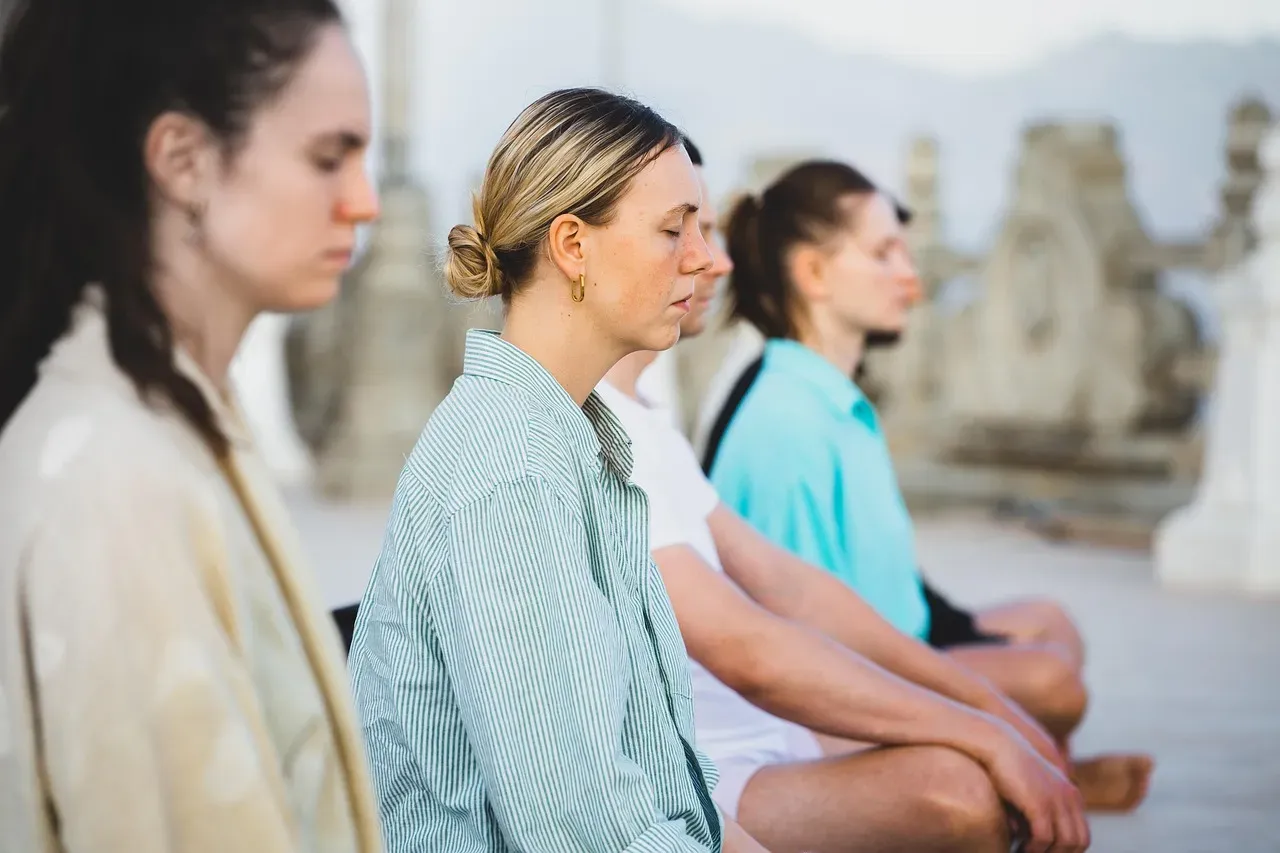
The most creative people make meditation and mindfulness a regular part of their daily routine. Just ten minutes of meditation a day can increase your creative powers, research from Erasmus University in Rotterdam indicates. That’s a strikingly small investment for a meaningful return. The key is to make meditation a regular part of daily activities. Meditation’s benefits arise from consistency.
Research and practice suggest that despite what initially appears to be conflicting dynamics, mind-wandering and mindfulness can enhance each other toward creativity. Mindfulness in conjunction with mind-wandering may allow the mental wanderer more awareness and potential to imagine and think creatively. Many creative professionals report that the ideas that feel most original arise not during focused sessions, but in the calm that follows them.
They Walk, Especially When They’re Stuck

Studies have shown that walking and running boost creativity during physical activity and shortly after. Running, yoga, and meditation were the top three regular morning activities linked to optimal productivity and higher salaries among successful creative professionals. Movement isn’t just good for the body. It changes the quality of thinking in ways that sitting quietly cannot replicate.
Exercise helps activate divergent thinking by clearing your mind, allowing ideas to flow freely. A recent study found that walking increased creativity for a large majority of participants. Artists and writers often use nature walks to overcome creative blocks. By stepping away from their work and immersing themselves in the natural world, they return with fresh ideas and renewed focus.
They Keep Journals to Track Thinking, Not Just Tasks

Keeping a journal is a valuable tool for tracking progress and gaining insights into your creative journey. As you document your thoughts, challenges, and successes, you cultivate a deeper understanding of your creative process. This is quite different from a productivity to-do list. The journal becomes a kind of research archive of your own mind.
A key aspect of maximizing creative productivity lies in the intelligent reflection on past work and the intentional planning of future steps. This process is not just about producing more but producing better with each iteration. It involves a keen sense of self-awareness and the ability to objectively analyze one’s own creations. Over months and years, that record becomes genuinely useful – not just personally, but professionally.
They Spend Time in Nature With Deliberate Regularity

Nature can make you a more curious and flexible thinker. Cognitive psychologist Ruth Ann Atchley underscores the value of nature as a wellspring and resource for human creativity. The emotional benefits of nature are particularly important for people in creative professions, where stress and pressure to perform can stifle the creative process. By regularly reconnecting with nature, creatives can maintain a sense of balance, which is crucial for sustained innovation.
Studies show that time spent in green spaces enhances attention, memory, and overall cognitive performance. The Restorative Attention Theory explains why nature is so effective for focus. Urban environments demand constant attention, leading to mental fatigue. Nature, on the other hand, offers a gentle engagement that allows your brain to recover. Many creative professionals build short outdoor breaks into their day for exactly this reason.
They Limit Their Active Creative Work to Focused, Shorter Sessions

Figures suggest that if you’re a knowledge worker and your job doesn’t require you to perform lots of physical tasks, it would make more sense to do creative work about four hours a day. By creative work, this means focused, highly productive and output-driven work. More hours rarely means better creative output. The research on this is fairly consistent.
The rest of the day should be used to recharge your creative batteries. As Newport notes, “Providing your conscious brain time to rest enables your unconscious mind to take a shift sorting through your most complex professional challenges.” Creative professionals who honor this rhythm often find their best ideas surface not during work, but in the hours surrounding it.
They Build Connections With Other Creative People

Connecting with like-minded creative professionals can significantly enhance your project’s development. Networking offers a wellspring of collaboration opportunities, fresh insights, and invaluable feedback. Isolation can feel productive in the short term, but creative work fed only by one perspective tends to narrow over time. Exposure to how others think breaks that narrowing.
Engaging with fellow creators can enrich your experience and help you overcome feelings of isolation. Collaborating provides fresh perspectives, encourages brainstorming, and creates a supportive sense of community often absent when working alone. The creative professionals who sustain long careers tend to invest in these relationships not just professionally, but as a genuine source of ongoing renewal.
They Act on Discipline Rather Than Waiting for Inspiration

For highly creative people, their craft is not an occasional activity but a lifelong commitment. When you make creativity a regular habit, you train your mind to turn small challenges into solutions. This is the part that doesn’t make it onto motivational posters. Prolific creators act in anticipation of inspiration. If you show up at the same time and do the same thing, you won’t have to rely on inspiration. Instead, you’ll develop a habit. Action leads to inspiration.
Creative energy doesn’t come from a drained mind or a fried body. Building a routine that includes recovery is just as important as productivity. The daily discipline of showing up, protecting attention, moving the body, and genuinely resting forms a complete system. It’s not glamorous, but across a career, it’s the difference that becomes unmistakable in the work itself.