4 Ways to Reset Without Taking Time Off
Most people assume that feeling depleted at work means they need a vacation. That equation made sense once, but research keeps complicating it. Studies have found that respite from work does produce small but positive effects on health and well-being, yet those recovery effects tend to be short-lived, with burnout symptoms decreasing during vacation only to increase again after returning home. In other words, two weeks in a different time zone doesn’t fix what a Tuesday afternoon could start to address.
Burnout currently affects more than three quarters of American employees, according to 2024 workplace studies, making prevention strategies more critical than ever. The good news is that some of the most reliable reset methods ask very little of your schedule. They work inside the margins of an ordinary day, and they work because they align with how the brain actually recovers rather than how we assume it does.
Step Outside and Let Your Attention Wander

Attention Restoration Theory proposes that spending time in natural settings, or even viewing natural scenes, helps people recover from directed attention fatigue, which is the mental tiredness that occurs when sustaining deliberate focus on tasks. Natural environments often evoke a state known as soft fascination that allows the mind to rest and reflect, supporting later task performance. It’s a compelling framework, and the experimental evidence behind it has grown considerably.
A randomized controlled trial involving 92 participants compared a 40-minute, low-intensity nature walk against an urban walk of comparable time and distance, controlling for temperature, humidity, elevation, and pace. While positive affect improved for both groups, the nature walkers showed a significantly greater boost in mood. EEG data also revealed significantly greater frontal midline theta activity following the urban walk, suggesting the urban environment placed higher demands on executive attention. A park, a tree-lined street, even a quiet courtyard will do. The key is getting out of the environment your brain associates with directed effort.
Build a Hard Stop at the End of Your Workday
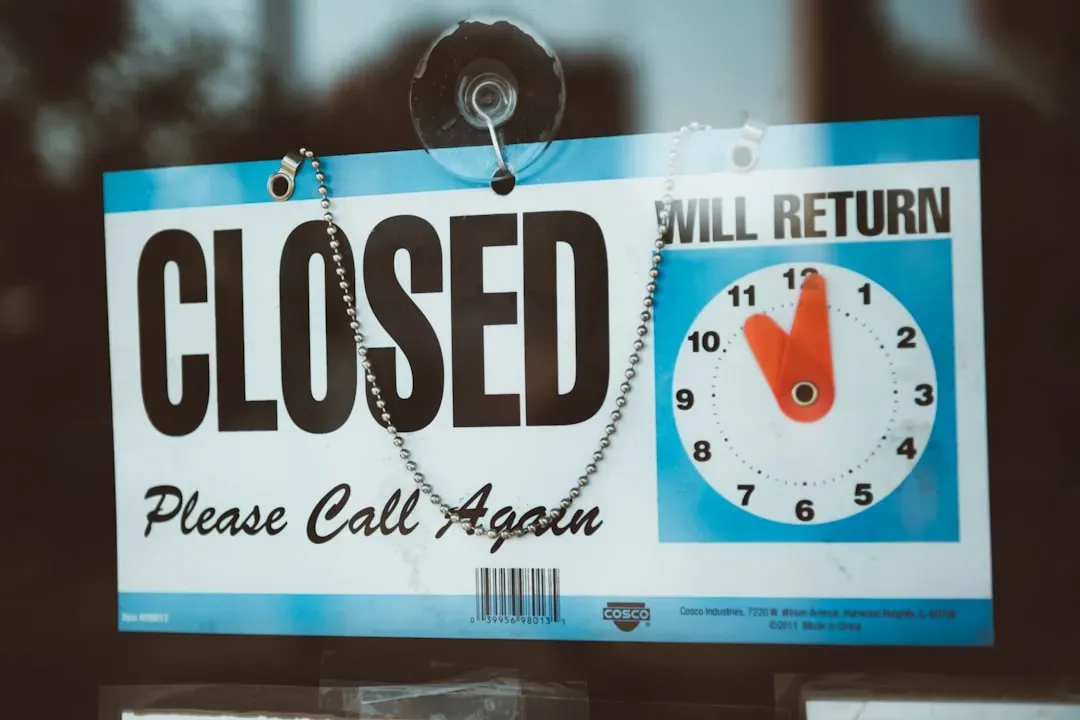
Recovery experiences are defined in the research literature as non-work activities that create positive outlooks and restore the energy needed to focus on one’s work. The challenge is that most people never actually transition into them. The laptop stays open, the work chat stays active, and the mental residue of the afternoon bleeds into the evening. A deliberate shutdown ritual changes that dynamic by giving the brain a clear behavioral signal that the day is over.
The psychological principle behind this is called the Zeigarnik Effect, a phenomenon suggesting we tend to remember incomplete tasks more than finished ones. By jotting down any worries or open loops for tomorrow, you are effectively offloading those lingering thoughts and clearing space for rest. According to sleep research, people who spent just five minutes writing down future tasks before bed fell asleep faster than those who did not. The ritual itself doesn’t need to be elaborate: close the tabs, write down three priorities for tomorrow, close the notebook. Repetition is what gives it power.
Use Movement as a Deliberate Brain State Shift

Moving your body in certain ways, especially activities that engage both sides of your brain along with music, can help you shift into a more creative mindset, according to recent research. This isn’t about hitting a gym or adding another obligation to the day. It’s about using brief, intentional movement to interrupt a cognitive state that has run its course. Even short, intense movement practiced three to five times weekly for as little as 15 to 45 minutes has been shown to significantly lower work stress and improve job satisfaction.
Just as elite athletes need recovery periods to perform at their peak, the brain needs strategic resets to maintain healthy high performance. These kinds of short movement interventions are not about pushing harder but about working smarter with the brain’s natural rhythms. A brisk 10-minute walk between a meeting and a deadline, a few minutes of movement away from the screen, a brief stretch that actually signals a transition rather than just filling time: these micro-breaks add up in ways that passive scrolling never does.
Practice Cognitive Offloading Through Regular Journaling

Journaling provides a structured way to manage mental overload through a mechanism called cognitive offloading, which means getting worries out of your head and onto paper. Worry externalization through writing decreases the intrusive thoughts that surface during quiet moments. The brain stops trying to actively remember everything once it’s documented somewhere external. This matters not just before sleep but throughout the day, whenever the mental load starts to crowd out clarity.
Getting thoughts on paper helps shift them out of your head in a way that isn’t suppression but processing, which makes them easier to manage. Relaxation techniques including meditation and deep breathing activate the body’s relaxation response, a state of restfulness that is the direct opposite of the stress response. Journaling paired with even a few slow breaths is a surprisingly efficient combination. It takes under 15 minutes, requires nothing but a pen, and produces measurable reductions in the cognitive load that accumulates silently across a full workday.
None of these four methods require a flight, a hotel room, or a week away from your inbox. What they do require is treating your attention as a resource that depletes and can be refilled, not a switch you flip at the end of Friday. Small, repeated interventions built into ordinary days tend to outperform the occasional grand escape, not because rest doesn’t matter, but because the brain recovers best when recovery is a habit rather than a rescue plan.