Dead Malls Are Making a Comeback – and Their New Purpose Is Even More Concerning
The Surprising Scale of America’s Dead Mall Problem
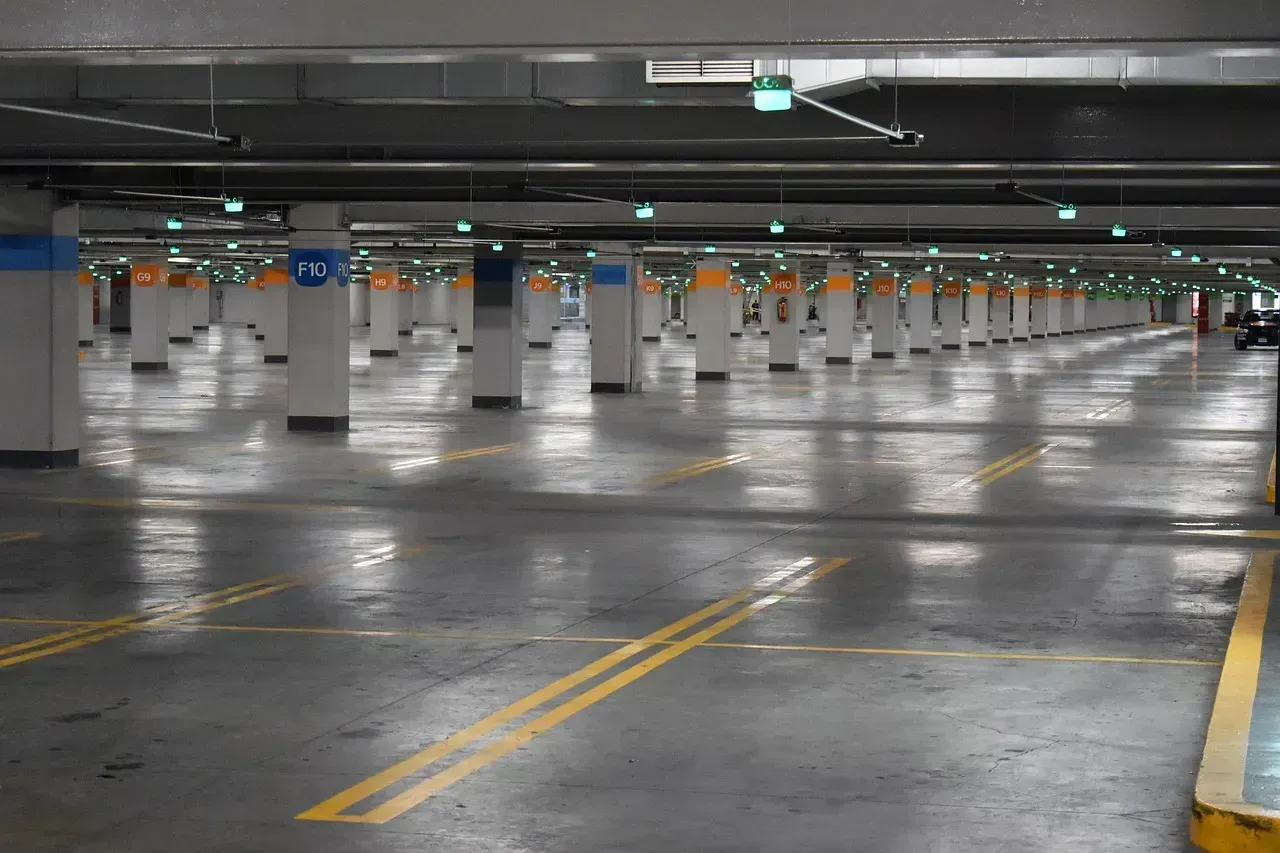
Behind the empty food courts and shuttered storefronts, there’s a quiet crisis that’s much bigger than a few failed shopping trips. Recent data shows the United States has around 700 malls remaining in 2025, down from more than 1,500 at its historical peak. Some projections point to another 25% of malls closing over the next five years, while others suggest the total could fall to as few as 200 by 2035–2040. Analysts increasingly agree that a large share of major shopping malls is likely to disappear over the next decade, turning what once felt like isolated “dead malls” into a nationwide infrastructure problem rather than a quirky YouTube trend. These properties don’t bounce back quickly either – closed malls often sit empty for years before any redevelopment begins.
From Temples of Consumption to Abandoned Landlords’ Nightmares
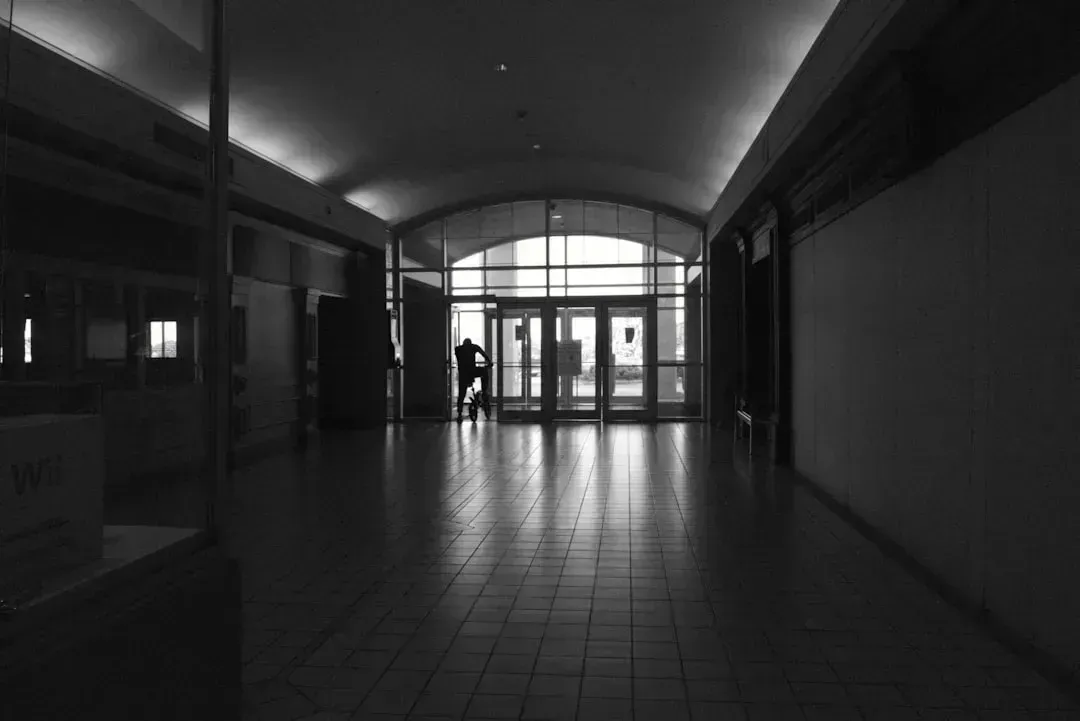
The shift is even more jarring when you remember how overbuilt America’s retail landscape became. By 2010, the country had just under 108,000 shopping centers of all types and around twenty‑plus square feet of retail space per person, a level several times higher than many European countries. Developers literally ran out of rational reasons to keep building, but construction kept going anyway, which set the stage for the collapse once online shopping and changing habits caught up. Between 2017 and 2022, the number of malls declined at a pace of a bit more than three percent each year, with dozens of malls closing annually and vacancy in malls ending up more than double the overall retail vacancy rate by late 2024.
Why Dead Malls Are ‘Coming Back’ Instead of Staying Empty
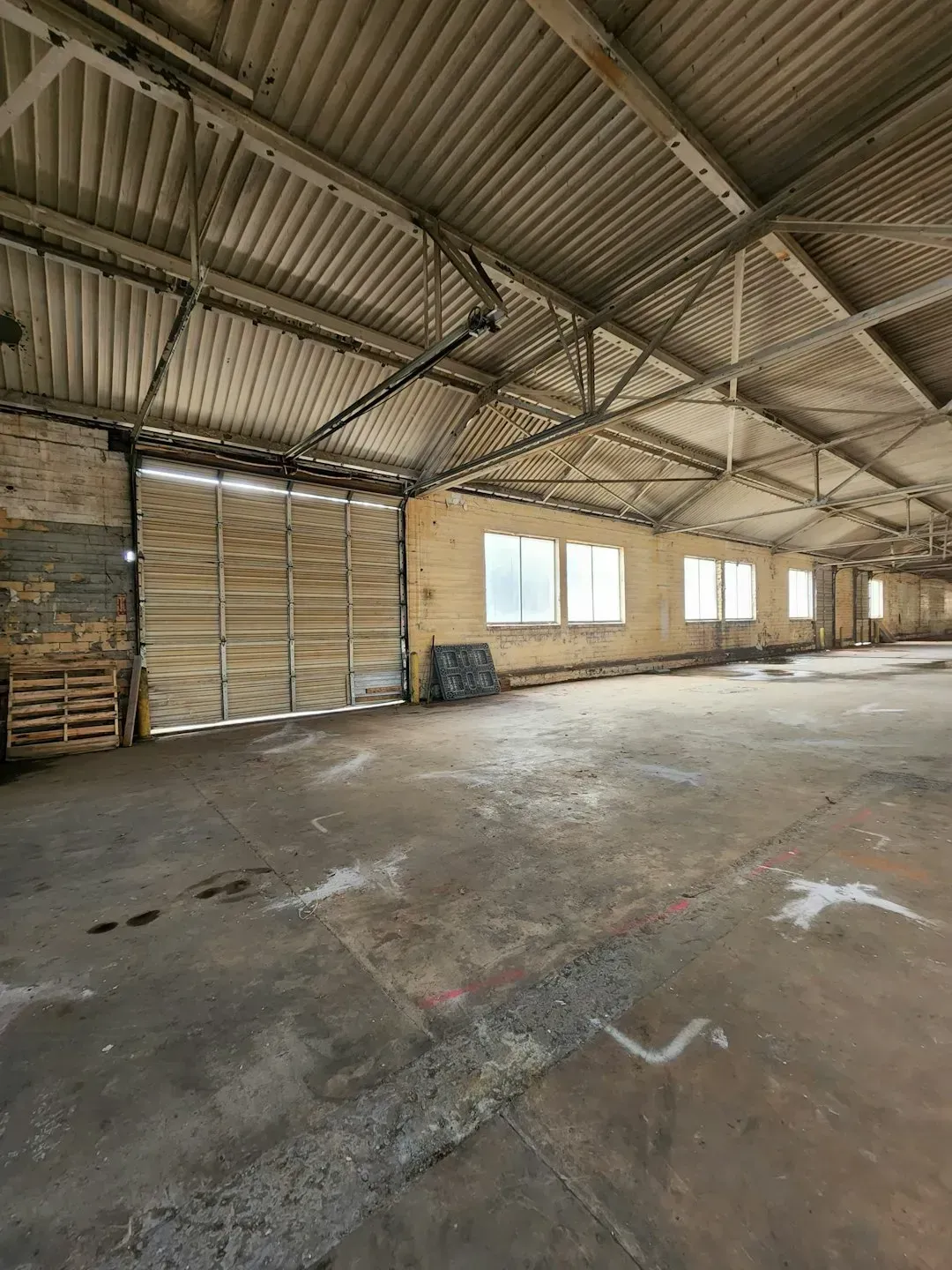
Even though many malls are failing, they are not all being left to rot; they are being reborn as something else entirely. Research on redevelopment patterns shows that many repurposed malls are being turned into mixed-use projects, blending apartments, offices, entertainment, and some retail in place of the old department‑store‑anchored format. Some get converted into warehouses, and smaller but still notable shares become residential housing, delivery hubs, health care facilities, or even college campuses. The financial push behind this is strong as well, with banks financing many repurposed mall projects, followed by real estate investment trusts and private investors who see cheap land and large buildings as an opportunity.
Warehouses, Fulfillment Centers, and the E‑Commerce Feedback Loop
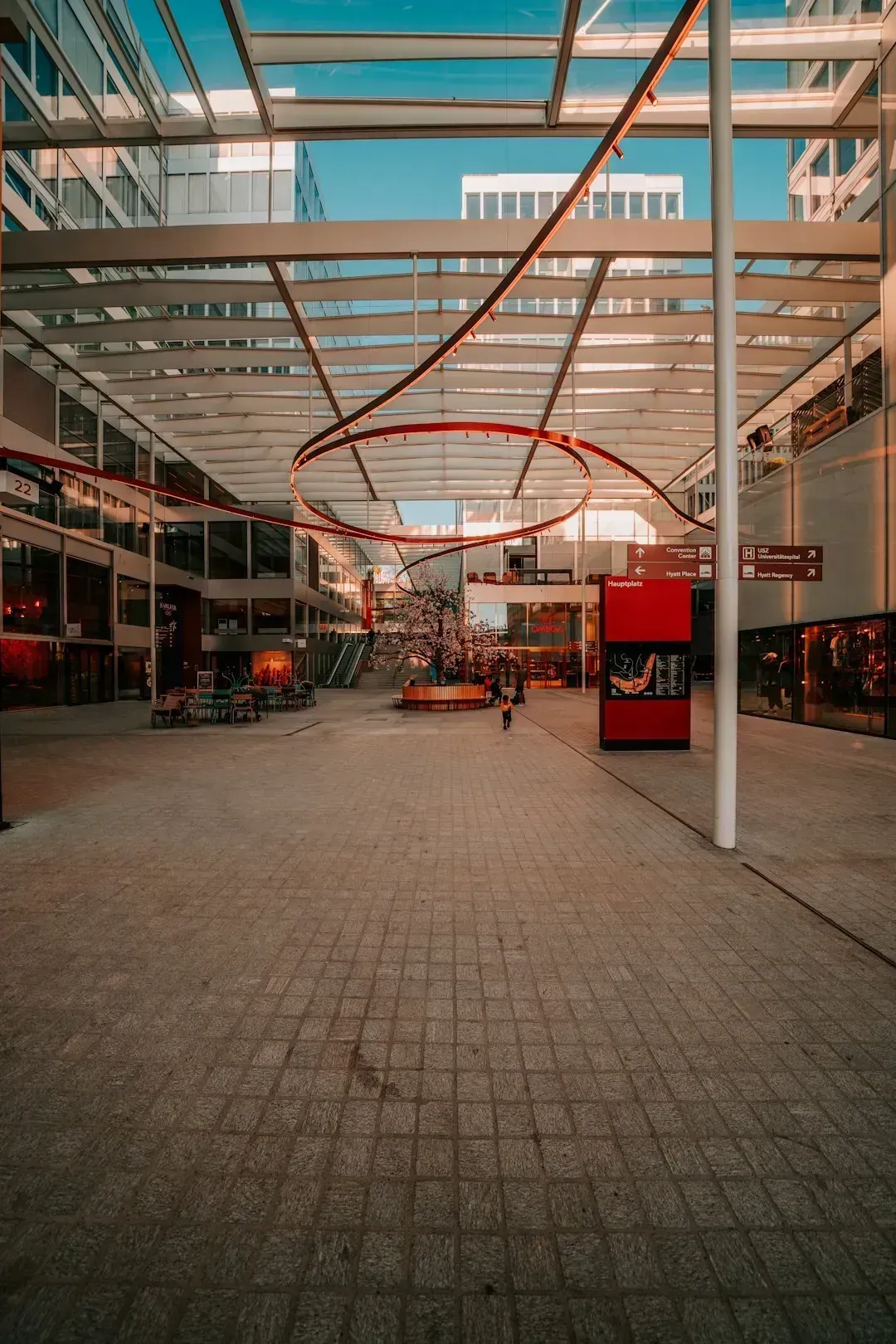
One of the most unsettling twists is how many former malls now serve the very online shopping systems that helped kill them. Studies of vacant mall outcomes show that some end up as warehouses and others as delivery or distribution centers, essentially transforming spaces once meant for weekend browsing into the back end of same‑day shipping. A widely discussed example is Rolling Acres Mall in Akron, Ohio: after years as a poster child for dead retail, the site was demolished and replaced with an Amazon distribution facility that opened in 2020. In practical terms, families lost a community hub and got a logistics node in its place, feeding a feedback loop where more convenient deliveries further undermine what remains of traditional brick‑and‑mortar retail.
Housing and “Mini‑Cities” Inside the Shells of Old Malls
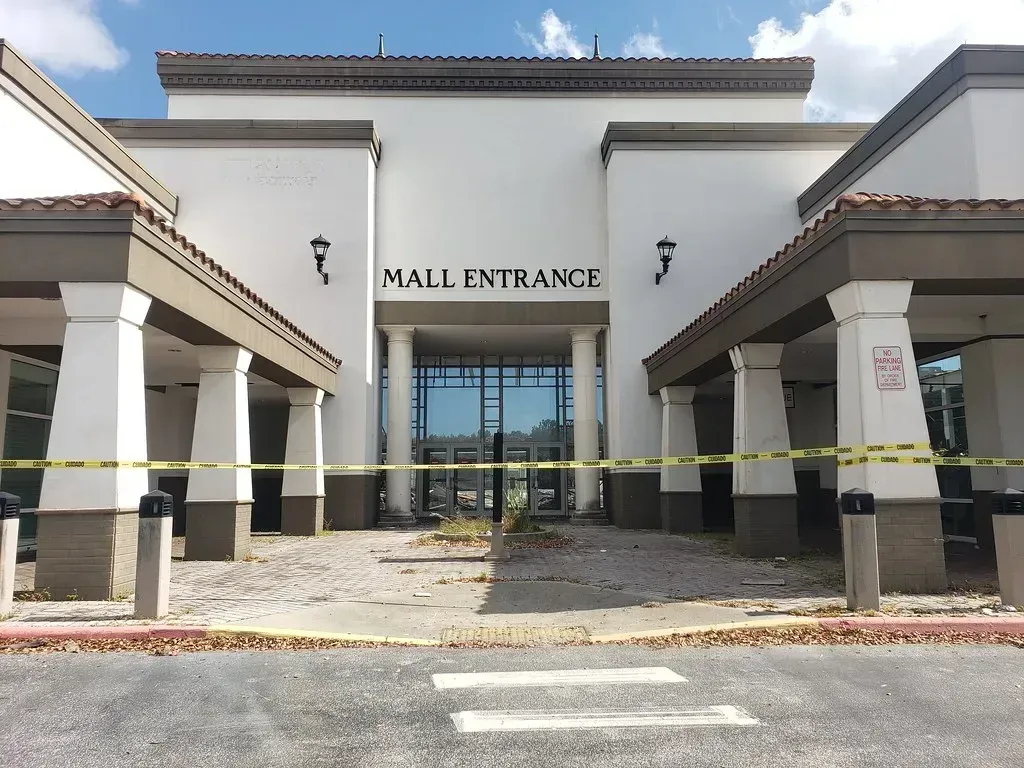
Another big trend is the push to fold housing into dead mall sites and turn them into self‑contained neighborhoods. Data on redevelopments shows that almost half of repurposed malls include some mix of uses rather than staying purely commercial, and a smaller share, become primarily residential housing. In Los Angeles, the former Promenade mall is being transformed under a project known as Promenade 2035 into a “mini‑city” concept with more than 1,400 apartments, hotels, offices, and an arena replacing the traditional shopping format. Across the country, developers are chasing a similar formula: dense housing plus entertainment and dining, often marketed as modern lifestyle districts, even if longtime locals mostly remember the place as the spot where they once bought school clothes.
Medical Campuses, Colleges, and the Quiet Institutional Takeover
While they do not make flashy headlines like luxury apartments or pro sports facilities, educational and health care users are quietly claiming a slice of dead mall real estate. Research on mall reuse shows that some former malls end up as community college or university space, and others become health care or hospital facilities. The appeal is obvious: malls already have vast parking lots, central locations, and structures that can be reconfigured into classrooms, clinics, or labs more cheaply than building from scratch on a blank site. For communities, that means the familiar escalators and food courts are increasingly being replaced by exam rooms, lecture halls, and imaging suites, turning once‑casual hangouts into spaces where people go for surgery or student loans.
Local Tax Bases and the Hidden Cost of Repurposing
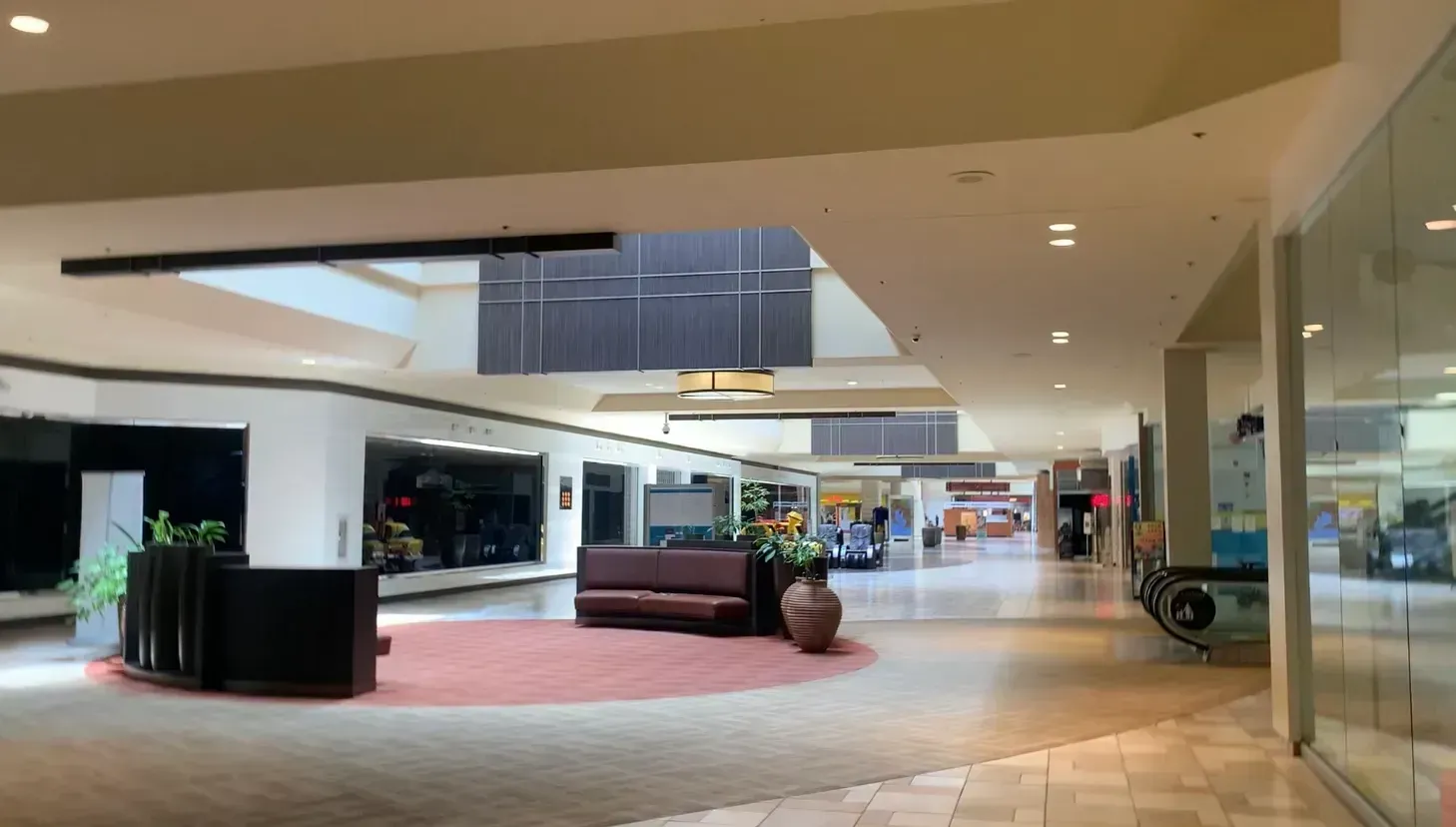
When a mall dies, the impact on the local tax base can be brutal, and the “comeback” often does not fully fix the damage. Closed malls typically sell for substantially less than their original acquisition costs, which means local governments lose property value and the related tax revenue they once relied on to fund schools, roads, and services. During the years when a dead mall just sits vacant, which can last several years, surrounding businesses often suffer from fewer visitors and a sense that the area is in permanent decline. Even once a redevelopment finally launches, projects that swap dozens of small retailers for one logistics hub or a cluster of apartments usually change the mix of tax and job types, sometimes lowering retail employment and shifting more of the economic benefit to distant owners instead of the local main street.
Community Life: From Hangout Spot to Surveillance‑Heavy Space
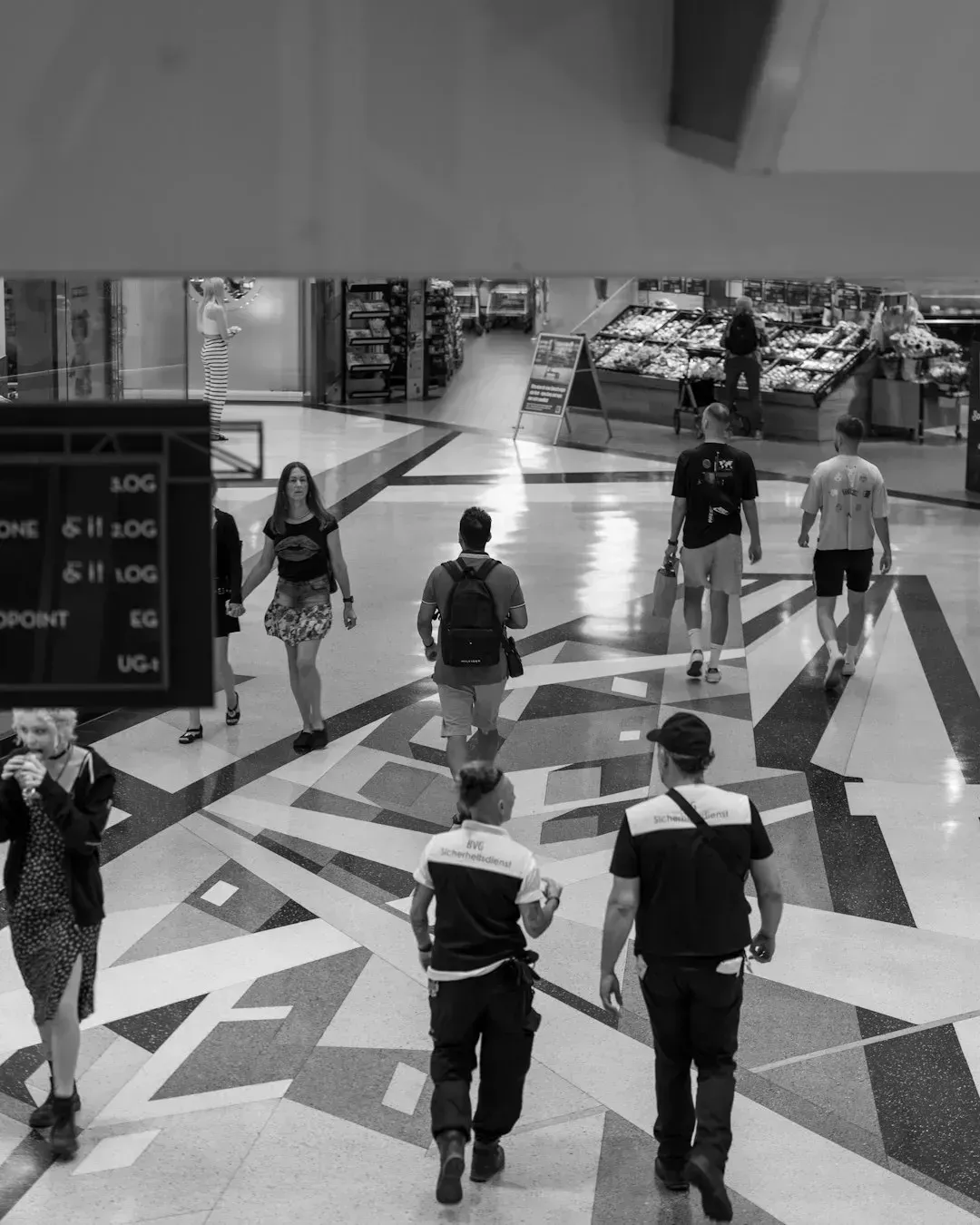
For a lot of people who grew up in the 1980s, 1990s, or early 2000s, malls were where teenagers learned independence, met friends, and killed time for free, but the new versions often feel colder and more controlled. Mixed‑use redevelopments tend to emphasize higher‑end apartments, curated restaurants, and ticketed entertainment while quietly reducing the amount of truly public space where you can simply sit without buying something. At the same time, the conversion of some dead malls into warehouses, medical complexes, or corporate offices replaces open corridors with badge‑only doors, restricted access, and heavy security. In effect, the social function of the mall as a semi‑public third place is fading, replaced by spaces designed around productivity, data, and transaction value more than spontaneous community life.
The Environmental and Land‑Use Hangover of Overbuilt Retail
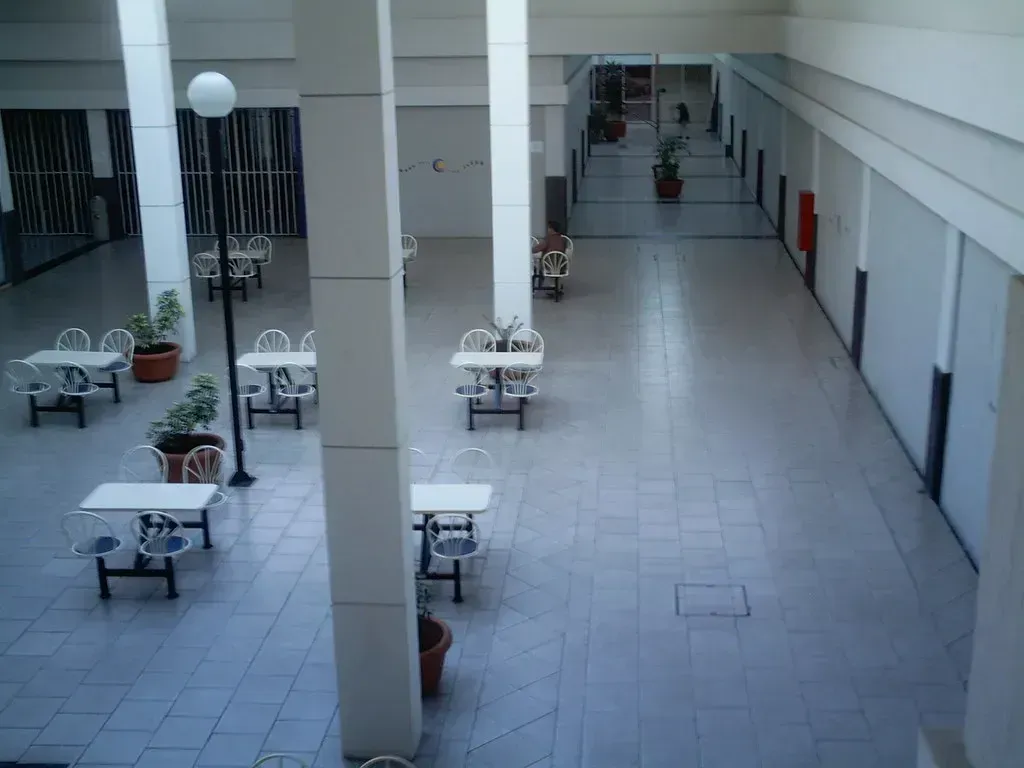
Dead malls are not just an economic or social issue; they are also an environmental headache left over from decades of overbuilding. The United States raced from a few thousand shopping centers in 1960 to tens of thousands by the mid‑1980s and beyond, paving over huge areas for parking lots and big boxes without thinking about what would happen when demand cooled. As those sites decline, many become brownfield‑like properties: large, partially abandoned, sometimes contaminated, and expensive to clean up or repurpose. Federal watchdogs have estimated hundreds of thousands of such problematic sites nationwide, and dead malls are increasingly lumped into that broader brownfield crisis, tying up land that could have been parks, walkable neighborhoods, or smaller‑scale local commerce instead of heat‑soaked asphalt deserts.
The Most Concerning Part of the Comeback
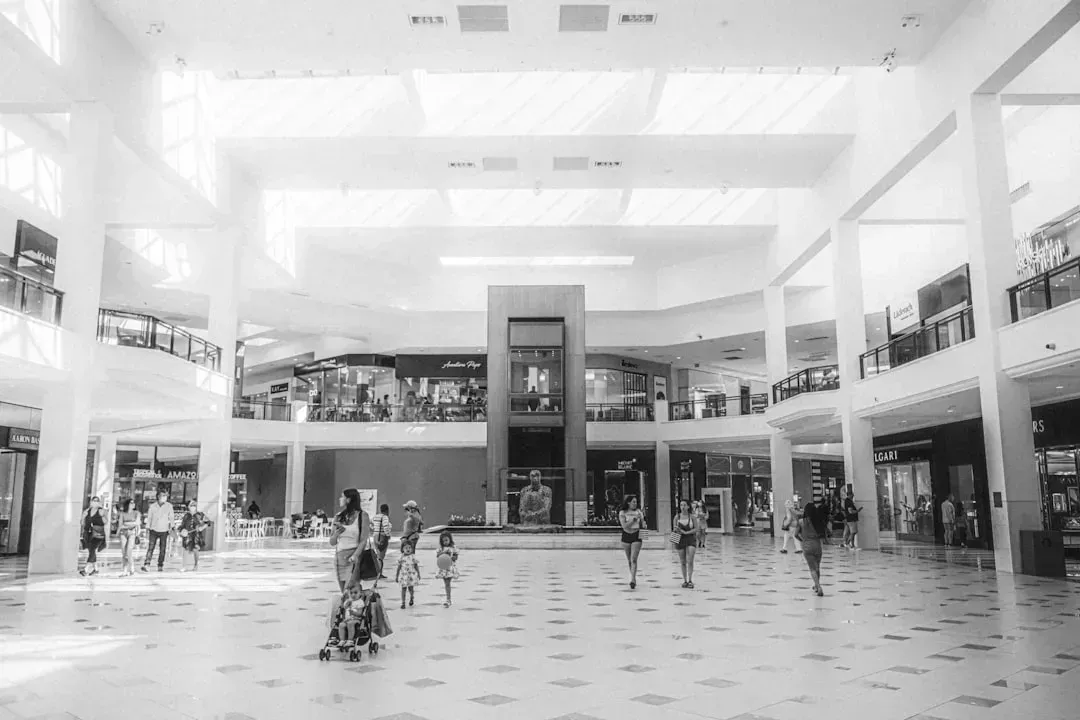
When you put all the pieces together, the worrying part is not that dead malls are simply disappearing, but that they are quietly being reborn into a landscape that is less public, less social, and more dominated by logistics and finance. Many redevelopments blend housing and retail in ways that tend to favor higher‑income residents, while a noticeable share of properties pivot to back‑end infrastructure like warehouses and delivery hubs that most people never see from the inside. At the same time, vacancy rates in malls remain dramatically higher than the rest of retail, and store closures continue to mount year after year, showing that the underlying pattern has not really been fixed. The result is a country where the old gathering places are being hollowed out and rebuilt around efficiency and extraction instead of simple, everyday human contact and shared local space.