How Safe Is South America? Ranking Countries From Safest to Most Dangerous
South America’s reputation usually swings between two extremes. There’s the romantic side, with its mountains and beaches and culture that pulls in travelers from everywhere. Then there’s the darker narrative, full of crime stats and travel warnings that make people think twice about booking that ticket. The truth sits somewhere in the messy middle, and it shifts depending on which country you’re talking about.
Let’s be real here. Safety in this continent isn’t a single story. Some nations rank safer than the United States on international indexes, while others struggle with violence that makes headline news across the globe.
Argentina Claims the Top Safety Spot

Argentina officially became the safest country in South America according to the 2025 Global Peace Index, ranking 47th globally. This represents a significant achievement for the nation. The country’s homicide rate stands at just 4.7 per 100,000 inhabitants, which is lower than Brazil, Colombia, or Mexico. The U.S. State Department actually gives Argentina a Level 1 travel advisory, the same category used for places like France or Japan.
Economic chaos might dominate Argentina’s headlines with its inflation struggles and currency drama. However, the safety picture tells a different story when you look at the numbers. Petty theft remains the primary concern in urban areas like Buenos Aires, particularly pickpocketing in crowded tourist zones, yet violent crime against visitors stays relatively uncommon compared to regional neighbors.
Uruguay Maintains Its Peaceful Reputation
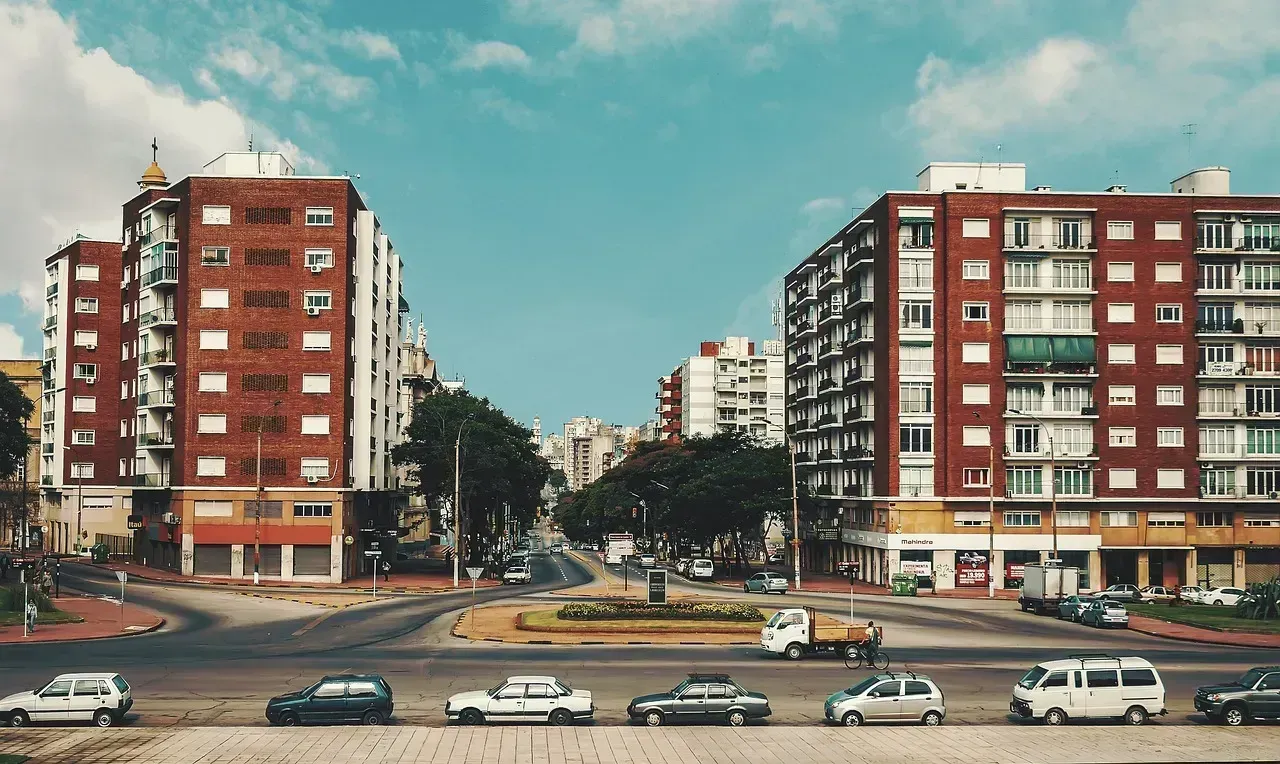
Uruguay sat at 48th globally on the 2025 Global Peace Index, just behind Argentina in South America. The country maintains the lowest homicide rate in the region. People often call Uruguay “the Switzerland of South America” for good reason.
This small nation benefits from exceptional democratic stability and institutions you can actually rely on. The country maintains one of the most stable democracies on the continent, and its healthcare system ranks among the best in Latin America, with a Global Health Security Index score of 49.8/100, well above the regional average. Montevideo and coastal areas like Punta del Este offer peaceful environments where armed guards in shopping malls aren’t part of the scenery.
Robberies do happen, which explains why the U.S. State Department issues a Level 2 advisory. Still, Uruguay’s commitment to low corruption and strong rule of law keeps it consistently near the top of South American safety rankings.
Chile’s Mixed Safety Picture
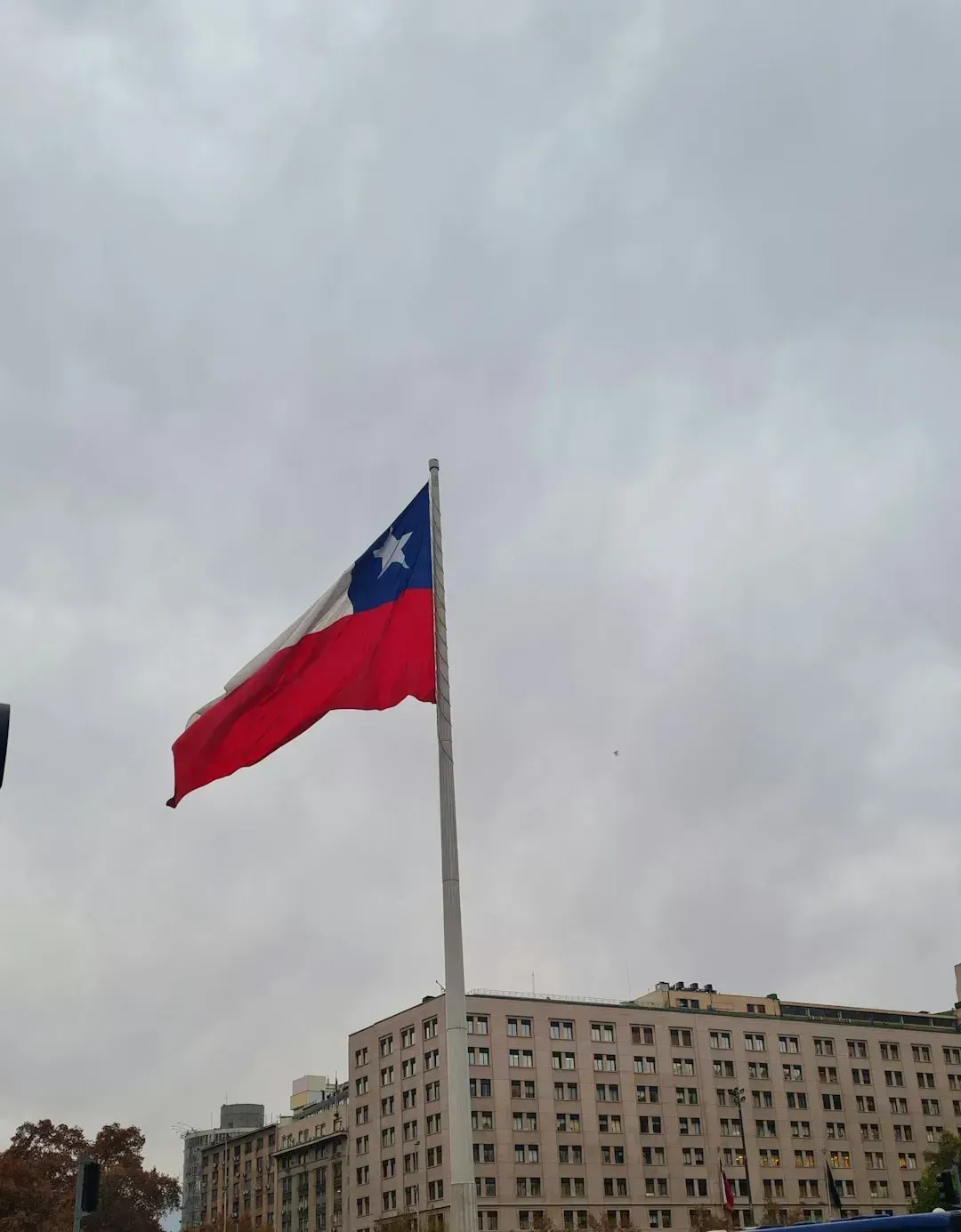
Chile ranked 62nd on the Global Peace Index for 2025, placing it third among South American nations. The country once held the crown as the safest in Latin America around 2015, ranking 27th worldwide. Things have shifted since then.
Chile has declined in its safety ranking, facing a growing security crisis driven by the rise in organized crime and increased use of firearms. Social protests that erupted in 2019 and continued into 2020 also contributed to the decline. The U.S. State Department currently assigns Chile a Level 2 advisory, largely because of occasional demonstrations.
Geography plays in Chile’s favor though. Away from Santiago and major urban centers, the country’s stunning landscapes remain largely peaceful. Torres del Paine, the Atacama Desert, and Patagonian regions continue to draw adventure seekers without major safety concerns.
Paraguay’s Overlooked Stability
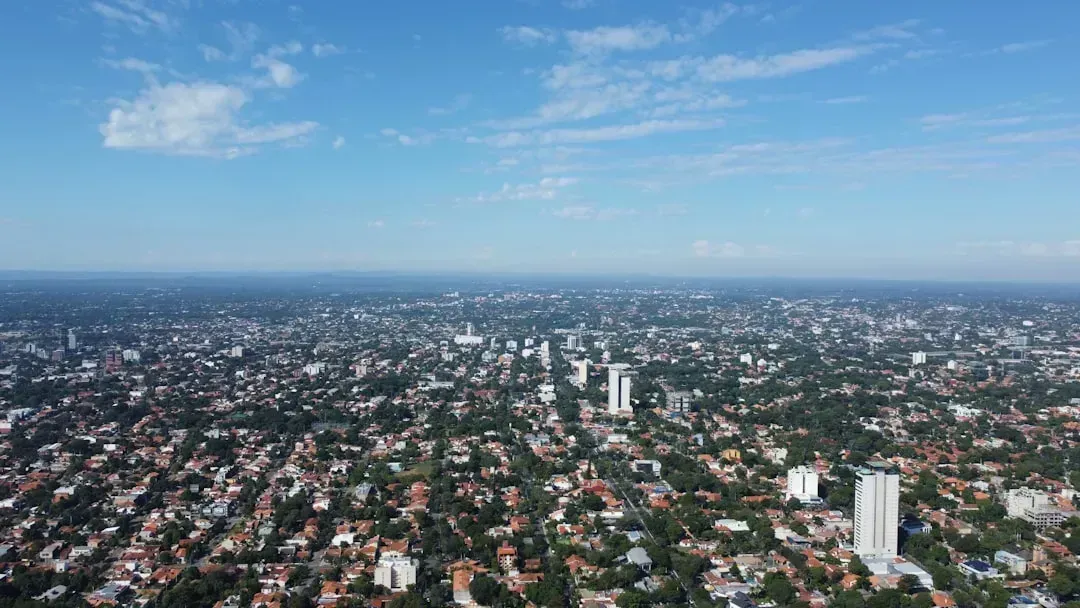
Paraguay ranked 75th on the 2025 Global Peace Index, securing fourth place in South America. The country’s intentional homicide rate sits around 5.7 per 100,000, well below the regional average and significantly safer than neighbors like Brazil or Bolivia. Honestly, most people couldn’t point to Paraguay on a map, which might be part of its safety advantage.
Mass tourism hasn’t hit Paraguay the way it has Peru or Colombia. This landlocked nation stays off most travel radar, which helps it avoid the chaos that often follows tourist crowds. Paraguay holds a Level 1 travel advisory from the U.S. State Department as of mid-2025, the best rating you can get. Asunción and Encarnación offer welcoming atmospheres where effective law enforcement keeps crime rates manageable.
Bolivia Balances Culture and Caution
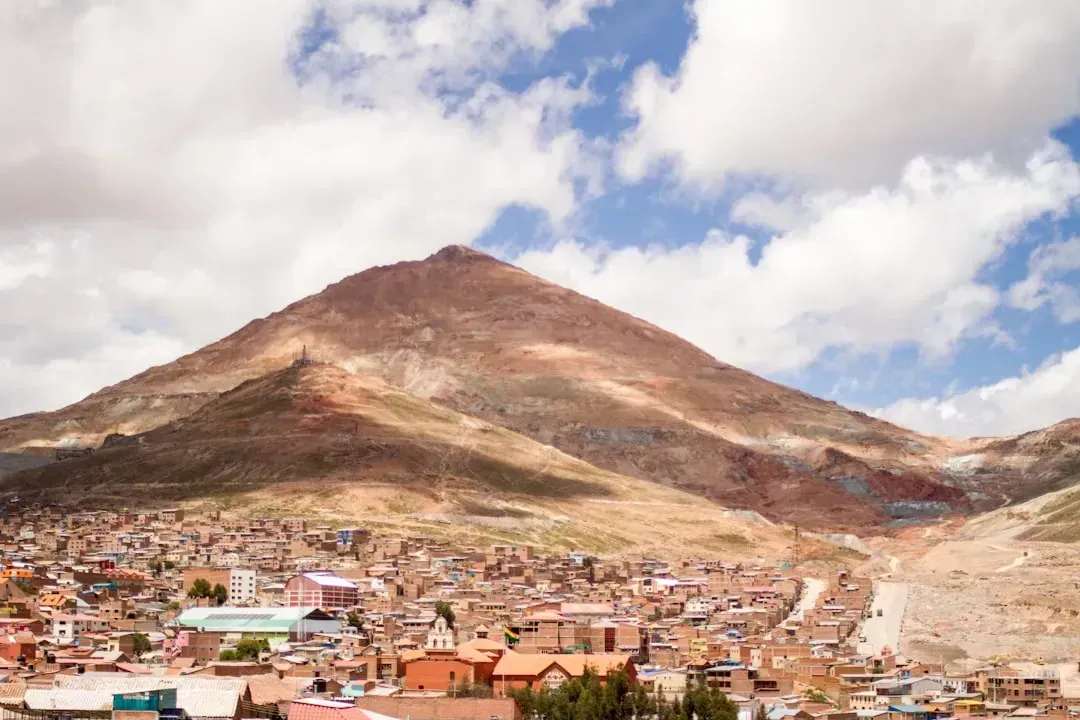
Bolivia ranked 83rd globally on the 2025 Global Peace Index, placing it fifth among South American nations. The country has made real strides in improving safety and tourism infrastructure over recent years. The Uyuni salt flats, Amazon tours, and colorful Oruro carnival draw significant visitor numbers.
Bolivia maintains a Level 2 travel advisory as of mid-2025, primarily due to civil unrest and the possibility of demonstrations. Political instability remains a legitimate concern. Government efforts to curb violence and increase societal safety have shown results, though challenges persist.
The reality is Bolivia offers incredible cultural heritage and natural wonders, yet travelers need to stay aware of which areas to avoid and keep updated on local conditions. It’s not the safest option, yet it’s far from the most dangerous either.
Peru’s Improving Security Situation
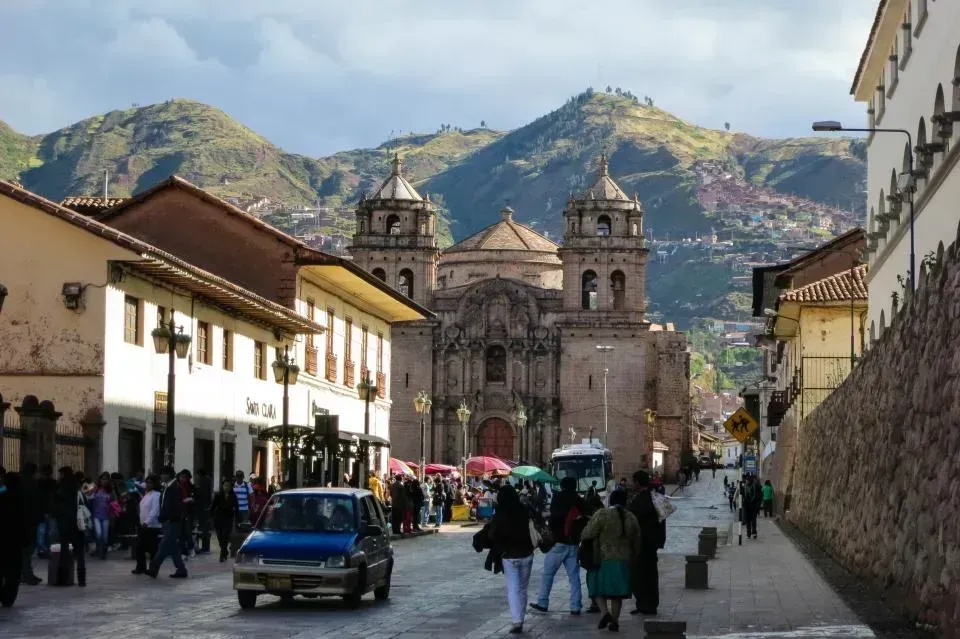
Peru moved up 14 places to 96th on the 2025 Global Peace Index compared to 2024, representing one of the biggest improvements in the region. Peru now ranks among the 100 most peaceful countries for the first time since 2020. Late 2022 saw massive protests that shut down Machu Picchu and made parts of the country inaccessible, causing Peru to experience the sharpest safety decline in South America at that time.
Things have calmed considerably since then. The country produces significant amounts of cocaine, yet drug activity concentrates in remote areas like the VRAEM region where tourists have no reason to visit. Cusco, Lima, and major tourist destinations maintain reasonable safety levels during daytime and early evening hours.
Muggings in major cities and passport theft remain concerns worth taking seriously. There have been rare incidents of tourists robbed at gunpoint outside luxury hotels. The U.S. State Department maintains a Level 2 advisory with specific Level 4 zones that most visitors would never encounter.
Brazil’s Stark Regional Contrasts
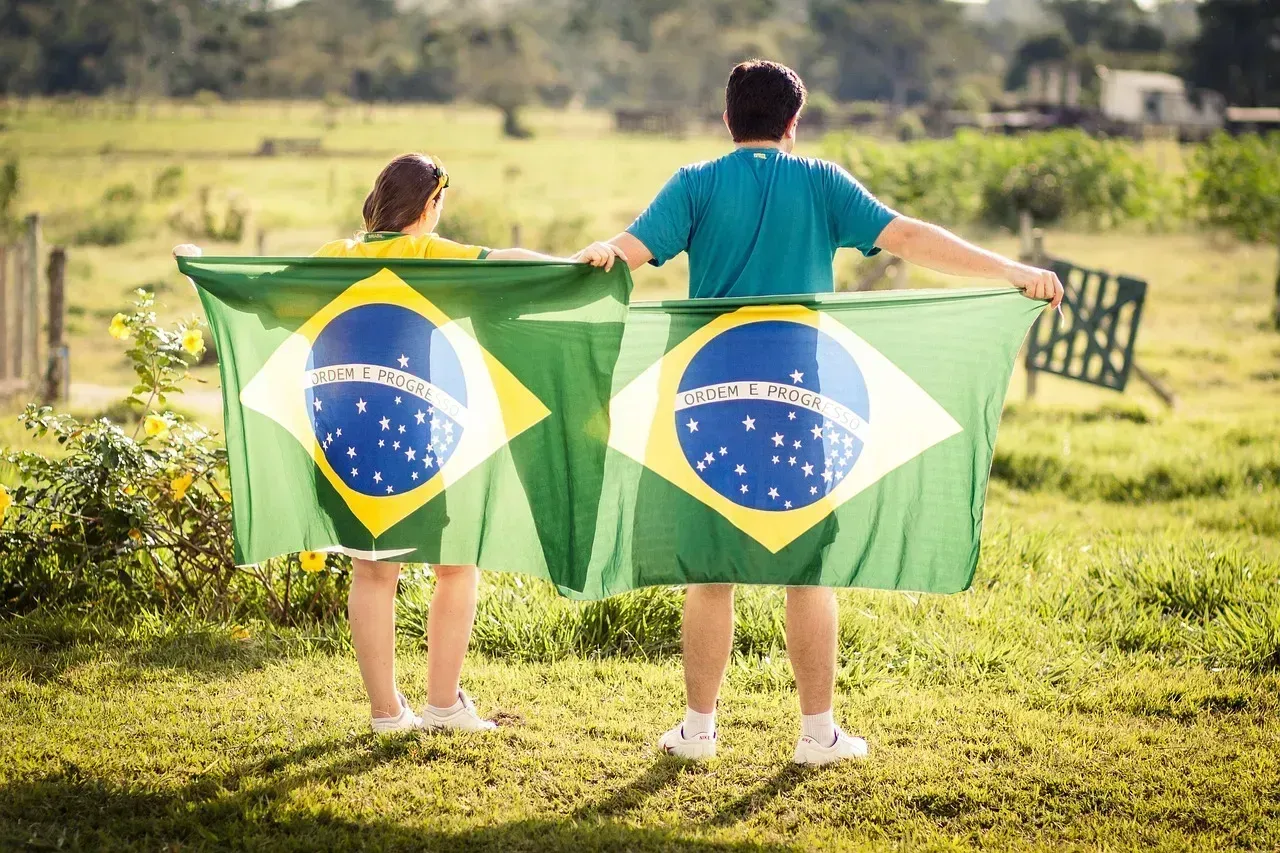
Brazil ranked 130th on the 2025 Global Peace Index, and the country reports some of the highest absolute numbers of murders in the world, with a national homicide rate above 20 per 100,000 in recent years. These numbers tell a grim story, though they mask dramatic regional differences.
Southern Brazil, particularly the states of Paraná, Santa Catarina, and Rio Grande do Sul, compare favorably with South America’s safest countries. European cultural influence and effective local governance create pockets of genuine safety. Travel north though, and the situation deteriorates rapidly.
Cities like Camaçari, Feira de Santana and Salvador in Bahia, plus Macapá in Amapá and Caucaia in Ceará, report murder rates over 65 per 100,000 inhabitants, with Brazil’s national murder rate declining since 2017 yet climbing in parts of the northeast and the nine Amazonian states. Rio de Janeiro and São Paulo remain dangerous despite improved tourism infrastructure. Gang-controlled favelas, drug trafficking from neighboring countries, and organized crime create environments where violence stays stubbornly high.
Colombia’s Persistent Challenges
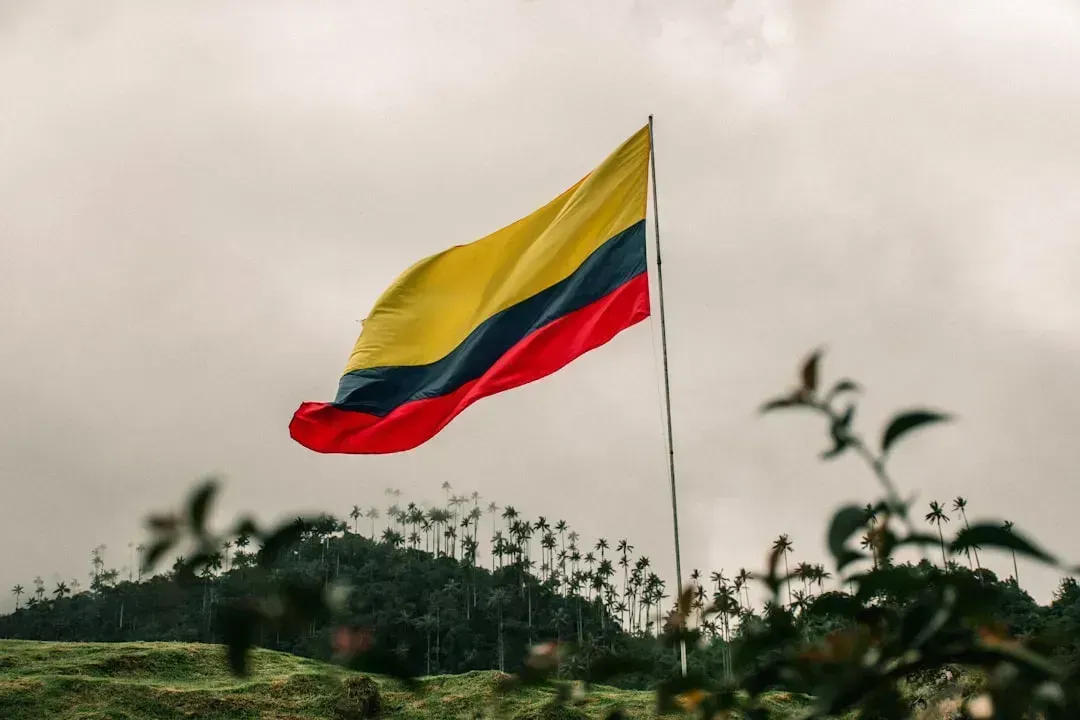
Colombia ranked 140th on the 2025 Global Peace Index, making it one of the least peaceful countries in South America. The country recorded 781 deaths from internal conflict in 2023, and Colombia was the only South American country to record a death from terrorism that year, with clashes between the government and dissident rebel groups hindering the full implementation of the 2016 peace agreement.
Bogotá and other major cities struggle with both petty crimes and more serious offenses. Urban areas experience notably higher crime rates. The tourism industry has grown significantly, drawing visitors to Cartagena, Medellín, and coffee country, yet security concerns remain legitimate.
Progress has been made in suppressing violence compared to decades past. Still, organized crime, drug trafficking routes, and armed groups continue operating in various regions. Travelers who stick to established tourist areas and exercise appropriate caution generally avoid major issues, though Colombia can’t shake its position near the bottom of regional safety rankings.
Venezuela’s Complex Crime Reality
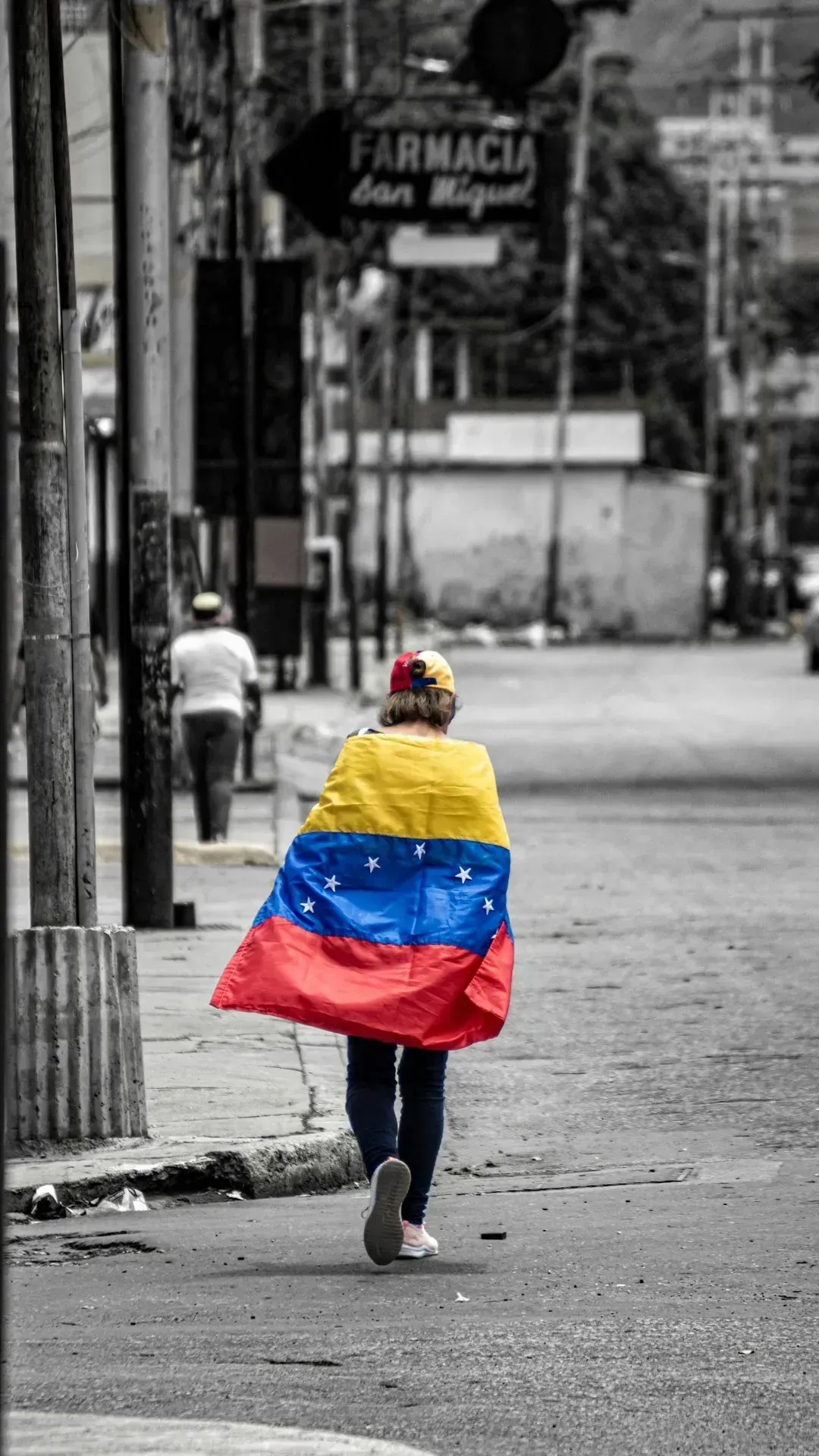
Venezuela ranked 139th on the 2025 Global Peace Index. The country held the sixth position for the highest homicide rate in Latin America, recording 26.8 homicides per 100,000 inhabitants in 2023, even after experiencing a steady decrease in the rate over the years. Government officials claim crime indicators fell by roughly a quarter compared to 2023, though these figures lack documentary support and raise skepticism.
Economic collapse has reshaped Venezuela’s crime landscape in unexpected ways. Criminal gangs like Tren de Aragua have actually expanded operations to other Latin American countries as opportunities within Venezuela dried up. Some regions experience what appears to be improved security, yet this often results from criminal groups monopolizing violence rather than effective state response.
The U.S. State Department maintains a Level 4 travel advisory for Venezuela, indicating it is unsafe to travel to the country, with Venezuela’s high crime rates attributed to government corruption, a flawed judiciary system, and the breakdown of the Rule of Law. Kidnapping, armed robbery, and murder pose serious risks, particularly in Caracas and other urban centers.
Ecuador Faces Unprecedented Violence Surge
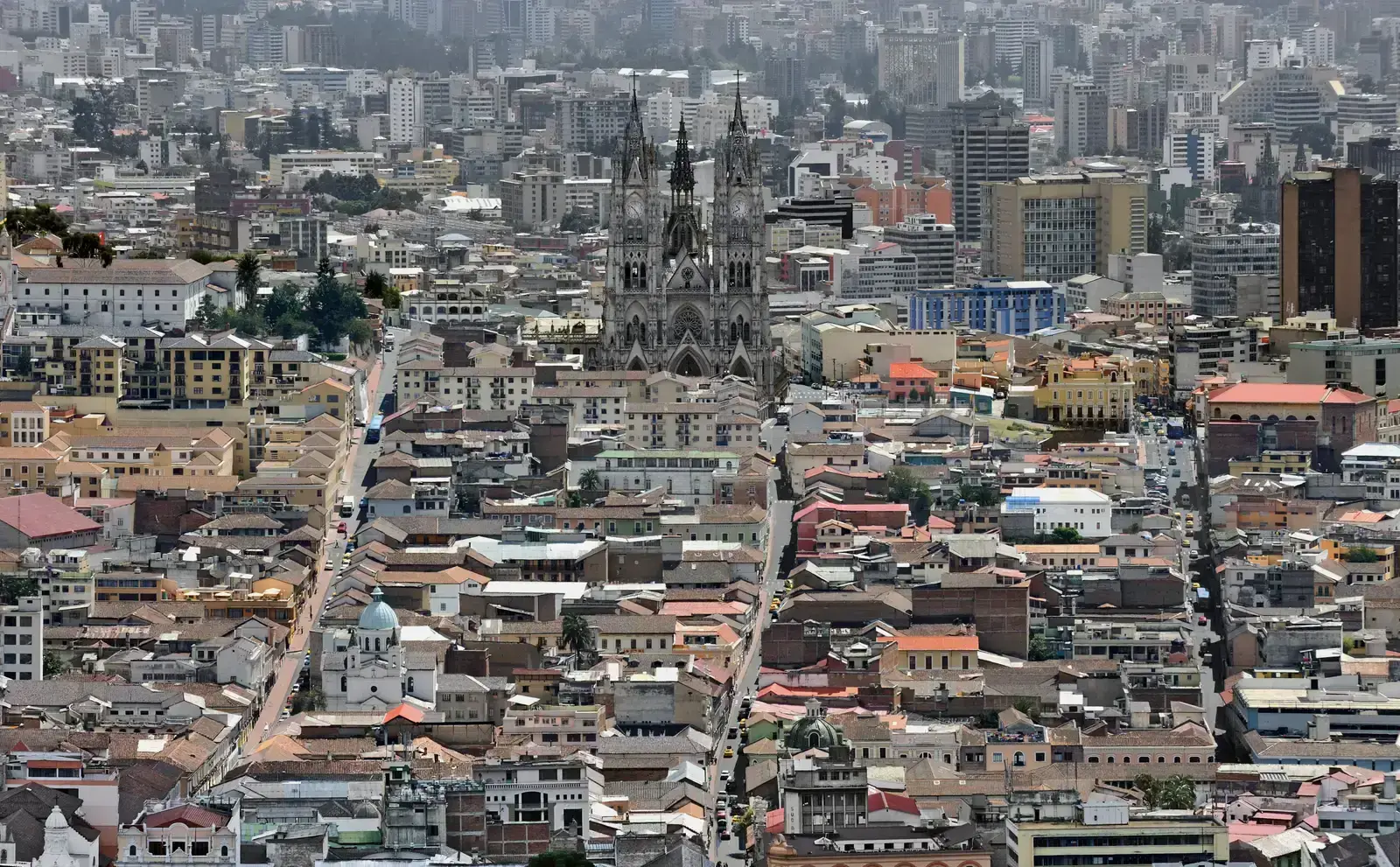
Ecuador is the most dangerous country in South America. Ecuador’s national homicide rate surged from 5.7 per 100,000 in 2018 to 45.1 in 2023. In 2023, Ecuador recorded the second highest homicide rate among Latin American and Caribbean countries surveyed, with 44.5 murders per 100,000 inhabitants.
This wasn’t always the situation. Ecuador was relatively safe when many travelers visited in the early 2020s. In January 2024, Ecuador announced a state of emergency and declared war on drug gangs after a series of attacks broke out, with that conflict still taking place today, and cities such as Guayaquil should be avoided. Gang violence tied to drug trafficking has transformed coastal areas into conflict zones.
Guayaquil and Durán became particularly violent, with rival factions fighting over lucrative cocaine routes through major ports. The government deployed military forces to tackle gang-related violence, yet the security situation remains dire. Quito presents risks even during daytime hours. Some tourist areas like the Galápagos Islands maintain relative safety, though overall, Ecuador represents the most significant security concern for travelers in South America right now.
So where does that leave you if you’re planning a South American adventure? The continent isn’t a monolith. Argentina and Uruguay offer safety levels comparable to many European destinations, while Ecuador and parts of Venezuela present genuine dangers. Chile, Paraguay, and Peru sit in the middle ground where reasonable precautions keep most travelers safe. Brazil and Colombia require careful planning about which regions to visit. The key is understanding that a trip to Buenos Aires carries vastly different risk than heading to Guayaquil, even though they’re on the same continent. What’s your comfort level with that kind of research before you go?