Essential Tech: 10 Devices Every Retiree Should Own (Regardless of Tech Skills)
The landscape of technology has transformed dramatically for older adults in recent years. As of 2024, 76 percent of adults age 65 and older owned a smartphone, a significant increase from just 61 percent in 2021. Technology companies are finally recognizing that seniors represent a massive market opportunity, and devices are becoming more intuitive and user-friendly than ever before. Whether you’re completely new to digital devices or comfortable with basic technology, these ten essential tools can dramatically improve your daily life, safety, and connection to loved ones.
Smartphone: Your Pocket Command Center
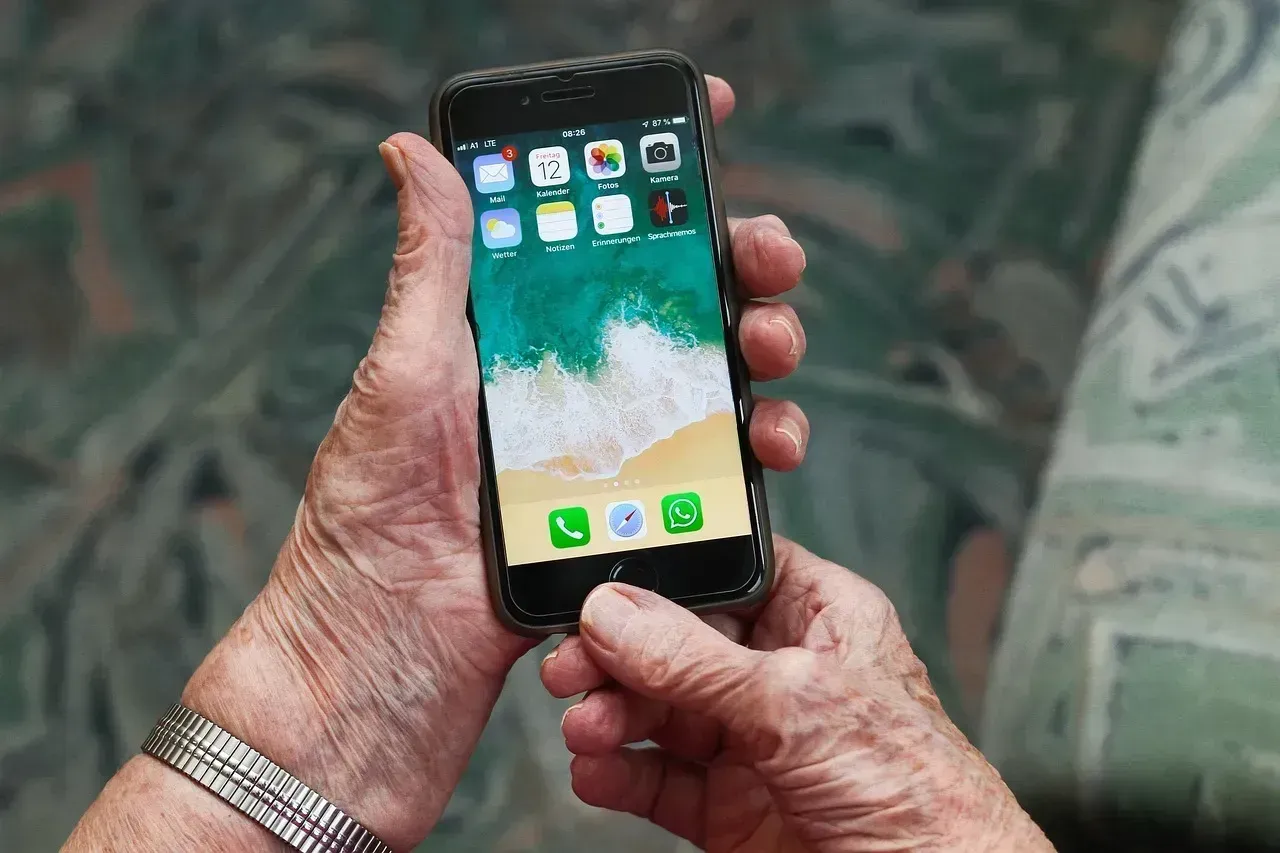
As of 2024, 95 percent of adults age 65 and older own a cell phone, with 76 percent owning a smartphone. These devices have become lifelines rather than luxuries. Modern smartphones simplify staying connected through video calls with grandchildren, accessing telemedicine appointments, and managing banking from your couch. Smartphone ownership has surged, with 89% of older adults now having one cell phone, a significant increase from 77% in 2022. The good news is that today’s smartphones feature larger screens, voice commands through Siri or Google Assistant, and emergency SOS features that can literally save your life.
Tablet Computer: The Perfect Middle Ground
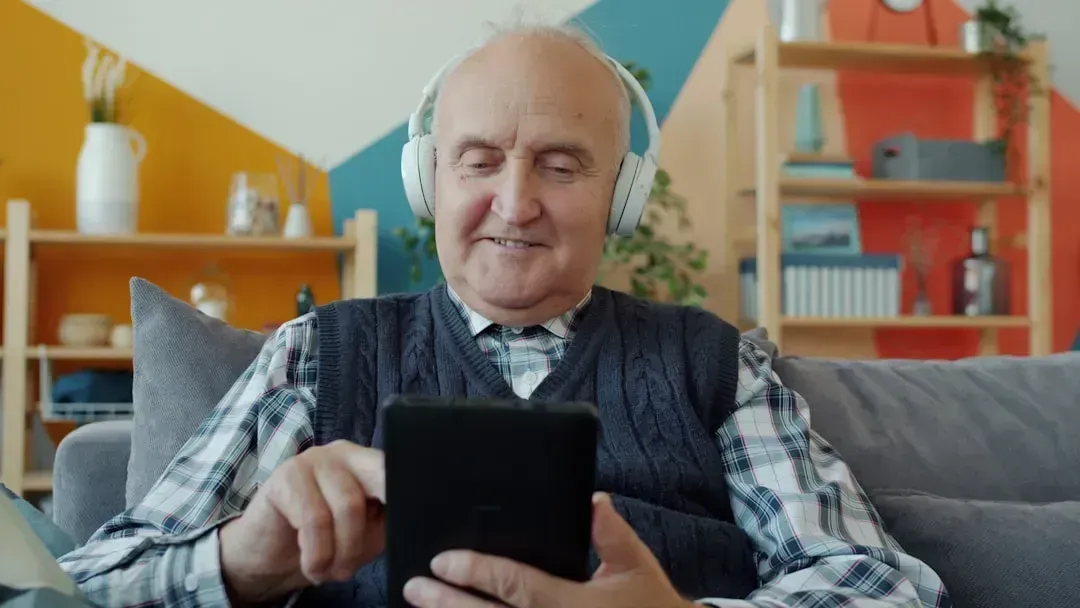
Seniors increasingly use tablets for online activities, with 59% owning them. Tablets bridge the gap between smartphones and laptops beautifully. They offer larger screens that are easier on aging eyes, touchscreen interfaces that eliminate complex mouse movements, and portability that lets you browse recipes in the kitchen or read news on the patio. A review of 28 papers found some evidence that using smartphones and tablets may improve cognitive function, specifically executive function and processing speed, in healthy older adults. Research shows tablets are especially valuable for video calling family, reading digital books, and managing email without the intimidation factor of traditional computers.
Smart Speaker with Voice Assistant: Your Hands-Free Helper
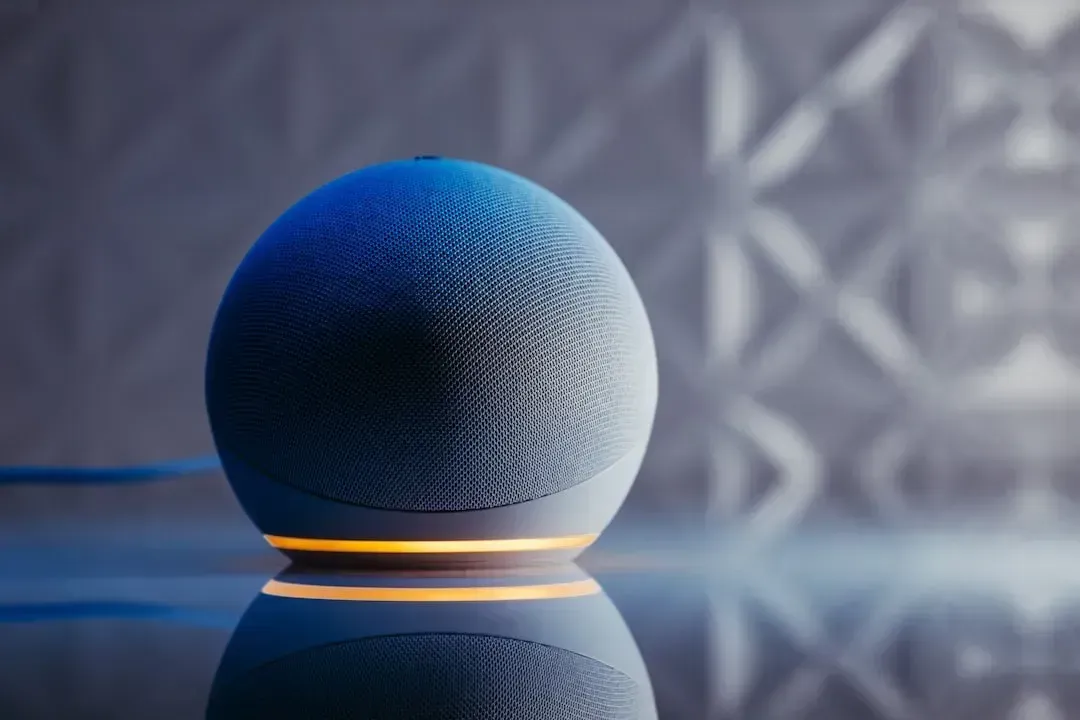
About 29% of adults ages 50 and over have adopted digital assistants, according to AARP. Their research shows that use of technology like smart speakers is only growing among seniors. Devices like Amazon Echo with Alexa or Google Home represent revolutionary tools for retirees. Seniors can ask about the weather, set medication reminders, play music, or make phone calls without needing to fiddle with small buttons or touchscreens. Simply say the wake word and make your request. These speakers control smart home devices, answer questions, read audiobooks, and provide companionship for those living alone. The beauty lies in their simplicity – no typing, no screens to navigate, just your voice.
Fitness Tracker or Smartwatch: Your Personal Health Monitor
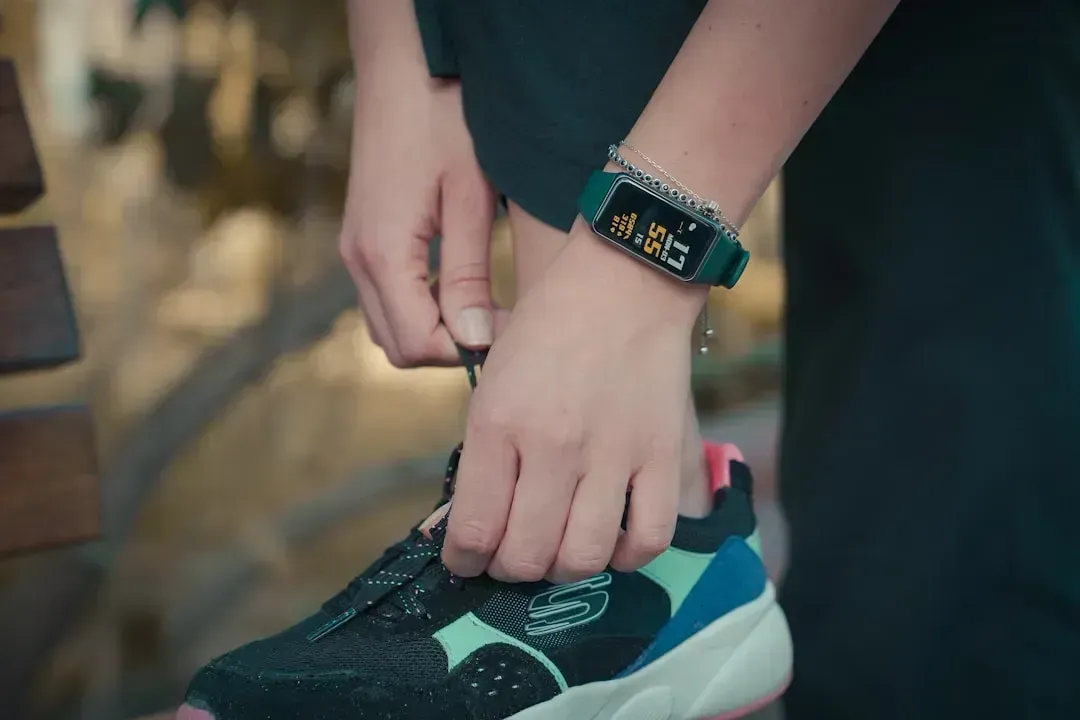
Wearable technology, such as fitness trackers and smartwatches, has more than doubled, rising from 17% to 34% in just one year. Devices like Fitbit or Apple Watch do far more than count steps. Enhanced sensors now track a broad spectrum of health metrics with greater precision, including blood pressure, blood oxygen levels, and stress levels, allowing for a deeper understanding of one’s physical state and enabling more informed health and fitness decisions. These wearables monitor heart rate, detect irregular rhythms, track sleep quality, and can even alert emergency contacts if you take a fall. A 2022 AARP survey found that over 70% of adults aged 50 and older want to use wearable devices to track their health and fitness. This interest makes sense when you consider how these devices can help with daily wellness routines.
E-Reader: Your Portable Library

Amazon Kindle and similar e-readers have become beloved companions for book-loving retirees. These devices eliminate trips to the library, allow you to adjust font sizes for comfortable reading, and can hold thousands of books in a lightweight package. The e-ink screens reduce eye strain compared to tablets or phones, and built-in dictionaries let you look up words instantly. Many models now feature waterproofing, so you can read by the pool without worry. According to recent data, seniors who maintain reading habits show better cognitive function, and e-readers make this easier than ever by offering instant access to bestsellers and classic literature alike.
Smart Thermostat: Effortless Climate Control
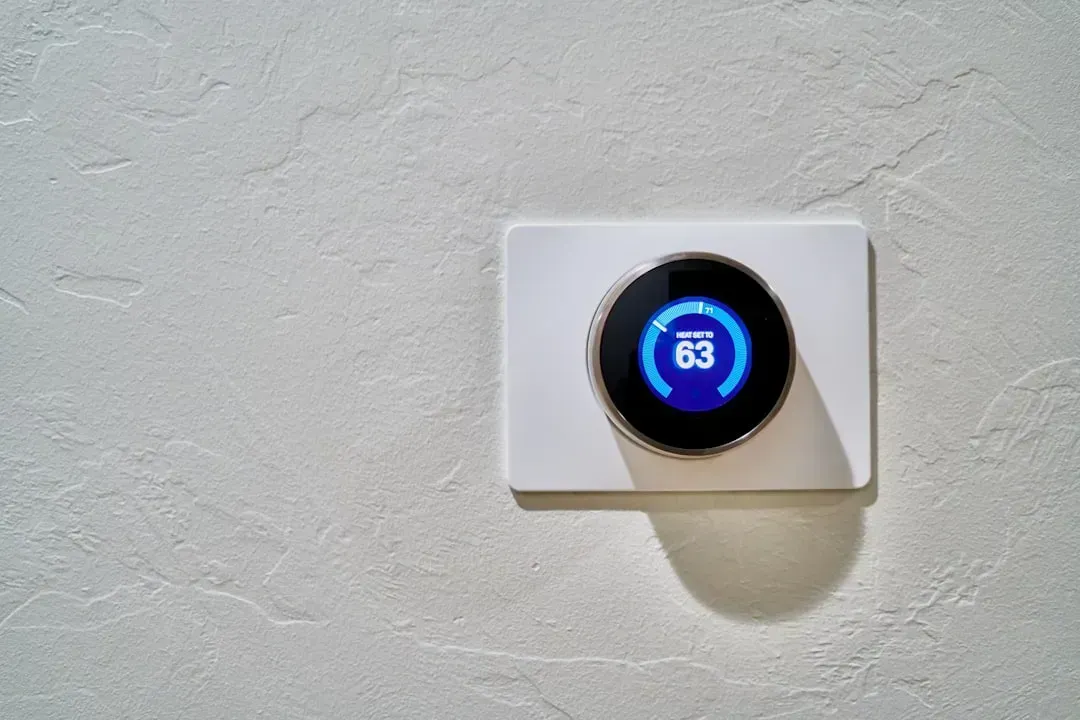
Smart thermostats stand out as one of the most valuable additions to a senior-friendly home because temperature control becomes more critical as we age. These WiFi-connected devices adjust heating and cooling settings automatically and provide simple controls that work well for aging adults. Devices like Nest or Ecobee learn your preferences over time and can be controlled by voice or smartphone. Smart thermostat prices start under $100 for simple models and go up to about $250 for premium versions with advanced features. Many utility companies help reduce these costs with substantial rebates. Family members can check temperatures remotely to ensure you’re comfortable and safe during extreme weather.
Video Doorbell: See Who’s There Before You Answer
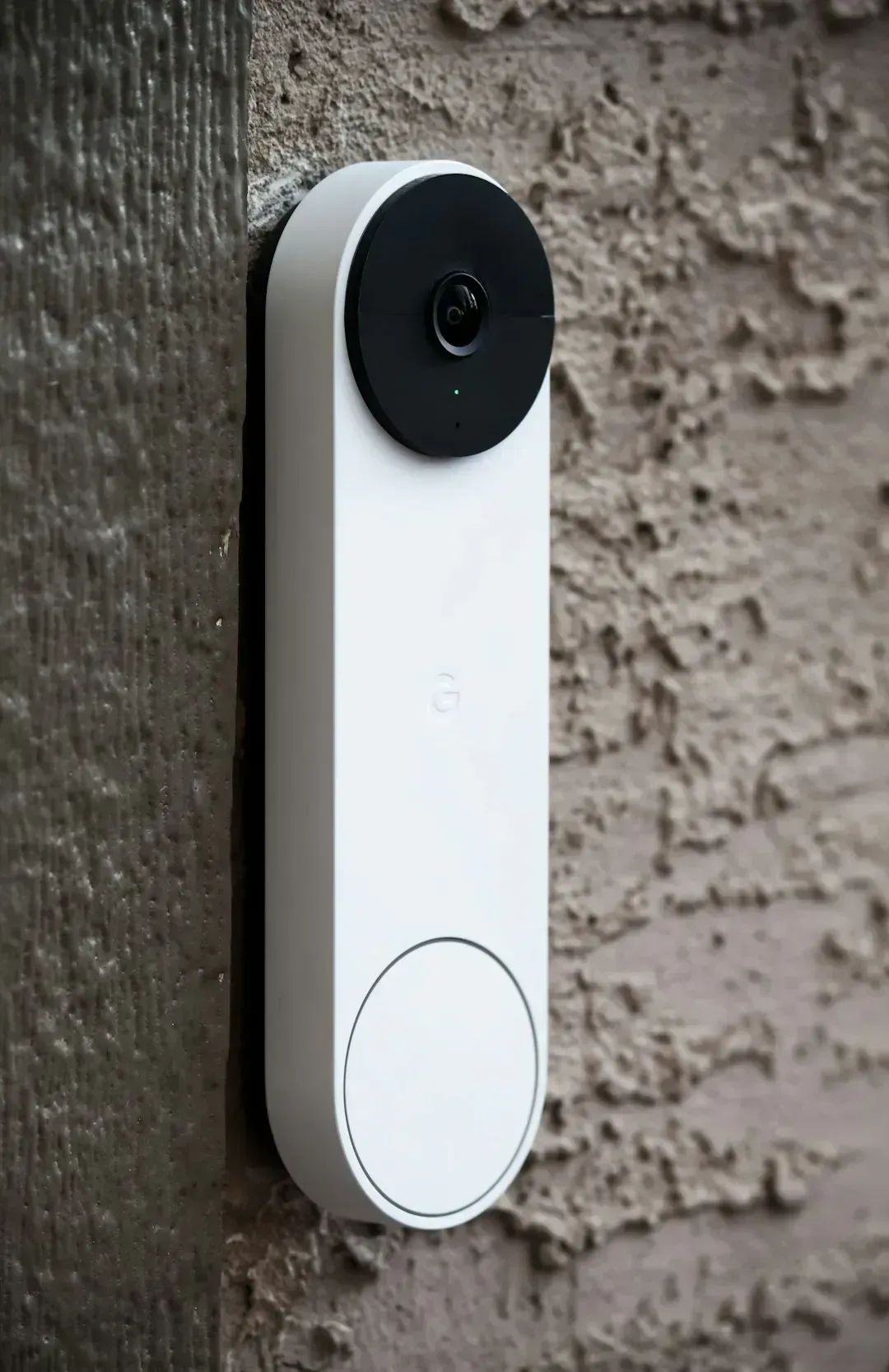
Ring and similar video doorbells have revolutionized home security for older adults. These devices connect to your smartphone or tablet, showing live video of whoever is at your door. You can speak to delivery drivers, verify visitors before opening the door, and review footage if something suspicious occurs. The peace of mind is invaluable, especially for those living alone or concerned about scams targeting seniors. Installation is straightforward, and many models work with existing doorbells. Motion detection alerts you when someone approaches, and recorded video provides evidence if needed.
Medical Alert System: Safety at the Push of a Button
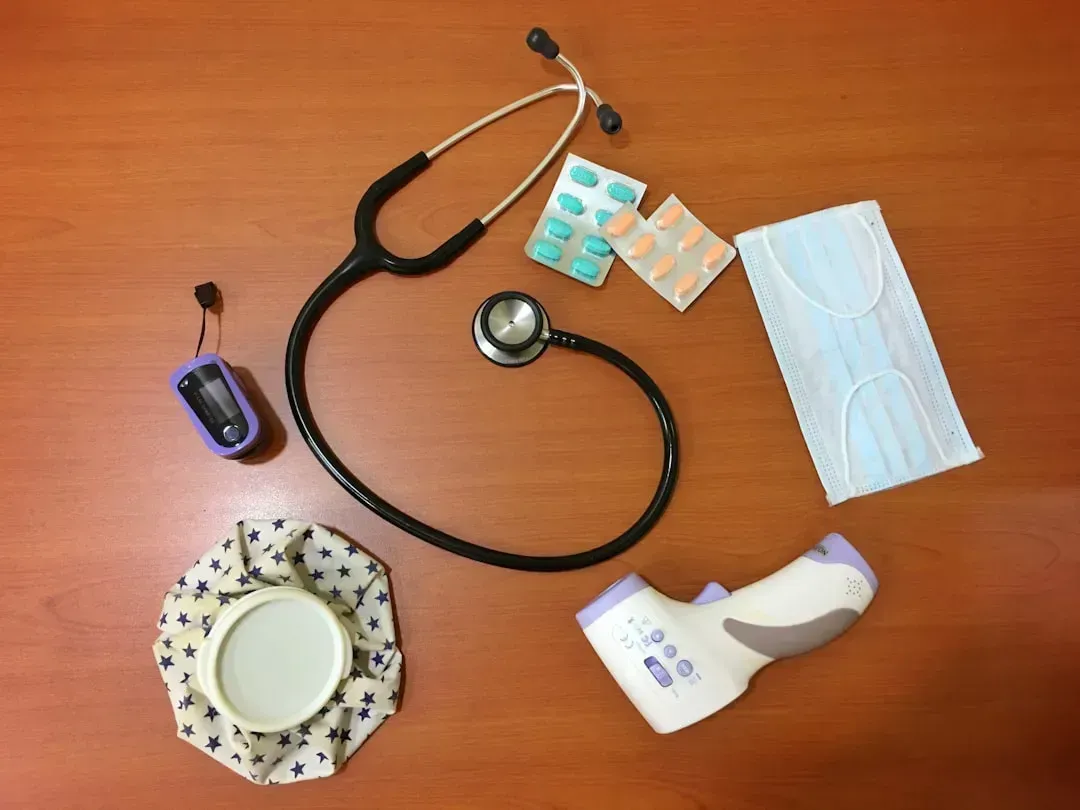
Modern medical alert systems have evolved far beyond clunky necklaces. Today’s devices include fall detection technology, GPS tracking for outdoor emergencies, and two-way communication. The statistics are alarming – an elderly person dies every 19 minutes from fall-related injuries. This shows why we need preventative technology in our homes. Companies like Life Alert, Medical Guardian, and others offer discreet wearable devices or home systems that connect you to emergency responders 24/7. The subscription fees range widely, but the investment provides enormous peace of mind for both retirees and their families. Many now integrate with smartwatches, eliminating the need for separate devices.
Streaming Device: Endless Entertainment Options

Nearly nine out of 10 Americans (89% of those 50-plus and 90% of those 18-49) own a smart phone, according to the national survey conducted online in the fall of 2023. Among both age groups, 75% have smart TVs and 59% own tablets. Devices like Roku, Amazon Fire Stick, or Apple TV transform any television into an entertainment powerhouse. These small devices connect to your WiFi and provide access to Netflix, YouTube, news channels, and countless other streaming services. Voice remotes simplify navigation, and you can watch programs on your schedule rather than following rigid broadcast times. Many retirees report that streaming devices help them stay current with popular culture and provide endless documentary content on topics they’re passionate about.
Robot Vacuum: Effortless Floor Cleaning

Robotic vacuums like Roomba have become essential helpers for retirees dealing with mobility limitations or simply wanting to reduce household chores. These devices navigate around furniture, return to charging stations automatically, and can be scheduled to clean while you’re out or resting. Modern models map your home for efficient cleaning patterns and can be controlled via smartphone apps or voice commands through smart speakers. While they represent a larger upfront investment, ranging from two hundred to several hundred dollars, the time and physical strain they save make them worthwhile. Many retirees report that robot vacuums help them maintain independence by managing a task that becomes increasingly difficult with age.