The End of the Penny: What to Do With Your Coins Once U.S. Minting Stops
The Final Penny Drops After 232 Years
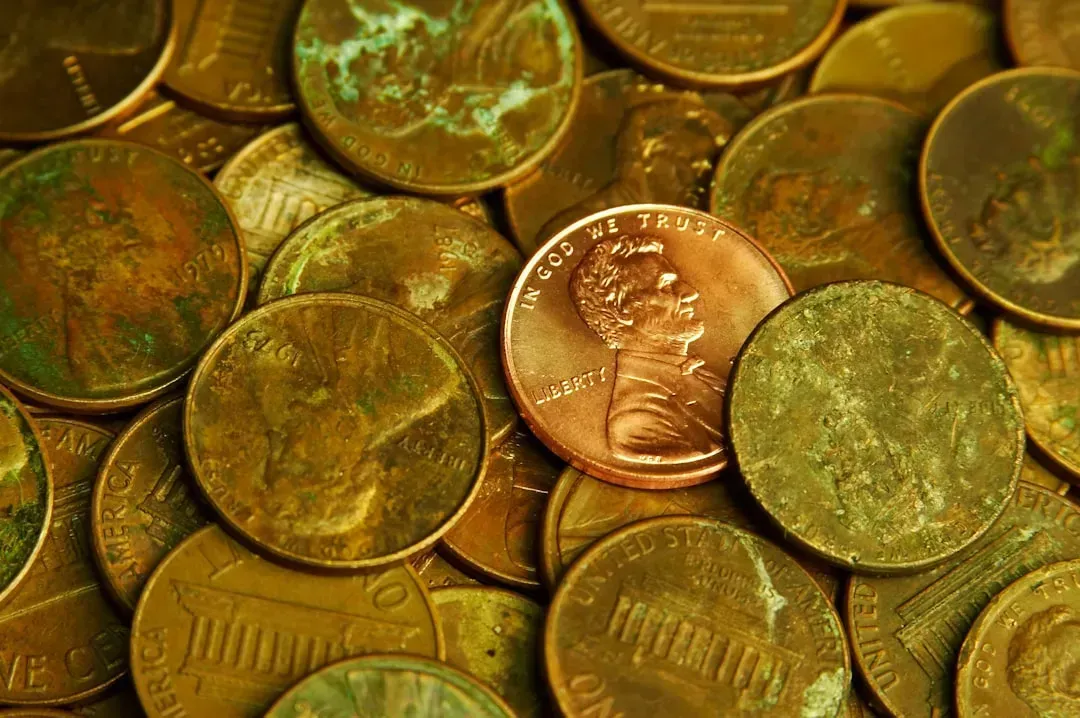
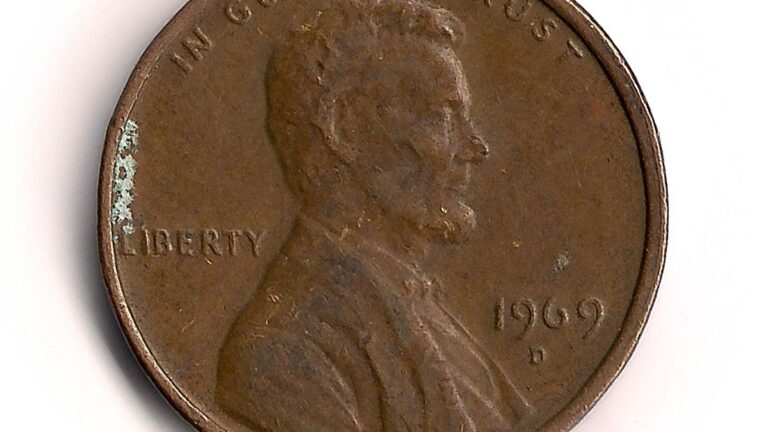
The U.S. Mint struck its final penny for general circulation on November 12, 2025, ending 232 years of production. In February 2025, President Donald Trump directed the U.S. Treasury to stop producing new pennies in pursuit of cutting costs. According to the U.S. Mint’s 2024 annual report, the cost to make and distribute a single penny was 3.69 cents, an amount that jumped 20.2% between 2023 and 2024. The federal government lost $85.3 million in 2024 from minting more than 3 billion new pennies.
Pennies Will Remain Legal Tender Indefinitely

The penny remains legal tender and may still be used for transactions. About 300 billion pennies remain in circulation today, and the penny remains legal tender. U.S. pennies will remain legal tender even after production ceases, though their availability will gradually decline as existing coins fall out of circulation. This means you can continue to spend your pennies at stores or deposit them at banks for years to come.
How Cash Transactions Will Round Without Pennies

The most recommended form of rounding is symmetrical rounding whereby if the final digit of the total transaction amount is 1, 2, 6, or 7 cents, the amount is rounded down to the nearest multiple of five, and if the final digit is 3, 4, 8, or 9 cents, the amount is rounded up. Rounding rules would not apply to payments made via electronic methods, checks, gift cards, or other non-cash instruments. For cash transactions, final transaction prices will be rounded down just as often as they will be rounded up, so there should be no overall effect on consumer prices.
Your Best Options for Existing Pennies
You have several options: use them for purchases, spend your pennies while stores still accept them, take them to the bank, as most banks will exchange pennies for other money, though some require rolled coins. Many grocery stores offer Coinstar machines which can count and convert your coins into gift cards or cash, or if you want to avoid fees, grab some coin wrappers and roll them yourself, needing 50 pennies per roll to make 50 cents. Consumers may continue to deposit pennies at their financial institutions, though for deposit of larger quantities, some banks may require that coins be rolled or wrapped prior to deposit.
Check for Rare Pennies Before Cashing In
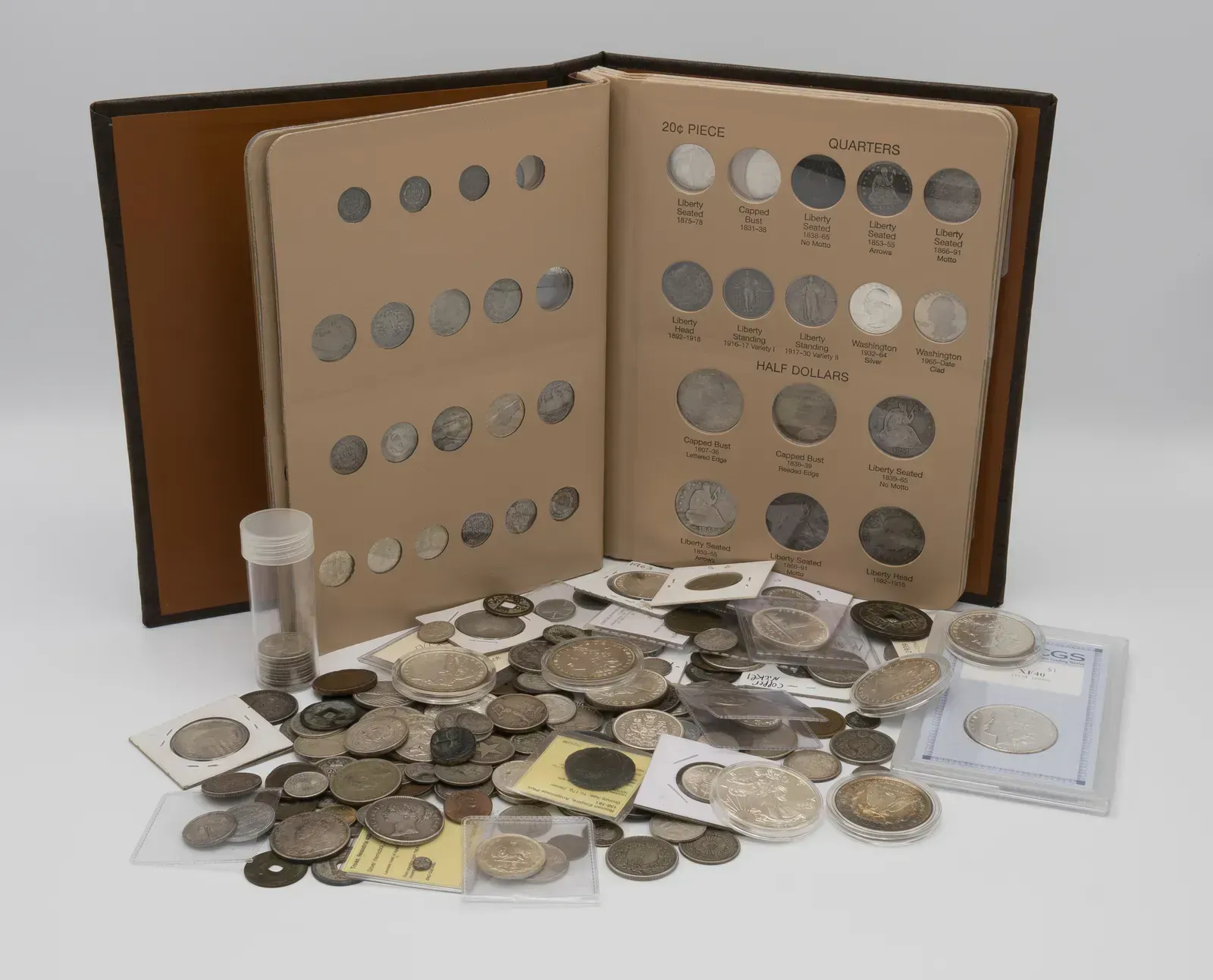
Before you dump them into a coin machine, take a minute to scan for rare or collectible coins, as some pennies could be worth hundreds, or even thousands, of dollars. Wheat Pennies from 1909 to 1958, especially 1909-S VDB or 1914-D, and 1943 Steel Pennies made from steel due to WWII copper shortages are valuable, though most are common, copper versions from 1943 are extremely rare. Errors and Double Dies, which are minting mistakes, are often sought after by collectors, and if you think you’ve found something rare, consult a coin dealer or use an online coin value guide.
How the U.S. Compares to Other Countries

Australia eliminated its 1-cent and 2-cent coins in 1992, New Zealand stopped making 1-cent and 2-cent coins in 1990 and 5-cent coins in 2006, and Canada stopped making its penny in May 2012, stopping distribution of the coin to financial institutions in February 2013. When Canada got rid of its penny in 2012, it allowed the coins to remain in circulation and legal tender but encouraged merchants to round monetary amounts to the nearest 5-cent increment and implemented a consumer education program, and today the practice of rounding has become as ordinary to Canadians as being a fan of ice hockey. In New Zealand, researchers found that prices actually went down instead of up, with one government official suggesting that market competition was enough to keep retailers from trying to game the system.
Watch Out for Penny Speculation Scams
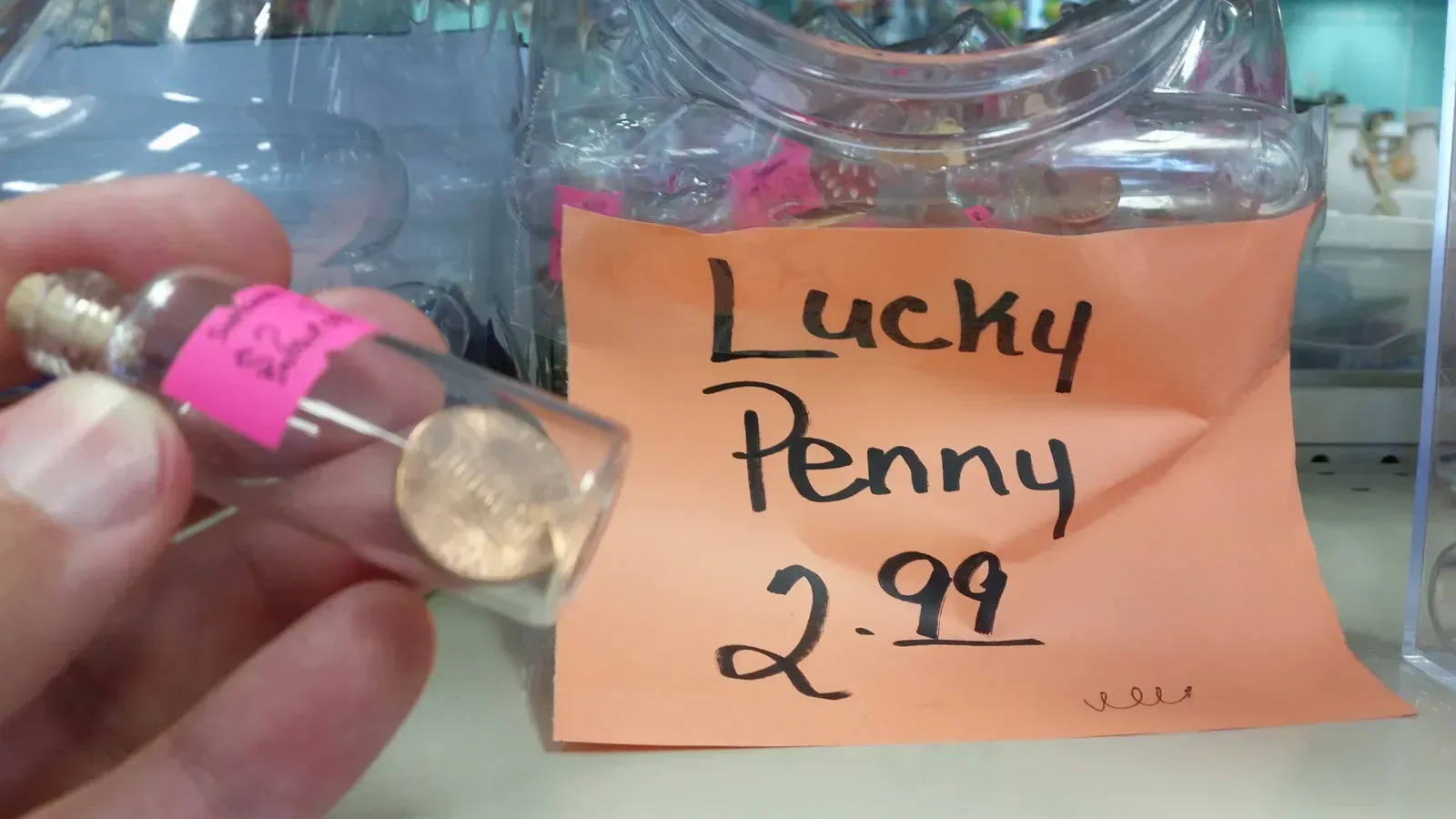
Experts estimate the U.S. Mint produced roughly a billion 2025 pennies before production ended, and that doesn’t even include the three billion pennies that were minted in 2024. As coin experts warn, dealers simply won’t buy a penny for more than it’s worth, and the inflated prices appearing on eBay and Etsy don’t reflect genuine collector value, just seller hype that seeks to exploit public confusion. Scarcity is scarcity, and if you make a billion of something, it’s not rare. Online sellers rushed to list boxes of brand-new 2025 pennies for $1,000 or more, despite those boxes having a face value of just $25.
The Nickel May Face a Similar Fate
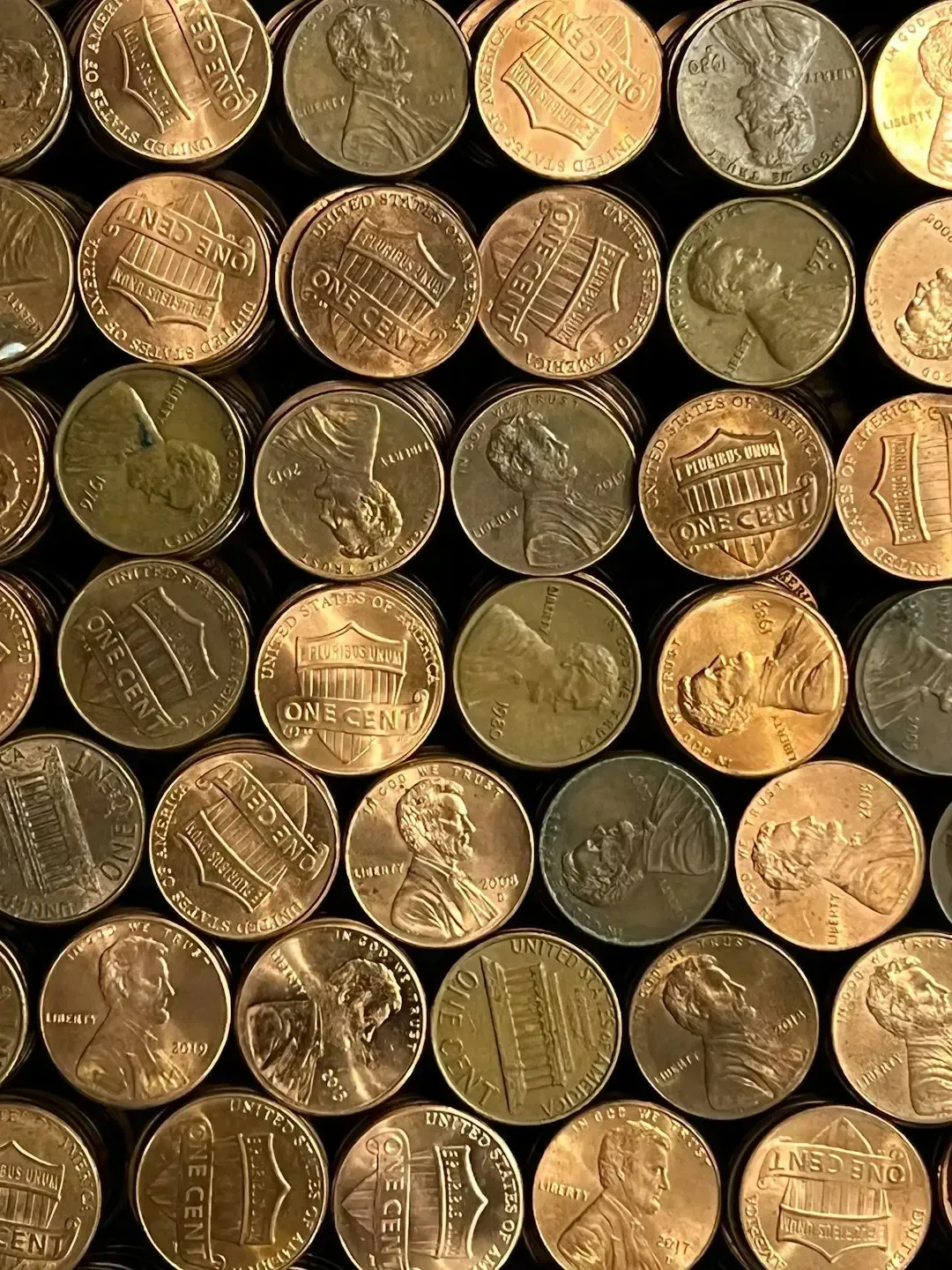
In 2024, it cost 13.8 cents to make a nickel, resulting in a loss of $17.7 million from minting 202 million new nickels. As pennies become increasingly scarce, demand for nickels is likely to rise, and nickels are also costly to produce. Eliminating the nickel in addition to the penny could result in significantly higher rounding costs of up to $56 million per year for consumers. For the nineteenth consecutive year, the unit cost of producing pennies and nickels exceeded their face values.
Digital Payments Remain Unaffected by the Change

There is no impact on non-cash transactions. Non-cash transactions, such as payments made by check, credit card, or debit card, should continue being priced and processed to the exact cent. Electronic payments such as credit and debit card transactions will remain unaffected and continue to be processed at exact amounts. Most American consumers have already shifted away from cash, making the penny’s elimination less disruptive than in previous decades when physical currency dominated commerce.