The No-Go List: 10 U.S. Destinations Travelers Say Are a Complete Waste of Time
Everyone dreams about those perfect American getaways. You scroll through glossy photos, imagine yourself standing before iconic landmarks, and count down the days until your big trip. Then reality hits. The crowds are suffocating. The prices make your wallet weep. The experience feels like biting into a beautifully decorated cake only to discover it’s made of cardboard. Some destinations simply don’t deliver on their promises, no matter how famous they are.
Hollywood Walk of Fame, Los Angeles
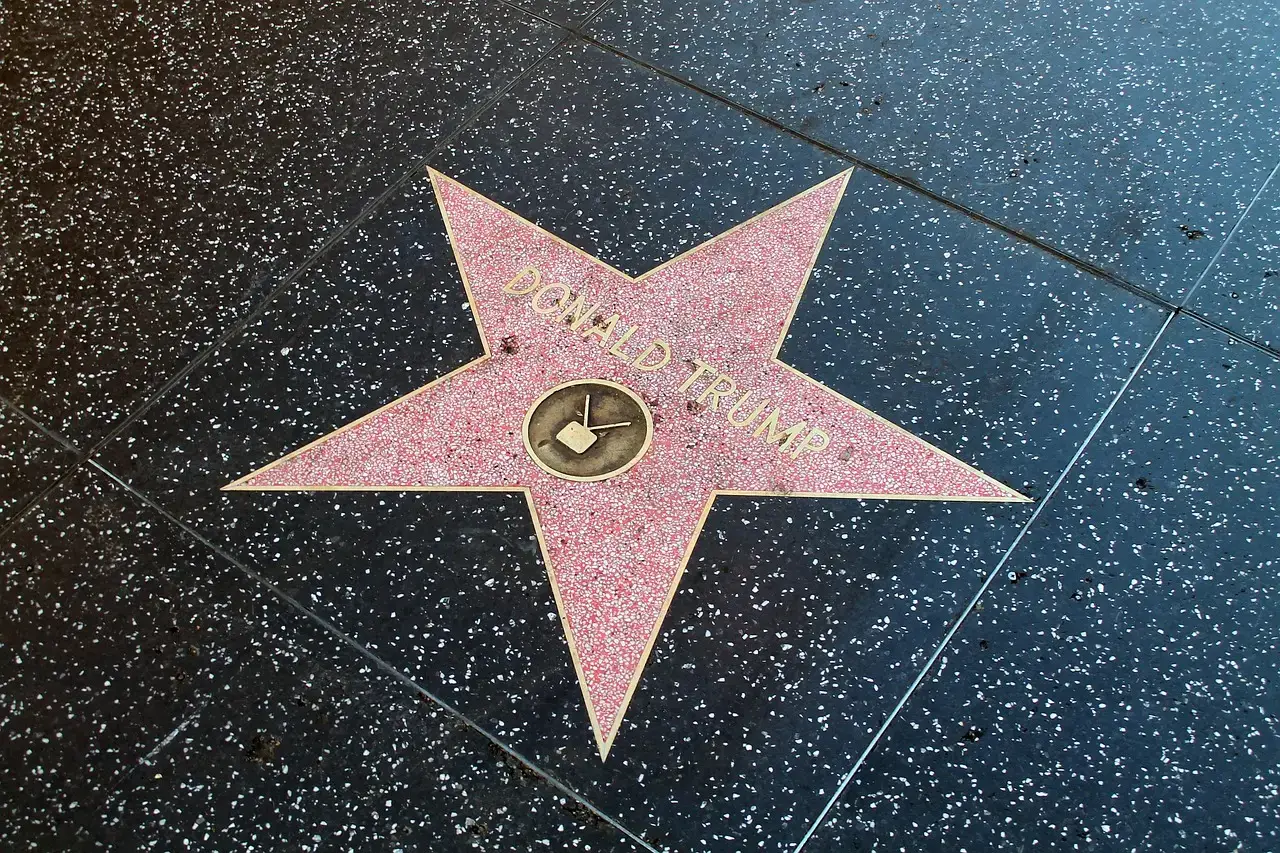
Picture this: you’re walking down Hollywood Boulevard, expecting glitter and movie magic. Instead, you’re dodging aggressive street performers dressed as knockoff superheroes demanding tips while stepping over gum-splattered sidewalk stars. The Hollywood Walk of Fame in Los Angeles topped a list of the worst tourist destinations, scoring just 2.67 out of 10 due to low safety ratings and significant distance from LAX. Honestly, the glamour you see on television bears zero resemblance to what you’ll find in person.
Visitors are often underwhelmed due to its perceived dirtiness, grittiness, and problems with homelessness and crime, with the Walk repeatedly being called the “Walk of Shame” and designated as “the world’s worst tourist attraction”. Visitors cited overcrowding, cleanliness concerns, aggressive street performers, and disappointment over how little there actually is to do once you arrive. You look down at faded brass stars, snap a quick photo, then wonder what comes next.
Times Square, New York City
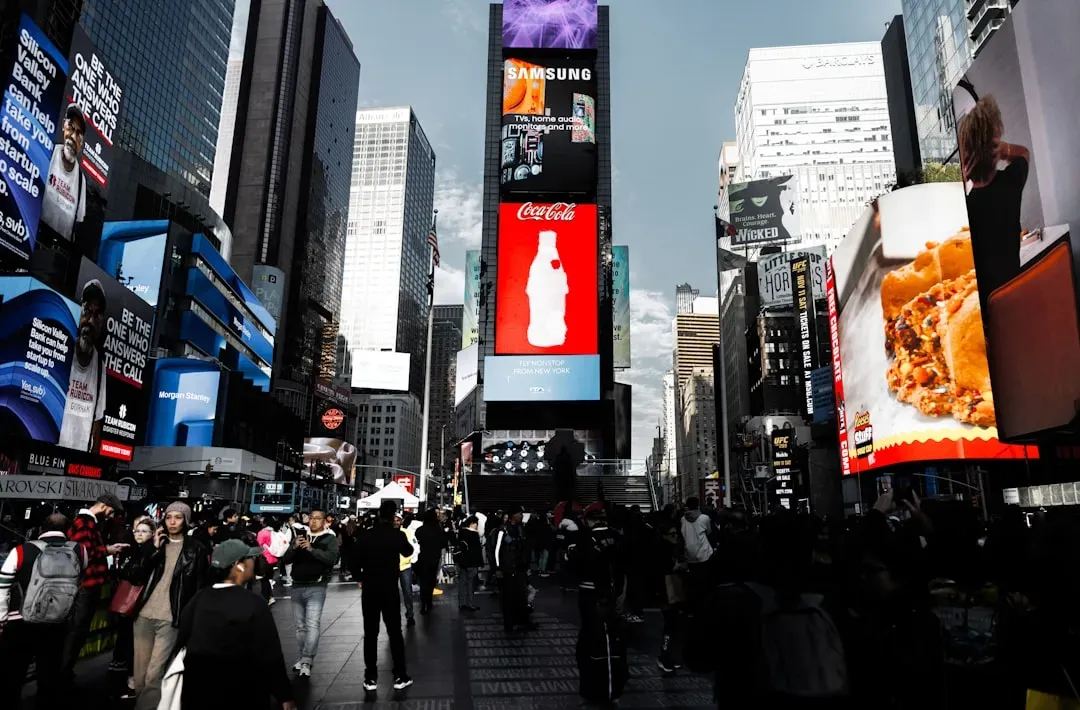
Times Square in New York City was named the world’s worst tourist trap, with the Big Apple’s most popular attraction called “overrated” and “stressful” by over 1,000 reviewers, with between 250,000 and 300,000 pedestrians visiting Times Square per day, with peak days reaching over 400,000 pedestrians. Let me paint you a real picture of what awaits: shoulder-to-shoulder humanity, blinding LED billboards screaming for your attention, and overpriced chain restaurants serving mediocre food at Manhattan markups.
Reviewers complained about the crowds, and called the LED-lit locality dirty and boring, with many travelers saying they found the neighborhood to be “dirty” and “boring”. The magic of seeing the ball drop on New Year’s Eve? Many visitors call it “overrated,” with the unpleasantness starting with visitors being packed into a small area with all the other attendees. Five minutes of gawking at neon lights hardly justifies the stress.
Mount Rushmore, South Dakota
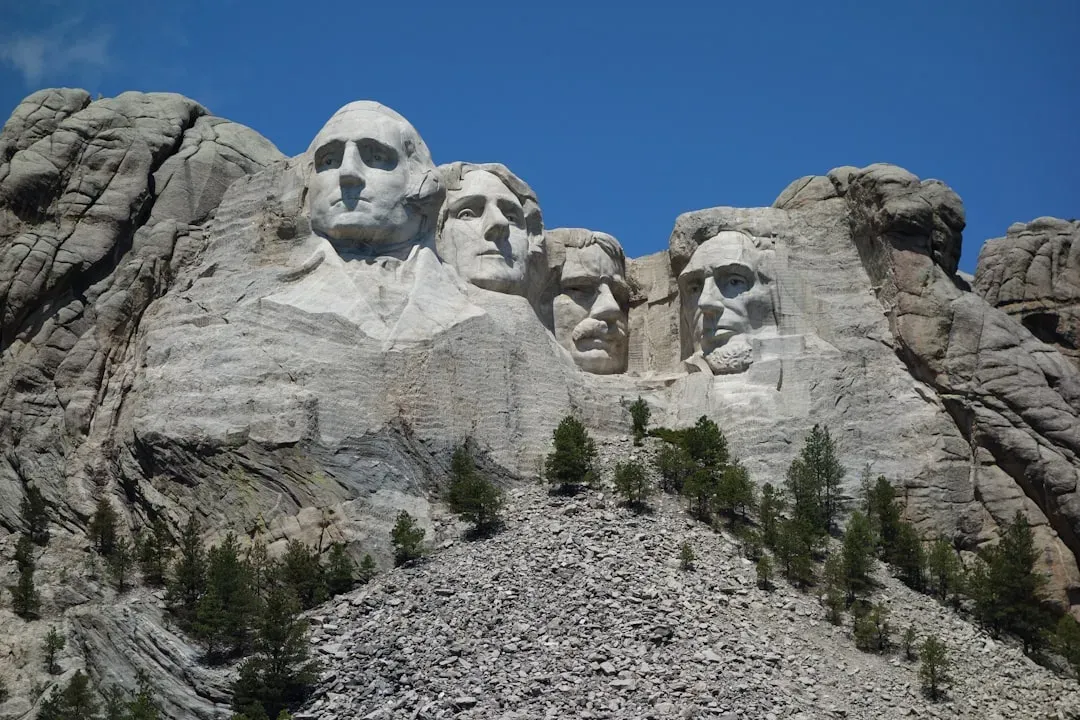
The top spot on the list of the most overrated attractions in the U.S. belongs to Mount Rushmore, with travelers being disappointed after taking the long trip to South Dakota just to look at some faces carved into the rock. You drive for hours across the remote stretches of South Dakota, building up anticipation with every passing mile. Then you arrive and realize the monument looks exactly like it does in every photograph you’ve ever seen – except smaller and farther away than you imagined.
Mount Rushmore draws more than two million visitors annually, and many leave feeling underwhelmed, with the granite sculpture being smaller than you’d think and taking all of five seconds to absorb, with not much else to do besides walk up a bunch of steps on a subpar nature trail, check out some state flags, and pop into an average museum. The novelty wears off faster than you can say “presidential carving.” You have to travel out of your way to the middle of nowhere to see it, the novelty wears off in mere minutes, and it looks much smaller than you might expect, with visitors realizing they could have gotten the same experience from a postcard.
Four Corners Monument, Southwest
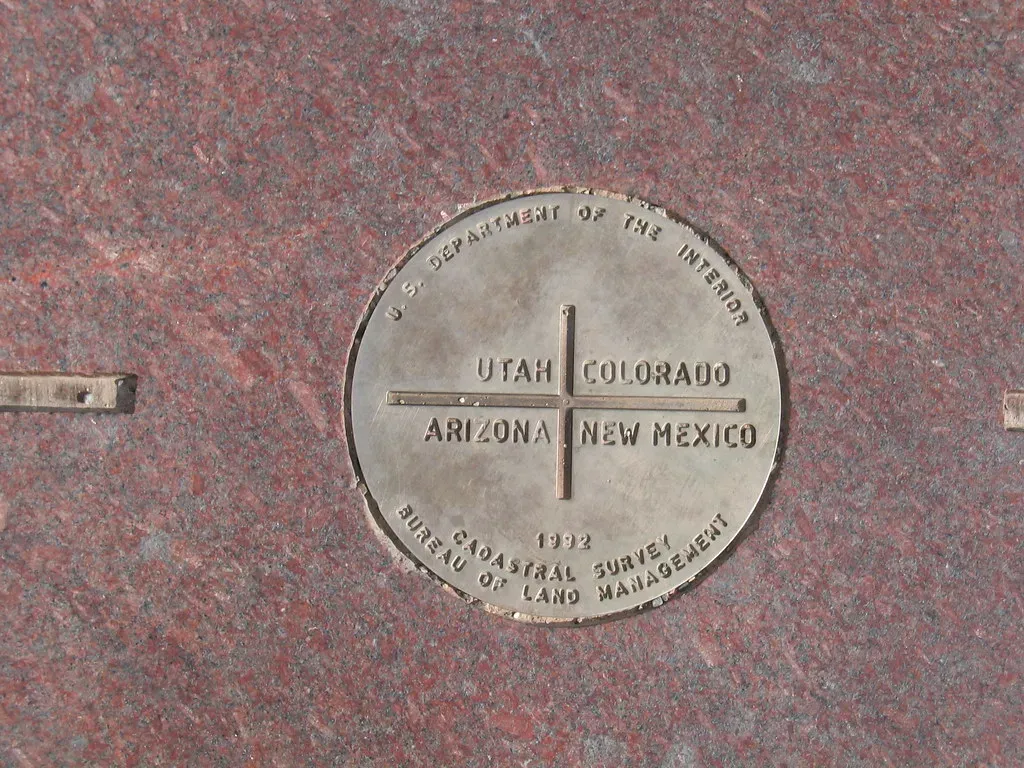
Standing in four states at once sounds like an intriguing novelty until you actually get there. You’ll drive hours through absolutely nothing to reach this remote spot, only to find a concrete slab in the middle of nowhere where you’ll wait in line behind tour buses full of people doing the exact same awkward photo pose, with the monument being literally just a brass marker embedded in a platform, surrounded by vendor stalls selling overpriced Native American crafts and fry bread. The excitement lasts about three minutes tops.
What really stings is the entrance fee just to step on this glorified parking lot, with visitors paying for the privilege of touching a surveyor’s mark that’s not even in the correct location according to modern GPS technology, with the whole setup feeling like a roadside attraction that got way too big for its britches. The half-day drive rarely feels worth it unless you’re already passing through for other southwestern adventures.
Niagara Falls, American Side
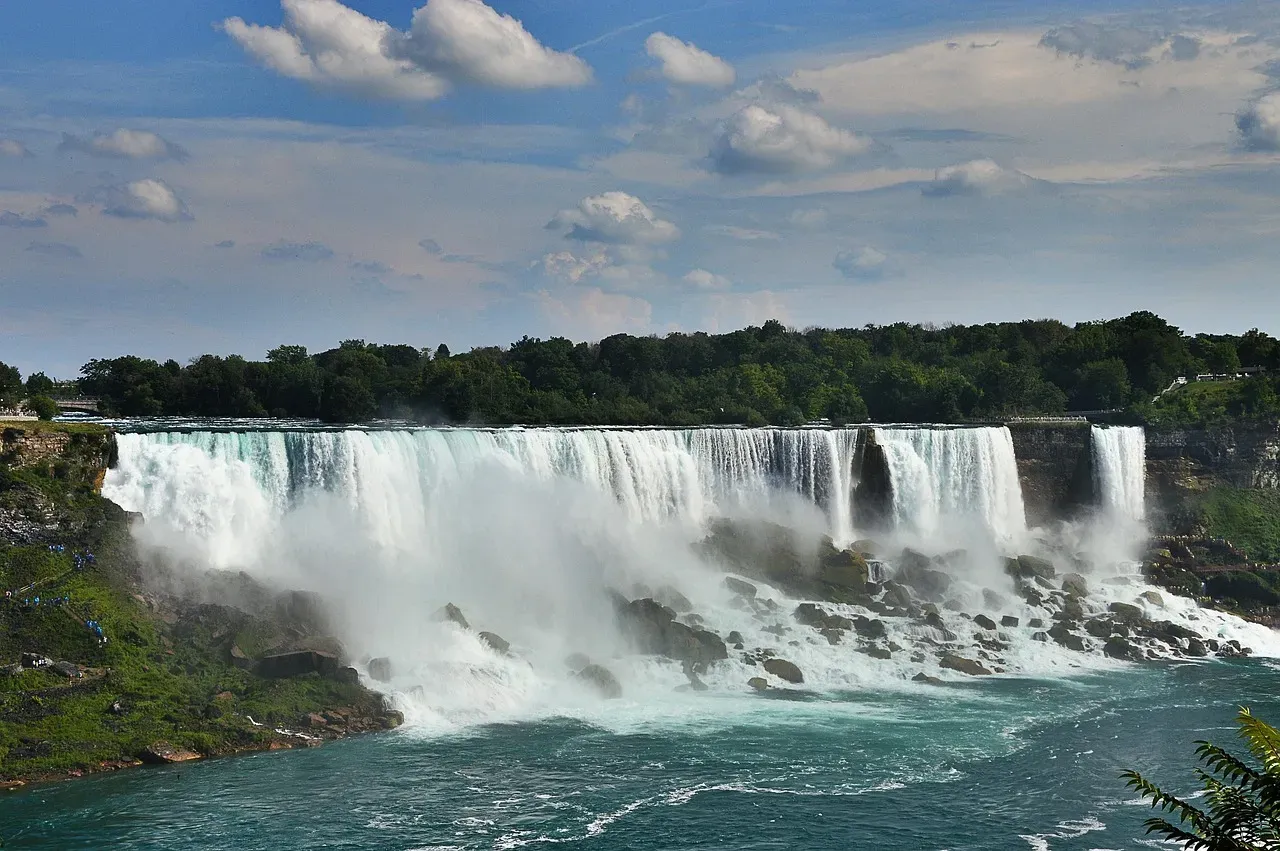
The waterfalls themselves? Absolutely spectacular. The American side experience? That’s a different story entirely. The American side particularly disappoints compared to its Canadian counterpart, with the surrounding area described as dilapidated and mixed-up, with low-quality attractions and the atmosphere of a deprived tourist area where the hotels appear miserable, feeling less like nature’s majesty and more like a run-down carnival. Nature’s raw power gets overshadowed by tacky gift shops and overpriced everything.
Niagara Falls attracts millions of visitors every year, with many finding the surrounding area to be crowded and touristy, with visitors expecting to encounter long lines at every attraction and souvenir shops on every corner. The Canadian side offers better views and a more polished tourist infrastructure, making the American experience feel like the bargain-bin version of what could be magnificent.
Las Vegas Strip During Daytime
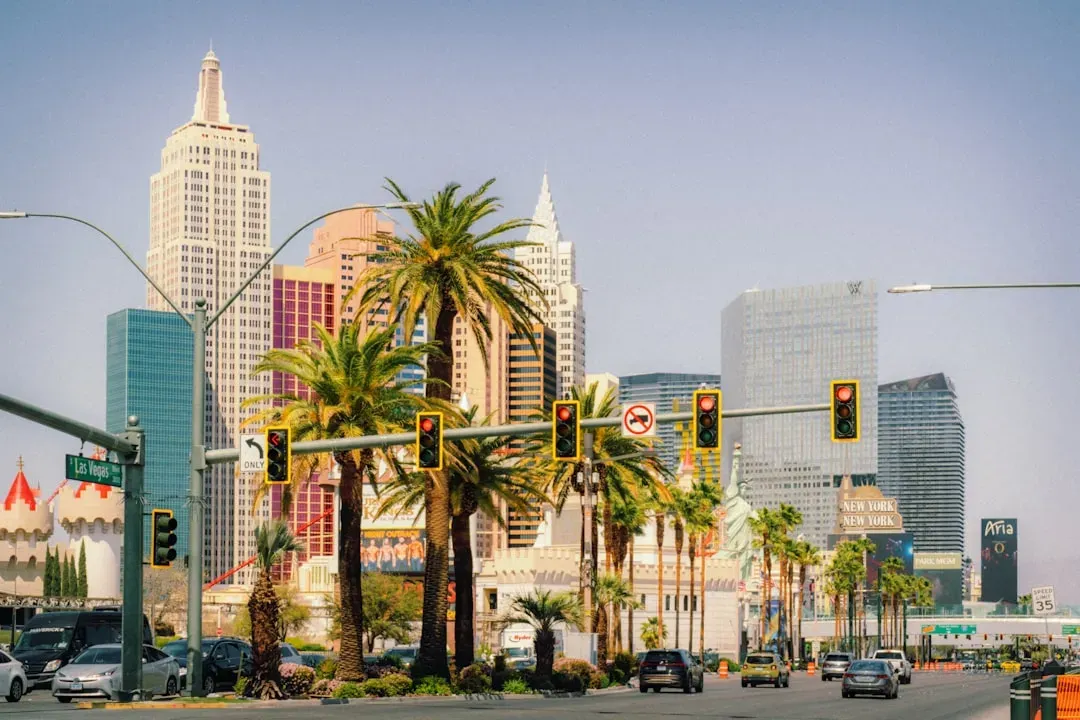
Vegas built its reputation on neon nights and glittering entertainment, yet somehow tourists keep making the mistake of exploring the Strip during scorching daylight hours. The Las Vegas Strip may seem like the epitome of excitement and luxury, but during the day, it can quickly turn into a sweaty nightmare with hot temperatures, overpriced everything, and a lot of walking. The magical illusion that works after dark simply evaporates under the harsh desert sun.
Las Vegas has seen a drop in both domestic and international tourists, with the Las Vegas Convention and Visitors Authority’s latest data from January to July 2025 showing overall visitor volume is down 8% compared to the same period the year before. Viral “ghost town” stories circulated about Vegas in 2025, with both places facing a chorus of complaints about their “nickel-and-diming” of guests, as their once-affordable resorts have become luxury destinations, with Vegas running its first-ever city-wide sale in September to lure back visitors disillusioned with its hidden resort fees. The Strip works best when experienced strategically, not baked under midday heat.
Mall of America, Minnesota
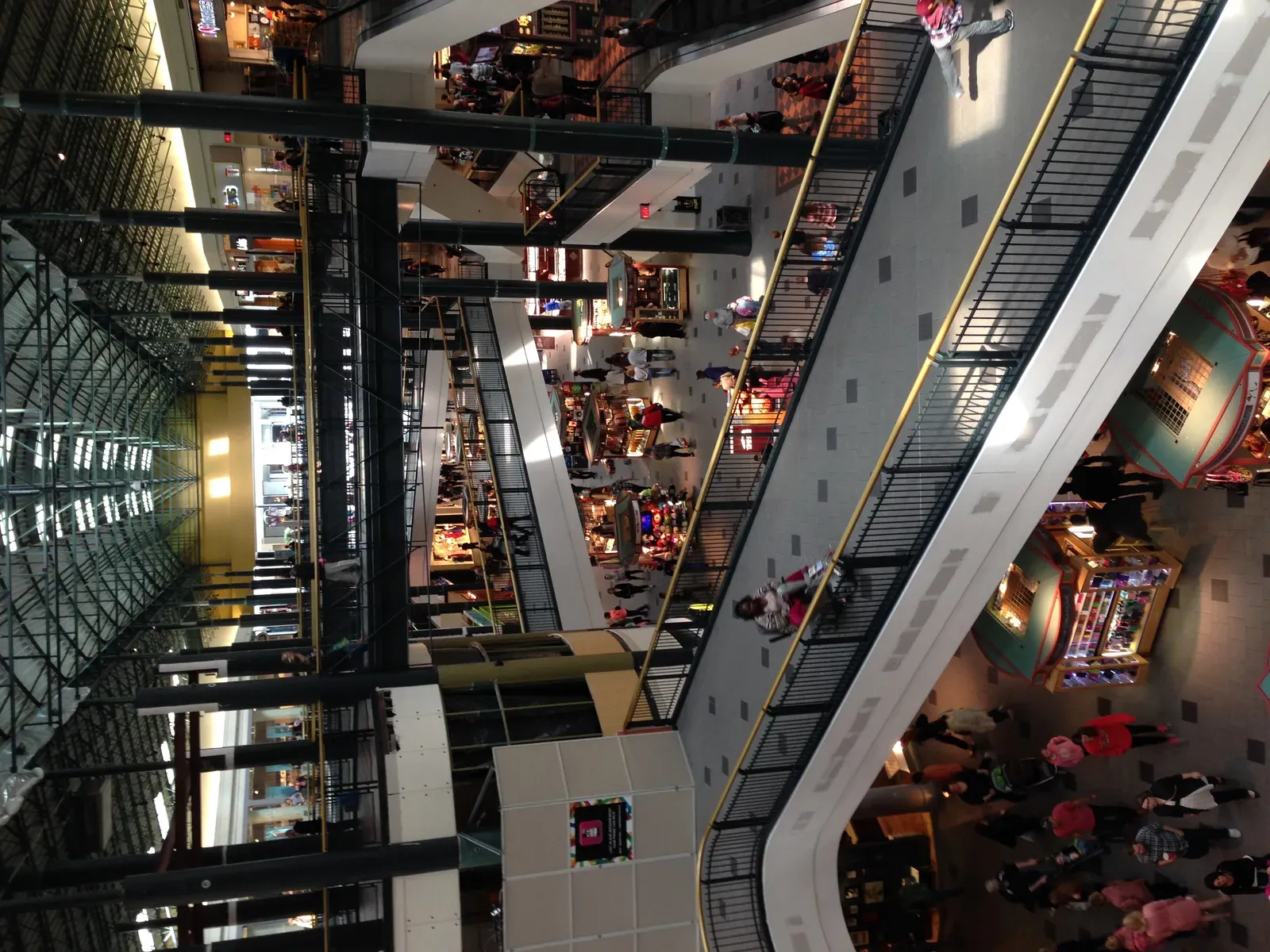
Mall of America sounds grand, but it’s just a collection of shops you’re familiar with from your hometown cobbled together with a few children’s rides and an aquarium, with the supposed spectacle of America’s largest mall quickly losing its luster when you realize it’s basically your local shopping center on steroids, leaving visitors questioning why travel all the way to Minnesota to shop at stores you already have at home. The novelty of “biggest mall in America” fails to translate into actual excitement for most visitors.
The largest mall in the U.S. received harsh reviews from those who have been there, with West Edmonton Mall in Canada being superior regarding spectacle, and Minneapolis’s Nicollet Mall shopping district proving more satisfying for retail therapy, with Mall of America being just a collection of shops you’re familiar with from your hometown cobbled together with a few children’s rides and an aquarium. Unless you’re absolutely obsessed with indoor shopping or traveling with small children who need entertainment, skip this oversized suburban mall.
Plymouth Rock, Massachusetts
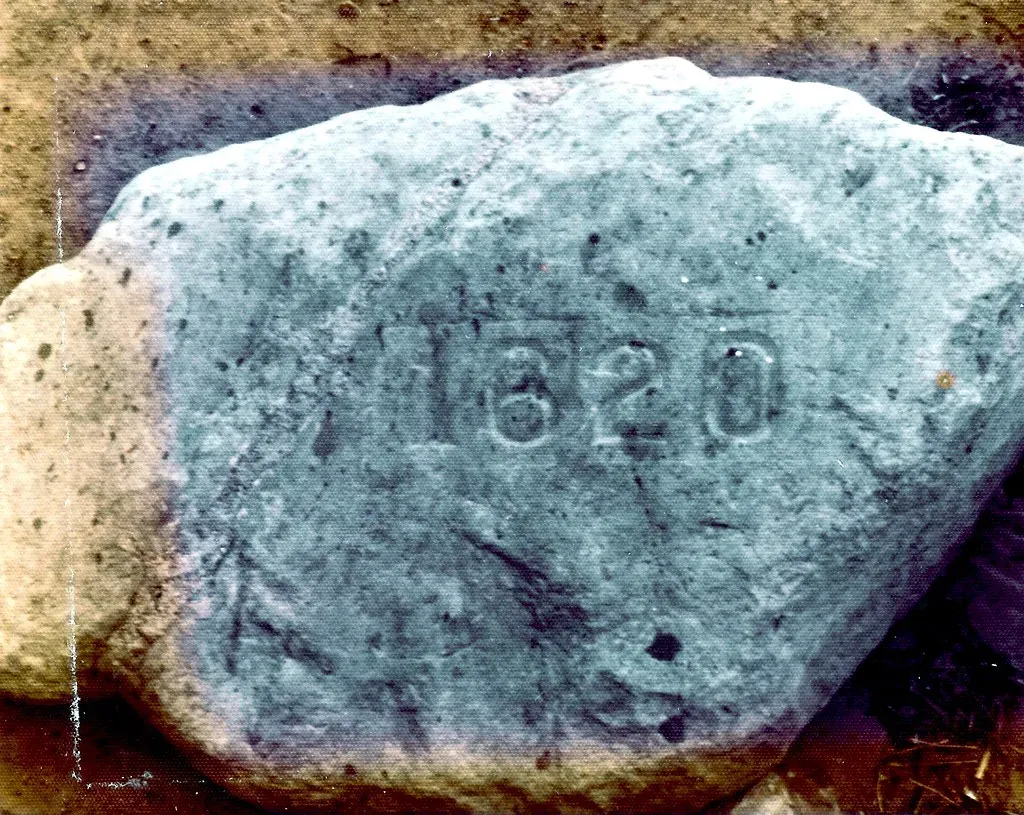
History buffs revere it as the symbolic landing spot of the Pilgrims and a foundational piece of American democracy. Everyone else? They stare at a disappointingly small rock sitting in a protective enclosure and wonder why they bothered. Plymouth Rock is arguably the most famous rock in America, and also the most disappointing, as it sits in a pit, is surprisingly small, and is often encased in a cage, being historically significant but not even a little visually stimulating.
If you’re a stickler for historical significance, Plymouth Rock might be a pilgrimage in itself, with history buffs revering it as a reminder of the Pilgrims’ landing, but if you crave interactive exhibits and immersive experiences, you might be left wanting, with warnings about running into a lot of New England elementary students on field trips, leaving visitors feeling underwhelmed and scratching their heads as to the appeal. The rock itself offers no context, no story, no engagement beyond its mere existence.
Bourbon Street, New Orleans
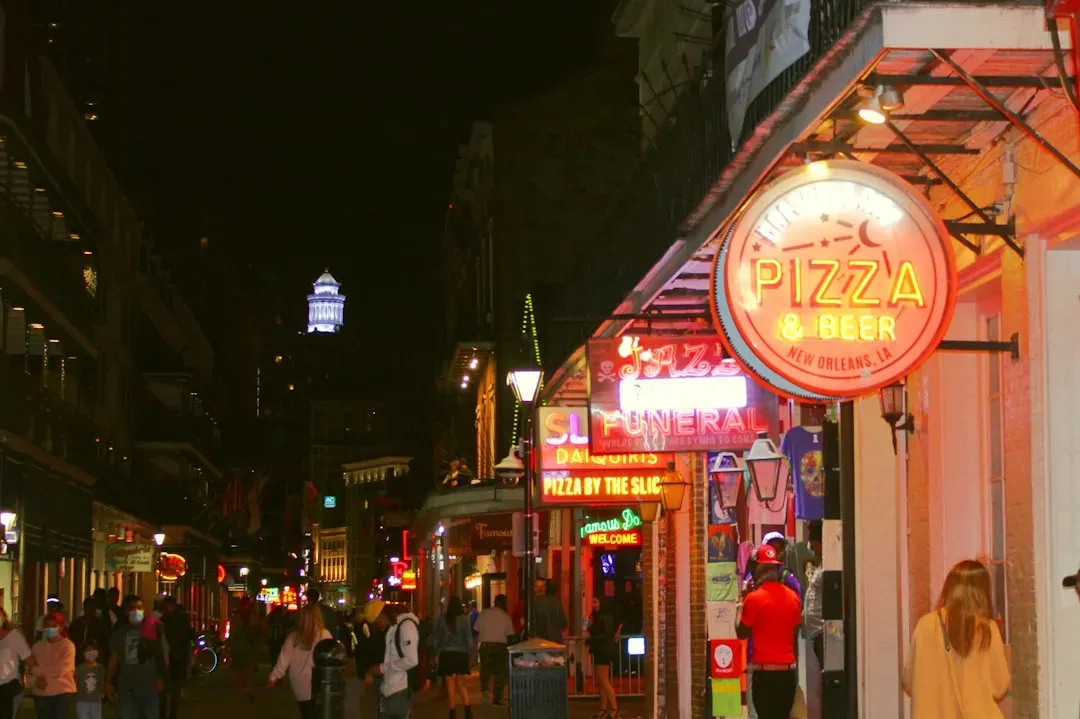
New Orleans bursts with incredible culture, music, and culinary traditions that make it genuinely special. Bourbon Street specifically? That’s where the authentic experience goes to die. While the French Quarter is historic and beautiful, Bourbon Street itself is often a sticky, loud, and overly commercialized corridor, with authentic jazz and a better vibe available on Frenchmen Street instead. The historic charm gets buried under layers of spilled drinks and aggressive bar promoters.
The street caters almost exclusively to tourists seeking a sanitized version of debauchery rather than the genuine New Orleans soul you’ll find just blocks away. Locals will point you toward Frenchmen Street for real music and authentic atmosphere without the manufactured chaos. Bourbon Street feels like someone created “New Orleans: The Theme Park” and forgot to include the actual culture.
Kennedy Space Center, Florida
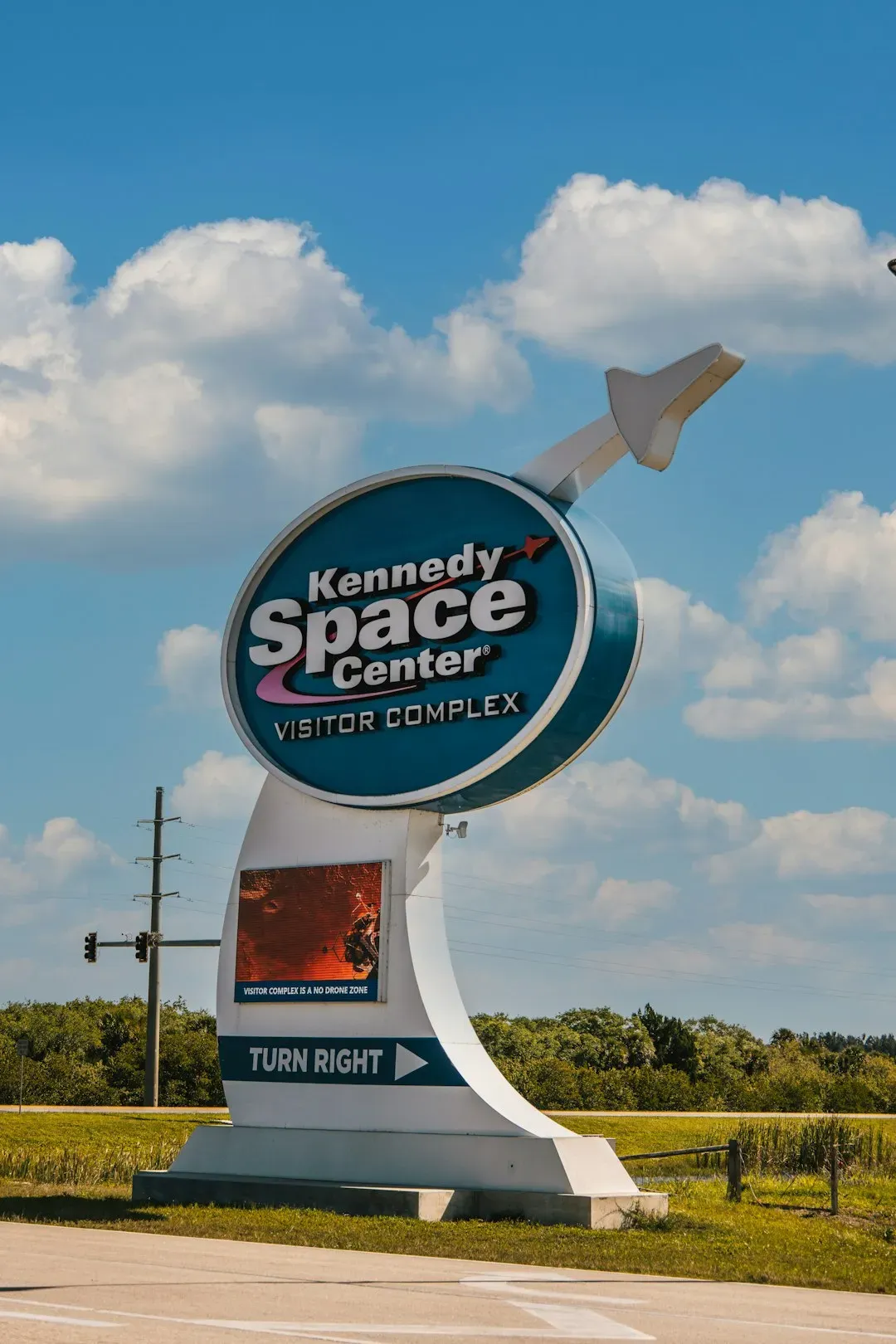
Here’s a controversial pick that surprised many travelers. The Kennedy Space Center was recently ranked the worst in a roundup of the most disappointing tourist attractions in the United States, with a study finding that the attraction got the most low-star reviews including the words “disappointment,” “bad experience,” and “unenjoyable,” with many visitors particularly dissatisfied with the highly-priced admission tickets, overall poor experience, and bad treatment from staff. For a destination celebrating humanity’s greatest scientific achievements, the visitor experience apparently crashes and burns.
Kennedy Space Center ranks as the most disappointing tourist attraction in America, with 20.19% of all low-star reviews stating that they were disappointed in some way, with the Rock and Roll Hall of Fame following in second with 19.61%. The gap between expectations of inspiring space exploration and the reality of expensive tickets plus lackluster presentation creates serious disappointment. Despite the negative reviews, the Kennedy Space Center boasts a 4.7 out of 5 stars as its overall Google review rating, with Yelp users giving the attraction an average rating of 4.1, Tripadvisor users landing on a 4.5, and Facebook users giving it a 4.6. Still, enough visitors left frustrated that it earned its spot on multiple disappointment lists.
Not every famous destination lives up to its hype. Sometimes the most memorable travel experiences come from wandering off the beaten path, discovering hidden gems that don’t appear on every tourist’s checklist. These ten spots prove that popularity and actual quality don’t always align. Before booking your next trip, dig deeper than Instagram photos and tourism board promotions. Real traveler reviews tell stories that glossy brochures never will. What destination disappointed you the most?