10 American Dishes Tourists Say Didn’t Live Up to the Hype
America’s food culture is huge. Loud. Confident. And marketed to the world with the kind of relentless energy that makes every dish sound like a life-changing experience. Movies, travel shows, food influencers – they’ve all played a role in building a mythology around certain American classics that borders on the ridiculous.
Having worked with visitors to the United States, travel insiders often note that most of them wanted to try foods or restaurants they had seen in movies or on TV. The consumer trend of culinary tourism has been significantly influenced by celebrity chefs and media exposure, with travelers increasingly drawn to destinations featured on television and social media, seeking to replicate the culinary experiences they’ve seen on screen. So expectations are sky-high. Reality, though? Sometimes a little different. Let’s dive in.
1. New England Clam Chowder
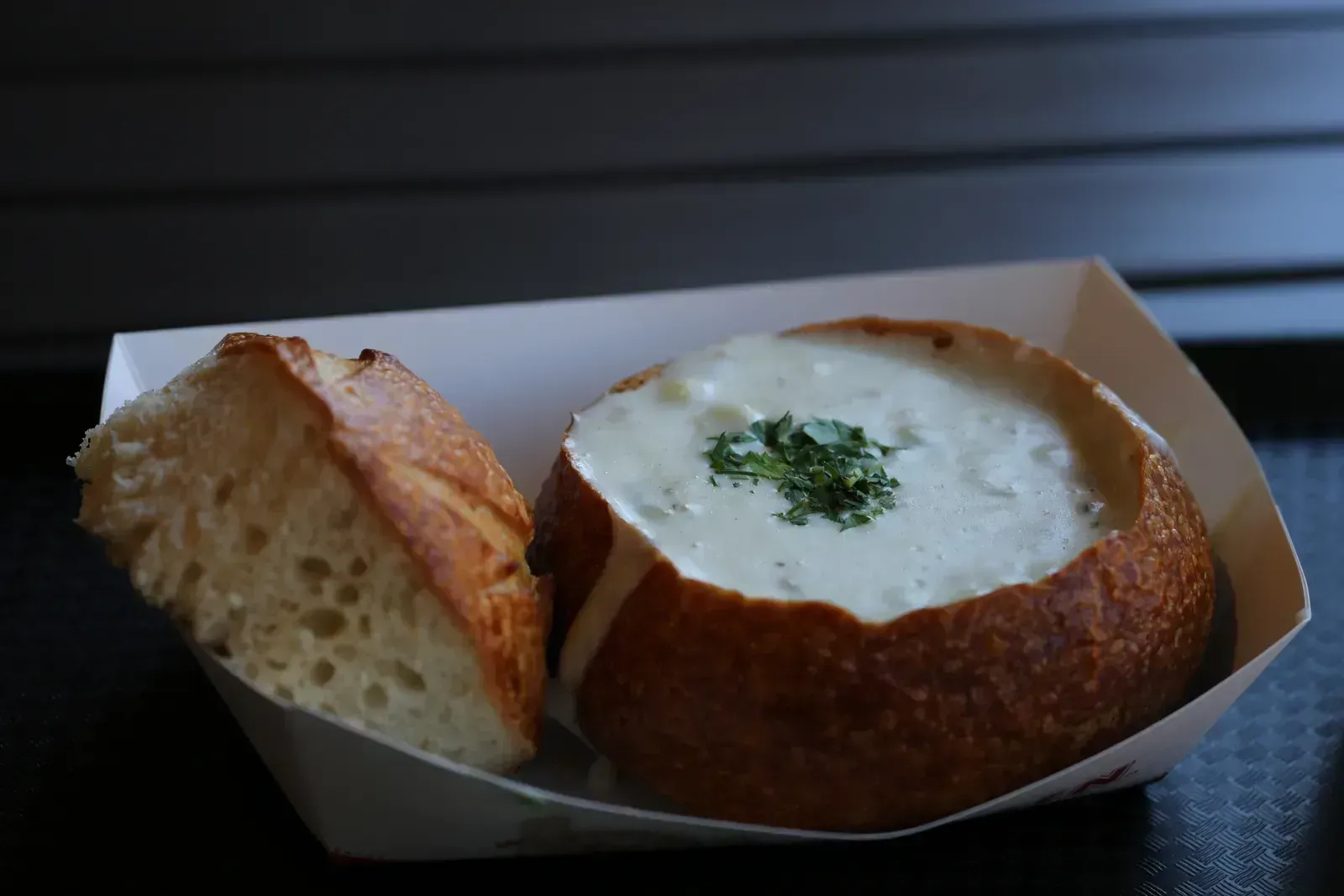
Clam chowder is one of those dishes that sounds almost mythical before you try it. A creamy, soul-warming bowl of coastal New England goodness – at least, that’s the dream.
The thickness of the clam chowder doesn’t sit well with some non-Americans. Picture this: you stick a plastic spoon into the chowder and it can stand up straight. In addition to the high cream content that feels overly rich, the clam flavor has a strong and briny taste that might be a little too intense.
Clam chowder has a limited flavor range. The combination of potatoes, cream, and clams can feel a bit one-note, especially when compared to soups with layered flavors. Since clam chowder is heavy and rich, it can leave you feeling sluggish or too full after finishing a bowl. Honestly, for a soup that carries this much cultural weight, that’s a tough sell for first-timers.
2. Grits
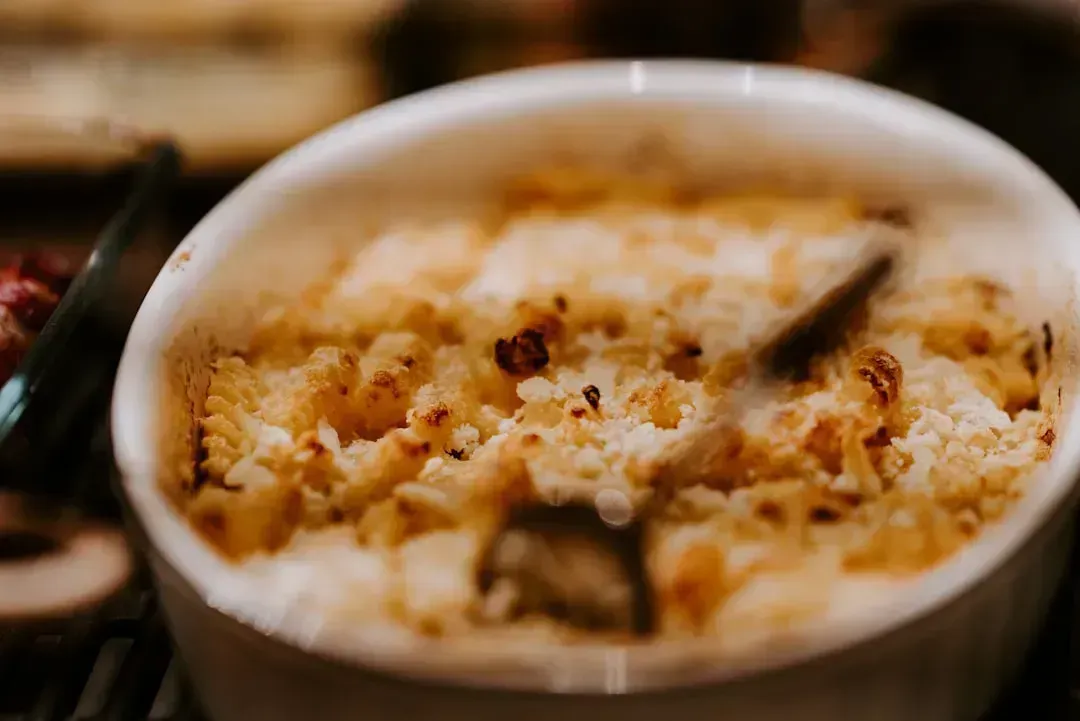
Ask any Southerner and they’ll insist grits are comfort food royalty. Ask an international visitor who just tried them for the first time, and you might get a very different reaction.
Grits are made from ground dried corn that’s boiled into a porridge. Depending on the cook, they can be served plain with butter, loaded with cheese, or topped with shrimp in the Lowcountry tradition. To Southerners, it’s comfort food; to outsiders, it’s mush.
Grits, made from ground corn, is often served with butter, cheese, or shrimp. This is a Southern breakfast classic with Native American roots. However, this dish has a porridge-like texture and mild flavor that many foreigners might find off-putting if they are not used to it. While Americans adore this dish, many visitors find it bland. That gap between expectation and experience is real, and it’s wide.
3. The Corn Dog

In theory, a corn dog sounds fun. It’s festive, it’s handheld, and it screams American carnival culture in all the best ways. In practice? Well, it’s more divisive than it seems.
Corn dogs go one of two ways for visitors: either they hate them or they love them. While some tourists adore the cornbread-dipped food, others get sick at the thought.
Corn dogs are a classic American food made from hot dogs that have been dipped in a sweet cornmeal batter before being deep-fried on a stick. This is a staple at American fairs and festivals. While Americans view them as fun finger foods, many visitors view them as excessive and unhealthy. The concept is charming, but the execution regularly underwhelms travelers who came expecting something more refined.
4. Pumpkin Pie
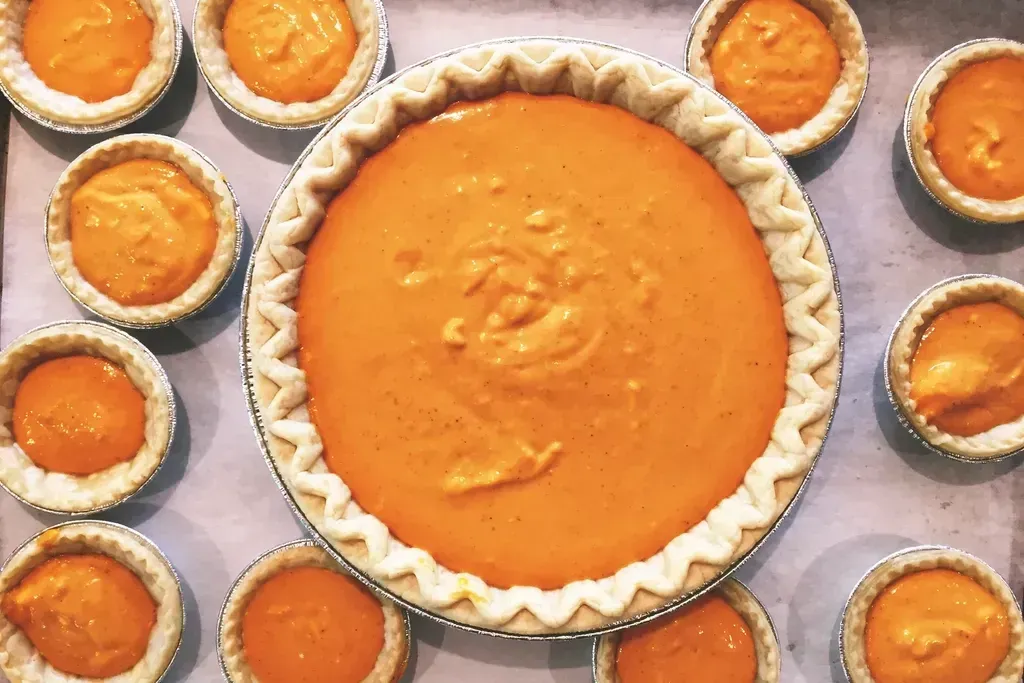
Here’s the thing: pumpkin pie is everywhere in American media come autumn. It’s the warm, golden centerpiece of a thousand Thanksgiving spreads on film and television. Tourists arrive expecting something transcendent.
Pumpkin pie is a fall favorite, renowned for its spiced, creamy filling and flaky crust. This dessert captures the essence of autumn with its blend of cinnamon, nutmeg, and cloves. A Thanksgiving staple, pumpkin pie is more than just a dessert for Americans – it’s a celebration of harvest and family.
Pumpkin pie is such an overhyped fall icon. The cultural obsession with all things pumpkin can make you feel like this pie is a must-have. For many international visitors, the custard-like filling made from a gourd is simply an acquired taste – and one that doesn’t always click on the first try. I think the nostalgia factor is doing a lot of heavy lifting here.
5. The Philly Cheesesteak
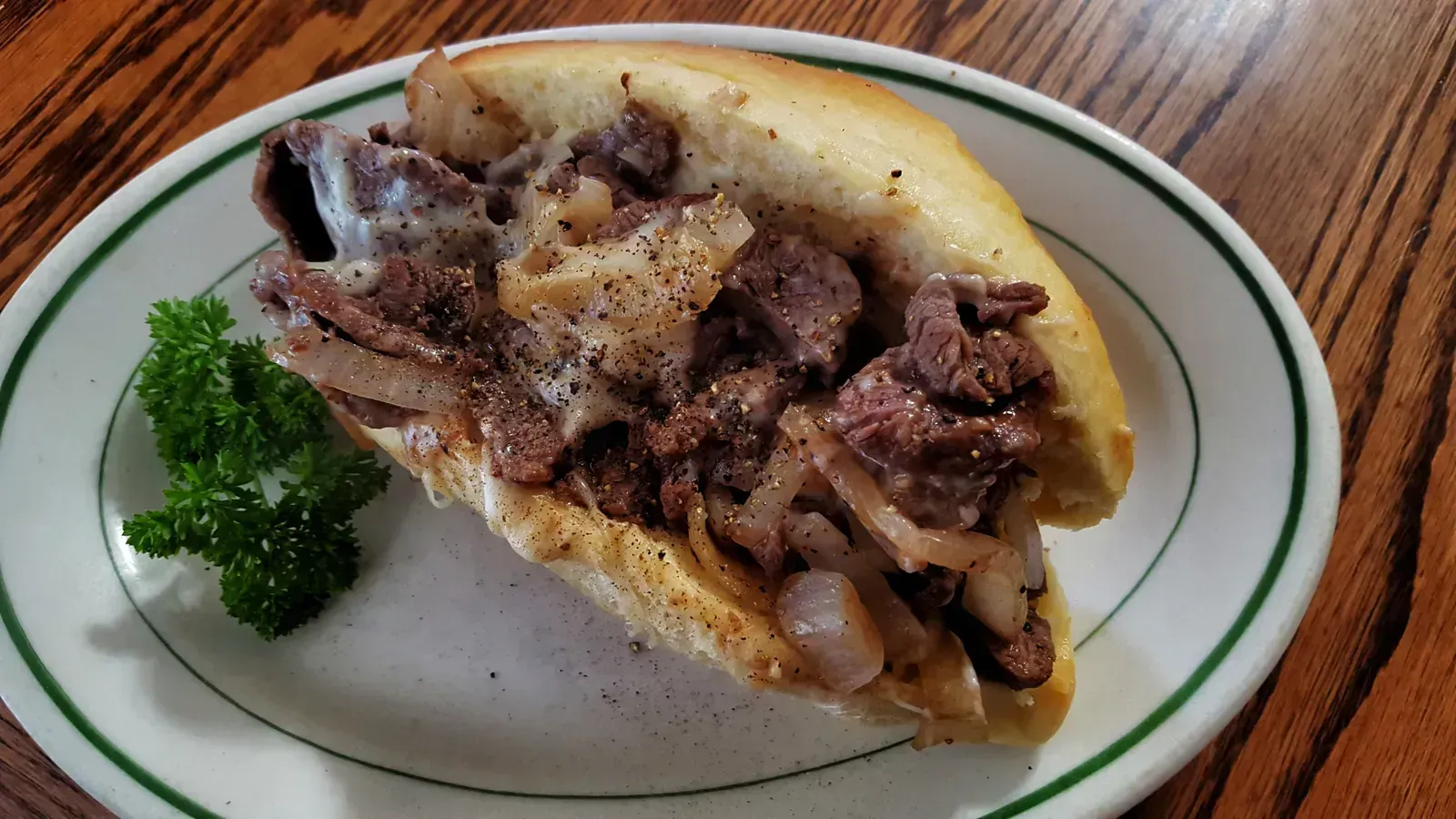
Few sandwiches carry as much mythology as the Philly cheesesteak. It has its own city’s identity wrapped up in it, its own passionate fanbase, and its own long-running debates about which cheese actually belongs in it.
Served in a soft hoagie roll, the cheesesteak is a testament to comfort and simplicity. It represents the spirit of a city known for its hearty, no-frills cuisine. Whether topped with traditional Cheese Whiz or provolone, this sandwich offers a taste of Philly pride.
The reality for many tourists is a rather oily, chewy experience that doesn’t quite match the cinematic version they pictured. In the experience of Americans living abroad for many years, people visiting the US think that American food is considered too sweet, too artificial, and too much. The cheesesteak, with its processed cheese and greasy bread, sometimes hits all three of those marks at once for an unprepared palate.
6. Lobster Roll
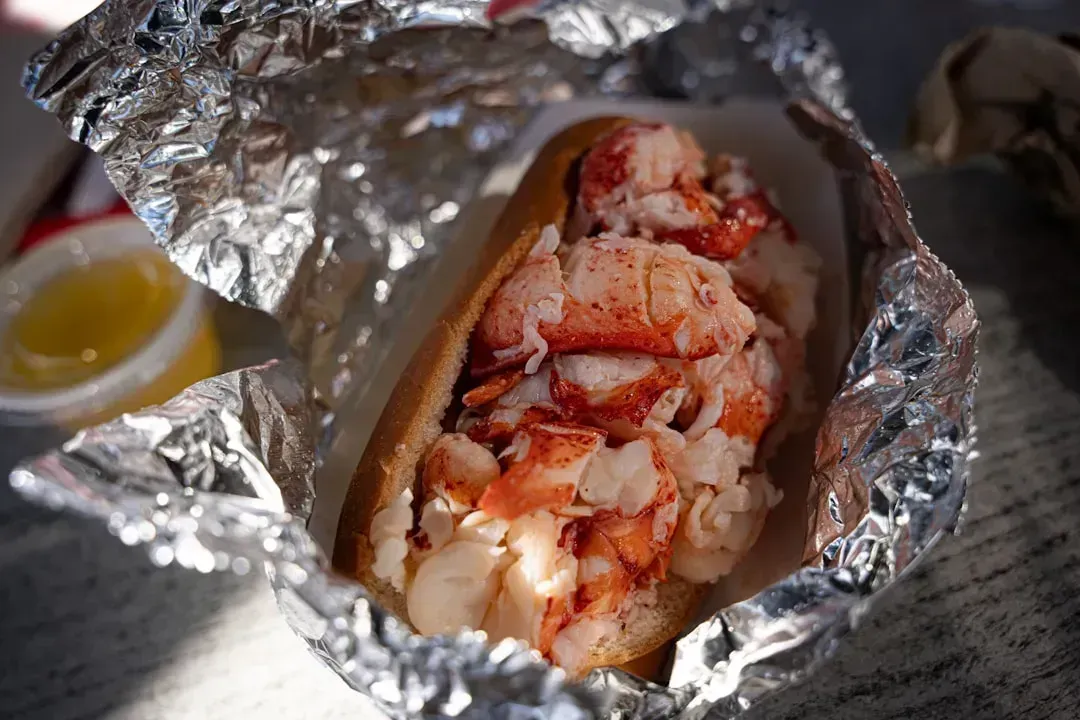
The lobster roll is the supermodel of American sandwiches. All beautiful presentation, all that seaside charm, and a price tag to match the glamour. Tourists from around the world specifically make the trip to New England for one.
A summer classic, the lobster roll is enjoyed at seaside shacks and upscale restaurants alike. Its tender, luxurious bite offers a taste of oceanic bliss. It showcases sweet, succulent lobster meat in a toasted, buttery bun, lightly dressed with mayonnaise or butter. Originating from New England, this dish embodies coastal charm and simplicity.
The problem is what happens when quality doesn’t match price. One of the key challenges in food tourism is retaining consistency and quality across various destinations. Food tourism is highly dependent on local culinary experiences, and the range in food production standards and service quality can drastically impact tourists’ expectations. In some destinations, inconsistent standards can cause unsatisfactory reviews. A lobster roll from a mediocre tourist-trap shack is, frankly, a sad thing to pay $35 for.
7. Mac and Cheese
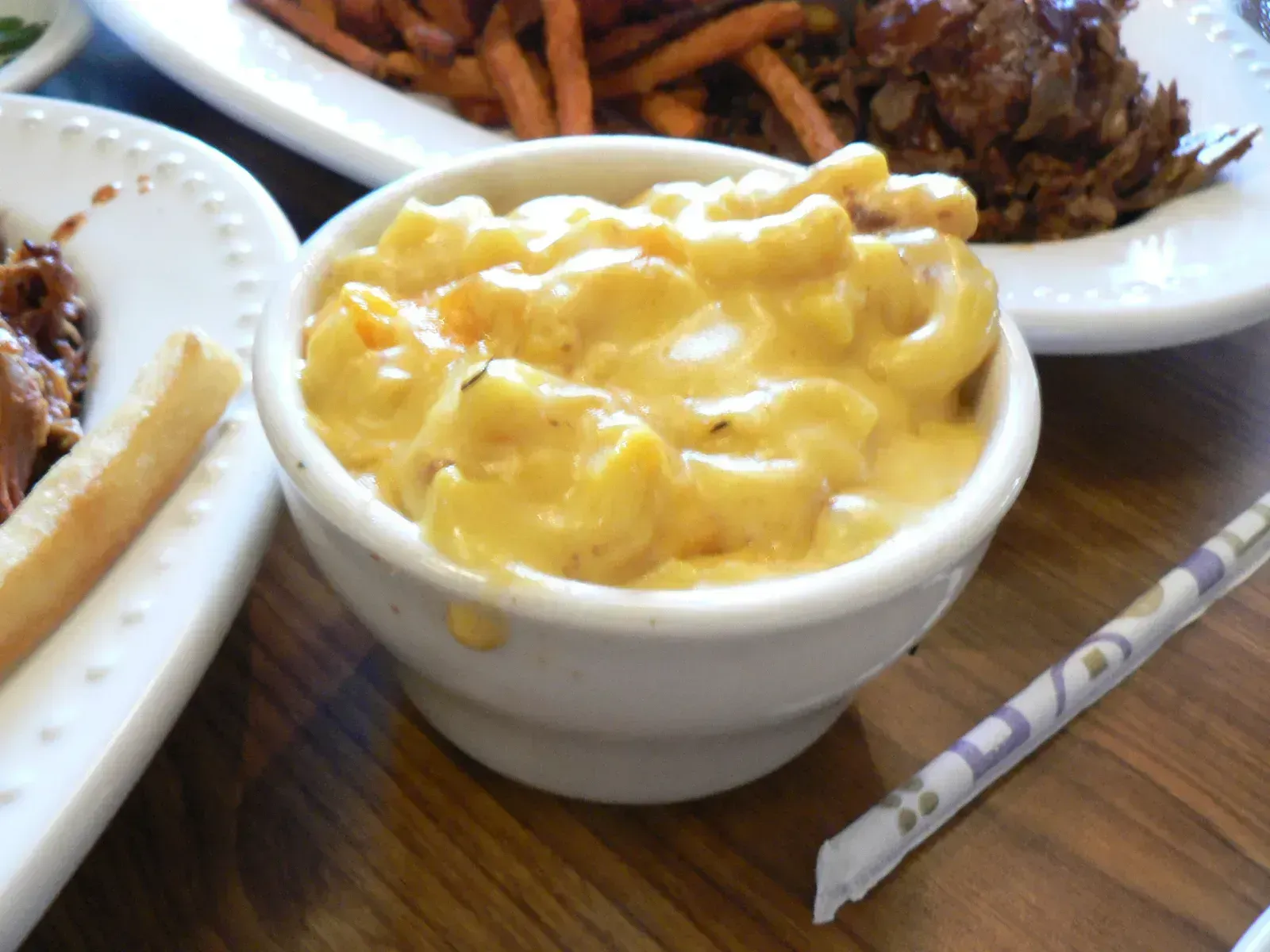
Mac and cheese is perhaps the most aggressively marketed comfort food in American history. It’s on every diner menu, every kids’ menu, every food blog, and every “must-eat American dish” list imaginable.
Macaroni and cheese is described as the ultimate comfort food, combining tender pasta with a rich, creamy cheese sauce. This dish is called a hug in a bowl, offering warmth and nostalgia with each spoonful. A staple in American households, mac and cheese is beloved for its simplicity and indulgence.
What visitors often find, though, especially in mid-range tourist restaurants, is an overly gloopy, intensely salty dish with a cheese flavor that barely resembles actual cheese. Every country has cheese, but America seems to be one of the few places that have pasteurized cheese food products. The difference between this stuff and cheese is the number of additives in it. Because there’s so much added that’s not cheese, it can’t legally be labeled as such. That discovery can be a bit of a gut punch when you were expecting creamy, homemade bliss.
8. Root Beer
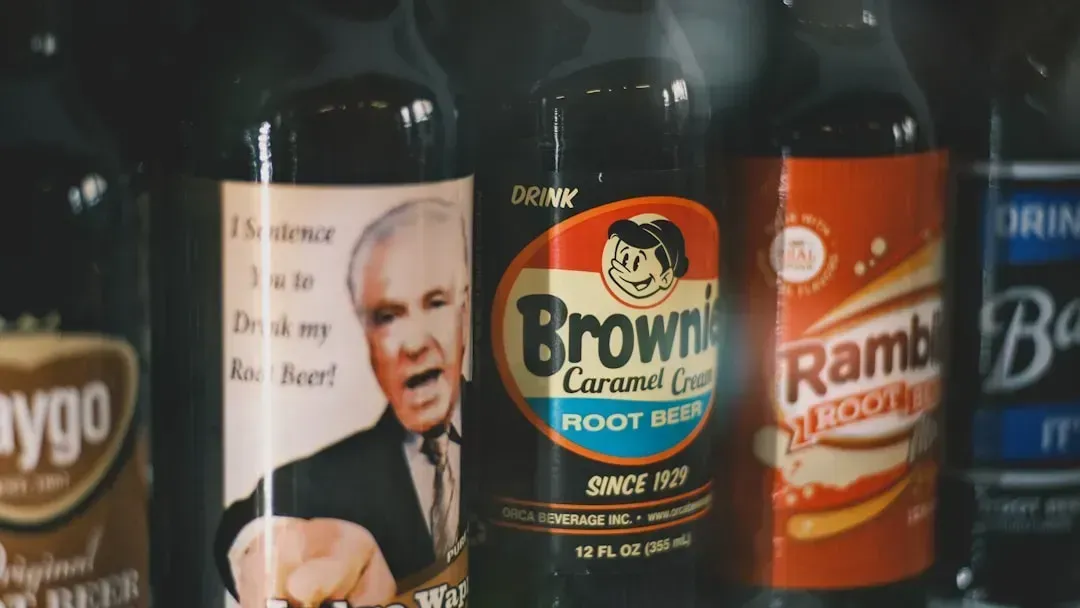
Root beer is one of those uniquely American beverages that visitors build up in their minds long before they ever taste it. It’s referenced in pop culture constantly, associated with floats and diners, and sounds like something absolutely delightful.
The reality is almost universally jarring for first-timers. While visiting from Germany, students claimed that root beer smelled like toothpaste or mouthwash. That’s not exactly the charming, old-fashioned soda experience they were sold on social media.
Over the past year, several Reddit threads have asked locals to weigh in on the foods outsiders assume they eat all the time, and the responses are eye-opening. Instead of confirming stereotypes, locals often push back, explaining that the foods visitors expect to find everywhere are either outdated, overhyped, or more popular abroad than at home. Root beer falls squarely into this category – a drink that’s far more beloved in the American imagination than in actual daily life.
9. Corned Beef and Cabbage
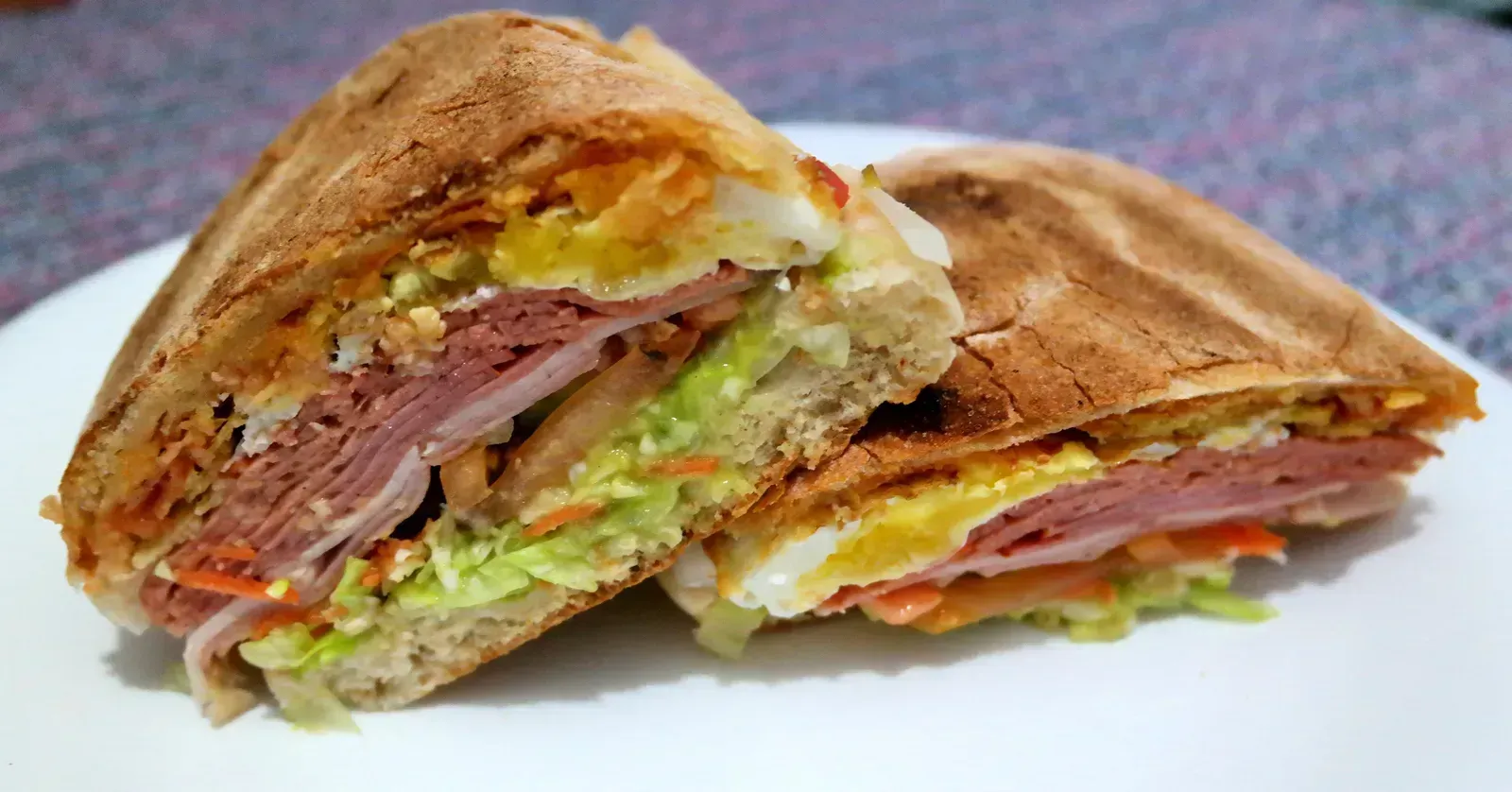
Here’s a fascinating case where a dish gets hyped not just by American culture but by a whole invented mythology around Irish-American identity. Visitors arrive expecting an authentic, deeply traditional taste experience.
When Irish immigrants settled in cities like New York City in the 19th and early 20th centuries, they found that corned beef from Jewish butcher shops was more readily available and affordable than pork. When paired with inexpensive vegetables like cabbage and potatoes, it made for a practical, budget-friendly meal. Over time, the dish became an Irish-American tradition.
Corned beef alone has been described to have a gross, almost artificial taste. When combined with soft, mushy cabbage? Some hesitate to eat this dish because of the corned beef’s high salt and fat content. Others dislike the spices used like coriander and mustard seeds, as they could be overpowering. It’s a dish steeped in history but not always in flavor – at least not for the uninitiated.
10. Candy Corn
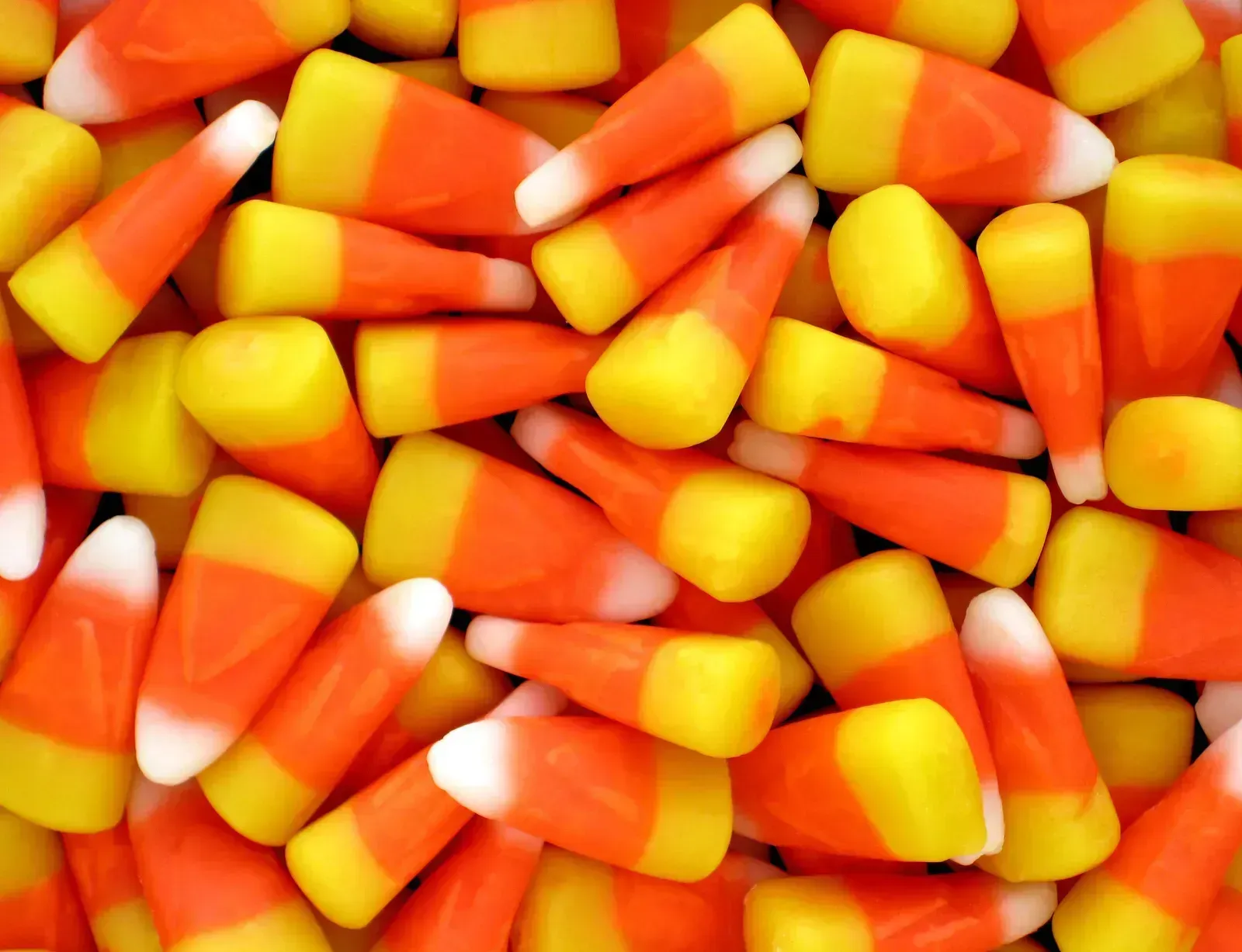
Few American foods generate as much pre-visit curiosity as candy corn. Every Halloween season, it’s plastered across every American social media feed, every shop window, every listicle about quintessential American treats.
Unpleasant mouthfeel is the number one reason why non-Americans aren’t impressed with candy corn. It has a waxy texture, intense sweetness, and artificial coloring. That combination, for anyone not raised on it, is genuinely bewildering.
It’s hard to say for sure exactly why candy corn retains its iconic status despite such polarizing reception, but the answer is probably nostalgia more than flavor. The growing interest in unique and authentic food experiences fuels the demand for culinary tourism, with travelers seeking opportunities to immerse themselves in local cuisines. Candy corn is certainly local and certainly unique – though “authentic” might be pushing it. Tourists who try it expecting something resembling real candy tend to leave quietly confused, and honestly, that reaction is completely valid.
American food culture is a genuinely fascinating world of regional traditions, bold flavors, and deep nostalgia. The issue is rarely the food itself – it’s the gap between the cinematic version tourists expect and the real thing sitting in front of them. The range in food production standards and service quality can drastically impact tourists’ expectations, and inconsistent standards can cause unsatisfactory reviews, potentially harming the reputation of food tourism as a whole. So if you’re heading to the States, do your research, seek out the best versions of these dishes from the right places – and maybe lower the bar just a little. What would you have guessed would top this list?