6 Theories Once Mocked That Science Now Backs
1. The Gut–Brain Connection: Your Microbes Shape Your Mood
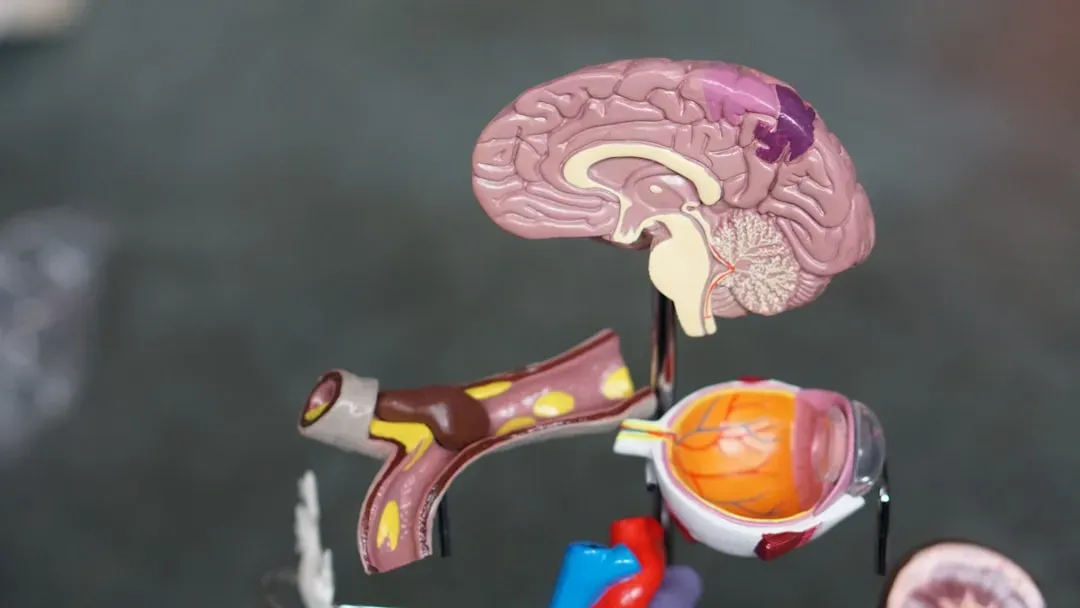
Not long ago, the idea that bacteria in your gut could influence your emotions sounded like something from a wellness blog, not a lab. Now, large human studies and brain‑scan research show that people with depression, anxiety, and even Parkinson’s disease often have a distinct gut microbiome pattern compared with healthy controls, and changing that microbiome can sometimes shift symptoms. Between 2023 and 2025, clinical trials have tested specific probiotic strains and fecal microbiota transplants for conditions like major depression and autism, with early results suggesting measurable changes in brain activity and behavior. Scientists have traced some of the pathways too, such as gut bacteria producing neurotransmitter‑like molecules and short‑chain fatty acids that influence inflammation and brain signaling through the vagus nerve.
2. Intermittent Fasting: Once Called a Fad, Now a Metabolic Tool

For years, skipping breakfast or compressing meals into an eight‑hour window was dismissed as a trendy diet that would fade away. But since around 2019, and especially through 2023–2024, randomized controlled trials have found that time‑restricted eating and alternate‑day fasting can improve insulin sensitivity, lower blood pressure, and reduce markers of inflammation in people with obesity and prediabetes, even when weight loss is modest. Researchers have also documented changes in cellular pathways like autophagy and mitochondrial function in both animals and humans, linking fasting to better metabolic flexibility and potentially lower risk of type 2 diabetes. While it is not a miracle cure and can be risky for some groups such as pregnant people or those with eating disorders, the basic theory that when you eat matters almost as much as what you eat is now taken seriously in major medical journals.
3. Microplastics in the Body: From Fringe Fear to Measurable Risk
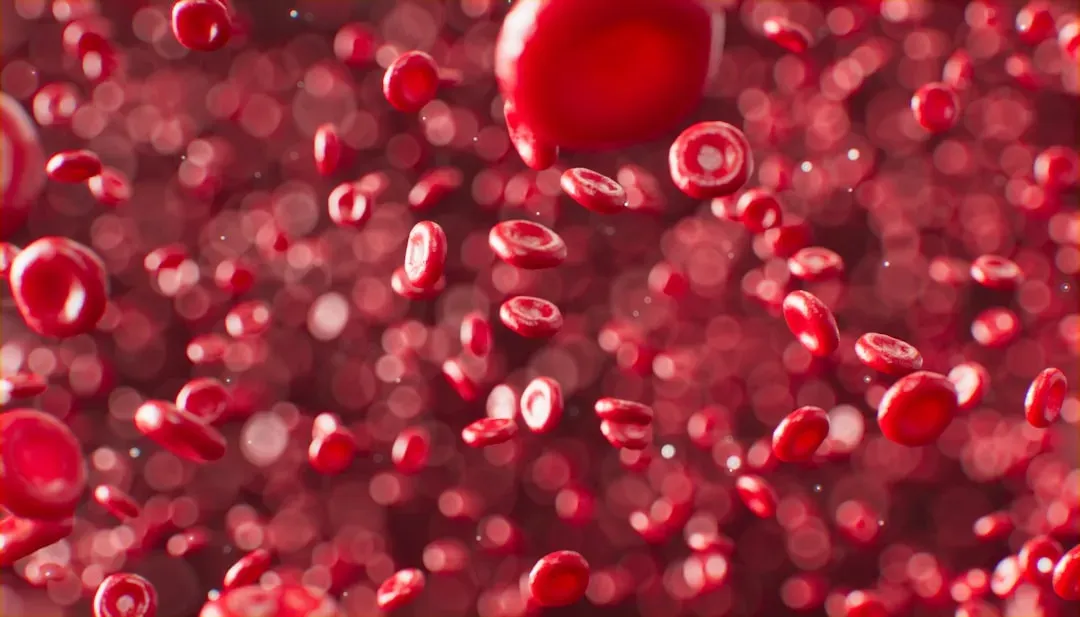
A decade ago, worrying that tiny plastic particles in the ocean might end up in your bloodstream sounded alarmist to many scientists and policymakers. That changed when teams in Europe and Asia reported microplastics and even nanoplastics in human blood samples, lung tissue, placenta, and, as found in a 2024 study, in carotid artery plaques removed during surgery. More recent analyses up to 2025 found that people with higher levels of plastic particles in arterial plaque were more likely to suffer heart attacks or strokes, suggesting these contaminants may worsen inflammation and blood‑vessel damage. Researchers are now racing to measure real‑world exposure from bottled water, food packaging, and household dust, something that used to be treated as a speculative worry and is now a central topic in environmental health.
4. Long Covid and Post‑Viral Illness: From Psychologized to Biological
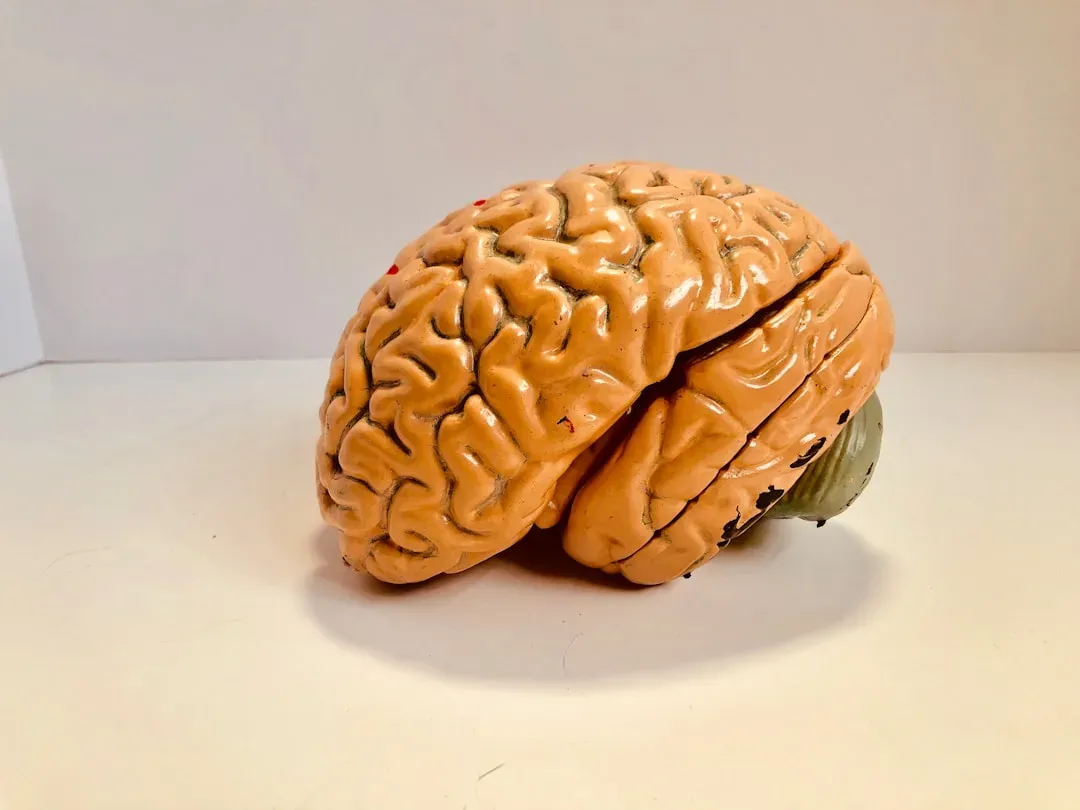
People who said a viral infection had left them exhausted and foggy for months were often told it was stress or anxiety, especially before the Covid‑19 pandemic. Since 2020, and increasingly in studies published between 2023 and 2025, researchers have found concrete biological changes in people with long Covid, including lingering viral fragments, immune system overactivation, tiny blood clots called microthrombi, and changes in brain blood flow and white matter. Imaging has revealed reduced gray‑matter volume in some regions and disrupted connectivity linked to memory and attention problems, matching what patients describe. Similar patterns are now being investigated in older conditions like myalgic encephalomyelitis and chronic fatigue syndrome, pushing medicine to accept that post‑viral illness is not just “in the head” but rooted in measurable biology.
5. Psychedelics for Mental Health: From Counterculture to Clinical Trials
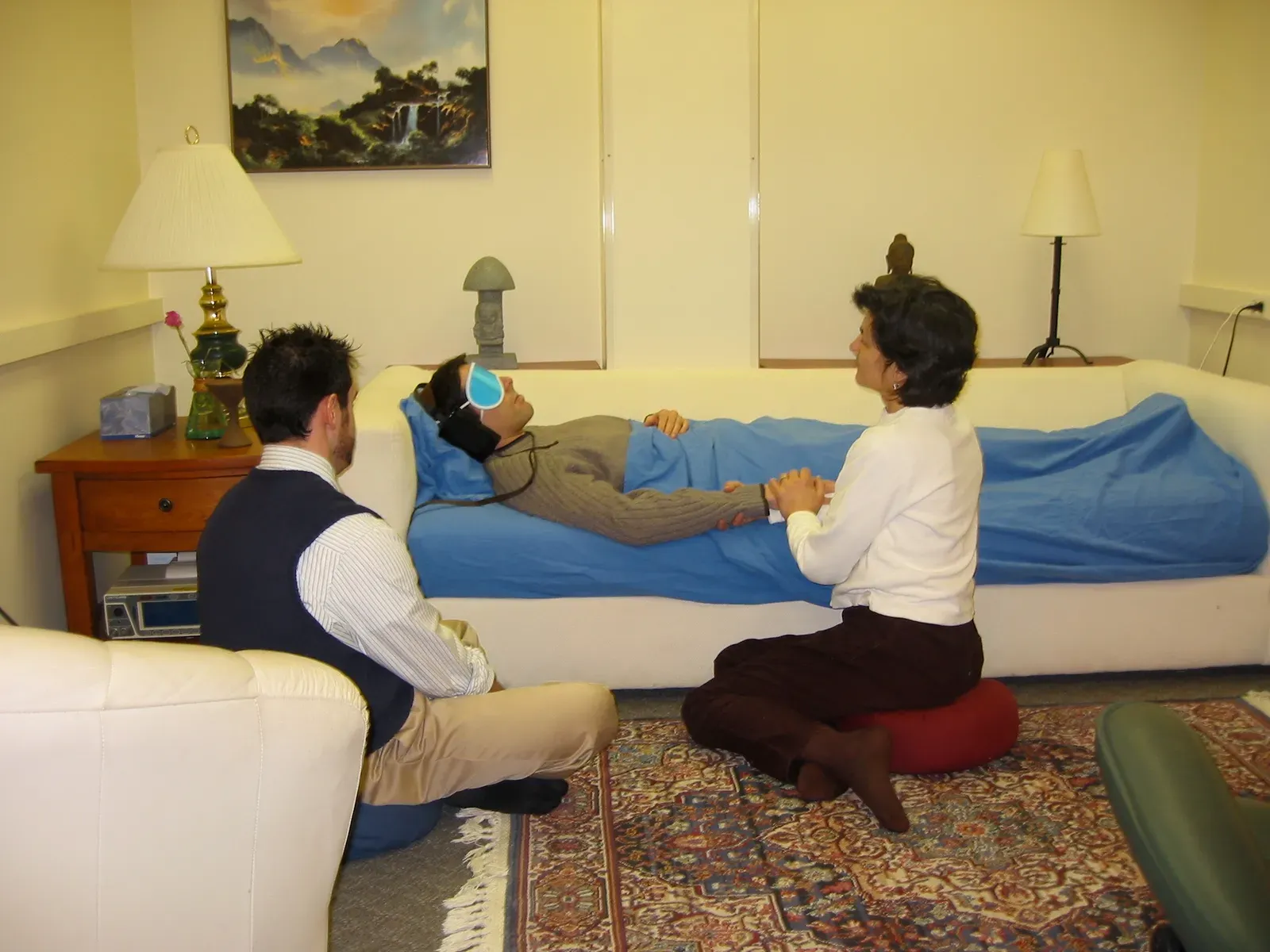
For decades, using psychedelic drugs like psilocybin or MDMA to treat depression or trauma was seen as naive at best and dangerous at worst. That view has flipped as rigorous phase‑two and phase‑three clinical trials have shown that, under controlled conditions with trained therapists, a few doses can dramatically reduce symptoms of treatment‑resistant depression, end‑of‑life anxiety, and post‑traumatic stress disorder for many patients. By 2023 and 2024, regulators in countries such as Australia and, on a more limited basis, the United States began preparing or approving pathways for supervised psychedelic therapy, reflecting growing confidence in the data rather than in cultural hype. Brain‑imaging work suggests these substances temporarily disrupt rigid patterns of brain connectivity, allowing people to revisit traumatic memories or negative beliefs with less fear, a mechanism that researchers are now mapping in detail.
6. Life in Extreme Environments: From “Too Harsh for Biology” to Surprisingly Crowded
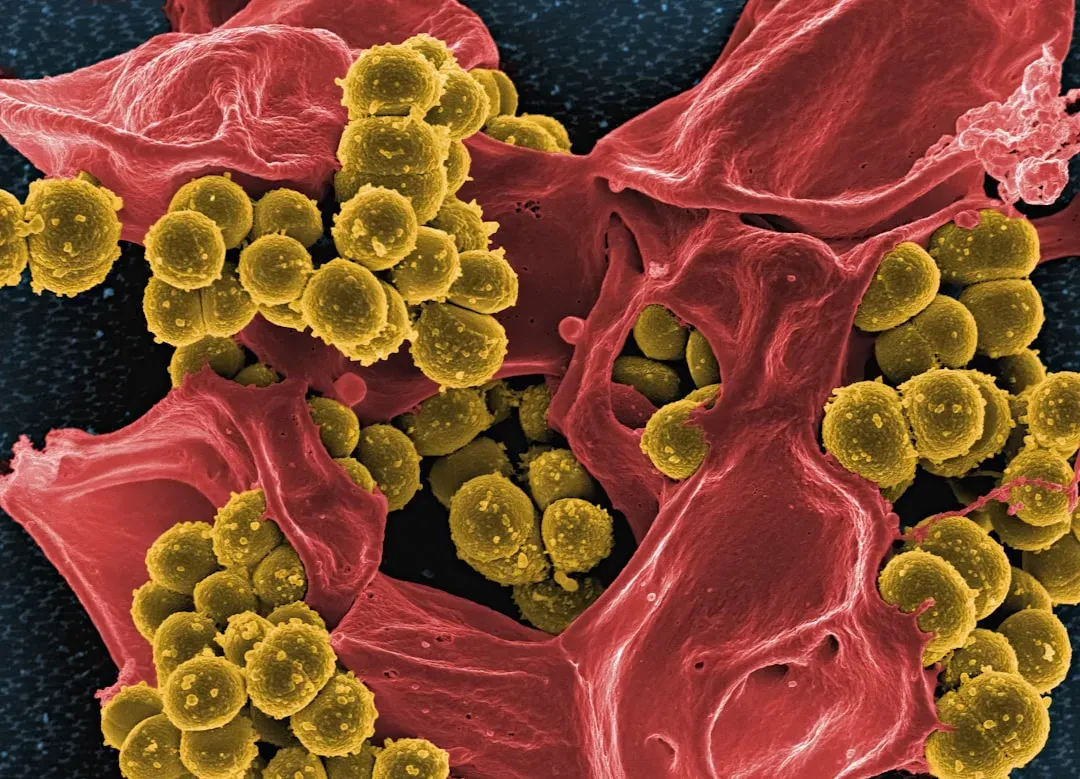
Older textbooks often treated places like boiling hot springs, deep‑sea vents, and the upper atmosphere as essentially sterile, assuming that complex life required narrow “Goldilocks” conditions. Over the past two decades, and with a burst of genomic work published through 2023–2025, scientists have discovered a huge diversity of microbes thriving in super‑salty lakes, acidic mine drainage, Antarctic ice, and deep below the ocean floor, sometimes surviving on trace chemicals rather than sunlight. Surveys of these so‑called extremophiles have revealed entirely new branches of the tree of life, including organisms that help explain how complex cells may have evolved. This once‑mocked idea that life can adapt to almost unimaginably harsh niches now shapes how we search for life on Mars, the icy moons of Jupiter and Saturn, and even high in Earth’s own atmosphere.