The Overlooked Downside of the Electric Car Boom, According to Energy Analysts
The New Strain on Aging Power Grids
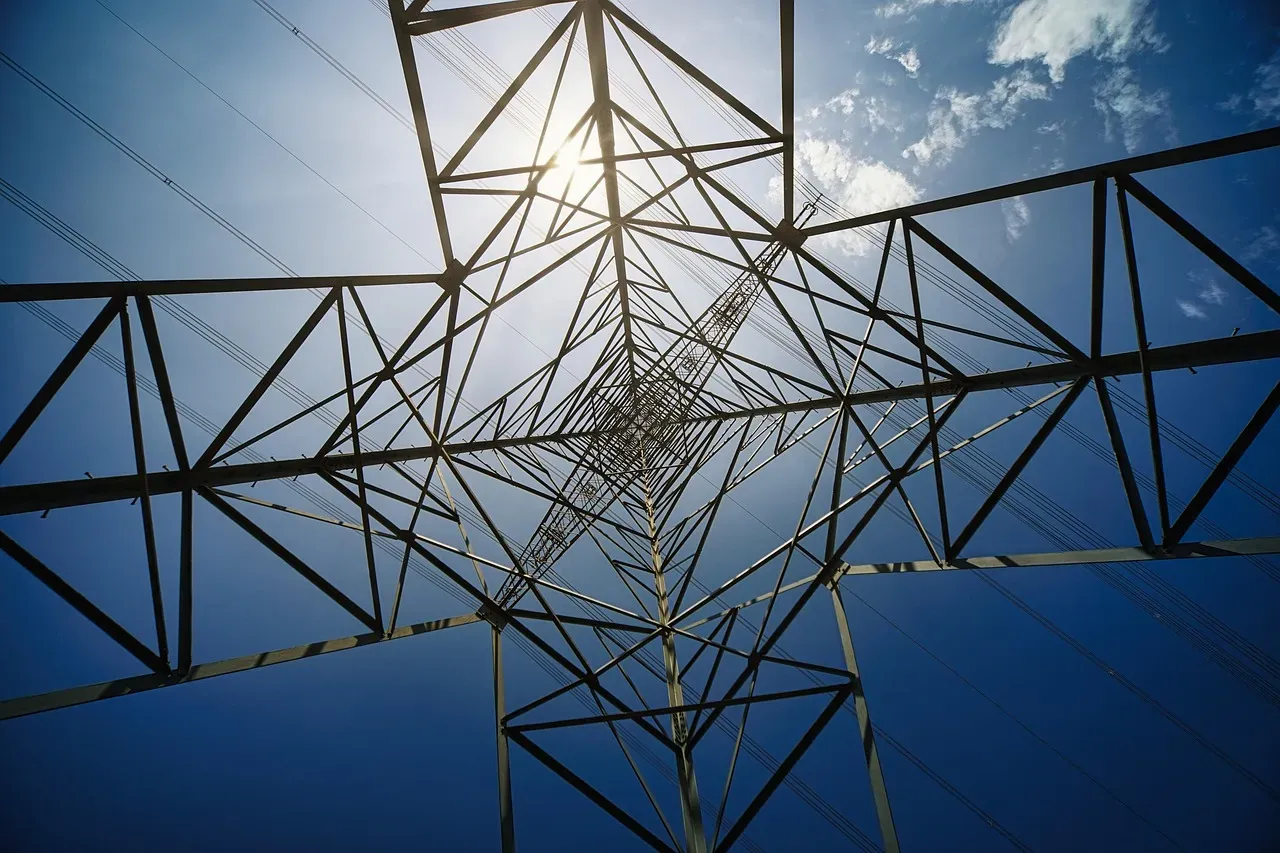
One of the biggest blind spots in the electric car boom is how much extra pressure it puts on power grids that were never designed for millions of cars plugging in at once. In the United States, grid planners are now warning that electricity demand, which was almost flat for years, is rising again because of EVs, data centers, and electrified heating, and some regions are already hitting bottlenecks during peak hours. In California, grid operators have publicly asked residents to avoid charging EVs during evening peaks on hot days, because air conditioning and other loads are already pushing the system close to its limits. This is not a theoretical risk anymore; it is showing up in real-world warnings about rolling blackouts if infrastructure upgrades do not keep up.
Hidden Emissions from the Supply Chain and Power Mix
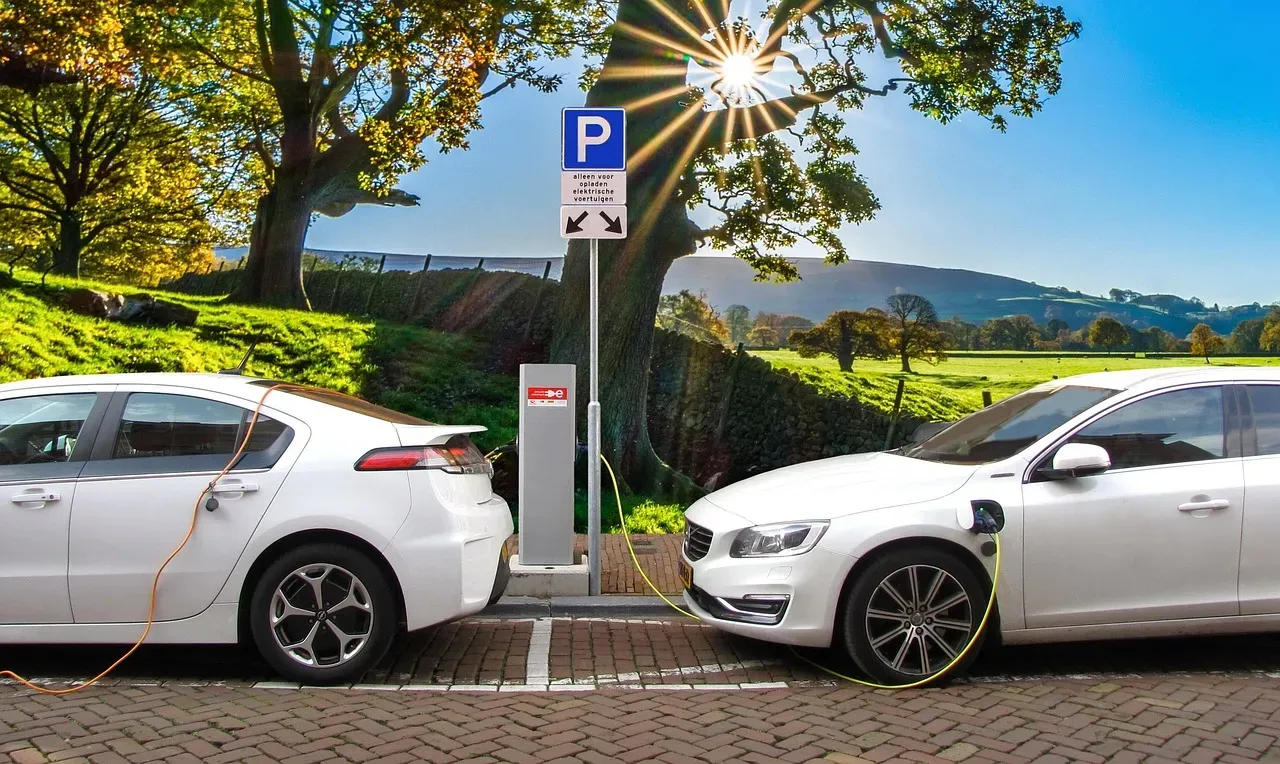
Electric cars produce no exhaust from a tailpipe, but the electricity and materials that make them run are not always as clean as people assume. In countries or U.S. states that still rely heavily on coal or natural gas power plants, the emissions from generating the extra electricity for charging can significantly reduce the climate benefit of switching to EVs, especially if charging happens at night when wind output may be lower and gas plants ramp up. Life-cycle analyses from research groups and national laboratories have found that EVs generally beat gasoline cars on overall emissions, but the gap can shrink when the grid is fossil-heavy and when mining and battery production are included. This means that without cleaning up the power sector and supply chains in parallel, the electric car boom will not deliver the dramatic climate gains many people casually assume.
Surging Demand for Critical Minerals and Local Impacts

The rapid growth in electric vehicles is driving a huge increase in demand for lithium, nickel, cobalt, graphite, and rare earth elements used in batteries and motors, and that demand has direct consequences for the communities where these materials are mined and processed. International energy experts have warned that mineral demand for clean technologies, led by EVs, has doubled in just a few years, and many projections to 2030 show several times more lithium and other metals needed than current production can supply. New mines are being proposed in places like the United States, Canada, South America, and Africa, and local residents are raising alarms about water use, pollution, and land disruption, especially in sensitive ecosystems and Indigenous territories. So while EVs reduce tailpipe pollution in cities, they can shift some of the environmental burdens to remote regions that are often less politically powerful.
Charging Inequality and the Risk of Leaving People Behind
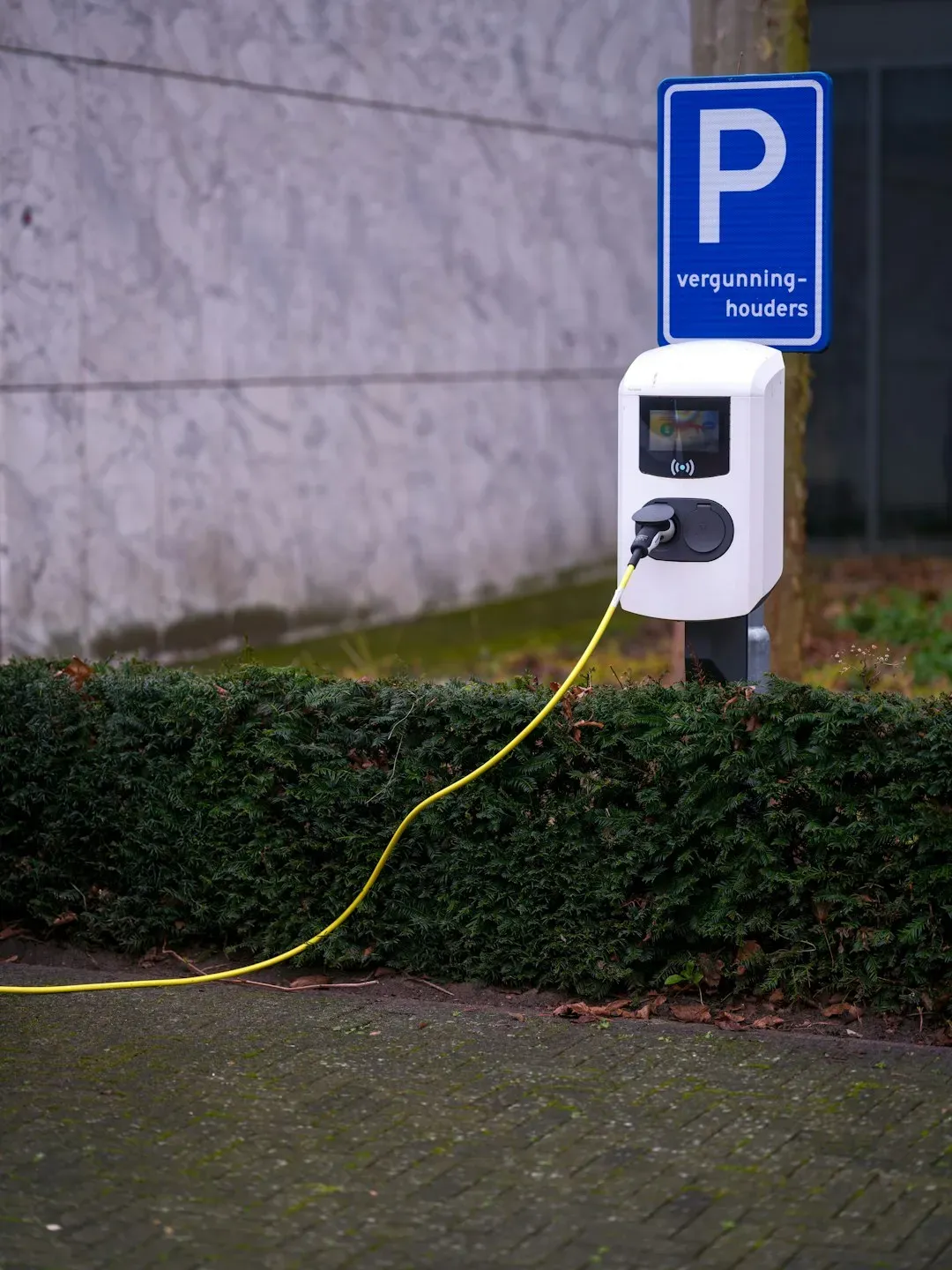
Another overlooked downside is how uneven access to charging is, which can deepen existing inequalities between neighborhoods, income groups, and regions. In dense cities and lower-income areas, many people live in apartments or older buildings without off-street parking, making it far harder to install home chargers or rely on slow overnight charging like suburban homeowners can. Public fast-charging networks are expanding, but they are still clustered along major highways and wealthier urban corridors, leaving rural areas and small towns with patchy coverage and higher anxiety about running out of charge. This unequal rollout means that the people who could benefit most from lower fuel and maintenance costs are often the last to get convenient and affordable charging options.
Recycling Bottlenecks and the Coming Wave of Used Batteries
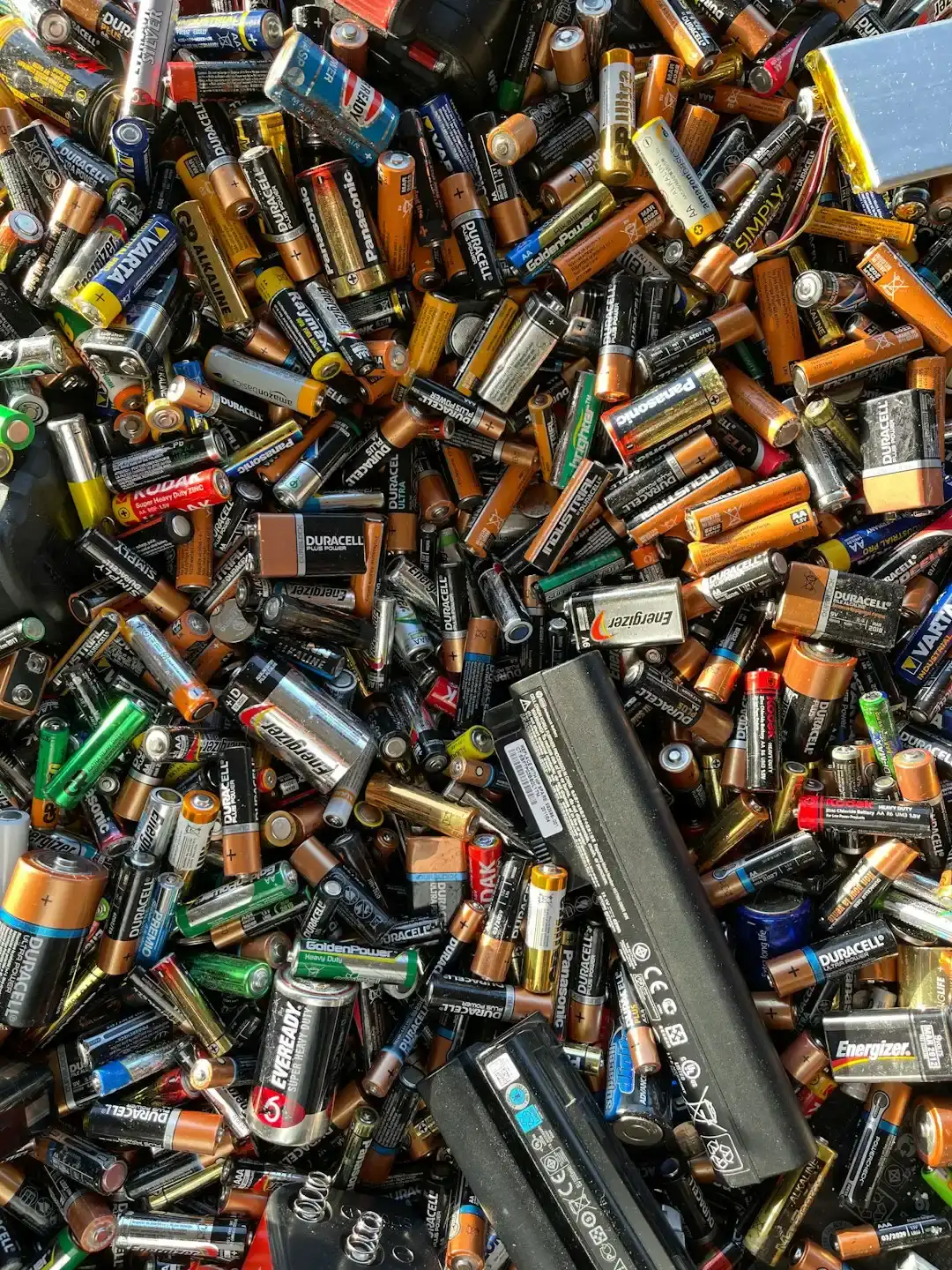
As the first large wave of electric cars sold in the past decade reaches the end of their battery life, analysts are warning that recycling capacity is not yet ready for the volume and complexity of used packs that will arrive. Modern EV batteries contain a mix of metals and chemistries that are technically recoverable, but current recycling facilities are still scaling up, and in many countries only a small fraction of retired batteries are being processed in advanced plants rather than ending up in storage or low-value uses. Governments and companies are now racing to build more recycling capacity and to design batteries that are easier to disassemble, but there is a real risk that the industry will hit a messy transition period where stockpiles of old packs grow faster than safe, efficient recycling options. If that happens, some of the promised circular economy benefits of electric vehicles will remain more on paper than in practice.