7 Bathroom Upgrades Design Experts Say Are Losing Popularity Fast
Bathroom design moves faster than you might think. What felt fresh and modern just a couple years ago can suddenly look tired and overdone. Let’s be real, nobody wants to invest in a bathroom upgrade only to discover it’s already on its way out. So what’s falling flat with designers right now? Here’s what the professionals are quietly steering clients away from in 2025.
All-White and All-Gray Monochrome Schemes
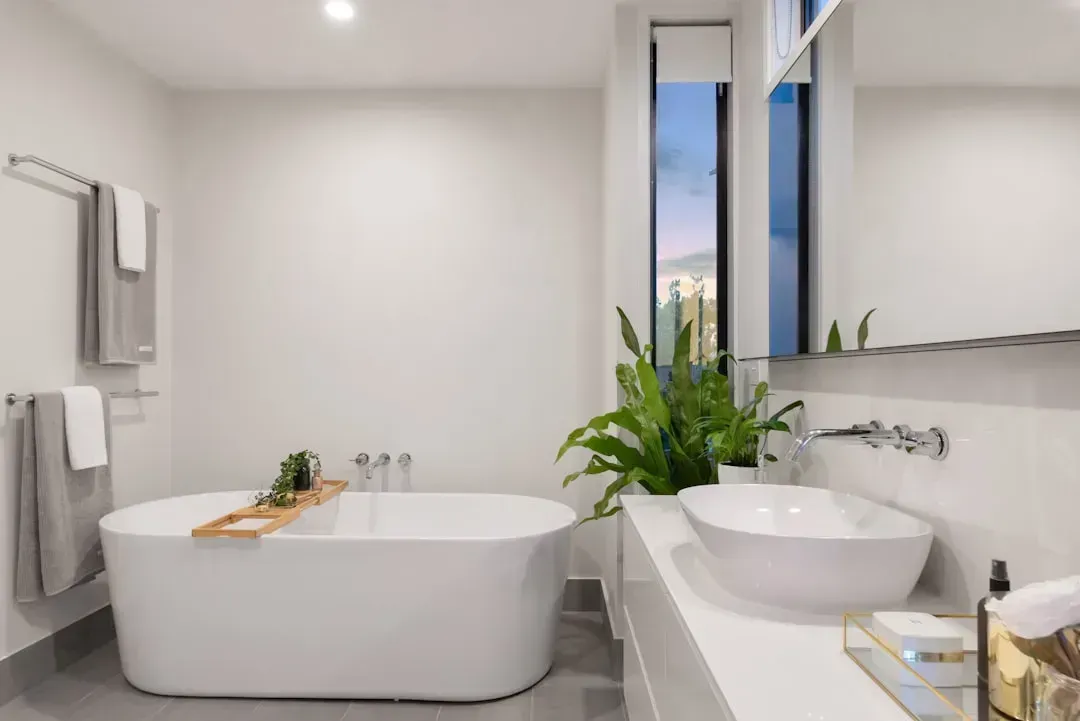
The minimalist all-white or all-gray bathroom that once conveyed cleanliness and simplicity now feels overly sterile or clinical, lacking depth and warmth. While once revered for its spa-like feel, the all-white bathroom has proven challenging to maintain, showing every speck of dust and water spot, and can come across as sterile and unwelcoming.
The popularity of monochromatic white or gray bathrooms has receded in recent years, but in 2024, they are completely behind us. Think about it honestly. These spaces often feel cold rather than calming. Designers now recommend introducing warmth through neutral tones, natural stone textures, and layered designs rather than committing to a single stark shade. According to bathroom expert Barrie Cutchie, white bathrooms have definitely fallen out of favor, though off-white could return as it follows kitchen trends.
Farmhouse Shiplap and Wood Paneling
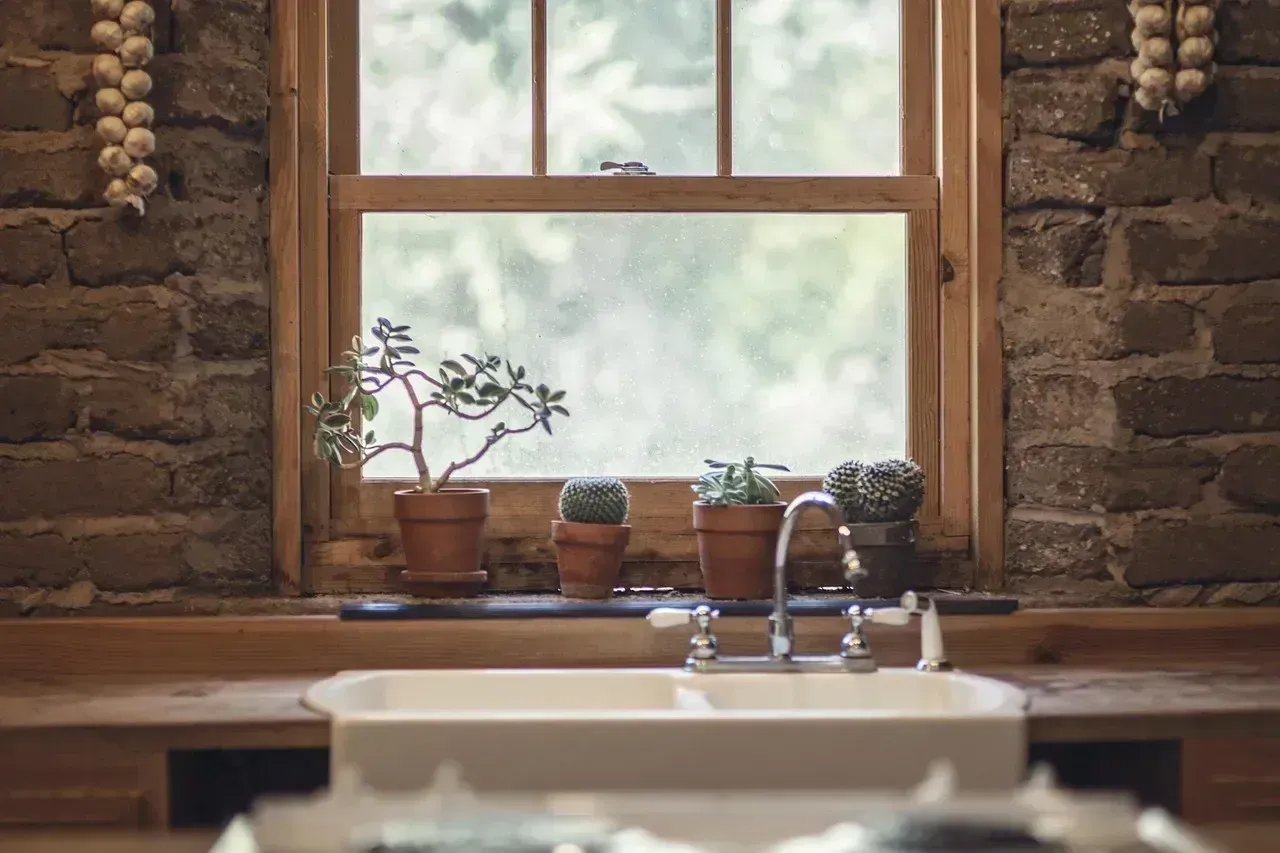
Wood paneling, including popular shiplap or gray faux-wood finishes, was a defining feature of the farmhouse-inspired design wave of the last decade, but today these features often feel overused, dated, and restrictive. I know this one stings for farmhouse lovers. The trend absolutely dominated Pinterest boards and home renovation shows for years.
Wood paneling and shiplap, once defining features of the farmhouse design wave, now feel overused and dated, with faux-wood finishes looking artificial and not holding up well against moisture. While some say the farmhouse look is on its way out, the traditional farmhouse style featuring black-and-white pattern tile, chunky rustic wood and industrial light fixtures appears dated. Still, you don’t have to abandon the aesthetic entirely – just update it with sleeker materials and more sophisticated color palettes.
Whirlpool and Jetted Tubs
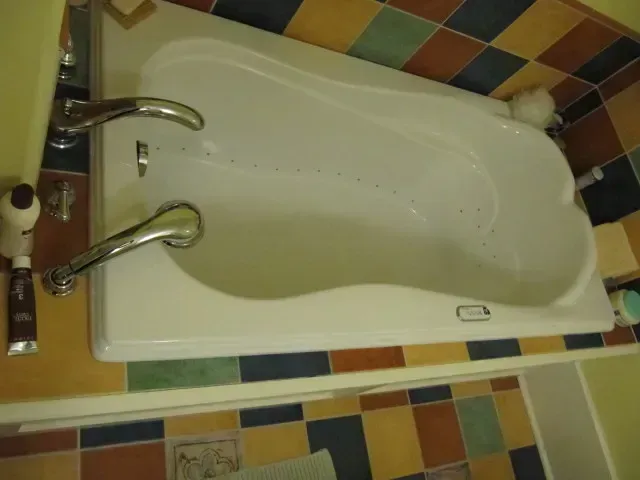
Whirlpool tubs were a prominent symbol of luxury in past decades, but their popularity has faded significantly as these large tubs require substantial maintenance, are difficult to keep clean, and consume valuable bathroom space. Here’s the thing nobody tells you when you’re drooling over those spa-like jets at the showroom: cleaning them is a nightmare.
While once considered a luxury, jetted tubs are falling out of favor due to maintenance concerns and noise, being replaced by quieter, easier-to-maintain soaking tubs that prioritize relaxation. Most homeowners eventually realize they rarely use the jet function anyway. The space and money are better invested in a beautiful freestanding soaking tub or a luxurious walk-in shower with multiple shower heads.
Brushed Brass Fixtures
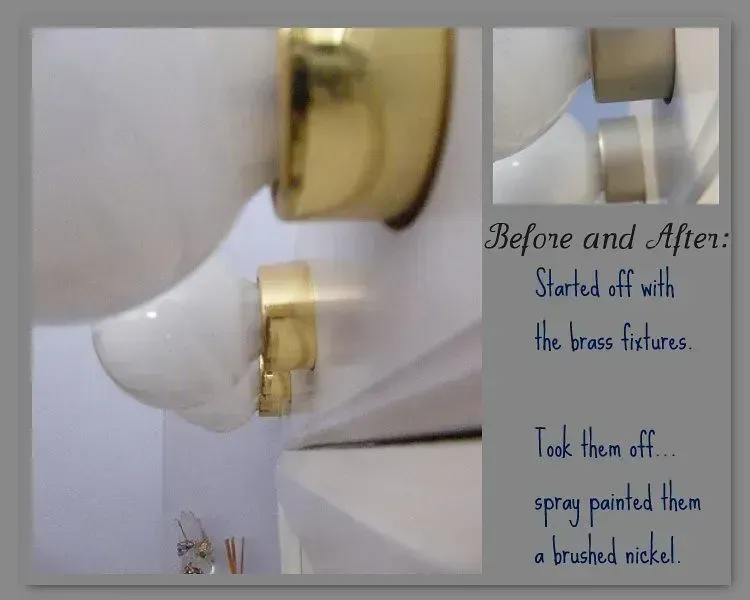
According to Louise Ashdown, head of design at West One, brass and brushed brass has dominated bathroom brassware for several years, but for 2025 there will be a shift to new finishes, as the extreme popularity has left the look feeling like an obvious choice. It’s hard to say for sure, but this trend felt inevitable once every single bathroom remodel featured the same warm brass finish.
Once a staple in bathroom design, brass fixtures are losing their charm, with the warm and shiny finish that was once popular now being replaced by sleeker and more modern options. Designers now favor brushed nickel as a more modern interpretation, offering similar textural appeal with a cooler, more contemporary tone. The trend simply became too ubiquitous – when everyone has it, it stops feeling special.
Matte Black Hardware Everywhere
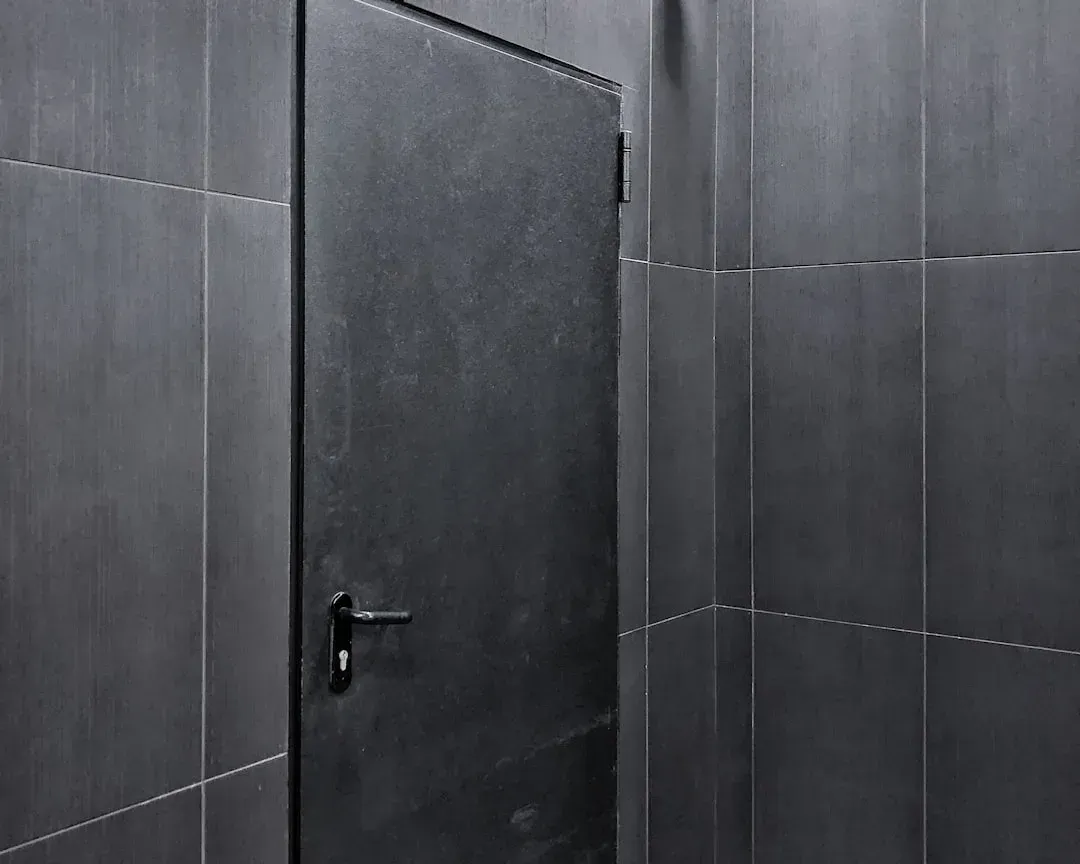
Once considered the high point of bathroom hardware trends, matte black has had a speedy decline in popularity due to both its stark contrast in lighter schemes and the high-maintenance care it requires, as it’s notoriously difficult to keep clean, especially in hard water areas, and prone to scratching and tarnishing. I think most people underestimate just how much upkeep these fixtures demand.
Every water spot shows up immediately, and fingerprints are constant companions. While its delicate nature makes it less desirable for larger installments, matte black brassware can still make a dramatic statement when used sparingly in smaller accents like robe hooks or toothbrush holders. Use it as an accent rather than covering every surface, and you’ll avoid both the maintenance headache and the dated look.
Large-Scale Shower Expansions and Major Layout Changes
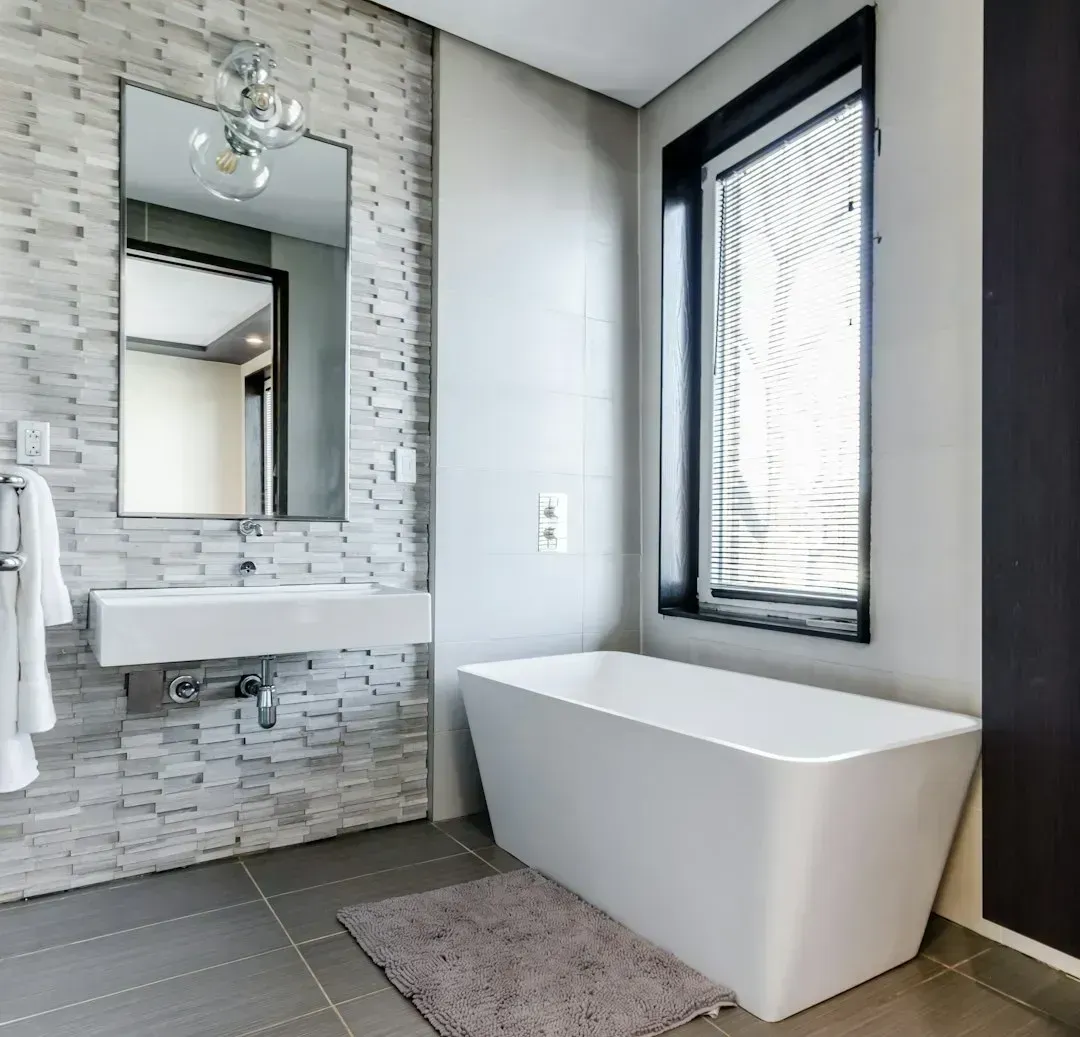
Several types of major bath upgrades have noticeably declined in popularity between 2023 and 2024, with increasing the shower size dropping from 51% to 41%, changing the layout dropping from 43% to 38%, and modifying walls dropping from 41% to 37%. This shift is fascinating because it tells us something important about how priorities are changing.
The motivation of making the bathroom more accommodating has grown notably, rising from 23% in 2023 to 27% in 2024, yet homeowners are accomplishing this without massive structural changes. Instead, they’re focusing on smarter storage solutions, better fixtures, and functional upgrades that don’t require tearing down walls. Sometimes less really is more, especially when it comes to your budget and timeline.
Builder-Grade White Acrylic Shower Tub Units
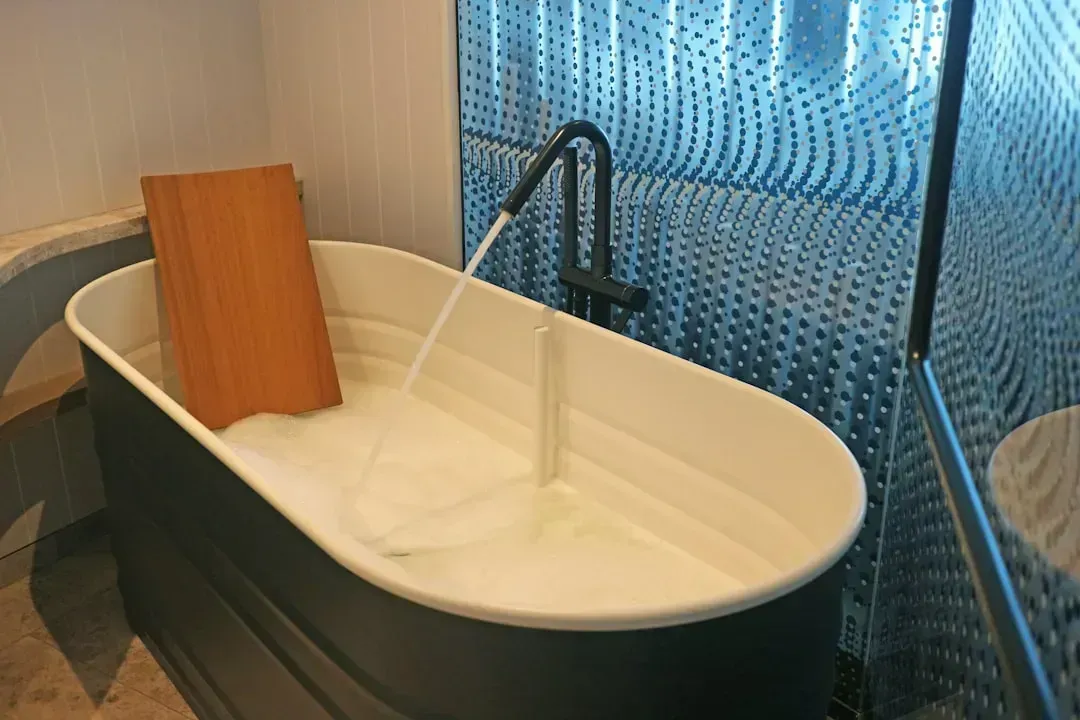
All-white acrylic shower-tub units were once popular for their affordability and convenience, especially in builder-grade homes, but unfortunately these units quickly discolor, scratch, and show signs of wear, with the bland aesthetics making bathrooms appear generic and uninspired. Let me be honest – these were never stylish, just cheap and easy.
All-white acrylic shower-tub units, once popular for affordability and convenience in builder-grade homes, unfortunately discolor and scratch quickly, with bland aesthetics making bathrooms appear generic and uninspired. Homeowners are now investing in customized shower installations using composite materials or natural stone-inspired panels that offer durability and visual appeal without the yellowing and wear that plague cheap acrylic. It’s worth spending a bit more to get something that actually lasts and looks good doing it.
Looking back at these fading trends, there’s a clear pattern emerging. Bathroom design is moving away from cookie-cutter solutions and overly trendy choices toward more personalized, functional, and enduring spaces. The focus has shifted to materials that age gracefully, finishes that don’t require constant babysitting, and layouts that make sense for actual daily life rather than Instagram photos. What do you think – are you ready to move on from any of these, or are you still holding onto your farmhouse shiplap?