France’s Harsh Kitchen Culture Faces Global Reckoning
The Military Legacy That Built Kitchen Tyranny
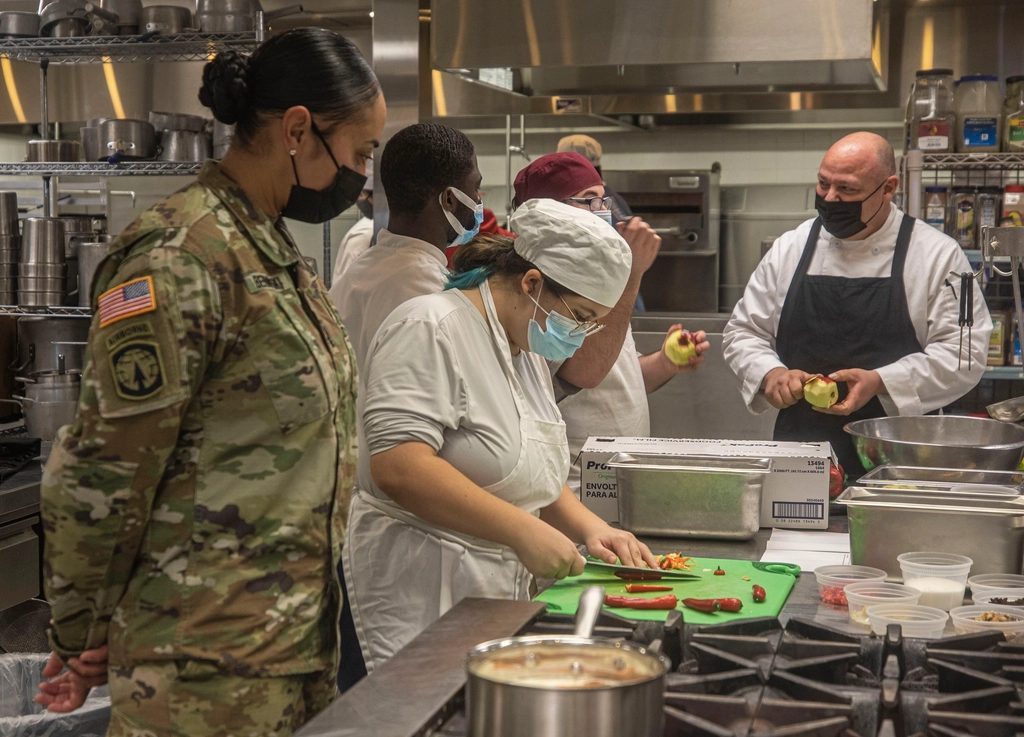
Behind every Michelin-starred meal lies a system that was never meant for feeding people – it was designed to wage war. The kitchen brigade system, codified by French chef Auguste Escoffier in the late 19th century, was directly inspired by his military experience, creating a rigid hierarchical organization modeled after the army where rank and hierarchy determine the chain of command. What began as an effort to bring order to grand hotel kitchens has morphed into something far darker. Professional kitchens around the world are modeled on this top-down, military-inspired system invented by a French chef in the 19th century, and now there’s a national reckoning about the abuses it’s created.
Having served in the French army, Escoffier transferred his experience with the clearly defined structure and duties of a military brigade into the kitchen, assigning over 20 specific cook positions throughout the kitchen with the purpose of ensuring every cook had a clear purpose and the kitchen could work to maximum efficiency. The system spread like wildfire across the globe, becoming the foundation for nearly every professional kitchen from New York to Tokyo.
When Hierarchy Becomes Hell
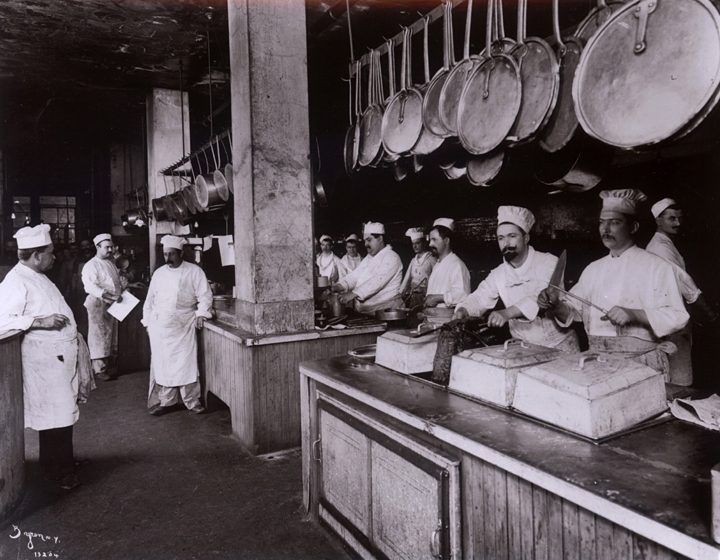
Behind the smooth and idealized images of the profession as presented in various entertainment programs hides a rigid, almost military and brutal hierarchical organization where the working conditions of kitchen brigades are often degrading, stressful, even violent. The very structure that was meant to create efficiency has instead fostered an environment where abuse flows downward like water. The extended hours focused the operation, and the hierarchical breakdown turned into abuse from those in positions of power, who quickly forget they even started at the bottom.
This isn’t just about tough working conditions – it’s about systematic dehumanization. The testimonies that struck observers most were those that very quickly aimed to dehumanize people in the kitchen, because it’s by dehumanizing people in the kitchen that they can be exploited. The brigade system creates perfect conditions for this exploitation by establishing clear power dynamics where questioning authority isn’t just discouraged – it’s dangerous for your career.
The Shocking Reality of Kitchen Violence

Through testimonies collected from industry workers since 2020, accounts recount chefs erupting in violent tantrums, burning staff deliberately or throwing pans in their faces if they make a mistake during service. These aren’t isolated incidents or exaggerated stories – they’re part of a documented pattern of workplace violence that has been normalized for generations. The hierarchical breakdown turned into abuse from those in positions of power, and then there’s the self-abuse including drugs to push through a shift and stand the line through a bad back, plus alcohol to ease the adrenaline after being screamed at by the drill sergeant.
The physical violence is just the tip of the iceberg. The final hit of this system, the result of this profession we call passion, is often depression; in the worst cases, suicide, which is why people ask why chefs are dying. According to charity The Burnt Chef Project, a significant number of hospitality professionals experience depression, with one performance describing “defeated faces and lifeless eyes” behind the kitchen door, where “breaking the human spirit is just company policy.”
Women Face Double Jeopardy
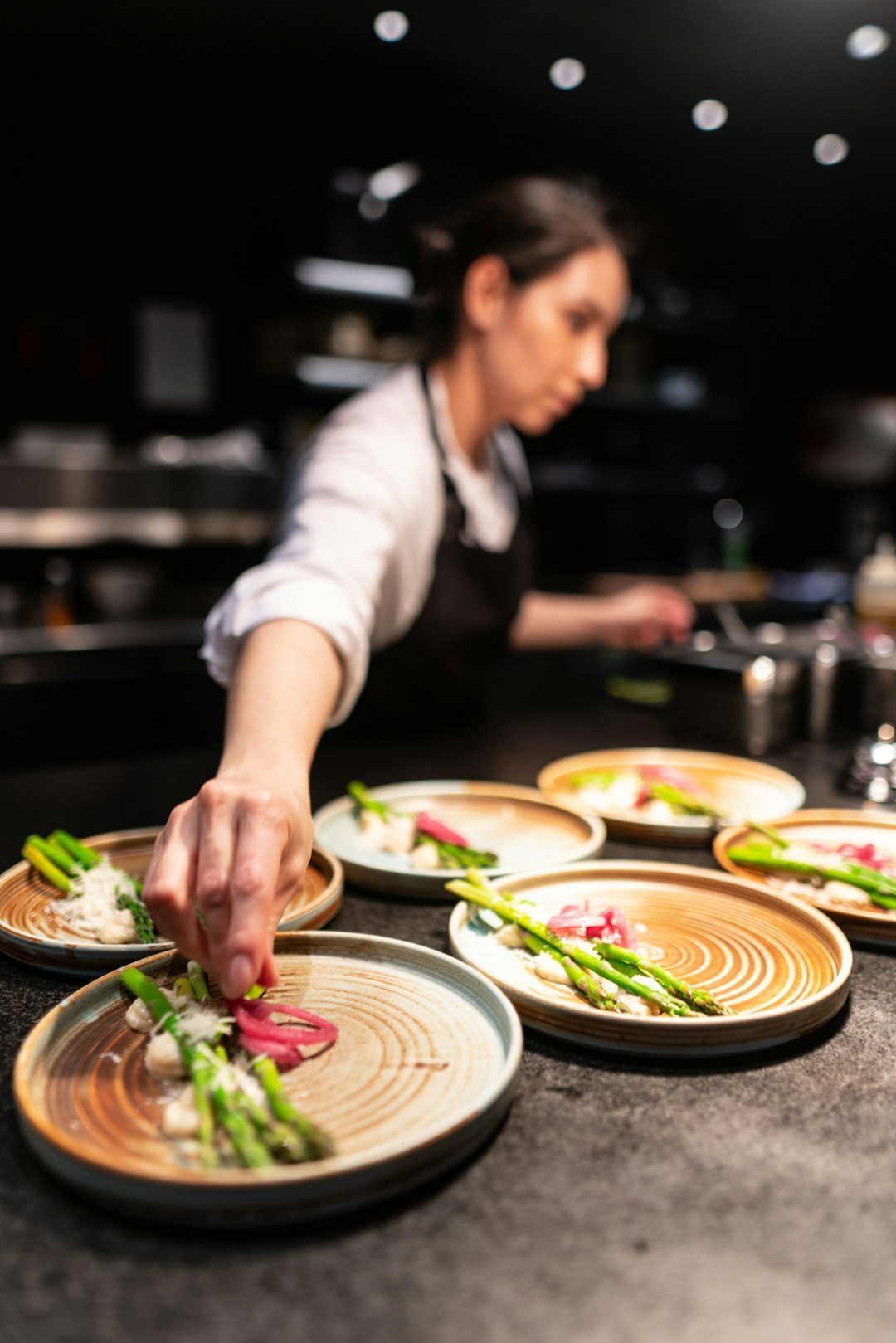
For people of color, it’s putting up with race-based harassment and being exploited and mistreated, while for women, it’s being constantly sexualized, including hands patting their bottoms every day, lewd remarks on their appearance and, in more serious cases, rape in a walk-in cooler by a colleague. The kitchen becomes a particularly hostile environment for women who face both the general brutality of the brigade system and gender-specific harassment.
In a toxic restaurant culture where emotions are viewed as a weakness, female chefs often choose not to report cases of sexual harassment for fear of backlash, as being outnumbered by men in the kitchen makes it extremely difficult to speak up for oneself, with some superiors knowing that female chefs won’t say anything and using this to their advantage. The lack of human resources departments in most restaurants means there’s nowhere to turn. As one chef summarized it: “There’s no HR. You don’t like it, leave.”
France’s Legal System Finally Steps In

According to reports, the French Supreme Court, in a November 2024 decision, reportedly recognized the link between harassment and discrimination for the first time, clarifying that employees need not demonstrate harm to their health or career, nor prove differential treatment based on protected characteristics, as it is sufficient to show a toxic atmosphere or behaviors indicative of discriminatory harassment. This landmark ruling represents a seismic shift in how French law addresses workplace abuse.
According to reports, in November 2024, the Court of Appeal of Paris reportedly recognized an employee as a victim of sexual harassment because she worked in an open space where sexist remarks and suggestive images existed without any act directly targeting her, with this ruling evolution being crucial as it’s no longer necessary to prove explicit intent to harm – it’s the effect of behaviors on the person that matters. The courts are finally catching up to what kitchen workers have known for decades.
The Statistics Tell a Disturbing Story

Survey data reveals that workplace violence appears to be increasing, with 30% of respondents reporting they had witnessed workplace violence happen to another employee (up from 25% in 2024), and 15% saying they had been the target of workplace violence themselves (up from 12% in 2024), underscoring the severity of the growing threat and pressing need for enhanced preventive strategies. These numbers likely underrepresent the true scope of the problem, as many incidents go unreported.
Nearly one in ten chefs surveyed suffered mental distress, with results showing high levels of physical and mental fatigue, disrupted sleep and unhealthy lifestyles, while almost 15% of the sample consumed alcohol five or more days weekly, with over 11% saying they had consumed hard drugs in the past year. These statistics paint a picture of an industry in crisis, where workers turn to substances just to survive their jobs.
The Global Spread of a Broken System

Toxic kitchen culture is hardly unique to France and has been exposed and denounced for years in Anglophone and European countries. The brigade system exported French brutality worldwide, creating a universal language of kitchen abuse. France, Argentina, Romania, Canada and England have reported the highest rates of assaults and sexual harassment on the job according to the International Labour Office in their extensive worldwide survey of violence in the workplace.
What makes this particularly troubling is how the system has become self-perpetuating. The hierarchical chain of command known as the brigade system, developed by the French in the late 1800s and designed to bring about efficiency, nowadays often creates trauma through the lack of physical and psychological safety. Each generation of chefs learns that abuse is normal, then passes it on to the next generation.
Breaking Point During COVID

The 2020 pandemic exposed just how expendable the industry considers its workers. Exploited and underpaid workers who had carried the restaurant industry on their backs were forgotten when 2020 pandemic hit, with GoFundMe funds that were supposed to go to workers going missing while they go hungry every day. The crisis forced many to question whether the system was worth preserving at all.
The 2020 pandemic has changed some of the employer-worker dynamics, with some noting the emerging GenZ population is less tolerant of belligerent working conditions, but change has to be broad. The new generation of workers isn’t willing to accept abuse as the price of admission to the culinary world.
Voices of Change Emerge

Groups have set up helplines to support victims of violence in the kitchen and offer professional training courses on communication and management, with both advocates emphasizing that while vulnerable individuals and minority groups are easy targets, violence and abuse can be perpetrated by both men and women of all ages, and within all ranks. These organizations represent the first systematic challenge to the brigade system’s culture of silence.
One of the founding chefs, Manon Fleury, has gone on to open her own restaurant, Datil in Paris, where as the boss, Fleury has made efforts to run her ship differently than her predecessors by closing the restaurant on weekends to promote work-life balance. Her success proves that excellence doesn’t require brutality.
The Economic Reality That Traps Workers
There are obvious economic realities that prevent many from leaving violent workspaces, as most everyone has bills to pay, while quitting is also hard in light of the other upsides to professional cooking, such as creativity and freedom, sensory stimulation and reciprocal joy from watching a satisfied customer eat. The industry exploits workers’ passion for food, using their love of the craft to justify unacceptable working conditions.
This creates a perverse dynamic where the more someone cares about cooking, the more likely they are to accept abuse. People who work in environments like these are miserable despite loving their craft, as they resent their working environment and become institutionalized, marginalized and socially inept, with it always being easy to spot a chef who had spent their most formative years working in kitchens with bad cultures.
Media Complicity in the Myth
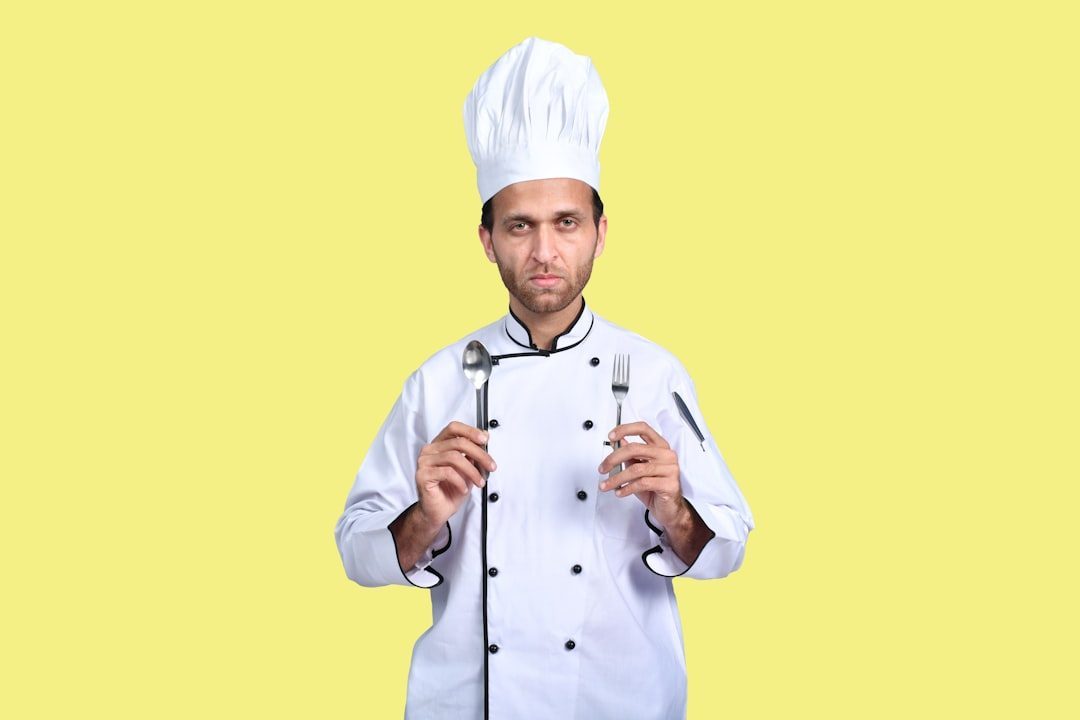
Industry toxicity is also compounded by complicity from the food media, which can focus too much on chefs and not restaurant workers, or give chefs television shows and prestigious awards, and even by industry insiders who fail to reveal bad actors. The celebrity chef culture has made abusive behavior seem glamorous, with temperamental outbursts treated as signs of artistic genius rather than workplace misconduct.
Even after news articles about their abusive behavior, the same chefs often thrive with new restaurants and more awards. The industry’s failure to hold abusive chefs accountable sends a clear message that excellence excuses brutality, perpetuating the cycle of abuse.
The Path Forward Remains Uncertain
Unfortunately, when there is no other obvious solution that can rectify the atmosphere without sacrificing the quality and consistency of the restaurant, nothing ever changes, which explains how an outdated brigade system continues to prevail. The challenge facing the industry is proving that great food doesn’t require human sacrifice.
Some progress is being made, but change remains slow and uneven. The industry’s problems are systemic, as experts note, making it really beyond one person or one place to solve. Real transformation will require dismantling the fundamental assumptions that have governed professional kitchens for over a century.
France’s kitchen culture crisis represents more than just workplace reform – it’s a reckoning with an entire philosophy that equates suffering with excellence. The military precision that once brought order to chaotic hotel kitchens has become a weapon turned against the very people who create culinary magic. As legal systems finally catch up and a new generation refuses to accept abuse as tradition, the question isn’t whether change will come, but whether it will arrive before more lives are broken on the altar of gastronomic perfection.