10 Meat Cuts Butchers Prefer to Keep for Themselves
Ever wonder what happens when professionals know more than they let on? Walk into any butcher shop and chances are you’re seeing only what they want to sell, not necessarily what they’re taking home. Butchers have historically been tempted to take certain cuts home for themselves, and once you learn why, you’ll be asking for these hidden treasures by name.
Hanger Steak: The Original Butcher’s Secret
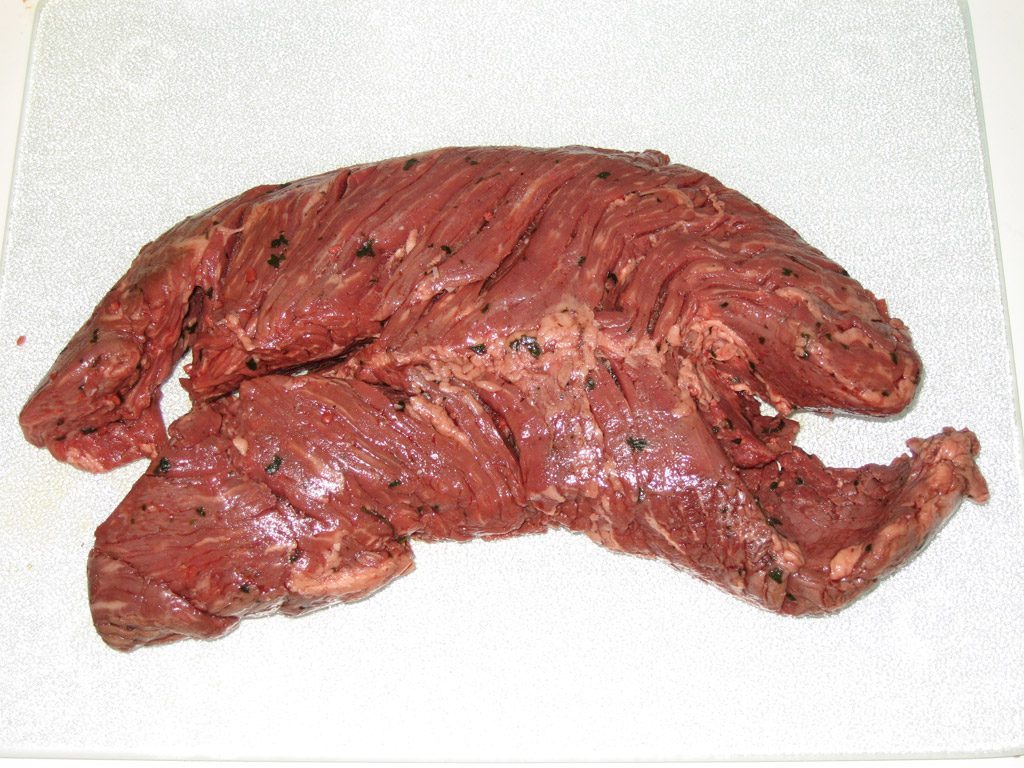
Here’s the thing about hanger steak. Due to its limited quantity, it is rarely marketed to consumers, with most hanger steak cuts being diverted to restaurants. There’s only ONE per animal, making it genuinely scarce. It “hangs” from the diaphragm or upper belly, nestled between the plate and the loin, and this positioning gives it exceptional tenderness combined with intense beefy flavor.
For years, butchers couldn’t give them away so it was a frequently occurring dinner at the butcher’s house, then when chefs discovered them as an inexpensive alternative to traditional steaks, they got more expensive.
Beef Cheeks: The Underrated Mini-Brisket
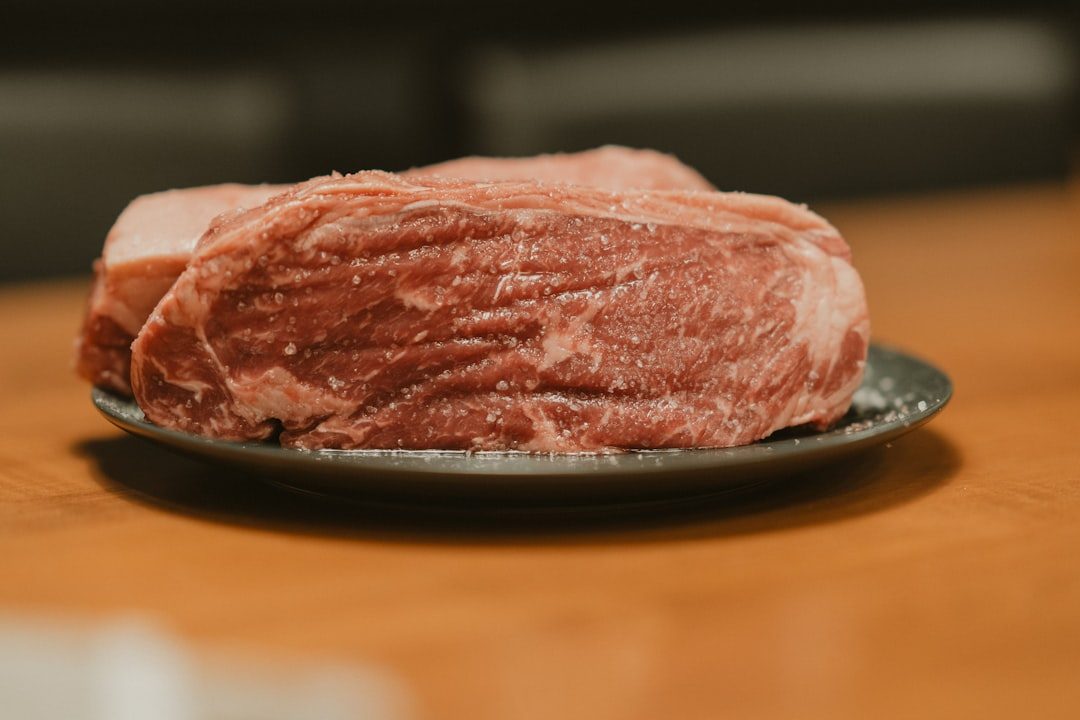
This underrated cut has generally been available only by special request from a butcher because people go out of their way to seek it out as these small pieces are arguably the best meat in the animal. Seriously, if you’ve never tried beef cheeks, you’re missing out on one of the most transformative cuts you can slow-cook.
They are densely marbled and offer a rich, deep flavor, and when slow-cooked, these mini-briskets are meltingly tender like the best pot roast you’ve ever experienced. Beef cheeks make a pot roast or stew of incomparable richness and are a great swap-out for veal shanks in an osso buco style braise.
Chuck Flap: The Misunderstood Shoulder Cut
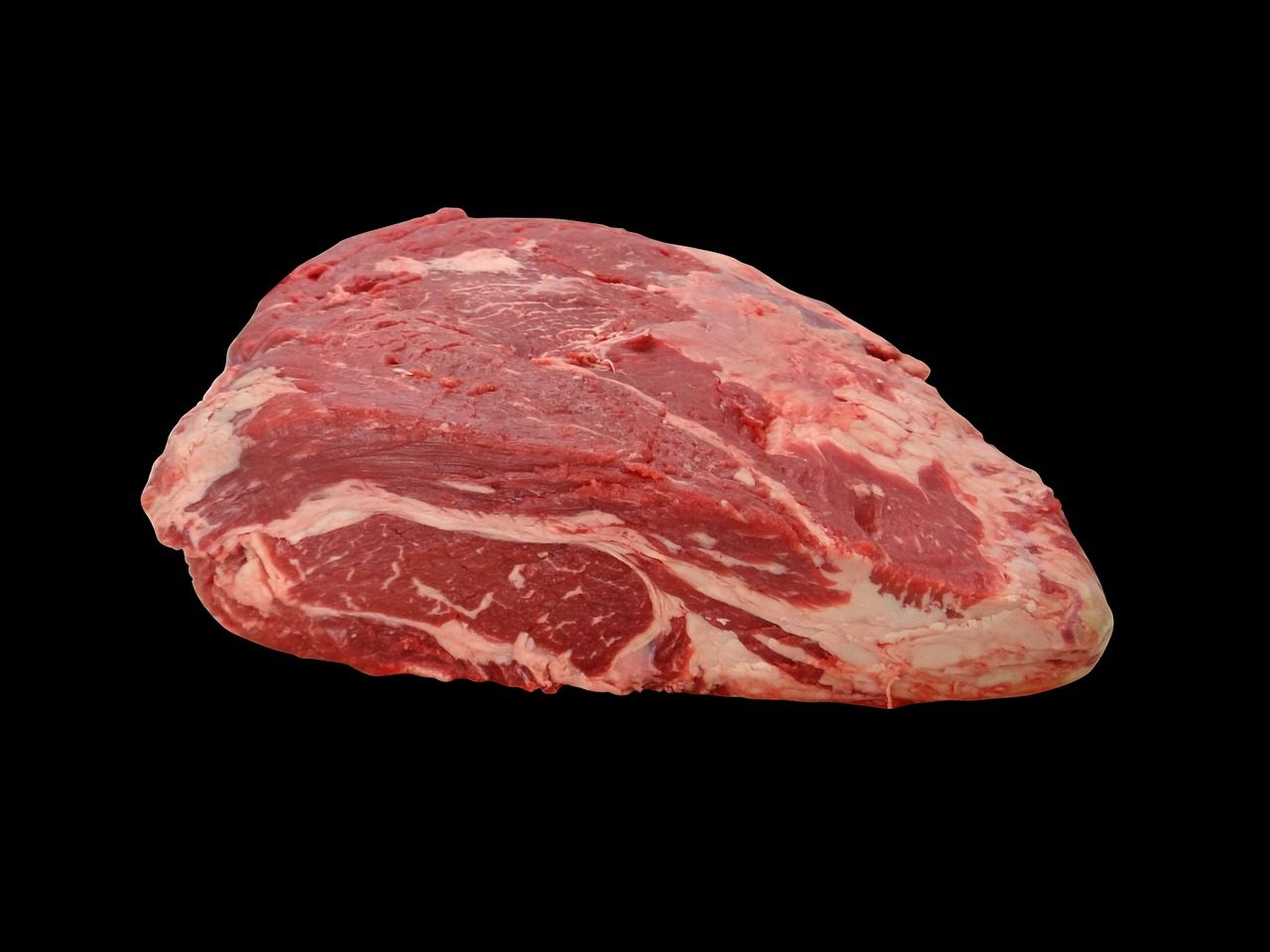
The chuck flap is a small section from the shoulder that starts with the square cut chuck, a primal region that’s one of the first isolated sections. Most people overlook this because they think chuck equals tough meat that needs hours of braising.
Yet it’s a part of the animal saturated in meaty flavor with excellent marbling, and such qualities give the cut a tender consistency after some slow-cooking. Chuck flap’s resemblance to its neighbor may even give it the label of boneless short ribs for convenience, while distinct, the beef does offer similar culinary qualities.
Picanha: Brazil’s Jealously Guarded Treasure
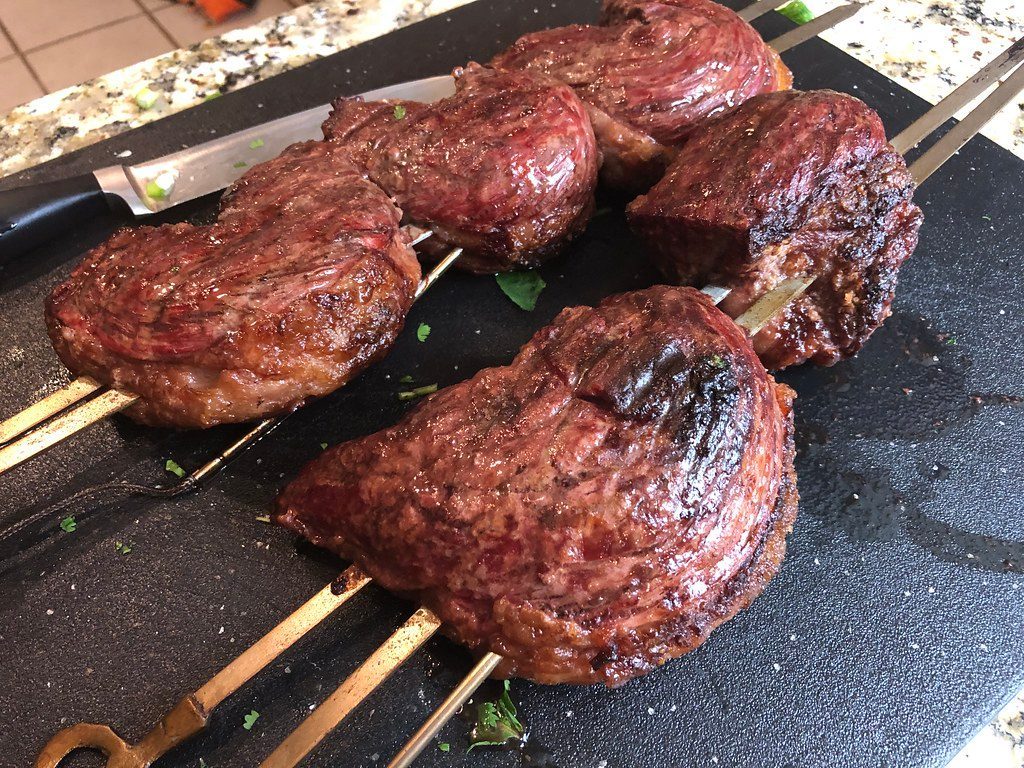
In Brazil, where the cut originates and is most popular, Picanha is prepared on a skewer and Brazilians refer to this cut as The Queen of Steaks. The picanha is triangular shaped with the hearty beef flavor and texture of USDA Prime sirloin steak, and only 4 to 5% of all the beef produced in the United States meets the grade for USDA Prime.
What makes picanha special is the thick fat cap that American butchers often trim away to sell as top sirloin. The fat cap, which is undoubtedly the best part of Picanha, is often removed in the process, so look for butchers that sell authentic Picanha roasts or steaks.
Denver Steak: A Modern Discovery Worth Hoarding
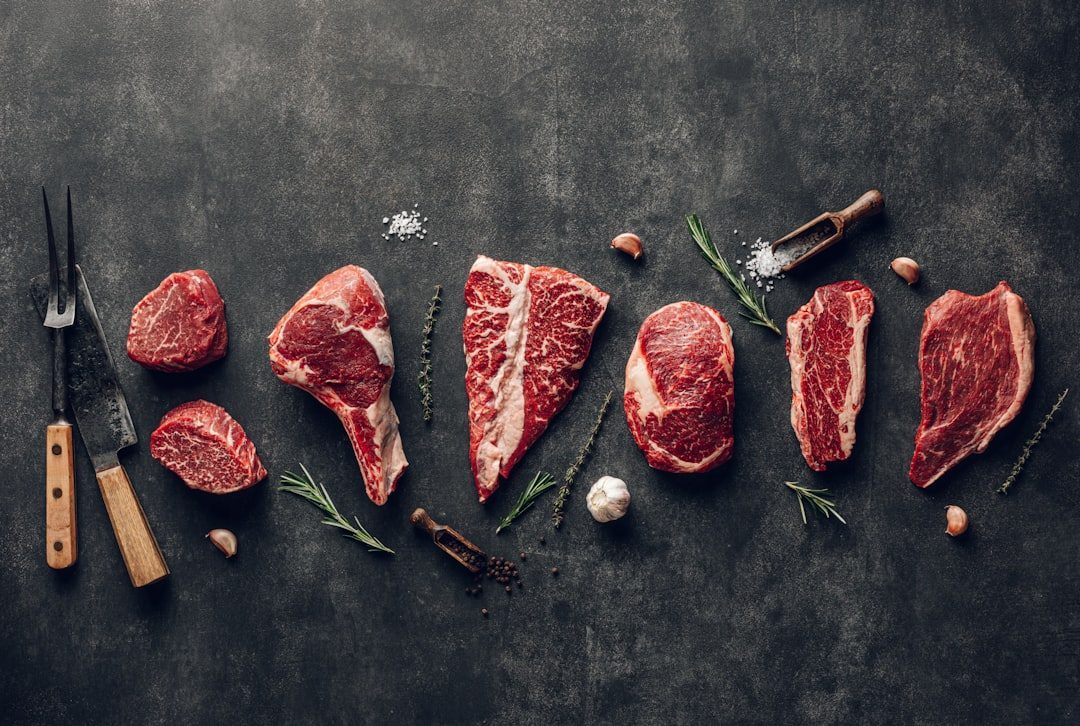
The Denver steak was identified by meat science professors at the University of Florida and the University of Nebraska who were taking part in the Beef Checkoff study and it was introduced to the public in 2009. Don’t let the recent discovery fool you though.
Out of the 39 muscles identified and ranked, the Denver steak is fourth-most-tender among the 39 chuck and round muscles studied. The Denver steak packs all of the rich, beefy flavor you get from chuck meat, but it isn’t tough like most other chuck cuts. With only 2 per animal, this delectable steak is somewhat rare to get a hold of.
Bavette: The French Connection
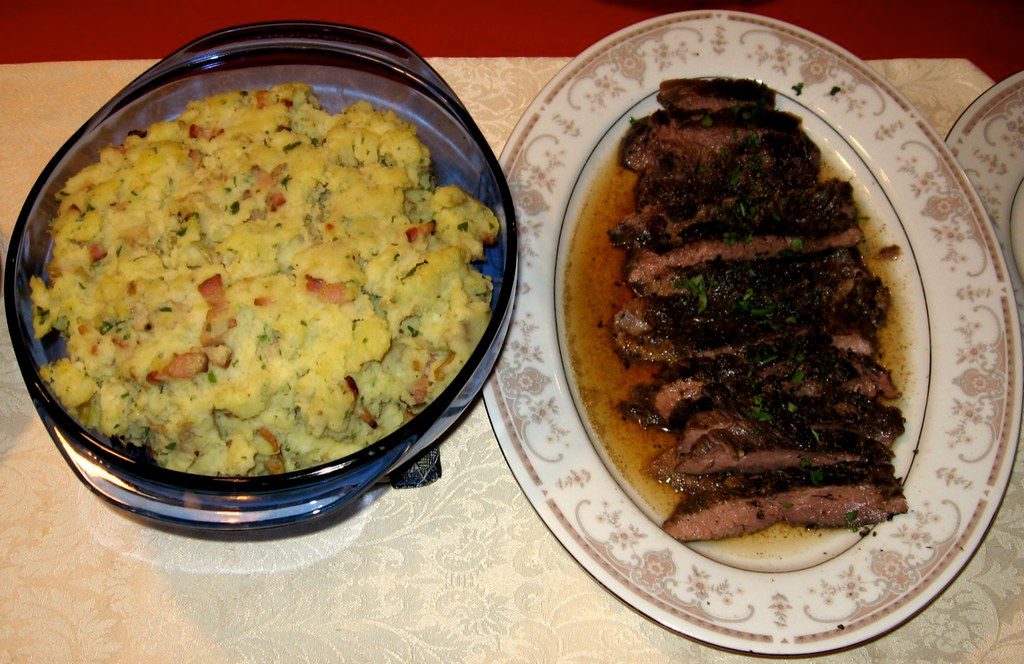
This cut, which means bib in French, is a crescent-shaped flap of meat from the front of the cow that when whole will run about 4-5 pounds, and it has a rich, intense beefy flavor and wonderful toothsome chew, similar to skirt steak. I think of bavette as the steak that bridges old-world butchery with modern grilling obsession.
Butcher Kai Borghesan said it’s one of her personal favorite cuts, noting the loose grain adds great aeration to the meat, and decent fat marbling further enhances the flavor, admitting as a butcher in a whole animal shop, taking home a steak for myself is almost always between the bavette or the Denver.
Flat Iron Steak: The Hidden Shoulder Gem
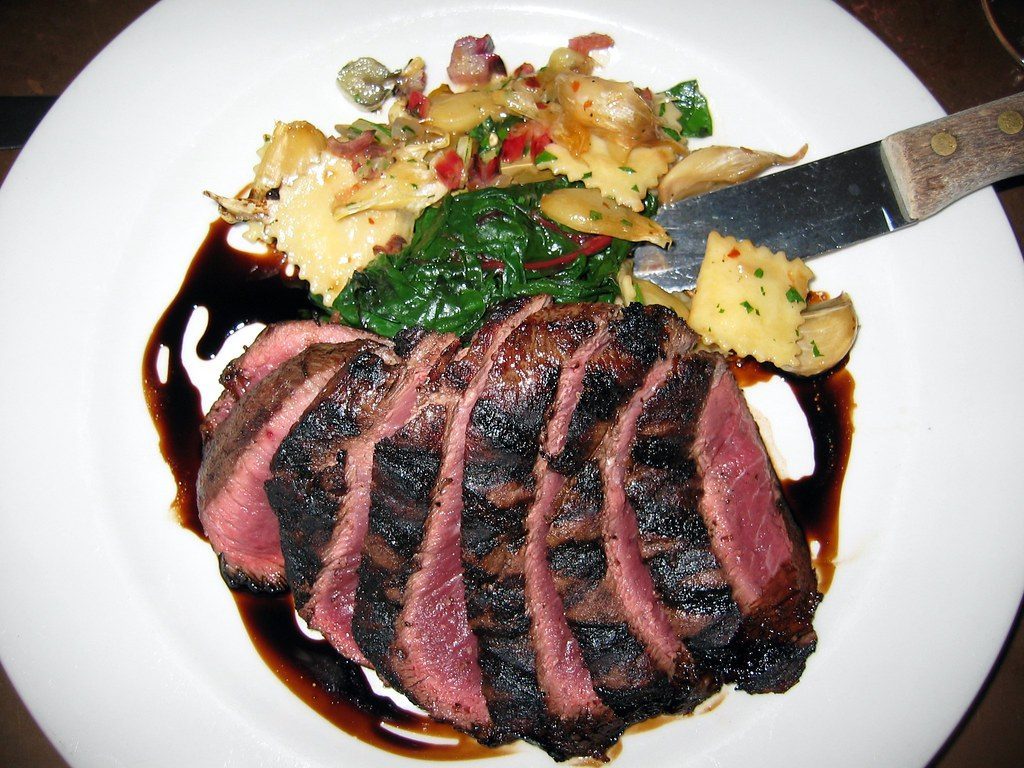
The Flat Iron Steak is one of the most tender parts of the cow, despite being sliced from the tougher shoulder section, and it’s well-marbled, leading to intense flavor that’s rivaled only by the tenderloin. This cut requires skill to prepare properly because there’s a tough piece of connective tissue running through the center that must be removed.
The flat iron is cut with the grain from the chuck shoulder clod, and researchers suspected its potential was high, considering that it’s one of the most tender cuts available from the carcass. Flat Iron is often listed as a butcher’s cut as it’s long been the favorite of butchers and beef experts alike.
Teres Major: The Shoulder’s Best-Kept Secret
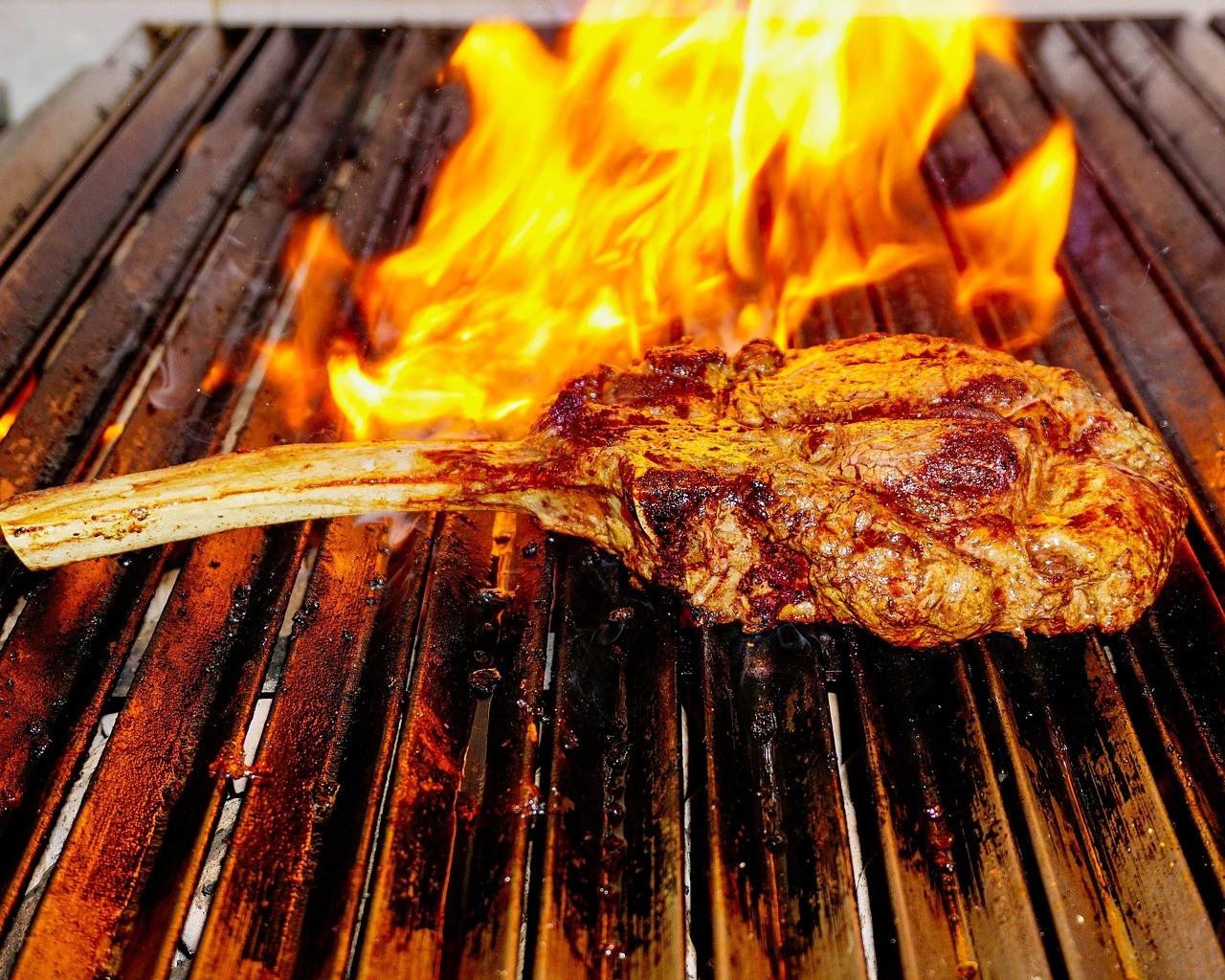
You won’t find teres major unless you visit the butcher’s shop, and it’s technically chuck, but unlike most other beef shoulder cuts, this particular muscle that connects the front shoulder and the shoulder blade is super tender. It goes by the less appealing name of mock tender, which honestly does it no favors.
Let me be clear though. Butchers at St. Paul Meat Shop have outright stated that only the tenderloin beats teres major in terms of sheer tenderness, but teres major is cheaper and way more complex in taste. That’s a pretty compelling endorsement from people who literally handle every cut imaginable.
Ribeye Cap: The Crown Jewel
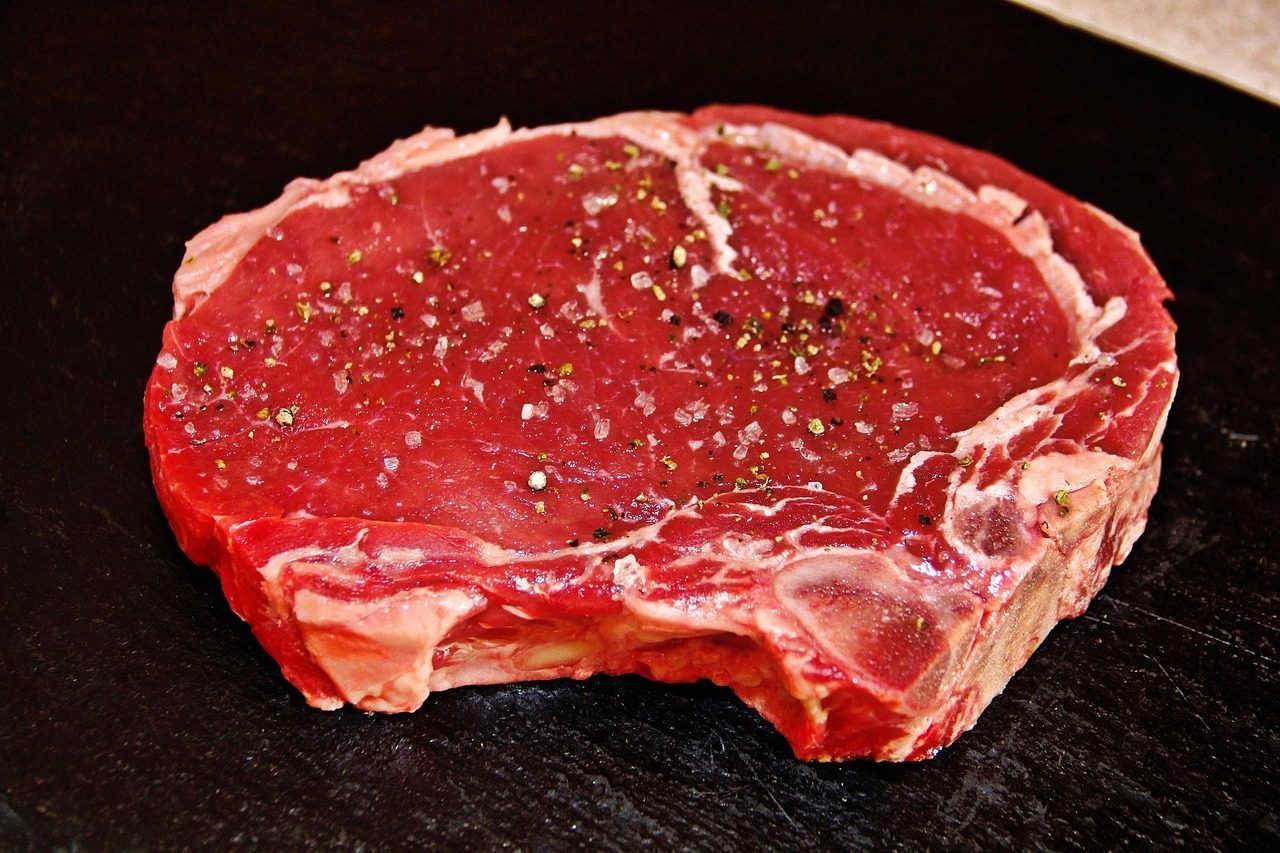
The rib cap is sometimes referred to as butcher’s butter, and it is a delicious, tender piece of meat with beautiful marbling throughout, with Rosangela Teodoro naming it as one of her favorites. Spinalis is the rib eye cap and is becoming increasingly popular among chefs, while it is not as cheap as most of the other cuts, it is relatively unknown.
Marbling is a significant feature of the rib cap, and it’s the streaks of fat within the meat that contribute to tenderness and flavor, so as the rib cap cooks, the fat will melt down, creating a juicy, succulent piece of meat with tons of flavor.
Tri-Tip: California’s Not-So-Secret Weapon
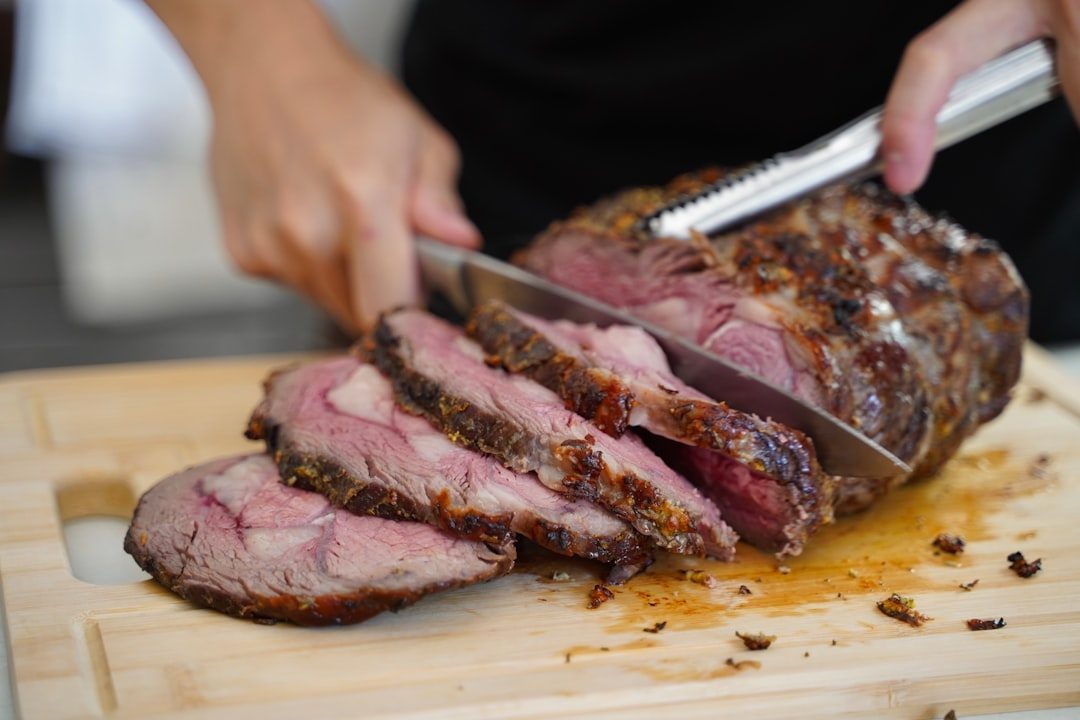
Californians seem to like tri-tip, but it is growing in popularity elsewhere. For years, this cut was virtually unknown outside the West Coast, and butchers in other regions would often grind it into hamburger or sell it as generic roast. What a waste of potential.
In addition to roasting and barbecuing, you can also fry or grill steaks if you cut them across the grain, and tri-tip is made from two distinct types of grain, so you should ask your butcher how to prepare it. The triangular shape from the bottom sirloin delivers robust beef flavor at a fraction of the cost of premium steaks.
So there you have it. Ten cuts that butchers would rather enjoy themselves than explain to customers who might not appreciate them. Next time you visit your local butcher, ask for one of these by name and watch their eyebrows raise. Did you know about any of these cuts before reading this?