What to Do With Your 50-State Quarters Collection Before Values Fall
You probably remember when collecting state quarters felt like a nationwide treasure hunt. Maybe you saved them in those cardboard folders or tossed them into a jar with dreams of future value. The excitement was real when Delaware kicked off the series in 1999, and suddenly everyone from kids to grandparents was checking their change. It felt special, like owning a piece of living history.
Here’s the thing: most state quarters are worth nothing more than their face value of 25 cents, and likely always will be. They were mass-produced, with billions entering circulation over ten years, which severely limits their scarcity and potential value growth. So what should you do with that collection gathering dust? Let’s get into the reality of what’s happening with these coins right now.
Check for Rare Error Varieties Before You Do Anything Else
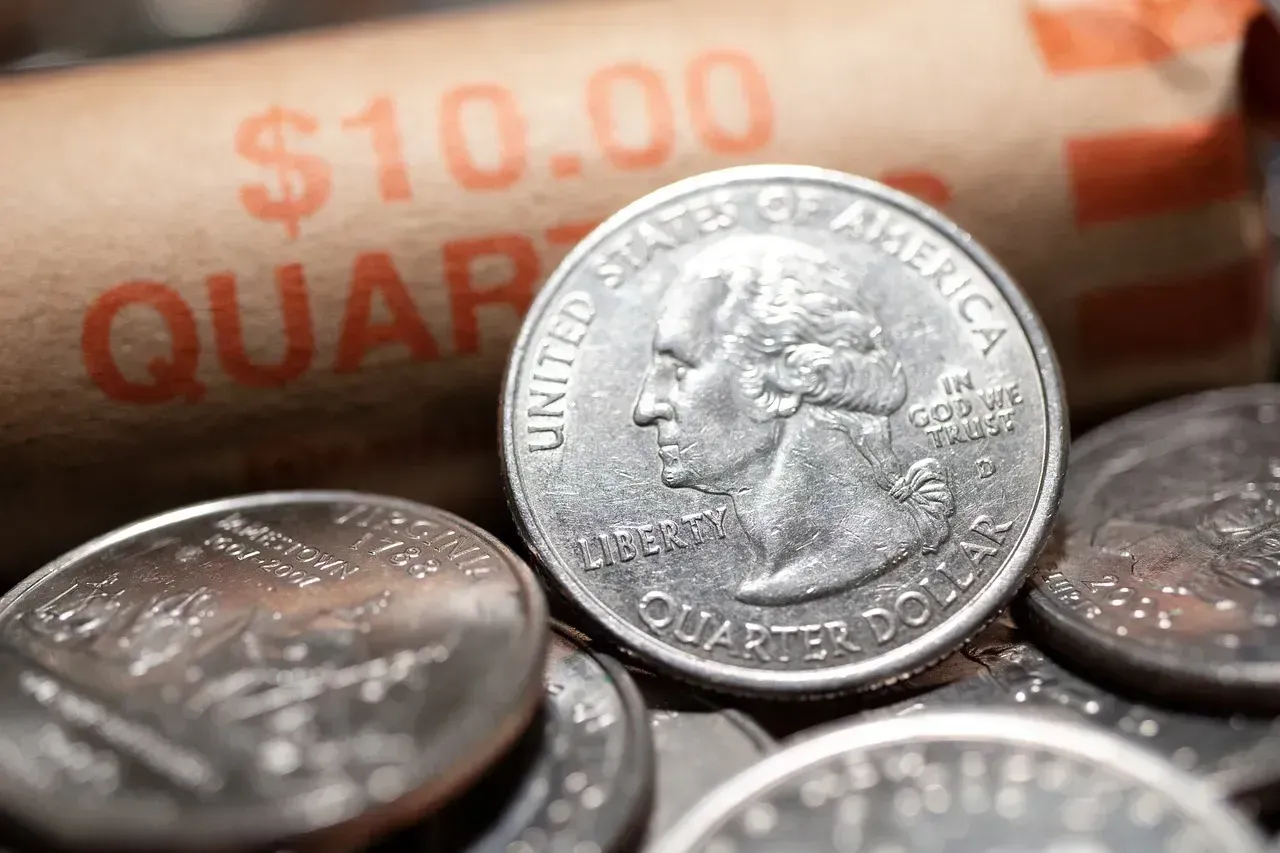
Before you assume your entire collection is worthless, you need to examine each coin carefully. The 2004-D Wisconsin Extra Leaf Quarter, which features an extra leaf on the corn stalk in either a high or low variant, can sell for anywhere between $50 and $300 depending on condition. Think about that for a second: one error coin could be worth more than your entire collection combined.
The 2005-P Minnesota doubled die quarters are valued at $5 to $100, while the 2009-D District of Columbia doubled die fetches around $75. The 1999 Delaware Spitting Horse Quarter, where a die crack creates the illusion of the horse spitting, can sell for $5 to $20 in collectible condition. These aren’t astronomical figures, but they’re significantly better than face value. Spending an hour examining your quarters with a magnifying glass could genuinely pay off.
Understand the Current Market Reality in 2025
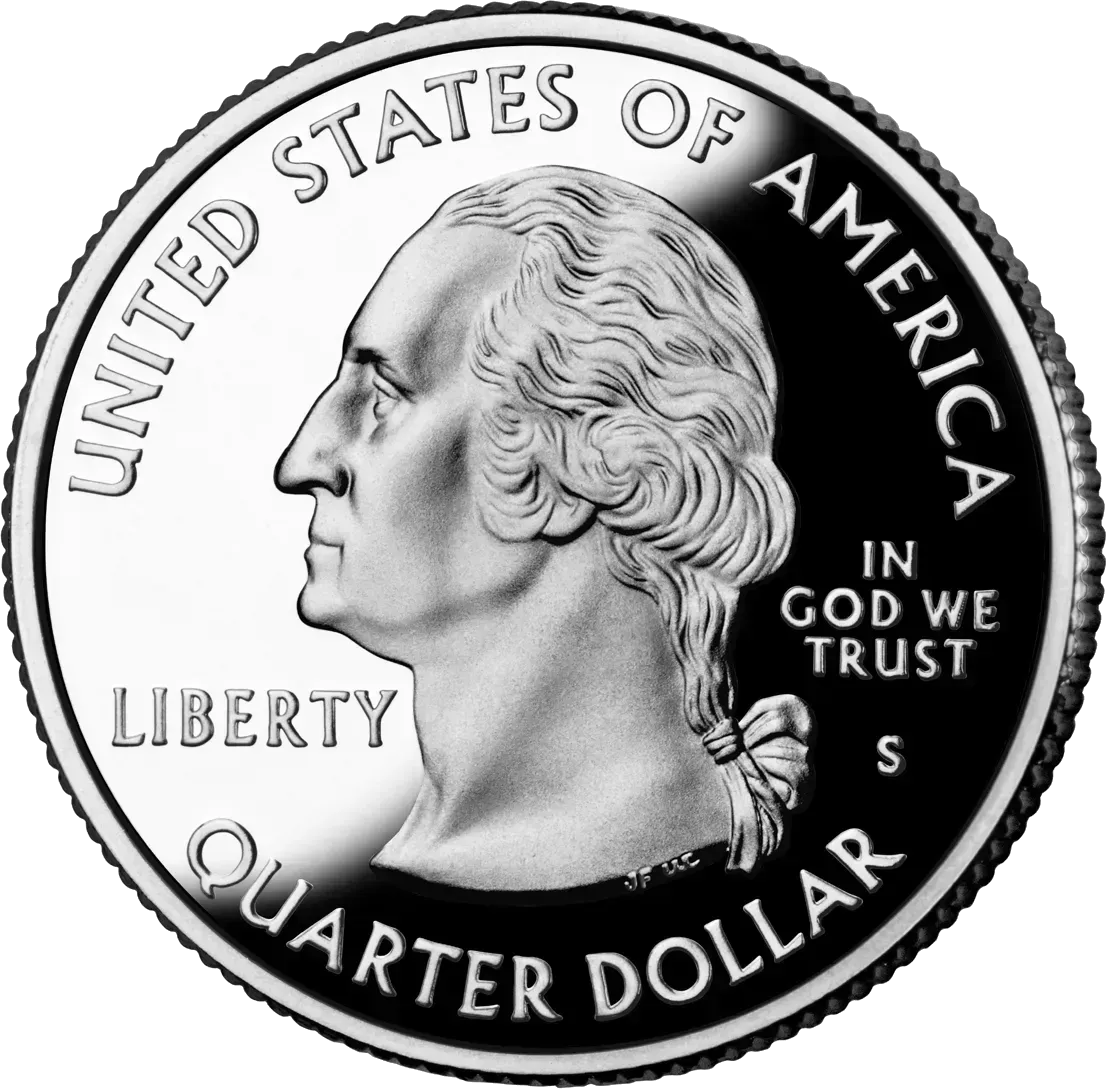
The 25th anniversary of the program in 2024 renewed interest, with a new generation discovering childhood coins and social media driving variety awareness. This sounds promising until you dig deeper into the numbers. Although billions of state quarters were minted, very few remain in pristine condition today since most were heavily circulated, tossed into jars, used in vending machines, or worn down over decades.
The market has evolved significantly since 2008 when the program ended. Major error varieties should appreciate as supplies decrease through collection building and accidental loss, however common state quarters will likely never exceed face value due to the billions minted. Millennial collectors who collected as children are now returning with disposable income, focusing on completing sets and major varieties. Yet this doesn’t mean your regular circulated quarters suddenly have investment potential.
Decide Whether to Sell Now or Hold Long-Term
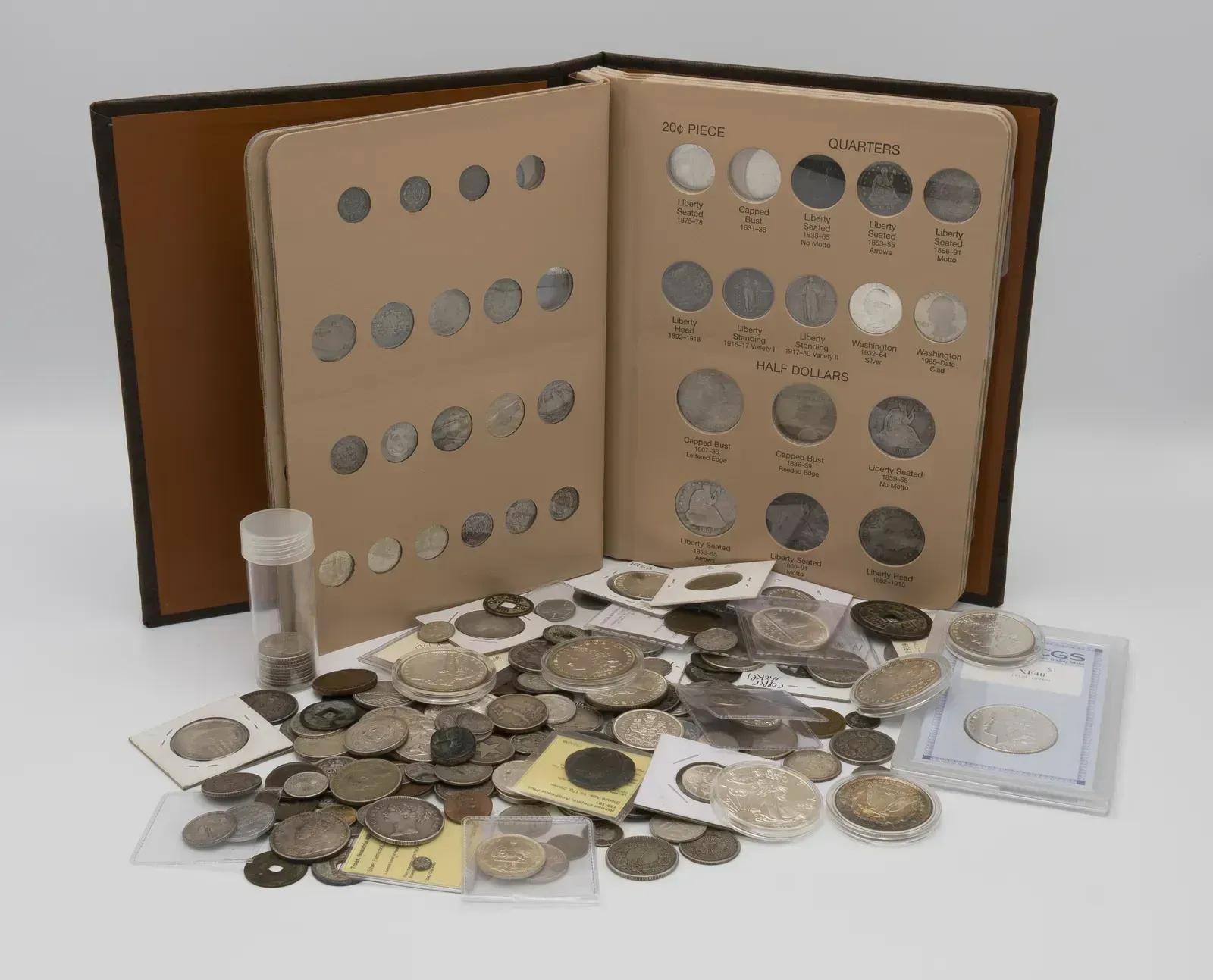
Online marketplaces like eBay offer the most value, with full sets in mint-issued yearly uncirculated sets selling for $30 to $50 for the whole collection. Let’s be honest: that’s not exactly a retirement fund. If you created your collection from coins found in your wallet and at your bank, your 50 quarters probably have no more value than 25 cents each, making a complete collection worth $12.50.
Silver proof versions tell a slightly different story. 90% silver proof state quarters trade for $30 to $35 each, and complete 1999-2003 sets in collector books that include silver Proof examples sell online for between $150 and $200. Still, this is modest appreciation for coins that are now decades old. The brutal truth is that unless you have error coins or professionally graded high-quality specimens, time isn’t necessarily on your side.
Know Your Selling Options and What They Actually Pay
You’ve got several routes if you decide to liquidate. Local coin dealers will buy collections, though they need to make a profit margin, so expect wholesale prices. Online marketplaces like eBay or dedicated collector forums provide selling options, as do local coin dealers and coin shows. Each has trade-offs between convenience and maximum return.
Professional grading services like PCGS and NGC charge $30 to $65 depending on turnaround time, while ANACS offers services starting at $20, though coins valued under $50 typically don’t justify grading costs unless you’re building a registry set. Here’s where math matters: paying $30 to grade a quarter that might sell for $35 makes zero financial sense. Grading only makes sense for genuinely rare error varieties or exceptionally high-grade specimens.
Consider Alternative Uses Before Values Decline Further
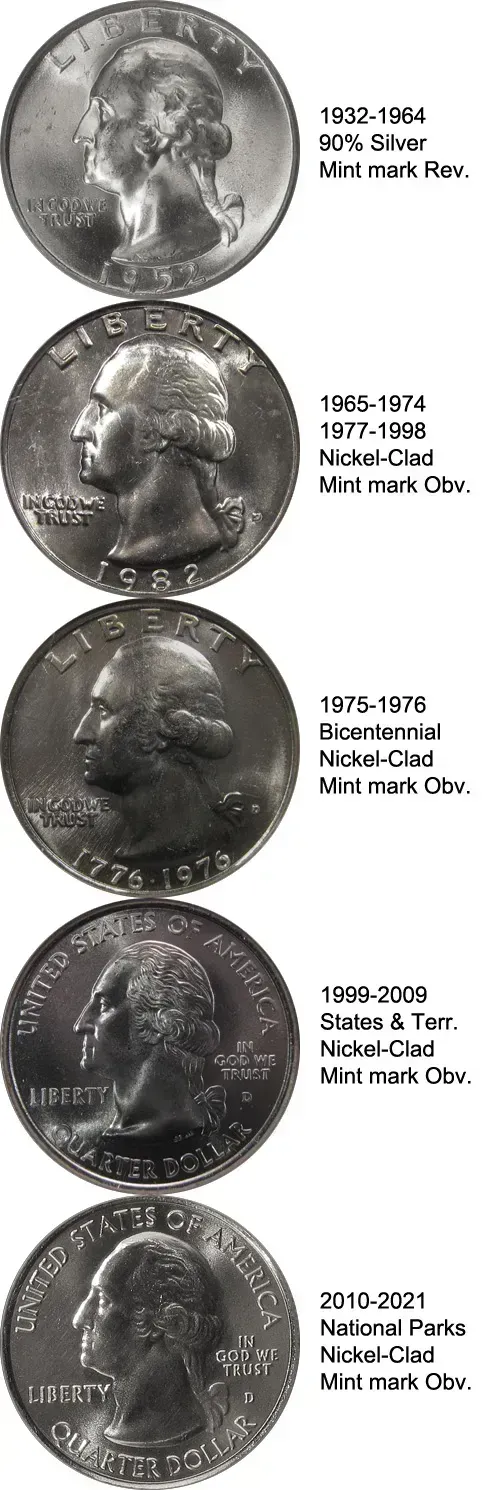
If your state quarters aren’t rare errors or silver proofs, you’re facing diminishing prospects. While higher demand, fewer high-grade coins, and interest in rare varieties are pushing some state quarters to rise in value, only certain high-grade, rare, or error varieties show increased value while most circulated pieces remain common. The window for ordinary collections to appreciate substantially has likely closed.
So what are your realistic options? You could simply spend them. I know it sounds anticlimactic after years of collecting, but sometimes pragmatism wins. Alternatively, you might donate them to a school or youth organization where they still have educational value. Some collectors choose to keep them purely for nostalgia, accepting they’re conversation pieces rather than investments. There’s nothing wrong with collecting State Quarters for fun, sentimentality, or educational purposes, as they’re a piece of American history and a well-curated set can still be an interesting conversation piece.
The state quarter phenomenon was extraordinary while it lasted. Mint officials declared in the early 2000s that 100 million people were collecting 50 State Quarters, and the Mint estimated that 147 million Americans collected them, making it the most popular commemorative coin program in United States history. Yet popularity doesn’t automatically translate to lasting value. If you haven’t checked your collection for those valuable error varieties, do it now. If all you’ve got are common circulated quarters, your best move might be cashing them in before interest fades even further.