With the Penny Phasing Out, Here’s What to Do With the Loose Change in Your Jar
The U.S. government is expected to stop producing new pennies for circulation by early 2026, marking the end of more than two centuries in American commerce. In 2024, the Treasury incurred a seigniorage loss of $85.3 million on penny production, with production costs vastly exceeding the coin’s face value. This historic shift leaves millions of Americans wondering what to do with those jars, bowls, and piggy banks stuffed with loose change.
Let’s be real, most of us have been hoarding coins for years without much thought. There’s currently $48.5 billion in coin sitting idly in more than 128 million American households instead of flowing through the economy. Now’s the time to act, particularly since those pennies won’t be replaced once they wear out or disappear from circulation.
Deposit Your Coins at Your Bank or Credit Union
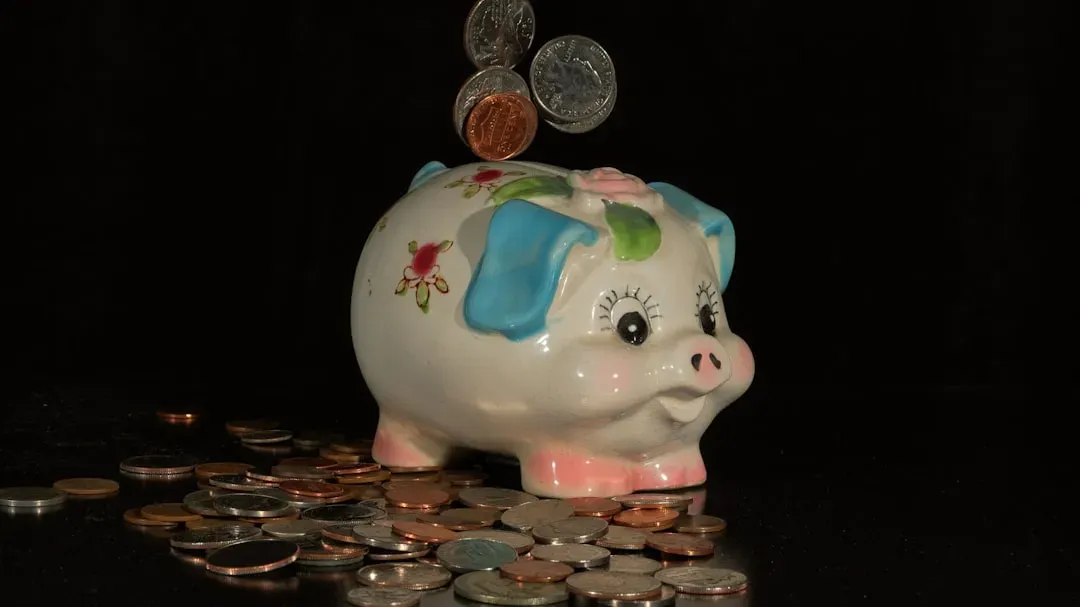
If you’re wondering where to exchange coins for money, your bank typically offers the most cost-effective solution. Many financial institutions still provide coin-counting services, though the landscape has changed in recent years. Most banks will accept rolled coins to deposit, but many big banks have phased out their coin-counting services for loose coins in recent years. U.S. Bank is an exception, though its coin counters are only available to customers. Regional banks and credit unions often still provide coin counters. The best part? Banks typically don’t charge for the coin exchange service if you’re an account holder. Before making the trip, call ahead to confirm whether your branch has a coin counter or requires you to roll your coins first.
Use Coinstar Machines but Choose Wisely to Avoid Fees
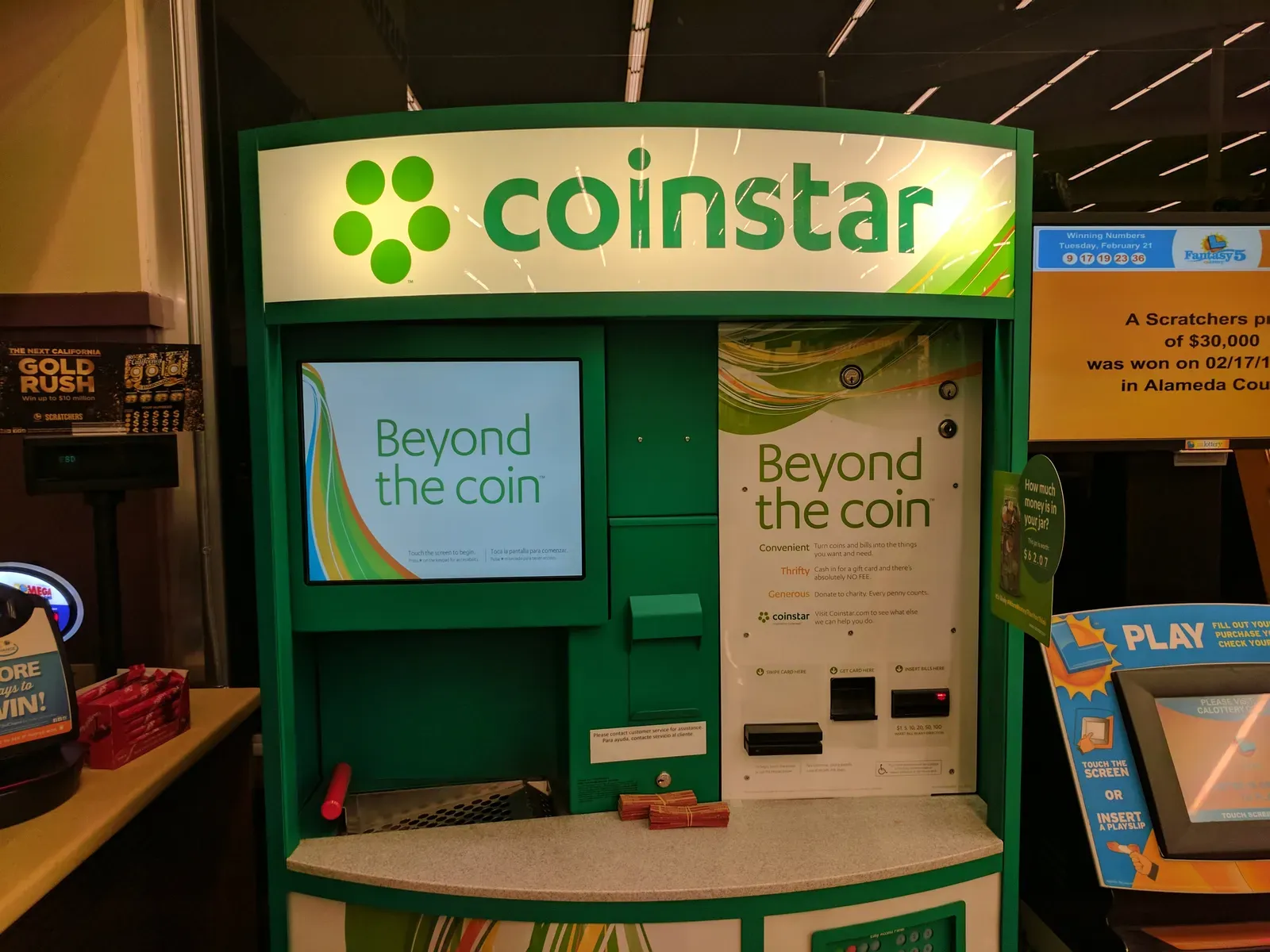
You can get cash in just a few minutes using a Coinstar kiosk, and big green kiosks are at grocery stores, making them highly accessible. Here’s the thing though: convenience comes at a price. Coinstar charges a fee of up to 12.9 percent of your total coin value, plus a flat fee of 99 cents per transaction. For example, if you exchange $50 in coins, you could pay up to $7.44 in fees, receiving only $42.56 in cash. That’s a significant chunk of your hard-earned savings. You can avoid the fee by opting to receive your coins’ value as a gift card instead of a cash voucher, with options including major retailers such as Home Depot and Cabela’s, chain restaurants such as Applebee’s, delivery service DoorDash, Southwest airlines and more. If you’re planning to shop at any of these retailers anyway, the gift card option makes perfect sense.
Roll Your Coins the Old-Fashioned Way

Rolling coins might sound tedious, but honestly, it’s one of the most economical options available. Banks often give out free coin wrappers for customers to use, so you won’t need to spend money on supplies. Separate your coins according to the amount listed on the wrapper: $10 for quarters, $5 for dimes, $2 for nickels and 50 cents for pennies. Once rolled, you can deposit them directly into your bank account without any fees. Sure, it takes time, but think of it as a mindfulness exercise or something to do while watching television. Plus, you might discover rare coins worth more than face value as you sort through your collection.
Spend Your Coins at Self-Checkout or Small Purchases
Between parking meters, highway tolls, laundromats, public transportation, and even gumball machines, there are plenty of places that still accept coins, though keep in mind that most machines don’t accept pennies. Another way to use loose change without slowing down a checkout line or monopolizing a cashier’s time is to use it in the self checkout lane. This method works particularly well for pennies since you can feed them into the machine at your own pace without feeling rushed or judged. Carrying a small pouch of change in your car or purse ensures you always have exact change when needed, especially as businesses are relying on recycled pennies already in circulation, causing a coin shortage for businesses.
Donate Your Loose Change to Charity
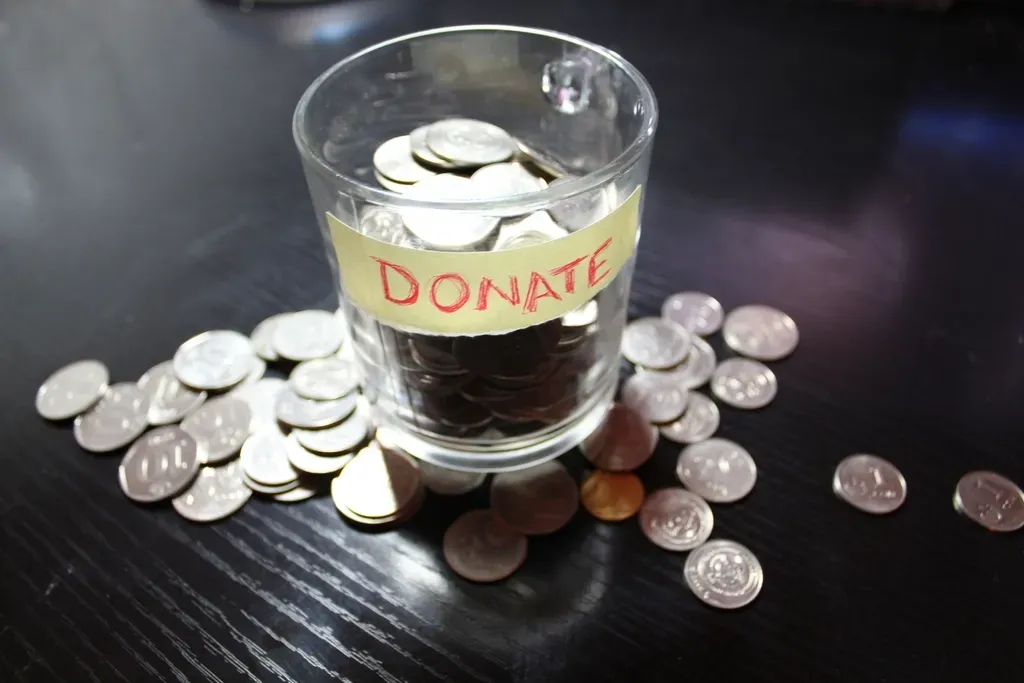
Charities rely on change for steady income flow, and they don’t mind one bit if someone comes in with a 2 liter bottle full of loose pennies. If you don’t want to deal with cashing out the change at all, consider donating it to a local charity that’s close to your heart. Coinstar offers a donation option to your favorite charity, and the machine has a service fee up to 12.9% plus $0.99 transaction, but you can also select an eGift Card or make a donation. Coinstar retains a 10% processing fee from your donation amount for national charities and a 7.5% processing fee for regional charities. Alternatively, you can skip the middleman and donate directly to local food banks, animal shelters, or community organizations. Many nonprofits gladly accept loose change donations and will provide tax-deductible receipts for your contributions.
Those jars of pennies sitting around your house represent real money that could be working for you instead of gathering dust. With the penny’s production ending, there’s never been a better time to turn that loose change into something useful, whether that’s padding your savings account, treating yourself to something special, or supporting a worthy cause.