Follow the Money: How Old $100 Bills From Your Wallet Could Be Worth Far More Than $100
That crisp Benjamin in your pocket might be hiding a secret. We’re living in an age where ordinary people are discovering that everyday currency can carry extraordinary value, and it’s not because of inflation or some obscure economic theory. It’s because of what’s printed right there on the face of the bill – those seemingly random eight digits that most of us never even glance at. Let’s be real, when was the last time you actually looked at the serial number on your cash? Turns out, that oversight could be costing you hundreds, maybe thousands of dollars. Ready to see what you’ve been missing?
The Star Note Secret: Replacement Bills Worth Double or More
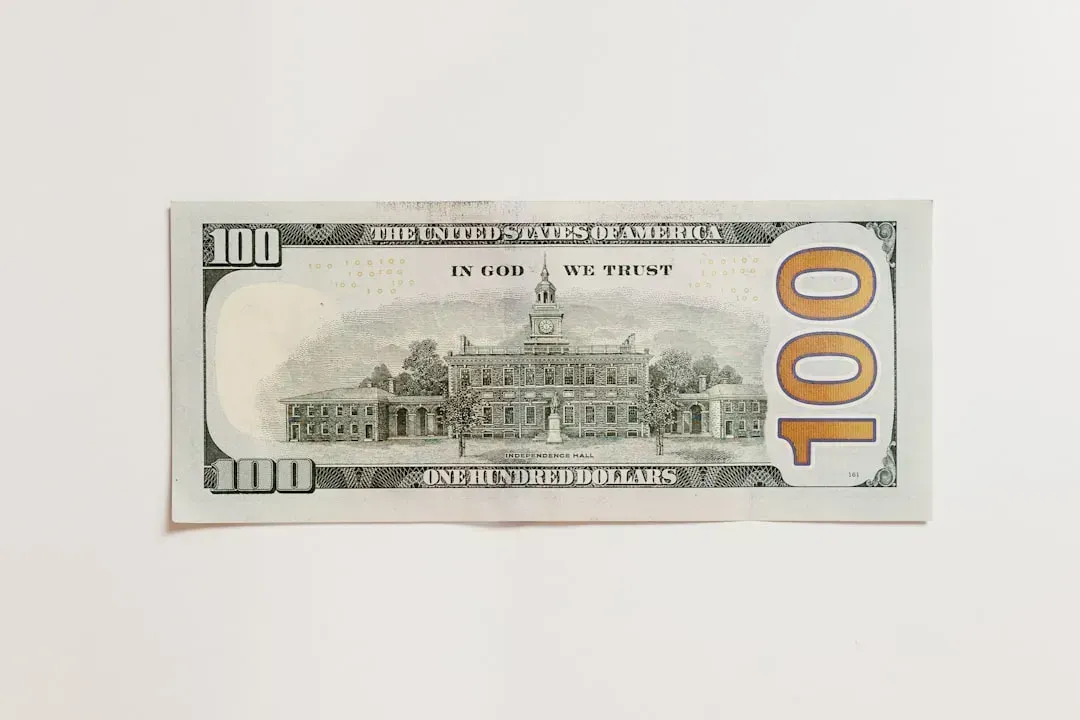
Star notes are replacements for misprinted or damaged bills and are marked with a star next to the serial number. Here’s the thing: when the Bureau of Engraving and Printing messes up a bill during production, they don’t just toss the whole batch. They print replacements with a star symbol at the end of the serial number to keep the count accurate.
Typically in numismatic marketplaces Series 2009 $100 Federal Reserve Notes with a STAR sell for $120 to $130. That’s already a decent markup for something you might receive as change at the grocery store. Some older star notes can command significantly more. The 1969 series $100 star notes are worth around $175 in extremely fine condition. In uncirculated condition the price is around $275-350 for notes with an MS 63 grade.
The rarity factor here is crucial because $100 star notes are very popular right now, especially if they are from rare districts for the series of 1928. Most people spend these without a second thought, which makes the surviving examples increasingly scarce.
Low Serial Numbers: The Lower, The Better
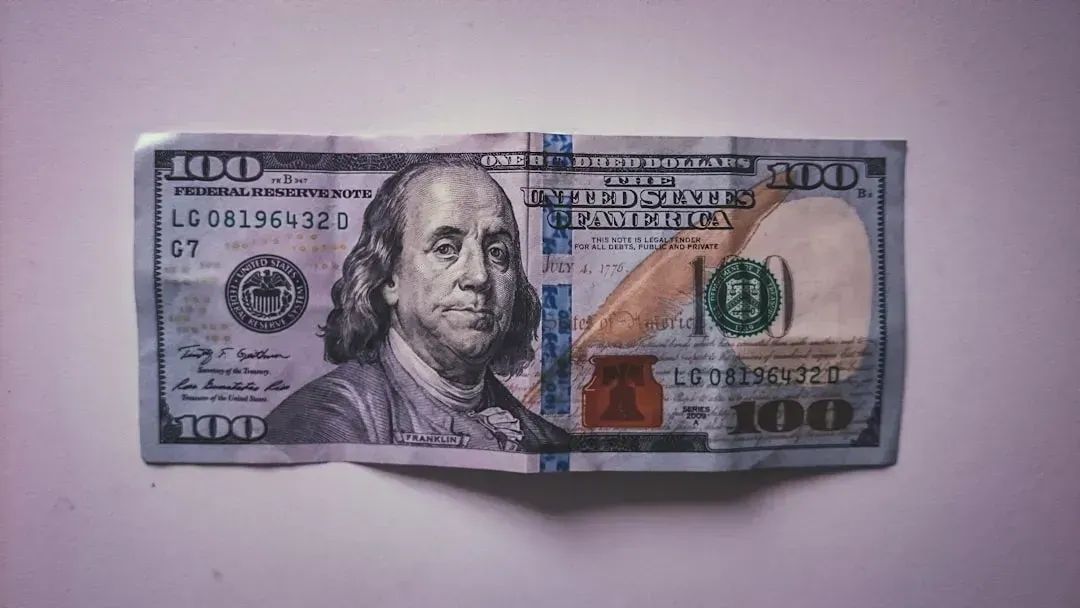
Imagine pulling out a hundred dollar bill with the serial number 00000042. Sounds pretty special, right? Collectors love bills with low serial numbers, such as those below 1,000 or 100 (e.g., 00000100). On eBay, these kinds of bills can sell for anywhere from $10 to over $1,000.
The absolute holy grail? Serial number one. A bill with the serial number 00000001 could be worth $15,000, according to SavingAdvice.com. Even single digit numbers from two through nine carry substantial premiums. A banknote with a serial number in this range can fetch between $600 and $3500, depending on its condition. However, as the number approaches 9, the value can decrease significantly.
What’s fascinating is that most low serial number notes are saved either directly at the Bureau of Engraving and Printing, at Federal Reserve Banks, or by astute bank tellers and other money handlers. It is not uncommon for entire serial number 1 – 100 packs to be saved. So finding one in circulation is genuinely like discovering a needle in a haystack.
Fancy Patterns: Ladders, Radars, and Repeaters
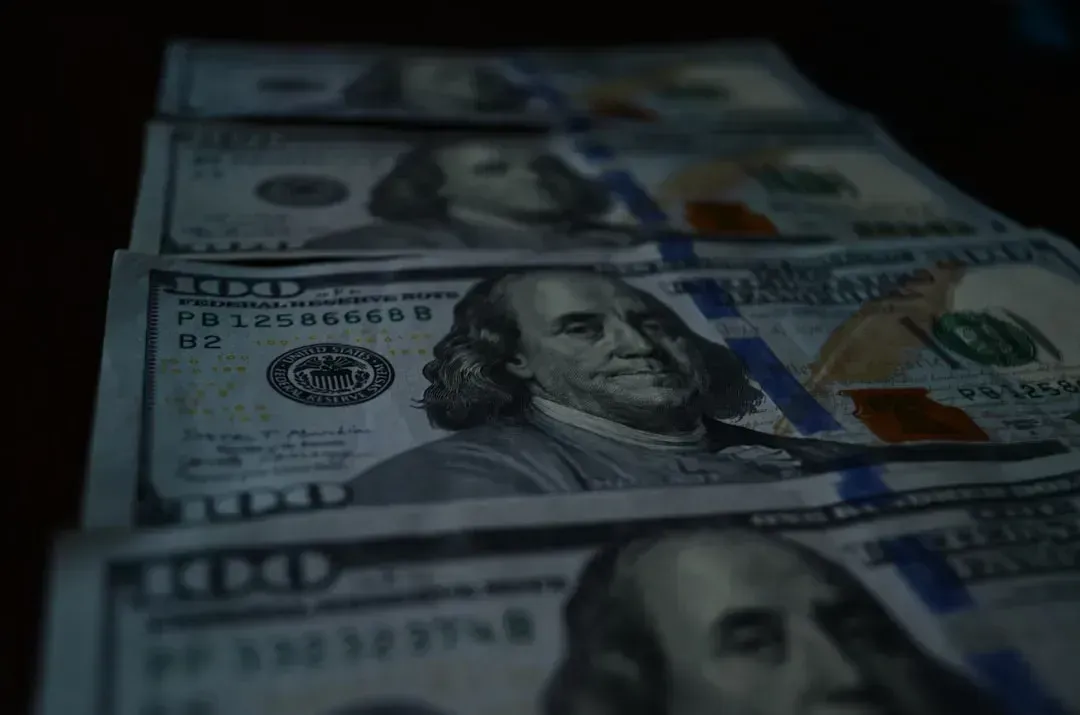
Currency collectors have coined the term “fancy serial numbers” for patterns that catch the eye and wallet. The ladder is among the most prized. One of the most valuable serial number variations is known as a “ladder,” and could be worth anywhere from $9 to $100,000, according to a website called The Penny Hoarder. A perfect ladder would read something like 12345678 or 87654321, where each digit climbs or descends in order.
A radar serial number reads the same backwards and forwards, like a palindrome. For example, 06288260. A good condition, uncirculated $1 radar could sell for about $25 – or even more than $100. Repeaters follow patterns like 73273273, where blocks of numbers duplicate themselves. Paper bills with solid serial numbers have, in the past, sold for as much as $20,000, making solid serial numbers among the most sought-after in the collector community.
The perception of value here is subjective to some degree. Don’t forget that fancy serial numbers on higher denomination notes don’t really add much value. A $1 bill could be worth $25 thanks to a fancy serial number. However, the same fancy serial number on a $100 bill won’t make it worth $2,500. Still, certain combinations on hundreds can pull serious money from the right buyer.
Modern Errors and Historical Rarities
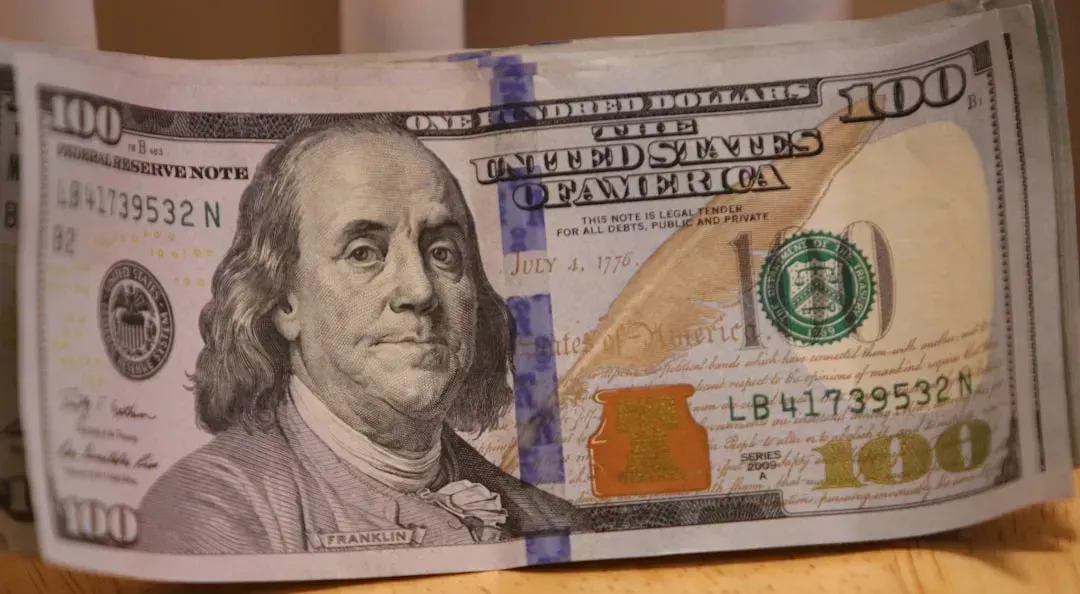
If your bill has a serial number like “L00000001*” to “L03200000*” or “B00000001*” to “B03200000*,” it could be worth thousands. These are error bills from 2013 that resulted from duplicate serial number printing mishaps. The U.S. Bureau of Engraving and Printing admitted the mistake, making these bills a piece of financial history.
Older bills carry their own mystique. Many pre-1928 100-dollar bills are worth at least $300 in good condition. The really rare ones? An uncirculated example sold at auction for $356,500 in 2005. That was a 1890 treasury note nicknamed the “watermelon note.”
A 1928 Philadelphia Federal Reserve note in spectacular condition. Its rarity and pristine state made it a collector’s dream, and it sold at auction for an incredible $28,200. The takeaway here is condition matters enormously, yet even circulated bills from certain series hold value far exceeding face amount.
How to Check and Sell Your Bills
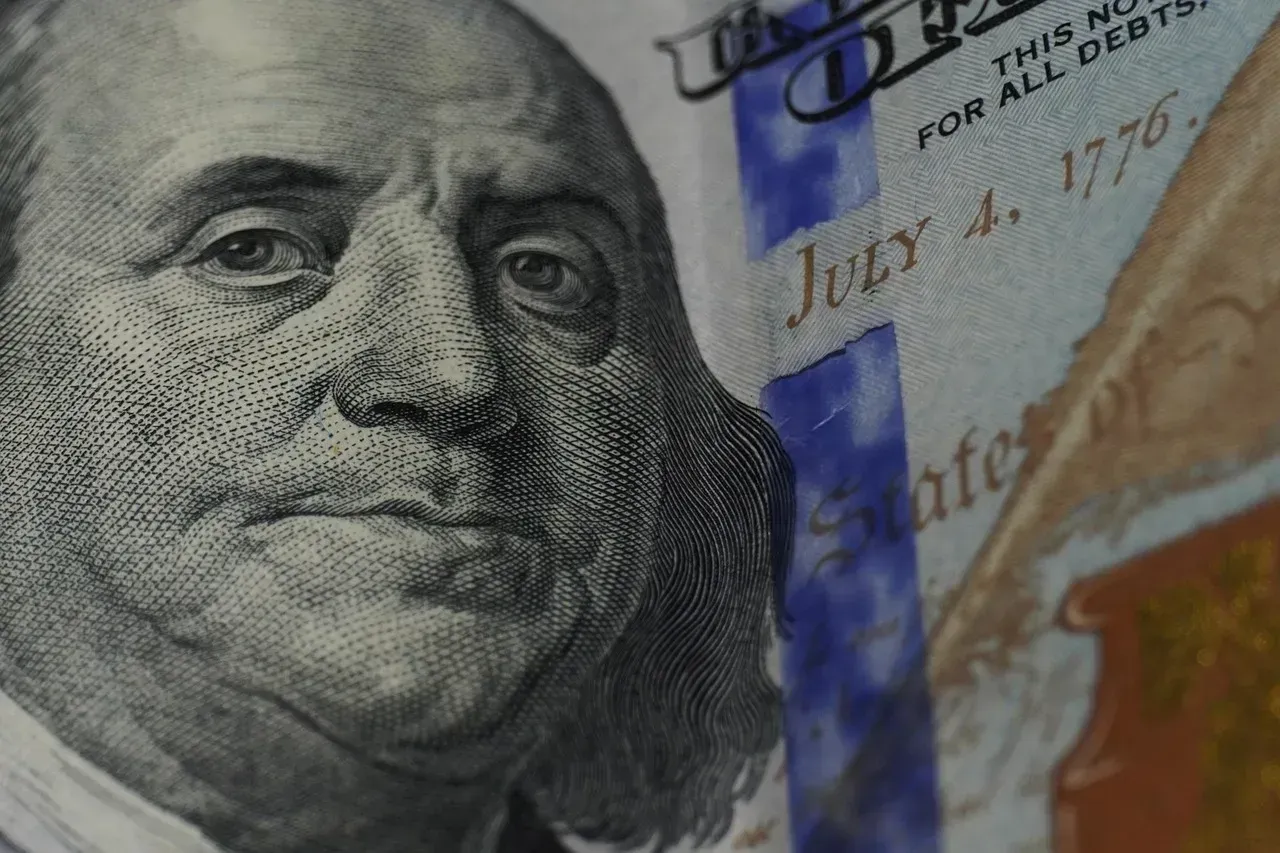
Serial numbers are eight-digit-long codes that are unique to each bill. They are accompanied by other identifying letters and numbers that tell us which series year the bill is from and where it was printed. Start by examining every hundred dollar bill that passes through your hands. Look for stars, low numbers, repeating patterns, or palindromes.
The best way to gauge your note’s value is to have it evaluated by a professional currency dealer or third-party grading service like PMG or PCGS. They’ll examine the note’s condition, rarity, serial number and any other relevant factors. Most will provide this service for a small fee, which is well worth it for peace of mind.
Always consult with an expert or a reliable currency auction dealer for an accurate assessment of a bill’s worth. Online marketplaces like eBay provide one avenue for sales, though established auction houses such as Heritage or Stack’s Bowers often attract serious collectors willing to pay premium prices. The reality is that the Federal Reserve estimates that there are 18.5 billion 100-dollar bills out there, many of which are held by banks overseas. Among that massive circulation, rare gems are still waiting to be discovered. Check your wallet – you might be holding onto a small fortune without even realizing it.