Sugar-Free Sweeteners Nutritionists Say You Should Avoid
You probably thought swapping regular sugar for artificial sweeteners would solve everything, right? Let’s be real, the promise of zero calories while enjoying that sweet taste sounds almost too good to be true. Here’s the thing: it probably is. Recent research from the past few years has uncovered some worrying connections between certain sugar-free sweeteners and serious health issues.
The World Health Organization released new guidelines in 2023 recommending against using non-sugar sweeteners for weight control or reducing the risk of diseases. Studies found higher intakes were linked with increased risk of obesity, type 2 diabetes, mortality, stroke, and other health concerns. The evidence keeps piling up, and nutritionists are taking notice. So let’s dive into which sweeteners experts say you should seriously reconsider putting in your morning coffee.
Erythritol

Research from Cleveland Clinic in 2023 showed that erythritol, a popular artificial sweetener, is associated with an increased risk of heart attack and stroke. This one caught a lot of people off guard because erythritol is found in tons of diet products marketed as healthy alternatives. It’s in a range of diet, sugar-free, and keto-friendly foods, which means you’re probably consuming more of it than you realize.
Researchers studied over four thousand people in the United States and Europe and found those with higher blood erythritol levels were at elevated risk of experiencing adverse cardiovascular events. When participants consumed an artificially sweetened beverage with an amount of erythritol found in many processed foods, markedly elevated levels in the blood were observed for days. Think about that for a second. The stuff sticks around in your system way longer than you’d expect. It’s not like it just passes through harmlessly.
Aspartame
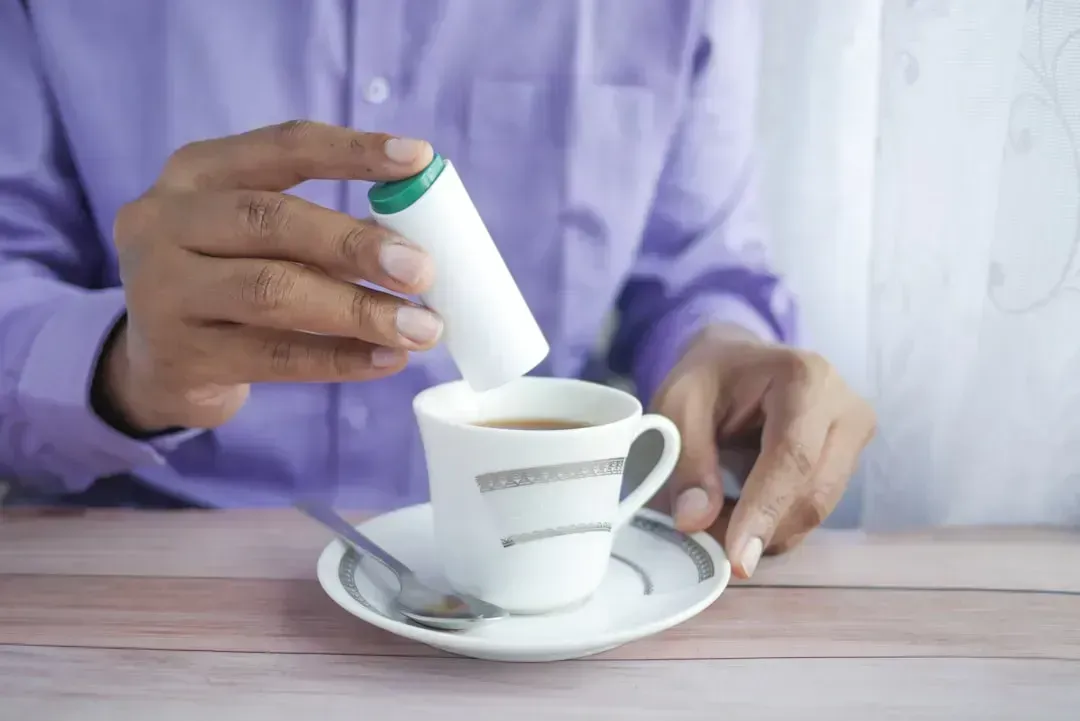
In July 2023, IARC classified aspartame as possibly carcinogenic to humans based on limited evidence for cancer. Today, aspartame is estimated to be found in over six thousand food and drink products and six hundred pharmaceutical items. That’s everywhere, from your diet soda to sugar-free gum to certain medications. Even though regulatory bodies still say it’s safe within certain limits, the classification alone should make you pause.
There’s emerging evidence linking aspartame to neurodegeneration, strokes, and even dementia. People who consumed the most low or no-calorie sweeteners showed faster global cognitive decline than those who consumed the lowest amount, equivalent to 1.6 years of brain aging, with high consumers averaging about one teaspoon daily. I don’t know about you, but trading sweetness for potential cognitive decline doesn’t seem like a fair deal to me. When researchers analyzed results by age, they found people under sixty who consumed the highest amounts of sweeteners showed faster declines in verbal fluency and overall cognition.
Sucralose

Sucralose, commonly known as Splenda, has been marketed as safe for decades. Recent studies tell a different story. Ten weeks of sucralose consumption exhibited a significant decrease in beneficial gut bacteria and significant increases in other bacterial species compared to the control group. Your gut microbiome does a lot more than digest food. It affects everything from your immune system to your mental health.
Once sorbitol from sweeteners reaches the liver, it is converted into a fructose derivative, raising concerns about whether alternative sweeteners truly offer a safer option than table sugar, especially for people with diabetes. Six months of sucralose consumption at the human acceptable daily intake may increase the risk of developing tissue inflammation by disrupting the gut microbiota. The damage isn’t immediate or obvious, which makes it even more dangerous because you won’t notice anything wrong until it’s already affecting your health.
Acesulfame Potassium
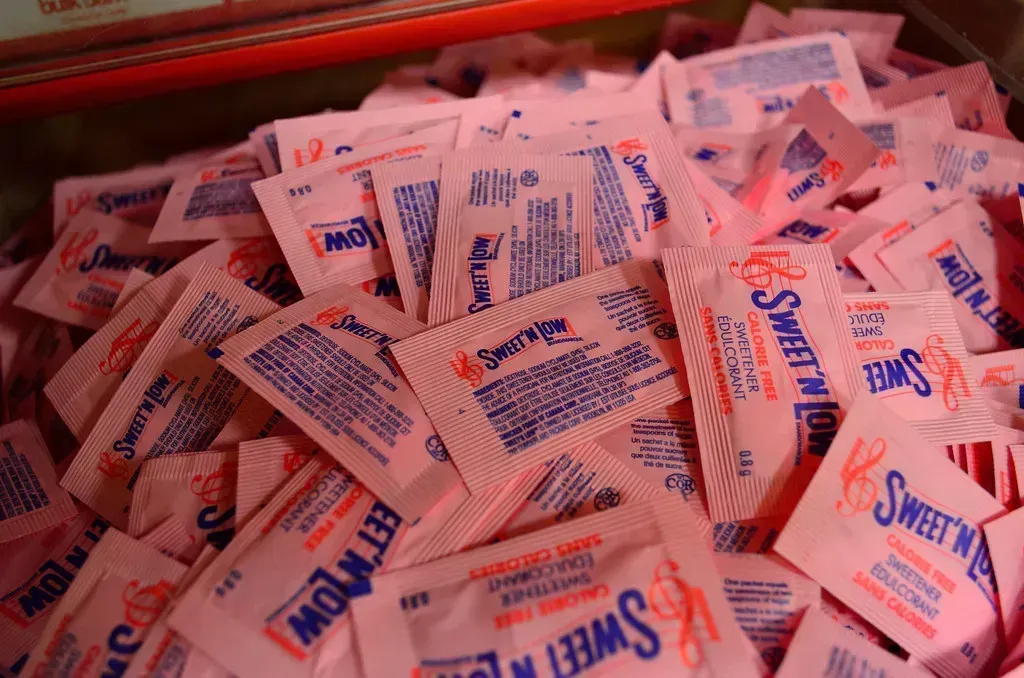
Acesulfame potassium, also known as Ace-K, is roughly two hundred times sweeter than regular sugar and has been FDA-approved since 1988, but emerging research links prolonged consumption to larger health issues like coronary heart disease and certain cancers. This sweetener is often blended with others to mask its bitter aftertaste, so you might not even realize you’re consuming it. Acesulfame potassium and sucralose were associated with higher coronary artery disease risk.
One study done on mice found that Ace-K caused weight gain and shifts in the gut microbiome, which could potentially lead to obesity and chronic inflammation. The irony here is painful. You use artificial sweeteners to lose weight or maintain a healthy weight, but the sweetener itself might be sabotaging those efforts. Artificial sweeteners like saccharin could alter gut microbiota and induce glucose intolerance, raising questions about their contribution to the global epidemic of obesity and diabetes.
Sugar Alcohols
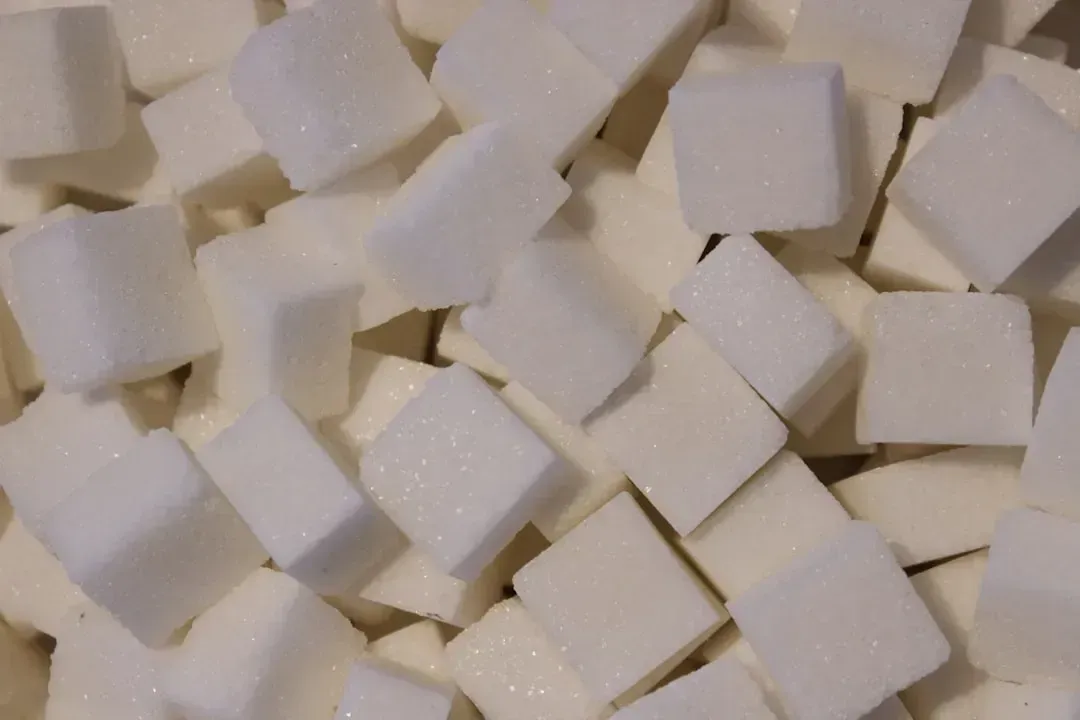
In June 2024, research showed that xylitol in processed food can increase risk of heart attack and stroke. Sugar alcohols like xylitol, sorbitol, and others sound relatively harmless, maybe even natural. The reality is more complicated. Studies have shown that both erythritol and xylitol may cause blood platelets to more easily clump, creating clots that can break off and travel to the heart or brain.
Trouble begins when the amount of sorbitol exceeds what gut microbes can handle, which can happen when large amounts of glucose are consumed or when the diet itself contains high levels of sorbitol, and even individuals with helpful bacteria may run into problems if their intake becomes too high. Sugar alcohols can cause gastrointestinal irritation like bloating, gas, or diarrhea in some people. Honestly, the digestive issues alone are enough to make many people reconsider, but the cardiovascular risks add a whole other level of concern.