Retail Retreat: Why 5 Big-Name Department Stores Are Vanishing From Senior Communities
The landscape of American shopping is shifting beneath our feet. Department stores that once anchored malls and served as community gathering places are quietly disappearing from neighborhoods where seniors have shopped for decades. An estimated 15,000 stores closed in 2025, according to Coresight Research, as reported by Forbes. While younger shoppers might seamlessly transition to online alternatives, older Americans who built lifelong shopping routines around these familiar stores are finding themselves stranded. The closures aren’t just about business anymore, they’re reshaping how an entire generation accesses everyday goods.
Macy’s: A Troubled Icon Shuttering Nearly 70 Locations
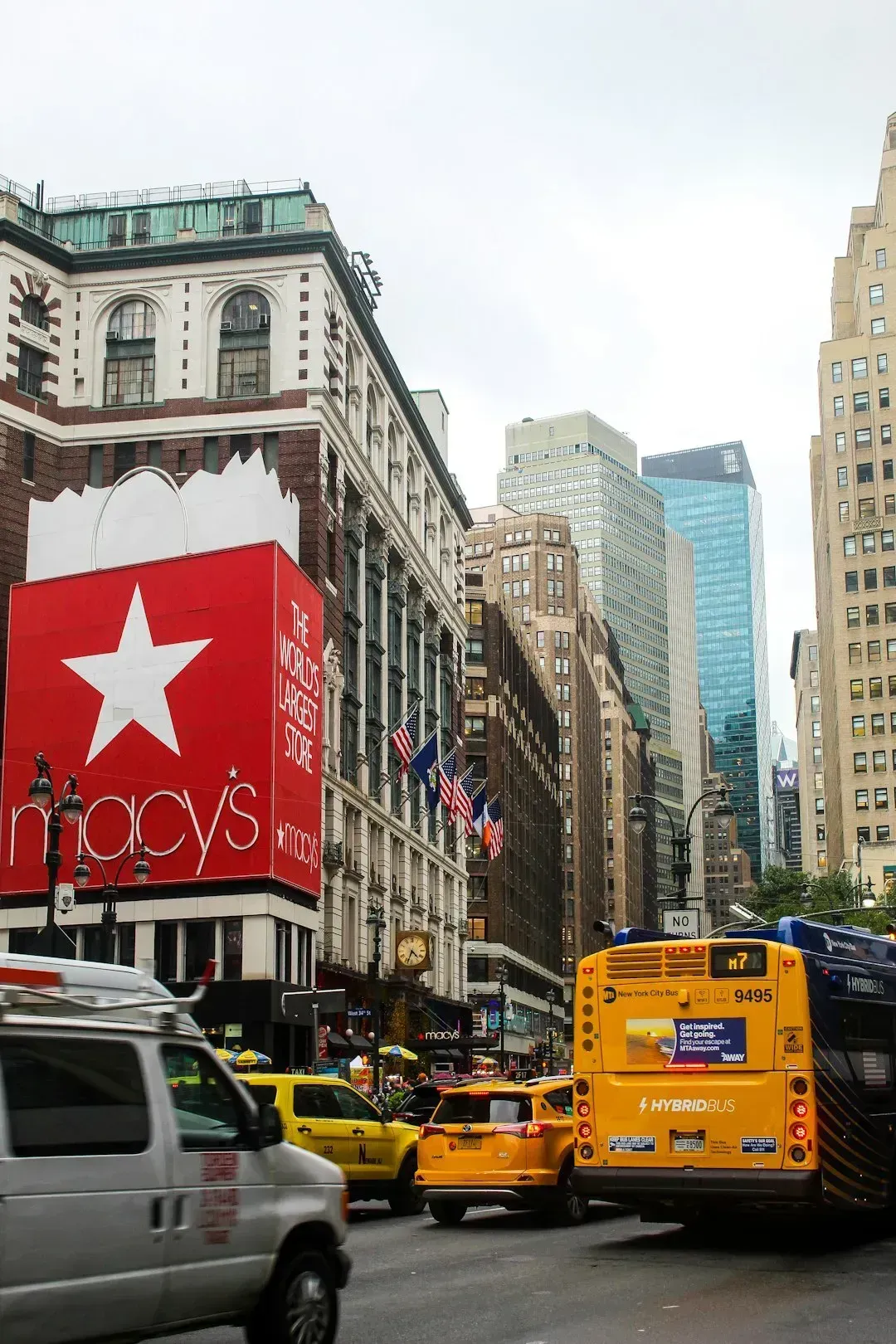
Macy’s Inc. today confirmed the closure of 66 Macy’s non-go-forward store locations. These closures are a part of the Bold New Chapter strategy, which was announced in February 2024. This plan is designed to return the company to sustainable, profitable sales growth which includes closing approximately 150 underproductive stores over a three-year period while investing in its 350 go-forward Macy’s locations through fiscal 2026. For senior shoppers who’ve relied on these locations for clothing, home goods, and cosmetics, the loss cuts deep. GlobalData Retail analyst Neil Saunders said “the biggest things that have gone wrong at Macy’s are the quality of the stores and the product assortment. And so over the years customers have deserted it, sales have tumbled and store productivity has gone down.”
Macy’s has closed more than a third of its namesake stores over the last 10 years. The company’s struggles reflect deeper issues that go beyond financial performance. USA Facts reported from Bureau of Labor Statistics data that “at the turn of the century, only $0.90 of every $100 spent Americans spent on retail items was spent online. In 2024, that average was $16.10.” Think about that shift for a moment. Online shopping has fundamentally changed who can access retail, leaving many elderly shoppers without transportation or digital literacy struggling to adapt.
JCPenney: Bankruptcy Survivor Still Fighting For Its Life
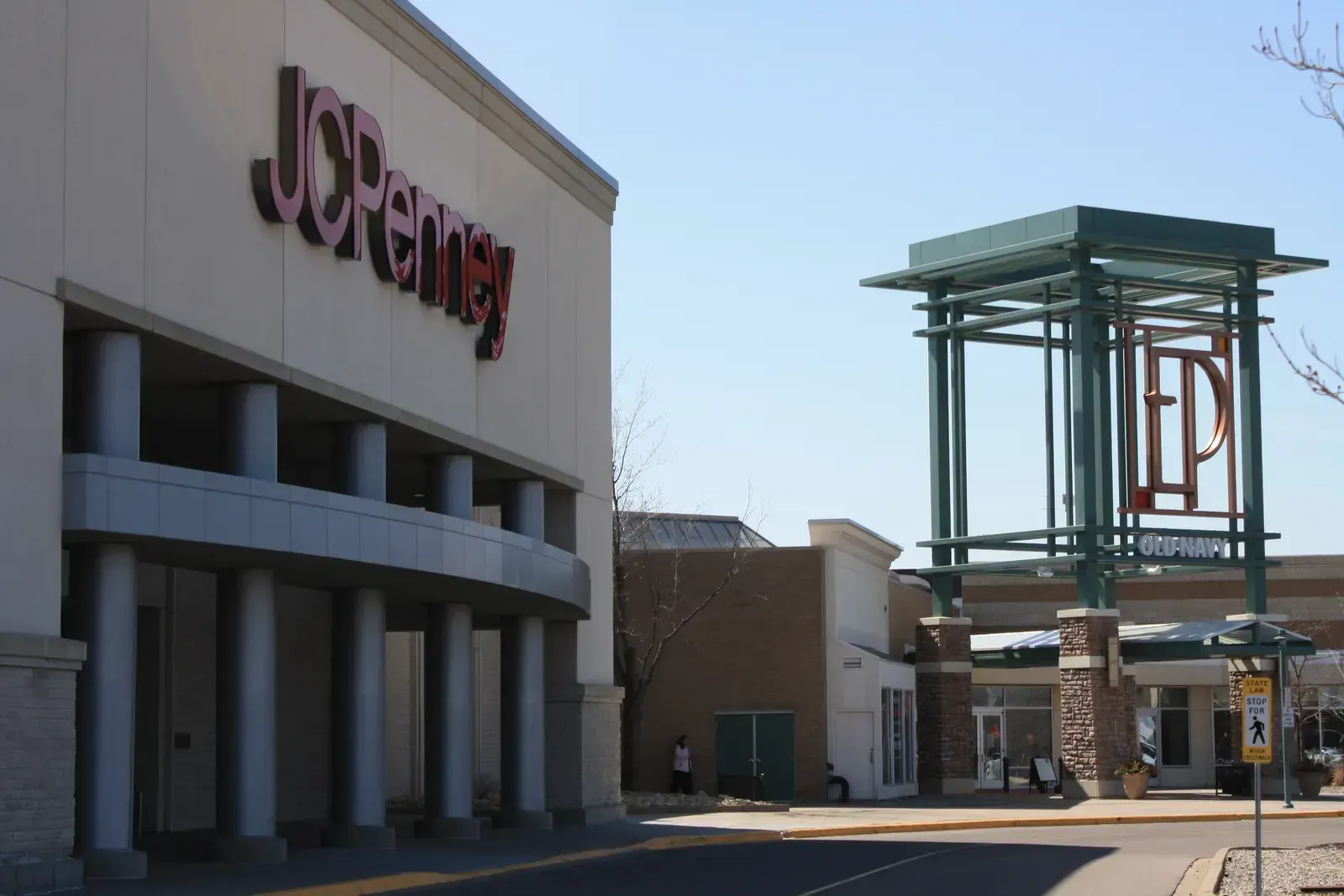
A JCPenney spokesperson said “while we do not have plans to significantly reduce our store count, we can confirm that there are eight isolated store closures planned by mid-year,” adding that the changes can be attributed to various influences, including “expiring leases agreements, market changes and other factors.” It sounds measured and business-like, doesn’t it? Yet for communities where JCPenney has been a mainstay for generations, these closures represent something bigger.
Back in 2020, the company revealed that it would be closing 242 stores after filing for Chapter 11 bankruptcy. At the time, it was revealed that the remaining 604 stores “represent the highest sales-generating, most profitable and most productive stores in the network.” JCPenney stores have traditionally served middle-income families and seniors who appreciated the retailer’s accessible pricing and traditional merchandise. Since JCPenney filed for Chapter 11 bankruptcy protection in May 2020, its store number has shrunk from about 850 to about 650. The math is sobering when you realize how many communities have simply lost this shopping option entirely.
Nordstrom: Upscale Retailer Retreats From Key Markets
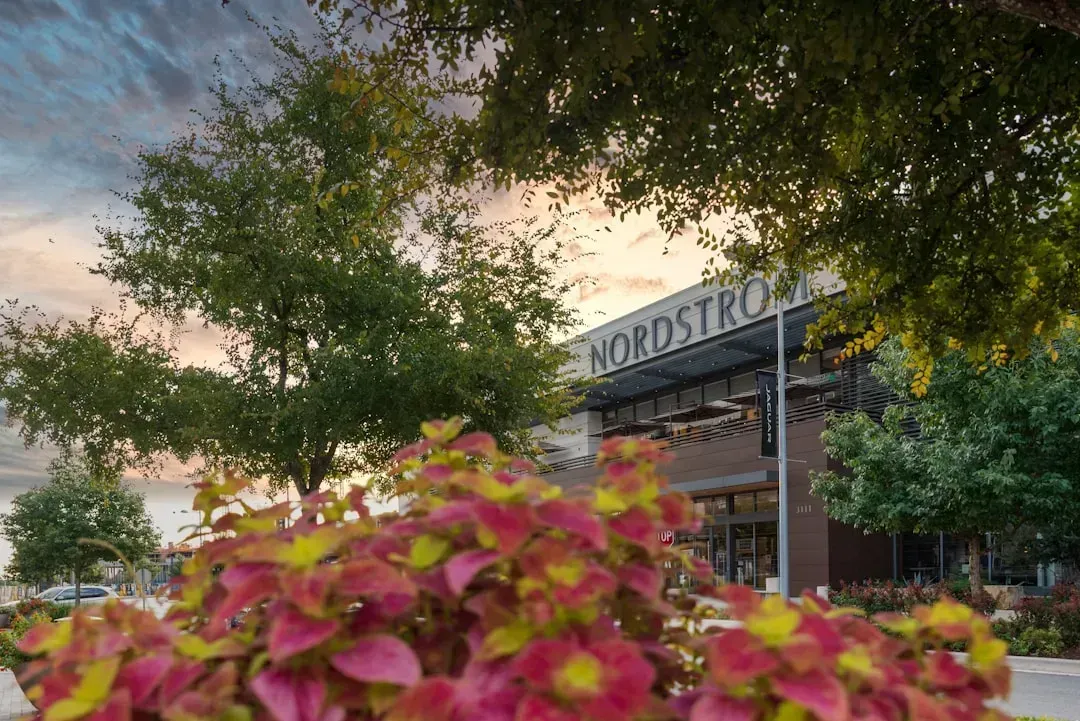
Nordstrom has long positioned itself as the upscale alternative for department store shoppers. Yet even this premium brand isn’t immune to the retail apocalypse. The upcoming closures of Nordstrom department stores at two Massachusetts malls will result in 300 workers losing their jobs. Worker Adjustment and Retraining Act (WARN) notices recently filed with the state show that layoffs are expected to hit 134 employees at the Northshore Mall Nordstrom in Peabody and 166 at its South Shore Plaza location in Braintree.
The Nordstrom store inside the Santa Monica Place is shutting down after nearly 15 years at the iconic location. The Seattle-based fashion retailer announced the closure Monday, with the last day of business set for Aug. 26. Here’s the thing: Nordstrom closures particularly impact affluent senior communities where residents had counted on the store for quality clothing, shoes, and cosmetics. Nordstrom’s final fourth-quarter earnings report for 2024, released before it went private, showed a 3.7% decline in net sales for its Nordstrom stores but a 1.2% increase for Nordstrom Rack. The company is clearly pivoting toward its discount format, leaving its traditional customers searching for alternatives.
Kohl’s: The Budget-Friendly Anchor That’s Breaking Loose
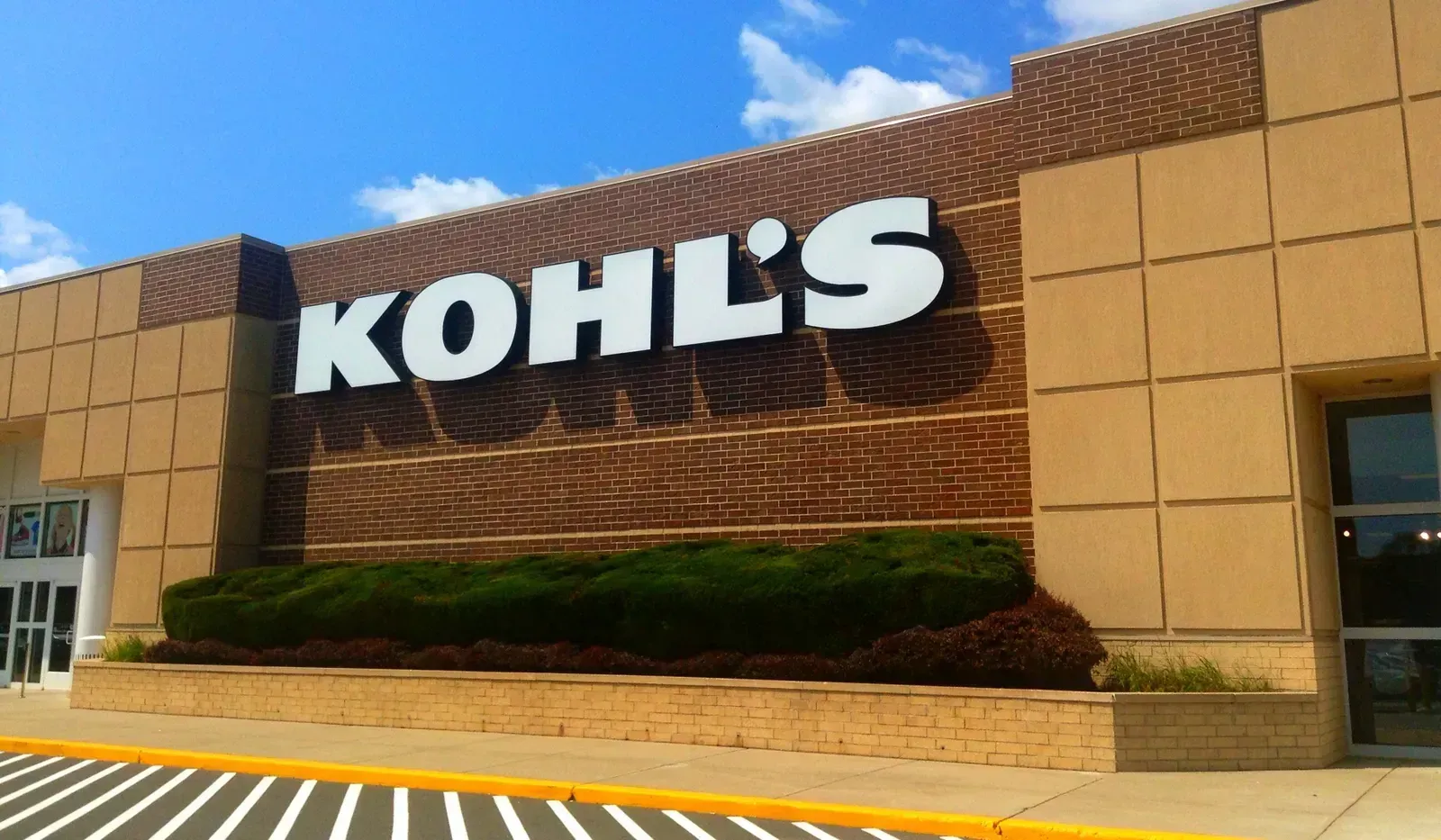
Kohl’s announced real estate changes for 2025, including the closure of its San Bernardino E-commerce Fulfillment Center (EFC) in May when the lease on that facility expires, and the closure of 27 underperforming stores, by April 2025. Kohl’s has been a lifeline for budget-conscious seniors looking for affordable clothing, home goods, and seasonal items. Kohl’s said in November that its net sales for the third quarter fell nearly 9% from a year ago, $3.5 billion.
Alex Beene, a financial literacy instructor for the University of Tennessee at Martin, told Newsweek: “While Kohl’s is closing just 27 stores nationwide, a number that makes up less than three percent of its retail locations, it’s easy to see why many would label this yet another event that’s a sign of the times for retail. It all comes down to foot traffic at these locations, and in our current economic climate, retailers like Kohl’s are more likely to close underperforming stores quickly compared to retailers in past decades.” Let’s be real: when even three percent of locations disappear, that’s hundreds of communities suddenly without their go-to shopping destination.
Big Lots: The Deep Discounter That Couldn’t Discount Enough
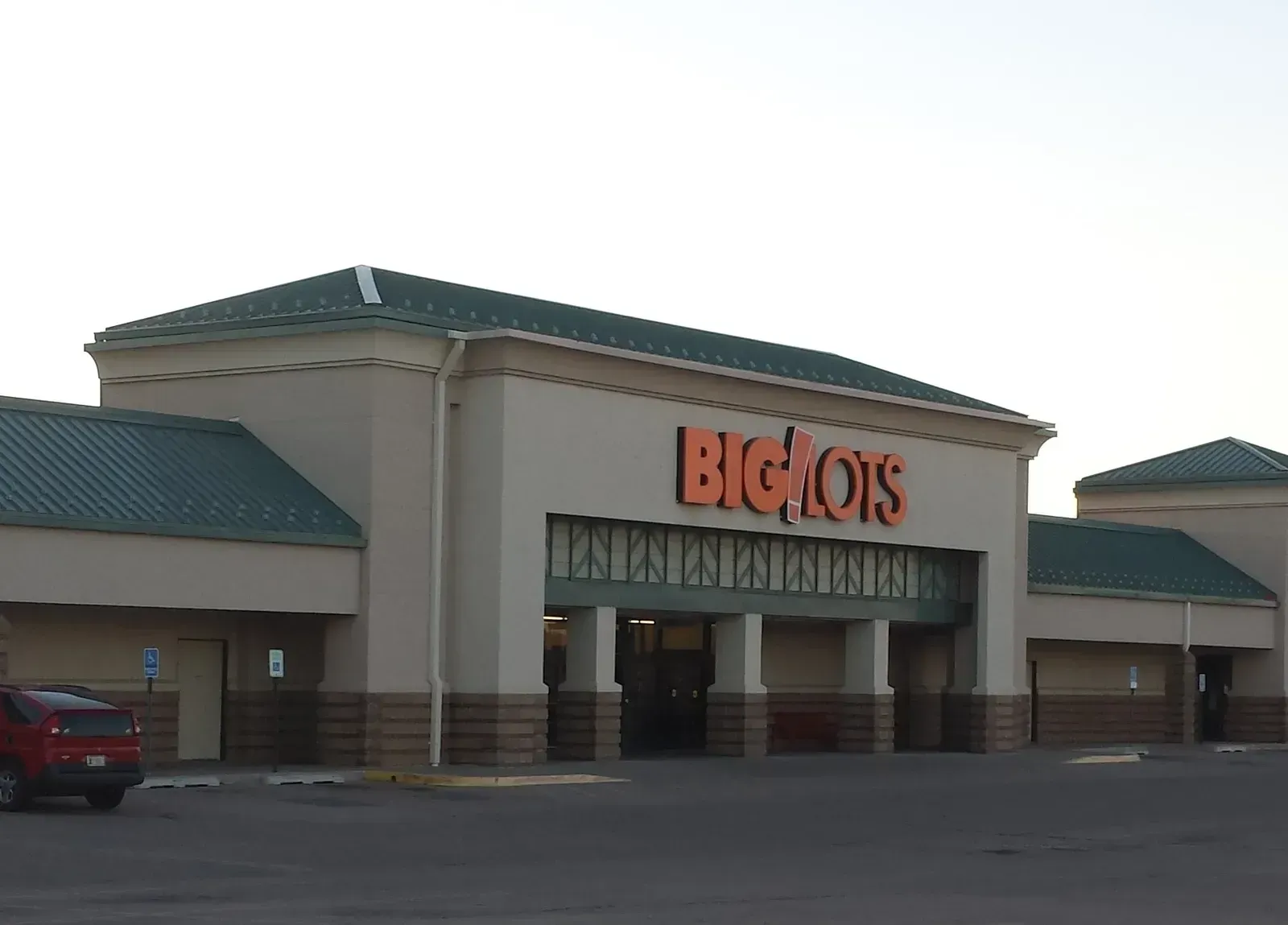
Big Lots might not fit the traditional department store mold, yet its role in senior communities has been undeniable. The chain offered deeply discounted furniture, seasonal decorations, and household essentials that appealed to retirees on fixed incomes. Big Lots has announced they’re closing all remaining stores. Right now, there’s a nationwide going-out-of-business sale. Big Lot’s CEO said that if a company sale was completed, the store closures could be reversed. For now, it’s the end of Big Lots.
This surge in brick-and-mortar shutdowns reflects the pressure from rising operational costs from higher inflation and wages, lingering supply chain issues, and shifting shopper habits – accelerated by 2020 pandemic and fierce competition from online marketplaces. Big Lots’ collapse exemplifies how even stores targeting bargain hunters couldn’t withstand the perfect storm of economic pressures. For seniors who depended on these stores for affordable home goods, the loss represents another barrier to maintaining their independence and quality of life.