Check Carefully for This “Star” Symbol on Your $20 Bills Before Depositing Them
You might be carrying something far more valuable than face value in your wallet right now. That crisp Andrew Jackson twenty in your pocket could actually be worth hundreds of dollars to the right buyer. All you need to do is check one tiny detail that most people overlook.
Star notes represent less than 1% of the notes that are printed, making them significantly rarer than standard currency. The interesting part is that these bills circulate just like any other money, sitting in cash registers and wallets across the country. Let’s explore why collectors are willing to pay serious premiums for these replacement notes.
What Exactly Is a Star Note
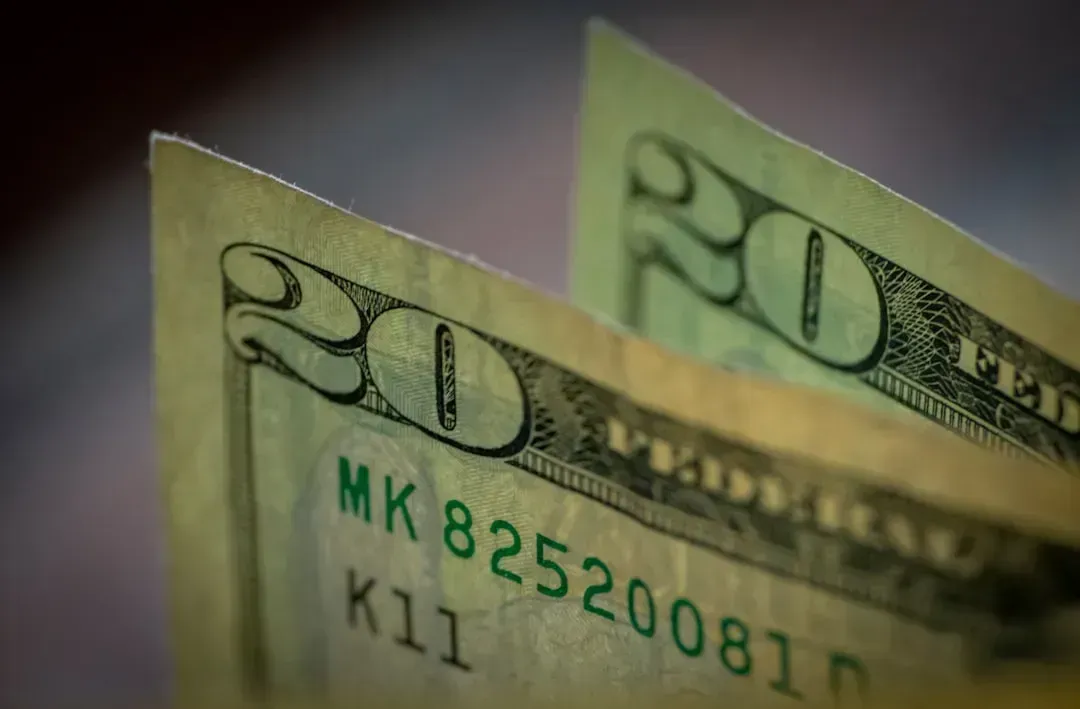
A star sheet is used to replace the imperfect sheet, and a star note has its own special serial number followed by a star in place of a suffix letter. These are notes that the Bureau of Engraving and Printing uses to replace misprinted and damaged currency before it gets released into circulation. Think of it as a stand-in actor taking the place of the lead when something goes wrong. The process happens during quality control inspections at the printing facility.
The misprinted error notes are replaced with star notes because no two bills within a certain series can be produced with the same serial number. It’s actually a federal requirement to keep each serial number unique for tracking and anti-counterfeiting purposes. Reusing an exact serial number to replace an imperfect note is costly and time consuming.
How to Spot the Star Symbol
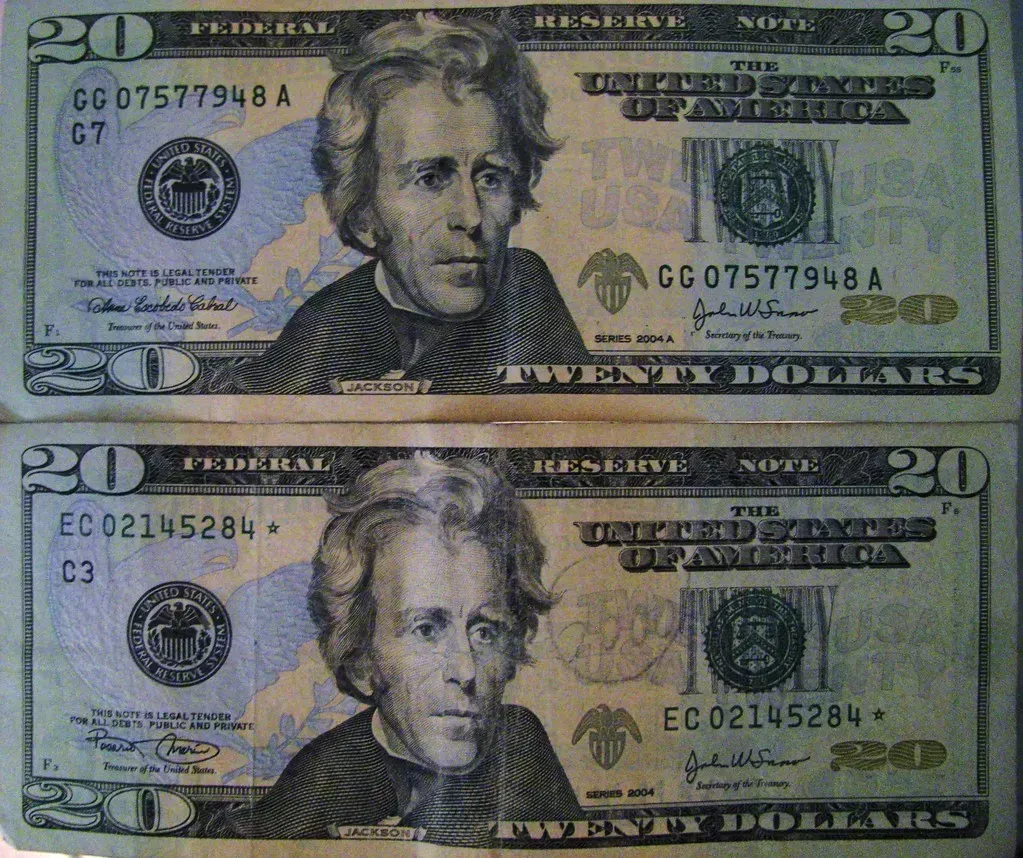
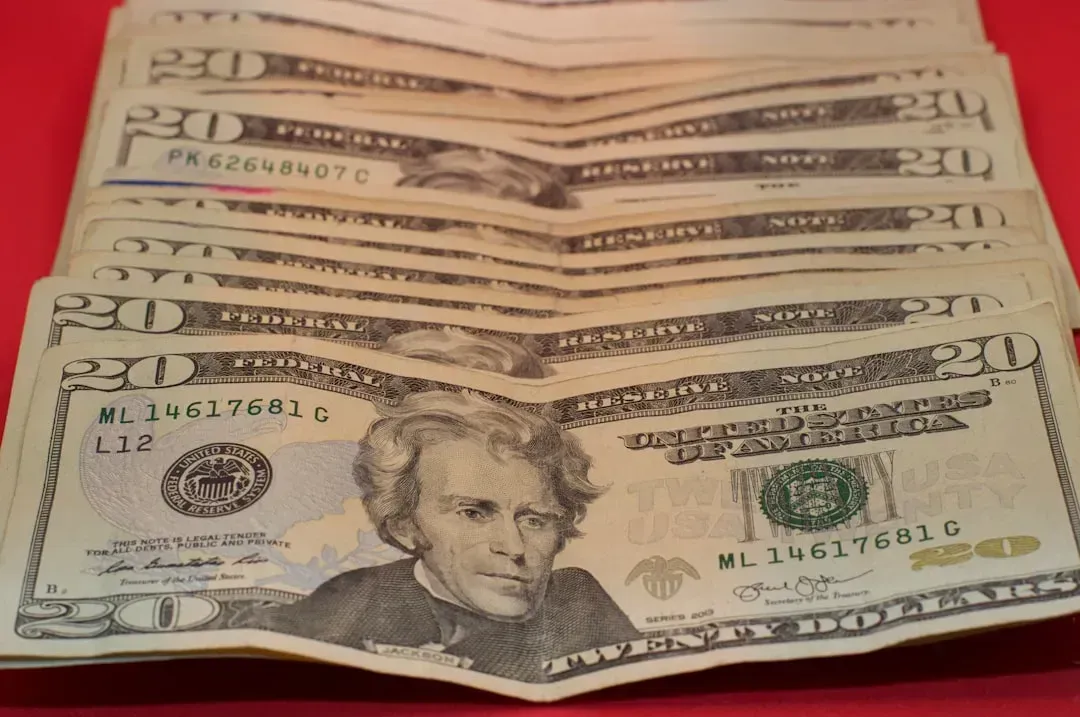
Modern replacement notes look exactly like normal paper money, except that there is a star printed at the end of the serial number rather than a letter. You’ll find the serial number printed twice on the front of your twenty, once on each side of Andrew Jackson’s portrait. Look at the very end of that number sequence. If you see a little star instead of the usual letter, congratulations.
The star appears in the same color ink as the rest of the serial number. On Federal Reserve Notes like your twenties, that means green. Older types of paper money like Gold Certificates, Silver Certificate, and Legal Tender notes the star was printed at the beginning of the serial number, though you’re unlikely to find those in circulation today.
Why Production Numbers Matter
For the current printing techniques used by the BEP, the maximum run size for Star Notes is 3,200,000 notes, sometimes a lower quantity of Star notes are needed, in which case fewer are printed, and common run sizes are 320,000, 640,000, 1,280,000, and 2,560,000 but there are others. The size of the print run is absolutely critical to determining value.
Collectors generally consider Star Notes from print runs of 640,000 notes or fewer to be rare enough to be worth more than face value. This threshold has become the industry standard for evaluating whether you’ve got something special. Anything above that number might only fetch face value or a slight premium, depending on other factors like condition.
The Rarity Factor That Drives Value
Printed to replace defective notes during production, they typically represent less than 1% of notes produced, and their relative scarcity compared to regular notes drives their premium value, especially for star notes from smaller print runs or those with fancy serial numbers, which can command significant collector premiums. Here’s the thing that makes certain star notes incredibly valuable: not every Federal Reserve Bank needs the same amount of replacement notes.
Sometimes a FRB only has one star note print run, which might be a small run of 640,000 or less, for example, the 2003 $1 D FRB has one star note print run, and it is only a quantity of 320,000 notes, and people who collect star notes by run and by FRB both need a specimen to complete their sets, so the note’s value increases. It’s basic supply and demand at work in the collector market.
Condition Makes All the Difference
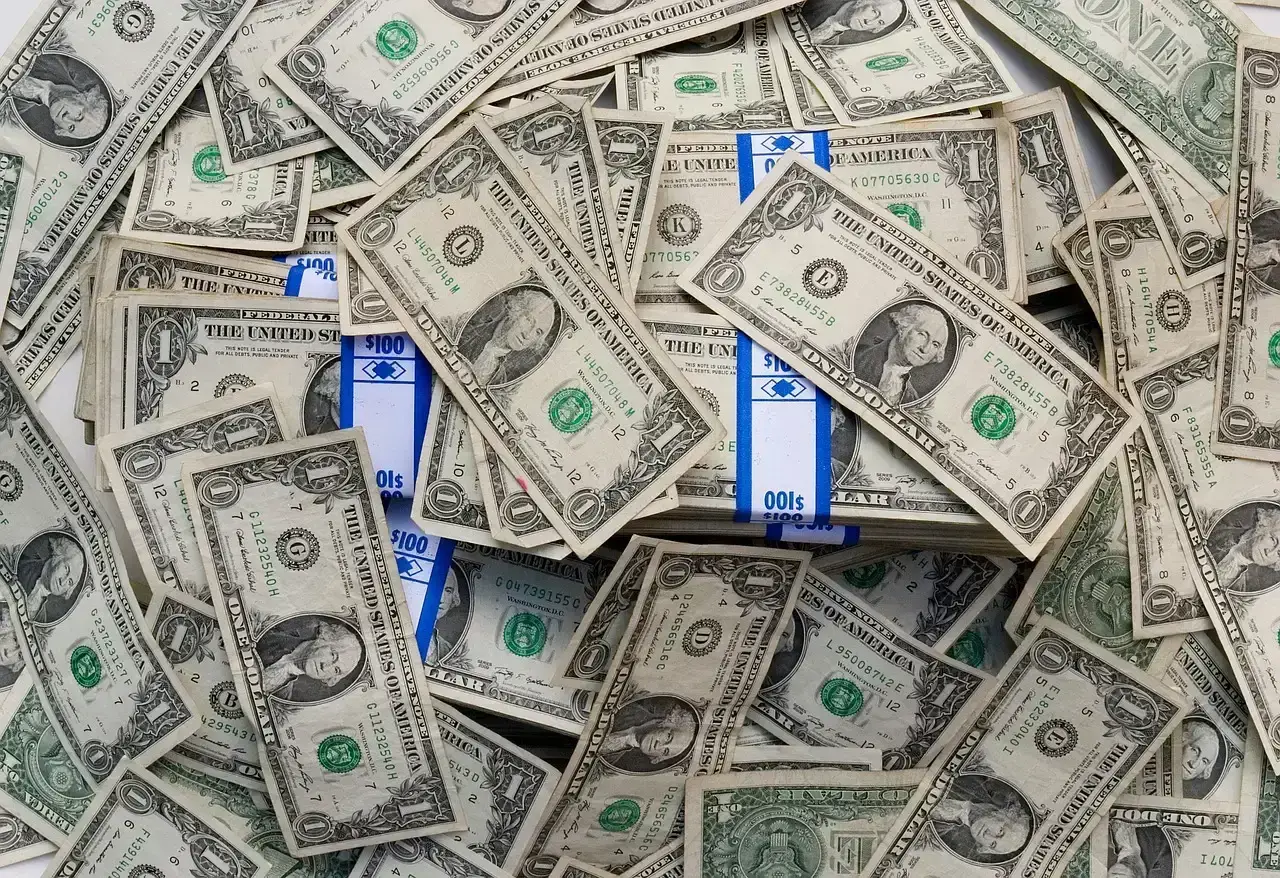
The condition of a note plays a HUGE role in its value, and the rarest star note probably isn’t worth much, if anything, more than face value if it’s dirty and shredded. Collectors want crisp, uncirculated examples whenever possible. That wrinkled twenty you’ve been carrying around for weeks loses value every time it gets folded.
According to PMG census data, under 5% of all pre-1950 star notes they’ve graded are uncirculated, compared to nearly 20% of regular notes, and this disparity only increases for earlier series. Professional grading services can authenticate and assign a grade to your note, which often increases resale value significantly.
Special Serial Numbers Add Extra Value
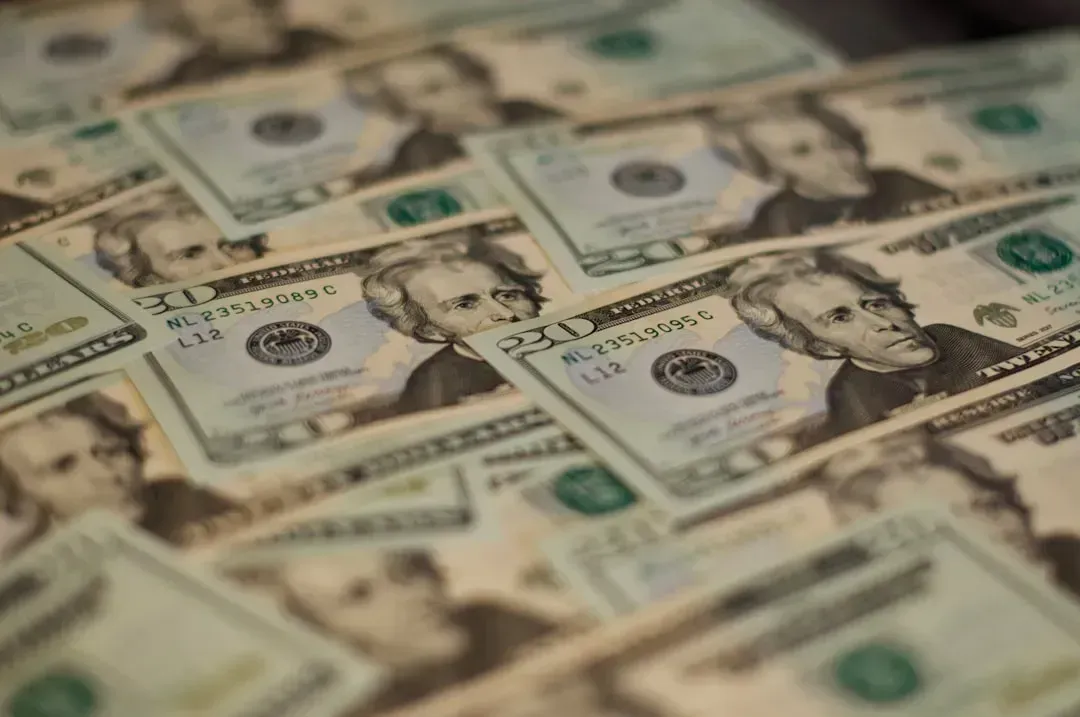
A bill might be worth a bit more if it is bill #111111111, or bill #000000007, or bill #123321123, because if the number looks less than random collectors may be interested. These are called fancy serial numbers in the collecting community. Patterns like repeaters, ladders, radars, and low numbers are particularly sought after.
Binary serial numbers, which contain only two numbers, radar numbers like 123454321, and other unique serial numbers on a star note contribute to its premium. When you combine a rare print run with a fancy serial number on a star note, values can skyrocket into the hundreds or even thousands of dollars.
How to Check Your Star Note’s Rarity
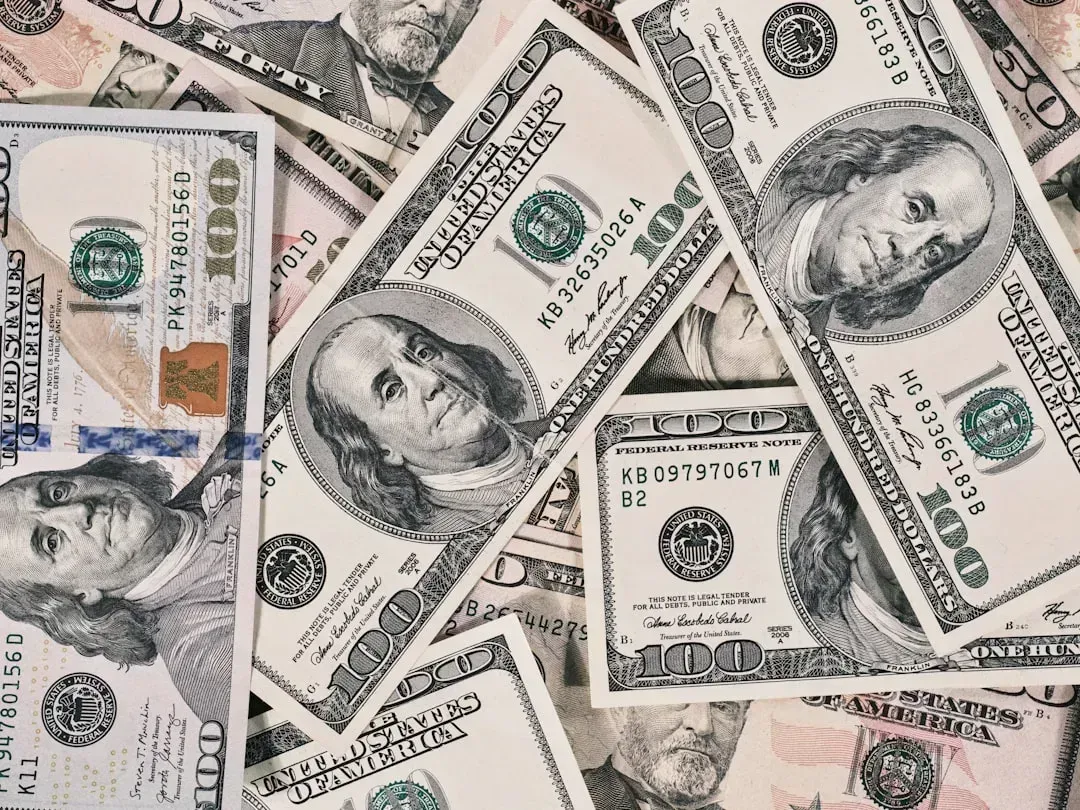
Multiple online tools let you look up production data for free. Quickly look up the production numbers of your star notes by entering the denomination, series, and serial number, last updated June 04, 2025 with April 2025 production numbers. These databases pull information directly from Bureau of Engraving and Printing records.
You’ll need three pieces of information: the denomination, the series year printed on the front of the bill, and the complete serial number including the star. The main two factors are total quantity printed and run size you can find these from the tool and it will also show the bar pointing to less rare or more rare.
Real-World Values and Recent Sales
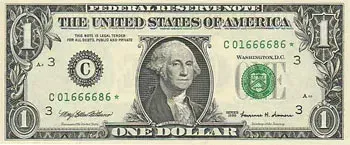
This example sold on eBay on January 11 for $2,750 a tidy profit for the lucky individual who cherrypicked this star note from circulation. That was for a particularly rare web press replacement note from the 1988A series. Modern twenties typically won’t command those prices, but certain examples still fetch impressive premiums.
Most common modern star notes sell for anywhere from twenty-five to fifty dollars if they’re in good condition. A $1 star note from a limited print run can be worth $10 to $20 or more depending on condition. Scale that up for higher denominations and smaller print runs, and twenties from rare batches can easily reach triple-digit values.
Where Collectors Look for These Bills
Banks are actually one of the best places to find star notes if you’re willing to be patient. Some collectors routinely request new bills from tellers and examine entire stacks looking for that star symbol. By their nature, star notes are more scarce than notes with standard serial numbers and as such are widely collected by notaphilists.
Cash-heavy businesses like restaurants and retail stores cycle through lots of currency daily. Checking your change carefully becomes second nature once you know what to look for. These notes hide in plain sight because most people simply don’t know they exist or what makes them special.
Should You Spend It or Keep It
If your star note comes from a large print run of several million, it’s probably only worth face value or a few dollars above. As a rule of thumb, modern star notes are worth their face value or a little bit more than their face value, and there will be exceptions to this like star notes with unique serial numbers or star notes issued in small batches. A quick lookup takes less than two minutes and could save you from accidentally spending something valuable.
The scarcity, the market demand, and the condition of a star note greatly inform its value, and the smaller the batch size of a star note, the greater its age, and its uncirculated condition all add to its value. When in doubt, hold onto it and do your research before making any decisions about selling or spending.
Next time you receive a twenty in change, take five seconds to glance at those serial numbers. That tiny star could be your lucky break. Did you check your wallet yet?