Never Burn These 8 Everyday Items – even If They Seem Safe
1. Plastic Packaging and Grocery Bags

It feels so tempting to toss flimsy plastic packaging or grocery bags into a backyard fire, especially when you just want to get rid of clutter fast. But when plastic burns, it releases a toxic mix of chemicals, including dioxins, which global health agencies describe as some of the most dangerous man‑made pollutants known, capable of lingering in soil and food for years. U.S. and international regulators have repeatedly linked dioxins from burning plastics to increased cancer risk, immune system damage, and reproductive problems, even at very low exposure. After the 2023 train derailment in East Palestine, Ohio, burning vinyl chloride, a plastic chemical, raised concerns about dioxin generation, with chemicals spreading across multiple states, showing how quickly a single burn can turn into a regional contamination problem.
2. Household Trash and Food Packaging
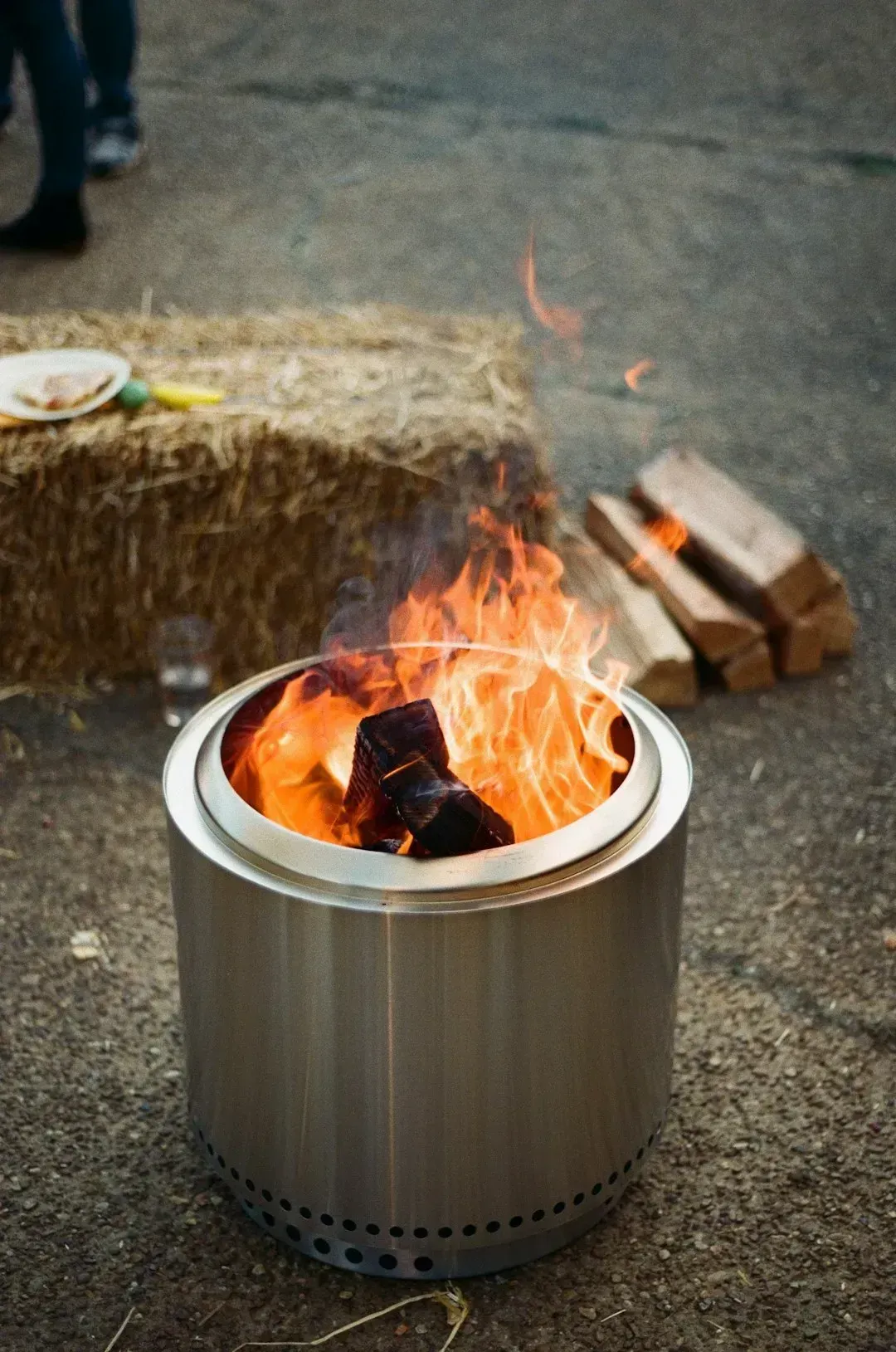
Many people still treat a burn barrel as a shortcut trash can, especially for mixed garbage like food boxes, wrappers, and mail. The U.S. Environmental Protection Agency has found that open burning of household trash is now one of the largest known sources of dioxins in the country, even though each fire is small and unregulated. When things like coated paper, colored inks, and synthetic glues burn, they can release a cocktail of hazardous air pollutants, including benzene, formaldehyde, and heavy metals in the ash. Studies on backyard burning have shown that a single household barrel can emit as much dioxin as a modern municipal incinerator handling hundreds of tons of waste a day, because the home fire is uncontrolled and burns at lower, dirtier temperatures.
3. Pressure-Treated and Painted Wood
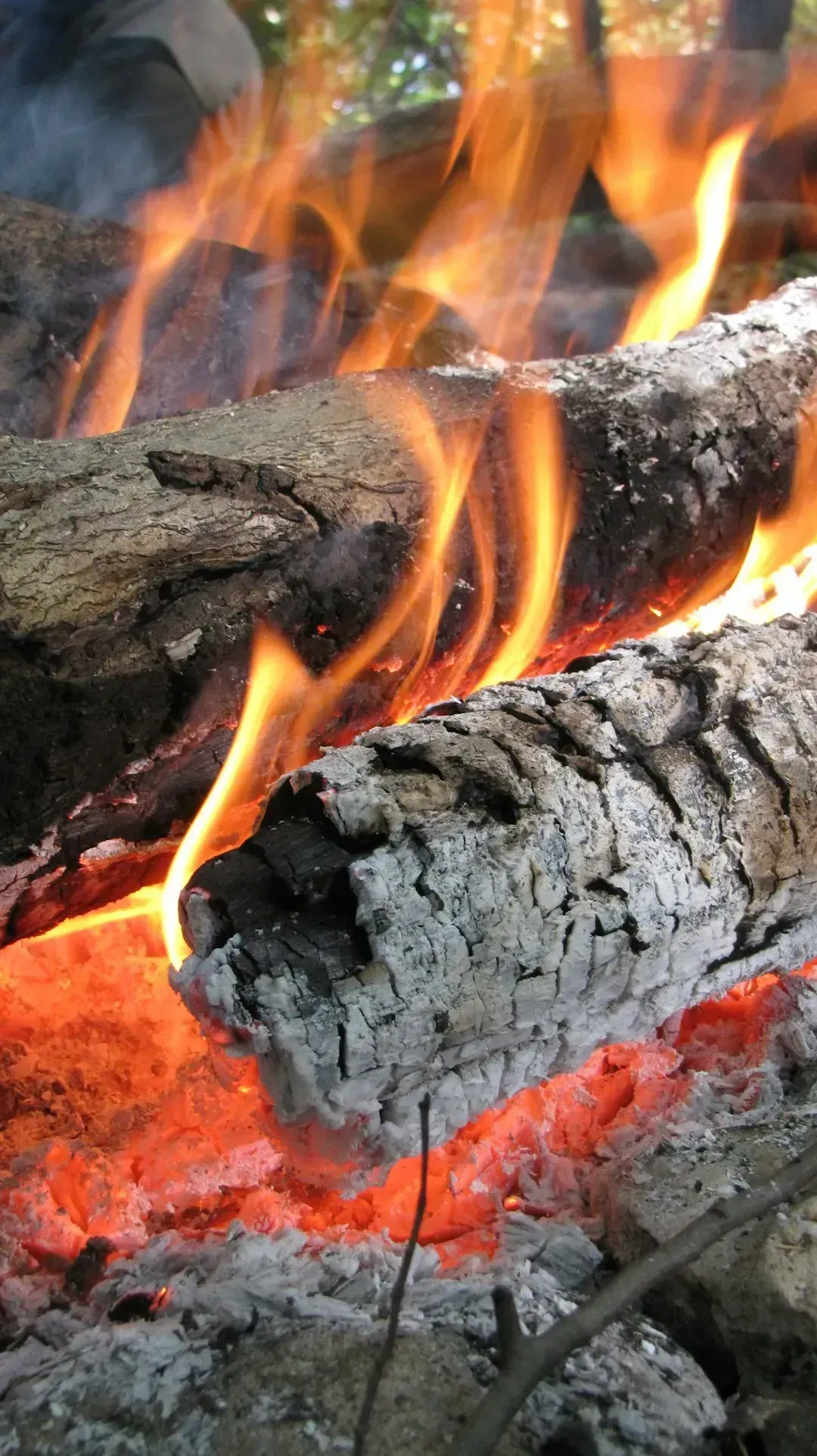
Old deck boards, fence posts, or painted trim may look like ordinary wood, but they’re often loaded with chemicals that were never meant to be inhaled. Older pressure‑treated lumber commonly contained arsenic, chromium, and copper compounds, and when this wood burns, those metals don’t disappear – they concentrate in the smoke and ash. Public health agencies in the United States warn that ash from treated wood can contain enough arsenic to pose a serious risk if it gets into gardens, soil, or onto children’s hands and toys. Even modern treated lumber and painted wood can release toxic metals like lead and chromium, along with irritating fumes, which is why many state and local rules specifically ban burning construction scraps at home.
4. Cardboard, Magazines, and Glossy Paper
Cardboard boxes and colorful magazines might seem like harmless kindling, but they’re often saturated with inks, coatings, and adhesives that behave very differently from plain, unprinted wood. Environmental agencies studying backyard burning have reported that coated and colored papers can boost the formation of dioxins and polycyclic aromatic hydrocarbons, a group of chemicals linked to lung and skin cancers. When these papers smolder in a low‑temperature fire pit, they also generate fine particulate matter that can travel deep into the lungs and trigger asthma attacks or heart problems in vulnerable people. Recycling cardboard and paper not only avoids these emissions but also keeps those fibers in the production loop, which most U.S. waste and air‑quality programs now recommend over burning.
5. Wet Firewood, Moldy Yard Waste, and Leaves
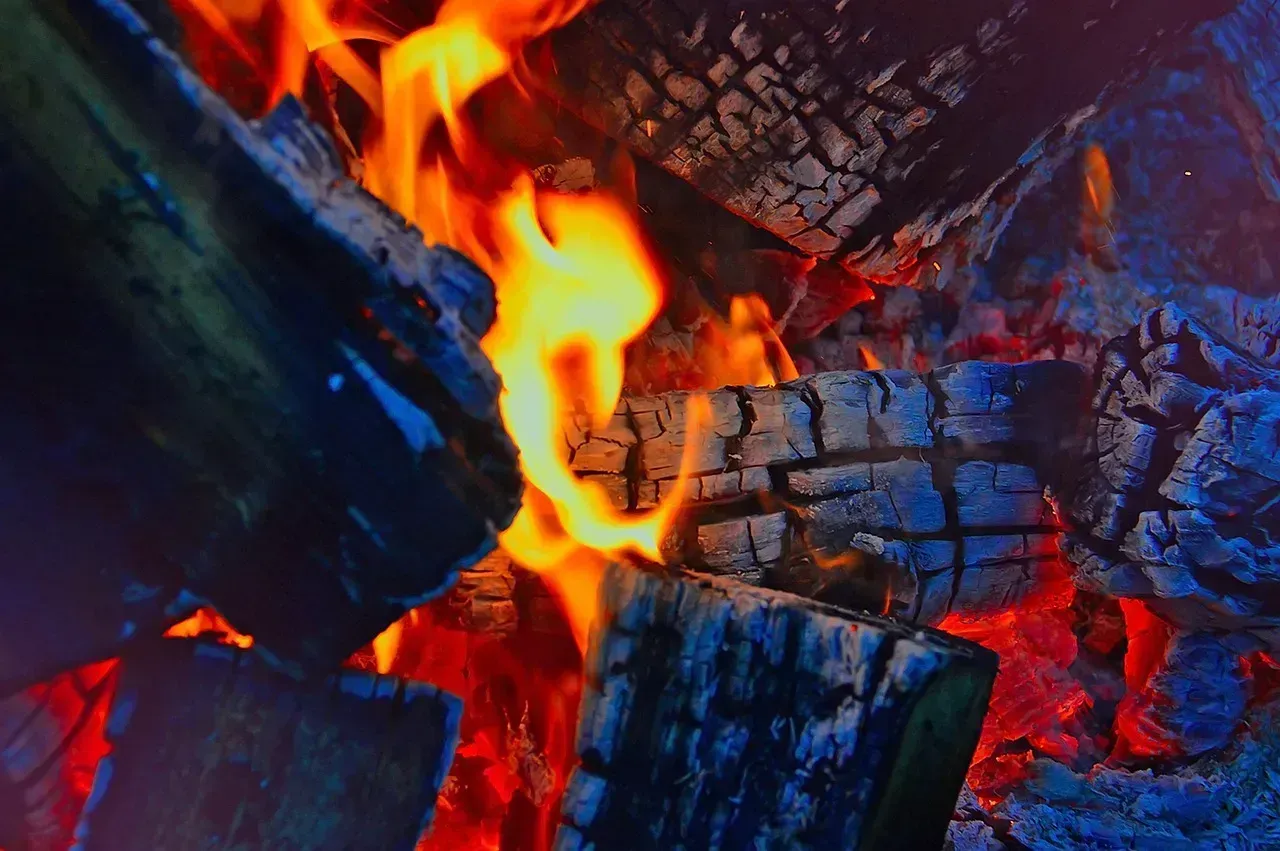
Burning damp logs, moldy branches, or piles of wet leaves might feel like the easiest way to clean up the yard, but it creates some of the smokiest, dirtiest fires. Incomplete combustion from wet material produces a surge of tiny particles, known as fine particulate matter, which the World Health Organization and the U.S. EPA have tied to higher rates of heart disease, stroke, and hospital visits for breathing problems. Smoke from smoldering yard waste can carry mold spores, organic gases, and soot that aggravate asthma and other lung conditions, especially in children and older adults. Several U.S. states now restrict or discourage open leaf and debris burning because monitoring data show these seasonal fires can sharply raise local particle pollution and smog‑forming gases in nearby neighborhoods.
6. Aerosol Cans and Pressurized Containers
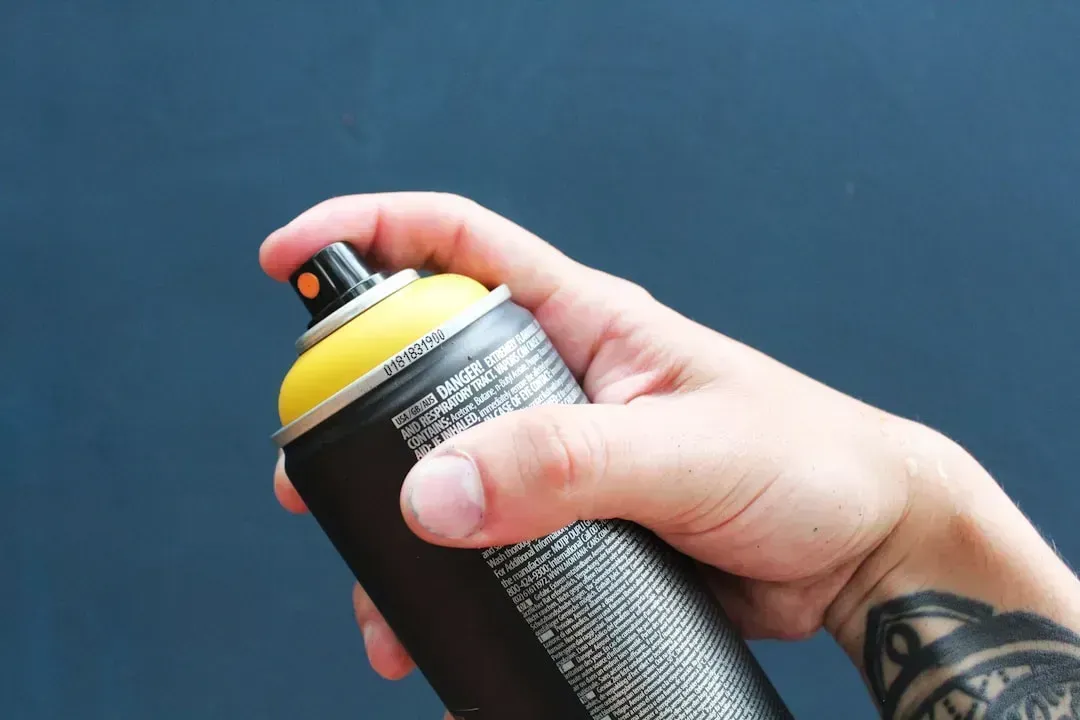
Empty‑looking spray cans from deodorant, paint, or cleaning products are surprisingly dangerous when they meet open flames. Even when they feel light, most cans still hold pressurized gas or leftover product, and fire can rapidly heat that metal shell until it explodes, sending shrapnel and burning material flying. Emergency departments in the U.S. regularly report injuries from exploding aerosol cans in burn barrels, campfires, and trash fires, including deep cuts, burns, and eye damage. Because many aerosols also contain flammable solvents and propellants that release toxic fumes when burned, hazardous waste programs and product labels now direct people to keep them out of fires and instead use designated recycling or household hazardous waste drop‑off sites.
7. Batteries, Electronics, and Cables
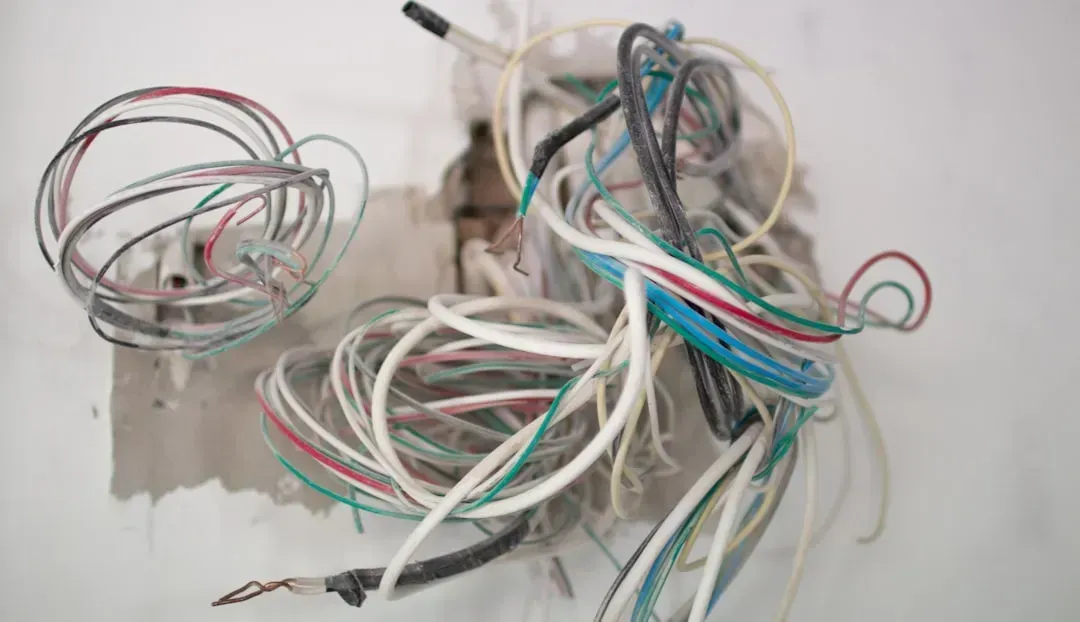
Old phone chargers, tangled cords, toys with built‑in batteries, and cheap electronics often end up in the trash pile, but burning them is a hidden chemical bomb. Lithium‑ion batteries can overheat and burst into violent fires when exposed to high heat, and both rechargeable and single‑use batteries contain metals that become airborne in smoke or end up concentrated in ash. Electronics and cables frequently include flame retardants, PVC plastic, and metal components that form dioxins, heavy‑metal fumes, and other toxic by‑products when they burn, which is why e‑waste is increasingly regulated around the world. Recycling programs and household hazardous waste collections in the United States specifically target batteries and electronics because research has shown they are a growing source of preventable fires and toxic releases when mishandled.
8. Cleaning Products, Paint, and Other Chemical Leftovers
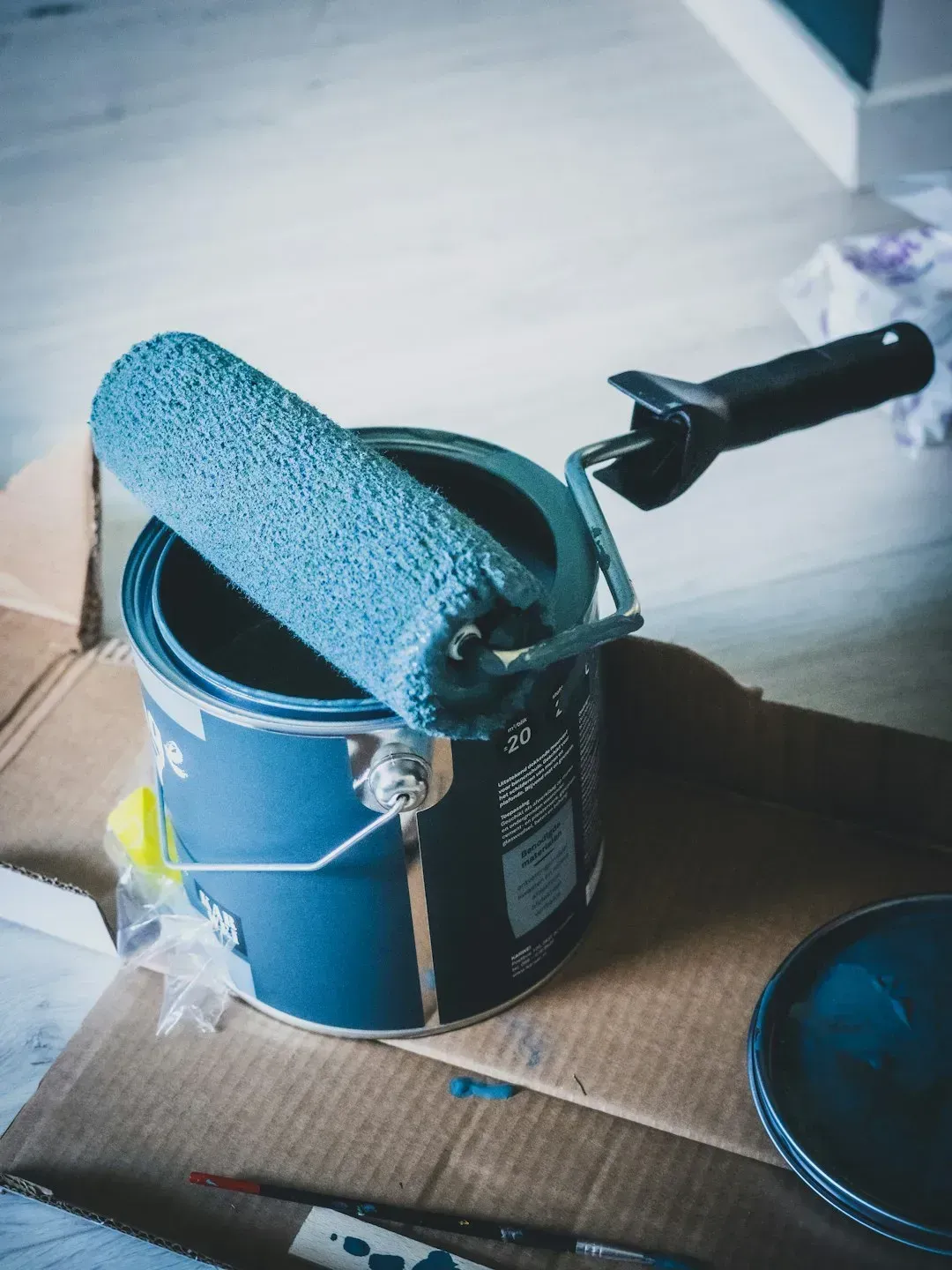
That half‑empty can of paint thinner, old weed killer, or sticky bottle of solvent-based cleaner might seem easiest to “get rid of” with a match, but the fumes can be both explosive and highly toxic. The U.S. EPA classifies many leftover paints, cleaners, oils, and pesticides as household hazardous waste, noting that they can release corrosive gases, volatile organic compounds, and other harmful substances when burned. Inhaling these combustion products has been linked in studies to headaches, nausea, nerve damage, and increased long‑term cancer risk, especially in people who are repeatedly exposed. Because of this, modern disposal guidance in the U.S. focuses on taking such items to local hazardous waste collection events or designated drop‑off centers, where they can be managed in controlled facilities instead of burned in a backyard fire or home fireplace.