I Retired to Florida – and Moved Away After 18 Months. Here’s the Real Story
The median price of a single-family house in Florida rose $150,000, or 60%, in just half a decade, and suddenly the paradise I thought I was buying into started feeling more like a trap. I packed my bags and left the Sunshine State after less than two years. Let’s be real, this wasn’t the retirement dream I’d imagined, and I’m not the only one rethinking this choice.
The Insurance Shock That Changed Everything

Nothing prepared me for the insurance nightmare. Florida residents pay the highest home insurance rates in the entire country in 2024, with the average annual home insurance premium at $10,966, compared to the national average of around $2,400. That’s not a typo. My monthly budget got demolished before I even unpacked completely.
Florida was more than four times the national average around $11,000, with rates remaining high in 2025. Every time hurricane season rolled around, I braced myself for another rate hike. The stress of watching those bills climb higher while living on a fixed income became unbearable.
It’s hard to say for sure, but insurance companies seemed to be fleeing the state faster than I was. Finding coverage that didn’t require selling a kidney became a full-time job. The financial pressure wasn’t just uncomfortable; it was suffocating.
When the Weather Becomes Your Worst Enemy
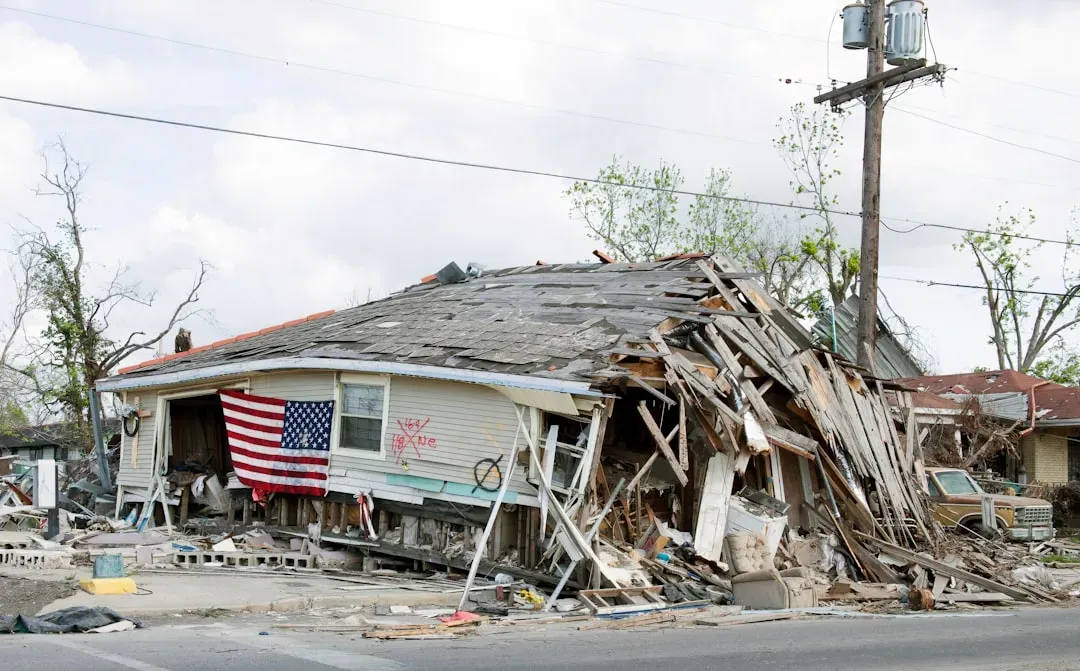
Hurricane Helene hammered Florida in September 2024, contributing to more than 230 deaths across the U.S. and causing an economic impact estimated as high as $200 billion. I’d survived one evacuation already, and the thought of doing it again made my stomach turn. Every weather forecast felt like a countdown to disaster.
The humidity wasn’t just annoying – it was relentless. Air conditioning ran nonstop, pushing my electricity bills way above what I’d budgeted. Monthly utility costs, including electricity, gas, water, garbage and internet, averaging around $500 in 2025. Honestly, I started to miss the seasons I’d left behind up north.
Here’s the thing: living in constant awareness of the next big storm changes you. The 2024 and 2025 hurricane seasons became a turning point, with repeated storms and flooding making retirees question whether they want to spend their seventies and eighties in high-risk coastal zones. I know it sounds crazy, but I never thought paradise would come with this much anxiety.
The Cost of Living Reality Nobody Warns You About

A typical Social Security income of $1,800 or $1,900 a month gets eaten up almost entirely by median rent. Property taxes, HOA fees, condo assessments – they all piled up faster than I could track them. The tax-free status Florida brags about didn’t feel so impressive when everything else cost double.
Groceries became another headache. The average weekly cost of groceries for Florida households is around $250 weekly, or $1,000 a month, making it one of the priciest aspects of daily life. Fresh produce seemed ridiculously expensive for a state surrounded by farmland.
Condo maintenance fees for 2024 jumped by a whopping 50% between special assessments and increased insurance costs. Friends in my building couldn’t afford to stay. Some had lived there for years, and watching them scramble to figure out their next move was heartbreaking. The community I’d hoped to build dissolved before my eyes.
The Hidden Costs Nobody Mentions
Car ownership wasn’t optional. Florida is one of the top states for expensive car ownership, with costs hitting around $25,565 over five years. Public transportation barely exists outside major cities, so I was stuck with those bills. Storm preparation added even more expenses – hurricane shutters, emergency supplies, evacuation plans.
The Migration Shift That’s Actually Happening

In 2023, 637,000 people moved into Florida – only half as many as the year before – while nearly as many, 511,000, moved out, marking the largest drop in net migration in a decade. The exodus is real, and it’s not just me being dramatic.
Florida lost the most people to Georgia, North Carolina, and Tennessee – states with either no income tax or a lower cost of living than Florida. These destinations offered what Florida couldn’t anymore: affordability without sacrificing quality of life.
Florida’s net domestic migration fell by more than 49% from 2022 to 2023, with the high cost of housing cited as one key motivation for leaving the Sunshine State according to the Florida Chamber Foundation. I thought I’d be part of the dream; instead, I became part of the statistic.
Where Life Actually Got Better After Leaving

Moving to North Carolina changed everything for me. Several major cities, including Charlotte and Raleigh, have median mortgage and rent costs that don’t exceed $1,500 a month. My housing expenses dropped dramatically, and suddenly I could actually enjoy retirement instead of stressing over bills.
The moderate climate felt like a gift. Warm summers, mild winters, and no hurricane-induced panic attacks. Ohio’s average 2024 home insurance cost was $1,851 compared to Florida’s astronomical rates, and friends who relocated there tell similar stories of financial relief.
What surprised me most was discovering how many other retirees were making the same move. Retirees are deliberately choosing states that better balance cost, climate, and quality of life, with an ‘anti-Florida’ movement driven by climate anxiety, housing sticker shock, and a desire for more varied lifestyles. We all thought Florida was the only answer, but it turns out there are better options out there.
I wish someone had told me the truth before I made that initial move. Florida isn’t the retirement paradise it markets itself to be – at least not anymore, and definitely not for people on fixed incomes. The financial strain, weather anxiety, and skyrocketing costs turned what should have been my golden years into a constant struggle. Leaving was the best decision I made, even if admitting the initial mistake stung. Did your retirement plans include Florida, or have you already reconsidered after hearing stories like mine?