The “Passport Pattern” Causing Travelers to Be Denied Boarding at the Gate
You arrive at the gate, boarding pass in hand, excited for your trip. The gate agent scans your documents. Then they pause. Their eyes narrow at your passport. Next thing you know, you’re watching your flight depart without you. What just happened?
This scenario is unfolding more frequently at airports worldwide, catching seasoned travelers completely off guard. It’s not about expired documents or missing visas. The culprit is something far more subtle, yet airlines are cracking down hard.
Physical Damage Smaller Than Your Fingernail Can Ground Your Trip
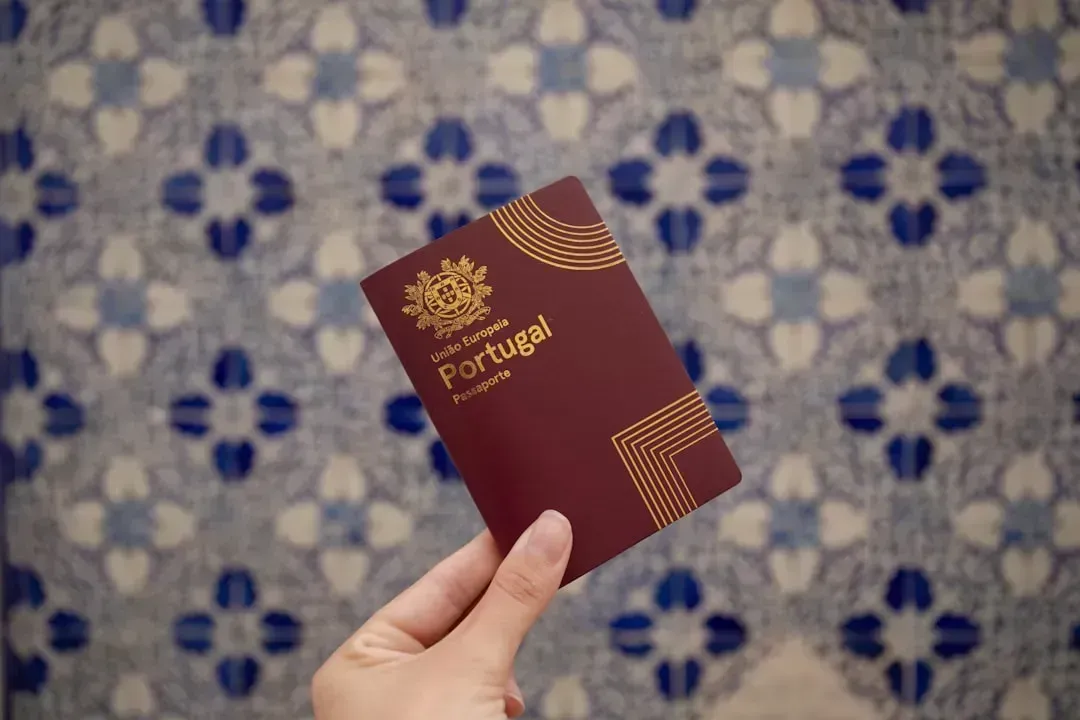
Even a tiny tear in your passport can doom your trip, as demonstrated when Jake Burton was denied boarding on his Ryanair flight from East Midlands Airport despite the rip appearing so minimal. Airlines reported in a 2023 survey that even a tear measuring only one to two centimeters near a page edge can lead to suspicion, with many international airlines denying boarding due to missing or damaged pages. Here’s the thing: what looks like nothing to you might raise red flags for border control.
Airlines are legally obligated to ensure passengers carry proper travel documents, and if they allow someone to fly with a questionable passport and that person is refused entry at their destination, the airline can face heavy fines. Gate agents aren’t being difficult for fun. They’re protecting their companies from penalties that run into thousands of dollars.
Water Damage That Seems Harmless Is Actually a Major Red Flag
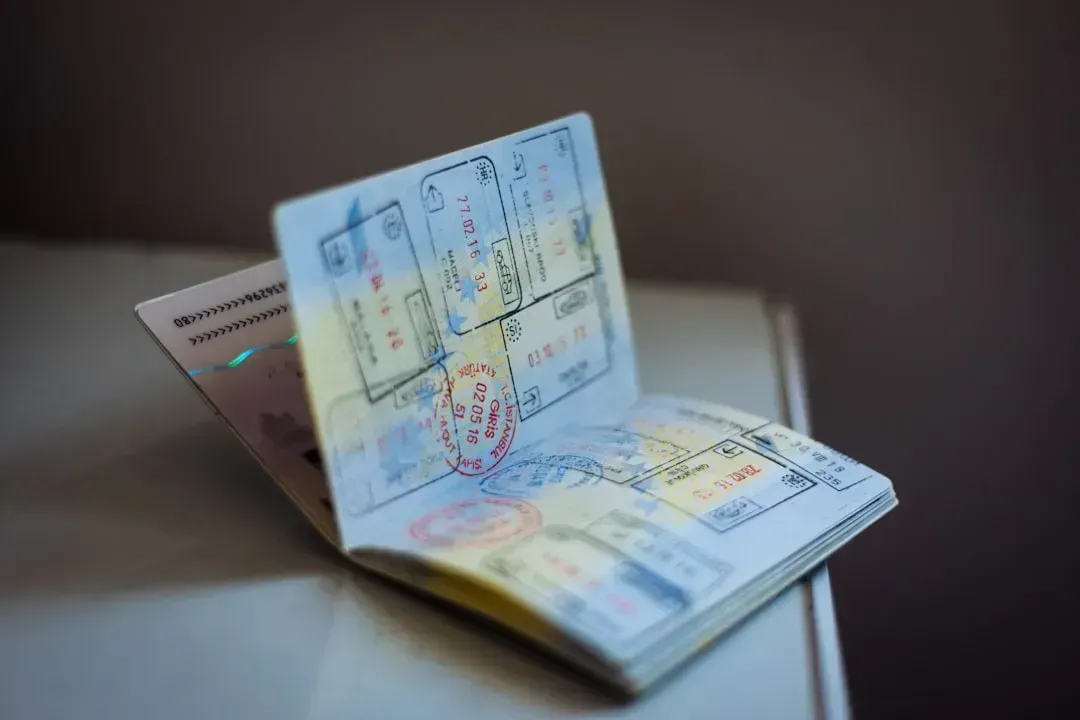
Water damage or defects on the photo page are grounds for denial in countries like Thailand and Vietnam. That coffee spill you thought dried nicely? Immigration scanners see it differently. Severe water damage typically requires travelers to obtain a replacement passport before flying internationally.
Once there’s water damage, torn or missing pages, peeling laminate or an unreadable photo, it’s considered damaged and could get you denied at the airport. The warping of pages, even subtle crinkling, can prevent biometric chips from being read properly. Border officials might also suspect the document was tampered with while wet.
Your Passport Needs More Than Just Future Expiration Dates
Many countries enforce the six-month passport validity rule, requiring government-issued identification to remain valid for at least six months beyond the date of entry, and failing to meet this rule can result in denied boarding or being turned away at immigration. In September 2024, British Airways denied Kathleen Matheson boarding on a flight to Florida because staff said she needed at least six months left on her passport to enter the United States, in line with U.S. Customs and Border Protection guidelines requiring passports valid for six months beyond the intended stay unless the traveler’s country is exempt.
This confusion stems from varying requirements by destination. Most countries enforce either a six-month or three-month rule to make sure travelers can complete their trips without having to renew their passports. Still, airline staff sometimes apply the wrong standard, leaving travelers stranded even when they technically meet entry requirements.
Blank Pages Matter More Than Most Travelers Realize
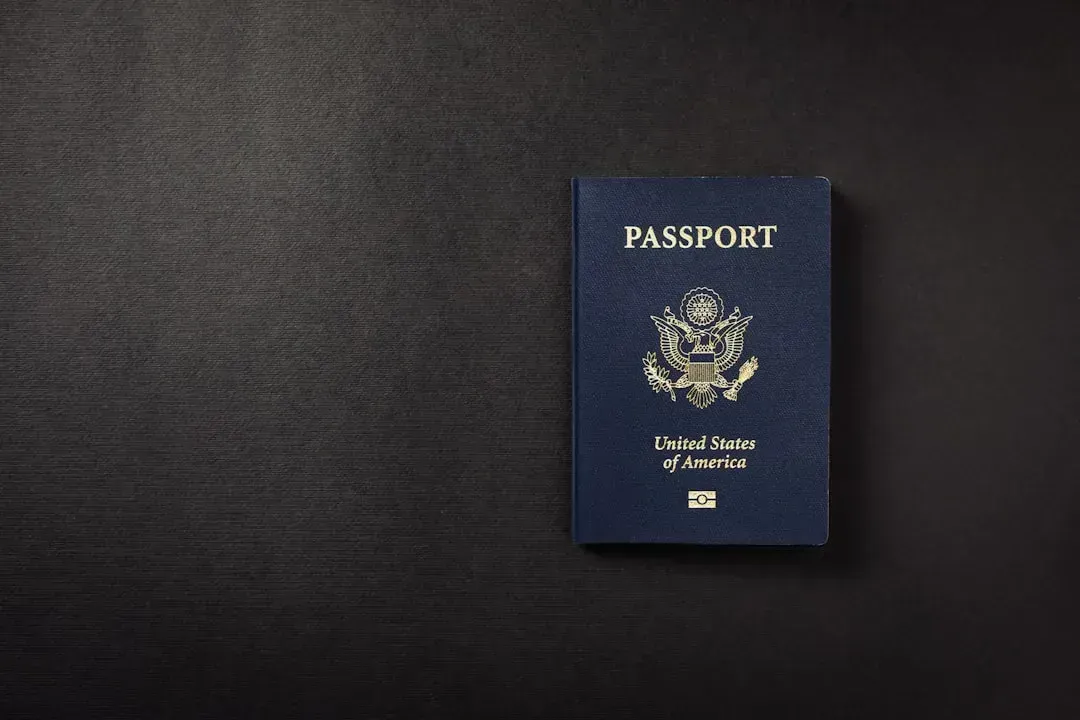
Some countries require passports to have at least two to four blank visa or stamp pages, and airlines will not allow you to board if this requirement is not met. While most countries require at least one blank visa page in your passport, some countries might require two blank pages or more, with some countries requiring two or more pages.
Not meeting this requirement can cause problems at borders, as the passport will technically be invalid and the person may not be allowed to board the plane. Honestly, it sounds excessive until you consider how visa stamps work. Some nations use full-page visa stickers. Others need multiple pages for entry and exit stamps during a single visit.
The Biometric Chip Failure Nobody Talks About
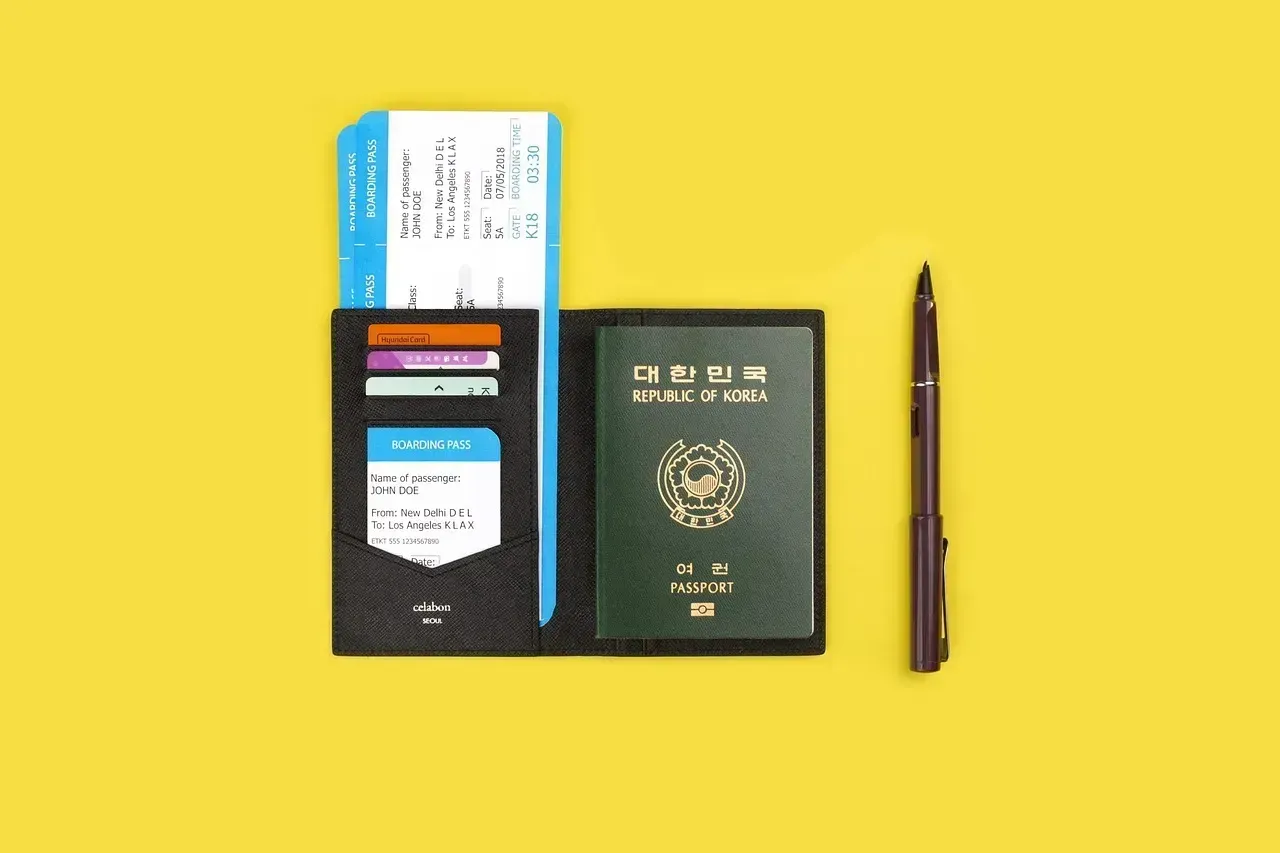
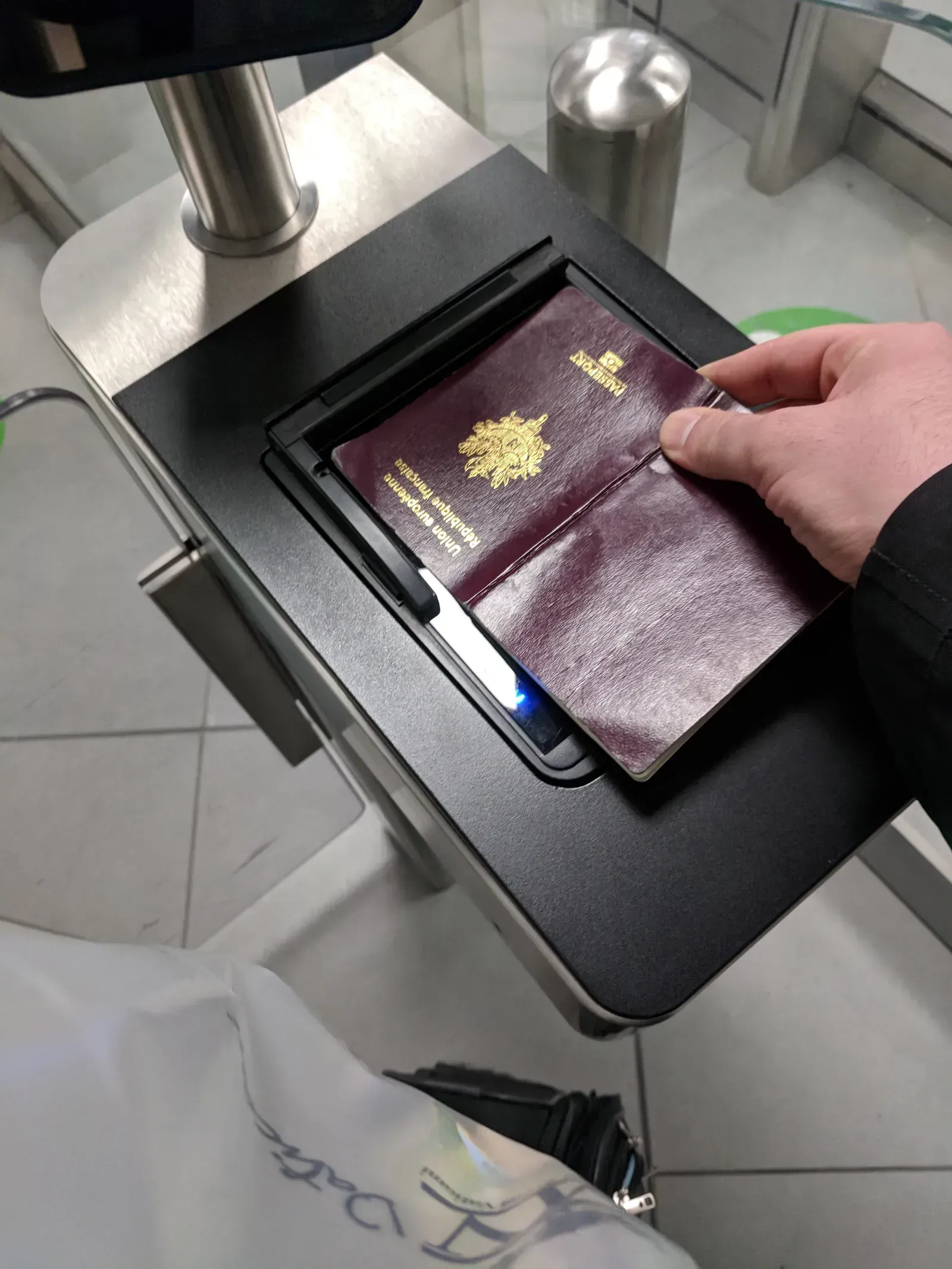
E-passports contain RFID chips storing biometric data, and airlines have reported boarding delays due to non-functional chips, with chips cracked from mishandling or extreme pressure preventing electronic scanning and forcing manual verification that can take 15 to 30 minutes per passenger. That slight bend you put in your passport while shoving it into your back pocket? It might have just cracked the internal circuitry.
Modern passports contain microchips, holograms and machine-readable zones, and if any of these features are compromised, scanners may fail, which can lead border officials to suspect tampering and increase the risk of refusal. I know it sounds crazy, but immigration technology is both incredibly sophisticated and frustratingly fragile.
Peeling Lamination Creates Fraud Suspicions
Some passports use laminated pages to protect personal data, and peeling laminates can compromise printed details, as airline personnel note that peeling laminate can prevent proper scanning, especially if lamination lifts by one to two centimeters or more. The protective layer over your photo page isn’t just decoration. It’s a security feature.
Damage causing the front cover to separate from the information page containing your photo can raise suspicion that the original image was removed or replaced. Border agents are trained to watch for tampering. A lifted laminate screams potential fraud, even when it’s just normal deterioration from a well-traveled document.
Faded Text and Smudged Ink Trigger Rejections
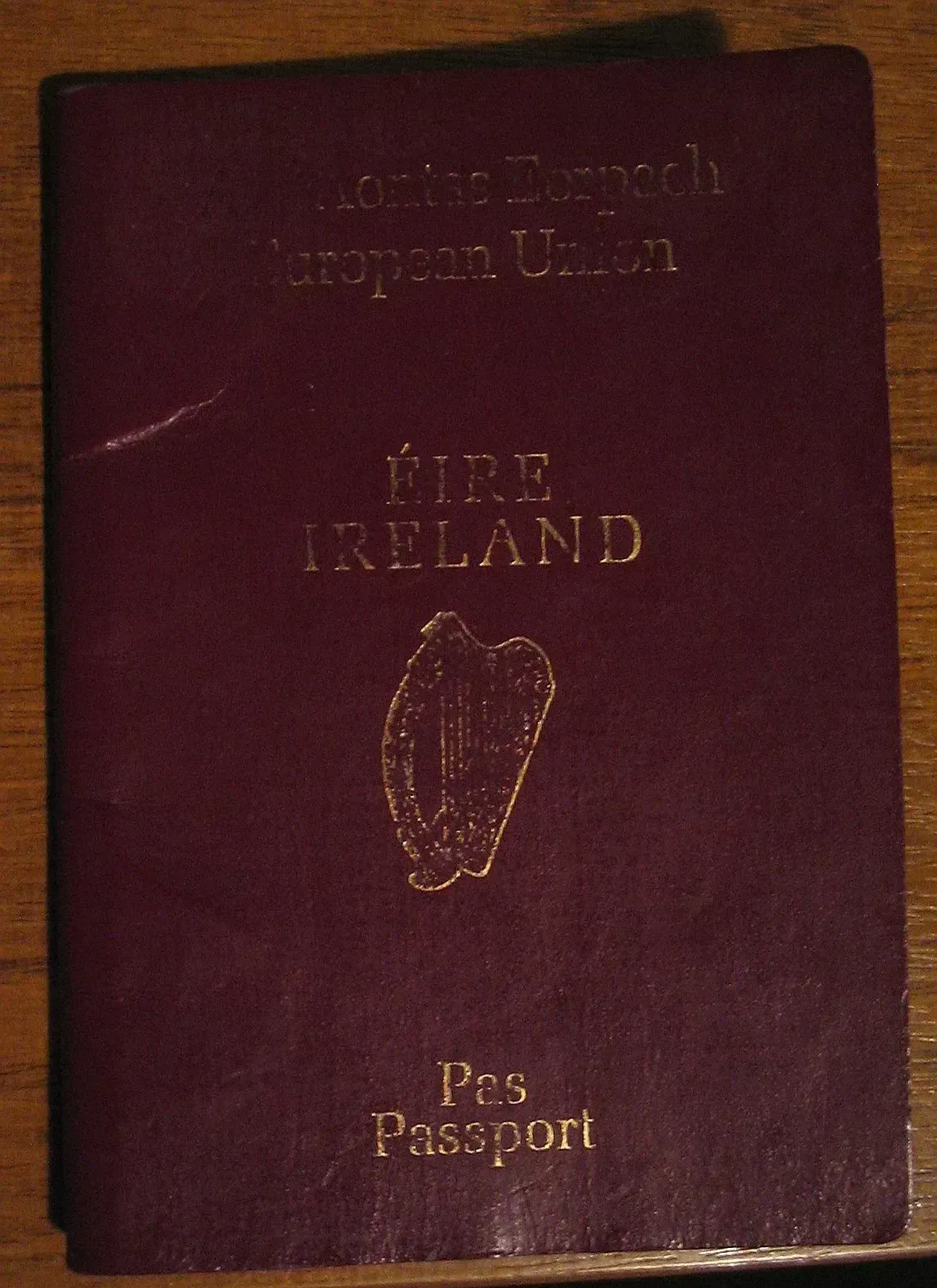
Faded or smudged text is a common reason airlines reject boarding, and EU immigration authorities have reported denied passports due to illegible information. Critical data like your name, date of birth, and passport number must be clear for automated scanners, and airlines often check the legibility of both printed text and handwritten annotations, with even slight fading potentially forcing staff to manually verify details and delay boarding or cause travel refusal.
Let’s be real: machines can’t read what they can’t see. Those fancy airport scanners need crisp, clear text to process you through. When ink fades or smudges from humidity or handling, the automated systems fail.
Airlines Are Getting Stricter Due to Heavy Financial Penalties
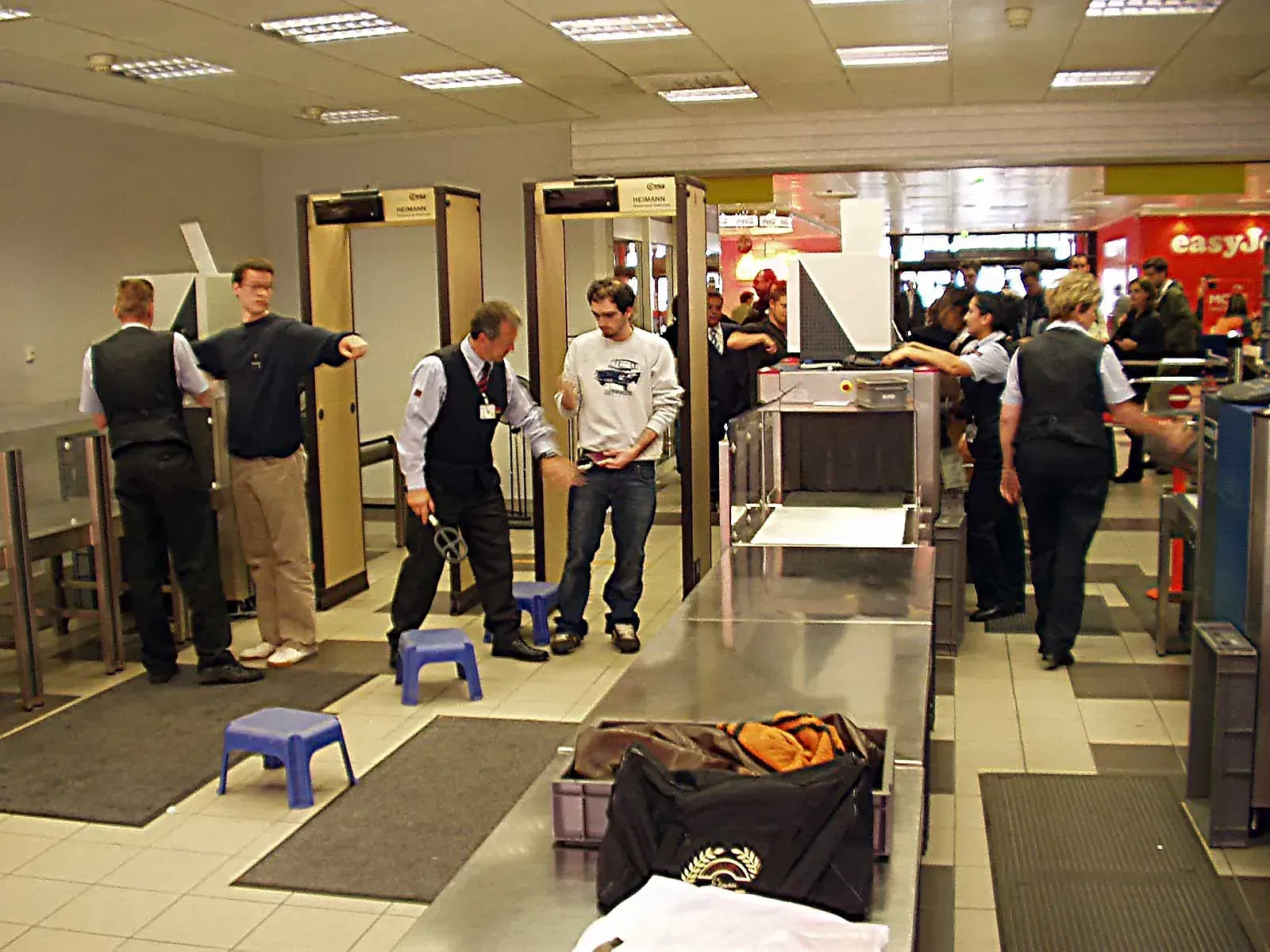
When it comes to border control, airlines have nothing to gain and everything to lose by taking any risks, as if a passenger is denied due to a damaged passport, the passenger must be returned home on the next available flight at the airline’s expense, the airline gets fined, and in the vast majority of cases the passenger now blames the airline for not following procedure. The stakes are enormous.
Thousands of passengers have been denied boarding on U.S. flights due to passport issues. Gate agents aren’t making arbitrary decisions. They’re following strict protocols because one wrong call can cost their employer thousands and create international legal headaches.
Normal Wear Versus Damage Remains Frustratingly Subjective
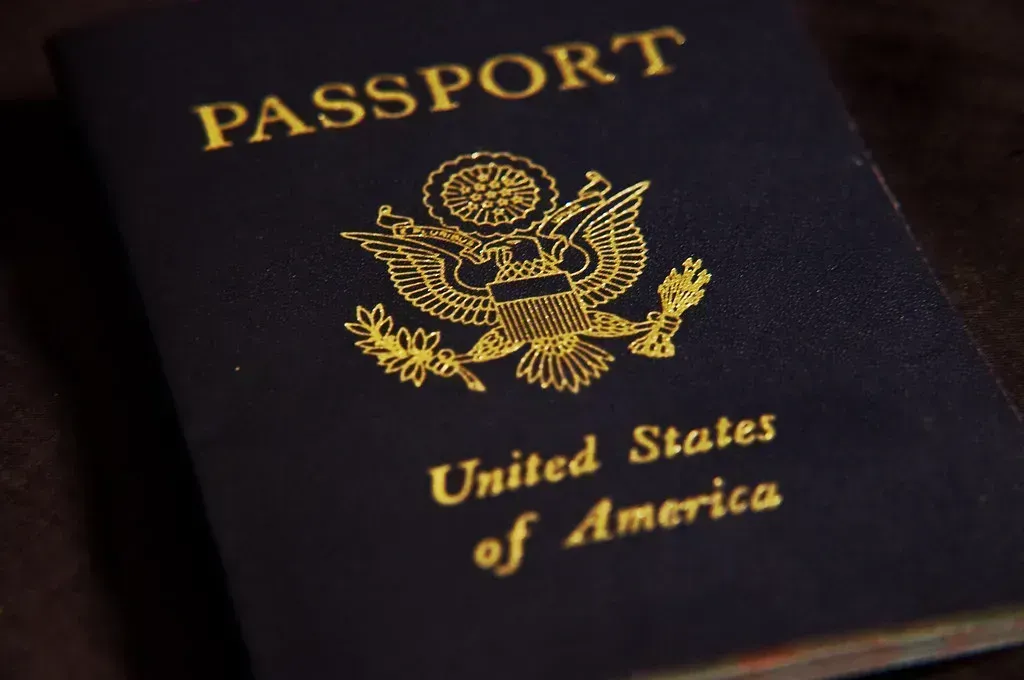
Normal wear and tear refers to natural aging like the bending of a passport after being carried in your back pocket or the fanning of the visa pages after lots of opening and closing, with light creasing from travel being common as long as the information, security and passport photo remain intact. The problem? Different officials interpret “normal wear” differently.
There’s a great deal of discretion in these decisions, as the officer checking passports in lane one may say it’s fine, but the one in lane two says no. This inconsistency drives travelers mad. You might sail through security at your departure airport only to be refused entry at your destination.
Prevention Beats Emergency Replacement Every Time
If damage is discovered before leaving the United States, the best option is to contact a regional passport agency immediately, as these agencies have the ability to issue same-day passports in cases of imminent travel, provided you can show proof of an international departure within fourteen days. Planning ahead saves massive headaches.
The State Department currently says that it can take about six to eight weeks for routine processing requests and two to three weeks for expedited service. Don’t wait until the week before your trip to inspect your passport. Check it when you book your flights. Look for tears, water stains, lifted lamination, faded text, or anything beyond the typical aging of a well-used document.
Travelers increasingly face rejection for passport issues that seem trivial yet violate complex international standards. Gate agents are enforcing stricter rules than ever before, driven by hefty fines and legal obligations. Your best move? Examine your passport critically now, treating even minor damage as a potential dealbreaker. Replace it early rather than gambling with your vacation plans. What might seem like paranoia today could be the decision that saves your dream trip tomorrow.