14 Dinner Staples You’ll Only Recognize if You Grew Up in an ’80s Household
You ever find yourself standing in the frozen aisle, staring at those neat little boxes, and feeling like something’s missing? If you’re old enough to remember the Reagan era, that missing piece might be the thrill of peeling back aluminum foil from a steaming tray or shaking breadcrumbs onto pork chops straight from a box. The eighties were a decade when convenience collided with nostalgia in ways that shaped dinner tables across America. Let’s take a trip back to a time when microwaves were magic machines and casseroles ruled the roost.
Hamburger Helper’s One-Pan Wonder
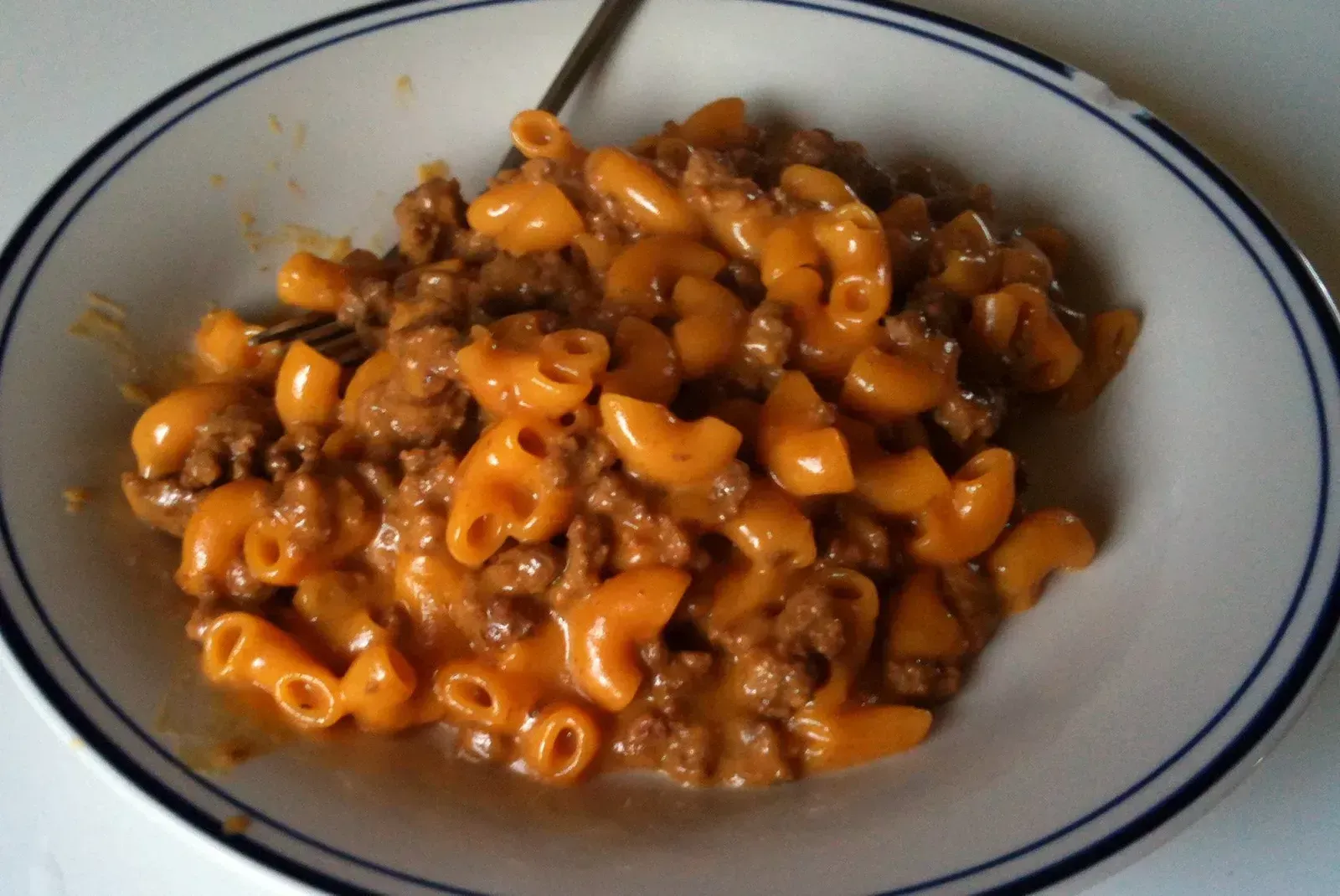
Hamburger Helper made its national debut in August 1971, right when beef prices were climbing and families needed to stretch their grocery budgets. Even today, Hamburger Helper remains popular, with sales up nearly 15% year-over-year as reported in 2025. The concept was brilliant in its simplicity. You browned a pound of ground beef, tossed in the dried pasta and seasoning packet, added milk and water, and boom. Dinner was ready in one pot. Cheeseburger Macaroni became the superstar flavor, though Beef Stroganoff and Chili Mac had their devoted fans too. Lefty, that weird four-fingered glove mascot, haunted our TV screens and somehow made stirring noodles seem exciting. Parents loved it because it was cheap and quick; kids didn’t complain because it tasted like comfort on a weeknight.
TV Dinners in Aluminum Trays
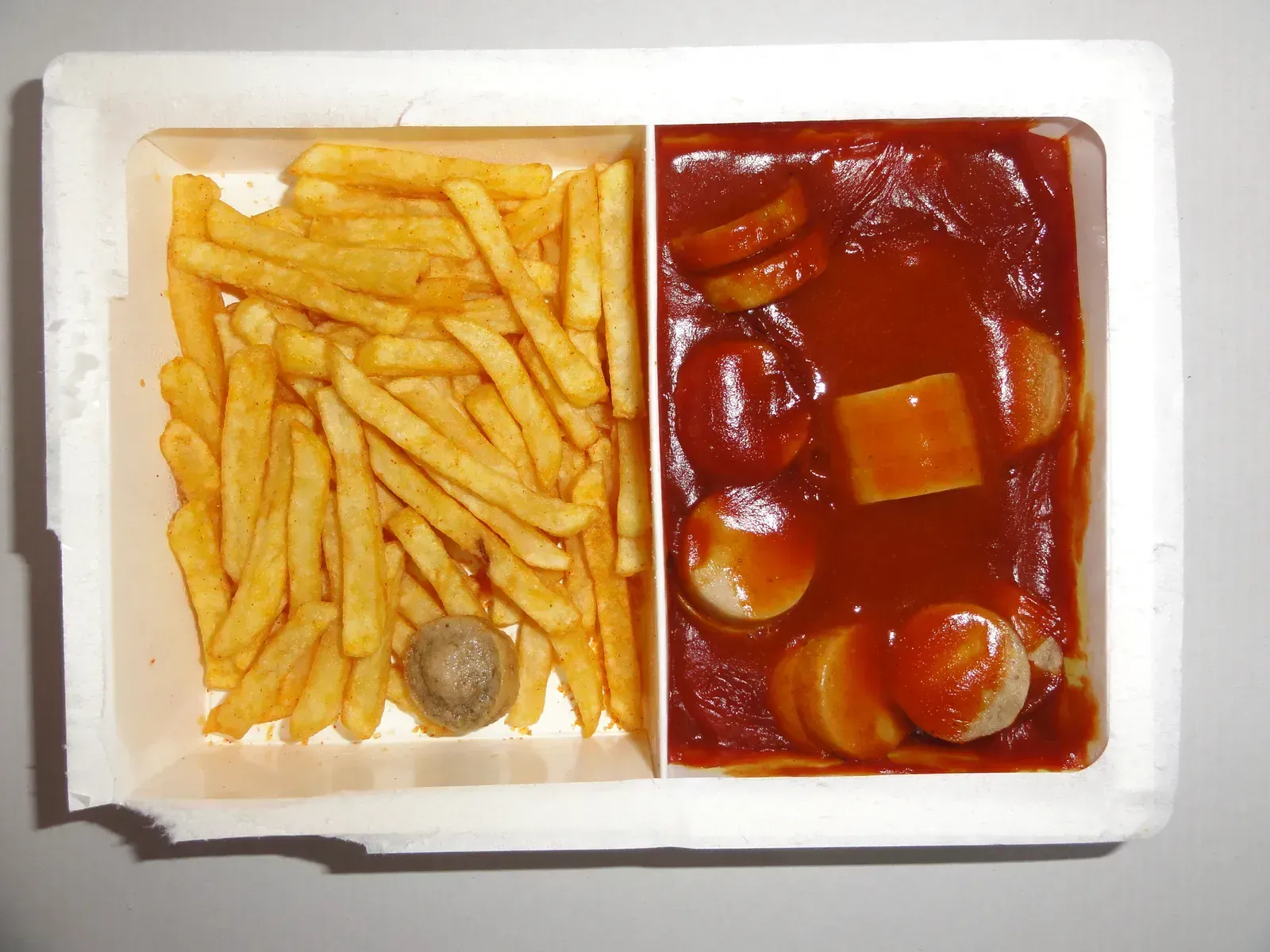
Originally sold in aluminum trays, TV dinners were overhauled in the 1980s to become near-instant microwaveable meals in plastic containers. Before that shift happened though, many eighties households were still popping those metal trays into the oven. Meals like TV dinners became staples, providing everything from Salisbury steak to chicken and vegetables in one neat, pre-packaged tray. You’d wait roughly twenty-five minutes for that turkey, mashed potatoes, and mystery vegetable medley to heat through. The compartments kept everything separate, which felt wildly sophisticated at the time. According to data from the U.S. Census Bureau, between 1950 and 1955, the percentage of American households owning TVs jumped from 9% to over 64%, and by the eighties, eating dinner in front of the TV had become completely normalized.
Sloppy Joes From a Can
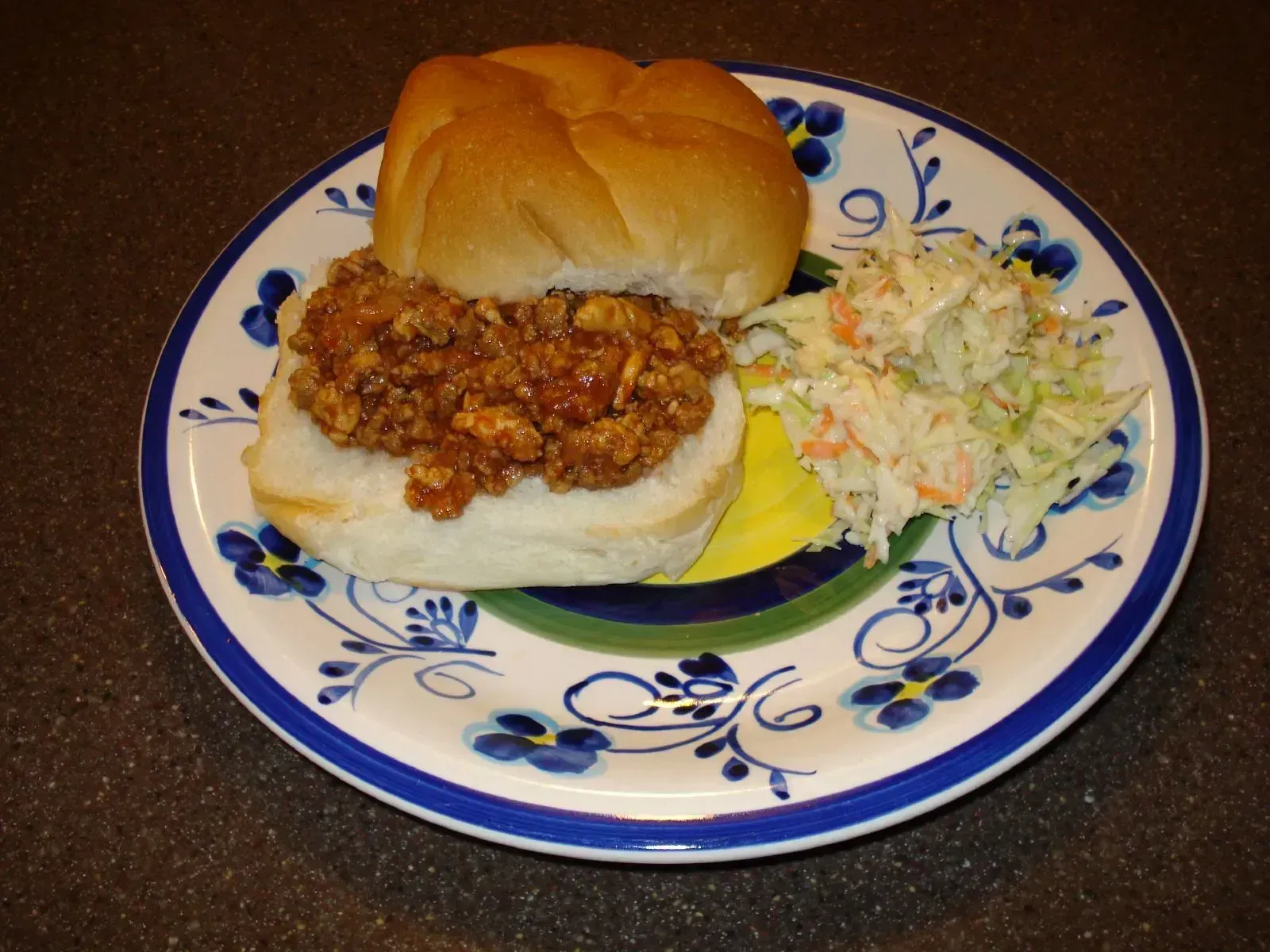
Canned Manwich, arguably the most popular way to make sloppy joes, was introduced in 1969, but it really took off in the ’80s. There was something deeply satisfying about opening that can, browning ground beef, and dumping the tangy, sweet sauce over the meat. Within minutes, you had a sloppy, messy sandwich that didn’t photograph well but tasted like childhood. In the ’80s, Sloppy Joes saw an uptick in popularity because they were a cheap and easy dinner idea for busy families. Honestly, they were forgiving too. You could stretch a pound of beef into six sandwiches if you needed to. Kids adored them, parents appreciated the simplicity, and everyone accepted that napkins were mandatory.
Shake ‘N Bake Pork Chops
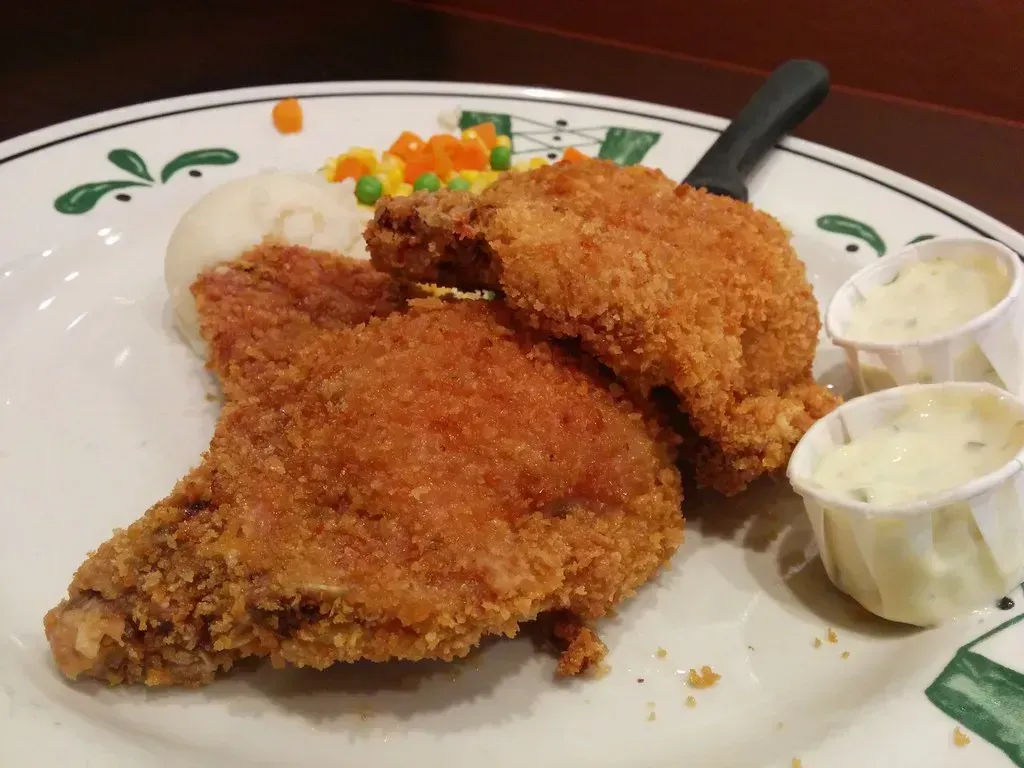
Making breaded pork chops on the stovetop was messy, with oil splattering everywhere. Shake ‘N Bake solved all that nonsense. You placed the pork chops in a bag filled with seasoned breadcrumb coating, shook it like you were making a cocktail, and baked them in the oven. Plus, it was marketed as a healthier alternative to frying, and everyone who was doing aerobics with Richard Simmons in the ’80s was into that. The ritual of shaking that bag became a family affair. Kids fought over who got to do the shaking, and parents appreciated the reduced cleanup. The resulting chops were crispy, golden, and tasted way better than they had any right to.
Tuna Noodle Casserole
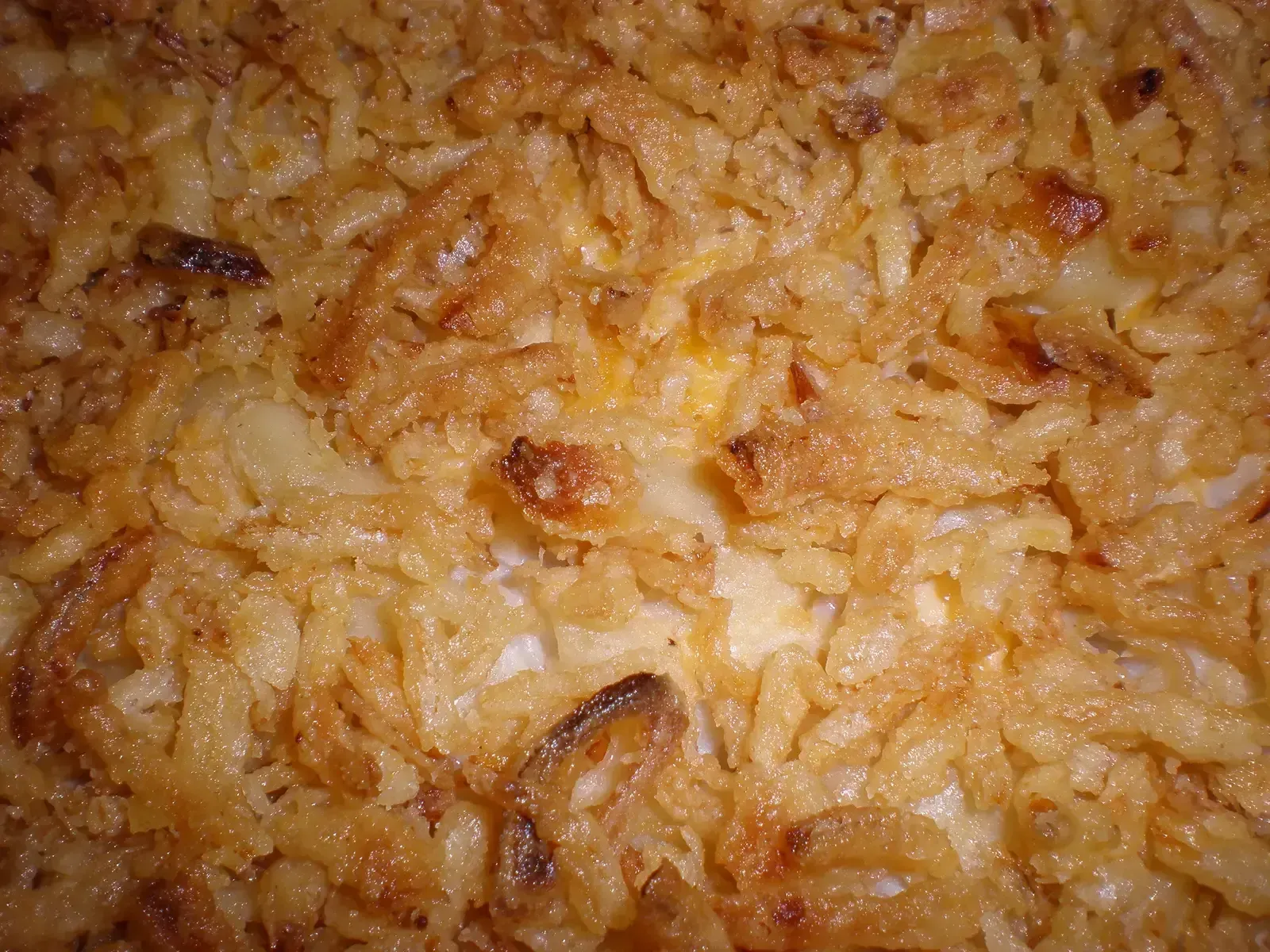
Elbow macaroni, canned tuna, cream-of-mushroom soup, something crispy on top – chips, breadcrumbs, or those little fried onions that somehow made everything taste like a holiday. Tuna noodle casserole was the ultimate batch-cooking champion. This dish was the ultimate example of making something satisfying from pantry staples. You could make it ahead, freeze it, or bring it to a potluck without worrying whether anyone would eat it. The texture contrast between the creamy interior and crunchy topping made it weirdly addictive. It wasn’t glamorous, yet it appeared on dinner tables week after week because it worked.
Kraft Macaroni and Cheese
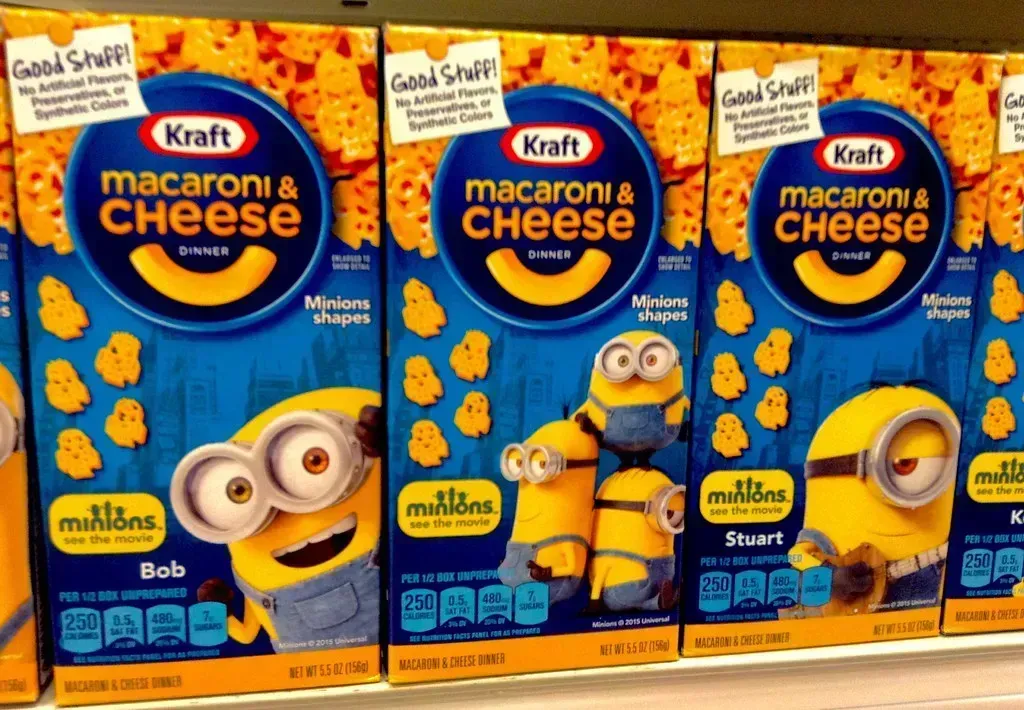
Kraft Macaroni & Cheese became a household staple, and for good reason. It was quick, easy, and relatively inexpensive. That bright orange powder transformed into a cheese sauce that bore little resemblance to actual cheese, yet somehow tasted exactly right. Macaroni and cheese, the kind made from a box manufactured by the likes of Kraft, has been a universally popular meal for kids for decades – particularly in the 1980s – and it certainly felt like a home-cooked meal. Water had to boil to make sure those tiny pieces of elbow pasta got soft, and it needed a little bit of milk and water to finish the cheese sauce made possible by the highly scientific and mysterious sealed envelope of salty, bright-orange, cheddar-flavored powder. You could dress it up with hot dogs or leave it plain. Either way, it was dinner in under ten minutes.
Meatloaf With Ketchup Glaze
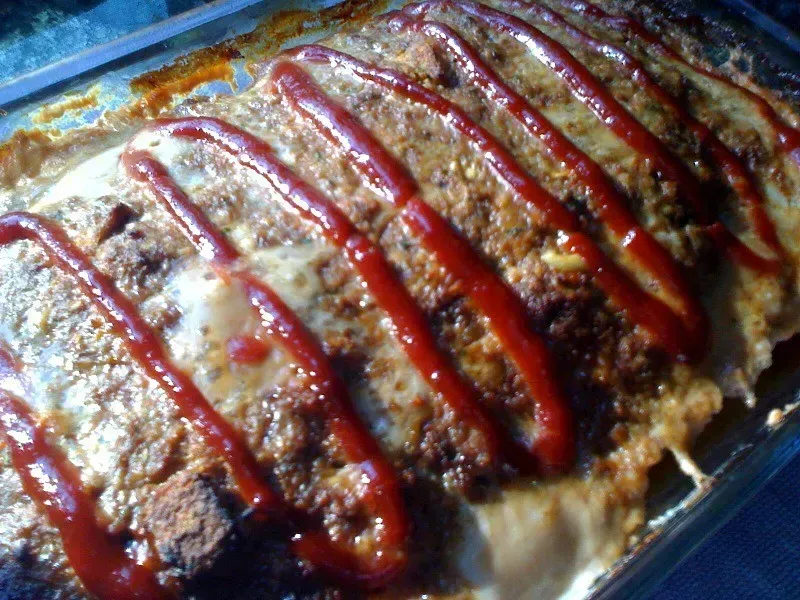
No dish screams “1980s family dinner” like meatloaf. It was humble, hearty, and endlessly customizable. It wasn’t anyone’s favorite, but it always got eaten. A recent trend report by Tastewise’s meatloaf trend found that it is classic comfort food, and it remains a classic comfort food in American kitchens. Made from ground beef mixed with breadcrumbs, onions, and whatever else Mom felt like tossing in, meatloaf was a budget stretcher. Meatloaf glazed in ketchup or BBQ sauce had a caramelized crust that paired well with the soft inside. Leftover meatloaf sandwiches the next day became legendary in their own right.
Chicken Divan Casserole
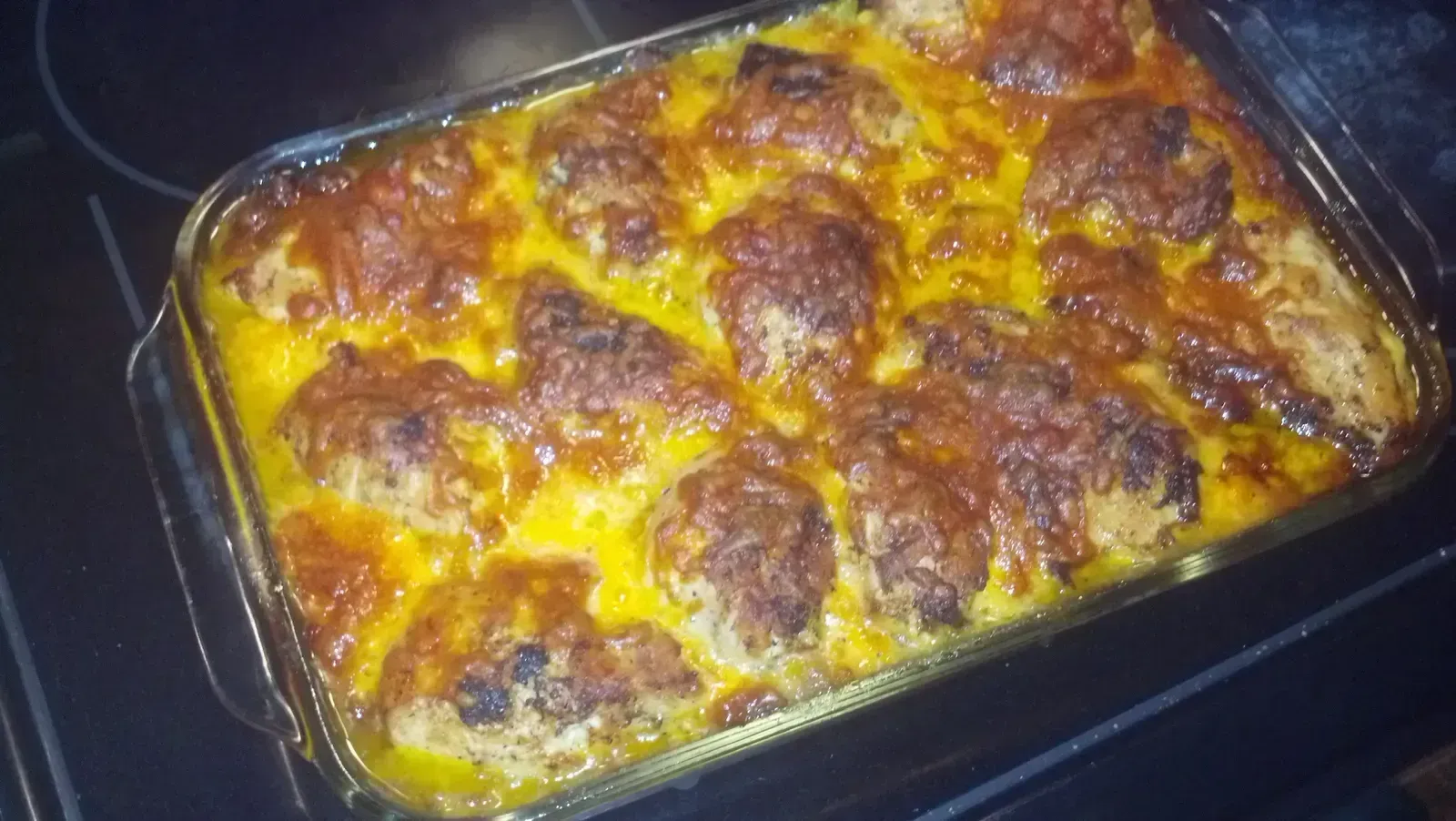
Chicken Divan is an easy casserole that is full of rotisserie chicken and broccoli. It has the perfect crunchy top and wonderful on its own or served over rice or pasta. This dish combined cooked chicken, broccoli, and a creamy sauce made from cream of chicken soup and mayonnaise, all topped with buttery breadcrumbs or crushed crackers. It was simple, fast, and required very little work. The beauty of Chicken Divan was its adaptability. You could use leftover chicken or a rotisserie bird from the grocery store. Frozen broccoli worked just fine. Throw it together, bake it, and dinner was done.
Spaghetti With Jarred Sauce
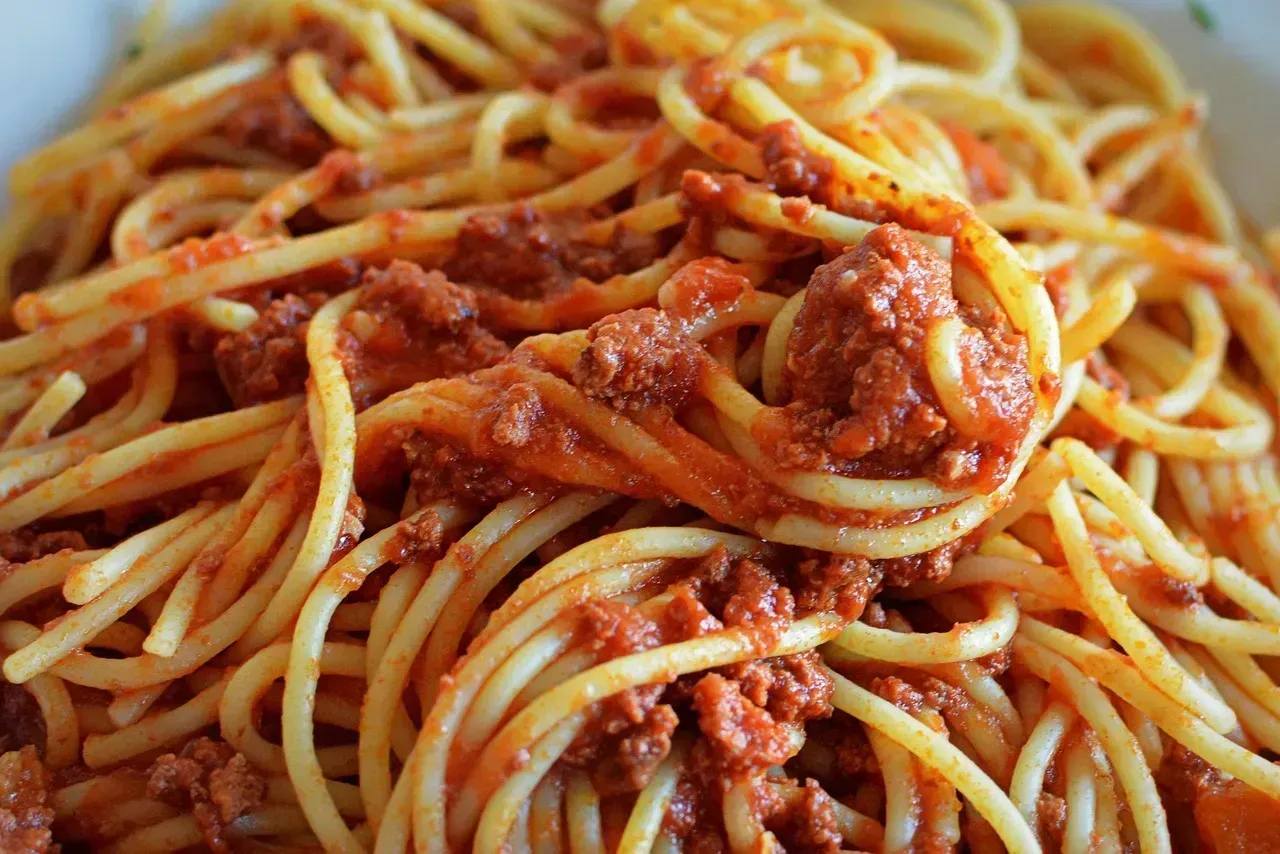
Premade spaghetti sauces hit the mainstream in the U.S. in the 1970s and were well entrenched by the 1980s, thanks in part to the proliferation of multiple variants of Prego and Ragu. Developed specifically to meet the tastes of Americans, those sauces moved spaghetti night out of being an all-day process into an inexpensive weeknight meal option. A box of pasta, a jar of sauce, maybe some Parmesan from the green can, and you were good to go. There was no fussing over al dente timing or fancy olive oil. Families gathered around the table, twirled noodles on their forks, passed garlic bread, and caught up on the day. Even if the sauce came from a jar, the ritual felt homemade.
Beef Stroganoff (Ground Beef Version)
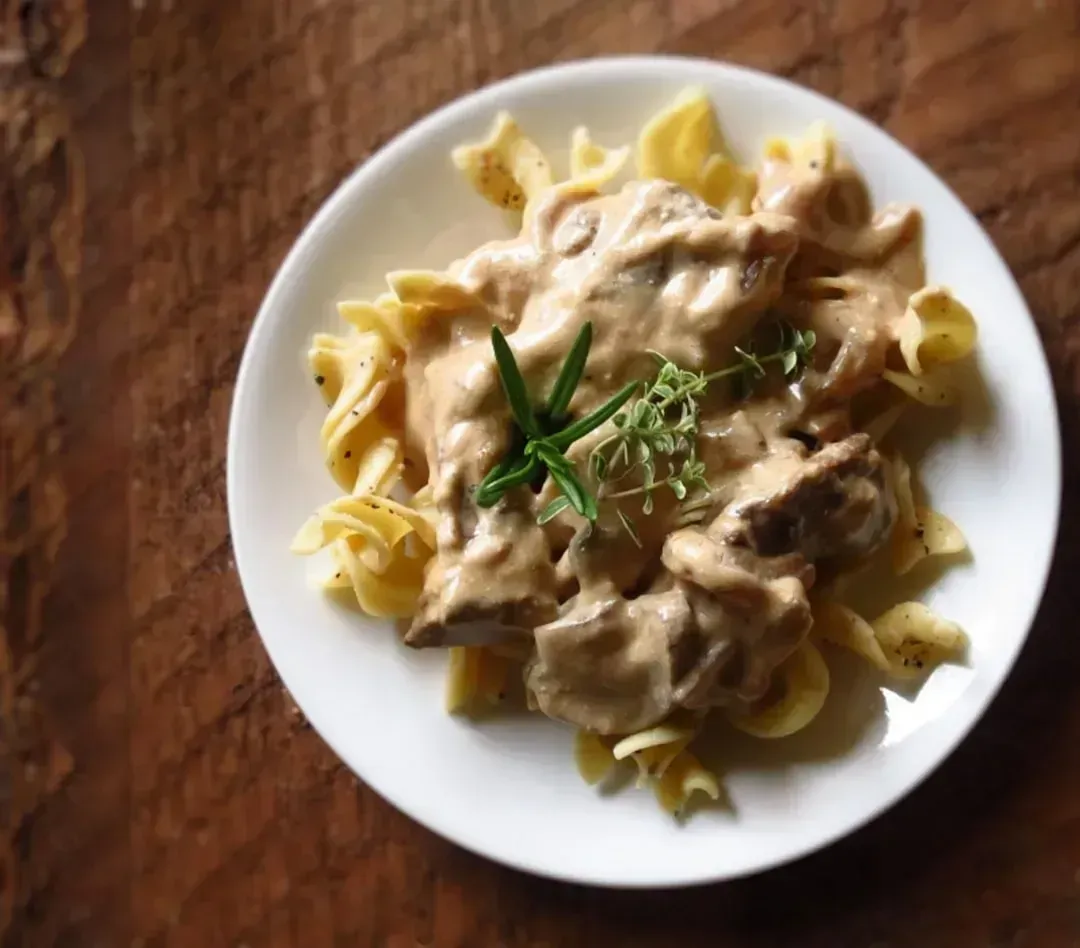
Sure, some people demanded steak in their stroganoff, but middle-class moms knew the best shortcut: ground beef. Sure, it may have turned into a very unappetizing-looking slop by the time dinner was ready, but it sure tasted good. Hamburger Helper was the standard, but some moms made their own with canned cream of mushroom soup instead. You’d serve it over egg noodles and call it a night. The sauce was creamy, the noodles were comforting, and nobody complained about the appearance once they took a bite. It was one of those dishes that looked terrible but delivered on flavor in ways that mattered.
French Bread Pizza
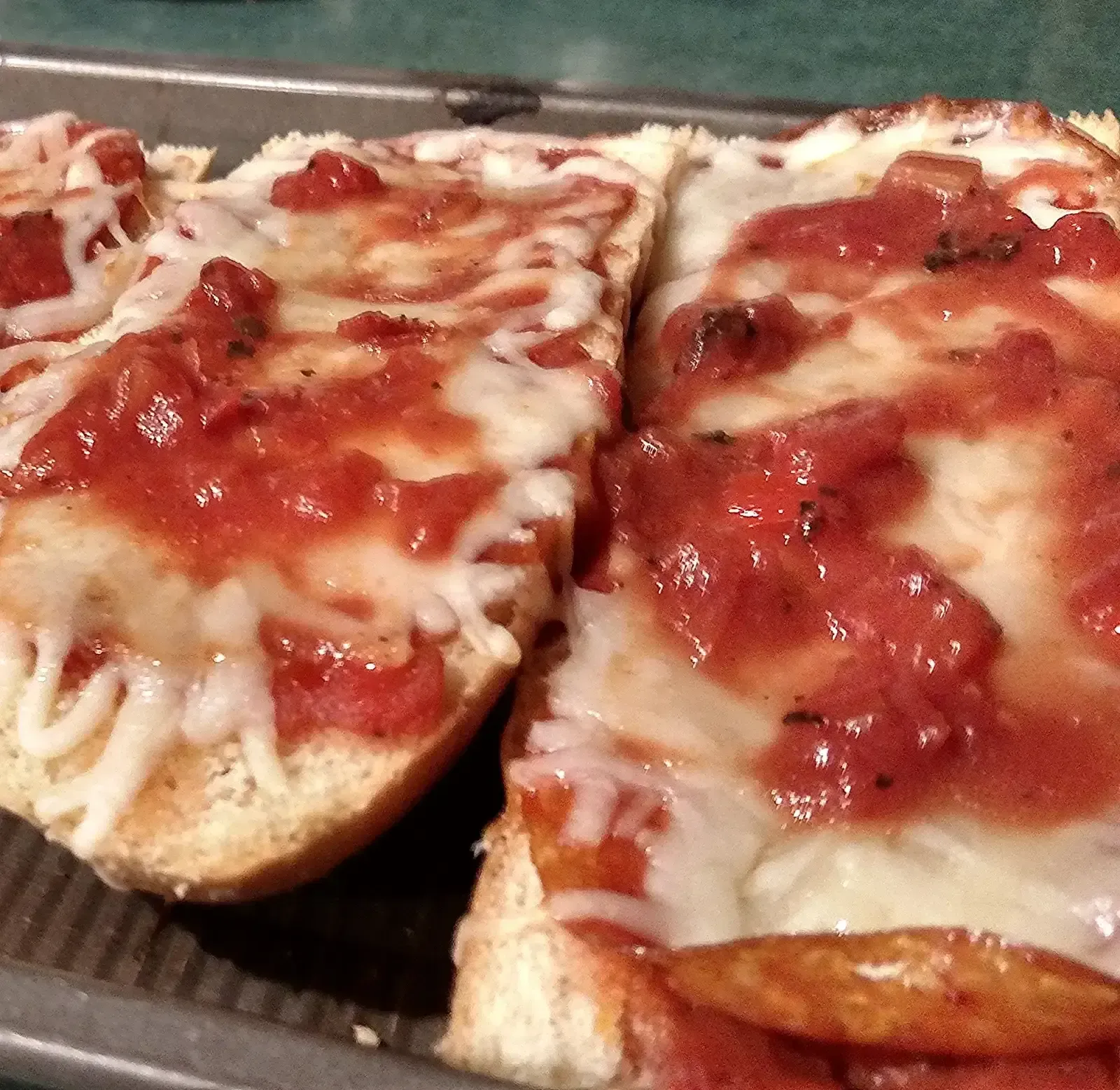
How do you make staple food pizza more fun, and most importantly, easier to make at home? Skip the dough and put it on a loaf of store-bought supermarket French bread instead. The crust was always crunchy, the middle bread was always a bit soggy from the sauce, and there was always plenty of cheese and pepperoni. Even frozen, microwavable French bread pizzas were a hit back then. You could customize each half with different toppings, which made it perfect for picky eaters. It felt like a fun dinner rather than a chore, and kids loved helping assemble them.
Jell-O Salads
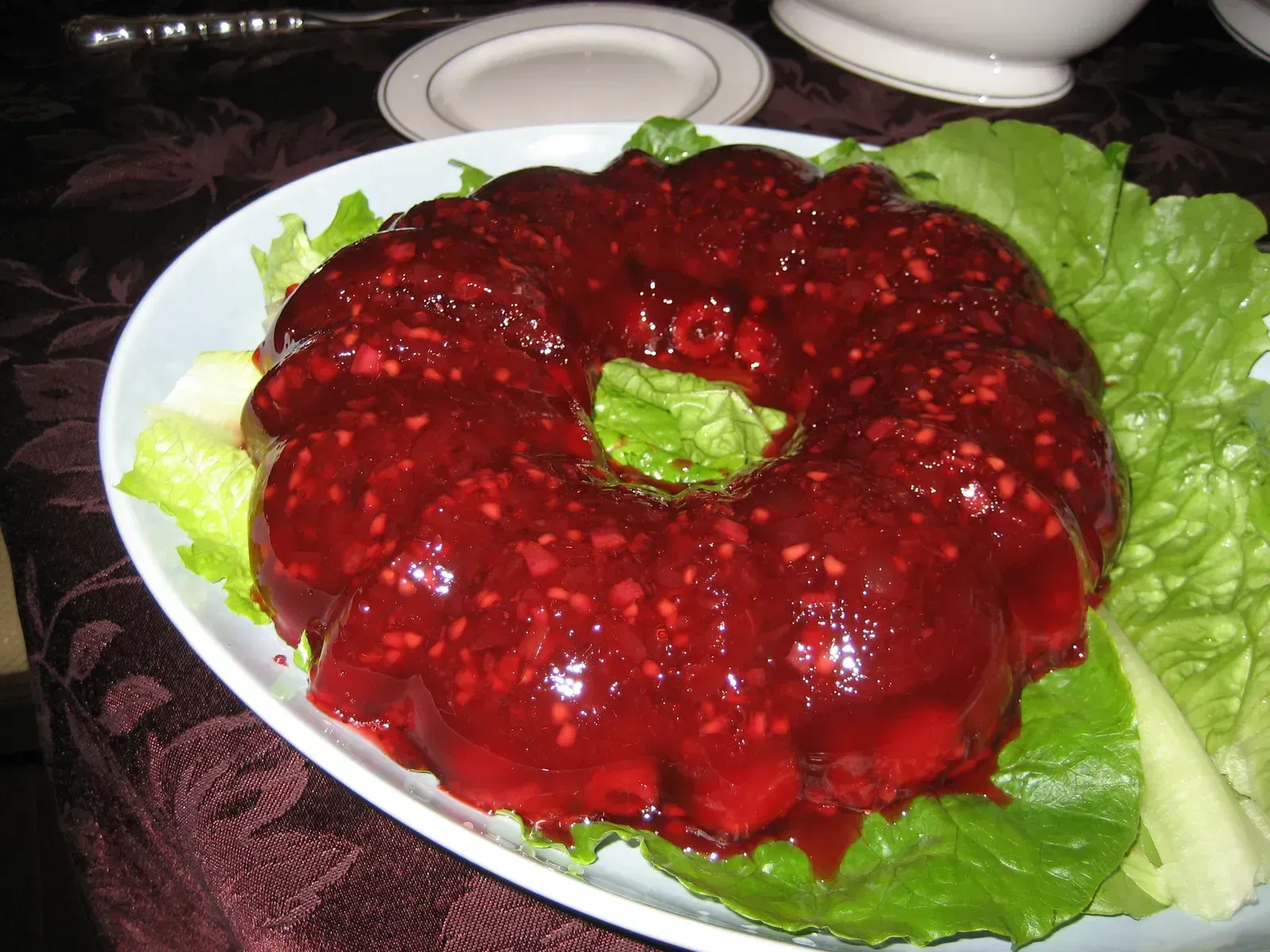
Jello salads were especially fashionable in the suburbs in the 1950s. They were seen as a marker of sophistication, elegance and status, indicating that a housewife had time to prepare jello molds and that her family could afford a refrigerator. By the eighties though, the popularity of Jell-O salads had steadily decreased. Many Jell-O dishes, such as desserts and Jell-O salads, became special occasion foods rather than everyday items. Still, plenty of households served them at holidays and potlucks. You’d see lime Jell-O mixed with cottage cheese, or strawberry Jell-O layered with Cool Whip and fruit cocktail. Sweet, jiggly, and polarizing, Jell-O salads divided families but remained a fixture on buffet tables.
Seven-Layer Dip
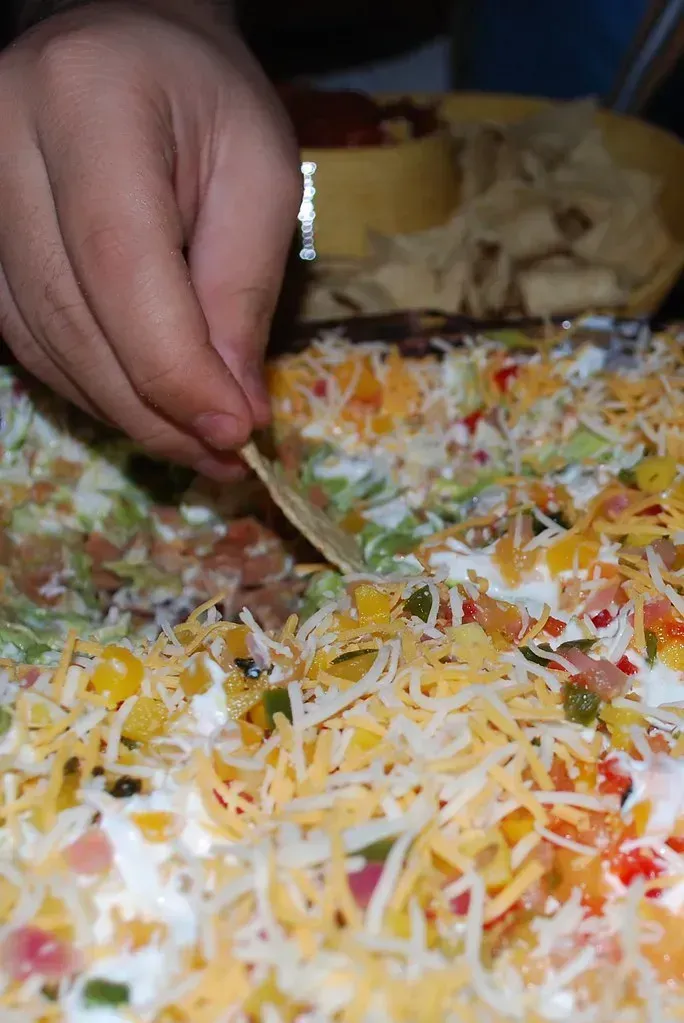
7-layer dip reigned supreme in the 1980s. Tex-Mex food (we thought of it as just “Mexican food” back then) was gaining popularity fast, and this dip layered all the best stuff: guacamole, refried beans, sour cream, veggies, and cheese. The Tex-Mex revolution of the 1980s made salsa America’s favorite condiment by 1991, surpassing ketchup. Seven-layer dip showed up at every party, served with tortilla chips that never lasted long. The layers looked impressive, and guests loved digging through them to get a bit of everything on one chip. It was colorful, festive, and tasted like celebration.
Salisbury Steak Frozen Meals
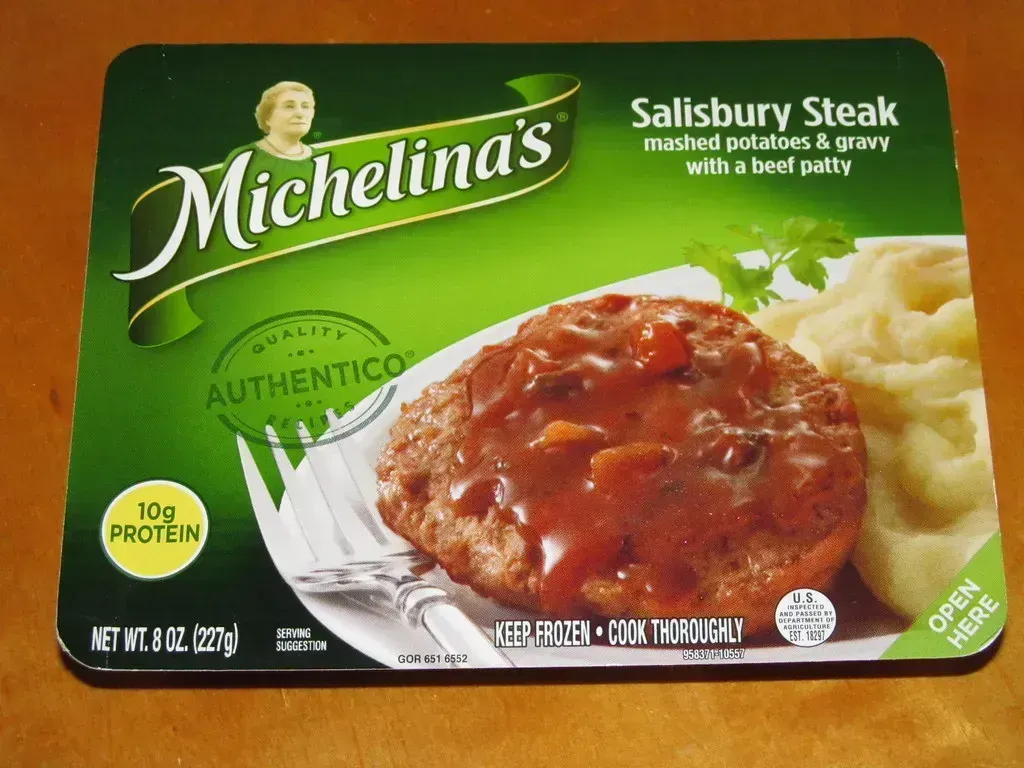
Microwaves were the height of convenience at the time, so frozen meals were popular. One of the most common was Salisbury steak, a seasoned beef patty that’s a burger and meatloaf mashup. It was always drenched in gravy, of course, and usually came with mashed potatoes too. The metal trays gave way to microwavable plastic by the mid-eighties, cutting heating time down to minutes. Salisbury steak dinners became a fallback for busy nights when nobody had energy left to cook. They weren’t fancy, yet they got the job done and tasted consistent every single time.
Looking back at these dinner staples reminds us that food isn’t just about nutrition or flavor. It’s about rhythm, ritual, and the way certain tastes can transport you back to a specific time and place. The eighties taught a generation to embrace convenience without apology, and honestly, there’s something beautiful about that. What was your go-to dinner growing up? Did your family have a favorite casserole night, or were you more of a frozen dinner household? Share your memories in the comments.