Don’t Book Yet: 5 Countries Americans Say They Regret Visiting
Planning your dream vacation can fill you with excitement, scrolling through endless Instagram-worthy photos and reading glowing reviews. Sometimes the reality waiting for you on the other side of that long flight looks nothing like what you imagined. Travel regret is real, and it’s more common than you’d think.
Not every destination lives up to the hype, from unexpected costs to overcrowded attractions and cultural mismatches leaving travelers wishing they had chosen differently. Here’s the thing about travel in 2026: we’re more connected than ever, yet somehow that makes the disappointments sting even harder when a destination falls flat.
Morocco: When Instagram Dreams Meet Harsh Reality
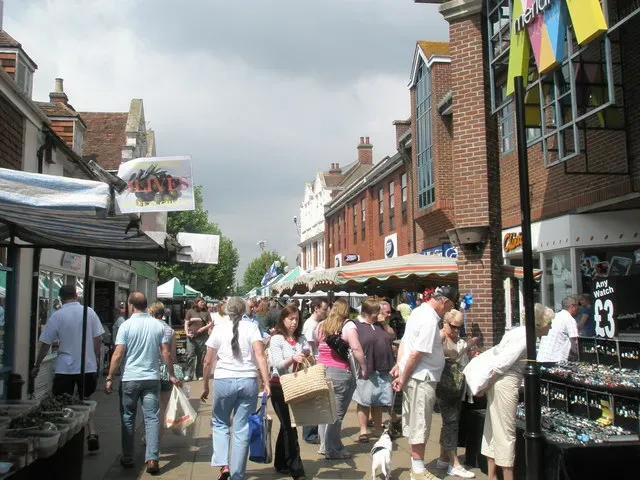
A survey identified Morocco as having the most hostile environment out of almost 70 countries, with travelers reporting being screamed and shouted at for resisting scams. That colorful riad you saw online? Getting there might involve navigating relentless harassment from vendors and touts who simply won’t take no for an answer. Language barriers aren’t just inconvenient here, they’re absolutely crippling, since almost nobody speaks English and even basic signs aren’t translated.
The scamming culture has reached such intense levels that many American tourists report feeling unsafe and constantly on guard. Americans specifically face extra scrutiny and suspicion thanks to ongoing political tensions, with some tourists reporting being followed or questioned by authorities for doing nothing more suspicious than taking photos of buildings. Despite Morocco setting a record with 17.4 million visitors in 2024, many Americans leave feeling like their vacation was spent defending themselves rather than relaxing.
Egypt: Ancient Wonders Surrounded by Modern Hassles
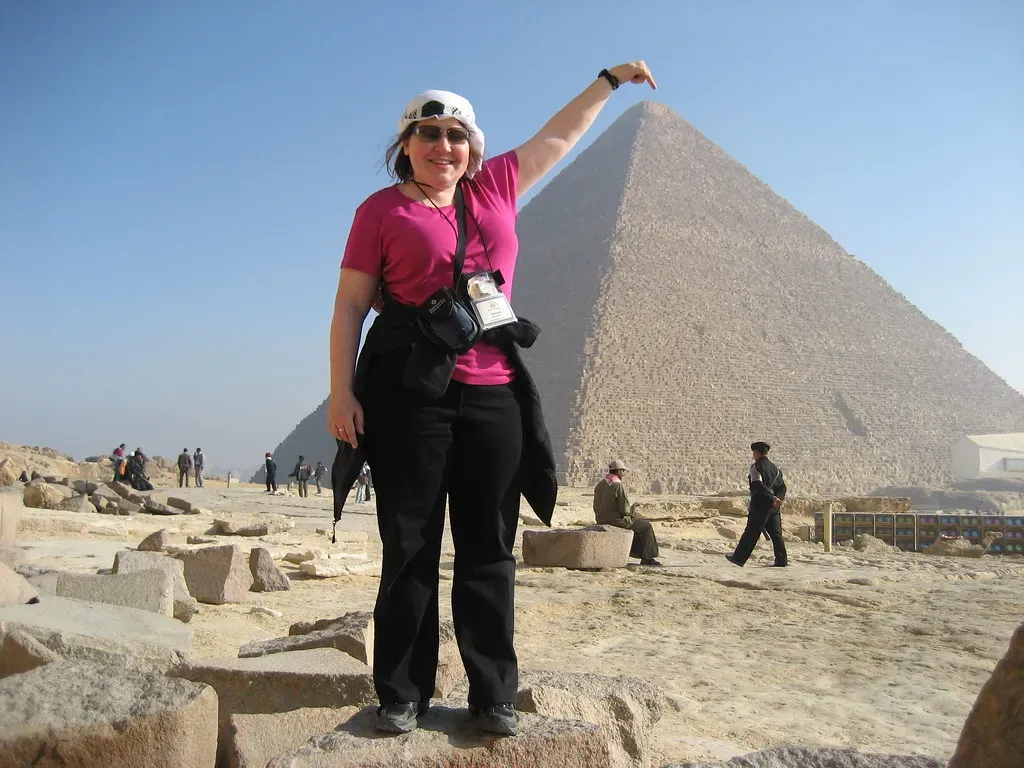
The Pyramids of Giza represent one of humanity’s greatest achievements, yet the experience of actually visiting them has left countless Americans disappointed. Egypt battles problems with high prices, pushy vendors, and a lack of authenticity, with aggressive vendors and hustlers making walking through tourist areas feel like running a gauntlet. The relentless pressure to buy things you absolutely don’t need becomes exhausting within hours.
The poverty contrast shocks Americans who expected tropical bliss but instead see crumbling infrastructure and desperate economic conditions just minutes from luxury resorts, with many tourists reporting feeling trapped in their hotel compounds because leaving means dealing with uncomfortable confrontations. While Egypt reportedly saw 21% growth in arrivals in January-September 2025, the experience quality hasn’t necessarily improved for Western tourists dealing with constant harassment.
Dubai: Artificial Paradise at Premium Prices
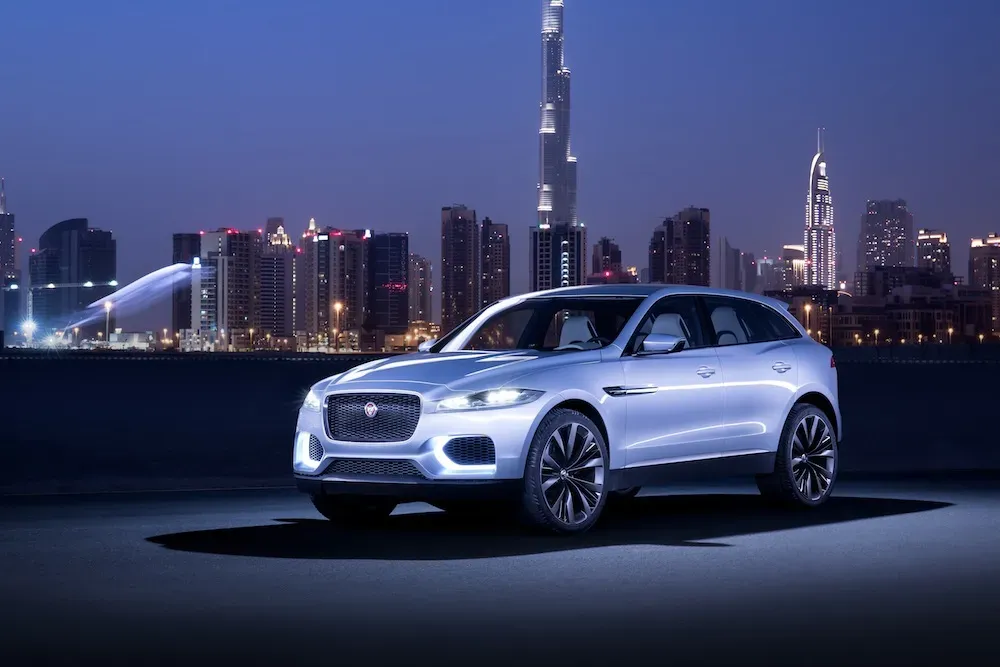
Dubai sells itself as a futuristic playground of luxury and innovation. It has to be one of the worst countries in the world to visit if you’re looking for culture with easy access, as everything feels artificial, manufactured for show rather than substance. You’re essentially paying top dollar to experience what feels like a massive shopping mall with sand attached.
Finding affordable accommodation that isn’t overrun with Instagram models or outrageously expensive proves nearly impossible, while the oppressive heat, lack of walkability, and absence of genuine local culture leave travelers feeling hollow. Dubai welcomed 18.7 million tourists in 2024, a 9% increase from 2023, yet many Americans report feeling disconnected from any authentic cultural experience. The superficiality becomes apparent quickly when you realize the entire city feels designed for photo opportunities rather than meaningful exploration.
Greece: Overcrowded Islands and Disappointed Expectations
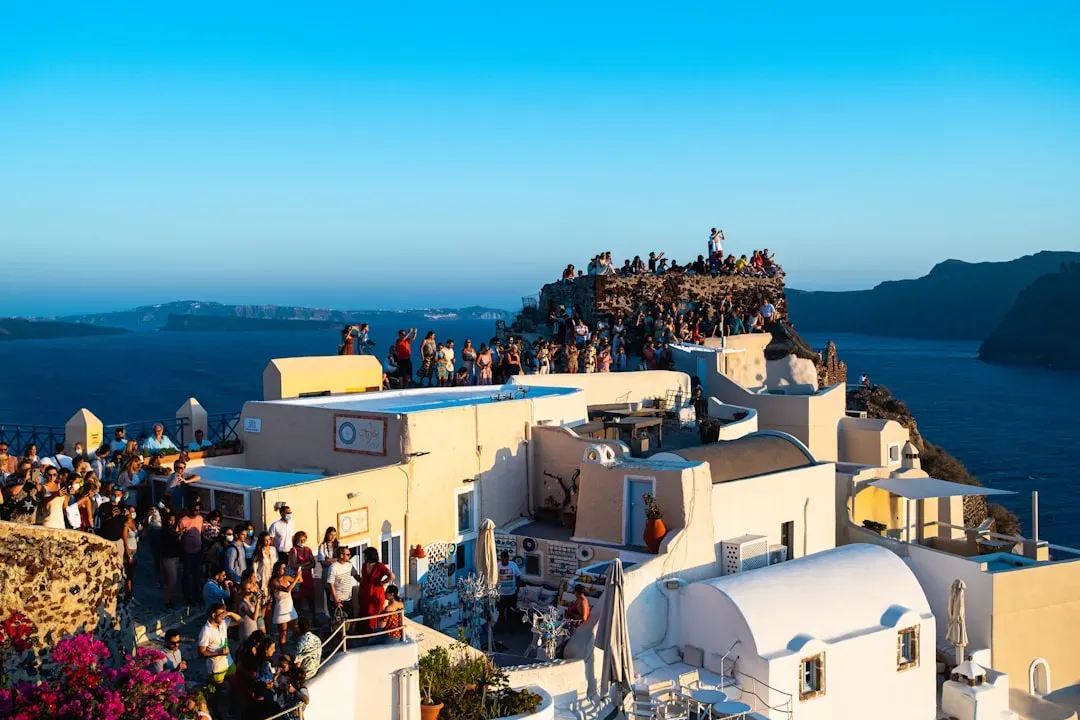
Greece sells you on whitewashed buildings tumbling down cliffsides and endless blue seas, but the reality hits different when you’re shoulder-to-shoulder with cruise ship passengers fighting for that perfect Oia sunset photo, with Santorini becoming so overcrowded that locals are literally begging their government to limit visitors. The romantic Greek island escape you imagined dissolves into crowds, inflated prices, and tourist traps at every turn.
Athens disappoints many Americans who arrive expecting ancient glory. They instead find graffiti covering every surface and aggressive street vendors selling knock-off goods outside historical sites. The donkeys hauling tourists up steep Santorini paths collapse from exhaustion and heat, creating disturbing scenes that contrast sharply with the paradise imagery sold in travel brochures. What should be a journey through classical civilization becomes an exercise in patience as you queue for hours just to glimpse the Parthenon through a sea of selfie sticks.
China: Cultural Gaps and Commercialized Nature
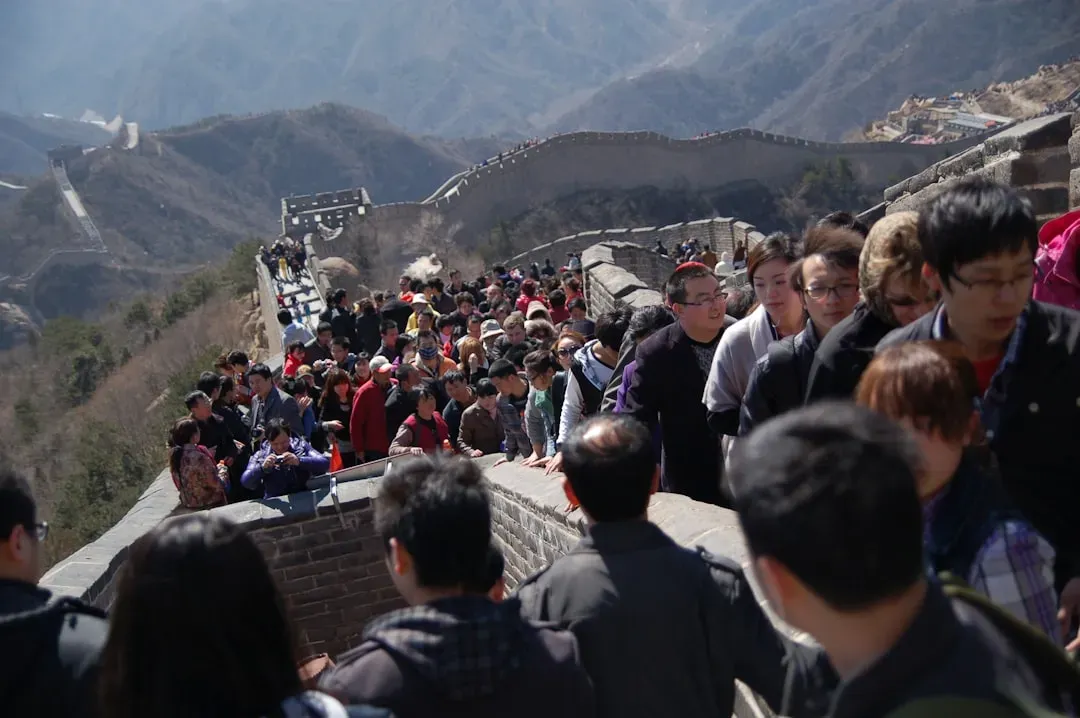
Some of the most incredibly beautiful places on earth exist in China, but it feels like they want to commercialize everything, including nature, with natural wonders getting fenced off with admission fees and crowds overwhelming supposedly serene locations. The Great Wall experience often means being packed onto renovated sections with thousands of other tourists, with plastic versions of authentic experiences replacing the real thing.
The pollution in major cities can become so severe you struggle to see street signs a block away, while language barriers combine with restricted internet access to create frustrating navigation challenges. Americans accustomed to using Google Maps, Gmail, and social media platforms find themselves suddenly cut off from familiar tools. The government’s heavy hand in tourism means spontaneous exploration often proves difficult or impossible, leaving visitors feeling controlled rather than adventurous.