Ex-Taco Bell Workers Confess 10 Secrets the Company Doesn’t Want You to Know
Ever wonder what really goes on behind the counter at your favorite fast food spot? Taco Bell has been serving up affordable Mexican-inspired fare for decades, but like most fast food chains, there’s a whole world of insider knowledge that rarely makes it to the public. Some of it might surprise you. Other revelations might make you rethink that late-night Crunchwrap run. Former employees have been opening up about what really happens in the kitchen, the truth behind those unbelievably low prices, and the realities of working the drive-thru line. Let’s be real, no fast food chain is perfect. Still, what workers reveal paints a fascinating picture of the gap between marketing promises and everyday reality.
The Beef Is Only 88 Percent Actual Beef
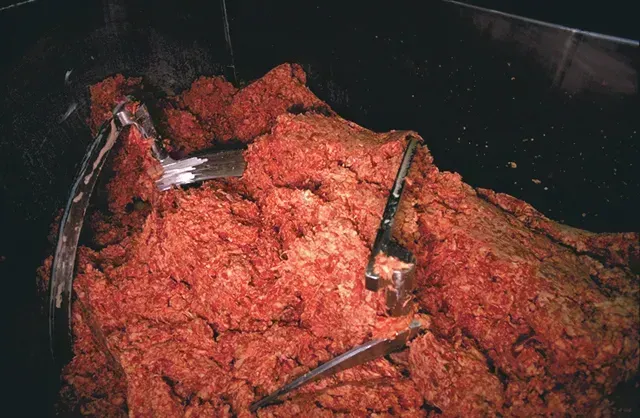
This might be the most infamous secret in fast food history. Taco Bell’s seasoned beef is 88% USDA-inspected beef and only 12% seasonings and other ingredients, according to statements released by the company. That revelation came after a 2011 lawsuit claimed the meat mixture contained just 35 percent beef, though the case was eventually withdrawn.
The remaining 12 percent isn’t exactly sinister, though the names can sound intimidating. Water, spices (chili pepper, salt, onion powder, sugar, tomato powder, cocoa powder, and garlic powder) plus a proprietary blend of seasonings, oats, starch, citric acid, and other ingredients make up the rest. Cocoa powder in your taco? That’s just there for color. After the controversy exploded, Taco Bell launched a multimillion-dollar advertising campaign to defend their beef quality. It worked, mostly. Customers kept coming back.
Your Meat Arrives Pre-Cooked in Plastic Bags
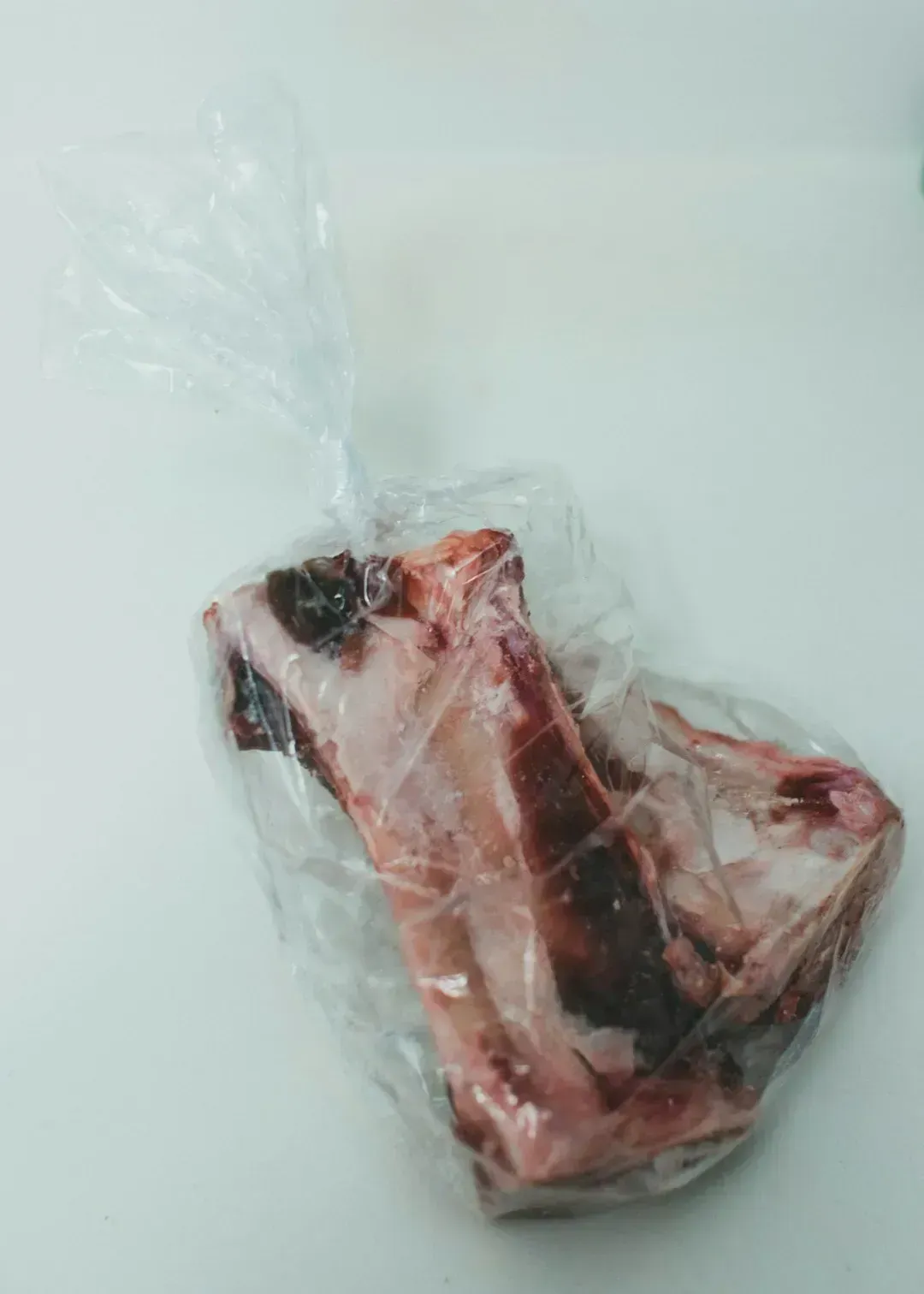
Forget images of fresh ground beef being seasoned on-site. The meat comes precooked and seasoned in plastic bags (not frozen) that are boiled to heat the meat prior to the lunch rush and dinner rush. This might explain why your taco tastes exactly the same whether you’re in California or Connecticut.
The process is designed for efficiency and consistency across thousands of locations. The meat is pre-cooked, and reheated using boiling water. After it’s heated the bag is split open and the meat is put into large metal containers and scooped out as needed. That uniform texture you’ve come to expect? It’s entirely by design, not accident. Some former workers admit the sight of those bags being emptied isn’t exactly appetizing, even if the process meets food safety standards.
The Steak Has a Hair Gel Consistency When It Sits Too Long
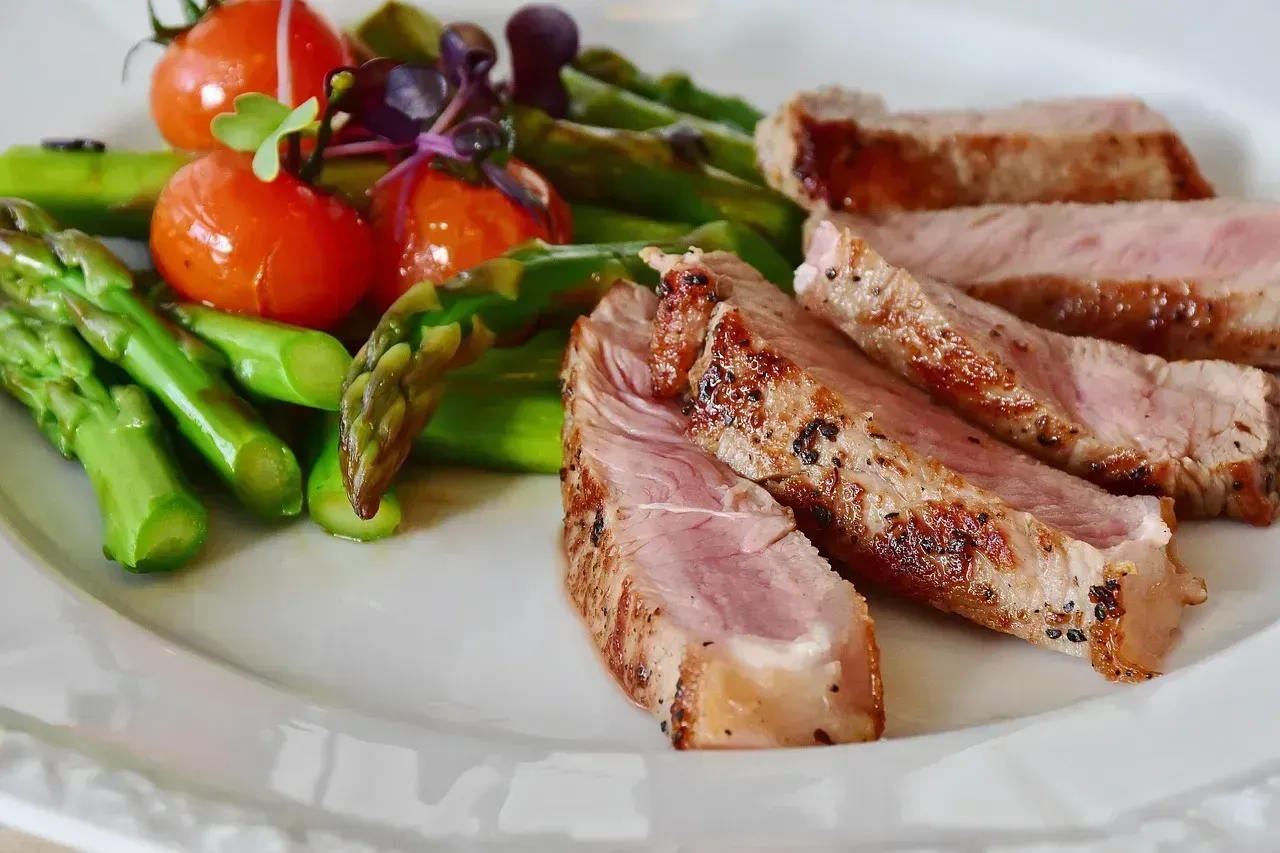
If you thought the beef had issues, wait until you hear about the steak. If customers knew what steak starts to look like when it sits on the line for even a decently short amount of time, they’d definitely give it a miss. It’s described as having the consistency of hair gel, according to employee reports.
Workers consistently warn against ordering steak items. While most of the food was properly tended to if it was left over, there were some ingredients – like the steak and the chicken – that were such slow sells that in some locations, they might be carried over for days. That’s not exactly the fresh, quality protein customers imagine when they upgrade their order. The “goo to meat” ratio becomes noticeably skewed the longer these proteins sit under heat lamps.
Sauce Packets Are Rationed to Save Money
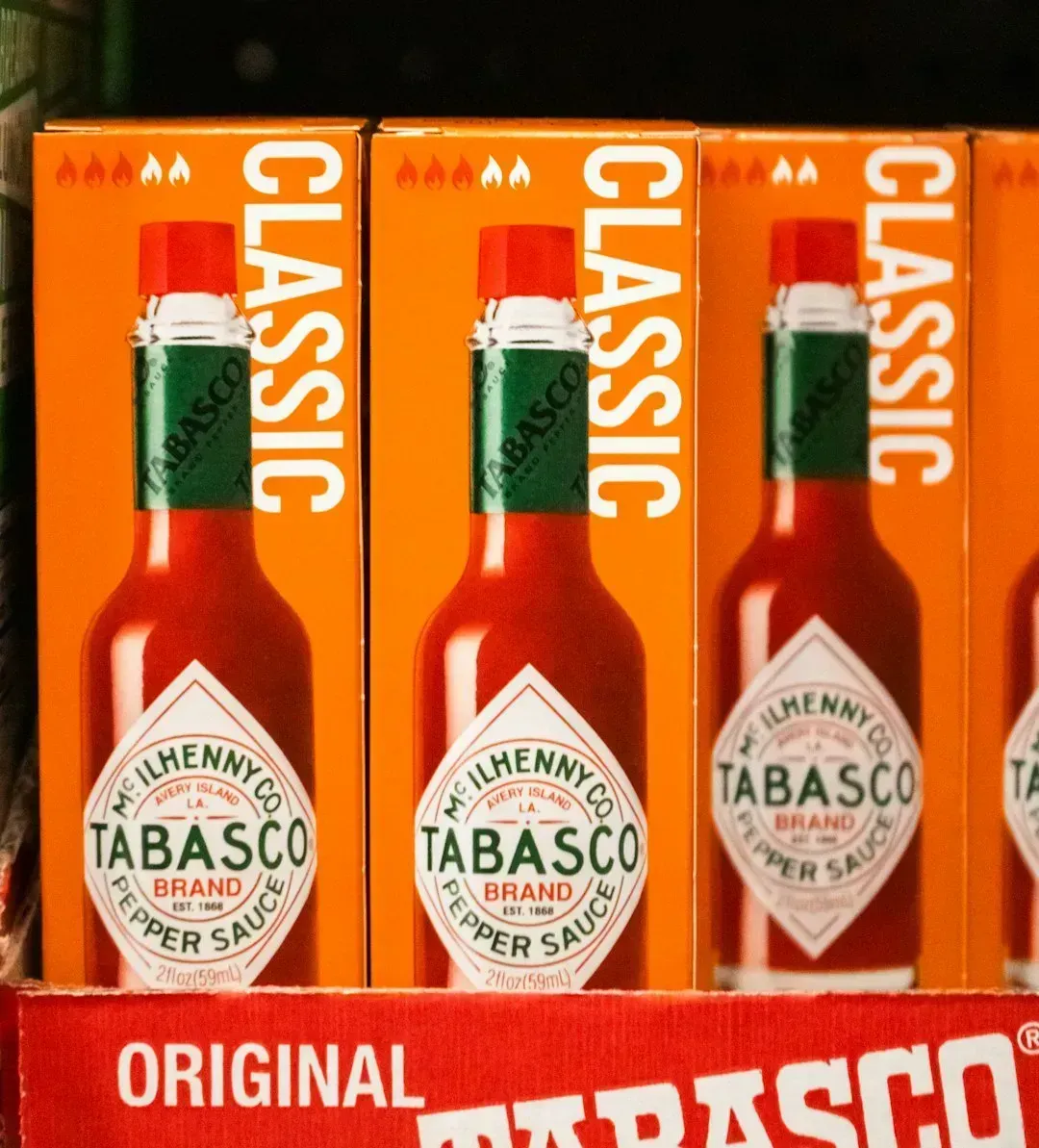
The rule is one sauce packet (and one napkin) per each menu item a customer orders, according to employee discussions on Reddit. Franchises can vary, but this policy exists to cut costs on those tiny packets you grab by the handful.
Here’s the thing: employees can give you more if you ask. While Taco Bell employees are limited in their initial sauce dispensing, they’re allowed to hand over more for free if a customer asks. The initial stinginess is purely financial, not about flavor balance. Those packets add up when you’re serving millions of customers daily, so corporate keeps a tight leash on distribution. Just smile and ask nicely at the window.
Workers Face Unsafe Kitchen Temperatures
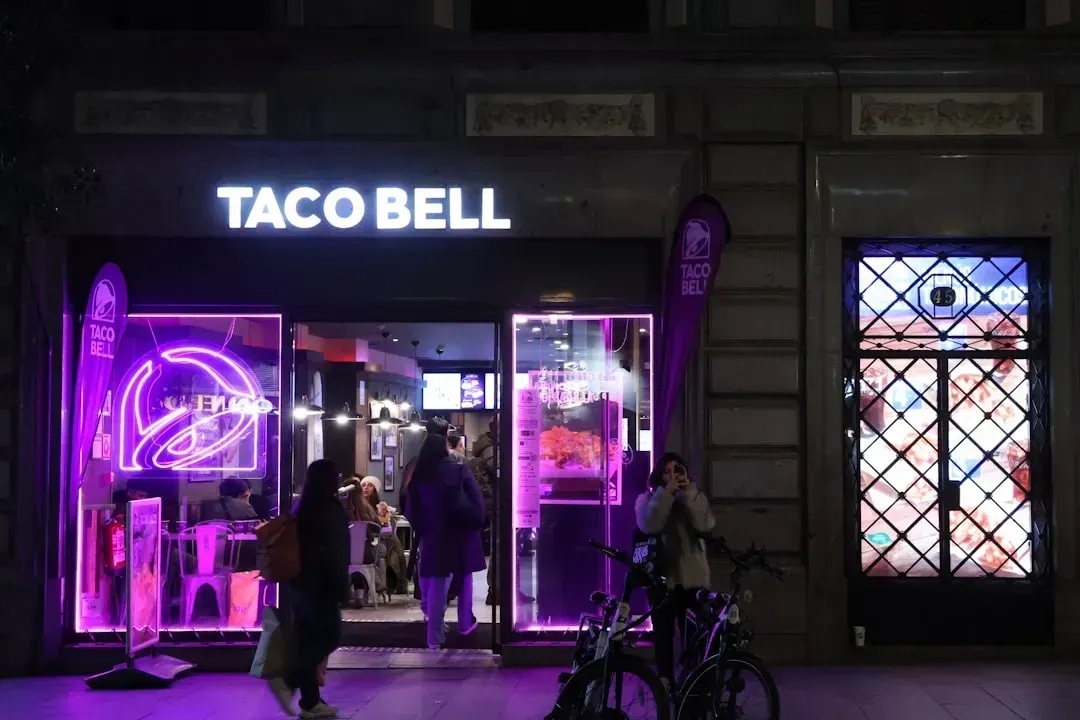
Working conditions can get dangerously uncomfortable. Workers at some Taco Bell locations have reported kitchen temperatures rising to nearly 90 degrees due to unrepaired air conditioners. That’s not just unpleasant, it’s potentially hazardous.
California’s Department of Industrial Relations scheduled a vote on a proposed safety order related to heat illness prevention in indoor workplaces. The proposed standard would require indoor workplaces to be cooled below 87 degrees when workers are present. Multiple employee reviews mention sweltering conditions. One former worker bluntly stated that “Tacobell apparently does not believe in A/C. People should not have to work in 80+ degree temperatures when working indoors!”
Stores May Stay Open Past Closing If They’re Making Money
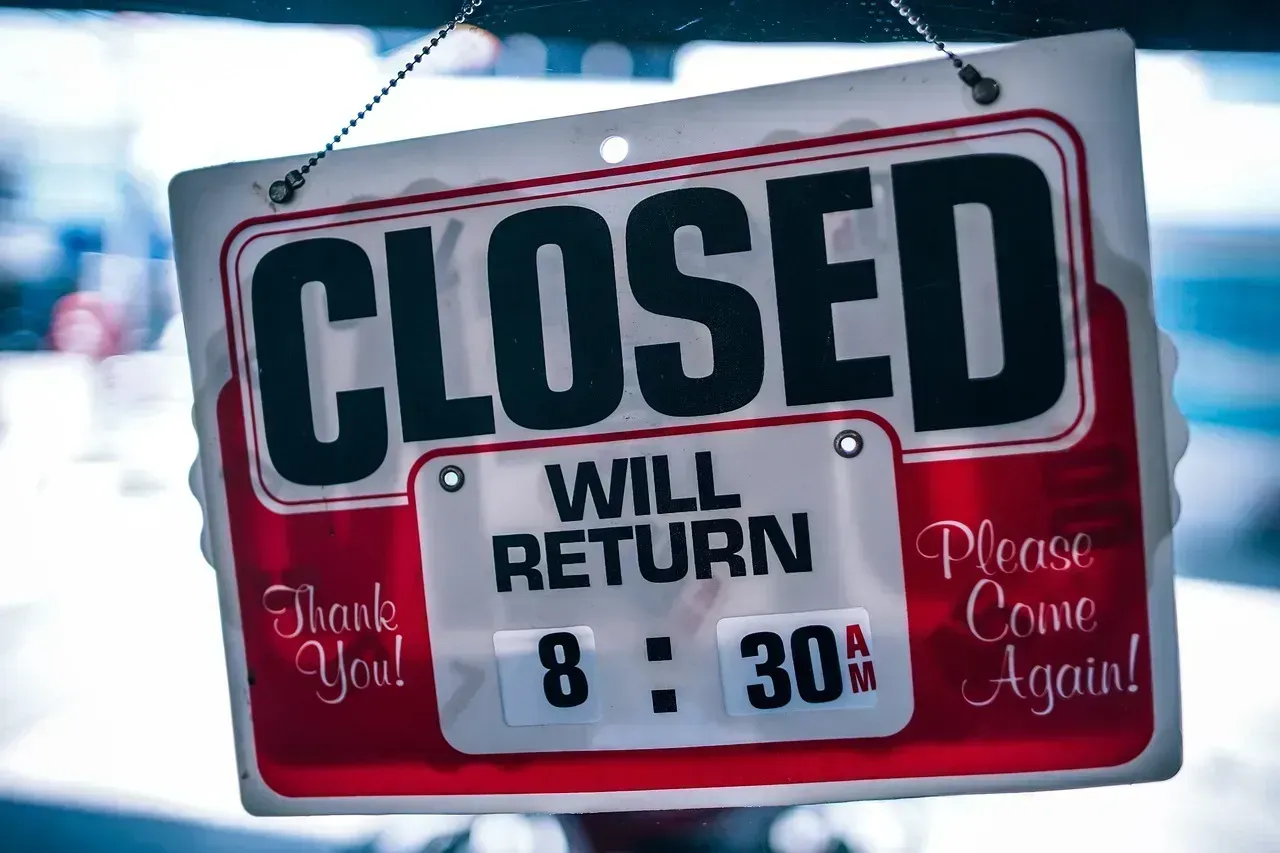
Think the posted closing time is set in stone? Think again. If a Taco Bell is reeling in the cash shortly before closing time, employees are often compelled to keep the restaurant open later than the posted closing time. In his experience, if a store made just $75 in the hour before a planned closing time, its workers then had to keep it open for another half hour.
This policy frustrates workers who’ve already planned their evening around a specific end time. Imagine telling your ride you’ll be done at 11 PM, only to discover you’re stuck until midnight because a few hungry customers rolled through at 10:45. The unpredictability makes scheduling childcare or second jobs nearly impossible. Management prioritizes every last dollar over employee wellbeing, a common complaint in the industry but particularly egregious when it’s unannounced.
Low Wages Keep Prices Down, But Workers Struggle
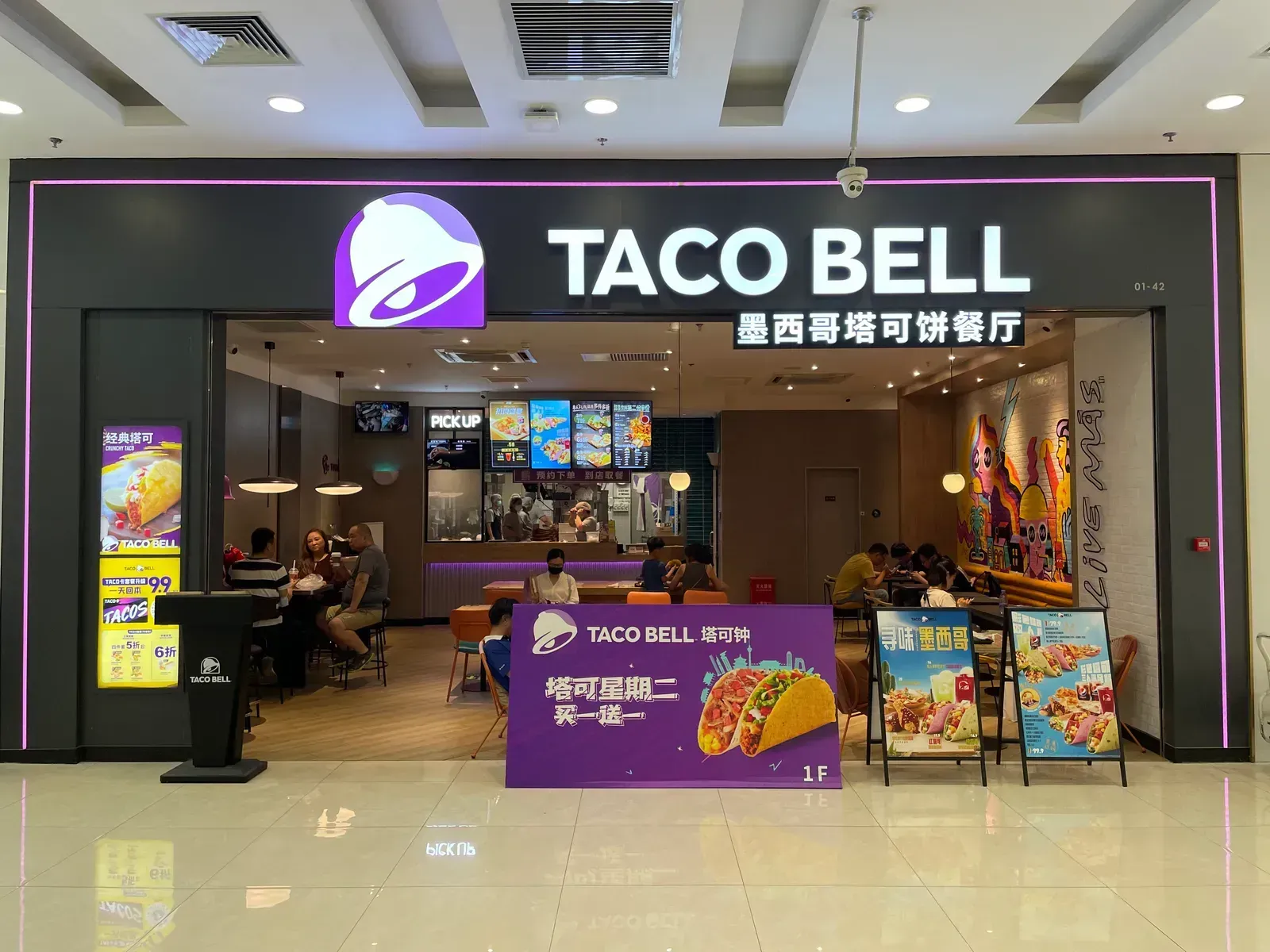
According to PayScale data, Taco Bell crew member wages average around $11.60 per hour, typically ranging from $9 to $15 depending on location and position. Those rock-bottom menu prices come at a human cost.
The math is simple but uncomfortable. While that salary is still above minimum wage in many states, it is important to keep in mind that one of the reasons the food is so cheap is because the people working long hours to get you that food aren’t making a ton of dough. Some franchises allegedly cut employee hours while simultaneously hiring new workers, spreading the available shifts thinner. Workers complain about inconsistent scheduling, with some hired for full time but only getting 10 hrs a week.
Sexual Harassment Issues Have Led to Federal Lawsuits

Workplace safety isn’t just about temperature and wages. The U.S. Equal Employment Opportunity Commission has filed lawsuits against Taco Bell franchisees, alleging they failed to respond promptly to complaints of sexual harassment, including sexual comments and unwanted touching of female employees, including underage workers.
The EEOC takes these cases seriously for good reason. An employer who opens an investigation one day after a complaint is made has acted promptly, while one who waits two months “very likely has not acted promptly.” When faced with allegations of physical touching, an employer that does nothing for two weeks likely has not acted promptly. The franchisee in question allegedly waited over two months, demonstrating a troubling disregard for employee welfare.
The Beans Are Dehydrated and Reconstituted With Hot Water
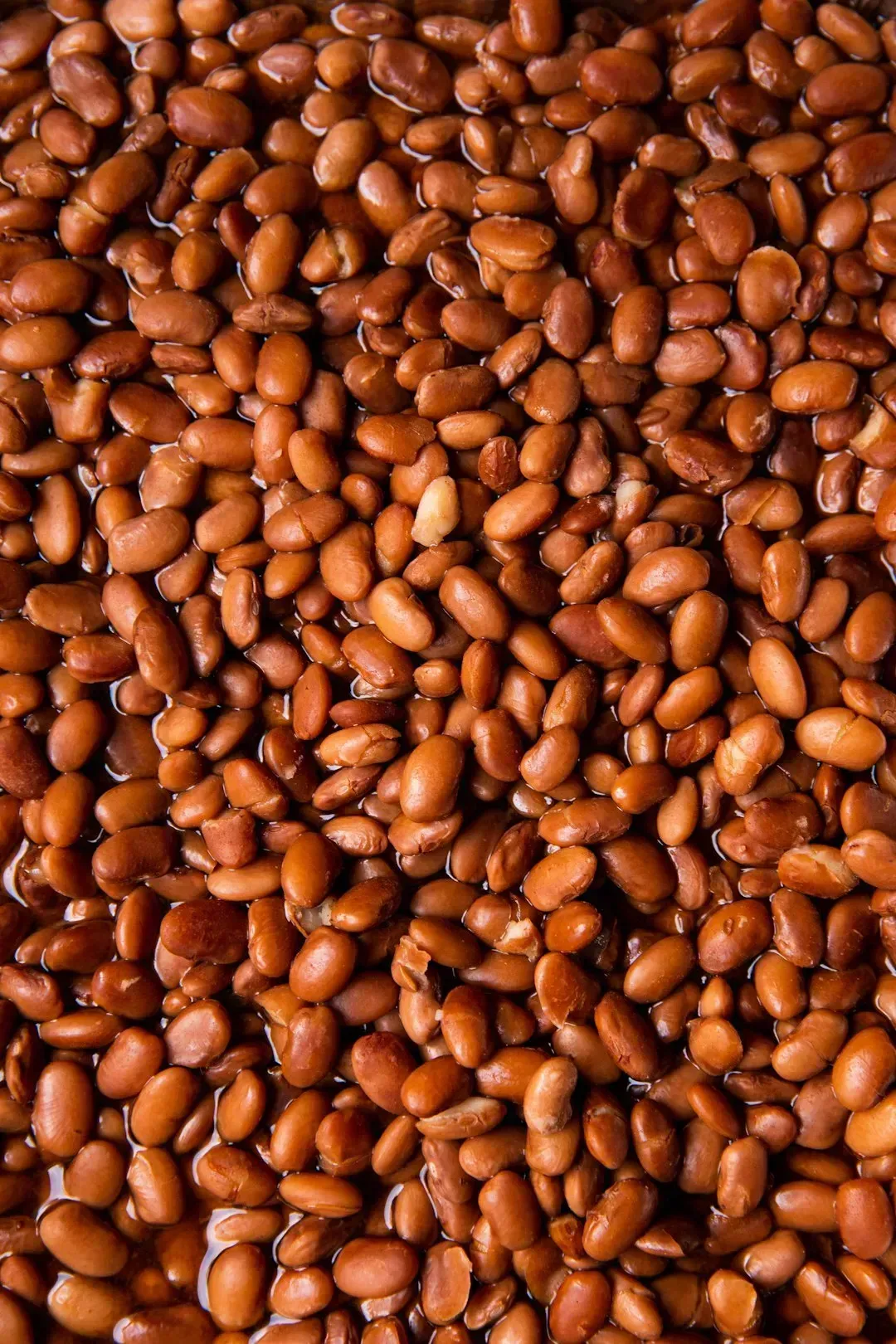
Those refried beans aren’t exactly fresh from a pot. The beans are dehydrated. Hot water is added to make the bean paste. It’s efficient and shelf-stable, but far from the homestyle preparation customers might imagine.
This isn’t necessarily dangerous or even unusual in fast food, but it does reveal how processed the “fresh” ingredients really are. The beans arrive as powder or flakes, get mixed with water, and transform into that familiar paste. Honestly, it explains the remarkably consistent texture across every location. Real beans would vary batch to batch. These? They’re engineered for uniformity above all else.
Price Increases Hit Hardest for Budget-Conscious Customers
Taco Bell once championed affordability. Not anymore. Taco Bell is just one of many fast-food chains facing a backlash recently over its prices. Throughout the year, customers have hopped on Reddit to express their frustration with menu items becoming more expensive. One customer complained that “The only thing left I was willing to pay for (Veggie Box) was raised to $8.49. I no longer can continue going at these prices”.
“Taco Bell’s actions are especially concerning now that inflation, food, and meat prices are very high and many consumers, especially lower income consumers, are struggling financially”, according to a 2023 lawsuit. The chain built its reputation on being the cheapest option for people on tight budgets. When a bean burrito becomes a luxury, something’s broken. Former workers note that management constantly balances ingredient costs against customer expectations, and lately, profits are winning.
Working at Taco Bell reveals a fast food operation built on efficiency, cost-cutting, and standardization. From reheated beef in plastic bags to dehydrated beans, the reality behind the menu is far less appetizing than the commercials suggest. Workers endure uncomfortable conditions, insufficient pay, and sometimes unsafe environments, all so customers can enjoy dollar menu items. The company has faced lawsuits over everything from beef content to workplace harassment, painting a picture of an industry where profit margins matter more than people. Next time you unwrap that Crunchwrap Supreme, you’ll know exactly what went into making it so cheap and so consistently average. What do you think about these revelations? Does it change how you see your late-night Taco Bell runs?