3 Traditional American Dishes That Are Now Hard to Find
Think about your grandmother’s kitchen. The smells, the sounds, the dishes she’d prepare for Sunday dinner. Some of those recipes have stuck around, passed down through generations. Others have quietly slipped away, victims of changing tastes, evolving food trends, and our modern rush toward convenience. American cuisine has always been a melting pot, absorbing immigrant traditions and regional quirks. Yet as our palates shift and grocery store shelves transform, certain beloved classics are becoming culinary ghosts. According to a Pew Research survey, over half of Americans prioritize healthy eating more now than they did two decades ago, fundamentally reshaping what lands on our dinner plates.
The dishes fading from menus weren’t just food. They were cultural touchstones, representations of entire eras and communities. So let’s dive in and explore three traditional American dishes that have become surprisingly difficult to find.
Goetta: Cincinnati’s Disappearing Breakfast Treasure
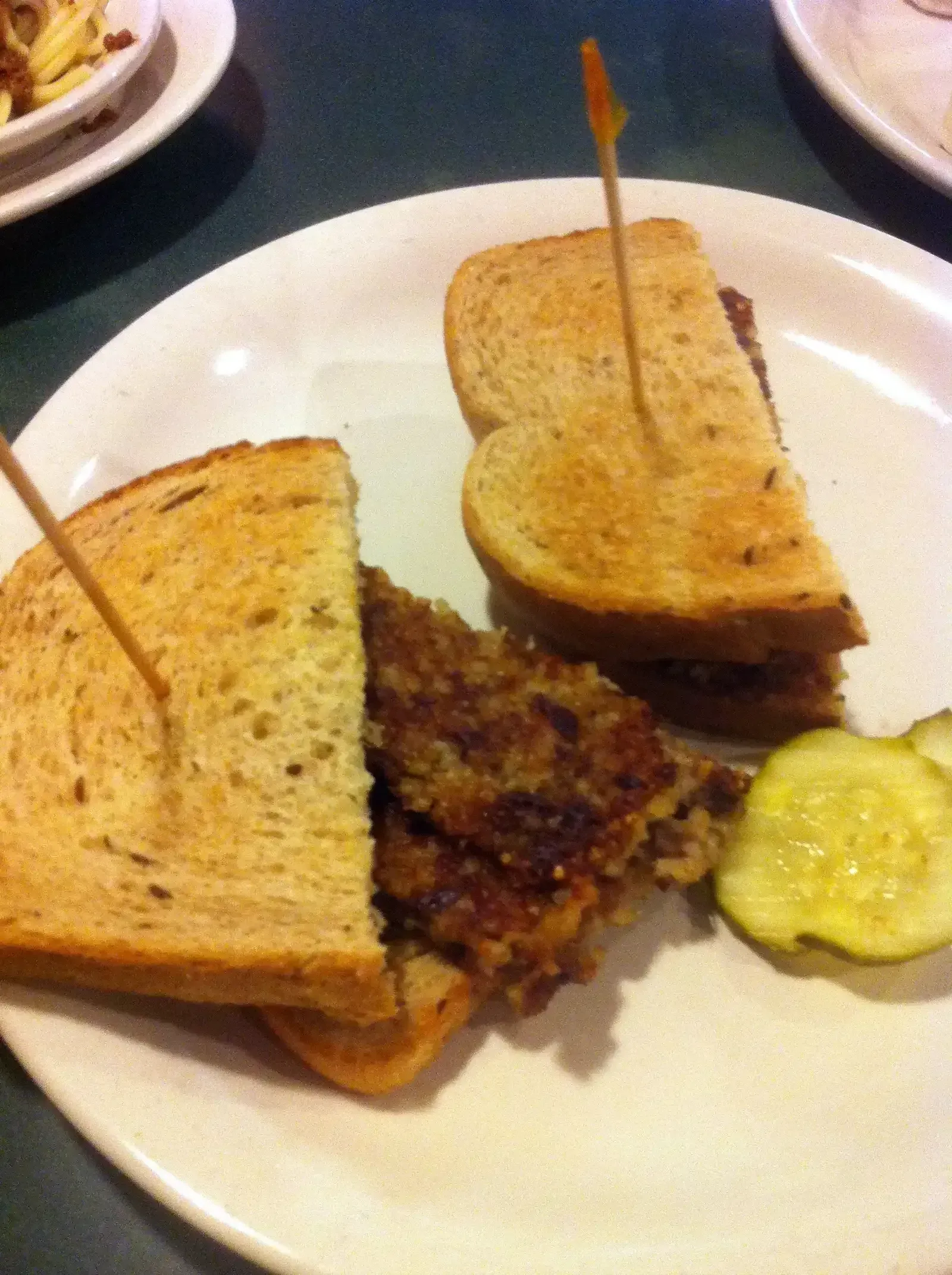
Glier’s Goetta, established in 1946, produces more than one million pounds annually, with roughly 99 percent consumed locally in Greater Cincinnati. That statistic tells you everything about goetta’s hyperlocal status. Step outside the I-275 loop surrounding Cincinnati, and you’ve likely never heard of this savory grain-and-meat creation.
Goetta is a tasty mix of ground meat (typically sausage, ground pork and ground beef) and steel-cut oats, flavored with bay leaves, rosemary, salt, pepper, and thyme. Its origins trace back to German immigrants who settled in Cincinnati’s Over-the-Rhine neighborhood during the 19th century. They asked local butchers for leftover scraps and created goetta, a grain-and-meat dish that reminded them of their comfort foods back in northern Germany. The dish emerged from necessity, stretching precious meat with hearty oats to feed large families on modest budgets.
This German-inspired creation was the working-class hero of breakfast foods throughout the Ohio River Valley. Family-owned German restaurants once featured it prominently, yet standardized breakfast chains had no room for regional oddities, and while a few Cincinnati establishments still serve this specialty, it’s virtually unknown outside its homeland. The time-intensive preparation makes it impractical for fast-paced commercial kitchens. Let’s be real, when you can grab a McMuffin in three minutes, who’s waiting for slow-cooked oats and pork shoulder? Around 99 percent of goetta production is consumed in the Cincy Region, making it one of America’s most geographically limited traditional foods.
Chicken À La King: The Creamy Classic That Lost Its Crown
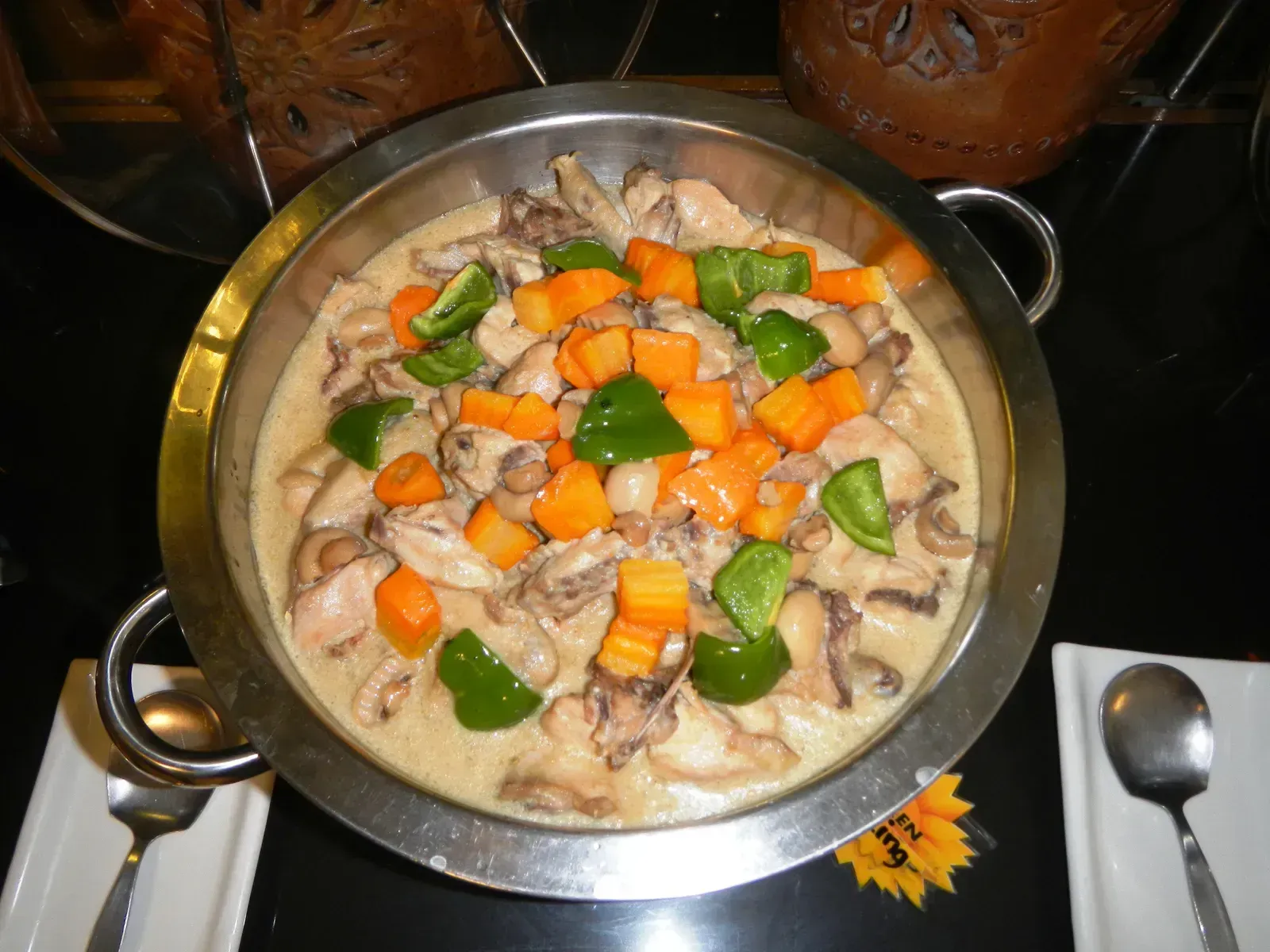
There was a time when chicken à la king ruled American dining. The dish was extremely popular in the 1950s and 1960s, appearing everywhere from club dinners to weddings and almost every restaurant. Writer Calvin Trillin even joked in The Saturday Evening Post that he thought the government was hiding it in huge silos or salt caves.
Its heyday, marked by appearances in cookbooks, hotel menus, and home kitchens, spanned the 1920s to the 1950s. This creamy concoction of diced chicken, mushrooms, and peppers in a rich sauce served over rice, toast, or pasta embodied mid-century elegance. In the 1950s, the whole country seemed to be awash in chicken à la king, with the dish a regular fixture at wedding receptions, in banquet halls, and at other fancy events.
Then something shifted. The dish’s decline in popularity by the 1960s mirrors broader shifts in culinary trends toward lighter, more health-conscious meals. Popularity likely started fading in the 1960s and 1970s as food trends shifted to less heavy dishes. Here’s the thing: as the counterculture movement challenged traditional norms, dishes tied to old-world sophistication lost their luster. Chicken à la King, featuring chicken in a creamy sauce with vegetables served over rice, pasta, or bread, has seen its popularity decline as dining trends lean towards bolder, global flavors.
These days, it’s downright difficult to find on diner menus. The dish that once symbolized refinement now feels like a relic. I know it sounds crazy, but part of me thinks we’ve lost something in abandoning these comfort-forward, unapologetically rich dishes. Chicken à la King has seen a surprising resurgence in recent years as a creamy, hearty concoction that was a staple in the 1950s and 1960s, though it remains mostly relegated to retro cookbooks and nostalgic experimentation.
Jell-O Salads: The Wobbling Wonder That Won’t Return
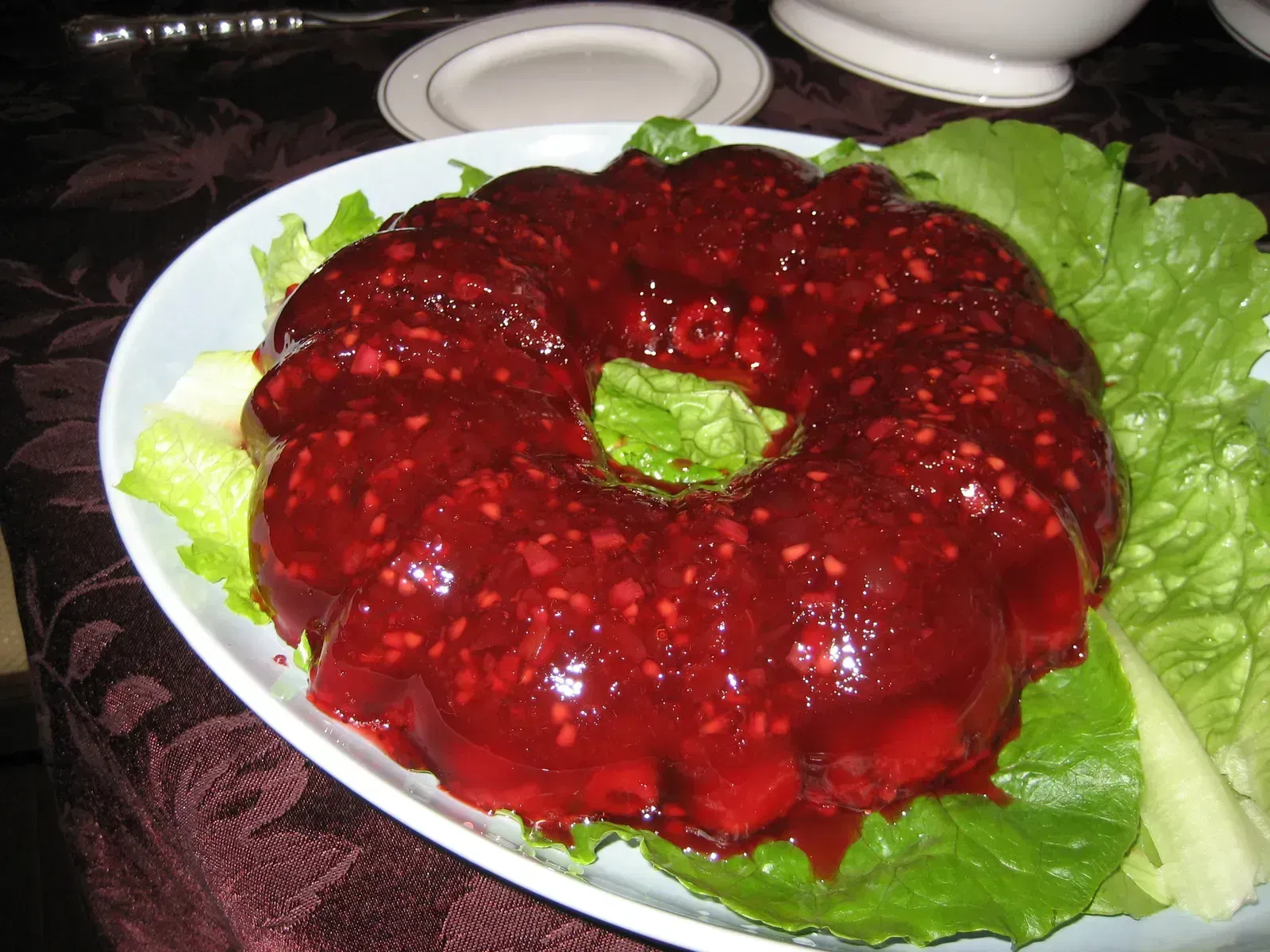
Jell-O salads, once a shining star in mid-20th century American cuisine, were vibrant molded dishes often filled with fruits, vegetables, or even meats that graced festive family gatherings and potlucks. Back in the 1950s, 1960s and 1970s, the average American housewife was seemingly trying her hardest to entomb entire three course meals in Jell-O.
The appeal was undeniable during their prime. The appeal lay in their vivid colors and unique textures, setting them apart from more conventional salads, and while they may seem peculiar today, Jell-O salads represented innovation and a touch of whimsy. These gelatinous creations showcased post-war America’s fascination with convenience foods and culinary experimentation. Cottage cheese was once a popular snack food in America (in the 1970s, the average American ate about 3 pounds of cottage cheese annually, according to the U.S. Department of Agriculture), and gelatin molds often featured it alongside canned fruits and marshmallows.
As culinary tastes evolved towards simpler, more natural flavors, health consciousness grew, leading to a preference for less processed foods. The idea of suspended vegetables or seafood in lime gelatin now provokes more horror than hunger. It’s hard to say for sure, but I think gelatin salads became victims of their own excess. Jell-O celebrated its 125th anniversary in 2022 with new Thanksgiving-themed mold desserts, and that makes sense given the current appeal of retro nostalgia.
Still, finding someone who actually serves Jell-O salad at a gathering today? Nearly impossible. The dish represented an era when convenience trumped natural ingredients, and modern diners simply aren’t having it. These quivering, multicolored creations have become internet curiosities rather than dinner staples, preserved in vintage cookbooks and horrified food blogs rather than on actual tables.
American food culture constantly evolves, swallowing up new trends while spitting out the old. These three dishes tell stories of immigrant ingenuity, post-war optimism, and shifting cultural values. Goetta remains stubbornly regional, chicken à la king has been relegated to nostalgic memory, and Jell-O salads haunt us only in vintage recipe cards.
Many old American dishes disappeared as food safety standards improved, tastes evolved and researchers highlighted health concerns linked to certain ingredients and cooking methods, with declining demand, regulatory restrictions and modern nutrition science leading to their disappearance. The foods we abandon reveal as much about who we’re becoming as the foods we embrace. Maybe someday we’ll look back at our current obsessions with the same bewilderment we reserve for ham-and-pineapple gelatin molds.
What other forgotten classics deserve a second look? Share your memories of these vanishing dishes in the comments.