The Small Passport Detail Getting Travelers Turned Away at the Gate
You glanced at your passport. Valid until next year. Flight booked, bags packed, excitement building. Then came the moment at the airport gate when everything fell apart. The gate agent took one look at your travel document and said two words: denied boarding. It happens more often than you’d think, catching eager travelers completely off guard despite having what appears to be a perfectly valid passport.
In 2023, around 25,000 passengers were denied boarding on U.S. flights due to oversales, according to the Bureau of Transportation Statistics – a figure that does not include passport issues. Here’s the thing most people don’t realize until it’s too late. Your passport doesn’t just need to be valid for your trip dates. Countries around the world impose strict requirements that go far beyond the expiration date printed on that little blue book. The devil truly lives in the details.
The Six-Month Validity Rule That Catches Nearly Everyone
The detail that causes most gate denials is the validity window printed on the passport, tied to both the expiration date and, in some places, the issue date, with many governments requiring extra validity beyond the planned stay, such as three months after departure or six months after arrival. Think about it this way: you’re planning a two-week vacation, your passport expires in five months, so you’re covered, right? Wrong. If it expires in five months and 29 days, they will not let you on the plane, according to flight attendant Valeria Biryukova who shared this warning in late 2024.
The six-month rule is a common requirement that your passport must be valid for at least six months from the date of your entry or departure to or from the country you are visiting, and many airlines also follow this rule and won’t let passengers board a plane without a passport with enough validity time remaining. Let’s be real, it sounds excessive when you’re only gone for a week. Countries enforce this buffer to prevent travelers from becoming stranded if their passport expires during unexpected delays, medical emergencies, or extended stays. A passport that has five months and three weeks left may still be treated as invalid because airlines won’t round up to protect themselves from hefty fines.
Europe’s Sneaky Ten-Year Rule Nobody Mentions
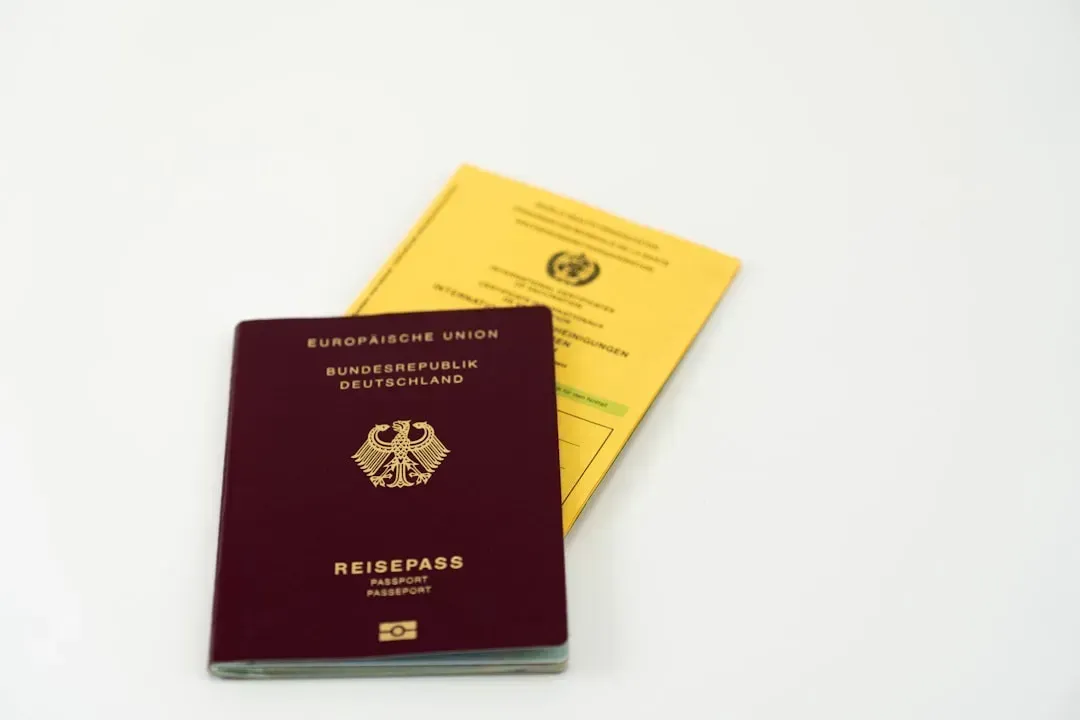
Here’s where it gets genuinely confusing. For most non-EU visitors to the Schengen Area, the passport must have been issued within the last ten years and must remain valid for at least three months after the planned date of leaving the Schengen zone. Honestly, I think this catches more experienced travelers than newbies because it seems so counterintuitive. Your passport could show plenty of time left before expiration yet still fail inspection.
A passport can have time left yet still fail if it was issued too long ago, including cases where an early renewal created an expiry date beyond ten years from issue. Travel adviser Sara Russell from Florida-based Travelmation told Fox News in December 2024 that many of her clients had no idea these strict rules existed. The most common reason for denied boarding in late 2025 remains passport non-compliance, with easyJet specifically warning passengers to look past the expiration date and examine the physical state of their documents, noting your passport must have been issued less than 10 years before the date you enter an EU country.
Damaged Passports Are a Bigger Deal Than You Think
The U.S. State Department warns that any significant damage beyond everyday wear and tear – such as a torn page, laminate peeling, or unauthorized markings like stickers or stamps – can lead to delay or denial of boarding. Your passport doesn’t need to look like it survived a washing machine to be rejected. Small tears, water stains, even minor wrinkles can doom your trip. 19-year-old Jake Burton was denied boarding on his Ryanair flight from East Midlands because of a rip in his passport, ruining his family’s Spanish holiday.
In June 2024, 25-year-old Laila March faced denial by TUI Group over what she described as a slight mark on her passport’s data page. March had to spend roughly 1,600 USD after being denied boarding on a booked flight from London to Cancun, while the initial ticket costing approximately 1,330 USD was lost, though British Airways accepted her on a same-day flight with the same passport without issue. Different airlines interpret damage differently, creating a frustrating lottery where one carrier waves you through while another grounds you. Airlines are legally obligated to ensure that passengers carry proper travel documents, and if they allow someone to fly with a questionable passport and that person is refused entry at their destination, the airline can face heavy fines, so airlines tend to err on the side of caution, and even minor damage can be enough for them to refuse a passenger at the gate.
The Blank Pages Problem That Empties Your Passport Fast
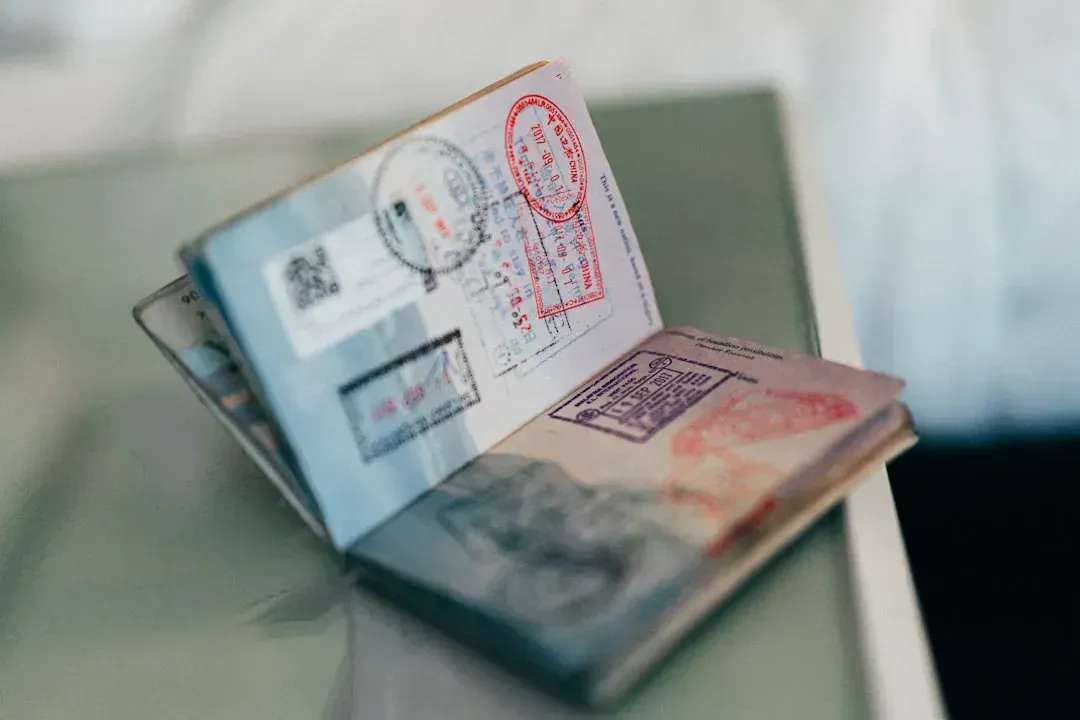
Many countries require at least one blank page, while some require two or more, and blank visa pages are essential because many countries issue visas that occupy an entire page. You might be surprised how quickly those pages fill up. Italy, Portugal, Singapore, Germany, India, Belgium, South Africa, the Netherlands, Cuba, Iceland, Zimbabwe and Indonesia are among the destinations that require two blank pages, while destinations like Namibia, Botswana, Madagascar and Zambia demand at least three.
according to travel blogger Nicky Alwadish who nearly derailed a family safari trip after discovering the strict requirements. South Africa specifically requires two consecutive blank pages per entry, meaning if you’re entering twice on one trip, you need four blank pages just for that country. While some pages may be full of stamps, others might have one – and just one stamp means that that page is not empty. Immigration agents won’t squeeze your stamp onto a partially used page when their rules demand completely blank ones. What do you think happens then? You’re stuck watching your travel companions board without you.
When Airlines Enforce Rules Countries Don’t Actually Require
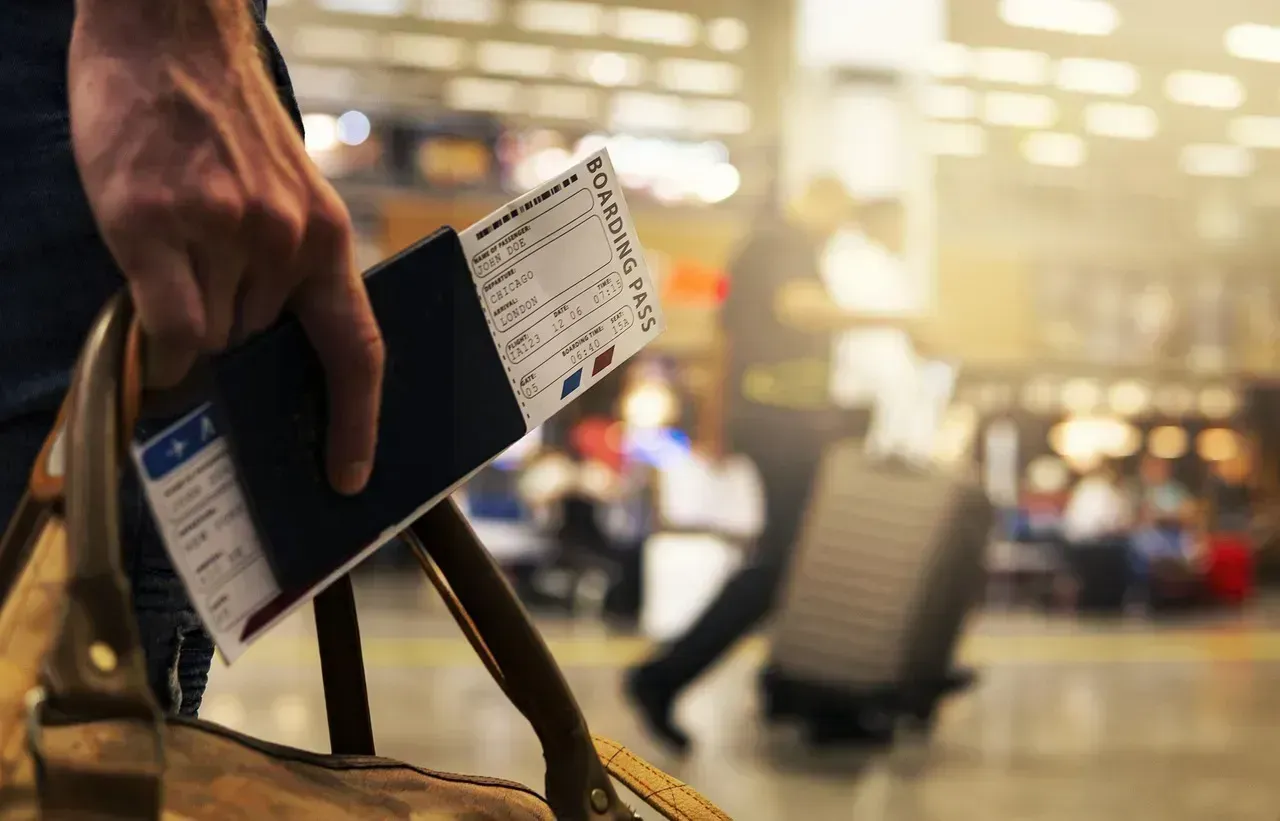
Most large carriers use IATA Timatic data inside their check-in systems, so agents follow what the database returns for the exact itinerary, and when it shows a mismatch, the decision is made quickly because there is no time to argue with border rules. The reality gets messy because airline staff sometimes apply stricter standards than destination countries actually require. Airlines are responsible for ensuring passengers meet U.S. entry requirements and may deny boarding if a passport does not appear to comply even when the traveler is technically exempt, with airlines sometimes still enforcing the six-month validity rule to avoid penalties.
British Airways made headlines in September 2024 after wrongly denying boarding to multiple UK passengers. British Airways wrongly stopped Kathleen Matheson from boarding a flight to Florida from London Gatwick even though her passport was valid, with BA staff incorrectly saying she needed at least six months left on her passport to enter the United States when in fact the United States only requires a passport to be valid until the date of departure. The confusion stems from varying requirements: while numerous Asian and African countries enforce the six-month rule strictly, many European destinations and Canada only require validity for your stay duration. The airlines tend to err on the side of caution, knowing that if you are denied entry upon reaching the United States, the airline must arrange your return travel and can potentially be fined thousands of dollars for boarding someone who lacked proper immigration documents.
Did you expect something as routine as checking your passport expiration date could be this complicated? Travel experts universally recommend checking requirements months before departure, renewing early when international trips are planned, and always keeping at least six to seven months of validity as a buffer regardless of your destination. Because honestly, the worst place to discover you missed a technicality is standing at the gate watching your dream vacation disappear.