15 Things Grandparents Do That Kids Remember for a Lifetime
Baking and Cooking Together in the Kitchen
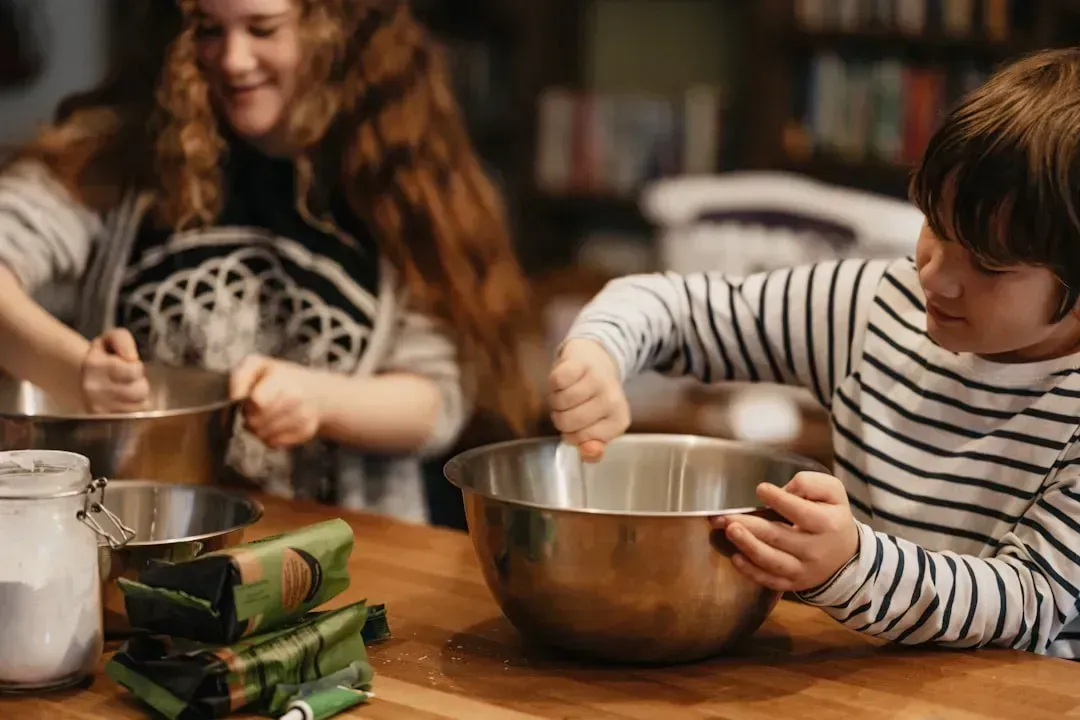
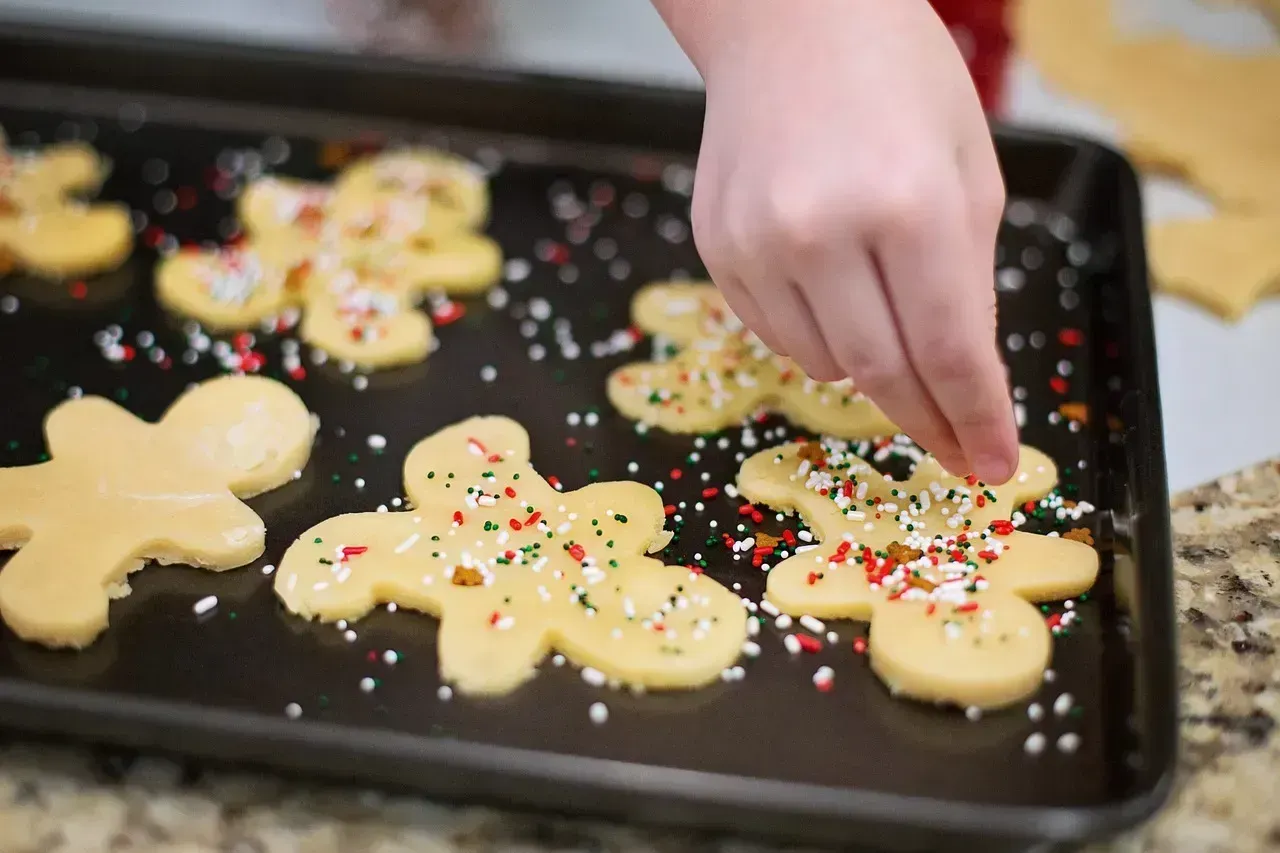
Let’s be real, some of the most cherished childhood memories involve flour on the floor and chocolate chips disappearing before they ever make it into the dough. Baking teaches children a skill for life and cements the bonds across generations. There’s something almost magical about standing on that special stool at the counter, helping grandma measure ingredients or watching grandpa expertly roll out dough.
One of the most important notions of cooking is the bond it creates between the bakers, with laughter over a spill, the excitement of tasting a dish for the first time, and the pride of creating something delicious together all contributing to joyous memories that strengthen relationships. Those warm cookies straight from the oven taste even better when you’ve made them alongside someone who loves you unconditionally.
Sharing Family Stories and History
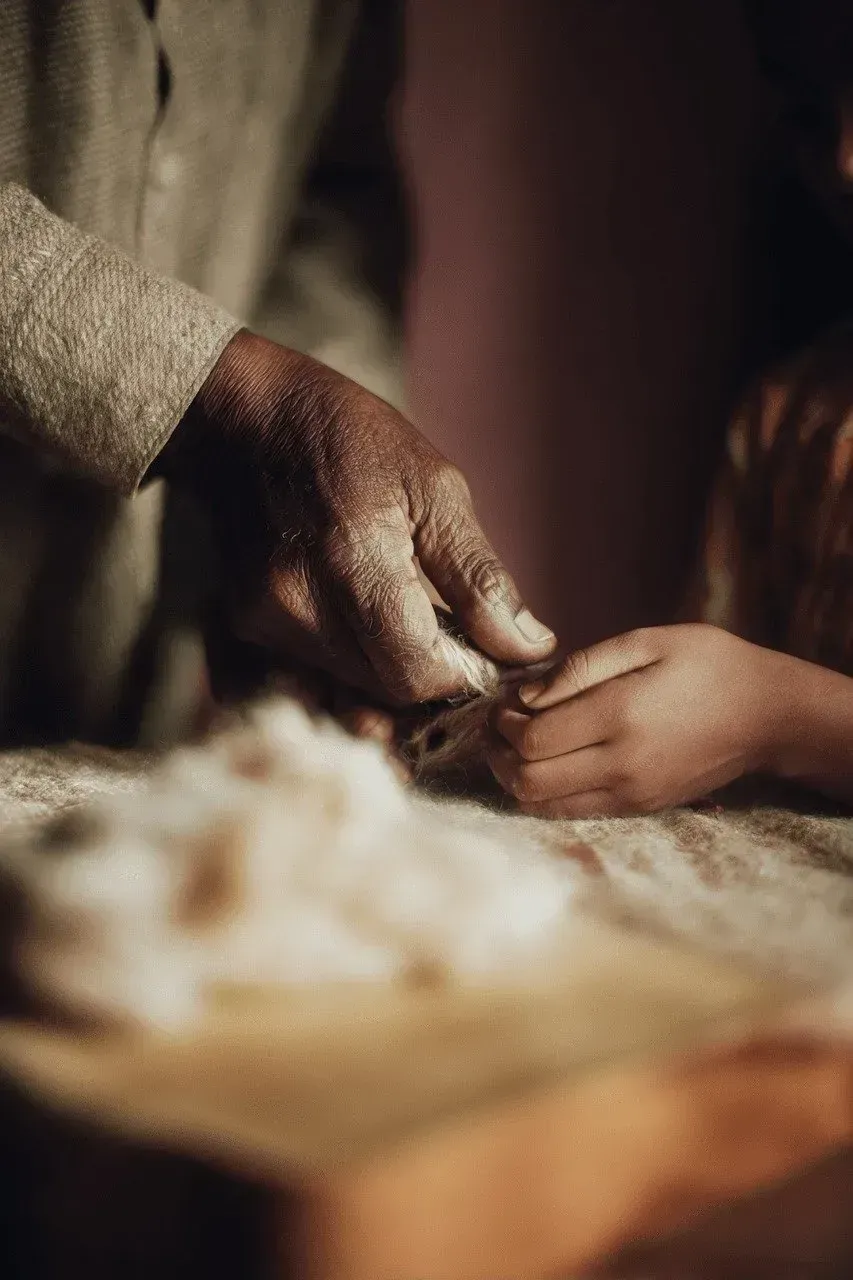
Grandparents are living links to the past. They possess memories that later generations can understand only through stories, and insights into culture and heritage that serve as a legacy for children and grandchildren alike. When a grandparent sits down and tells stories about their own childhood or about parents when they were young, suddenly the family tree comes alive in ways a photograph album never could.
Grandparents are vital in maintaining a family’s cultural and historical identity, passing down traditions, stories, and values that root younger generations in a sense of belonging, and these narratives connect children to a broader sense of history, helping them understand the world in a deeper context. These aren’t just random tales. They’re the threads that weave together who we are and where we came from.
Playing Cards and Board Games
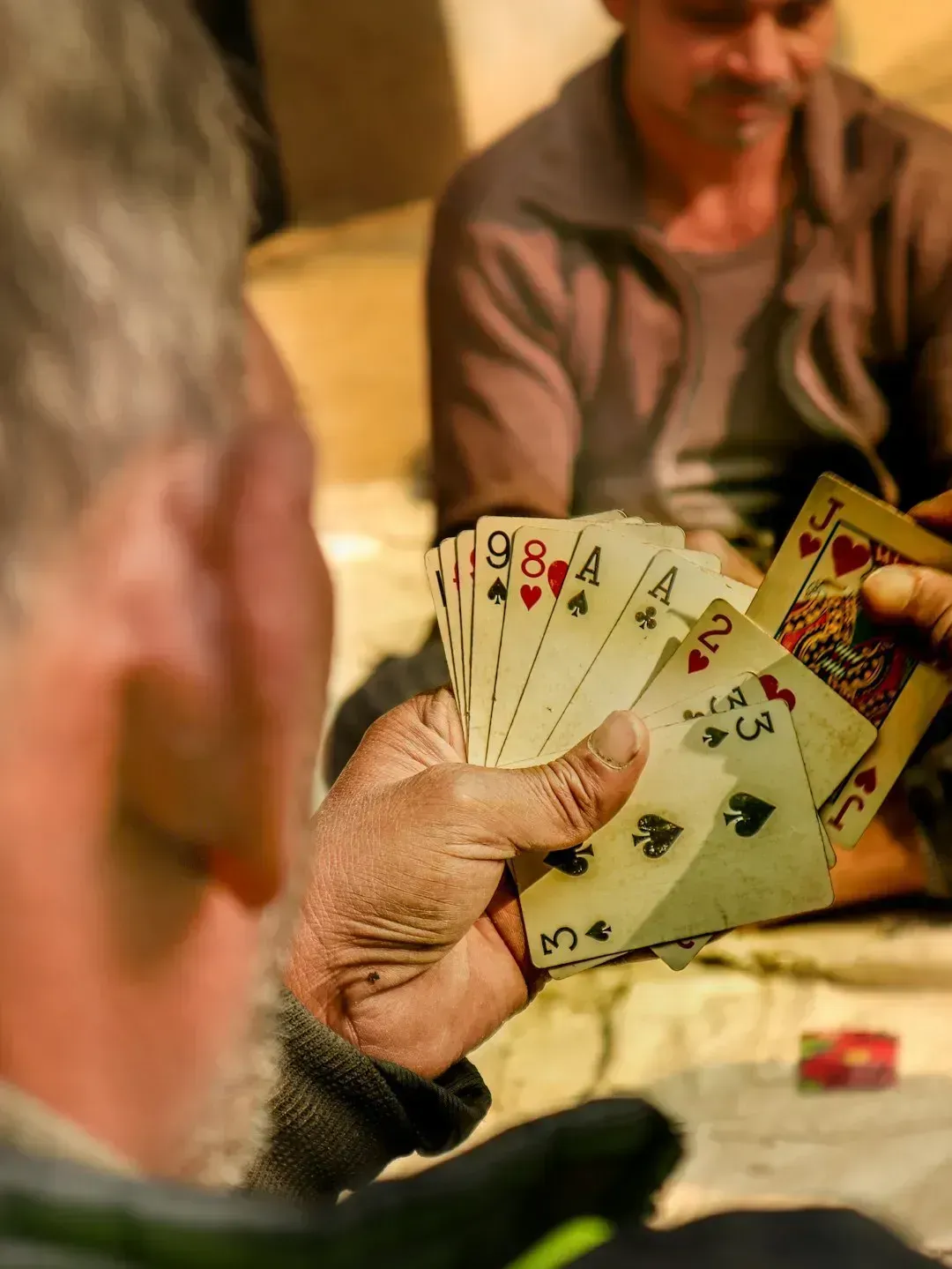
Card games like Go Fish, Old Maid, or Rummy might seem simple, yet they hold surprising power. Family game night can be a fun and unifying experience, introducing grandchildren to card or board games that they might not otherwise have learned, and even upon becoming adults many people look back fondly on the childhood memories they have playing games with their grandparents. There’s a special kind of patience grandparents bring to these moments.
While a four-year-old might take forever to decide which card to play, grandparents seem to have endless time. Although at first grandchildren may feel overwhelmed by the superior strategies of their grandparents, it can also drive them to master the challenge, developing self-confidence and autonomy. The competitive spirit mixed with unconditional love creates memories that stick around long after the cards are put away.
Teaching Skills and Hobbies
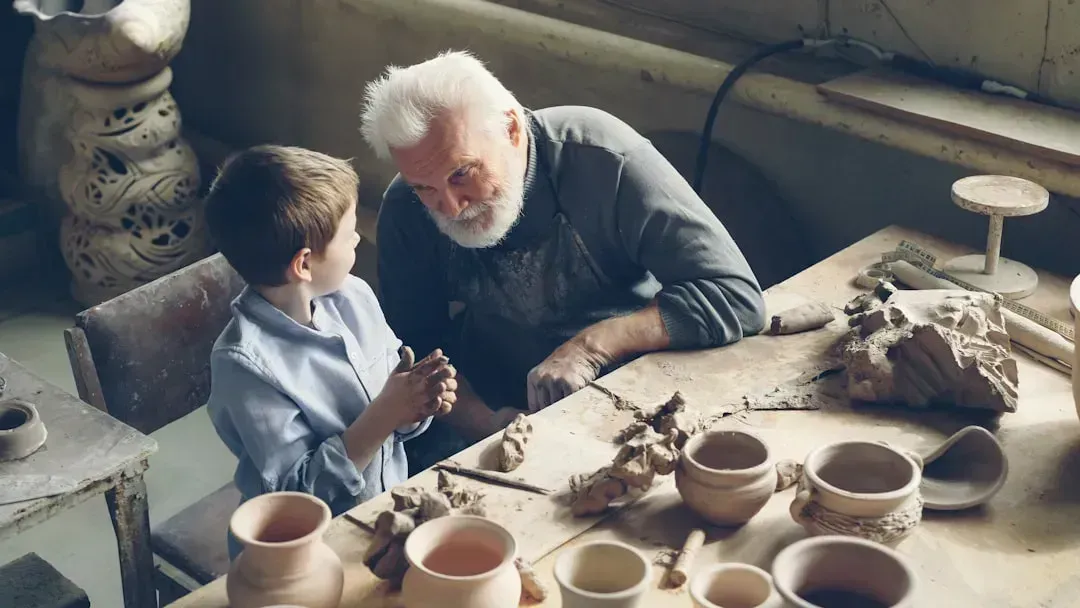
Many grandparents have taught grandchildren things, including about family history, cultural traditions, skills or hobbies, and religion or spirituality, according to a 2023 YouGov survey. Whether it’s knitting, fishing, woodworking, or gardening, these hands-on lessons become so much more than just learning a new skill. They’re about connection and patience.
Grandparents often have the time that busy parents don’t, allowing them to slow down and really teach. A grandfather showing his grandchild how to bait a hook or a grandmother teaching intricate embroidery stitches creates a shared language between generations. These aren’t rushed lessons between homework and dinner. They’re unhurried afternoons where mistakes are okay and curiosity is celebrated.
Unconditional Love and Acceptance

Here’s the thing about grandparents: they offer a kind of love that feels different. Grandparents provide acceptance, patience, love, stability, wisdom, fun and support to their grandchildren. There’s less pressure, fewer rules, and often a whole lot more understanding. When kids mess up or feel overwhelmed, grandparents become that safe harbor.
Research suggests that children find unique acceptance in their relationships with grandparents, which benefits them emotionally and mentally. This acceptance isn’t about spoiling kids rotten (though let’s admit, that happens too). It’s about providing a relationship where children feel seen, heard, and valued exactly as they are, without conditions or expectations.
Celebrating Holidays and Special Occasions
Most Americans have memories of their grandparents, with roughly three-quarters saying they have celebrated holidays with them and been entertained by or had fun with them. Holiday gatherings at grandparents’ houses often become the benchmark against which all other celebrations are measured. The decorations, the food, the traditions – they all blend together into something magical.
Maybe it’s the special ornament that only comes out when you visit, or the way grandma sets the table just so. Perhaps it’s grandpa’s silly jokes during Thanksgiving dinner or the annual Easter egg hunt that never quite goes as planned. These recurring rituals create a sense of continuity and belonging that children carry into adulthood and often replicate with their own families.
Being a Safe Space During Difficult Times
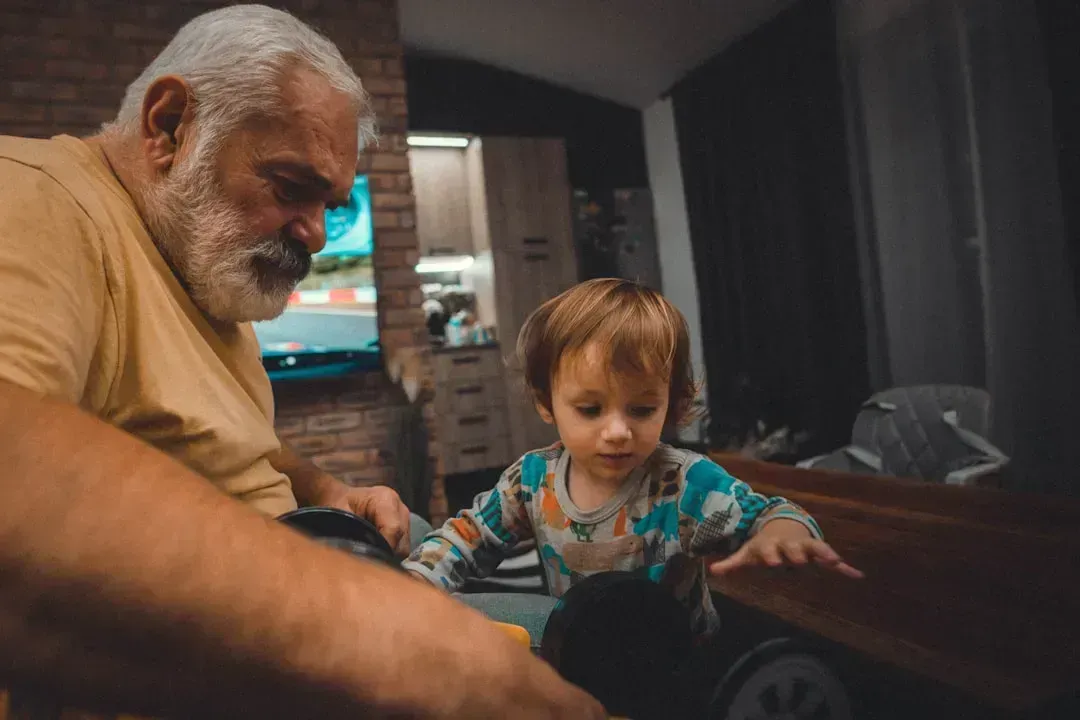
Adolescence can be brutal. When grandchildren become adolescents, grandparents’ greater emotional and physical distance can enable them to see things more objectively and more broadly, often providing a listening ear without passing judgment. Teenagers who might not want to talk to their parents about certain struggles often find grandparents easier to confide in.
Many adults express fond memories of their grandparents during this period of life and express sentiments such as “I would never have made it without my grandparents”. That neutral ground grandparents provide becomes invaluable. They’ve seen it all before, survived their own mistakes, and can offer wisdom without the intensity that sometimes comes from worried parents.
Passing Down Recipes and Food Traditions
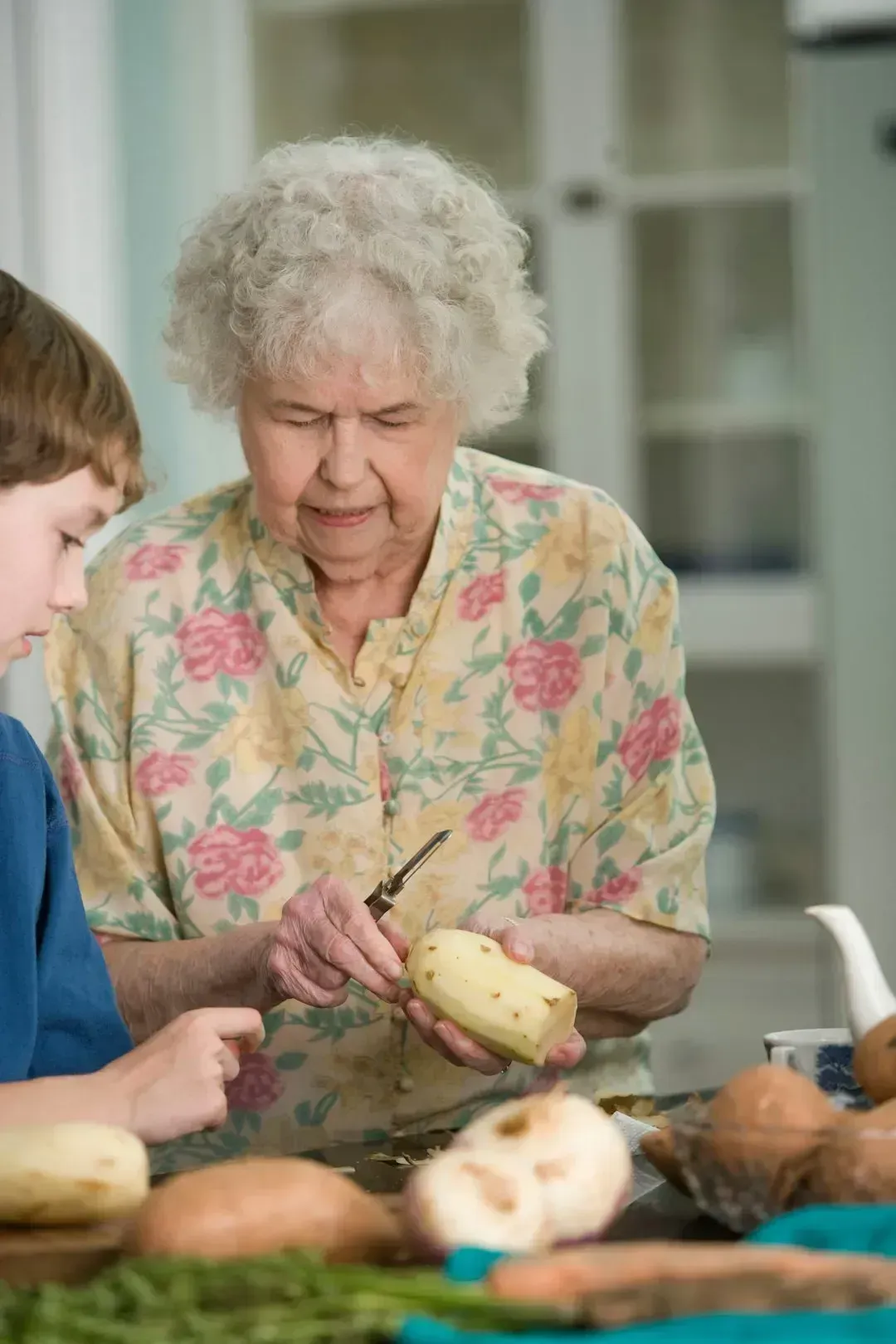
Food is memory. The smell of grandma’s apple pie or grandpa’s famous chili becomes embedded in our senses in ways that transcend the actual taste. Cooking can be the tie that binds, allowing grandparents to tell grandchildren all of those stories they want them to carry on and share all of those pictures that they want them to share one day. These culinary traditions become tangible links to heritage.
Lessons learned while cooking with grandparents remain part of us even when we grow up and have children and grandchildren of our own. That handwritten recipe card tucked in the back of a cookbook isn’t just instructions for making cookies. It’s grandma’s handwriting, her little notes in the margins, and the memory of standing beside her while she showed you the secret ingredient that makes everything taste better.
Taking Them on Adventures and Outings
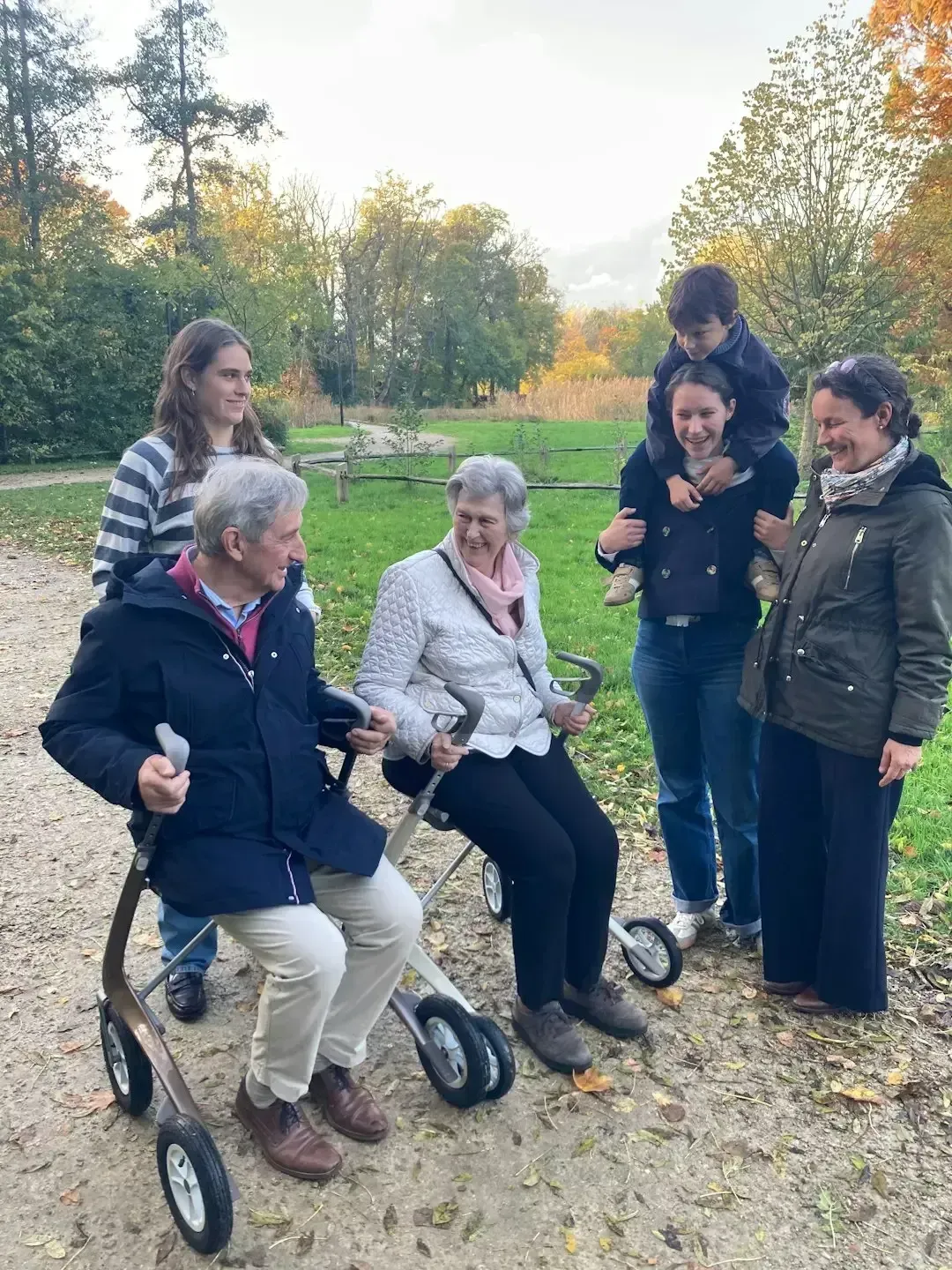
Sometimes the simplest outings become the biggest adventures. Trips with grandchildren present the perfect opportunity for multigenerational families to forge stronger bonds and traditions, with quality time spent together on shared vacations strengthening family bonds through memories that will be talked about at the dinner table for years to come. A trip to the park, the zoo, or even just the grocery store takes on new dimensions when grandparents are involved.
Grandparents often have more flexibility and patience for these excursions. They’ll stop to examine that interesting bug on the sidewalk or spend twenty minutes watching ducks at the pond without checking their watch. They turn ordinary moments into mini-adventures, teaching kids to slow down and notice the world around them.
Supporting Parents and Being the Family Safety Net
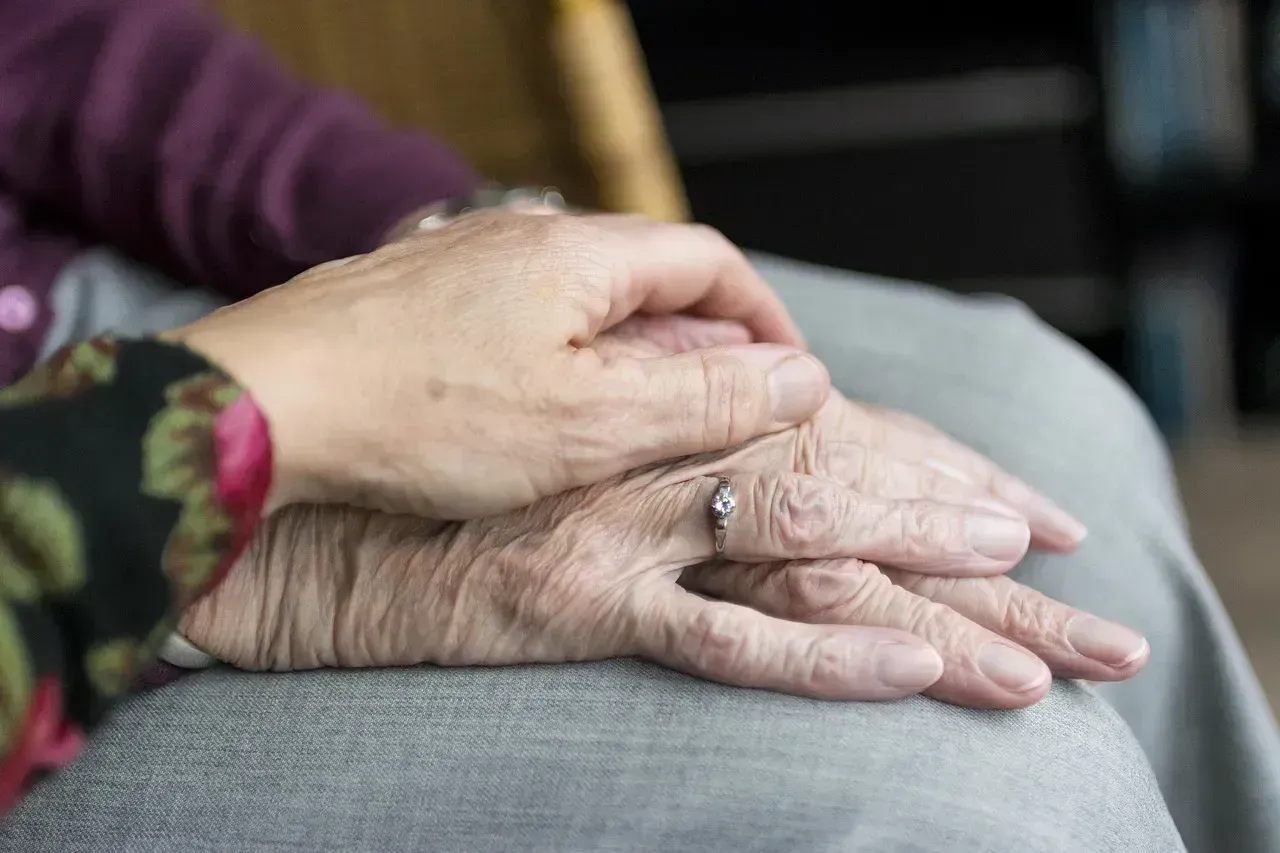
Grandparents played a role in raising many American adults by engaging in daily child-rearing tasks, including disciplining and providing regular child care. This support often happens behind the scenes but creates stability that children absolutely notice and remember. When parents are stressed or overwhelmed, grandparents step in.
Grandparents play an important role in the lives of their grandchildren, though it is often indirect, with most of their significance to children seen through the support and help they give to their parents. Kids might not articulate it at the time, but they feel the difference when grandparents are actively involved, creating a stronger, more resilient family structure.
Reading Books and Telling Stories
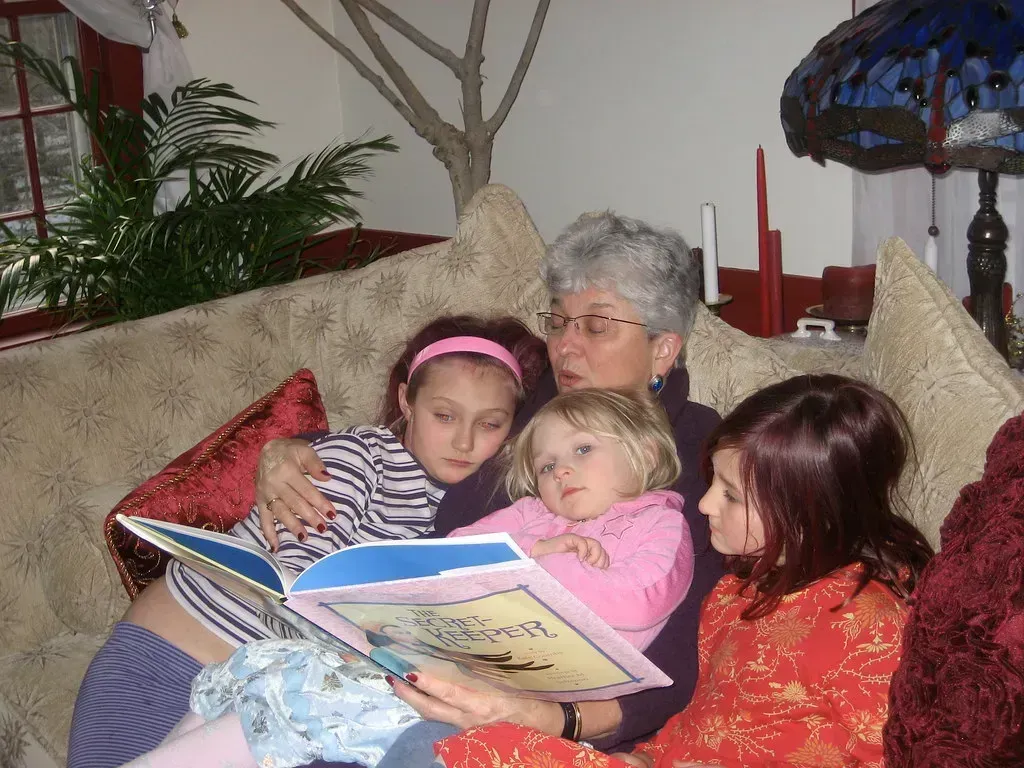
Whether it’s reading traditional holiday books, fables, nursery rhymes, picture books, joke books, or chapter books, spending time reading together is a great way for grandparents to connect with their grandchildren. There’s a particular comfort in curling up with a grandparent and a good book. Their voices, the way they change tone for different characters, the patience they have for reading the same story seventeen times – it all matters.
Beyond just reading words on a page, grandparents often weave in their own commentary and memories. They’ll pause to explain an old-fashioned word, share how things were different when they were young, or connect the story to a real-life lesson. This transforms reading time into something richer than simple entertainment.
Offering Patience and Presence
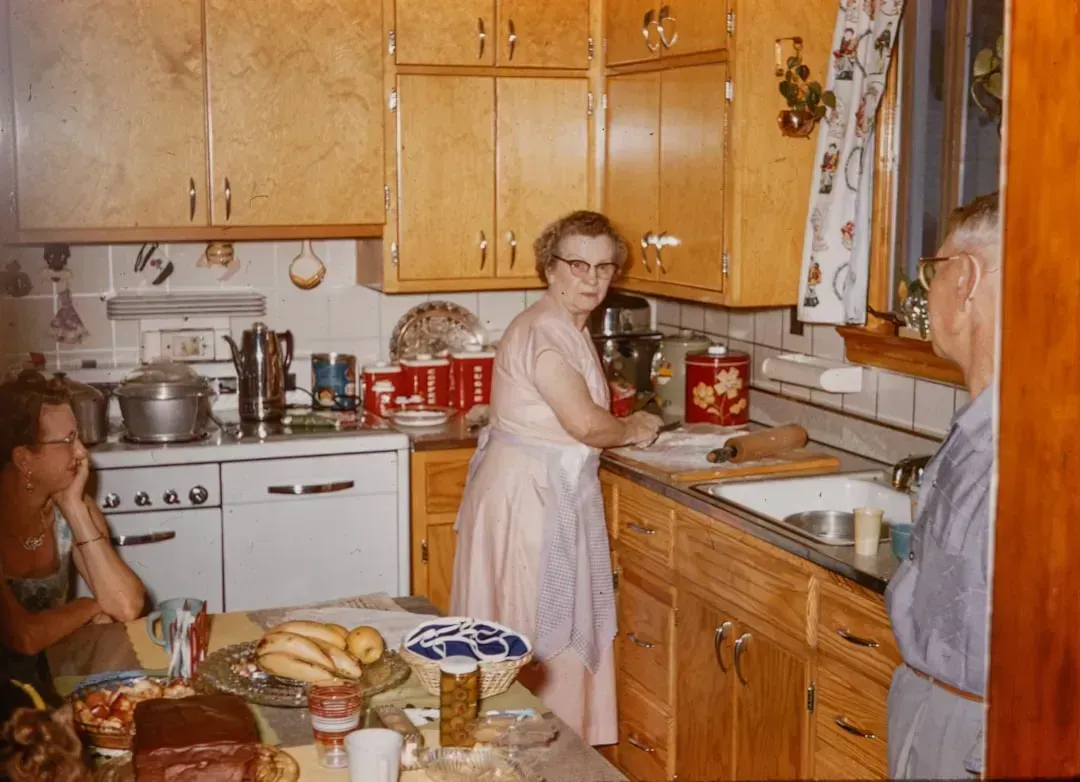
Sharing kitchen activities along with recipes and stories helps bring together generations, with grandparents naturally taking the lead as they tend to have more patience than parents, and they’ve seen fingers in the frosting bowl and flour on the floor before, so they can let kids feel like they’re getting away with breaking the rules without suffering any consequences. This patience isn’t just about tolerating messes.
It’s about truly being present in the moment. In our fast-paced world, grandparents often move at a different speed. They’re not simultaneously checking emails while helping with a puzzle. They’re just there, fully engaged, offering the kind of undivided attention that becomes increasingly rare but deeply treasured.
Creating Special Traditions Just Between You
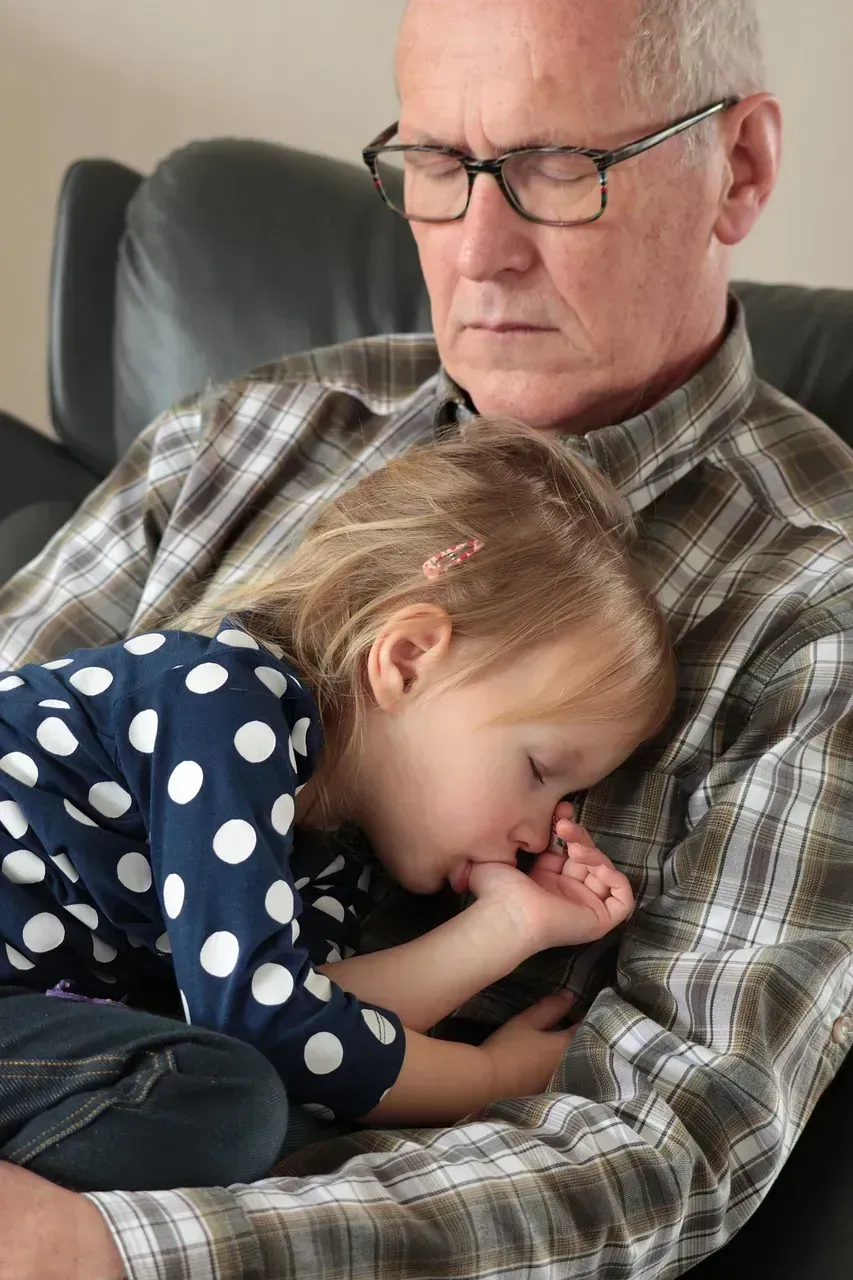
Maybe it’s Saturday morning pancakes at grandma’s house, or the secret handshake you have with grandpa, or the annual trip to pick out a Christmas tree together. These unique rituals that exist only between grandparent and grandchild become sacred. Most people have lasting memories of times spent with grandparents during childhood and adult life, with spending a weekend with grandparents synonymous with freedom and listening to them tell anecdotes about their youth creating memorable experiences where shared laughter was a sign of a great bond.
These traditions don’t need to be elaborate or expensive. Often the simplest ones stick the hardest. It’s the consistency, the special nature of something that belongs just to the two of you, that makes these traditions so powerful and memorable.
Showing That Aging Can Be Graceful and Full of Life

Honestly, watching grandparents age teaches children important lessons about life’s full cycle. Grandparenthood is often thought to be one of the most rewarding family roles, with grandparents taking great joy in watching a young child grow into adulthood and taking part in their various life accomplishments, and grandparenting has been shown to have health benefits, for instance, in fighting off symptoms of depression, encouraging physical activity, or helping to keep older adults mentally sharp.
When grandparents stay active, engaged, and curious about the world, they model positive aging for younger generations. They show that life doesn’t end at retirement, that learning never stops, and that purpose and joy can be found at every age. These aren’t lessons taught through lectures but through example.
Their Lasting Influence on Values and Character
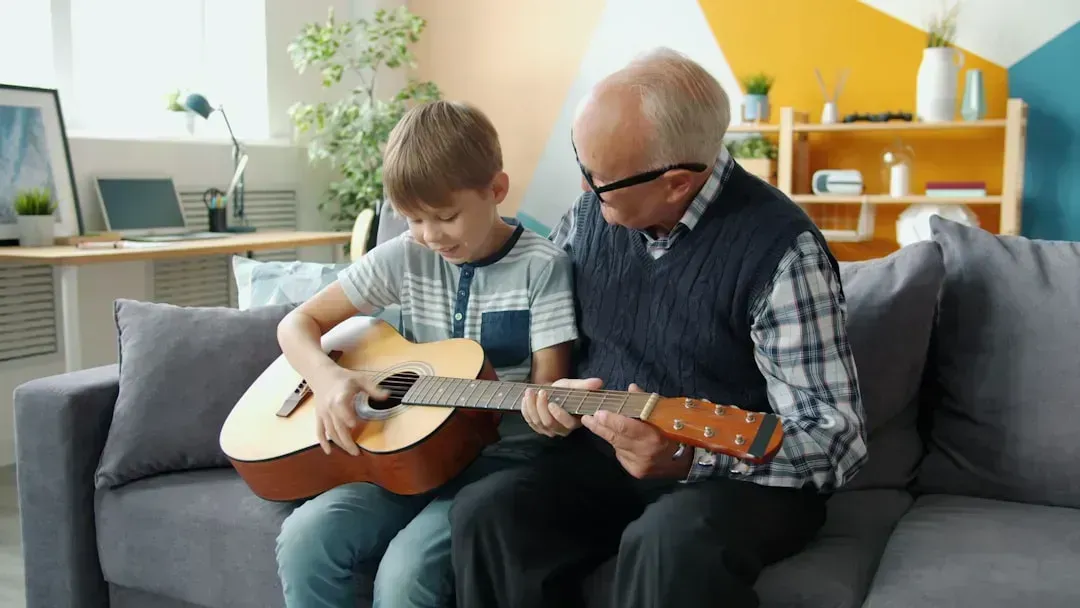
Research shows that nine out of ten adult grandchildren felt their grandparents influenced their values and behaviors in some way, and that some of their fondest memories have come from the time spent with their grandparent. This influence runs deep and often surfaces years later. Adults find themselves making decisions, approaching problems, or treating others in ways their grandparents modeled decades earlier.
The most significant effect grandparents have on adult grandchildren is in the area of value development, with studies of college students finding that grandparents were important in establishing political, religious, sexual, moral, and educational values as well as family ideals, work ethic, and identity. These aren’t just nice memories. They’re the foundation of who we become, shaped by the quiet, consistent presence of grandparents who loved us unconditionally and taught us what truly matters.
Did you recognize any of these moments from your own childhood? The beautiful thing is that these memories continue shaping us long after we’ve grown. So, what’s your favorite memory with your grandparents?