Why Traditional Retirement Advice Stops Working After 70
You’ve followed the rules your whole life. Saved diligently, invested wisely, and planned for the future. Yet when you hit your seventies, suddenly the retirement playbook that served you well starts falling apart. The strategies financial advisors promoted for decades begin to crack under the weight of reality. It’s not your fault, and honestly, it’s something we need to talk about more openly.
Required Minimum Distributions Become a Tax Trap

Starting at age 73, you’re legally required to withdraw specific amounts from traditional IRAs and retirement accounts each year. Here’s the thing: these Required Minimum Distributions don’t care about your actual needs. If you fail to take the correct amount, you face a harsh penalty of 25 percent excise tax on what wasn’t withdrawn. The government basically forces you to take money out and pay taxes on it, whether you need it or not. The SECURE 2.0 Act pushed the RMD age from 72 to 73 in 2023, and it’ll jump again to 75 in 2033, but that doesn’t solve the fundamental problem for those already past seventy.
The Four Percent Withdrawal Rule Crumbles

Financial planners love trotting out the four percent rule. Sounds safe, right? Take out four percent of your portfolio each year and you’ll be fine. Except when you’re over seventy, this rigid formula becomes dangerously inadequate. Wade Pfau, a retirement researcher, estimates there’s only about a 65 to 70 percent chance the four percent rule works for today’s retirees, placing the actual safe withdrawal rate closer to three percent. Think about that. Your expenses change over time – many retirees spend more in the early years when they’re active and able to travel, then spending often decreases as they enter their late seventies and beyond. A fixed withdrawal approach ignores this reality completely. The rule also fails to account for taxes and fees on your actual withdrawals, leaving you with substantially less purchasing power than you planned for.
Healthcare Costs Explode in Unpredictable Ways

Medical expenses more than double between ages 70 and 90, and the top 10 percent of all spenders are responsible for 52 percent of medical spending in a given year. Let’s be real here: that’s terrifying. The annual median cost of a private room in a nursing home rose from approximately $116,800 to $127,750 between 2023 and 2024. Meanwhile, the annual median cost for assisted living care jumped 10 percent, from $64,200 to $70,800 during the same period. Traditional retirement advice typically suggests allocating a modest percentage for healthcare, but these numbers show how wildly inadequate that guidance becomes. By the time you reach 65 years old, average healthcare costs are $11.3K per person, per year in the United States, and it only climbs from there.
Social Security Strategies Lose Their Edge

Social Security recipients received a 2.5 percent cost-of-living adjustment in 2025, down from 3.2 percent in 2024. Here’s where it gets frustrating: Social Security COLAs often fail to keep pace with real inflation, especially after factoring in rising Medicare Part B premiums, which means retirees should avoid relying on COLAs to offset inflationary pressures. The advice to delay claiming until age 70 makes sense in theory, but once you’re already past seventy, that ship has sailed. You’re locked into whatever decision you made years ago, and there’s no do-over button. Medicare Part B costs are expected to rise more than 11 percent in 2026, eating into whatever COLA bump you receive.
Longevity Risk Becomes Your Primary Enemy

Research shows that extending retirement by just five years raises the risk of running out of money by 41 percent, a risk that continues to grow as lifespans increase, especially for healthy, high-income retirees. Traditional planning typically assumes you’ll live to maybe 85 or 90. That might’ve worked decades ago, but not anymore. The Social Security Administration reckons a 55-year-old man can anticipate living to age 83, while Schwab recommends that men plan to live to age 92 and women to 94 due to the wealth effect. Once you hit seventy and you’re in good health, you could easily have another twenty or twenty-five years ahead. The old assumptions built into retirement calculators suddenly look foolish. Nearly 51 percent of Americans worry they’ll run out of money when they’re no longer earning a paycheck, and that fear intensifies dramatically after seventy.
Investment Allocation Advice Conflicts With Reality

Traditional wisdom says shift heavily into bonds as you age. Less risk, more stability. Sounds prudent. Yet low returns on fixed income have a significant impact on the sustainability of a four percent withdrawal strategy, with lower bond yields equating to decreased sustainability. You’re caught between needing growth to fund potentially decades more of life and fearing market volatility that could wipe out your nest egg. With people retiring in their fifties instead of their sixties and seventies, and with retirements lasting 40 or even 50 years, some in the FIRE community who retire in their early fifties feel more comfortable with a three percent or 3.5 percent withdrawal rate. If early retirees need that level of caution, imagine how conservative someone past seventy should be.
Estate Planning Guidance Becomes Inadequate

Standard estate planning advice assumes you’ll have a gradual, predictable decline. Clean and simple. Life after seventy rarely works that way. Cognitive decline can strike suddenly. Most of the increase in medical expenses comes from nursing home spending, and those currently experiencing either very low or very high medical expenses are likely to find themselves in the same position in the future. This persistence means if you hit a healthcare crisis, it’s probably not temporary – it’s the new normal. Your estate plan needs to account for years of potentially catastrophic expenses, not just a tidy inheritance distribution. The advice you received at sixty-five about trusts and beneficiaries may need complete overhaul by seventy-five.
Inflation Assumptions Prove Wildly Optimistic
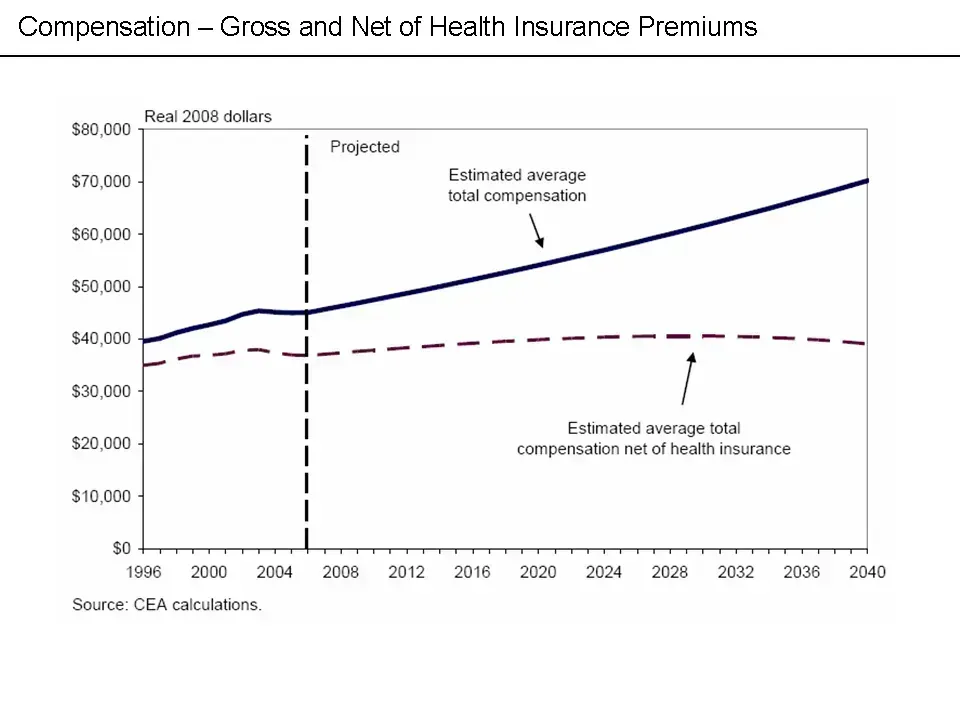
Healthcare is projected to remain a drag on U.S. GDP over the next decade, with costs rising due to an aging population, increasing use of GLP-1 drugs such as Ozempic, new cancer drugs, and price increases that outpace inflation. Traditional retirement planning typically assumes inflation runs around two to three percent annually. Maybe that works for overall consumer prices, but your personal inflation rate after seventy bears little resemblance to official numbers. Health spending often increases with age, and adults with chronic conditions like emphysema, diabetes, and heart disease have much higher medical costs, with annual out-of-pocket costs going up 27 percent for diabetes, 55 percent for heart disease, and 19 percent for high blood pressure. Your grocery bill might increase modestly, but your healthcare costs can skyrocket by double digits year after year.
Legacy and Gifting Strategies Backfire

Financial advisors often encourage retirees to start gifting money to heirs or charities once they hit their seventies, assuming they’ve got enough cushion. That advice can prove devastating. If there’s a chance you’ll need to take more than four percent from your savings to cover basic expenses, it may be a sign your savings are not yet strong enough. Once you’ve given money away, you can’t get it back when an unexpected healthcare crisis emerges. The IRS allows people age 70½ and older to make qualified charitable donations directly from an IRA and exclude them from taxable income. The ceiling for an eligible donation rose from $108,000 in 2025 to $111,000 this year. While tax-efficient, this strategy assumes your needs remain stable, which they almost never do after seventy.
The One-Size-Fits-All Approach Falls Apart

Milliman’s 2024 Retiree Health Cost Index projects that a healthy 65-year-old couple can expect to spend upwards of $395,000 on healthcare costs in retirement, though how much they spend may vary substantially from average amounts depending on individual circumstances. Think about that number for a moment. Traditional advice treats all retirees as roughly similar, maybe with minor adjustments for wealth or health. By seventy, your situation has diverged dramatically from statistical averages. Your specific health conditions, family history, geographic location, and lifestyle choices create a unique financial fingerprint that generic advice simply cannot address. Advisors can assess longevity risk by weighing factors from demographic trends to health and family history and even the client’s own tolerance for longevity risk, establishing a systematic process to adjust and optimize plans beyond choosing arbitrary default age settings.
The reality is, retirement after seventy demands a completely different playbook than what got you there. What do you think – does this match your experience or concerns about the future?