Quiet Wealth Signals: 10 Habits Shared by Millionaires You’d Never Guess Were Rich
You probably walk past wealthy people every day without knowing it. They’re not wearing designer logos or driving flashy cars. They’re at the grocery store clipping coupons or sitting next to you at a coffee shop with a worn paperback.
The truly wealthy have mastered something the rest of us haven’t: invisibility. They’ve figured out how to build massive wealth while blending into the background of everyday life. Let’s be real, the people who look rich often aren’t, and the ones who actually are rich typically aren’t trying to prove it.
They Drive Modest Cars Most People Can Afford

According to Dave Ramsey’s National Study of Millionaires, which surveyed over 10,000 U.S. millionaires, roughly nineteen out of twenty live on less than they make. According to Experian Automotive research cited by Ramsey, 61% of wealthy people drive Hondas, Toyotas, or Fords, while only about eight percent drive luxury vehicles like Lexus. Think about that for a second. Toyota, Ford, and Honda are most common among high-income households, and one recent study found that the top vehicle in the U.S. for people earning over $200,000 is the Ford F-150 pickup truck. Warren Buffett, worth over $140 billion, famously still drives a 2014 Cadillac with hail damage. These people understand something crucial: vehicles are depreciating assets, not investments. They’d rather put their money where it can actually grow than lose value the moment they drive off the lot.
They Read Like Their Lives Depend on It
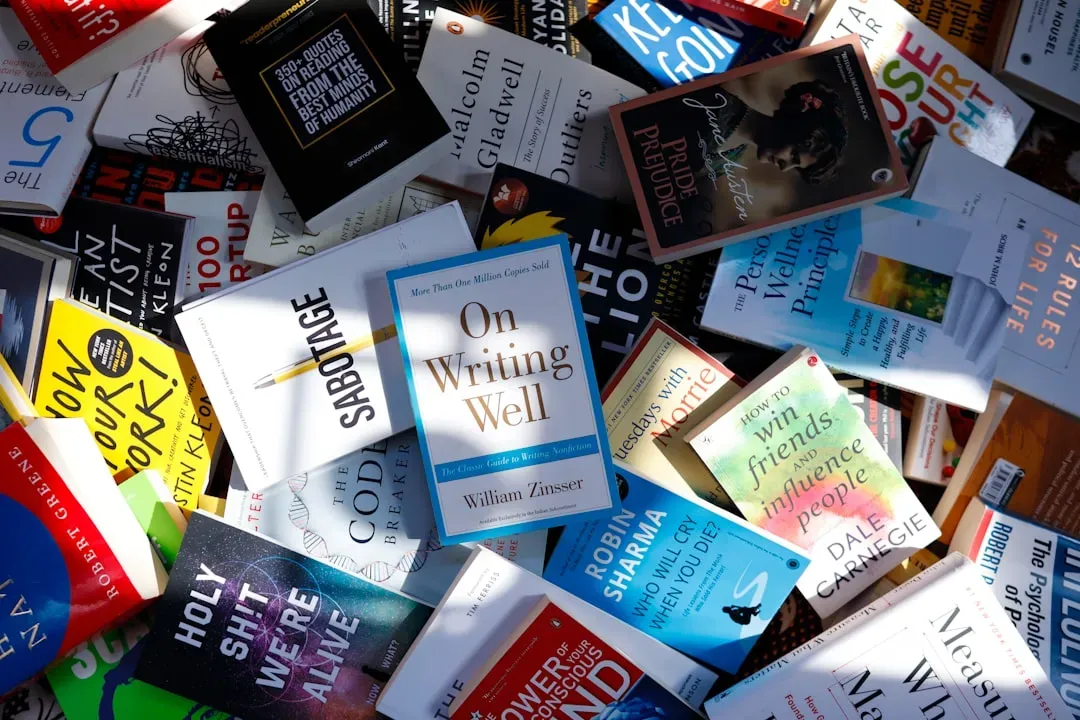
According to Tom Corley’s Rich Habits study, roughly nine out of ten millionaires dedicate at least 30 minutes daily to self-education. Here’s the thing though. The study found that roughly four out of five rich people read two or more books on education or self-improvement a month, and nearly all wealthy individuals perused news-related publications. Warren Buffett has been known to plow through up to 500 pages a day in his early career, and even now he estimates he spends five to six hours daily with trade publications and business reports. Meanwhile, millionaires spend about 2.5 hours per week on social media while the general population spends 14 hours per week. They’re feeding their minds while everyone else is scrolling through feeds.
They Use Coupons Without Shame

This one surprises people the most. Roughly nine out of ten millionaires use coupons all or some of the time when shopping. More than one-third of millionaires surveyed spend less than $300 each month on groceries, and almost two-thirds spend less than $450. They’re not above hunting for deals or waiting for sales. The wealthy see no connection between their net worth and their willingness to save twenty percent on olive oil. It’s almost like they understand that small amounts compound over time, which is exactly how they got rich in the first place.
They Never Carry Credit Card Balances

Roughly three out of four millionaires have never carried a credit card balance in their lives. Debt is the silent wealth killer, yet the average person treats it like a normal part of life. Car payments and student loans just aren’t part of wealthy people’s vocabulary, which is why they win with money since every dollar they earn stays with them to spend, save and give. They view interest payments as throwing money into a fire. The rest of us rationalize monthly payments as affordable, while they calculate the true cost over time and walk away from the deal.
They Budget Even Though They Don’t Have To

Average millionaires have made a habit of budgeting every month. Let that sink in. People who could buy almost anything still track where every dollar goes. A Northwestern Mutual survey found that a whopping eighty-four percent of wealthy individuals had a financial plan, compared to just about half for the general public, meaning rich people are simply more intentional with their saving and spending. They didn’t stop managing their money once they made it. Actually, that’s probably why they made it in the first place.
They Volunteer and Give Back Regularly

Of the millionaires studied, roughly two-thirds volunteered for five hours or more per month. Wealth doesn’t make them self-absorbed; it seems to do the opposite. Nearly two-thirds reported that they volunteered five hours or more a month at local nonprofits, and roughly one in eight of them served on the board of directors of a church or nonprofit organization. This habit connects them to their communities and surrounds them with other success-minded people. It also keeps them grounded and grateful, which seems to be part of their formula for sustained success.
They Exercise Consistently

According to Tom Corley’s research, roughly three out of four wealthy people exercise for at least 30 minutes a day. This isn’t about vanity. Additionally, about three in four exercised regularly to maintain energy and focus, enhancing decision-making and resilience. They understand that their bodies and minds are their most valuable assets. You can’t build wealth if you’re exhausted, sick, or mentally foggy. Research shows that millionaires have greater job autonomy than the general population, and this greater job autonomy was associated with higher happiness. They need the energy to maintain that edge.
They Spend Time With Family, Not Just at Work

Financial success doesn’t mean spending days and nights at the office since millionaires get more quality time with their family than the average person, and they work about 38 hours per week compared to about 34 for the average American, which means they are more efficient with their time. This challenges everything we’ve been told about hustle culture. In Study 1, millionaires spent more time engaged in active leisure like exercising and volunteering rather than passive leisure like watching television, and in Study 2 they spent more time engaged in tasks at work over which they had more control. They’ve figured out that working smarter beats working longer.
They Prioritize Experiences Over Things

The wealthy often prioritize spending on experiences over material possessions, recognizing the lasting value and fulfillment that memorable experiences can bring, and unlike material goods which may depreciate in value over time, experiences such as travel and cultural events can create cherished memories. Honestly, this makes complete sense. Research indicates that investing in experiences often yields more enduring happiness than spending on items, plus memories are more personal and less likely to invite envy. They’re buying memories and personal growth, not status symbols to impress strangers.
They Focus on Tax Efficiency Obsessively

Wealthy clients try to minimize the taxes they pay, finding some element of tax savings in everything from retirement plan investments to home mortgage interest and charitable contributions. This is where they really separate themselves. Making decisions in the most tax-efficient way is how most wealthy people retain their fortune and continue to expand it, and although your tax situation might be very different from someone with a seven or eight-figure net worth, that doesn’t mean you can afford to neglect tax planning. They treat every dollar saved on taxes as another dollar that can compound over decades. The rest of us barely glance at our tax returns and wonder why we’re not getting ahead.
The truth about quiet wealth is this: it’s built on discipline, not drama. The overwhelming majority, roughly four out of five millionaires in the U.S., did not receive any inheritance at all from their parents or other family members. Tom Corley, who spent five years studying 233 self-made millionaires, found that Saver-Investors took an average of 32 years to reach millionaire status. These habits aren’t flashy or exciting. They won’t get you Instagram followers or impress people at parties.
They’ll just make you wealthy while everyone else is wondering how you did it. So the next time you see someone driving a ten-year-old Honda while everyone else is leasing luxury cars, don’t feel sorry for them. They might just be a millionaire who figured out what actually matters. What would you choose: looking rich or being rich?