The 7 Deadliest Hiking Trails in America, Ranked by Fatalities
Every year, thousands of hikers lace up their boots with visions of summit selfies and sweeping views. Most return home with sore calves and stunning photographs. Some never return at all. The trails on this list aren’t just challenging. They’re statistically lethal, with death tolls that span decades and continue climbing year after year. Let’s dive into America’s most unforgiving paths.
7. Bright Angel Trail, Grand Canyon National Park, Arizona
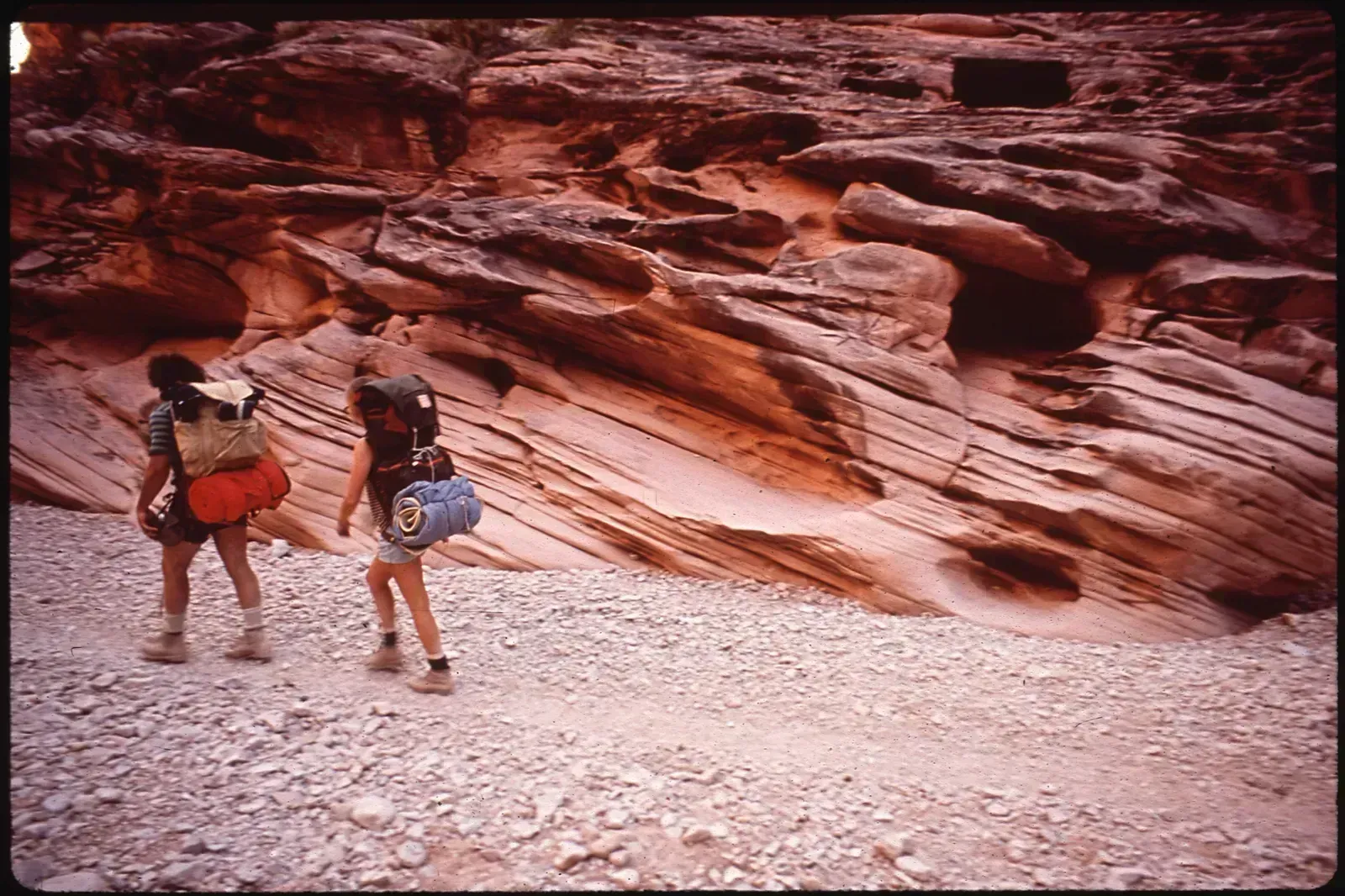
Around 10 people die every year at Grand Canyon National Park, making it one of the deadliest destinations in the U.S. national park system. Grand Canyon National Park ranks first in fatalities for recent years with over 130 deaths from 2007-2023, and the Bright Angel Trail sees a significant portion of those incidents. This trail is deceptively accessible, starting right from Grand Canyon Village, which means unprepared tourists in flip-flops can wander down into serious trouble before realizing what they’ve done.
The danger isn’t technical difficulty. It’s heat, distance, and exhaustion. Temperatures climb as you descend deeper into the canyon, and the uphill return drains even fit hikers. A hiker died in the Grand Canyon on Sunday, marking the third death at the national park in the past month, according to reports from summer 2024. Medical emergencies dominate the fatality reports here, particularly cardiac events and heat-related collapses.
6. Kalalau Trail, Nā Pali Coast, Hawaii
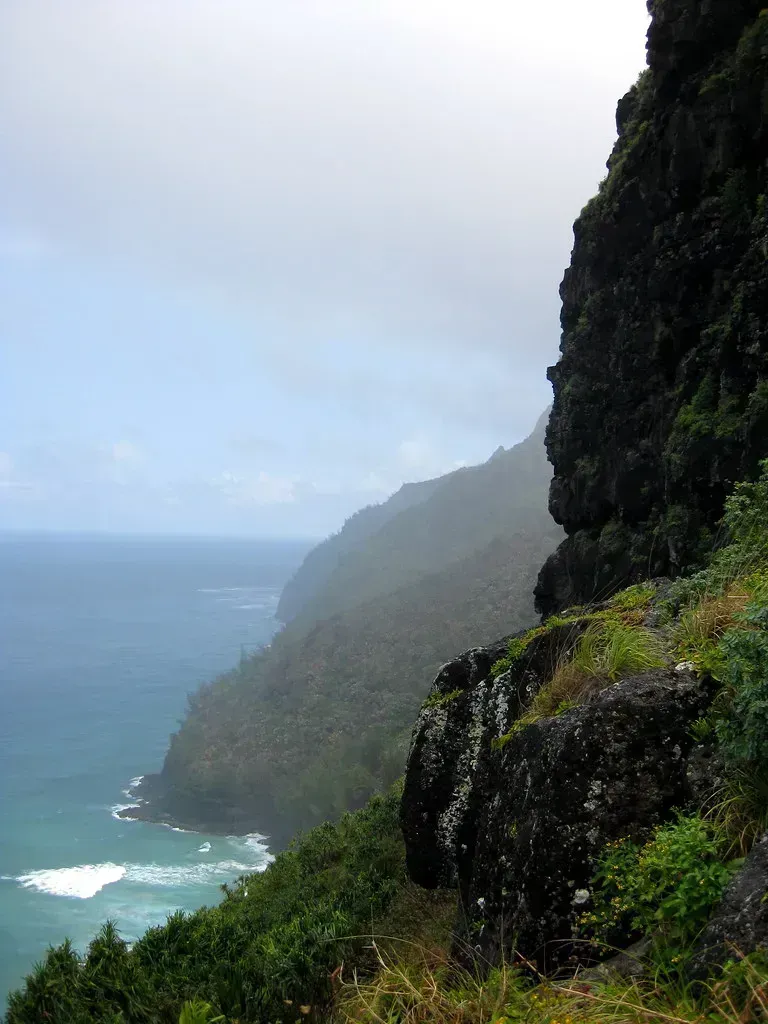
The trail follows narrow ledges carved into sea cliffs with several exposed sections, most notably Crawlers Ledge, where footing is precarious and one misstep means a fatal fall, while tropical storms and rainfall happen frequently, triggering flash floods that can turn stream crossings into impassable torrents. This 11-mile trail along Hawaii’s rugged coastline doesn’t forgive mistakes. Loose rock, mud-slicked paths, and ocean rip currents create a deadly combination that has claimed experienced hikers and swimmers alike.
In September 2024, a norovirus outbreak forced a full trail closure after dozens of hikers fell ill, though the bigger threats remain environmental. Flash floods are the silent killer here, trapping hikers between rising water and sheer cliffs. Even skilled swimmers have drowned when swept into the churning Pacific.
5. Capitol Peak, Colorado
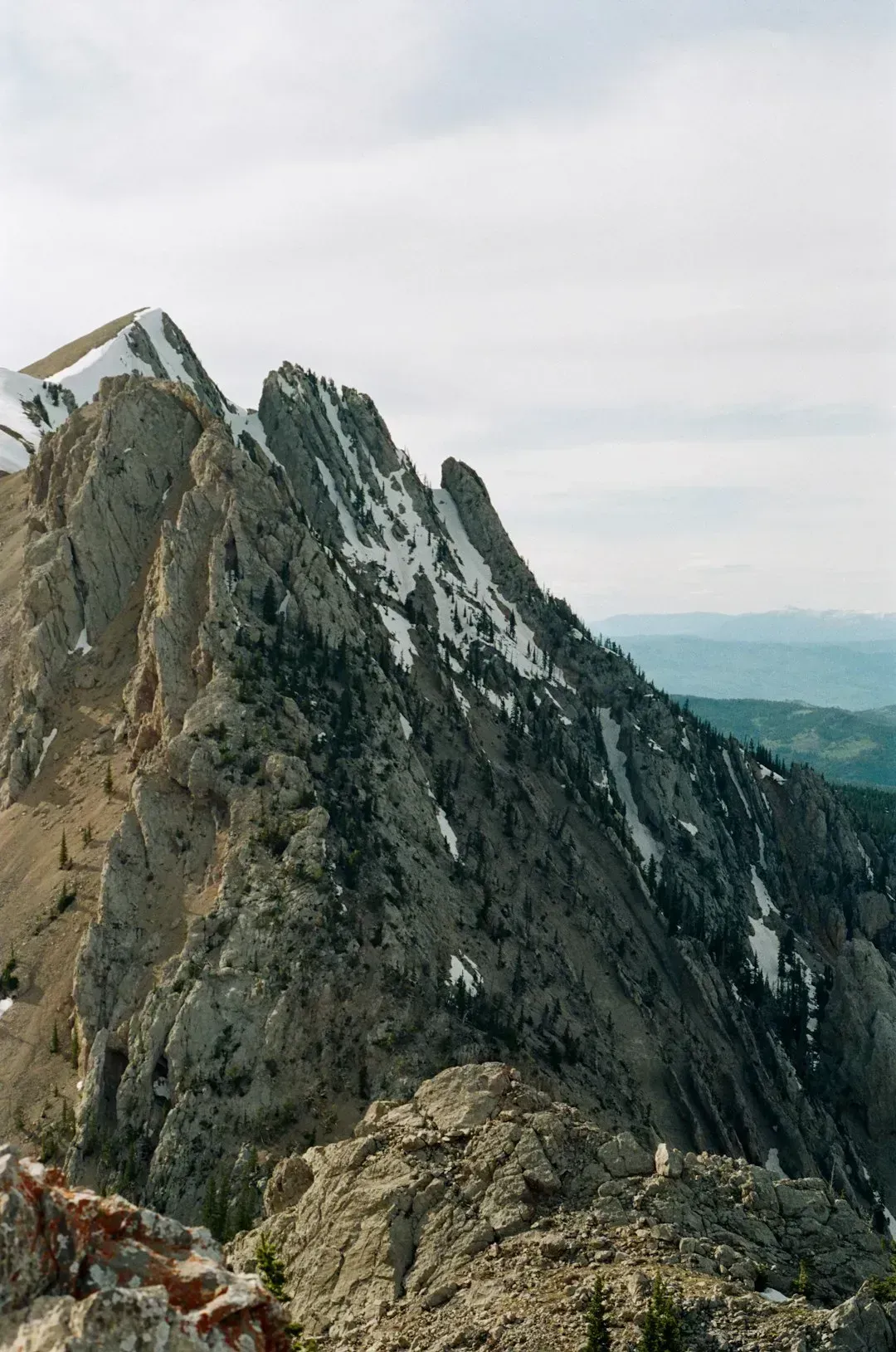
In January 2025, a 29-year-old hiker was found dead near Upper Boy Scout Lake after a solo winter attempt, having gone missing for five days. Capitol Peak might not be a household name, yet it’s earned a brutal reputation among Colorado’s 14,000-foot mountains. The infamous Knife Edge ridge terrifies even seasoned climbers with its exposure and crumbling rock. Social media has turned this summit into a bucket-list item, drawing inexperienced climbers who underestimate the consequences.
In November 2024, two hikers carrying 150 lbs of gear were rescued after becoming exhausted mid-climb, with one suffering altitude-related medical issues, while five climbers required rescue in September 2024 after being trapped by early-season ice. The rescues pile up alongside the fatalities, straining volunteer search teams.
4. Mount Whitney, California
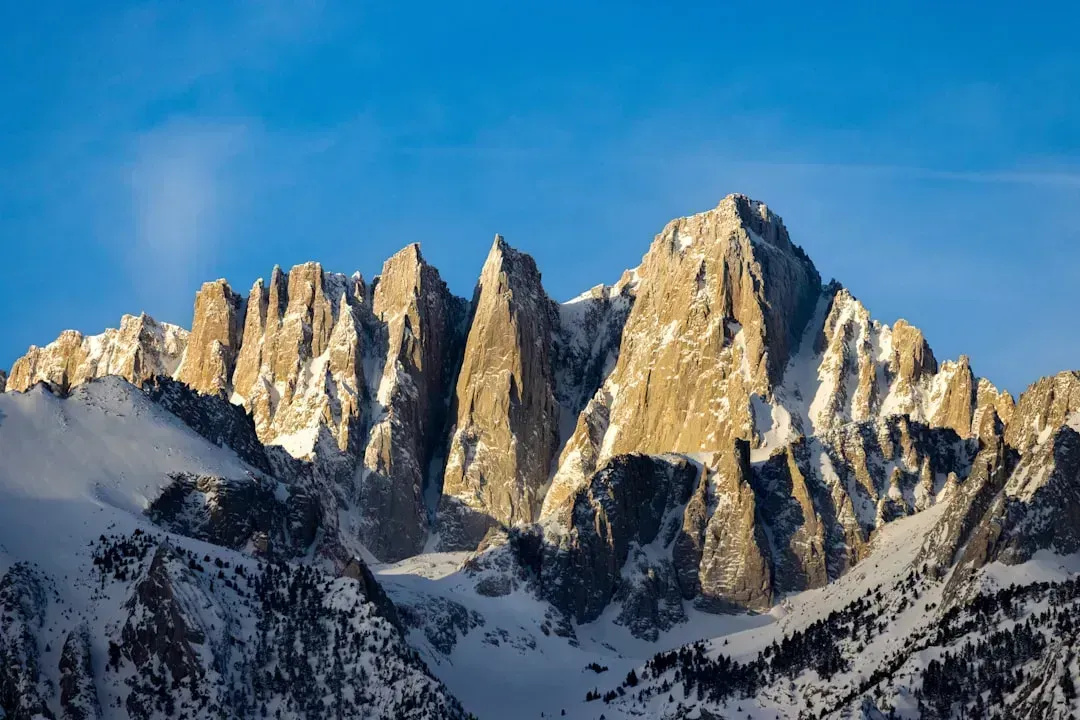
At 14,505 feet, Mount Whitney stands as the tallest peak in the lower 48 states. That elevation brings serious altitude sickness risk, even to well-conditioned hikers. Altitude is the big variable, as even fit hikers can be hit with acute mountain sickness at 12,000 feet, and adding fatigue, rockfall, or snow patches makes the final miles risky, with “summit fever” pushing some to keep going despite clear warning signs.
Recent years have seen multiple deaths and emergency rescues. The physical toll is relentless, and weather can shift without warning. Many deaths occur when exhausted hikers make poor decisions in oxygen-thin air, pushing past their bodies’ warning signals to reach the summit.
3. Half Dome, Yosemite National Park, California
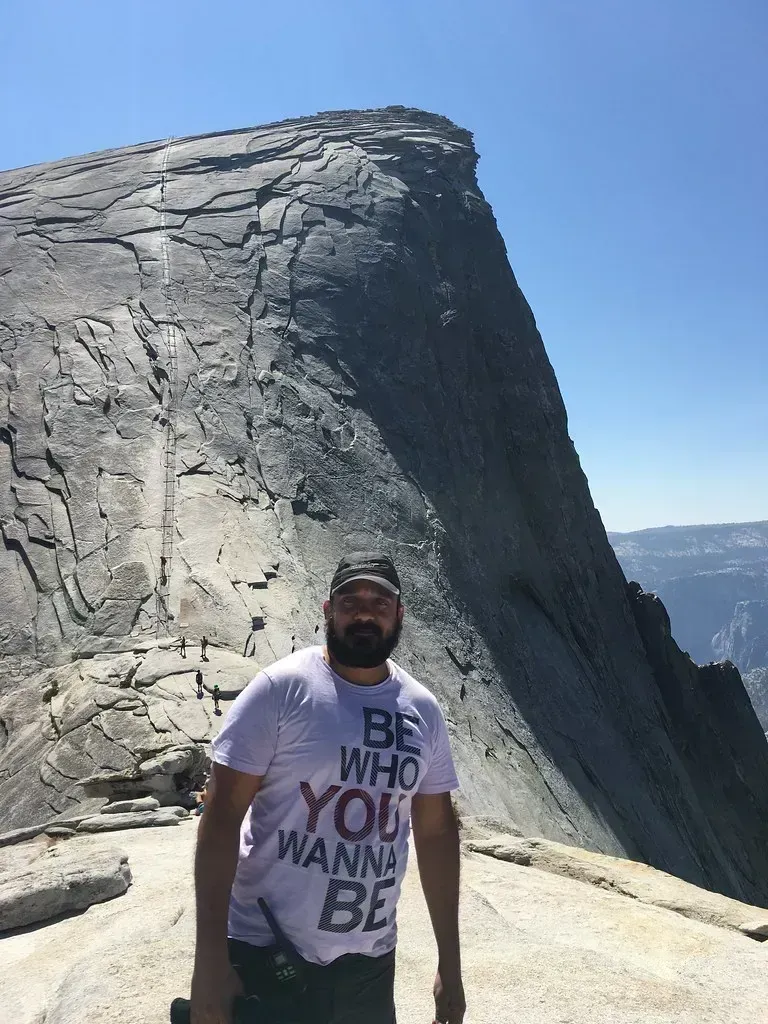
Reportedly around 25 people have died on or near the cable section and summit, and including the Mist Trail approach, the total is estimated at 40 or more. Since 2005, Yosemite National Park’s Half Dome has had 13 fatalities and, in 2023 alone, reported 20 incidents requiring rescue. The final 400-foot cable ascent is where most tragedies unfold.
In the almost 100 years since cables were installed, 10 people have died from falling on that stretch, with at least six fatal falls occurring when the rock was wet. In July 2024, Grace Rohloff, an experienced hiker, had celebrated reaching the Half Dome summit just moments before the accident, slipping during a heavy rainstorm and falling to her death while descending the cables with her father. Weather is the difference between exhilaration and death here. That polished granite becomes lethally slick in seconds when storms roll in.
2. Angels Landing, Zion National Park, Utah
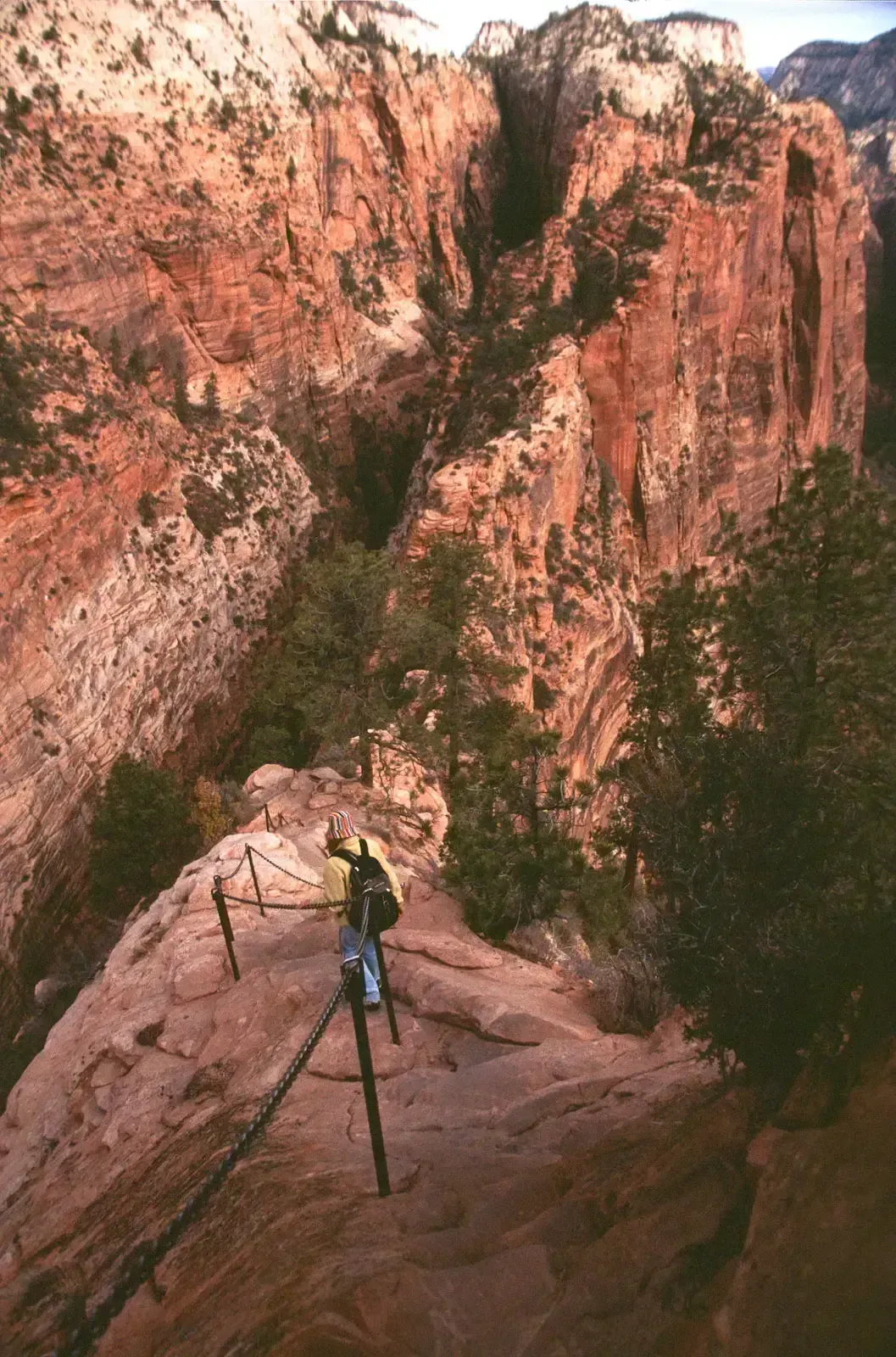
This trail has become Instagram-famous, which might actually be part of the problem. Between 2007 and 2024, Zion National Park recorded 59 fatalities, with Angel’s Landing responsible for about 10. There have been around 10 confirmed deaths on the Angels Landing hike as of 2026, mostly from falling and a few health related.
This trail is narrow, steep, and fully exposed, with the last half-mile running along a slick sandstone ridge just a few feet wide, with nothing but open air on both sides, while chains offer support but are no safeguard against slips. Interestingly, there have been no deaths since the permit scheme was launched in 2022, suggesting overcrowding played a major role in past incidents. The permit system has helped, yet the trail remains ruthlessly unforgiving.
1. Mount Washington, New Hampshire
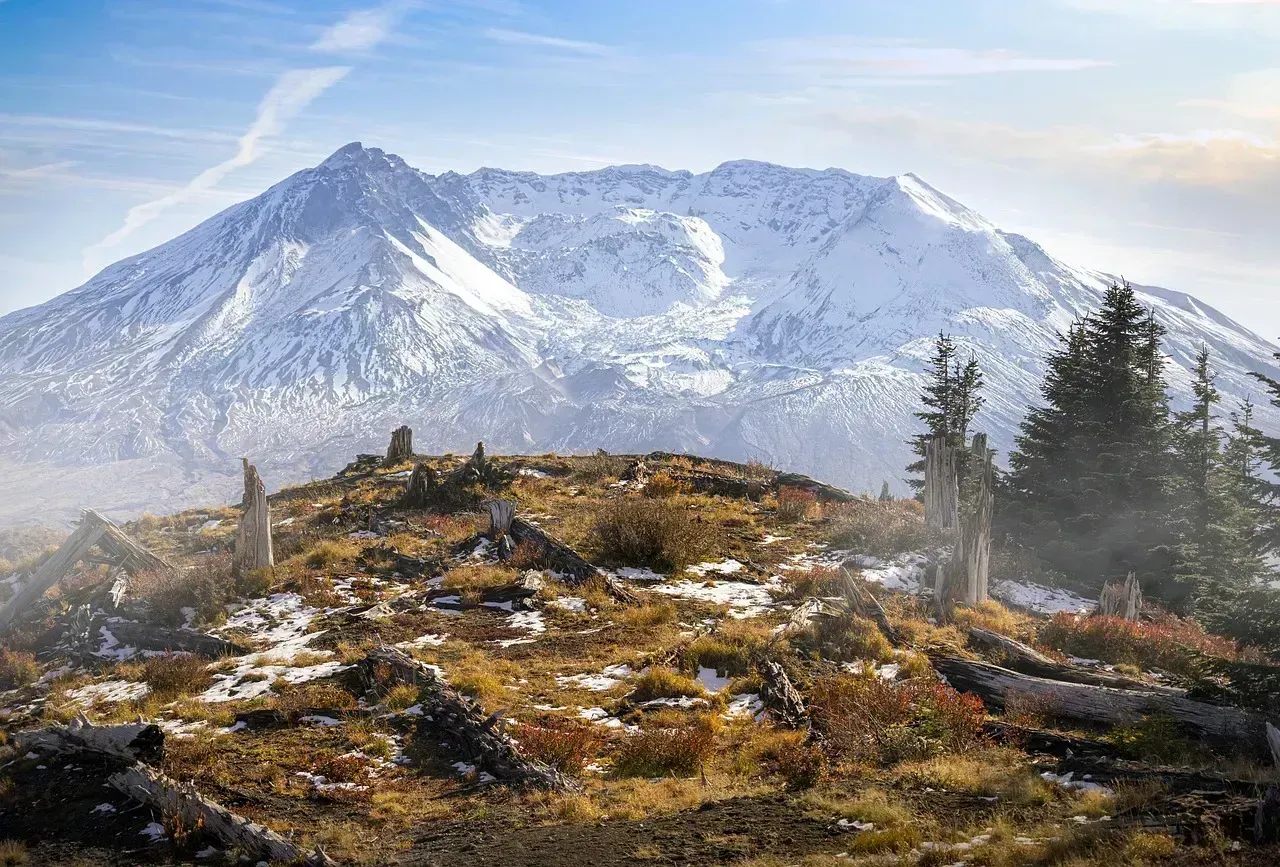
Mount Washington itself has been listed among the ten deadliest mountains in the world, with 178 known fatalities and missing persons within the Presidential Range. There have been a total of 161 fatalities on Mount Washington since 1849, a relatively high number that’s almost half the number of people who have died attempting to climb Mount Everest. At only 6,288 feet, it shouldn’t be this deadly. The problem isn’t altitude. It’s weather.
The mountain earned its nickname as home of the “worst weather in the world,” with hurricane-force gusts greater than 74 mph observed at the summit more than 100 days a year on average. People die from hypothermia here in summer, not winter, with 161 people dying since 1849 and more people dying from hypothermia in the summer than in winter. In June 2022, a hiker attempting the Presidential Traverse died of hypothermia after a severe storm brought gusting winds and winter-like conditions, with rescue teams enduring 80-mile-per-hour wind gusts and a wintry mix of rain, sleet, and snow falling in below-freezing temperatures. The mountain’s accessibility from major East Coast cities lures unprepared hikers who vastly underestimate the danger.
Why These Trails Keep Claiming Lives

You might be wondering what makes these particular trails so much deadlier than thousands of others across America. The answer isn’t what most people expect. It’s not that these trails are necessarily the most technically difficult or remote. The real killer is a toxic combination of accessibility and underestimation. Most of these deadly trails sit near major tourist destinations or cities, which means they attract massive crowds of inexperienced hikers who treat a potentially fatal adventure like a casual afternoon stroll. Angels Landing gets half a million visitors annually, and the Grand Canyon sees over 4 million tourists each year, many of whom decide to hike on impulse without proper gear, water, or understanding of what they’re getting into. Weather plays a huge role too, with conditions that can flip from pleasant to life-threatening in minutes, catching unprepared hikers completely off guard. The deadliest factor, though, might be social media pressure. People see Instagram photos of these iconic spots and feel compelled to get that perfect shot, pushing beyond their limits and ignoring warning signs their body is sending them.