The World’s Next Travel Hotspots – Before Everyone Else Goes
Albania: Europe’s “How Is This Still Under the Radar?” Escape
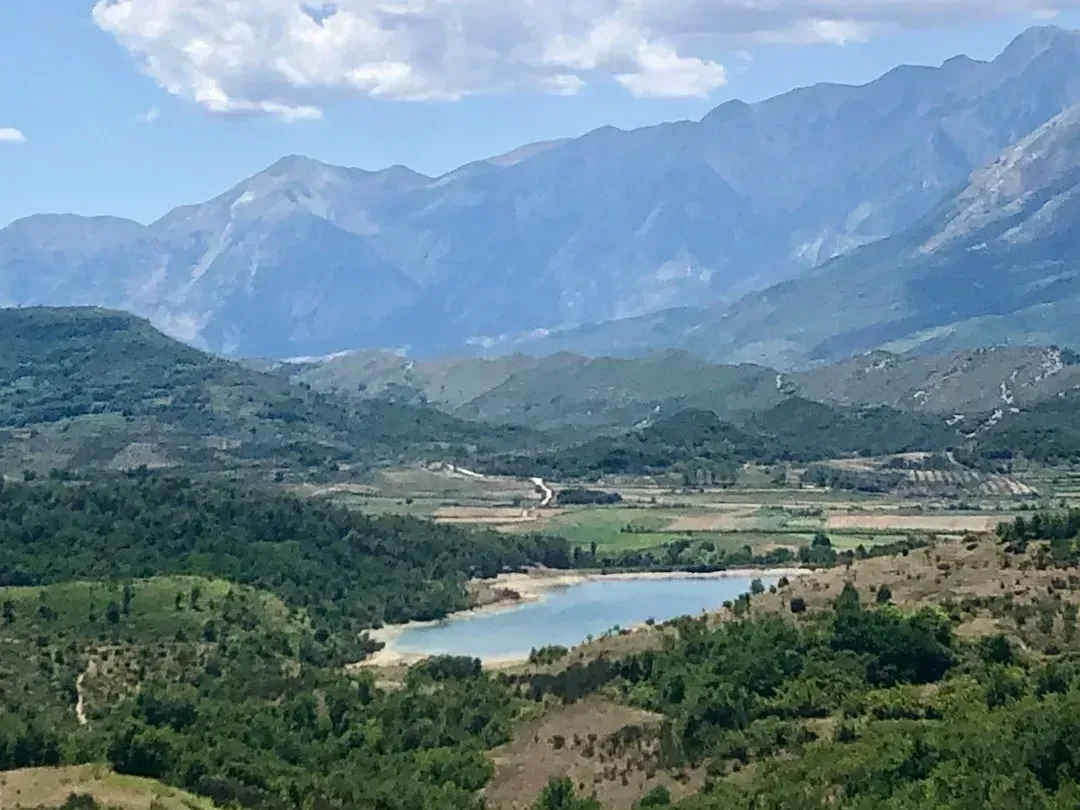
It’s a little shocking how few American travelers realize how big Albania has already become for everyone else. In 2024 the country welcomed about 11.7 million visitors, but only a small fraction came from the Americas, which means most U.S. travelers still overlook it while flocking to Italy and Greece instead. Recent travel data from European outlets ranked Albania among the fastest‑growing destinations worldwide between 2019 and 2024, with international arrivals rising by around four fifths compared with pre‑pandemic levels. Yet on the ground, prices for food, transport, and accommodation remain noticeably lower than in nearby Croatia or Greece, and younger Albanians speaking English fluently makes it surprisingly easy to get around.
Saudi Arabia: A Mega‑Project Desert Turning into a Tourism Powerhouse

If there’s one place that feels like a live construction site for the future of travel, it’s Saudi Arabia right now. The country has set an official goal of attracting more than 150 million tourists annually by 2030 and is pouring hundreds of billions of dollars into tourism‑focused projects under its Vision 2030 plan, from the Red Sea’s island resorts to the futuristic NEOM development in the northwest. UN tourism data highlighted Saudi Arabia as one of the world’s top rebound stories in 2024, with international arrivals more than doubling compared with 2019, putting it among the fastest‑growing destinations on the planet. Aviation moves are matching the ambition: Saudia Group is expanding routes, and Riyadh’s new King Salman International Airport, now under construction, is designed to handle around 120 million passengers yearly by 2030 .
Uzbekistan: Silk Road Cities Riding a Tourism Boom
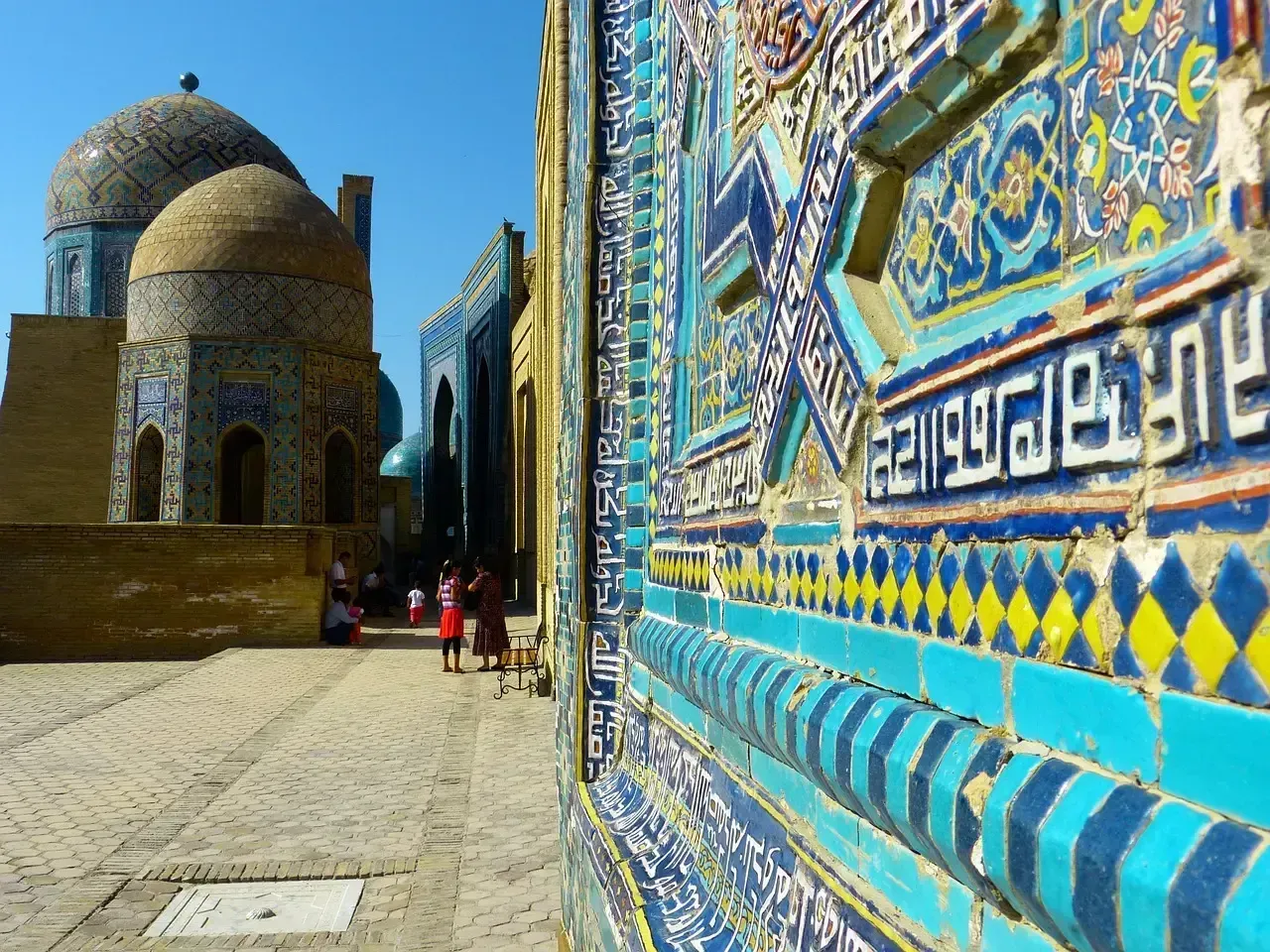
Uzbekistan has gone from niche Silk Road curiosity to one of the most eye‑catching growth stories in global tourism statistics. Official figures from the country’s National Statistics Committee show that foreign tourist arrivals rose from around 7 million visitors in 2023 to 8.2 million in 2024, then jumped again to about 11.7 million in 2025, meaning the number of international tourists has nearly doubled in just a couple of years. Between January and May 2025 alone, the country recorded about 4.2 million foreign visitors, a year‑on‑year increase of just under half, and UN Tourism data listed Uzbekistan among the world’s seven fastest‑growing destinations compared with 2019 levels. The government has backed that surge with a visa‑free or simplified visa regime for citizens of close to one hundred countries and heavy investment in new hotels, guesthouses, and tour operators, which makes classic stops like Samarkand and Bukhara feel much more accessible while they’re still relatively uncrowded by long‑haul Western travelers.
Rwanda: Africa’s High‑End Nature Hub in the Making
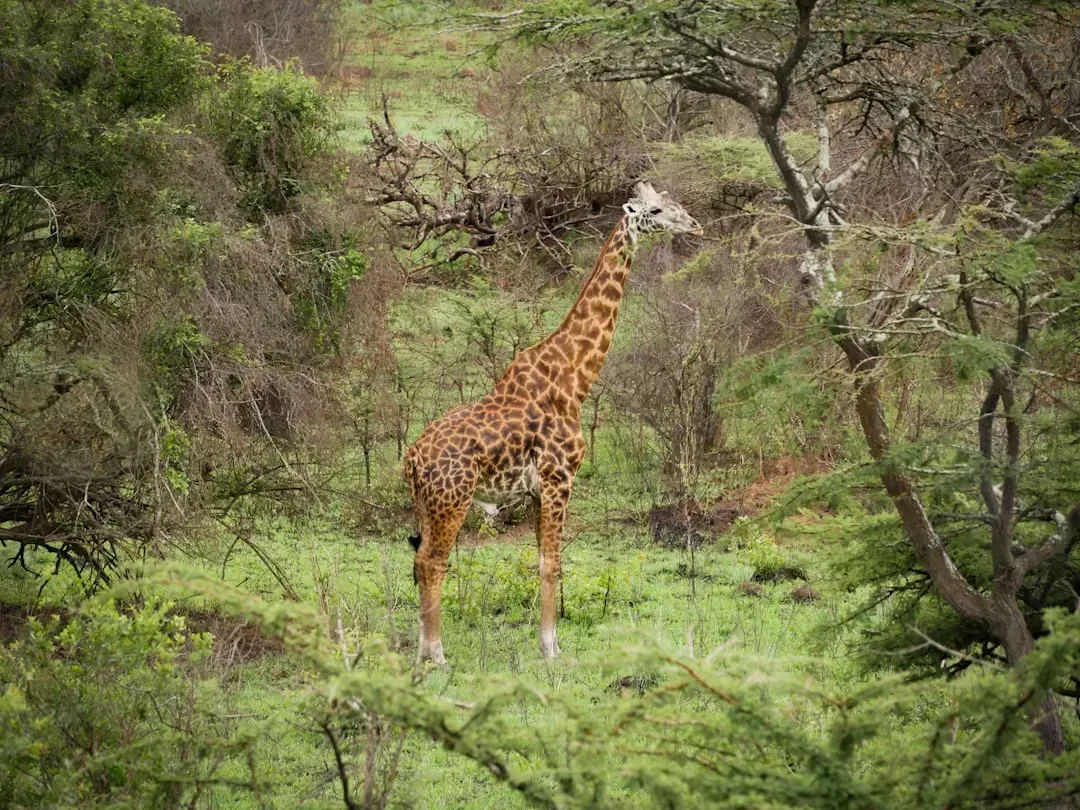
Rwanda is quietly becoming the place people mention in travel circles when they want something wild but well organized. Before the 2020 pandemic, the country welcomed roughly one and a half million visitors a year, and while 2023 numbers were still rebuilding, Rwanda’s Development Board reported that tourism revenue had already surpassed its pre‑2020 levels, driven largely by high‑value nature and conference travelers instead of mass tourism. Gorilla trekking permits in Volcanoes National Park are deliberately capped and priced high, which sounds exclusive, but the model has channeled tens of millions of dollars into conservation and community projects in the last few years and kept wildlife encounters uncrowded. At the same time, Kigali has leaned into its growing role as a meetings and tech hub, with new hotels and a convention center that help fill planes and make it easier to combine city time with lake shores and rainforest in a single, compact trip.
Panama: More Than a Canal, Now a Central American Connector
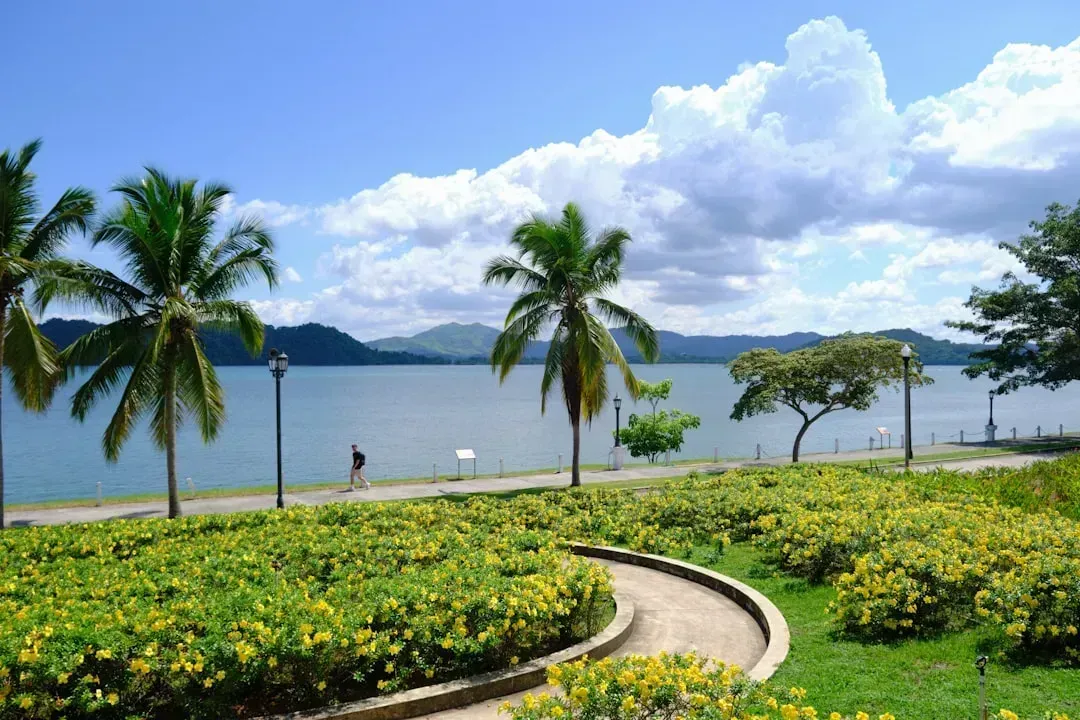
For a long time, Panama was the country travelers flew through rather than stayed in, but recent numbers suggest that’s changing fast. The national tourism authority reported that the country surpassed its pre‑pandemic international arrival figures in 2023, driven by a strong comeback of visitors from North America and Europe and supported by Copa Airlines’ expanding hub at Panama City’s Tocumen International Airport. In 2024 and 2025, government and private‑sector projects have pushed hard on ecotourism in lesser‑known regions like the Darién and the Pacific and Caribbean coasts, while Panama City has seen a small surge in new boutique hotels and restored historic buildings in Casco Viejo. What makes Panama stand out now is the combination of modern air links – often with easy nonstops from major U.S. cities – and genuinely wild experiences a short drive or domestic flight away, which is exactly the sweet spot many travelers are starting to look for.