8 Things Bartenders Notice About You Before You Even Order
Ever wonder what’s going through your bartender’s mind when you walk into a bar? Long before you utter a single word about your drink preference, they’re already reading you like a book. According to bartenders, the longer you work this job, the better you get at reading people, and the more important you realize it is. Nonverbal communication makes up roughly nine-tenths of all communication, so it plays a big role in bartending. Let’s be real, these pros aren’t just mixing drinks. They’re decoding dozens of subtle signals you didn’t even know you were sending.
From the second you step through that door, bartenders are sizing up everything from your body language to your clothing choices. They’re trained observers who rely on these quick assessments to deliver better service, anticipate your needs, and sometimes even protect you from yourself. What exactly are they picking up on? The answers might surprise you.
Your Body Language Speaks Volumes
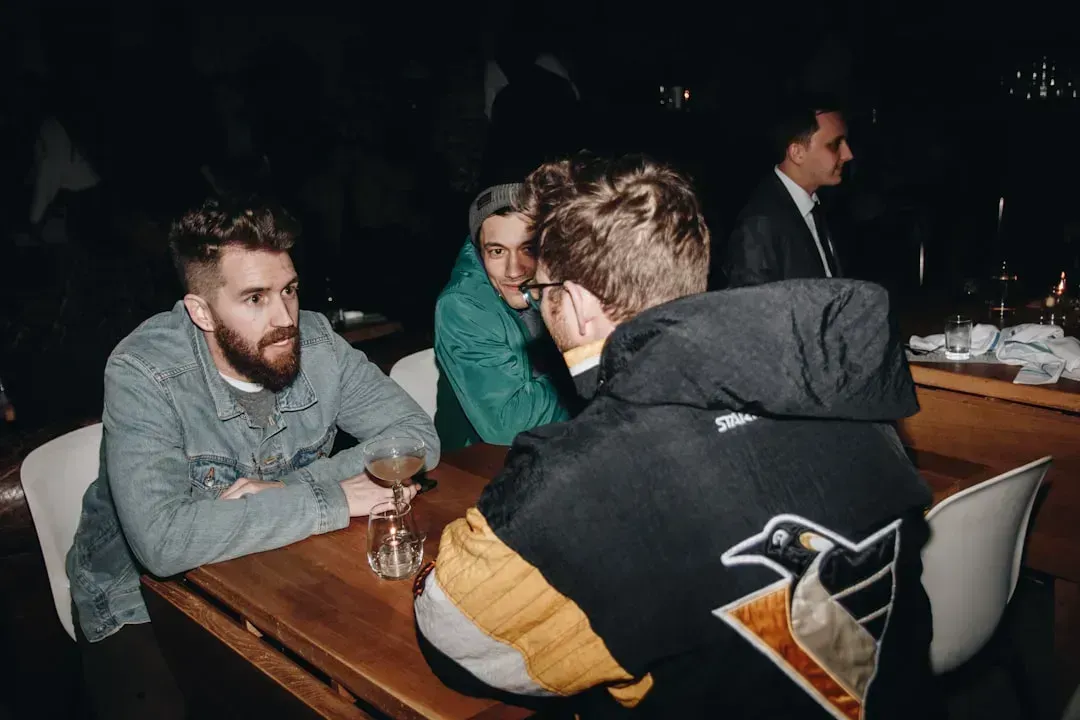
The way you enter a bar and your overall body language can show whether you’re comfortable there and know what you want, or if you might need a drink suggestion or other guidance. Bartenders notice immediately if you’re walking in confidently or looking confused and uncertain. If you’re disheveled, slurring your words or walking in a strange way, bartenders will likely offer you water or a nonalcoholic drink. Honestly, your physical coordination tells them everything they need to know about your current state before any conversation even begins.
Professional bartenders notice body language cues like whether a customer is leaning in and engaged, which signals they’re open to conversation. They’re watching your posture, your eye contact, and how you position yourself at the bar. It’s not creepy surveillance, just smart service.
Who You’re With Matters More Than You Think
Coming in solo versus on a date versus with a large group gives the bartender important intel on you. Bartenders can tell from the moment you pass through the doors if you’re on a first date, and they can see how uncomfortable you feel with someone you’re meeting for the first time. Here’s the thing: your social dynamic shapes their entire approach to serving you.
Single customers often get more conversational attention, while couples on dates receive more privacy. Large groups signal a different energy entirely, requiring bartenders to adjust their service style and anticipate higher volume needs. They’re tailoring their approach based on social context way before you order that first round.
Your Clothing Tells a Financial Story
Clothing gives clues about money, and people in expensive clothes, especially shoes, handbags and coats, are often there for the experience as much as the drink. This means they’re more likely to order expensive drinks, expect to be served in a particular way, and enjoy hearing things like the year of the wine or the history of the local vintner, requiring the bartender to give the party extra attention. It sounds superficial, but it’s practical observation, not judgment.
Thankfully, this often pays off in higher tips as well. Bartenders are essentially calibrating their service level to match expectations based on visual cues. They’re not necessarily treating people differently for snobbish reasons, they’re adapting to what different customers typically want from their bar experience.
How You Order Food Reveals Your Evening Plans
Whether or not you order something to snack on gives the bartender clues about how long you plan on staying, if you’re partying or just grabbing a drink or two, and if you’re socializing or decompressing. Someone ordering substantial food is settling in for the long haul. Someone skipping the menu entirely? Probably in for a quick drink and out.
This affects everything from how bartenders pace their attention to you, to whether they bother suggesting additional items. It might seem like a minor detail, but food orders communicate intentions surprisingly clearly. Bartenders use this intel to manage their bar flow and prioritize service efficiently throughout the night.
Your Eye Contact and Engagement Level
When learning to actively listen to customers, it’s important to have appropriate eye contact, because too much can scare customers, while too little makes them feel like you’re not interested in what they have to say. The reverse is also true. Bartenders are watching how you make eye contact with them. Are you scanning the room nervously? Staring at your phone? Making confident, friendly eye contact?
Bartenders notice who enters and leaves the premises, and pay attention to customers’ behaviors and body language, because if something feels off or makes them uncomfortable, they trust their instincts and take action. Your engagement level signals whether you’re approachable for conversation or prefer to be left alone. Smart bartenders read this and adjust accordingly, giving chatty customers banter and quieter ones respectful space.
Whether You’ll Be a Good Tipper
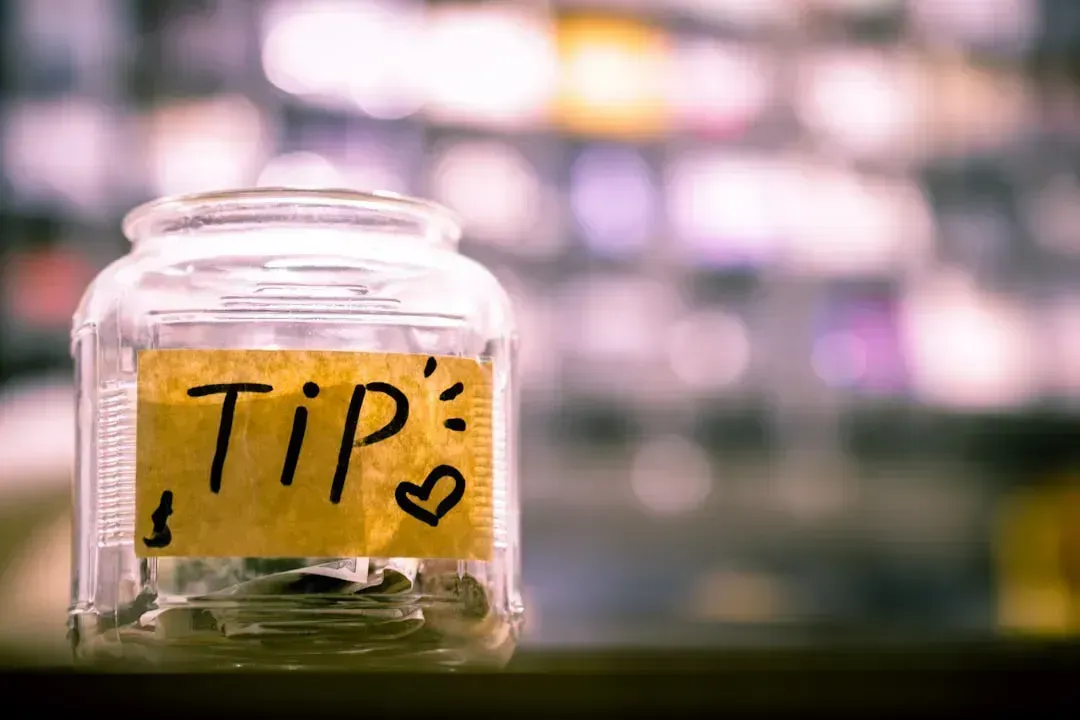
Let’s not dance around this one. Bartenders tend to prioritize customers they know will tip well over those they know do not, especially if stiffing or leaving poor tips is a repeated behavior. Research shows that roughly seventy percent of customers value friendly and attentive staff as the most important factor in their dining experience. Experienced bartenders develop a sixth sense about who’s likely to tip generously and who won’t.
They’re watching for signals like how you handle your cash, your general demeanor, and whether you’re a regular who’s demonstrated tipping patterns before. It’s hard to say for sure exactly how they predict this, but years of pattern recognition makes them remarkably accurate. This isn’t necessarily fair, yet it reflects the reality that tips literally constitute their income in most establishments.
Your Drink Knowledge and Confidence Level
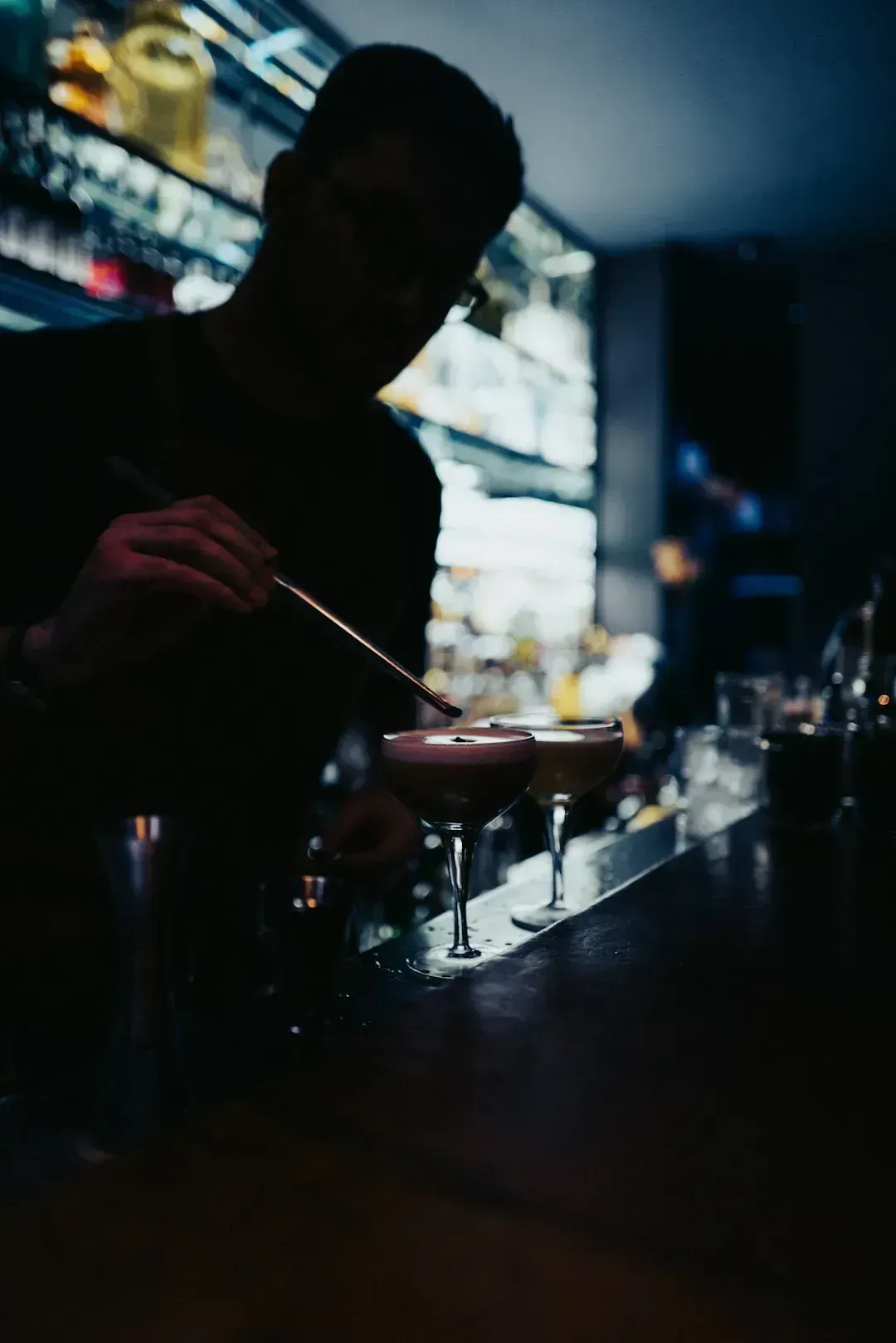
Bartenders absolutely judge people on their drink orders because they’re human, yet even though they may have opinions about your drink choice and what it reveals about you, they will never say it out loud and will do their best to accommodate any order you make. Before you even order, they’re gauging whether you seem like someone who knows their spirits or someone who’ll need guidance.
A customer’s order, what they choose, how they phrase it, when they pause, whether they deviate from habit, is rarely just about flavor or alcohol content, and is often a micro-expression of identity, emotional state, social intention, or even unspoken vulnerability. Bartenders can tell if you’re the type who’ll confidently order a Negroni or nervously ask what’s good. Both are perfectly fine, they just require different service approaches.
Your Overall Vibe and Energy
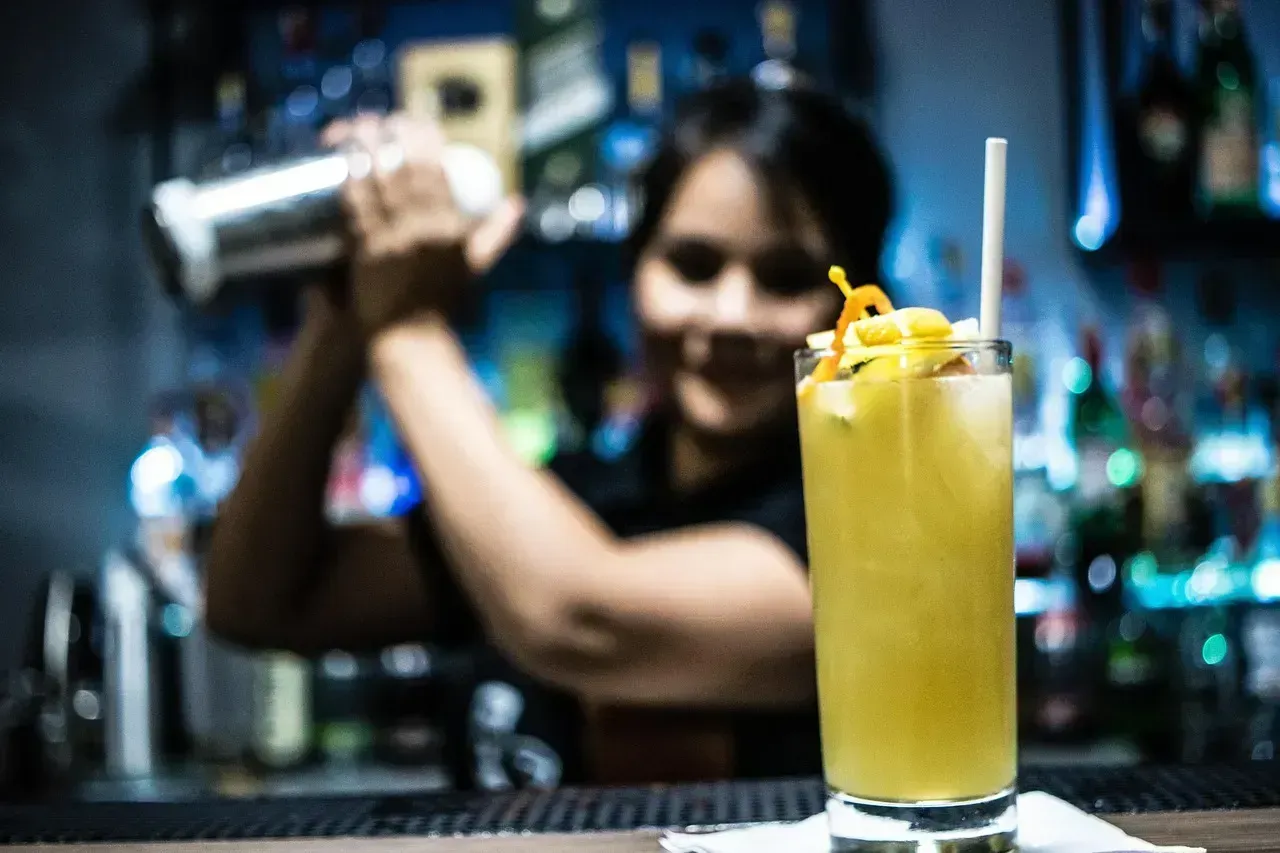
Emotional intelligence, the ability to perceive, understand, and regulate emotions, plays a crucial role in effective bartending, allowing professionals to read patrons’ moods, respond empathetically, and manage their own emotional responses. Bartenders pick up on your emotional state almost immediately. Are you celebrating something? Having a rough day? Looking to blow off steam or seeking solitude?
Bartenders are essentially flavor designers who manage expectations, because if you walk into a bar and believe something will taste better, the ritual, the presentation, and your expectation will nudge perception in that direction. Your energy influences not just how they interact with you, but what they might recommend. They’re constantly adjusting their approach based on the emotional frequency you’re broadcasting, often without you realizing they’re doing it.