7 Destinations Americans Are Leaving Off Their Bucket Lists in 2026
The travel landscape is shifting beneath our feet. More than two in five international travelers say they traveled abroad less over the past year, and the reasons behind this pullback are telling a different story than you might expect. Americans aren’t simply staying home because they’ve lost their wanderlust. Instead, they’re reconsidering once-beloved bucket list destinations for reasons that range from economic pressures to environmental concerns and even political tensions that have reshaped how the world views American travelers.
European countries including the UK, France, Italy, and Germany are increasingly viewed by US travelers as offering worse value than a year ago. Meanwhile, destinations that once topped every traveler’s wish list are now being crossed off as Americans rethink their travel priorities. Some places have become too expensive, others too crowded, and a few have made it clear they’d rather Americans stay away for now.
Las Vegas Loses Its Shine
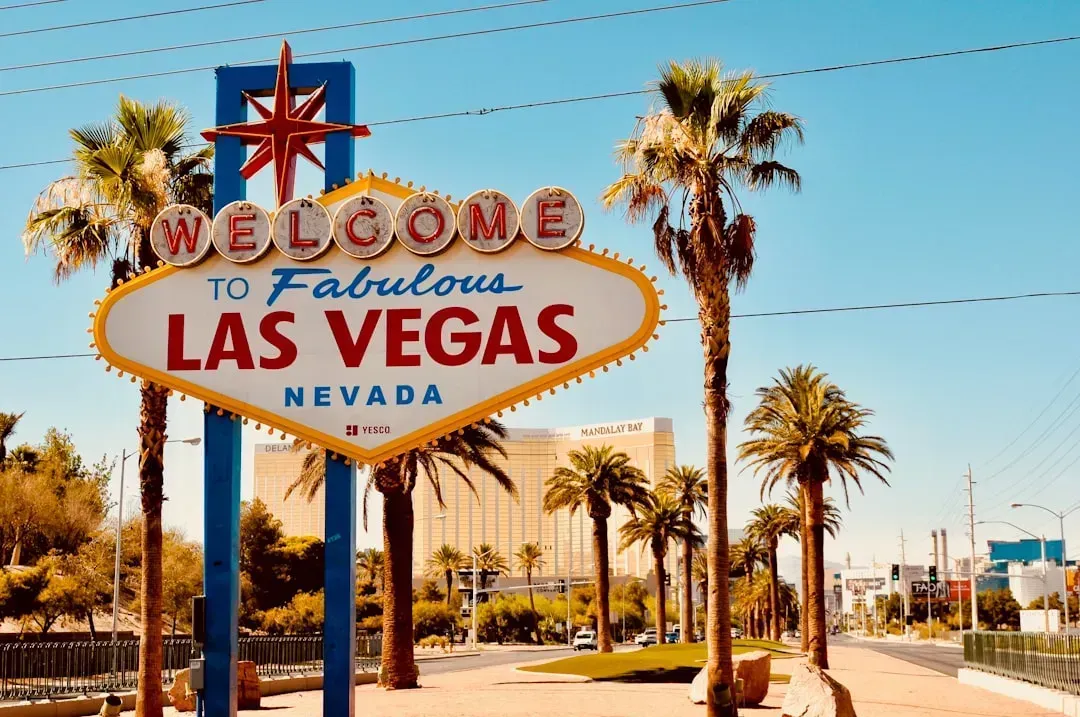
The Las Vegas Convention and Visitors Authority’s latest data, covering January to July 2025, showed overall visitor volume was down 8% compared to the same period the year before. The city that never sleeps is facing a wake-up call it didn’t see coming. Vegas has long been that reliable escape where Americans could count on affordable thrills, but something fundamental has changed. On social media, viral “ghost town” stories circulated about Vegas in 2025, with complaints about their “nickel-and-diming” of guests, as their once-affordable resorts have become luxury destinations.
What used to be budget-friendly has transformed into another luxury destination where hidden fees stack up faster than poker chips. Resort fees that aren’t really optional, parking charges that seem punitive, and restaurants that have priced out the average American traveler are all contributing to a sense that Vegas has forgotten what made it special in the first place. In September, Vegas ran its first-ever city-wide sale to lure back visitors disillusioned with its hidden resort fees, which tells you everything about how serious the problem has become. Americans are realizing their dollars stretch further elsewhere, and honestly, that’s hard to argue with when you’re being charged extra for everything from wifi to breathing.
Western Europe’s Value Problem

Visitors from Western Europe declined 5.5 percent compared to the same month one year earlier, but that’s actually about Americans staying away, not Europeans. The irony is thick here. European countries including the UK, France, Italy, and Germany are increasingly viewed by US travelers as offering worse value than a year ago. The dream of sipping espresso in Rome or wandering through Parisian streets is colliding hard with economic reality.
Sure, these destinations remain stunning and culturally rich. Nobody’s arguing that the Louvre isn’t worth seeing or that Italian food isn’t transcendent. The problem is that Americans are looking at their bank accounts and realizing a two-week trip to Europe now costs what a down payment on a car used to be. Travelers most often report rising prices for transport, dining, and accommodations, prompting many to rethink how frequently they travel and how they manage their budgets. Let’s be real here – when a simple lunch costs fifty dollars and your hotel room feels like a closet, the romantic notion of a European vacation starts losing its appeal fast.
Overtourism Hotspots Americans Are Skipping
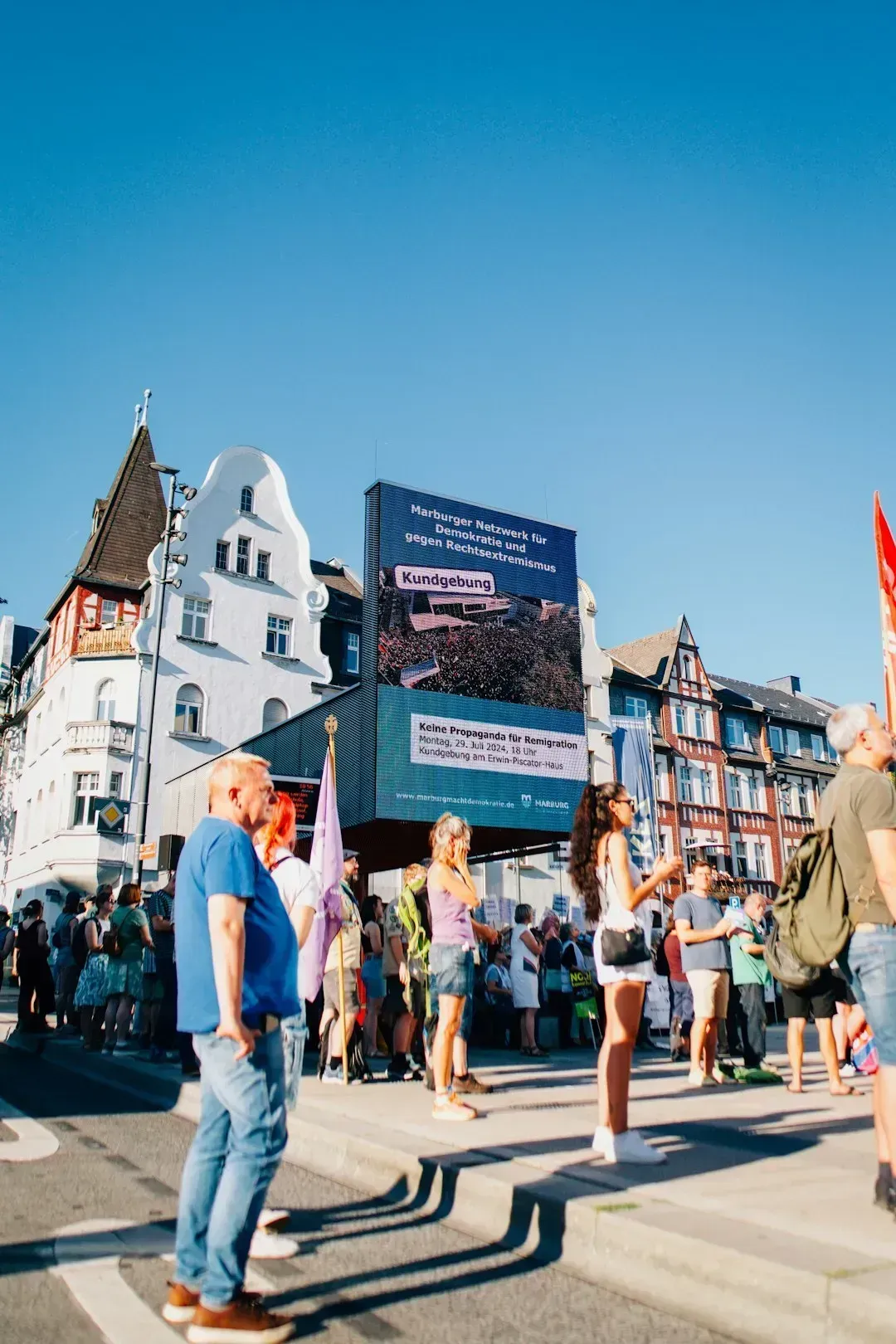
To better experience local culture, avoid contributing to overtourism, and potentially save a few dollars, travelers are increasingly avoiding peak seasons and heavily visited destinations. Barcelona, Venice, and Iceland’s most photographed spots have become victims of their own Instagram fame. Among travelers concerned, 37% say they have avoided certain destinations due to overtourism, and that percentage is climbing.
These places have implemented measures that range from visitor caps to substantial tourist taxes, essentially telling travelers they need to pay more for a worse experience. In April 2024, widespread anti-tourist protests erupted in Barcelona, with actions including increased tourist taxes, fines for public drinking, and caps on cruise-ship visitors. When you’re spending thousands of dollars to visit a place where locals are literally protesting your presence, something’s broken. Americans are catching on that there are equally beautiful destinations where they’re actually welcomed, not just tolerated for their wallets.
Disney Parks Face Reality Check
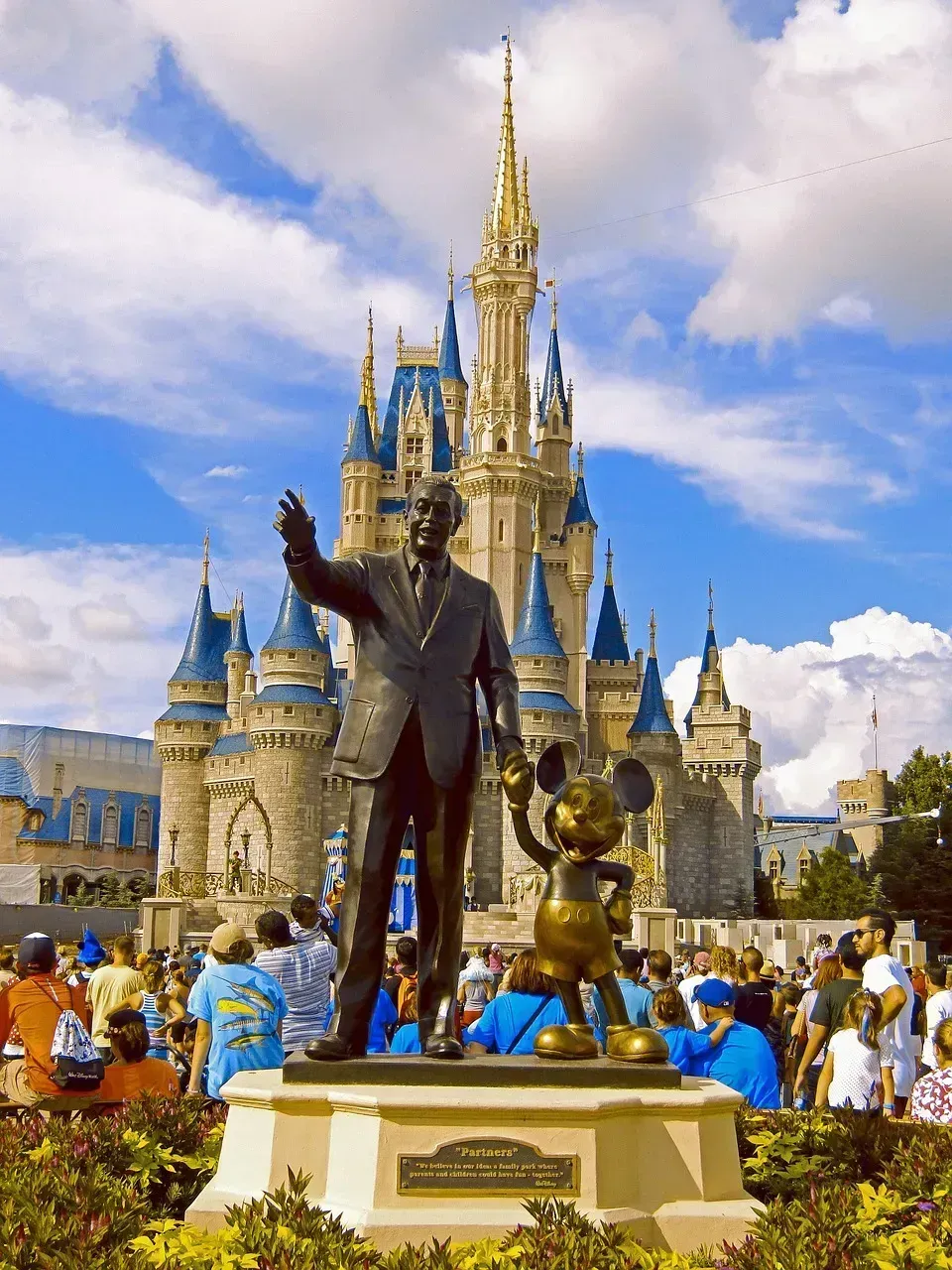
Big discounts through October also courted travelers who think Disney vacations are too expensive now. The magic kingdom is struggling to justify its premium pricing when families are doing the math and realizing they could take an international vacation for what Disney charges. What was once considered an essential American family tradition has become a luxury that many middle-class families are reconsidering.
The issue isn’t just the ticket prices, though those have climbed to eye-watering heights. It’s the entire ecosystem of costs – the hotels, the food, the souvenirs that kids see and suddenly need. Honestly, when you’re paying twenty dollars for a turkey leg and waiting ninety minutes to ride something for three minutes, you start questioning whether the Mouse House still understands its audience. Americans are increasingly deciding that creating magical family memories doesn’t require mortgaging their financial future, and they’re finding alternatives that feel more accessible and, frankly, more authentic.
The Great American Road Trip Rethink
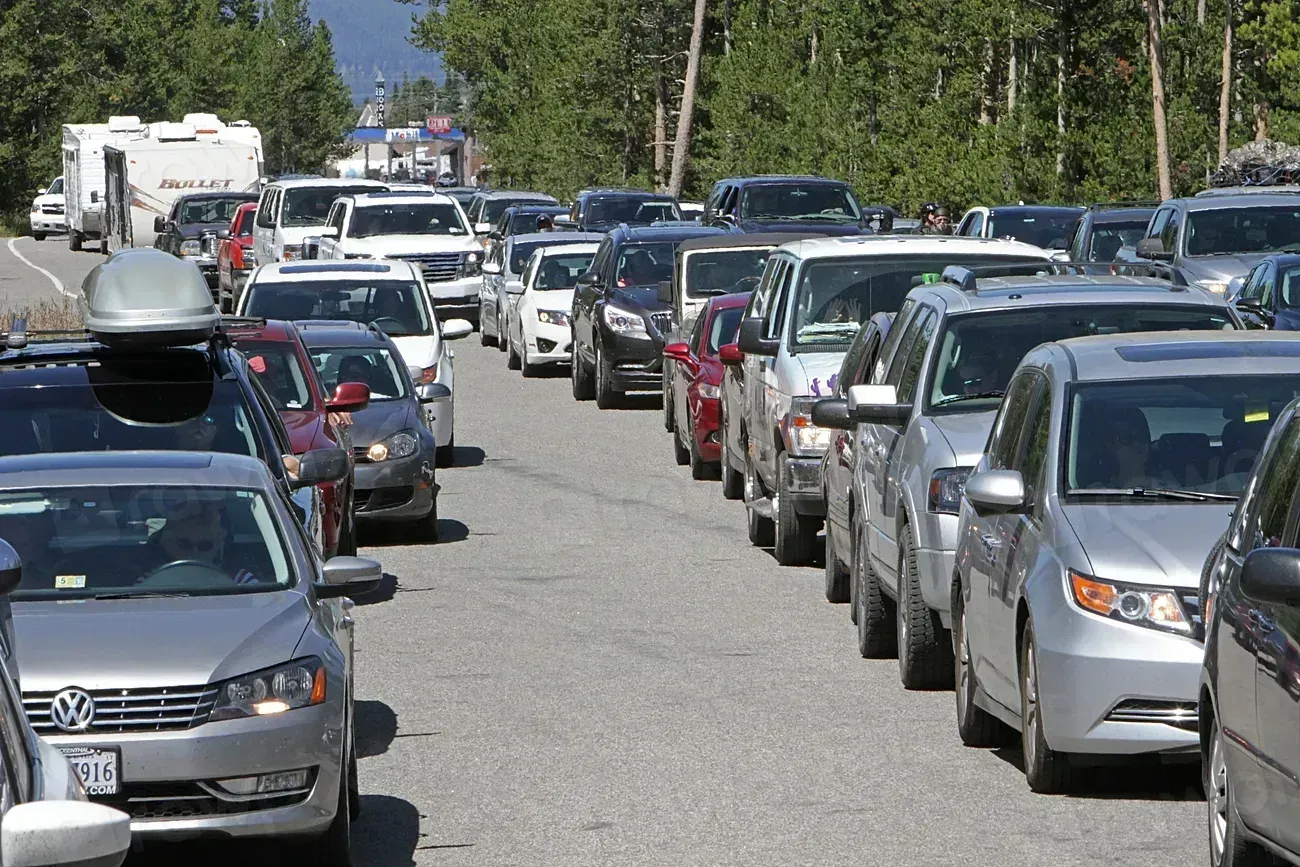
Yellowstone National Park in Utah, one of the US’s most iconic national parks, recorded a staggering 331.9 million recreation visits in 2024, marking a 2% increase from 2023. Wait, let me clarify – those are national parks system-wide numbers, not just Yellowstone. The point remains: America’s most treasured natural spaces are buckling under visitor pressure. Zion’s narrow canyons and stunning views have made it a must-see destination for tourists, but the increasing crowds are putting a heavy load on the park’s infrastructure, from overcrowded trails to limited parking spaces.
The classic American road trip to national parks has lost some of its appeal when you’re sitting in bumper-to-bumper traffic inside a supposedly pristine wilderness area. Americans who’ve done this trip before are remembering when you could actually experience solitude in nature, and they’re realizing that experience no longer exists at peak times. The solution? Some are choosing lesser-known state parks or timing trips for shoulder seasons, but others are simply removing these overcrowded icons from their must-see lists entirely.
Hawaii’s Complicated Welcome

The state has introduced programs that encourage tourists to respect local traditions and reduce their environmental impact, with Hawaii hoping to reduce the negative effects of overtourism while still welcoming visitors. Hawaii’s relationship with mainland tourists has always been complex, but it’s reached a tipping point. The paradise Americans have long considered an easy tropical escape is sending mixed signals about whether visitors are truly welcome.
Water shortages, housing crises exacerbated by vacation rentals, and legitimate concerns from native Hawaiians about cultural preservation have created an atmosphere that feels different from the laid-back aloha spirit travelers expect. I think Americans are sensing that tension and responding by looking elsewhere for their beach fix. The Caribbean, Mexico’s coastlines, and even Florida are seeing increased interest from travelers who want to relax without the underlying guilt that their vacation might be contributing to serious local problems. The Caribbean replaces the U.S. East Coast as the #1 preferred beach destination for 2026, which tells you everything about this shift.
The United States Itself
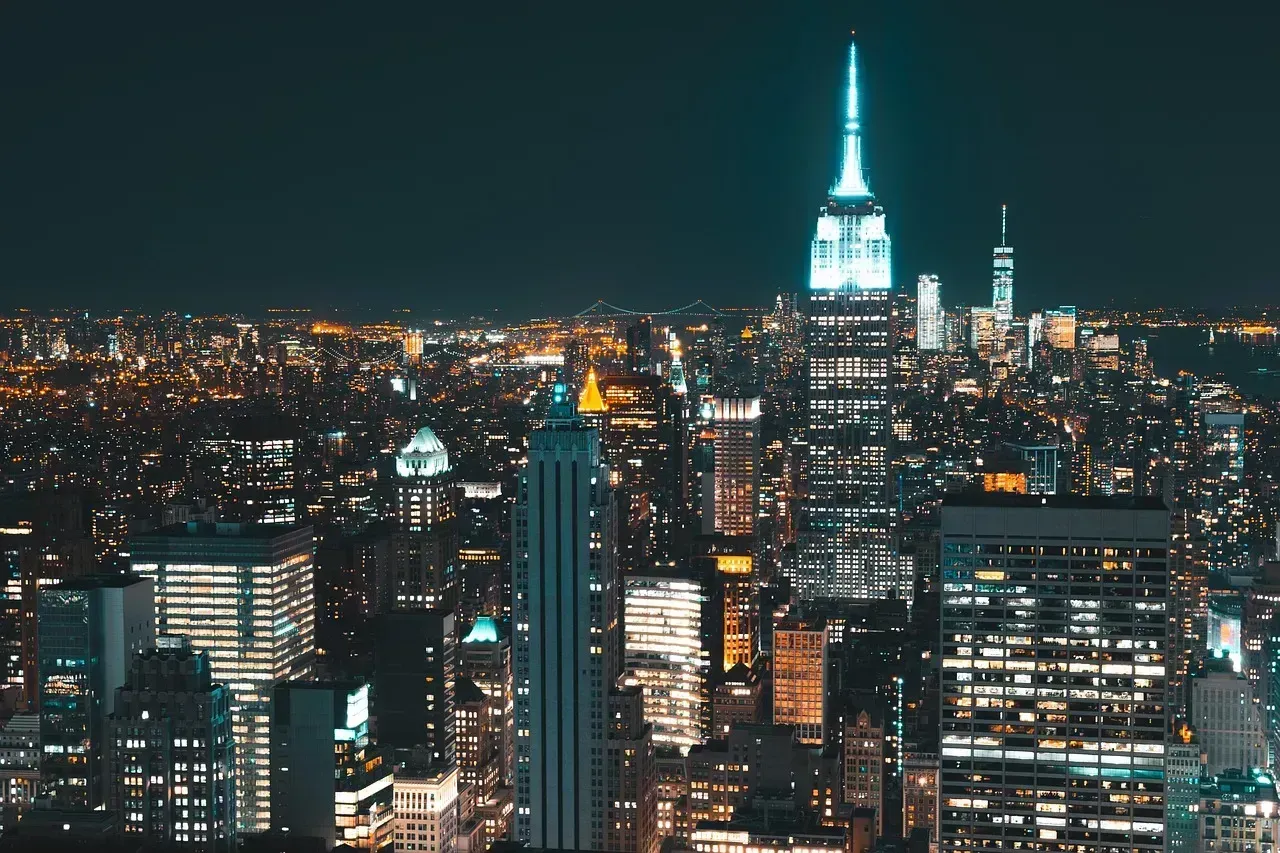
Here’s the most surprising one: Americans are reconsidering traveling within their own country. The U.S., the largest Travel & Tourism sector in the world, was the only country among 184 economies analyzed by WTTC and Oxford Economics to see international visitor spending decline in 2025. That global perception is bleeding into how Americans view their own nation as a travel destination. A majority believe foreign destinations may become less welcoming to American travelers, and that international travelers may avoid visiting the U.S. due to contentious politics.
The political polarization that dominates headlines has made some Americans wary of traveling to certain regions within their own borders. Red states, blue states – the division has become so pronounced that travelers are literally checking political maps before booking trips. Beyond politics, the sheer expense of domestic travel has become prohibitive. International travelers from every tracked market are more likely to say the US now represents worse value for money. If international travelers think America is overpriced, Americans themselves are certainly noticing. Airfare between US cities often costs more than international flights, hotels in major cities rival European luxury rates, and the dining scene has become increasingly expensive everywhere.
Travel in 2026 is demanding something different from Americans. It’s requiring more thoughtfulness about where dollars go, more consideration of our impact as visitors, and more honesty about whether famous destinations still deliver the experiences they promise. 2026 looks to be a year of more intentional travel, with longer journeys, mindful choices and experiences that truly matter. What’s your take on this shift? Have you crossed any once-beloved destinations off your own list?