Don’t Buy Yet: The 15 Grocery Items Nutritionists Say Are a Waste of Money
Your wallet might be bleeding more than it should every time you shop. Let’s be real, we’ve all walked into the grocery store with good intentions, only to leave with an overpriced haul that looked healthier than it actually was. Food prices are climbing higher than ever, and some items just aren’t worth the premium price tag, no matter how appealing the marketing seems.
Ninety percent of adults in the United States say the price of healthy food has risen over the past few years, and over two-thirds say higher food prices are making it difficult to eat a healthy diet. Still, throwing money at expensive “health foods” won’t necessarily get you closer to your goals. Some groceries cost way more than they should, delivering little nutritional benefit while draining your bank account. Here’s what nutrition experts actually skip in the supermarket.
Pre-Cut Fruits and Vegetables

A seeded watermelon typically costs 31 cents to 38 cents per pound, but one pound of fresh-cut watermelon chunks will set you back $6.16 at Wegmans. Think about that markup for a moment. You’re paying someone else to slice up produce you could cut yourself in minutes. Of all the precut products, none had a bigger markup than onions at 392 percent, according to Consumer Reports’ ShopSmart magazine.
Buying pre-cut food could cost you around a hundred bucks a month back in 2018, and inflation has led to grocery costs soaring in recent years, so you could easily be looking at triple that price tag a few years later. Unless you genuinely have mobility issues or time constraints that make chopping impossible, grab the whole produce and do the prep at home. Your budget will thank you.
Ultra-Processed Protein Bars
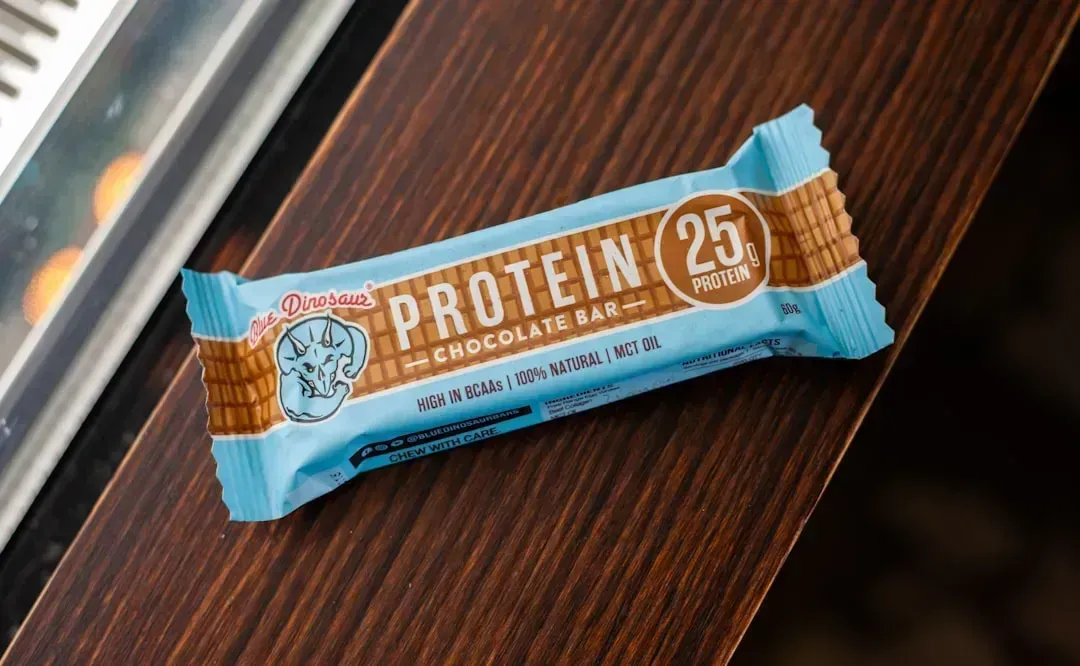
Here’s the thing about those convenient protein bars sitting at the checkout counter. All four nutrition experts agreed that ultra-processed protein bars and shakes should be left behind, especially those with artificial sweeteners and inflammatory ingredients, as they’re loaded with artificial ingredients or high in sugar.
Most protein bars don’t keep you full, and most contain a lot of sugar, and are often high in sugar and fat. Protein bars have ballooned into a $4.5 billion dollar industry, so companies have every incentive to make them taste like dessert rather than nutrition. Many contain as many calories as a candy bar but cost three times as much. Unless you’re an athlete with specific performance needs, real food sources of protein like nuts, Greek yogurt, or hard-boiled eggs will serve you better.
Bottled Water with Added “Enhancements”
Water with healthy additives like electrolytes, vitamins, and minerals are usually unnecessary and may even be in your tap water, so skip the fancy water and stick with your kitchen sink to save. Enhanced water bottles can cost upwards of three dollars each, and honestly, most of us aren’t exercising intensely enough to need electrolyte replenishment from a bottle.
Your tap water is regulated and tested more frequently than bottled varieties in most municipalities. If taste bothers you, invest in a simple filter pitcher. You’ll save hundreds of dollars annually and reduce plastic waste at the same time.
Flavored Instant Oatmeal Cups
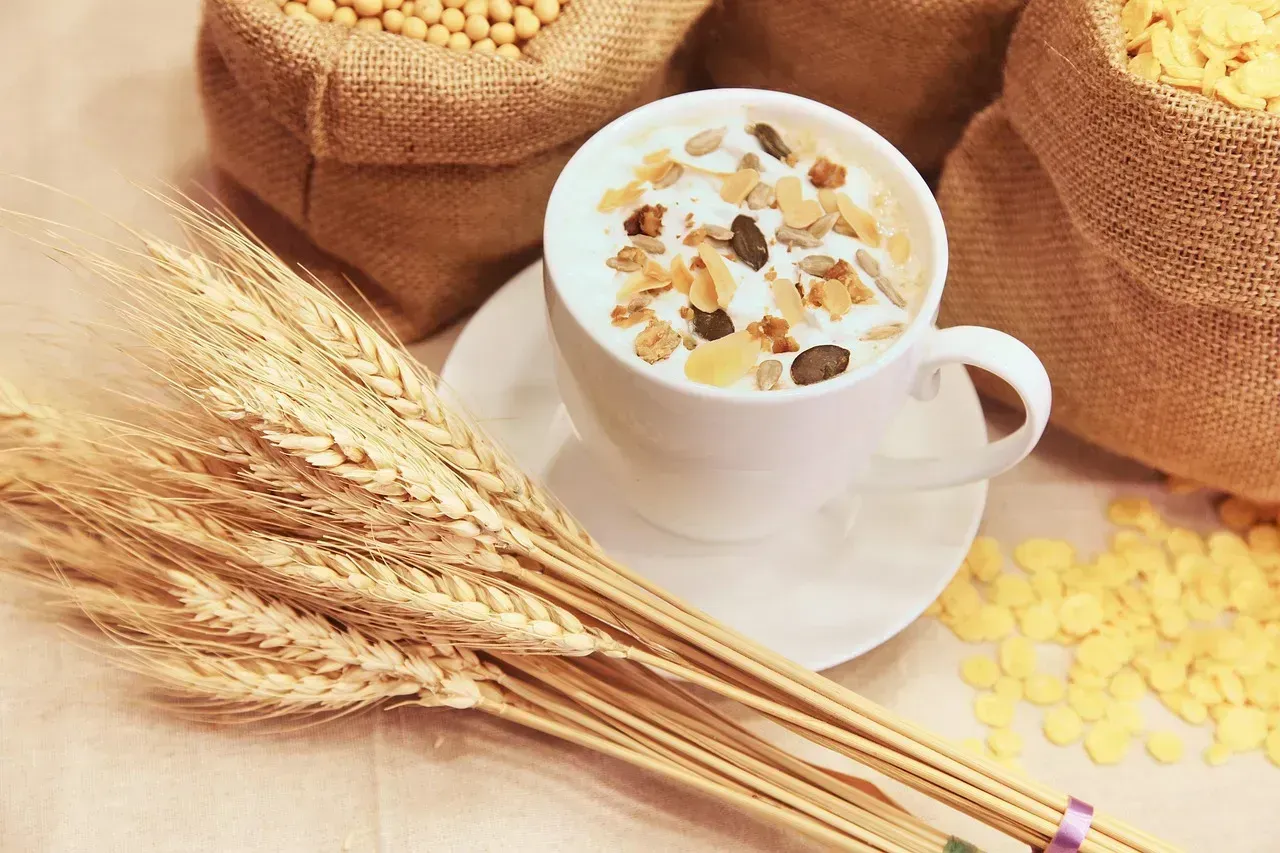
These products are often high in sugar and cost a bundle. Those cute little cups with fruit flavors and fancy packaging? They’re markup machines. Plain oats cost a fraction of the price and take barely longer to prepare.
A container of regular oats gives you dozens of servings for the price of maybe five or six instant cups. Add your own fruit, a drizzle of honey, and some cinnamon, and you’ve got a breakfast that’s both cheaper and healthier. The instant versions often contain nearly as much sugar as a doughnut, which defeats the purpose of eating oatmeal in the first place.
Most Organic Produce
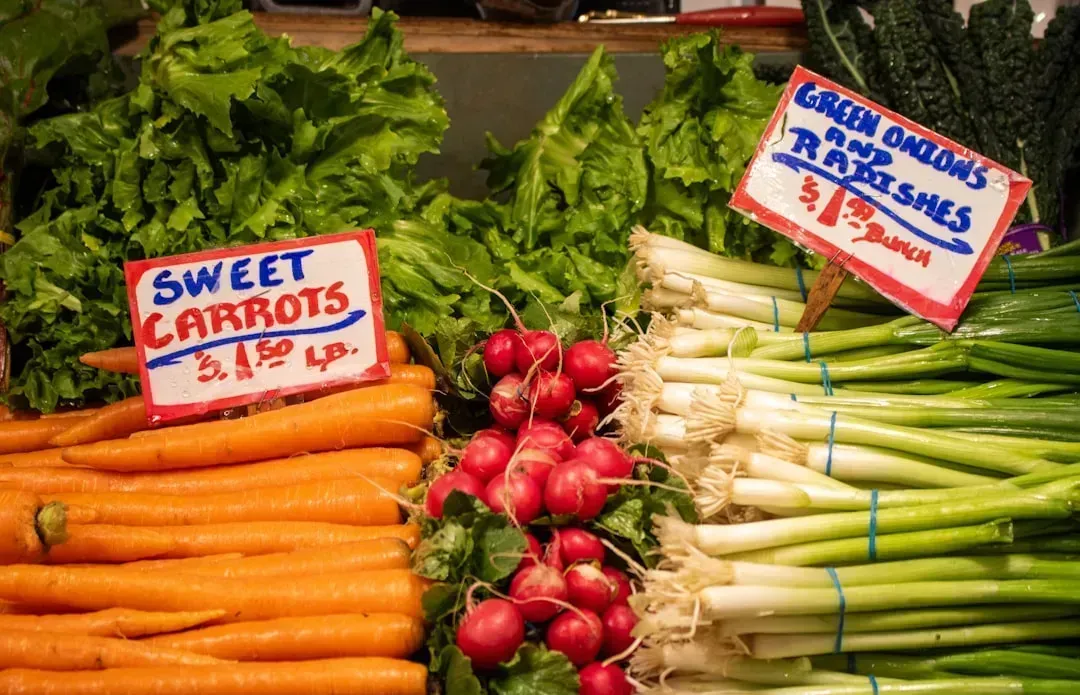
According to experts, there is no point in buying most organic foods, as organic food isn’t more nutritious, and many foods that are not labeled organic don’t use pesticides anyway. That doesn’t mean organic is bad, but paying double for organic bananas or avocados makes no sense when you’re going to peel them anyway.
The Environmental Working Group compiles a list of the Dirty Dozen produce items that are best purchased organic since non-organic growing practices for these items may expose you to more pesticides, and also publishes a list of the Clean 15 items that are the least likely to contain pesticide residues. Be strategic about where you spend your organic dollars rather than assuming everything needs that label.
Gluten-Free Products (Unless Medically Necessary)
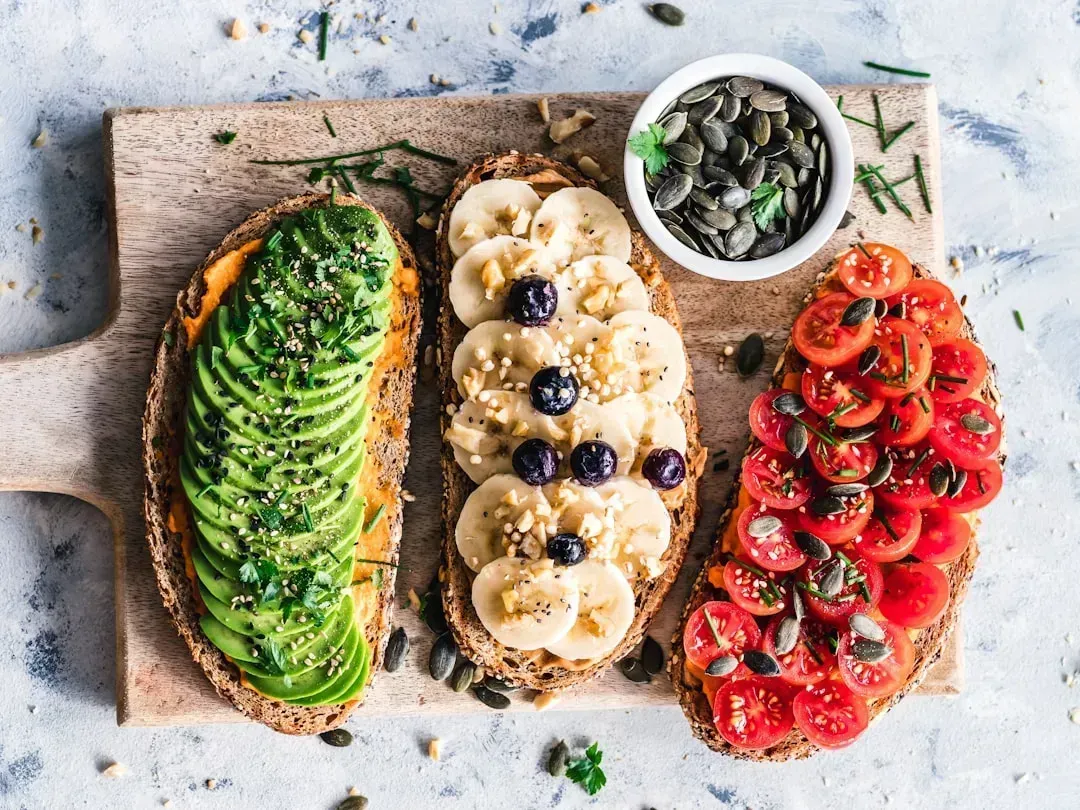
UK shoppers on a gluten-free diet are paying on average 37% more than those on a diet with gluten products. Unless you have celiac disease or a diagnosed gluten sensitivity, these products are an expensive trend rather than a health necessity.
It’s not necessary to avoid gluten unless recommended by your healthcare clinician, and if you do need to avoid gluten, it’s more affordable to choose whole, not processed, foods, as most gluten-free snacks deliver lower levels of important nutrients while containing the same high sodium, sugar, fats, preservatives and additives found in other processed foods. Regular whole grains provide more fiber and nutrients for a fraction of the cost.
Pre-Made Smoothies from the Refrigerated Section

Most pre-made grocery store smoothies are made with sweetened juices to add more flavor, which means they contain a lot more calories and sugar than homemade smoothies. A bottle that costs five or six dollars often contains as much sugar as a can of soda.
Making smoothies at home takes less than five minutes. Frozen fruit is cheap, nutritious, and lasts for months in your freezer. Add some yogurt or milk, blend, and you’ve got a drink that’s both better for you and cheaper than those slick bottled versions.
Cold-Pressed Juices
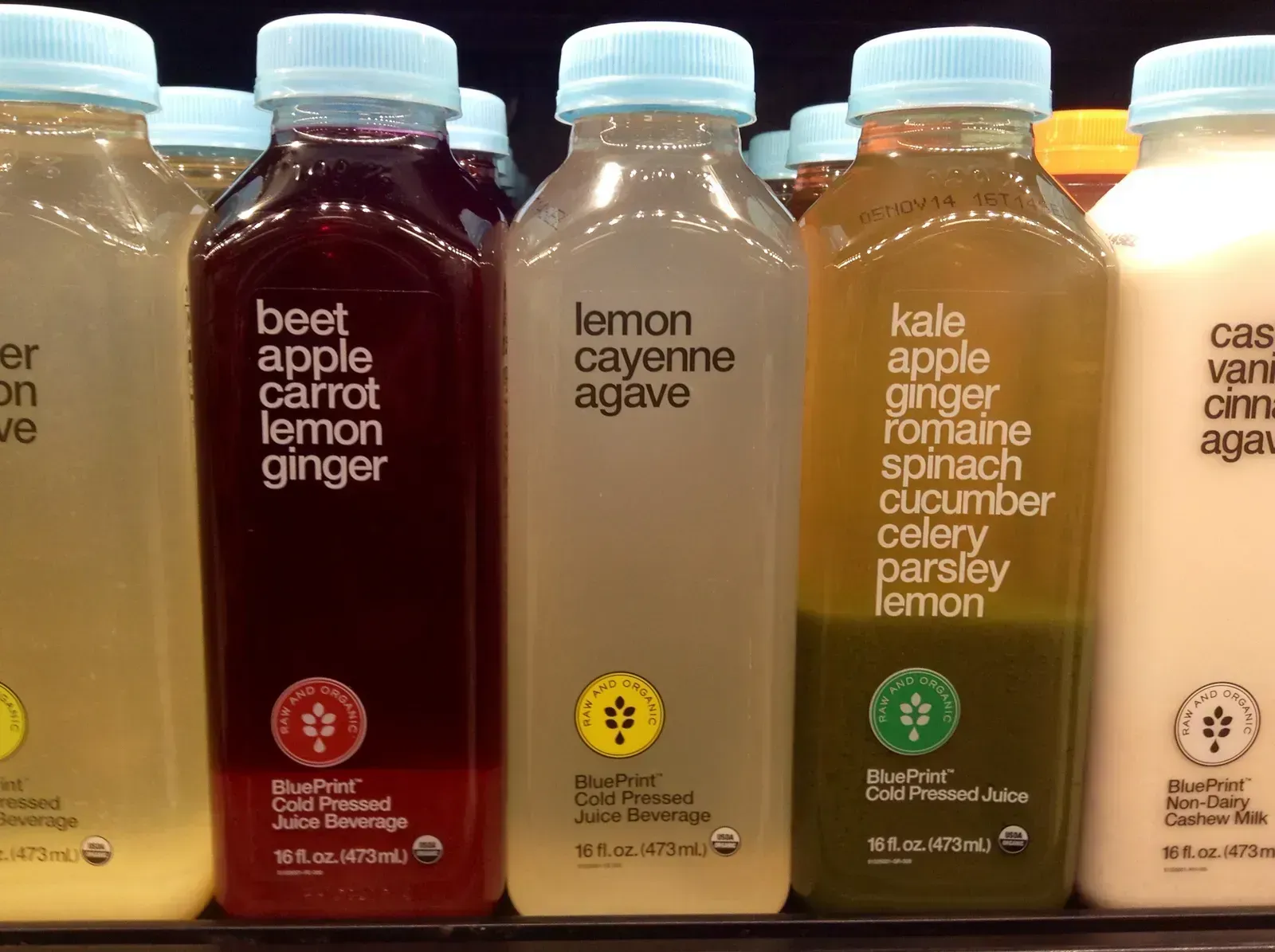
A single serving of cold-pressed juice can cost more than $12, and the fruit and vegetables often lose much of their nutrients during the pressing process, making these colorful drinks pretty and yummy but not worth it. You’re essentially paying premium prices for sugar water with minimal fiber.
The juicing process removes most of the beneficial fiber from fruits and vegetables, leaving behind concentrated fructose. You’d be better off eating an apple and drinking a glass of water, which would cost you about fifty cents instead of twelve dollars.
Plant-Based Milk Alternatives (Especially Oat Milk)
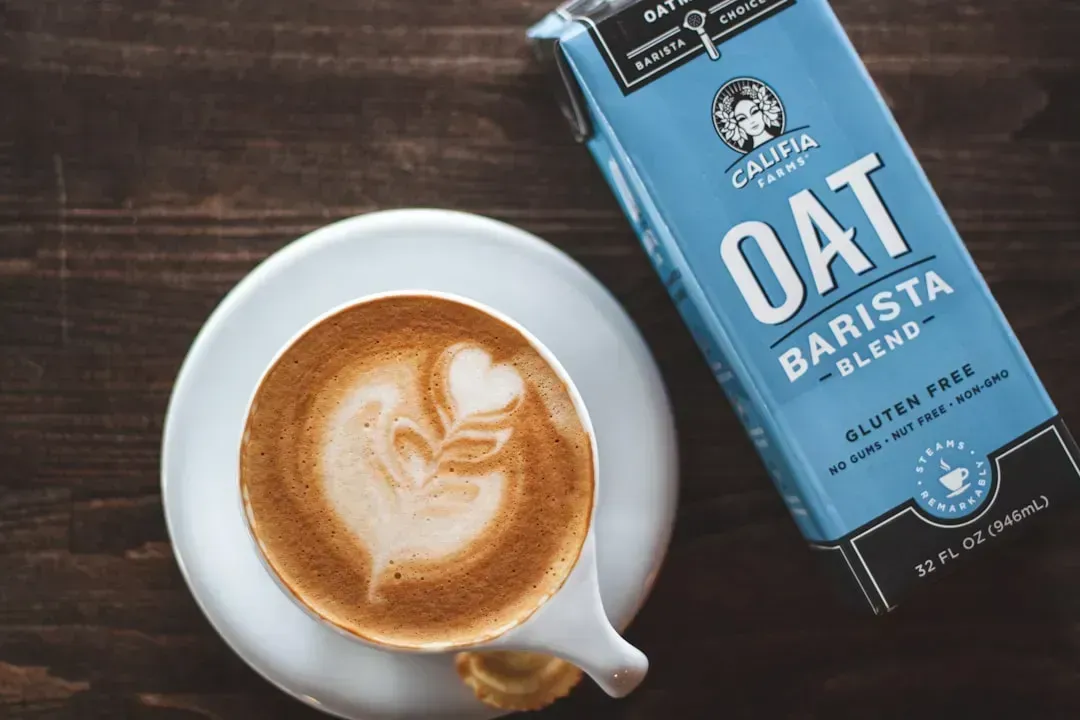
Oat milk is one of the trendiest plant-based milks right now, but it’s not a cost-effective choice at more than $12 a gallon. Regular dairy milk or even other plant-based options like soy milk cost significantly less and often contain more protein.
If you prefer plant-based options, consider making your own oat milk at home or choosing less trendy alternatives. The markup on these fashionable milks has more to do with marketing than nutrition.
Pre-Packaged Salad Kits with Dressing
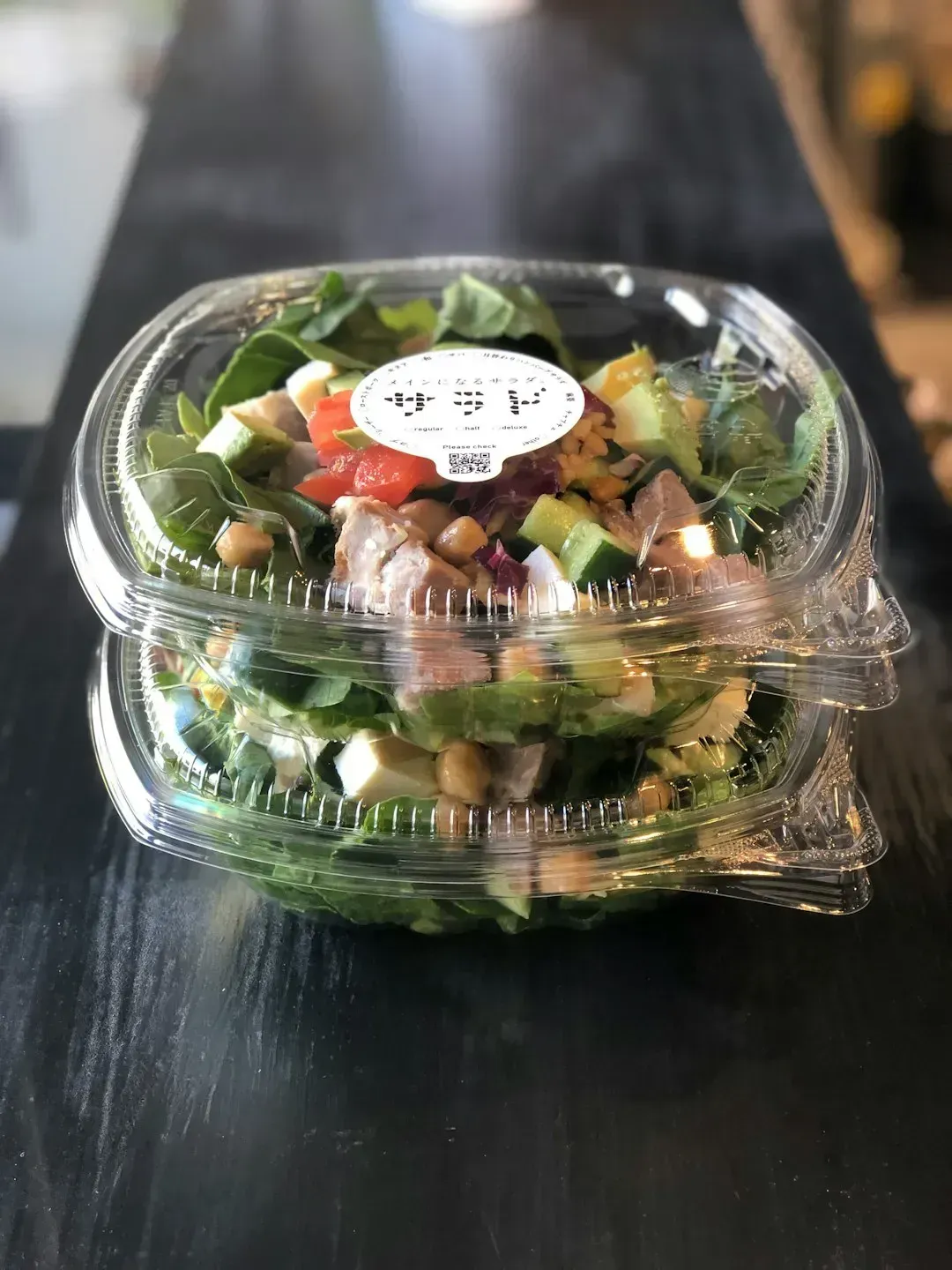
Those grab-and-go salad kits seem convenient until you realize you’re paying roughly four times the price of buying the ingredients separately. Expect to pay a 317 percent markup for kale that has been washed and trimmed.
The dressing packets included are usually loaded with sugar and preservatives. A head of lettuce, some vegetables, and a bottle of dressing you can use multiple times will save you serious money. The five minutes it takes to assemble your own salad is worth the savings.
Single-Serve Yogurt Cups with Flavors
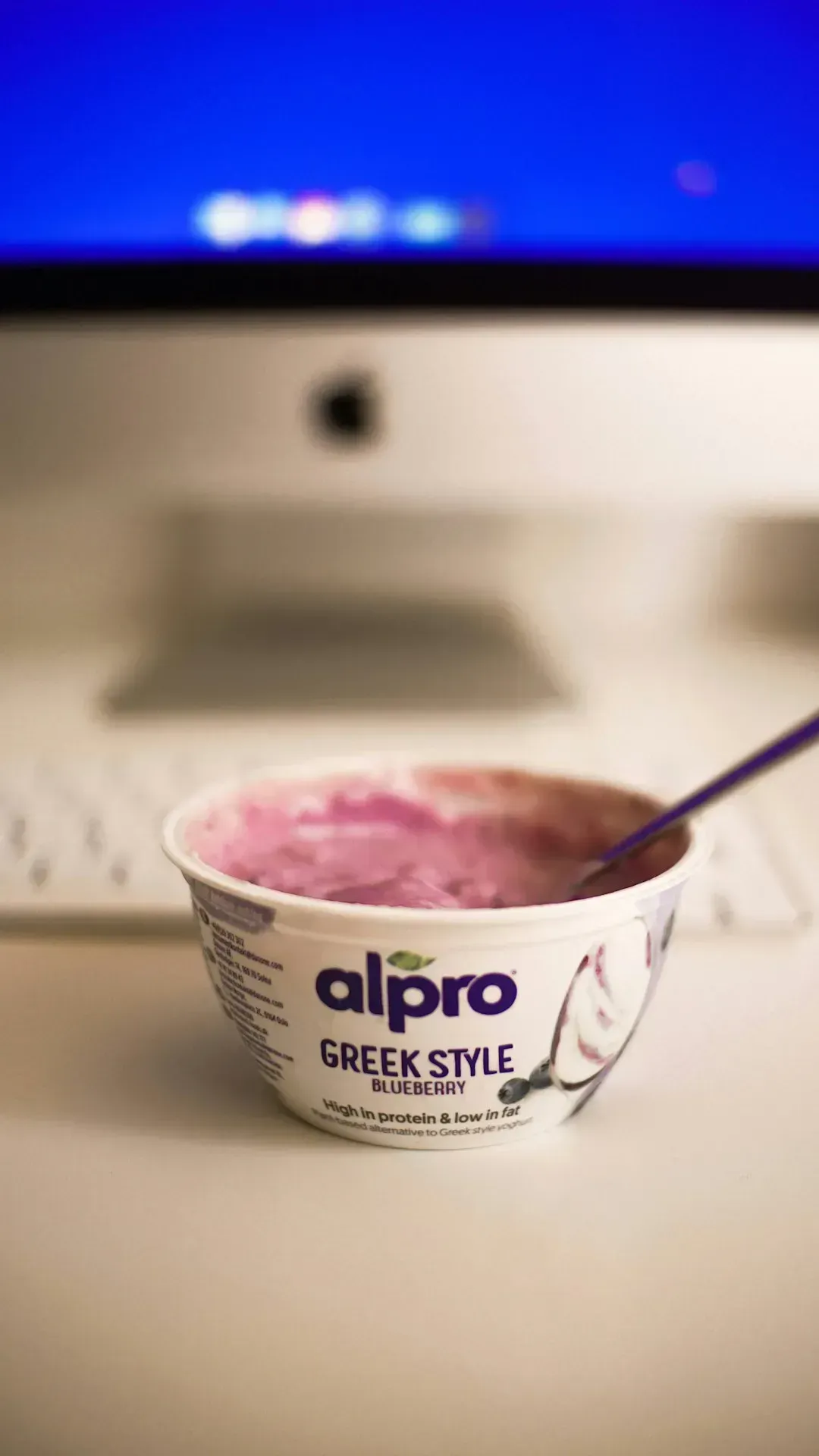
Flavored yogurts are pricey and less nutritious than people think, as sweetened yogurts can be very high in sugar, and when you’re paying $4 for one tiny tub, you’re not getting your money’s worth. Those fruit-on-the-bottom varieties often contain as much added sugar as ice cream.
Buy a large container of plain Greek yogurt instead. Add your own fresh fruit, a drizzle of honey, or a handful of granola. You’ll get more protein, control the sweetness level, and spend about a third of the price per serving.
Multigrain Bread
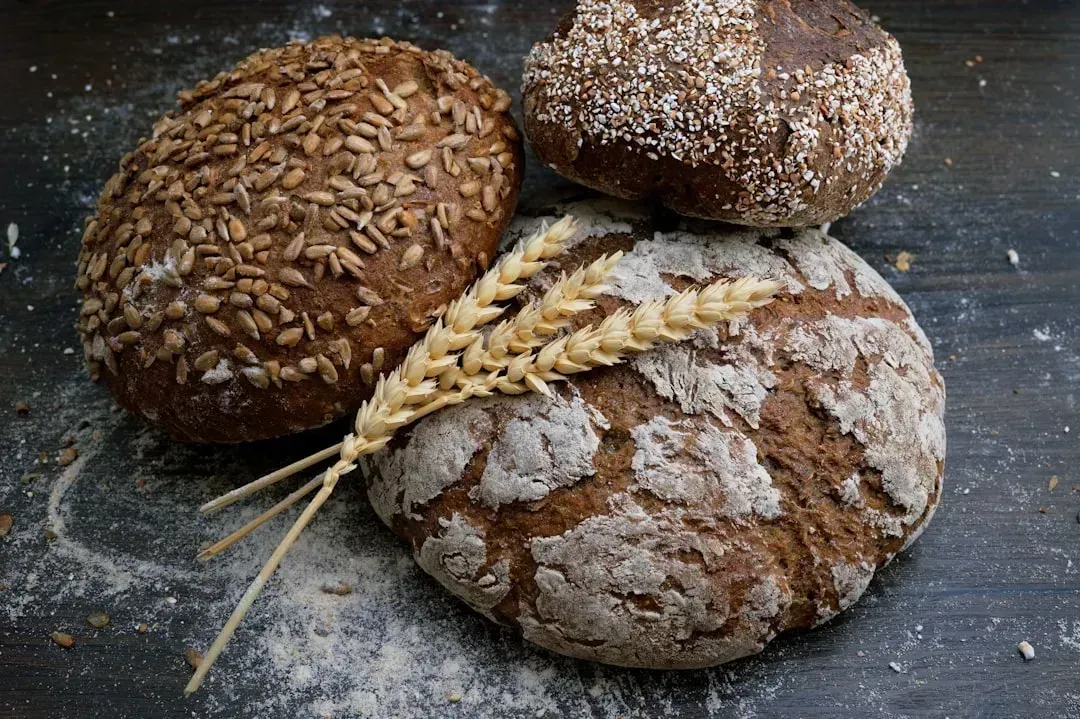
Multigrain bread sounds healthy and natural, but it offers nothing special regarding nutrition, and experts recommend whole grain bread instead, which is much healthier and typically less expensive than the fancy, name-brand multigrain loaves. The term “multigrain” just means multiple grains are present, but they might all be refined and stripped of nutrients.
Look for bread that says 100% whole grain or 100% whole wheat as the first ingredient. You’ll get more fiber, more nutrients, and usually pay less for it.
Pre-Seasoned or Marinated Meats
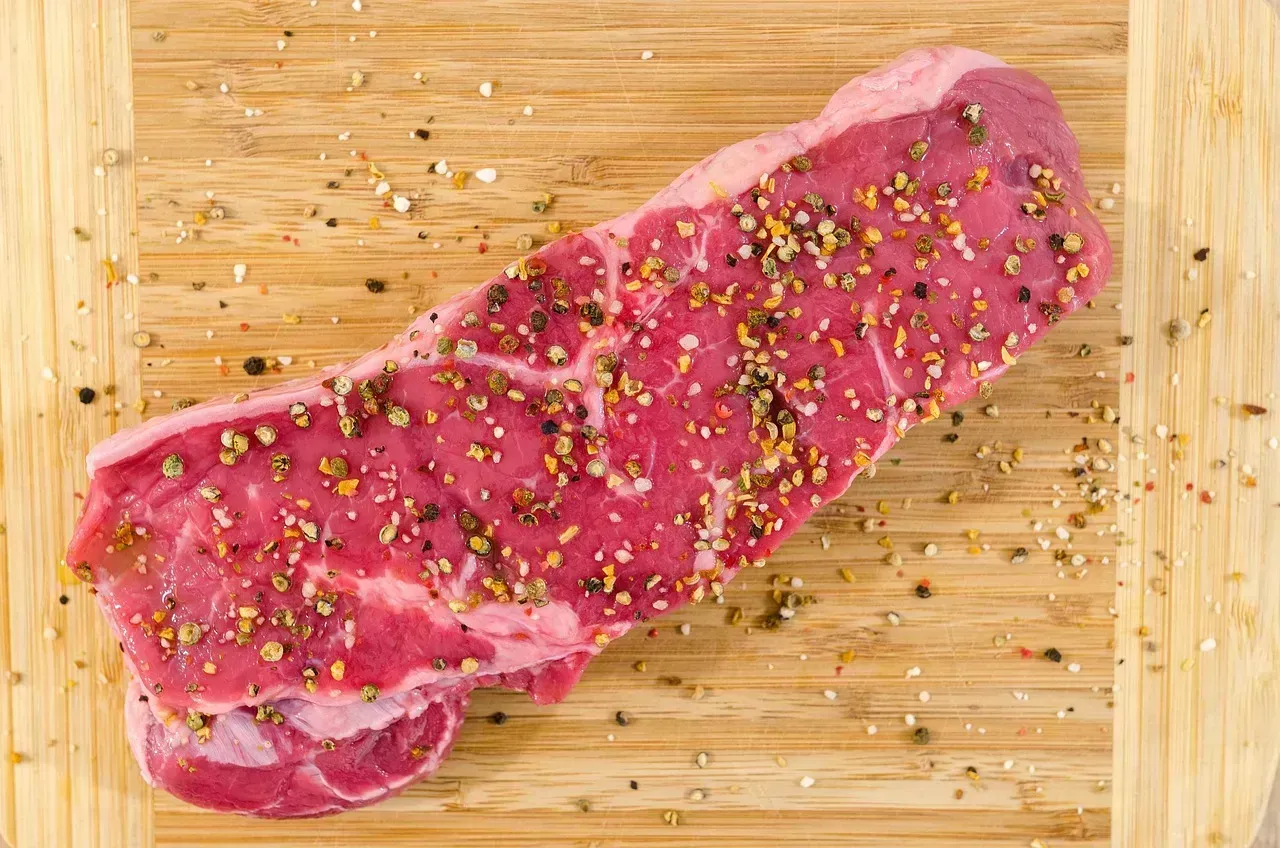
The markup on meat that someone else has rubbed with spices or soaked in marinade is absurd. You’re paying for about thirty seconds of work that you could easily do yourself. Buy plain chicken breasts, pork chops, or steaks, and season them at home.
Fresh meat and poultry are some of the most expensive items in the store, but consider the weight of bones when buying meats by the pound, and while boneless is more expensive, you will get more edible portions per pound. Buying whole chickens instead of pre-portioned cuts and doing your own seasoning can cut your poultry costs in half.
Specialty “Superfood” Items

Jackfruit, acai bowls, goji berries, and other trendy superfoods often come with superfood prices. Jackfruit is an Asian fruit with a meaty texture that vegans and vegetarians may buy as a viable meat alternative, but it doesn’t have the same nutrients as meat and can cost twice as much as other protein sources.
Regular fruits and vegetables that have been staples for decades contain similar antioxidants and nutrients without the inflated cost. Blueberries, spinach, and sweet potatoes are nutritional powerhouses that don’t require a second mortgage.
Name-Brand Breakfast Cereals
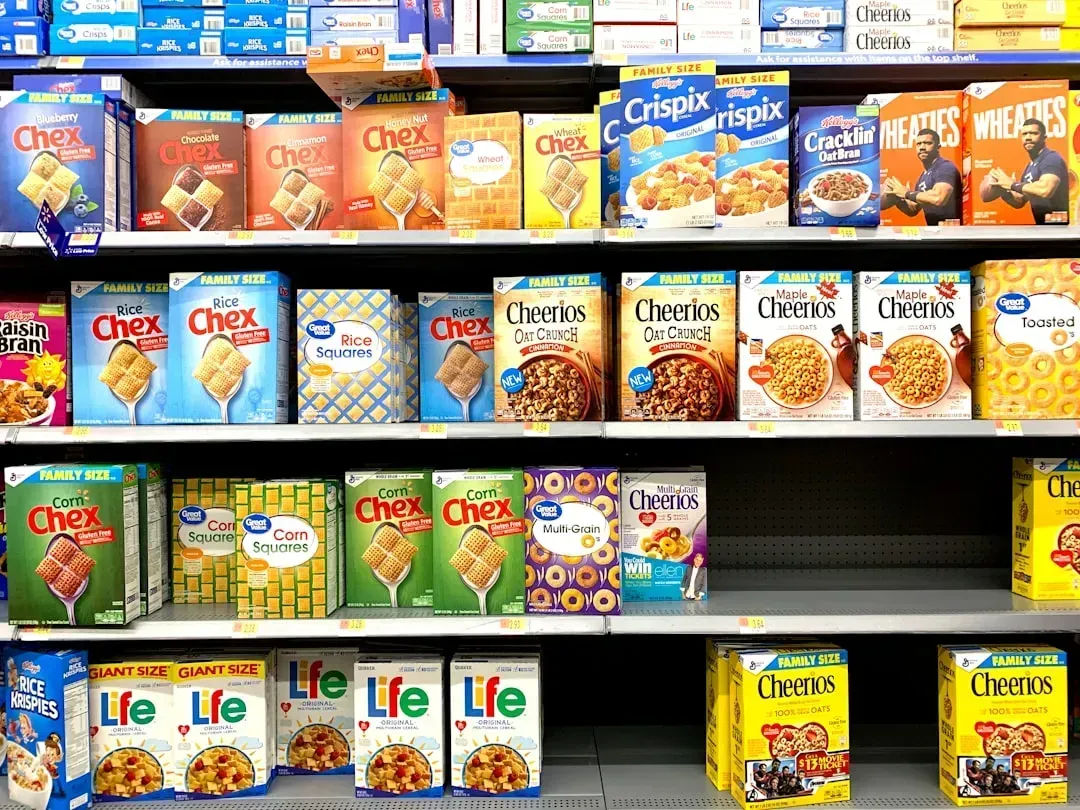
Many grocery shoppers are shocked by how expensive brand-name chips are and are opting for private labels, with store brand options costing around $2 compared to nearly $6 for brand names. The same principle applies to cereal. Generic store brands are typically made in the same facilities as name brands, using similar or identical recipes.
The main difference is the box and the advertising budget. A box of generic corn flakes or bran flakes will taste virtually identical to the name brand but cost half as much. Read the ingredient labels if you’re skeptical; you’ll see they’re nearly identical.
The grocery industry thrives on impulse purchases and clever marketing that makes us believe we need expensive items to be healthy. Truth is, the most nutritious foods are often the simplest and cheapest: dried beans, frozen vegetables, whole grains, eggs, and seasonal produce.
Over two-thirds of American adults say higher food prices are making it difficult to eat a healthy diet, with those with fixed or lower incomes hardest hit. Skipping these overpriced grocery items can free up hundreds of dollars each month without sacrificing nutrition. Sometimes the smartest choice is the one that’s been sitting on the shelf all along, unadorned by fancy packaging or health claims. What grocery items have you stopped buying to save money?