If You Remember These 7 Pizza Chains, You Had an Awesome Childhood
Pizza wasn’t just food back then. It was the entire event, the destination where your parents took you after Little League, where birthday parties reached fever pitch, where animatronic bands somehow seemed perfectly normal entertainment. These weren’t delivery apps or quick carryout stops. They were places you begged to visit, places where you made memories over greasy slices and tokens for arcade games.
The following chains might have vanished from most street corners, yet they linger in the minds of anyone who grew up during their golden years. Let’s be real, if you recognize these names, you had a childhood filled with pizza buffets, player pianos, and robot performances that somehow felt magical instead of terrifying.
Shakey’s Pizza Parlor
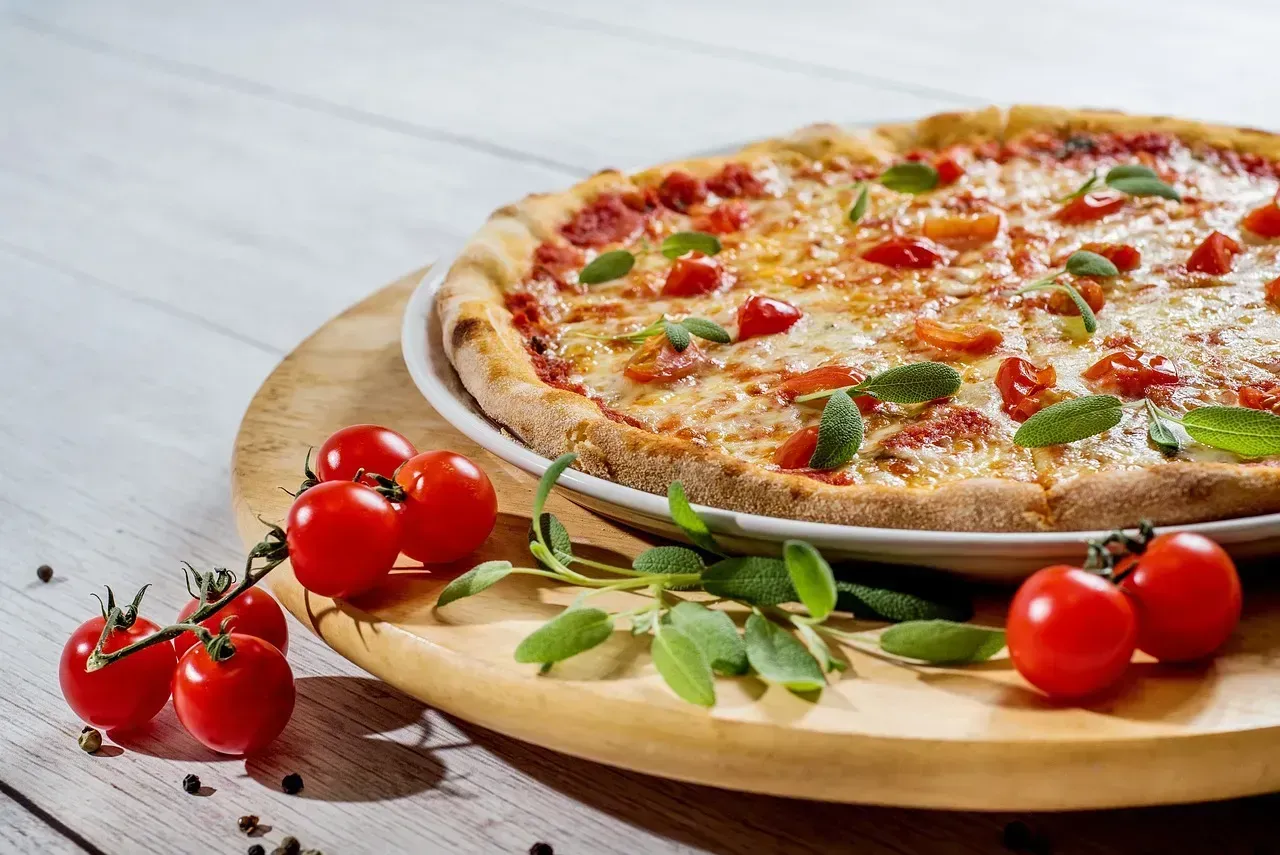
Founded in Sacramento in 1954 by Sherwood “Shakey” Johnson, this chain became the first franchised pizza operation in America. What made Shakey’s unforgettable was the live entertainment. Johnson himself played Dixieland jazz piano to entertain patrons, creating an atmosphere that felt more like a speakeasy than a pizza joint.
By 1974, when Hunt International Resources purchased the chain, roughly 500 stores operated throughout the United States. The vibe was pure nostalgia even then, with old-timey décor and sing-alongs that made every visit feel special. As of July 2019, the chain maintained about 500 stores globally but only 58 in the United States, currently found in California and Washington. Competition from chains like Domino’s, Little Caesars, and Pizza Inn caused business to decline in the early 1980s, with many Tampa locations closing by mid-1982.
ShowBiz Pizza Place
If you were a kid in the 1980s, there is a good chance you remember ShowBiz Pizza Place. This place was pure sensory overload in the best way possible. An animatronic band called The Rock-A-Fire Explosion played rock songs while you ate pizza and guzzled soda, and honestly, those mechanical animals were equal parts entertaining and nightmare fuel.
While it once had more than 200 locations across the U.S., these all disappeared when it merged with its biggest competitor, Chuck E. Cheese. Beginning in 1990, the company severed ties with Creative Engineering and began “Concept Unification,” removing the Rock-afire Explosion animatronics and converting them into Chuck E. Cheese characters, effectively ending the ShowBiz Pizza brand over several years. As of 2025, only 49 out of 676 Chuck E. Cheese locations still had animatronic shows.
Pizza Inn

Two Texas brothers, F.J. (Joe) and R.L. Spillman, opened the first Pizza Inn in Dallas in 1958. This chain mastered the all-you-can-eat buffet concept long before it became standard across the industry. At its peak, Pizza Inn had over 500 locations in 20 states, primarily throughout the Southern United States, where it became a genuine regional institution.
The chain has experienced significant contraction but hasn’t completely disappeared. There were 95 Pizza Inn restaurants in the United States as of August 2025, with Texas hosting 19 locations, about one-fifth of all remaining stores. The Pizza Inn buffet restaurant count increased by a net of one restaurant, marking the fourth consecutive year of buffet unit count growth. Pizza Inn’s domestic comparable store retail sales increased 1.9 percent for the year ended June 29, 2025, showing the brand still resonated with customers.
Godfather’s Pizza
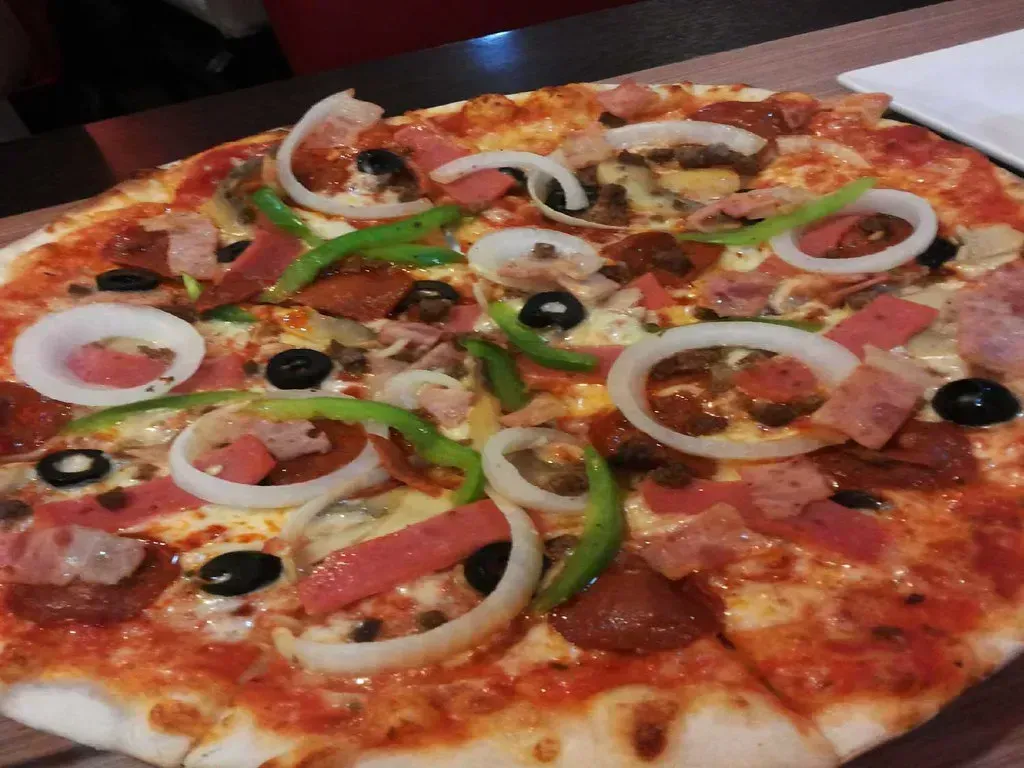
When William Theisen opened the first Godfather’s Pizza in Omaha, Nebraska in 1973, nobody predicted this regional chain would become the stepping stone for a presidential candidate, as it struggled through bankruptcy in the early 1980s until Pillsbury bought it and brought in Herman Cain as regional vice president in 1982. At its peak in the 1990s, over 900 locations served their signature thick crust pizza across America.
Cain turned the struggling brand into a business school case study. Under Cain’s leadership, Godfather’s closed approximately 200 restaurants and eliminated several thousand jobs, and by doing so returned to profitability. With just over 400 locations around the U.S., the brand’s transformation from industry leader to convenience store staple illustrates the competitive pizza market. Still, the thick crust and hearty toppings remain memorable for anyone who frequented their locations during their heyday.
Straw Hat Pizza

Founded in 1959 in San Mateo, California, this chain exploded across the West Coast through the 70s and 80s, reaching over 300 locations at its peak. Walking into Straw Hat felt like stepping into an Old West saloon. The walls were covered in antique farming tools, wagon wheels hung from the ceiling, and the whole vibe screamed Gold Rush nostalgia.
Servers actually wore straw hats, and some locations featured old-timey player pianos that kids would crowd around between bites of their signature thin crust pizza. The rustic Western theme wasn’t just décor, it was the entire experience. The chain started declining in the 90s when corporate ownership changed hands multiple times, and today only a handful of locations remain, mostly as independent franchises.
Chuck E. Cheese

The first location opened as Chuck E. Cheese’s Pizza Time Theatre in San Jose, California on May 17, 1977, becoming the first family restaurant to integrate food with arcade games and animated entertainment. Sure, the pizza was mediocre at best, yet that hardly mattered when you were eight years old with a fistful of tokens and an entire arcade beckoning.
For many Gen Xers and Millennials, Pizza Hut is more than a pizza chain, yet Chuck E. Cheese defined the 1980s and 90s when Friday nights meant red plastic cups, stained-glass lamps, arcade machines, and bustling salad bars. Pizza Time Theatre filed for Chapter 11 bankruptcy on March 28, 1984, reporting a loss of $58 million incurred in 1983. The brand survived through its merger with ShowBiz Pizza and continues operating, though the animatronics that defined the experience are vanishing rapidly.
Pizza Hut (Classic Dine-In Era)
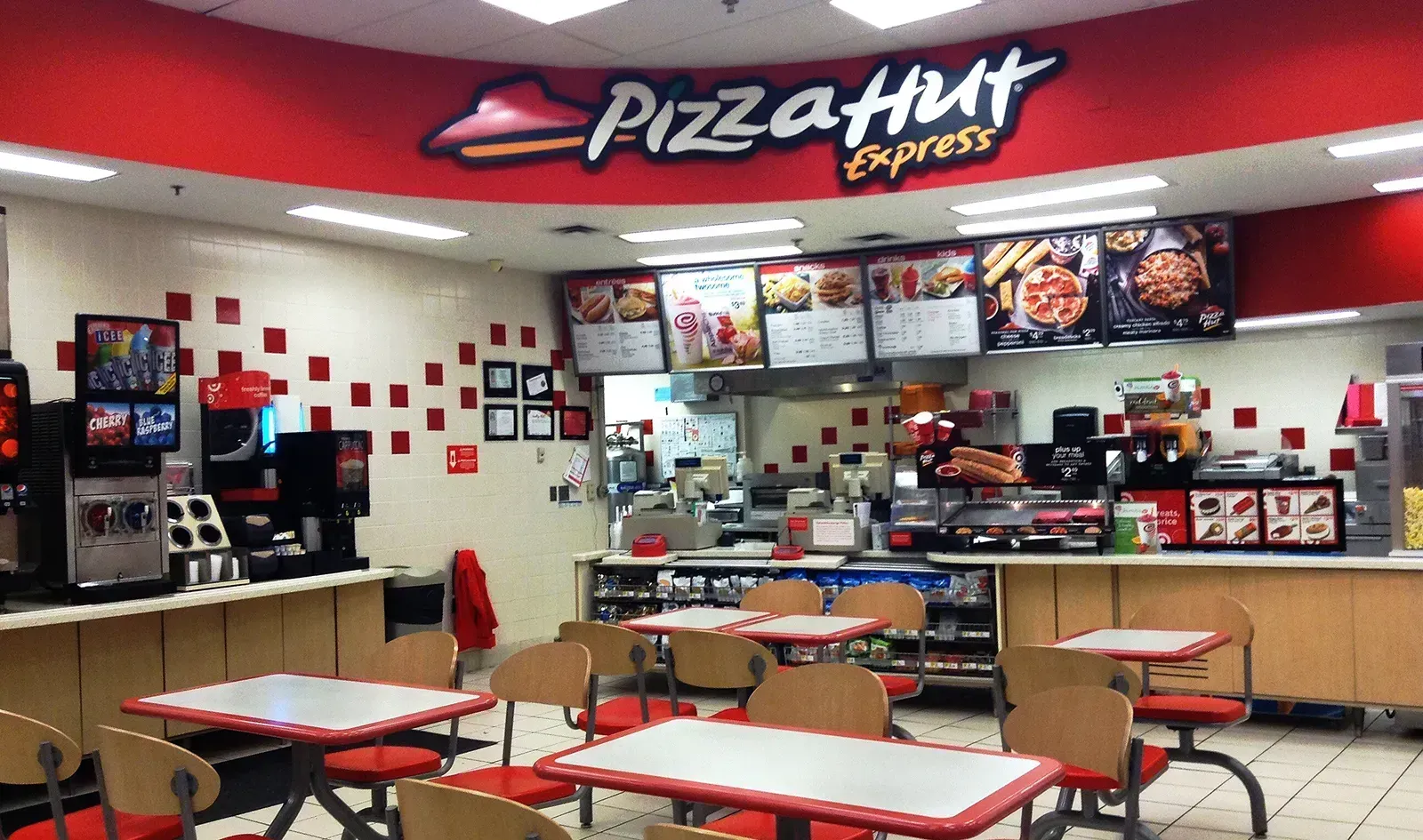
Since 2019, the chain has been rolling out “Pizza Hut Classic” locations across the U.S., bringing back retro décor and features to recapture the atmosphere that defined the brand’s heyday. There’s something about those red cups and Tiffany-style lamps that triggers instant nostalgia. Pizza Hut in the eighties and nineties wasn’t about delivery, it was about sitting in booths with your family after school, earning free pizza through the Book It reading program.
Reddit is full of fond memories of Pizza Hut, with users recalling crust that was soft and crispy, cheese that was plentiful and perfectly melted, and especially the personal pan pizza reward for reading through the Book It Program. The Bigfoot pizza, the salad bar, the arcade games in some locations, all combined to create an experience modern carryout simply cannot replicate. Honestly, newer generations will never understand what they missed.
These seven chains represent more than just pizza. They embody an era when dining out meant actual experiences, when entertainment and food merged into something bigger than the sum of their parts. The chains that survived have mostly abandoned what made them special, streamlining into delivery-focused operations. Those that disappeared left behind memories that remain surprisingly vivid decades later. Did any of these chains define your childhood? Which one do you miss most?