Walmart’s Unexpected Self-Checkout Move Rattles the Multi-Billion-Dollar Retail Sector
The Shocking Police Data That Changed Everything

Picture this: a retail giant that operates nearly 5,000 stores across America suddenly makes a jaw-dropping reversal on one of its most visible innovations. According to the Webster-Kirkwood Times, the Shrewsbury Police Department responded to 509 calls from the Walmart location between January and May of last year, but during the same period this year after self-checkouts were removed, those calls dropped to just 183 with arrests falling from 108 to just 49. We’re talking about a dramatic decline that sent shockwaves through the retail industry.
At a Supercenter in Shrewsbury, Missouri, Walmart abruptly removed all self-checkout machines permanently. The decision followed years of frequent police calls tied to theft at the store, which local law enforcement says dropped dramatically after the kiosks were removed. Police Chief Lisa Vargas didn’t mince words, calling it a huge change and expressing appreciation for Walmart’s initiative.
Why Theft Became a Multi-Billion-Dollar Nightmare
Research from checkout-technology company Grabango shows that self-checkout machines are a significant driver of shrink, with losses amounting to 3.5% of sales, or more than 16 times more loss than traditional cashiers. Let’s be real here – that’s a staggering difference. Data reported by the National Retail Federation indicates inventory loss due to shrink has ballooned from just over 50 billion dollars annually in 2018 to over 112 billion dollars in 2022.
The problem isn’t just deliberate shoplifting either. At self-checkout units, partial shrink is the most common and costly form of shoplifting, where a shopper pays for some of their purchase but not the full amount, such as scanning only two of three cans of soda or typing in a code for a lower-priced item. Think about how that adds up when you multiply it across thousands of transactions daily.
31% of Generation Z and 21% of Millennials have shoplifted using self-checkout, according to recent survey data. Meanwhile, 69% of consumers say it’s easier to steal from a self-checkout kiosk than from a cashier. The system basically created an opportunity that many couldn’t resist.
The Selective Rollback Strategy That’s Confusing Shoppers
Here’s where it gets interesting. Walmart says it has no plans to make such reductions on a nationwide scale, despite removing kiosks from select locations. As of March 2024, member-only access to self-checkout lanes has expanded to 2,000 locations in the United States, meaning only Walmart Plus subscribers and Spark Delivery drivers can use certain self-checkout kiosks.
The list of locations where self-checkout lanes are being removed now includes Shrewsbury, Missouri, Cleveland, Ohio and Albuquerque, New Mexico. Rising theft has become a big concern, with employees reporting that self-checkout can lead to more shoplifting. The company’s approach feels almost surgical – targeting specific stores based on theft patterns rather than implementing blanket policies everywhere.
Walmart did not eliminate self-checkout in 2025, but it selectively reduced or reconfigured traditional self-checkout lanes in certain high-theft or high-friction stores, shifting toward location-specific checkout strategies that combined attended checkout, AI-assisted self-checkout, mobile Scan & Go, and checkout-free pilots. Honestly, it’s a balancing act that reveals just how complicated modern retail has become.
How AI and Invisible Tech Are Fighting Back
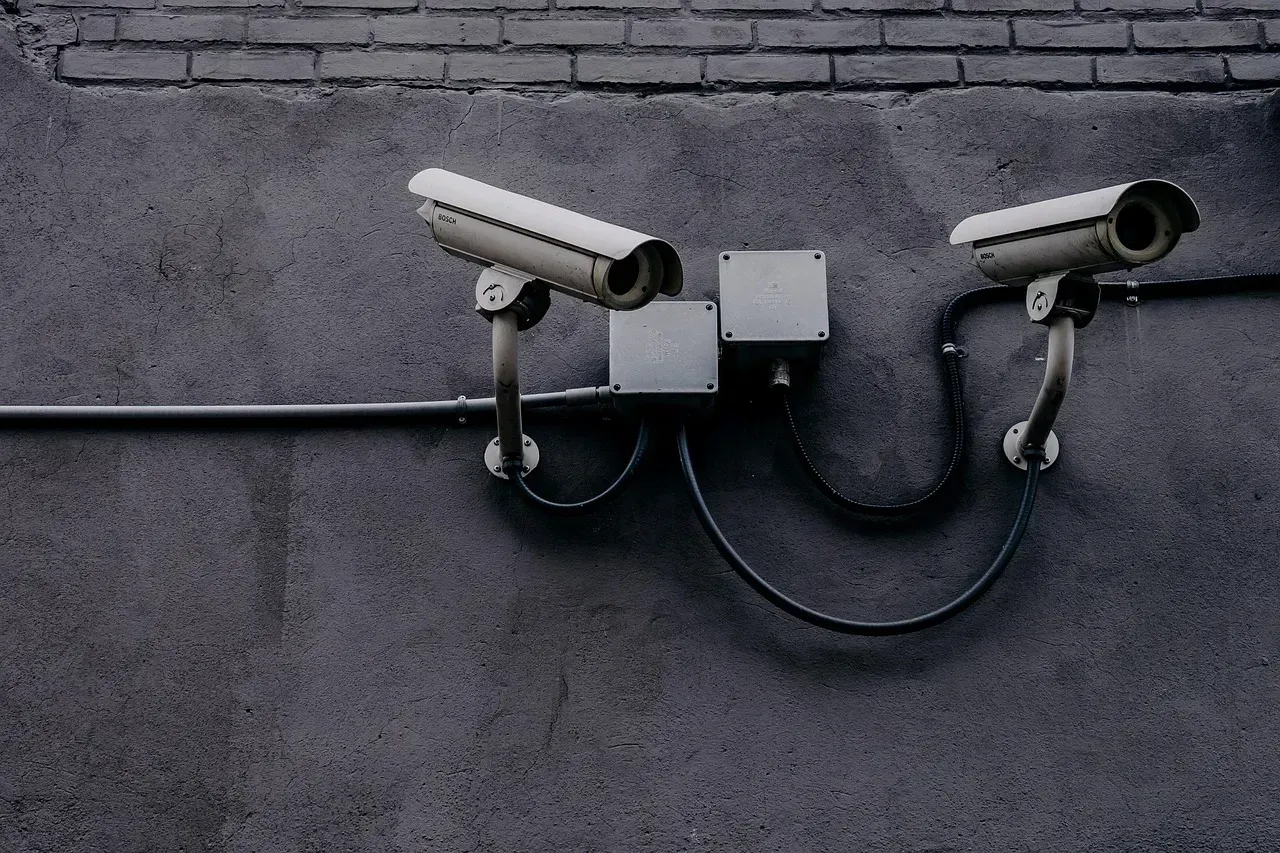
Instead of completely abandoning automation, Walmart is doubling down on smarter technology. In 2025, Walmart sharply upgraded its theft prevention at self-checkout by combining technology, staff presence, and physical security measures, using AI-powered cameras and software at self-checkout stations to detect missed scans and fraudulent behavior, with AI instantly alerting staff and sometimes providing overhead video replay. These aren’t your grandma’s security cameras.
Walmart is testing more advanced AI-powered self-checkout kiosks that use computer vision and machine learning, with systems that can identify products without barcodes, detect potential theft or scanning errors, and provide a more intuitive interface. Some locations are even experimenting with cameras plus computer vision that help track items picked up by shoppers, with bills adding up silently through sensor networks as people exit – no scanning, no lines, just walking out with groceries.
The tech upgrades extend beyond cameras too. Walmart installed bright yellow protective covers around payment pads at self-checkout kiosks, shielding against illegal card readers and skimmers, which employees nicknamed “chastity belts” for PIN pads. The investment in both physical and digital security shows how serious the losses have become.
What This Means for the Future of Retail
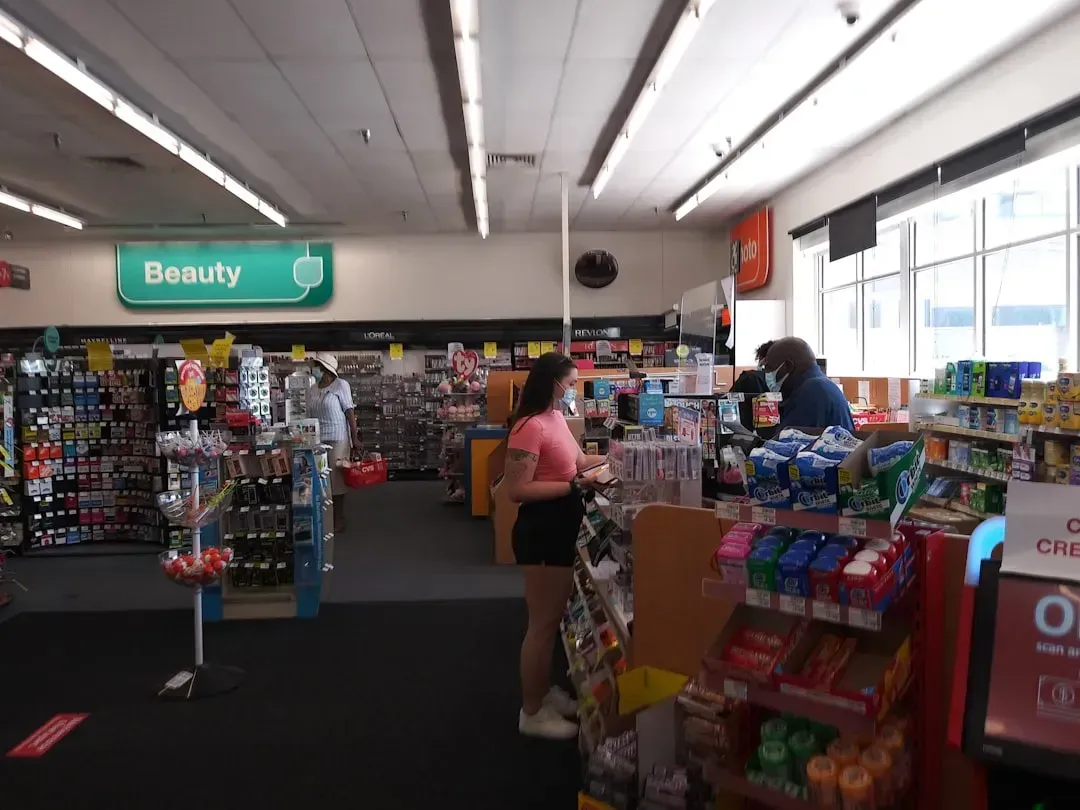
Considering 55% of US adults prefer to get through their in-store grocery shopping as fast as possible according to a November 2023 survey from Kearney, it’s unlikely self-checkout will be leaving stores anytime soon. The genie is out of the bottle, so to speak. The global market for self-checkout systems is valued at 6.02 billion dollars in 2024 with projections indicating it will climb to 13.5 billion dollars in 2030.
Other major retailers are watching closely and making their own moves. Dollar General is pulling back on self-checkout machines from 300 stores and scaling it back at other locations, with customers now limited to a maximum of five items in self-checkout lanes, while Target and Schnucks both recently changed their self-checkout policies to a maximum of 10 items per customer. The entire industry seems to be recalibrating simultaneously.
The retailer joins Target, Dollar General and other chains in recalibrating its reliance on self-service and rethinking the checkout experience. What we’re witnessing isn’t the death of self-checkout but rather its evolution into something more controlled, more monitored, and frankly, more exclusive for paying members.
The retail landscape is being reshaped before our eyes. Walmart’s moves signal that convenience alone isn’t enough anymore – profitability, security, and customer experience need to work together. Companies that invested billions into self-checkout technology are now discovering that the human element they tried to eliminate might have been protecting them all along. The question isn’t whether self-checkout will survive, but rather what form it will take as retailers scramble to protect their bottom lines while keeping customers happy. What do you think – does removing self-checkout make your shopping experience better or worse? The answer might depend on which side of the membership paywall you’re standing on.