10 Things You’ll Always Find in the Homes of People Raised With Old-School Manners
Have you ever walked into someone’s home and felt immediately welcomed, respected, and somehow transported to a more gracious era? There’s something distinctly different about spaces where good manners were woven into the fabric of daily life from childhood. These homes tell a story before anyone even speaks a word.
People raised with traditional etiquette don’t just practice politeness in social settings. They bring those values right into their living spaces, creating environments that reflect consideration, respect, and a certain timeless elegance. Let’s explore what sets these homes apart.
A Well-Stocked Stationery Drawer With Handwritten Thank You Cards
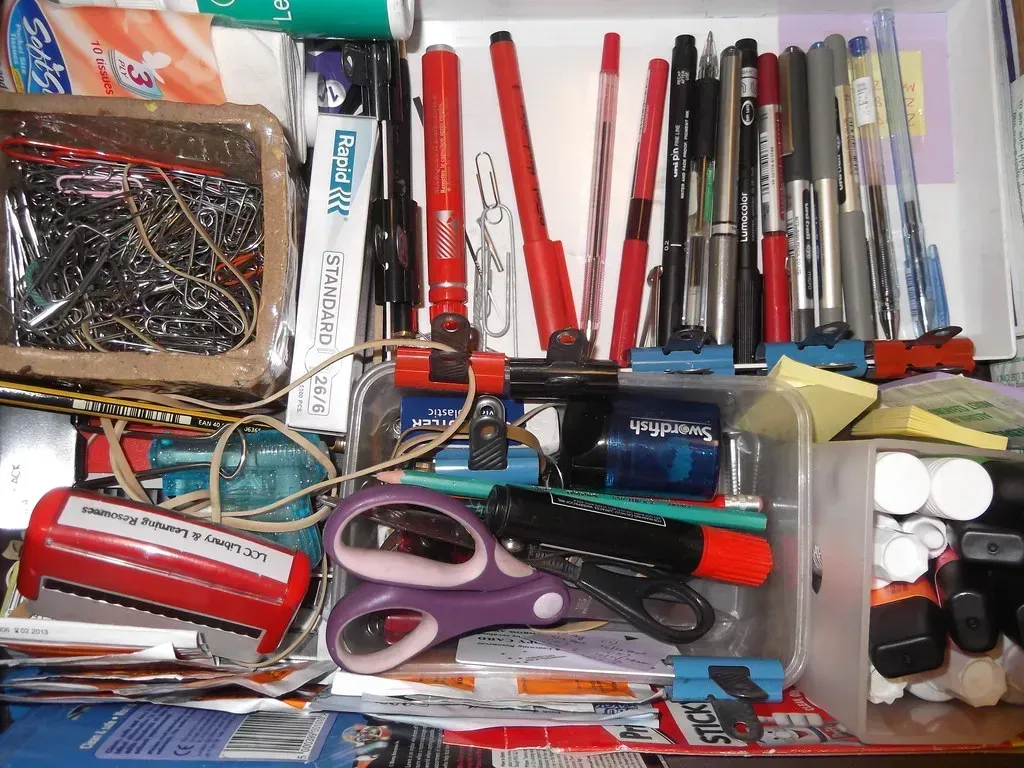
Walk into any home where old-school manners reign, and you’ll discover a dedicated space filled with quality stationery, blank cards, stamps, and pens that actually work. In general, 81% of respondents agree that sending thank you notes is an important way to show appreciation, and 80% said they appreciate receiving thank you notes from others, according to survey data. However, 72% of respondents think that paper thank you notes are more meaningful than electronic ones. These aren’t dusty relics gathering cobwebs either. The stationery gets regular use, because expressing gratitude on paper remains a non-negotiable ritual. Customer Ops team leader Renee Morris reports that out of roughly 800 customers who received handwritten cards, 50% fewer folks left our product than those who did not receive cards, demonstrating the tangible impact of this practice.
Though revenue in the greeting card industry is down 16% since 2017, with the practice of writing thank you notes having largely fallen out of style in younger generations, those raised with traditional values haven’t abandoned the practice. They understand that a text or email simply doesn’t carry the same weight. The tactile experience of receiving something handwritten creates a lasting impression that digital communication can’t replicate.
Proper Dining Table Settings, Even for Everyday Meals
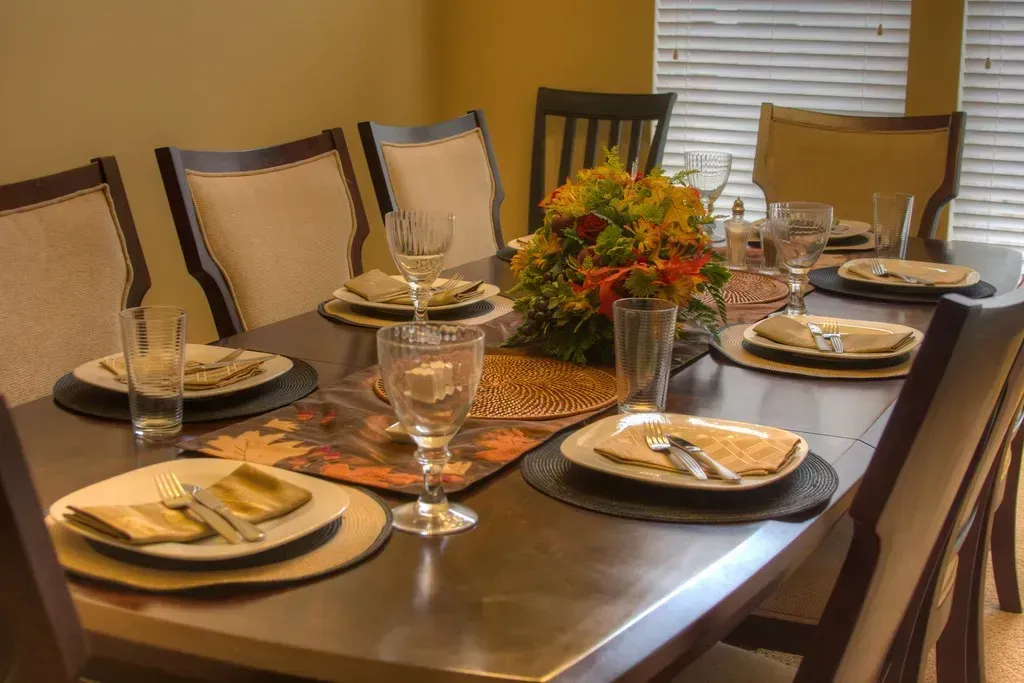
You won’t find paper napkins or plastic cutlery on these dining tables, even on a random Tuesday. Proper table etiquette still dictated that you wait to begin eating the meal until everyone was served and the host began to eat, according to etiquette guidance from 2024. People raised with old-school manners set their tables with cloth napkins, matched dinnerware, and appropriately placed silverware. It’s not about being stuffy or pretentious. It’s about treating mealtimes as meaningful occasions worthy of a bit of ceremony.
Tablescapes became a form of art in 2024, with layered table settings featuring unique dinnerware, glassware, and centerpieces that elevated the dining experience, while seasonal decorations and personal touches added a sense of occasion and style. The dining table becomes more than just a place to consume food. It transforms into a gathering space that communicates respect for both the meal and the people sharing it. Setting the table properly signals that everyone present matters enough to warrant the extra effort.
A Designated Guest Room or Space That’s Always Ready
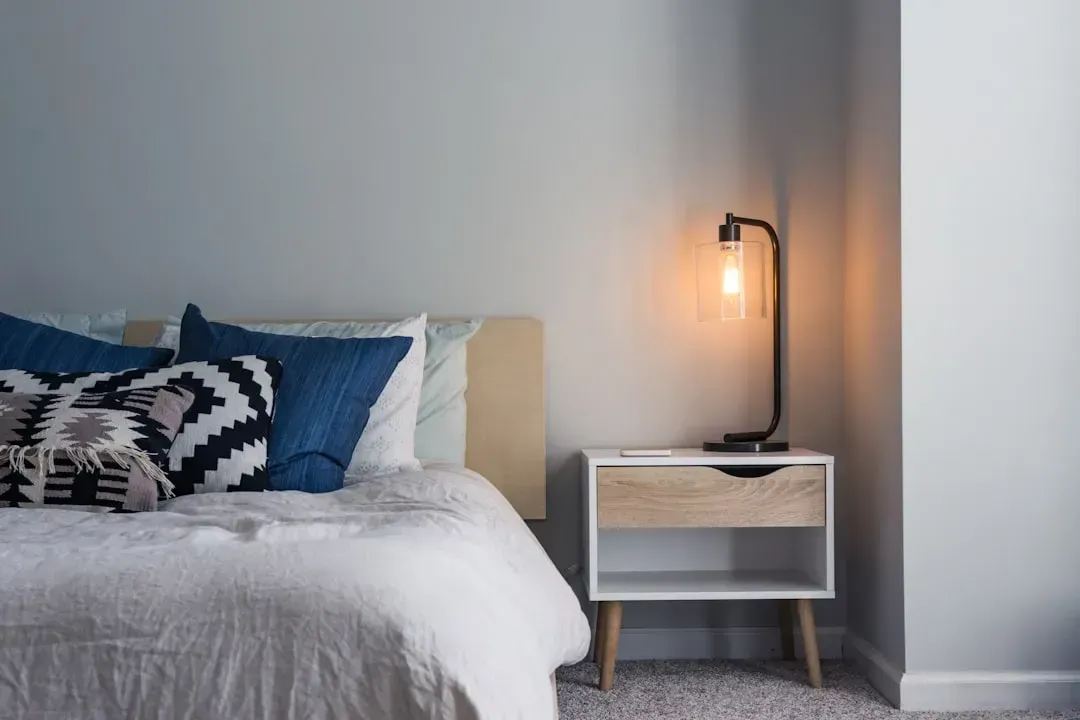
Hospitality wasn’t just practiced occasionally in homes where traditional manners mattered. It was a permanent state of readiness. These homes maintain a guest room or at least a well-appointed guest area with fresh linens, extra toiletries, and thoughtful touches like reading material and adequate lighting. The space stays prepared because dropping by unannounced was once more common, and being caught unprepared would have been mortifying.
Even in smaller homes without dedicated guest rooms, you’ll find pull-out sofas with actual comfortable mattresses, not the torture devices masquerading as sofa beds that many people settle for. The message is clear: guests are valued, expected, and worth preparing for. This preparation extends beyond just physical accommodations. When invited to someone’s home for the very first time, never turn up empty handed, as it is good manners to bring flowers, a houseplant, or baked goods, and these hosts understand reciprocity.
Family Photos Displayed in Actual Frames, Not Just on Phones
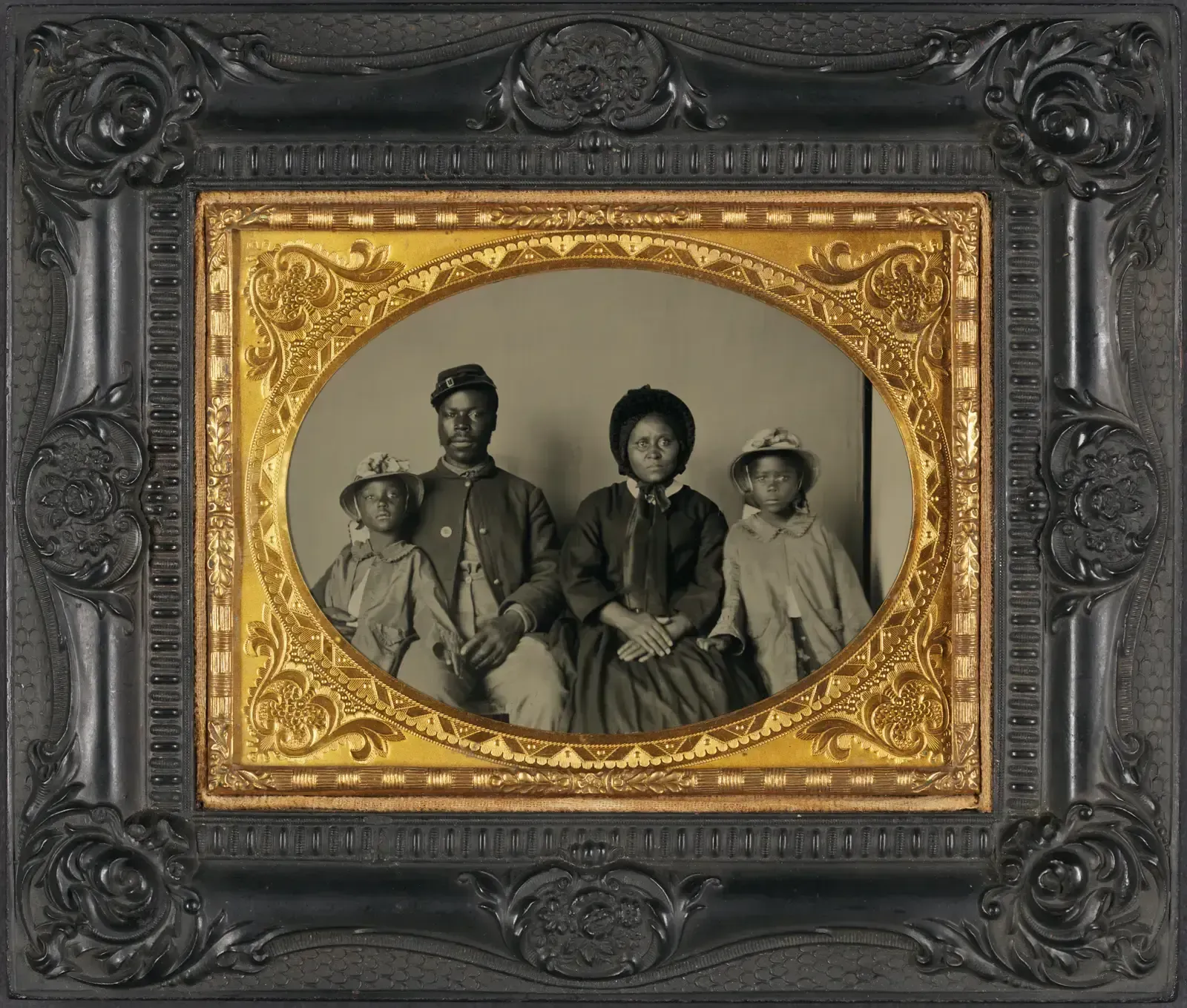
Digital photo albums have their place, sure. Still, homes grounded in traditional values showcase family memories in tangible ways. You’ll see framed photographs on walls, mantels, and side tables that create a visual family history. These aren’t random snapshots either. They’re carefully selected images that honor family connections, milestone moments, and the passage of time.
The practice of displaying photos physically demonstrates an investment in preserving family legacy. It’s about making family history visible and accessible, not buried in cloud storage where it might never be seen again. Young visitors learn who their great-grandparents were by seeing their faces on the wall, not by scrolling through a phone. This visible connection to the past reinforces the importance of family bonds across generations.
Books on Etiquette and Entertaining Somewhere on the Shelves

Browse the bookshelves in these homes and you’ll inevitably find well-worn copies of etiquette guides. These might include classic titles or more modern interpretations of social grace. They’re not there for show. The pages are dog-eared, underlined, and clearly referenced. Over 60% of U.S. companies will enlist the help of etiquette training companies to teach their employees how to dress appropriately for the office, interact with clients, and respect shared spaces in 2024, according to a Resume Builder survey, highlighting renewed interest in formal manners.
The presence of these books signals that good manners aren’t instinctive. They’re learned, practiced, and refined over time. Even people raised with impeccable etiquette continue consulting these resources because social norms evolve and situations arise that require thoughtful navigation. Having these references readily available shows humility and a commitment to continuous improvement in how one treats others. According to etiquette expert Peggy Post, times change but manners remain constant as a sensitive awareness of the feelings of others, and etiquette rules are there to help smooth social interactions.
Quality Serving Dishes and Platters Stored and Actually Used
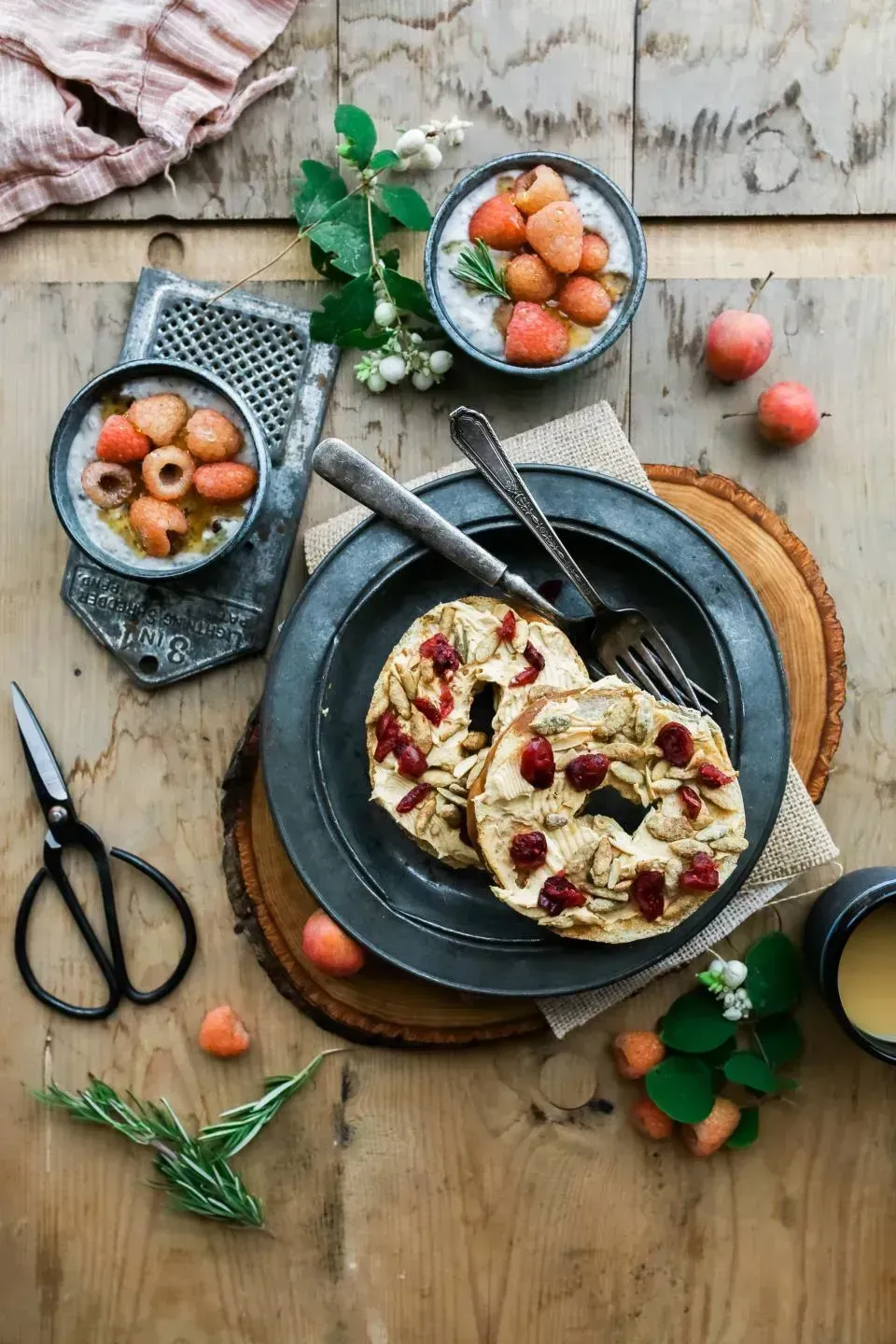
Many homes have fancy serving dishes that only emerge once a decade, if that. Homes where old-school manners were instilled use these items regularly. The good china isn’t just for Christmas. The silver serving pieces don’t spend their entire existence wrapped in tarnish-prevention cloth. These items were investments meant to facilitate gracious hosting, and they fulfill that purpose frequently.
Rising consumer demand for custom-made interior products with personalized decor options, including monogrammed items, drives product revenues globally, while increasing households’ preference toward custom-made functional furniture accelerates product demand. You might find monogrammed serving trays, heirloom platters with family histories, or carefully curated collections of serving vessels suited to different occasions. Using these pieces regularly keeps them from becoming museum artifacts and reinforces the idea that everyday moments deserve beauty and attention.
A Coat Closet or Rack Actually Located Near the Entrance
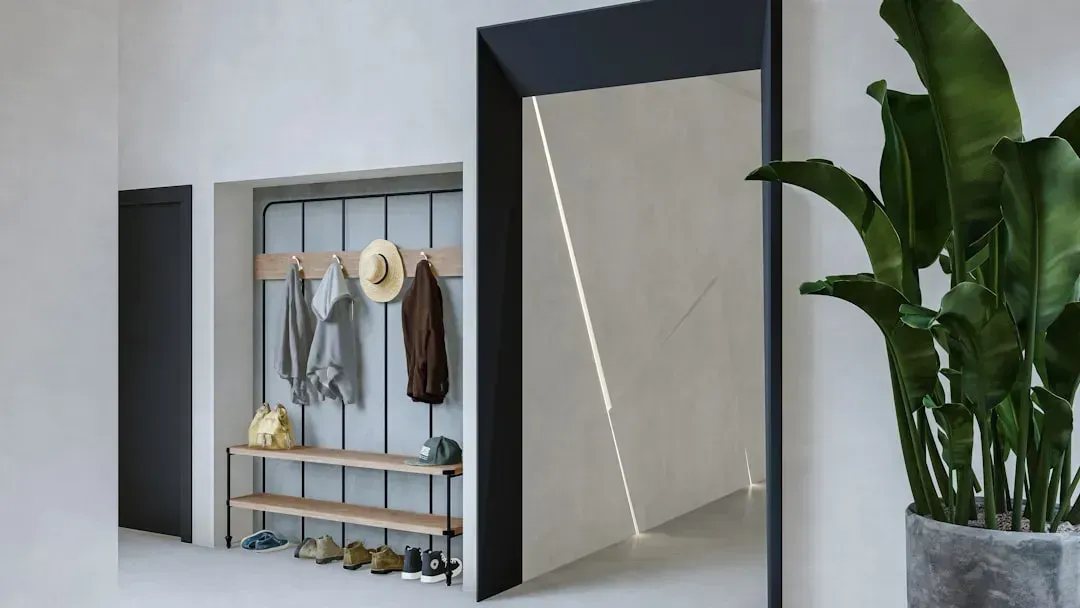
This seems basic, yet it’s surprisingly uncommon in modern homes. Houses where traditional hospitality matters have a designated, easily accessible place for guests to hang coats and store belongings immediately upon entering. It’s not buried in a back hallway or nonexistent. The message is simple: we anticipated your arrival and made space for you.
This consideration extends to providing guest slippers in some homes, especially those influenced by cultures where removing shoes is customary. The point isn’t the specific practice but the underlying principle: making guests physically comfortable the moment they cross the threshold. These small architectural and organizational choices reveal a mindset oriented toward welcoming others properly, a cornerstone of traditional etiquette.
Neutral, Timeless Decor Rather Than Trendy Statement Pieces
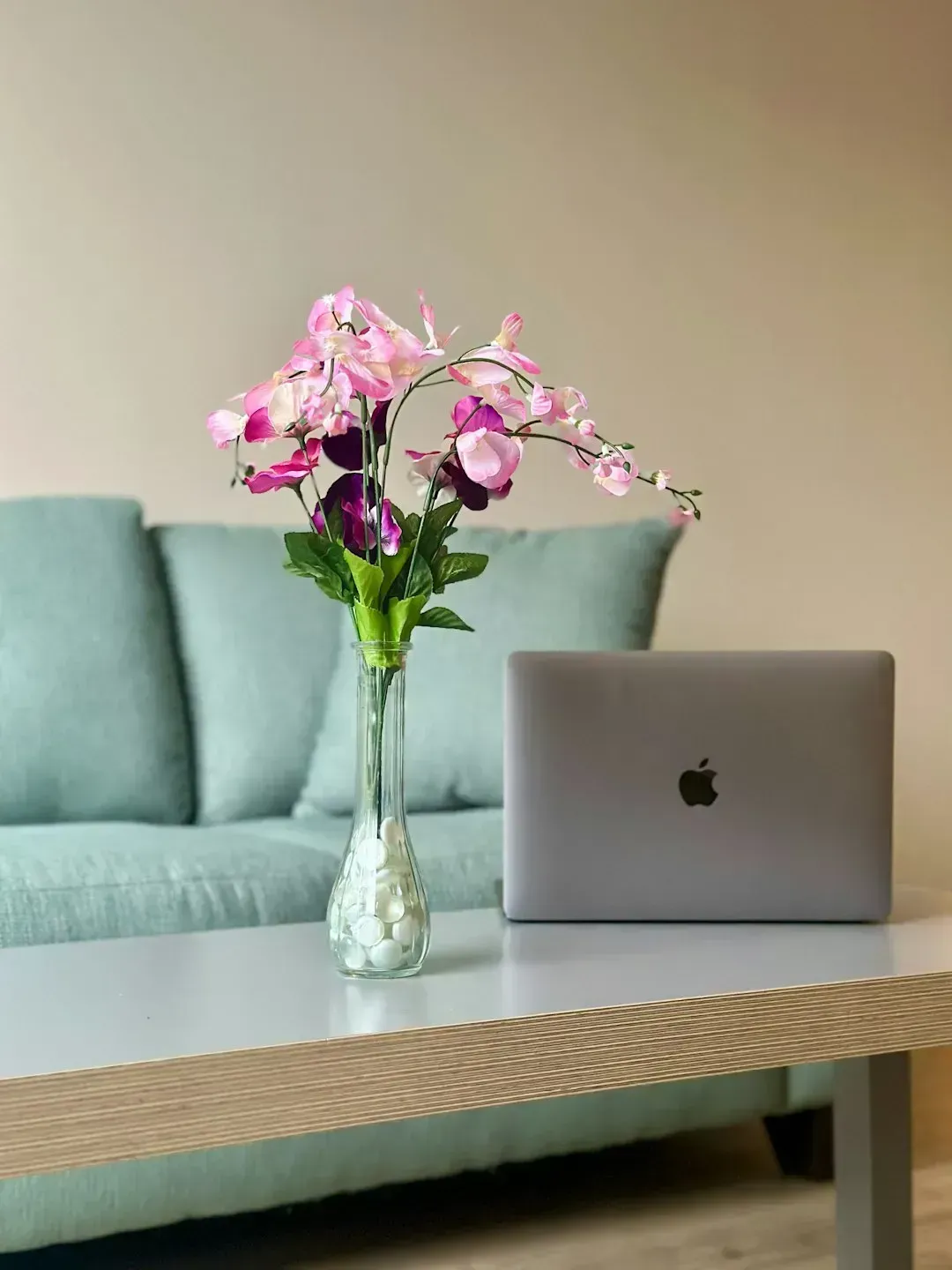
Traditional style gained traction, growing from 8% in 2018 to 14% in 2019 and slightly declining to 13% in 2020, while the Eclectic style remained consistently popular according to home décor market data. Homes rooted in old-school values tend toward classic, understated elegance rather than whatever happens to be trending on social media. You’ll see quality furniture with clean lines that won’t look dated in five years. Color palettes lean toward neutrals that create calm, welcoming spaces.
This isn’t about being boring or stuck in the past. It’s about creating environments that age gracefully and don’t require constant updating. The emphasis falls on quality over quantity, timelessness over trendiness. There has been an increase in demand for home décor items that showcase traditional craftsmanship and techniques, as customers are drawn to unique and traditional designs rooted in local culture. These homes invest in pieces that can be handed down rather than discarded when fashions shift.
An Actual Entryway Table With a Dish for Keys and Mail
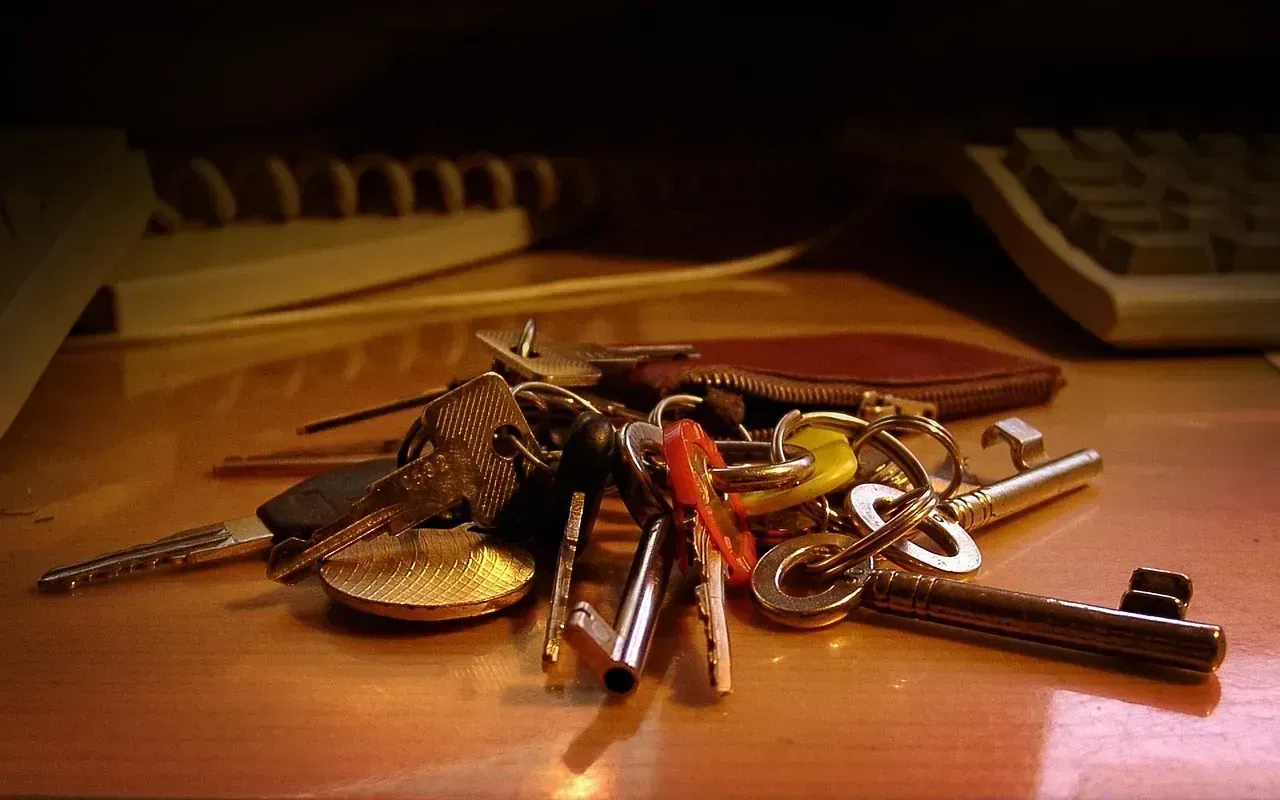
Organization matters in homes where traditional values hold sway. The entryway features a proper table or console with a designated spot for keys, incoming mail, and other everyday items. This isn’t just about tidiness. It’s about maintaining order and ensuring that nothing important gets lost in the chaos of daily comings and goings.
Often you’ll also find a mirror near the entrance, allowing both residents and guests to check their appearance before heading out or after arriving. Fresh flowers or a simple decorative element might grace the table, creating an immediate impression of care and attention. The entryway sets the tone for the entire home, and those raised with proper manners understand that first impressions start the moment someone walks through the door. This dedicated space communicates that the household functions smoothly and respectfully.
Real Napkins, Not Paper Towels, Within Easy Reach
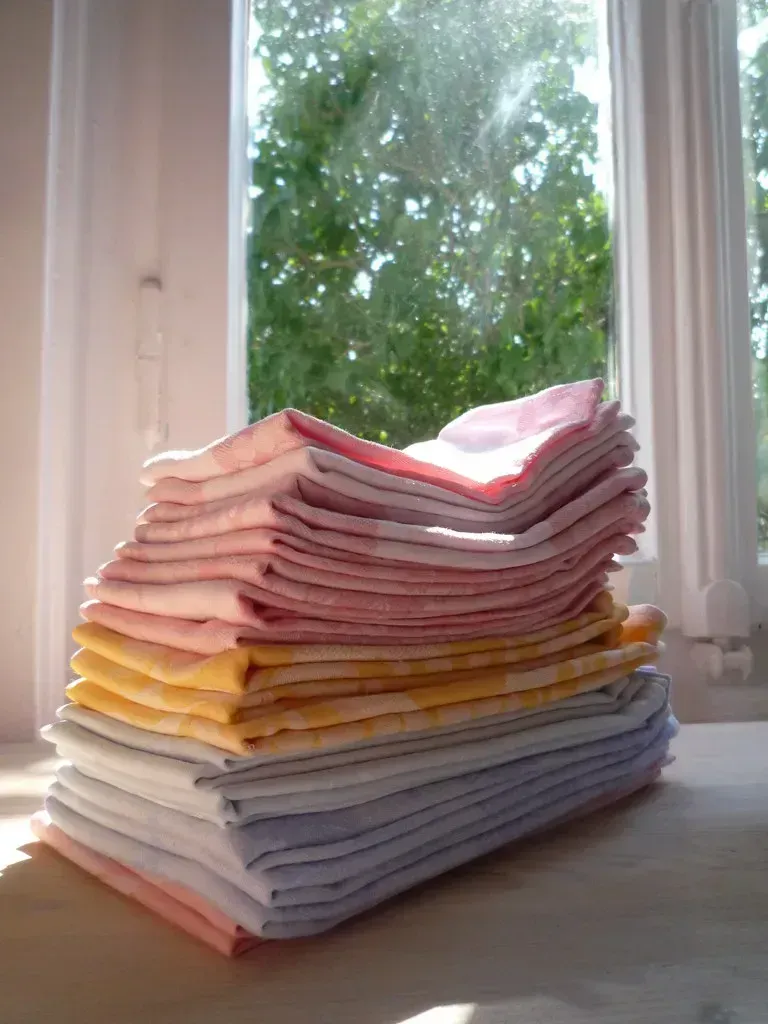
Paper towels certainly have their place for cleaning spills and messy tasks. In homes where traditional manners were emphasized, however, cloth napkins handle dining duties. These aren’t relegated to special occasions only. They’re part of everyday life, laundered regularly and stored accessibly. Table manners are an important place to practice respect, including using a napkin to wipe your mouth, according to Montessori teaching principles.
Using cloth napkins might seem like extra work in our disposable culture. Those raised with old-school etiquette see it differently. It’s about treating daily routines with respect and reducing waste. It signals that meals matter, even when they’re simple or rushed. The practice also teaches younger family members that sustainability and graciousness can coexist. Real napkins last for years, develop character, and can even become family heirlooms, unlike their paper counterparts that vanish after one use.