3 U.S. Cities Home to the Most Dangerous Neighborhoods, 2026 Crime Reports Show
Memphis, Tennessee
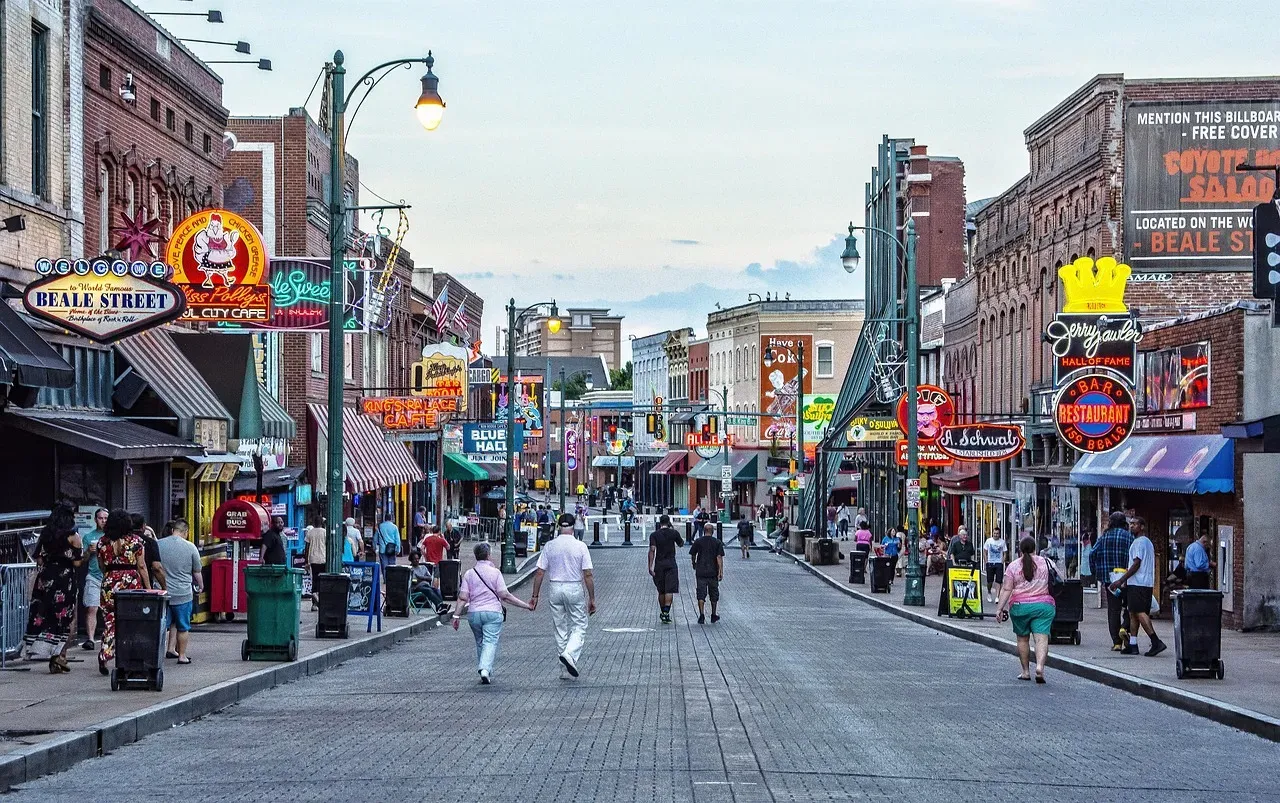
Memphis has a violent crime rate of 2,501 per 100,000 people according to FBI data from 2024, solidifying its place at the top of most dangerous city rankings. The Tennessee city battles extreme challenges with aggravated assault, robbery, and homicide concentrated in specific areas. Downtown Memphis, Frayser, and Whitehaven are considered higher-risk areas, where crime incidents cluster heavily.
Let’s be real, the numbers paint a grim picture for certain parts of Memphis. The city has a violent crime rate of 24.37 incidents per 1,000 people, battling elevated rates across multiple categories. Yet there’s context here that matters: homicides fell from 156 in 2023 to 129 in 2024, robberies dropped nearly 30 percent, showing some progress even amid ongoing struggles.
Memphis struggles with poverty and gang activity, which experts cite as key drivers of crime. These socioeconomic factors create environments where violence persists despite law enforcement efforts. The city presents a stark contrast between dangerous hotspots and safer suburban areas like Germantown and Collierville, which rank among Tennessee’s safest communities.
St. Louis, Missouri

St. Louis has a violent crime rate of 14.70 per 1,000 residents, far exceeding the national average of approximately 3.81 per 1,000 people, according to FBI reports. The city has earned an unfortunate reputation as one of America’s most dangerous urban areas, particularly for homicides. The most dangerous neighborhoods in St. Louis are Peabody-Darst-Webbe, Hamilton Heights, Walnut Park West, and College Hill, where violence concentrates most heavily.
Here’s the thing about St. Louis that often gets overlooked: St. Louis City with a population of around 300,000 differs statistically from St. Louis County with over 1 million residents, and a few north-side neighborhoods concentrate most violent crime. This geographic concentration means the city’s per capita rates appear disproportionately high. Population loss over decades has shrunk the denominator, making the same number of incidents look worse statistically.
Gun violence, economic hardship, and political instability contribute to the city’s ongoing challenges. Despite multiple reform efforts targeting police practices and social programs, St. Louis continues to struggle with persistent crime issues that deter economic investment and residents alike.
Detroit, Michigan
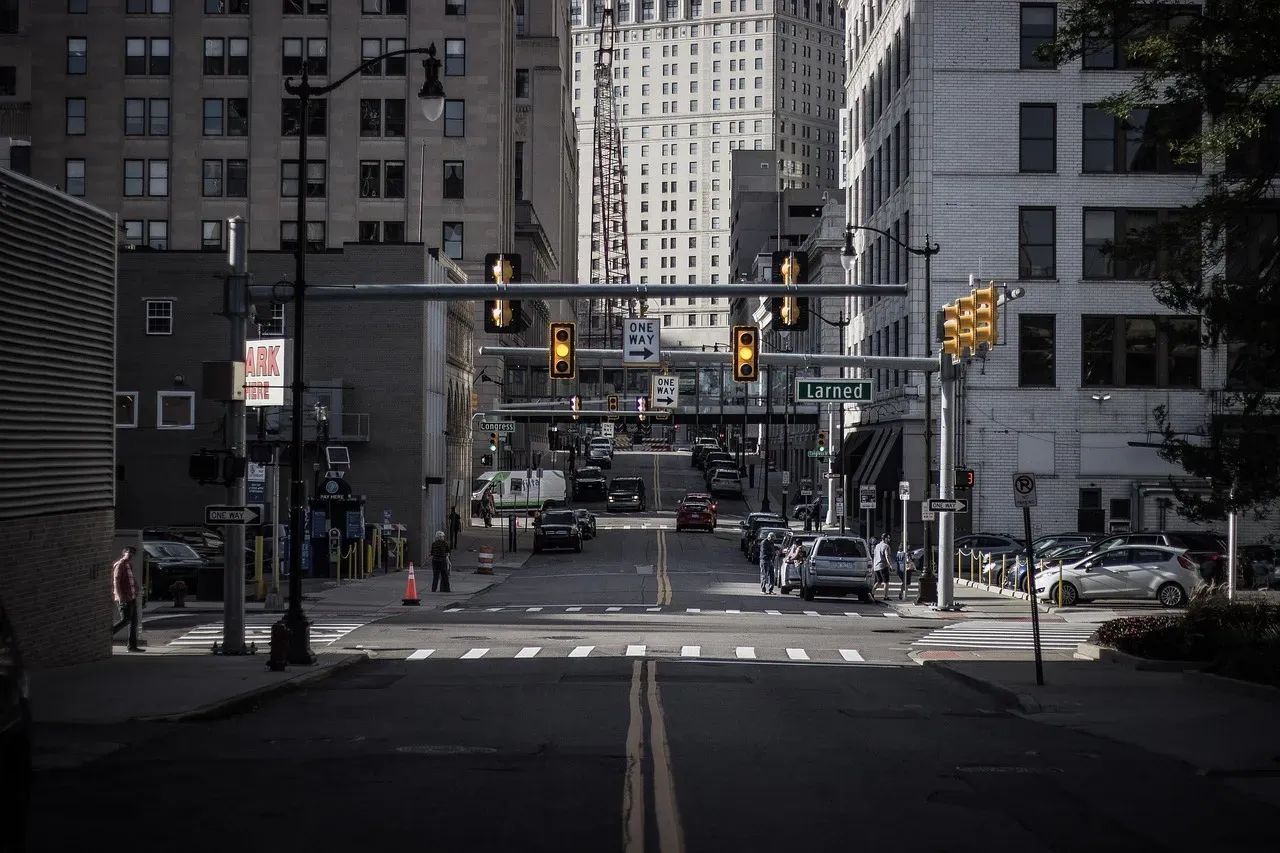
Detroit has 6,389 crimes per 100,000 people, with a crime rate 170 percent higher than the national average. The city’s reputation as a dangerous place stems from decades of economic collapse following the auto industry’s decline. The most dangerous neighborhoods in Detroit are Franklin Park, Fiskhorn, Warrendale, Von Steuben, and Greensbriar, where residents face elevated risks of violence and property crime.
Honestly, Detroit’s story is more complicated than headlines suggest. Both violent and property crime are falling, with 2023 marking Detroit’s lowest homicide count in 57 years. Revitalization efforts downtown have created pockets of safety and prosperity, though many neighborhoods remain mired in poverty and crime. The contrast between thriving areas like Midtown and struggling sections like Brightmoor couldn’t be starker.
Gun violence still drives much of Detroit’s violent crime, though faster court processing and targeted bail reform aim to reduce repeat offenses. Community programs like FORCE Detroit reward grassroots violence reduction efforts, while police partnerships strengthen commercial corridors. Still, abandoned properties and limited access to healthcare and education perpetuate cycles of disadvantage that fuel ongoing crime challenges in America’s Motor City.