8 Illegal Electrical Add-Ons Inspectors Say Homeowners Keep Trying to Install
Let’s be honest. You’re scrolling through online tutorials on a Saturday afternoon, thinking your ceiling fan installation looks simple enough. What could possibly go wrong? According to electrical inspectors across the country, quite a lot actually. Home inspectors frequently flag these illegal upgrades when homes are sold, sometimes requiring expensive corrections. The problem isn’t just about passing a home inspection later. These illegal upgrades can void insurance coverage, create fire hazards, and lead to serious penalties if discovered during inspections.
Here’s the thing. Most homeowners don’t set out to break the rules. They’re just trying to save money or add convenience without realizing they’re crossing a legal line that could put their family at risk.
Upsizing Circuit Breakers
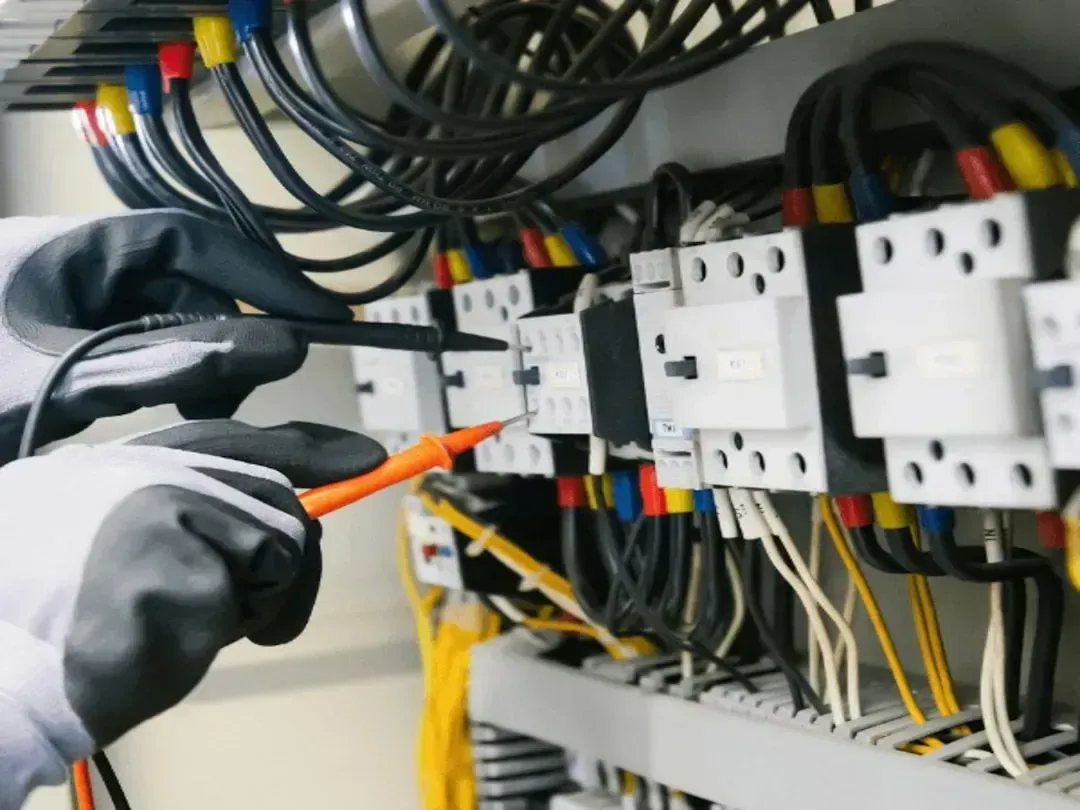
So your circuit breaker keeps tripping when you run the microwave and coffee maker at the same time. The easy fix seems obvious, right? Just swap that constantly tripping breaker for a bigger one. Replacing a 15-amp breaker with a 20- or 30-amp breaker to “stop tripping” is illegal and extremely dangerous, as this allows wiring to carry more current than it was designed for, dramatically increasing fire risk. Think of it this way: the breaker isn’t the problem, it’s actually doing its job by protecting your wiring from overheating.
Licensed electricians consider this one of the most hazardous DIY mistakes seen in U.S. homes. The breaker is matched to the wire size for a reason. When you install an oversized breaker, you’re essentially disabling your home’s built-in fire protection system. The wires inside your walls can heat up like the element in a toaster, melting insulation and igniting surrounding wood framing before the breaker ever trips.
Double Tapping Circuit Breakers
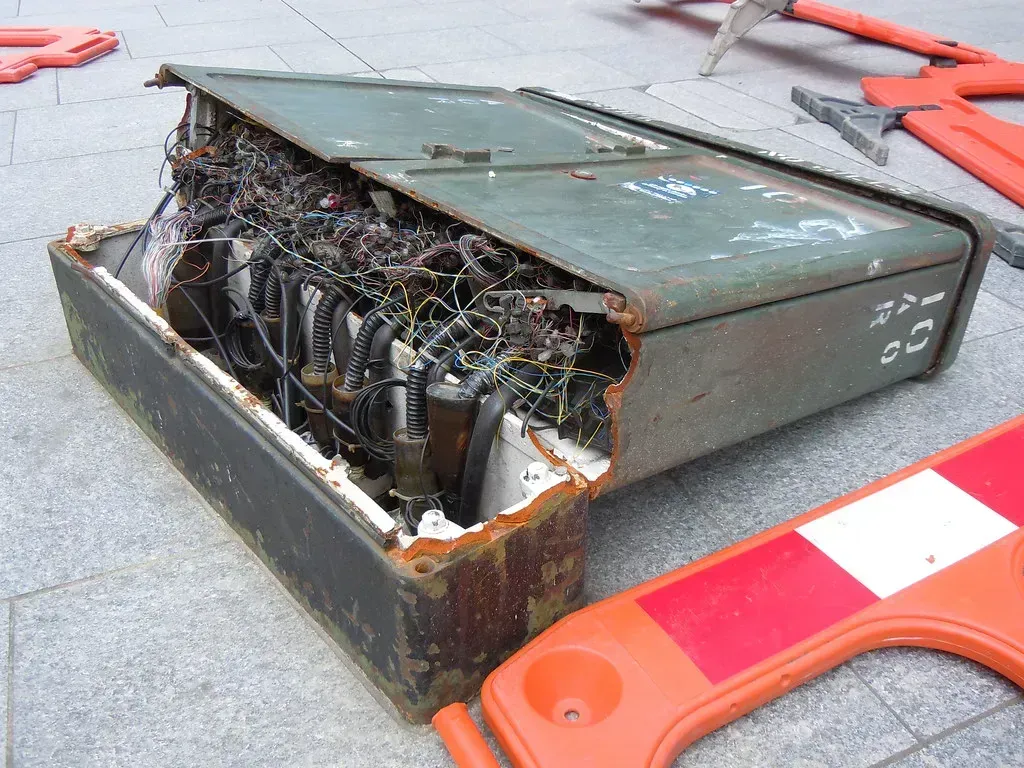
You need to add another circuit, the panel has empty spots, yet someone before you already connected two wires to one breaker terminal. A double tap is two wires secured to a breaker that is only rated to receive one wire connection, and there is no specific mention of double taps in the National Electrical Code, but it is not allowed because most breakers are only rated by their manufacturer to be “single pole,” which means one wire connection. Tightening that single screw often pinches one wire while leaving the other loose, creating a fire hazard.
Here’s where it gets tricky. Some manufacturers, such as Cutler Hammer and Square D, produce breakers approved for two conductors. You’ll see two grooves under the terminal screw if the breaker is designed for this purpose. The vast majority aren’t, which makes double tapping a code violation that inspectors call out immediately during home sales.
Missing GFCI Protection in Wet Areas
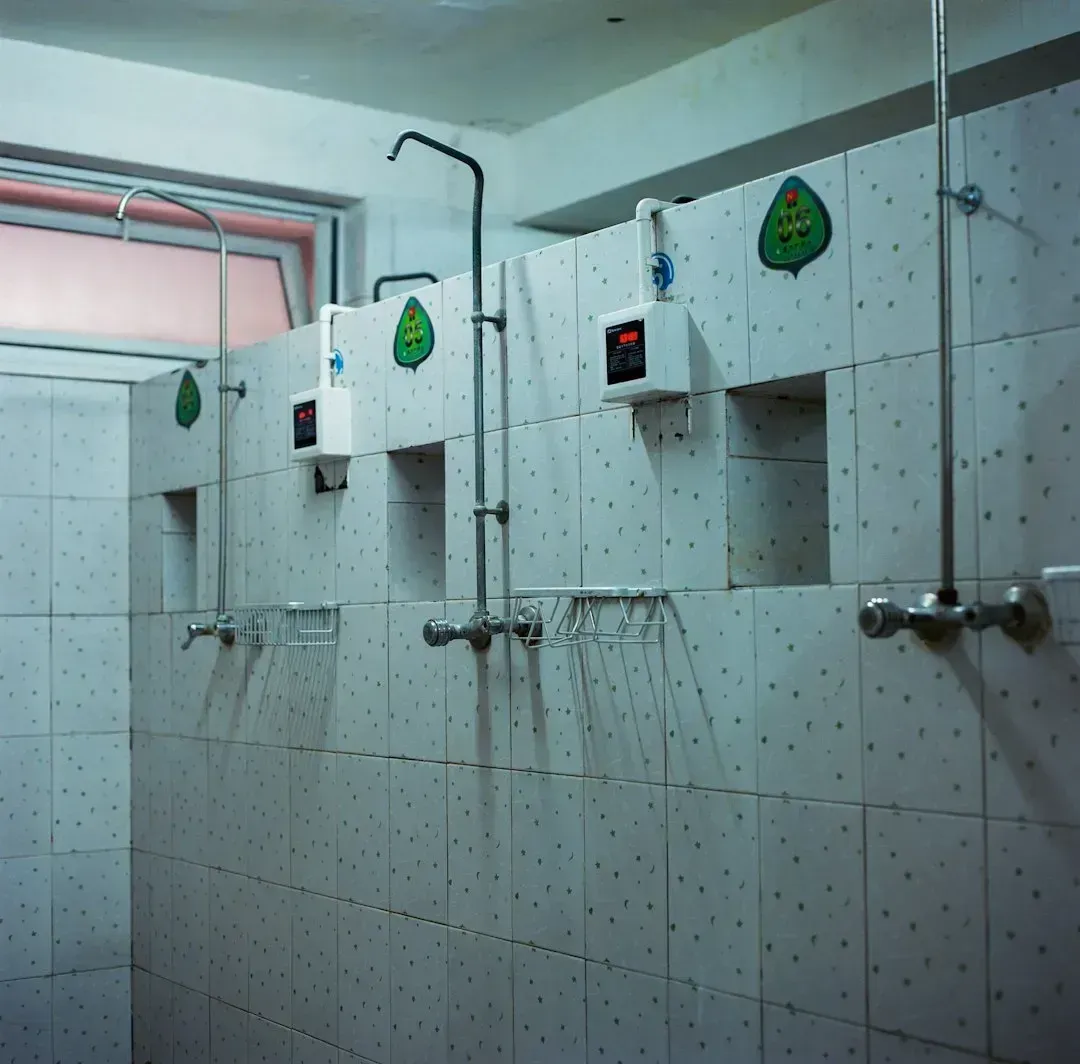
If you’ve sold or bought a house or upgraded your kitchen, bathroom or garage, you’ve probably had an inspector flag a missing ground fault circuit interrupter (GFCI), especially if your home is older, as GFCIs protect you from electric shock, and they’re required in multiple places around your home where water is present, with GFCI requirements having expanded over time. These are the outlets with the test and reset buttons. Water and electricity make a deadly combination, obviously.
GFCI protection is now required for all receptacles installed in kitchens, as traditionally this requirement applied only to kitchen countertop receptacles, but now any cord-and-plug connection points in the kitchen (such as refrigerator receptacles, disposal receptacles and microwave receptacles) now require GFCI protection. The 2023 NEC changes have dramatically expanded these requirements. Bathrooms, laundry rooms, garages, crawl spaces, and outdoor outlets all need this protection now.
Open Splices Without Junction Boxes
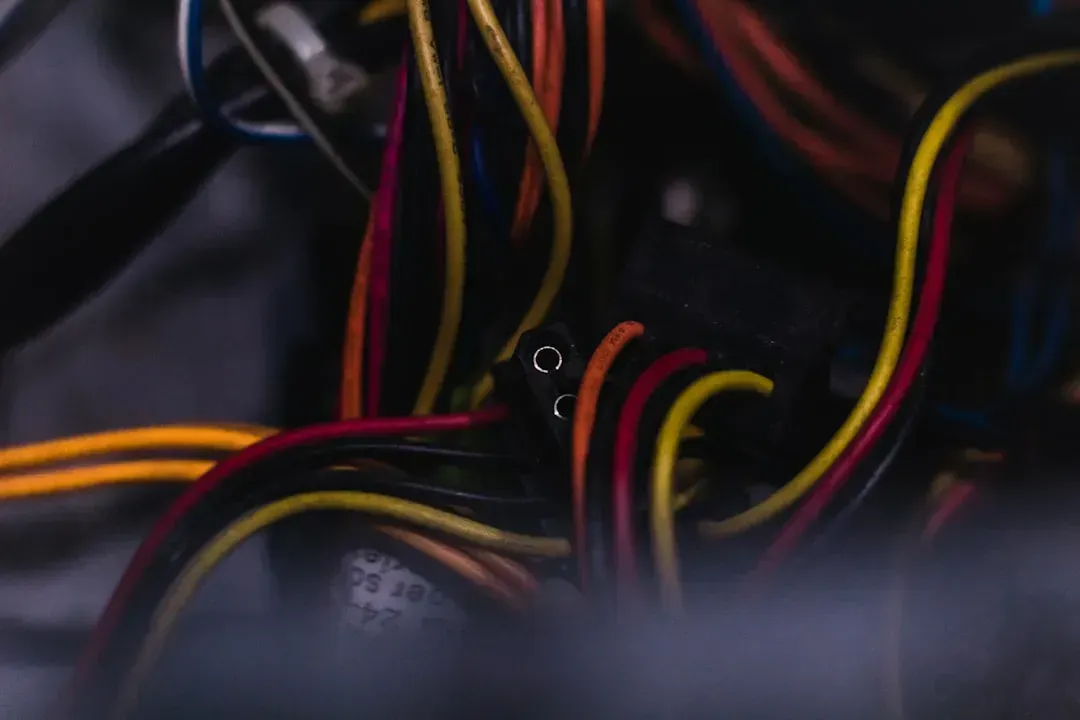
Picture this scenario: you’re running new wiring and need to connect cables together somewhere in the attic. Twist them together, wrap them with electrical tape, and you’re done, right? Absolutely not. Twisting wires together in a wall cavity and covering them with tape is strictly prohibited, as U.S. electrical code requires all splices to be enclosed in approved boxes to reduce the risk of arcing, short circuits, and overheating.
Electrical inspectors flag open splices as immediate fire hazards. Junction boxes aren’t decorative suggestions. They contain sparks and heat when connections fail, which they inevitably will over time as wires loosen. Bury that splice behind drywall without a box and you’ve created a ticking time bomb that nobody can access to fix.
Using Indoor Romex Cable for Outdoor Wiring
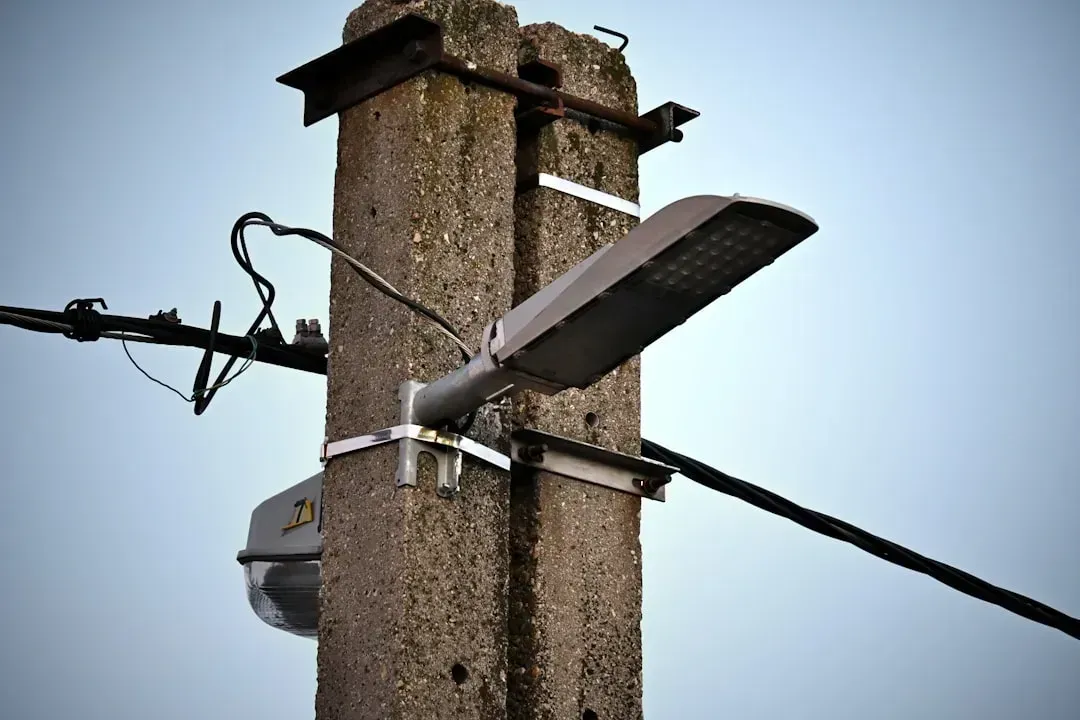
You’ve got leftover Romex from your basement project and need to run power to your shed or deck lights. Seems wasteful not to use it, right? Romex is for indoor use only, and using it outside, under decks, across yards, or along fences exposes it to weather and physical damage, violating code, as outdoor wiring must use approved weather-resistant conduit and cable types designed to withstand moisture and UV exposure.
The problem is straightforward. Romex has paper inside that absorbs moisture like a sponge, causing corrosion to eat away at conductors. UV rays from the sun break down the outer jacket. A stray lawnmower blade can slice right through it during yard work. Professional installations use UF cable or proper conduit precisely because these materials can handle what Mother Nature throws at them. That fifty bucks you saved won’t cover the damage when your outdoor lighting shorts out during a rainstorm.
Ceiling Fans on Standard Light Fixture Boxes
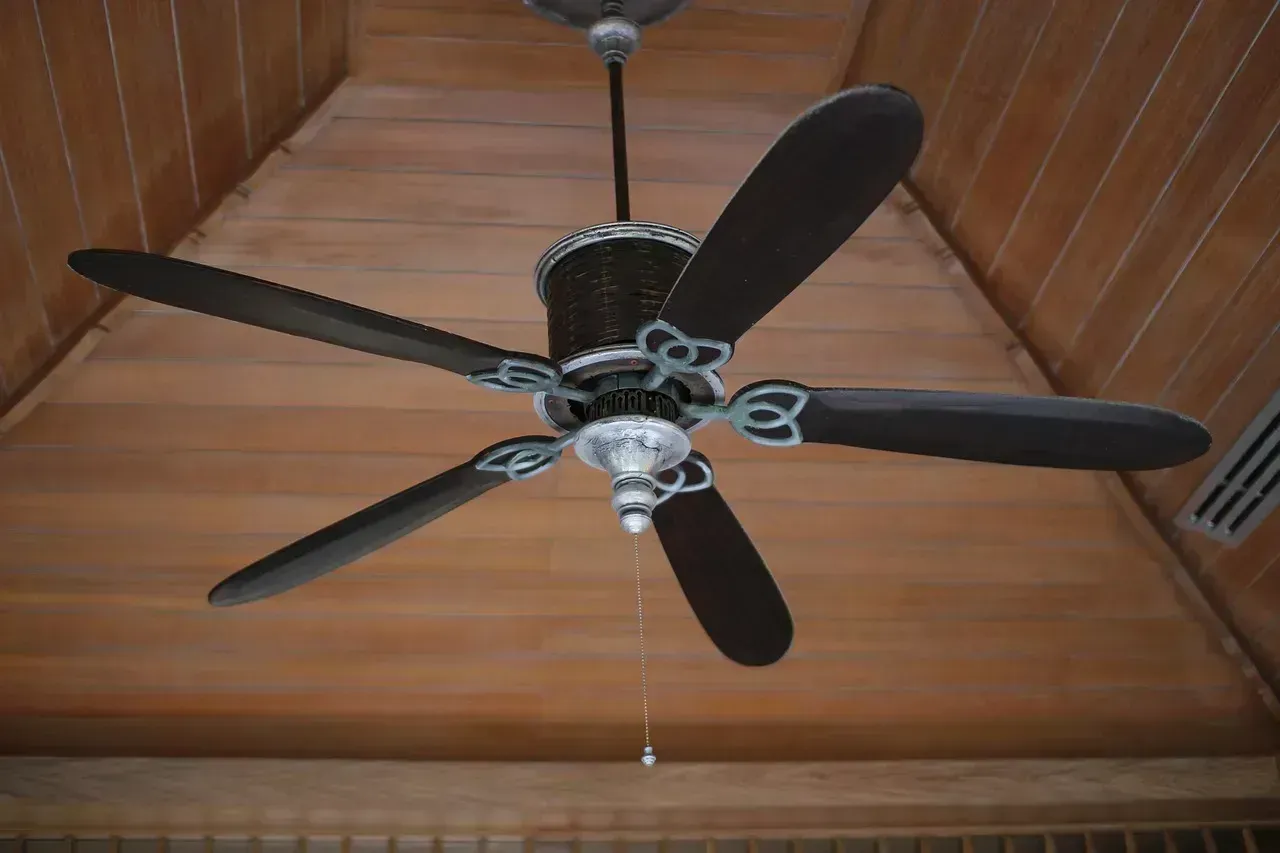
Some homeowners mount heavy ceiling fans to boxes designed only for light fixtures, yet electricians warn that these boxes cannot handle the weight or vibration of fans, and failures have caused injuries and structural damage, with U.S. building codes specifying fan-rated boxes for any overhead fan installation. Fan-rated boxes cost maybe ten dollars more than standard ones and take the same amount of time to install. There’s literally no good reason to skip this step.
The dynamic load from a spinning fan is completely different from a static light fixture. Standard boxes weren’t engineered to handle the constant vibration and rotational forces. Eventually, the box loosens from the ceiling structure, and you’ve got a spinning blade assembly ready to come crashing down. Honestly, is saving ten bucks worth that risk?
Adding Unpermitted Circuits to Electrical Panels
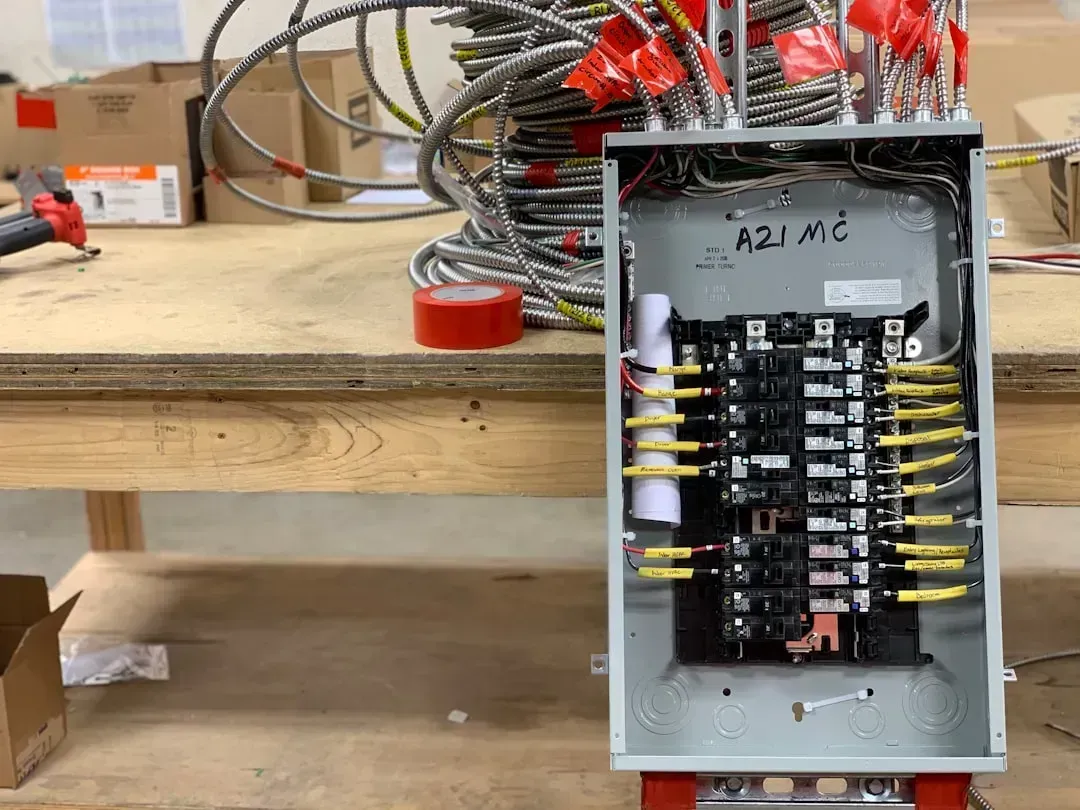
Electrical panels must be evaluated for available capacity before adding circuits, as unpermitted additions often overload panels, create unsafe heat buildup, and violate local codes, with home inspectors frequently flagging these illegal upgrades when homes are sold, sometimes requiring expensive corrections. Just because there’s a physical space for another breaker doesn’t mean your panel can actually handle the additional load.
Your panel has a maximum amperage rating stamped right on the label. Every circuit you add increases the total load, and exceeding that rating creates dangerous heat buildup inside the panel. Overheated panels are a leading cause of electrical fires in American homes. The proper solution involves load calculations by a licensed electrician who can determine whether you need a larger panel or subpanel installation.
Installing Three-Prong Outlets Without Grounding
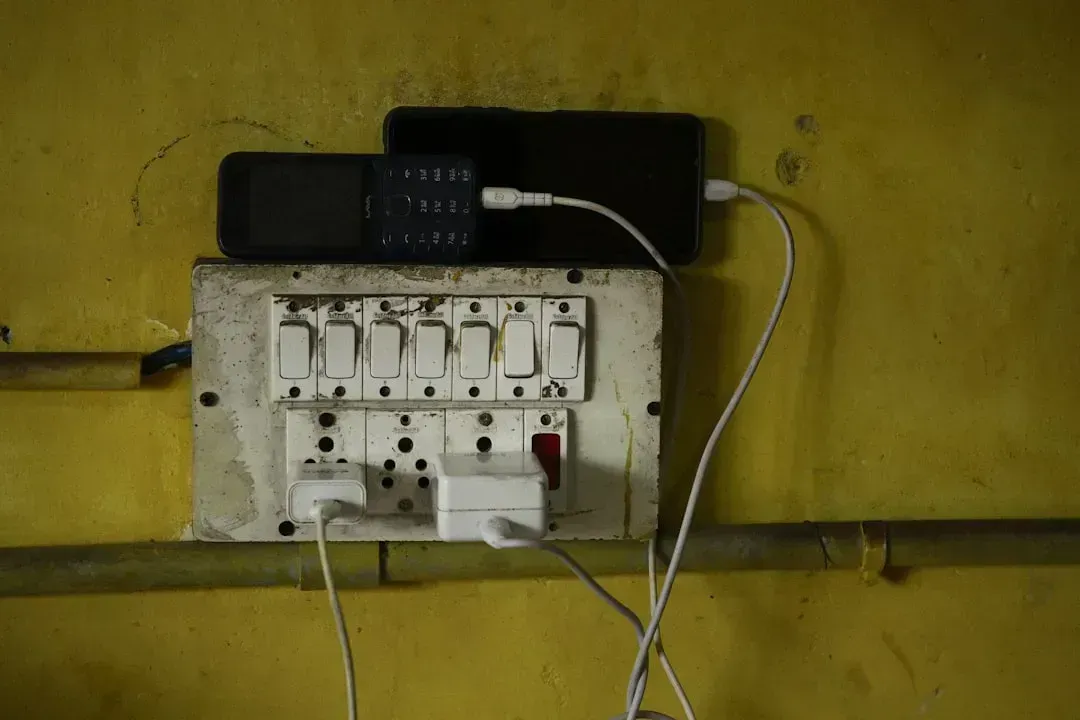
A previous homeowner got sick of having nowhere to plug in a three-prong plug and swapped out the two-slot, non-grounding type receptacles for three-slot, grounding-type ones, which was a code violation. This happens constantly in older homes with knob-and-tube wiring or two-wire systems. The outlet looks modern and accepts your three-prong plugs, yet it provides zero actual ground protection.
Some homeowners add outlets without connecting them to a grounded system, especially in older houses, as un-grounded outlets violate electrical code and put users at risk of shock, especially when plugging in metal-cased appliances or electronics, with certified electricians emphasizing grounding as essential for both surge protection and personal safety. If you have an ungrounded system, your options are pulling a ground wire to every outlet, reinstalling two-prong receptacles, or installing GFCI outlets with “No Equipment Ground” labels. Faking the ground connection accomplishes nothing except creating a false sense of security.
What do you think about these violations? Have you discovered any of these issues in your own home during an inspection or renovation? The truth is that electrical work isn’t something to take lightly or treat as a weekend DIY project without proper knowledge and permits.