Chefs Admit These 6 Restaurant Dishes They Refuse to Eat Themselves
Ever wonder what chefs secretly skip when they dine out? These culinary professionals spend their lives around food, understanding every behind-the-scenes detail about how kitchens really operate. Let’s be honest, if someone who makes food for a living refuses to order certain dishes, maybe we should pay attention. According to the Consumer Price Index in June 2025, prices at restaurants, casual dining and fast-food establishments are up 3.8 percent over the past 12 months. So when you’re paying more than ever for a meal out, you want to make smart choices about what lands on your plate.
Daily Specials That Never Actually Disappear
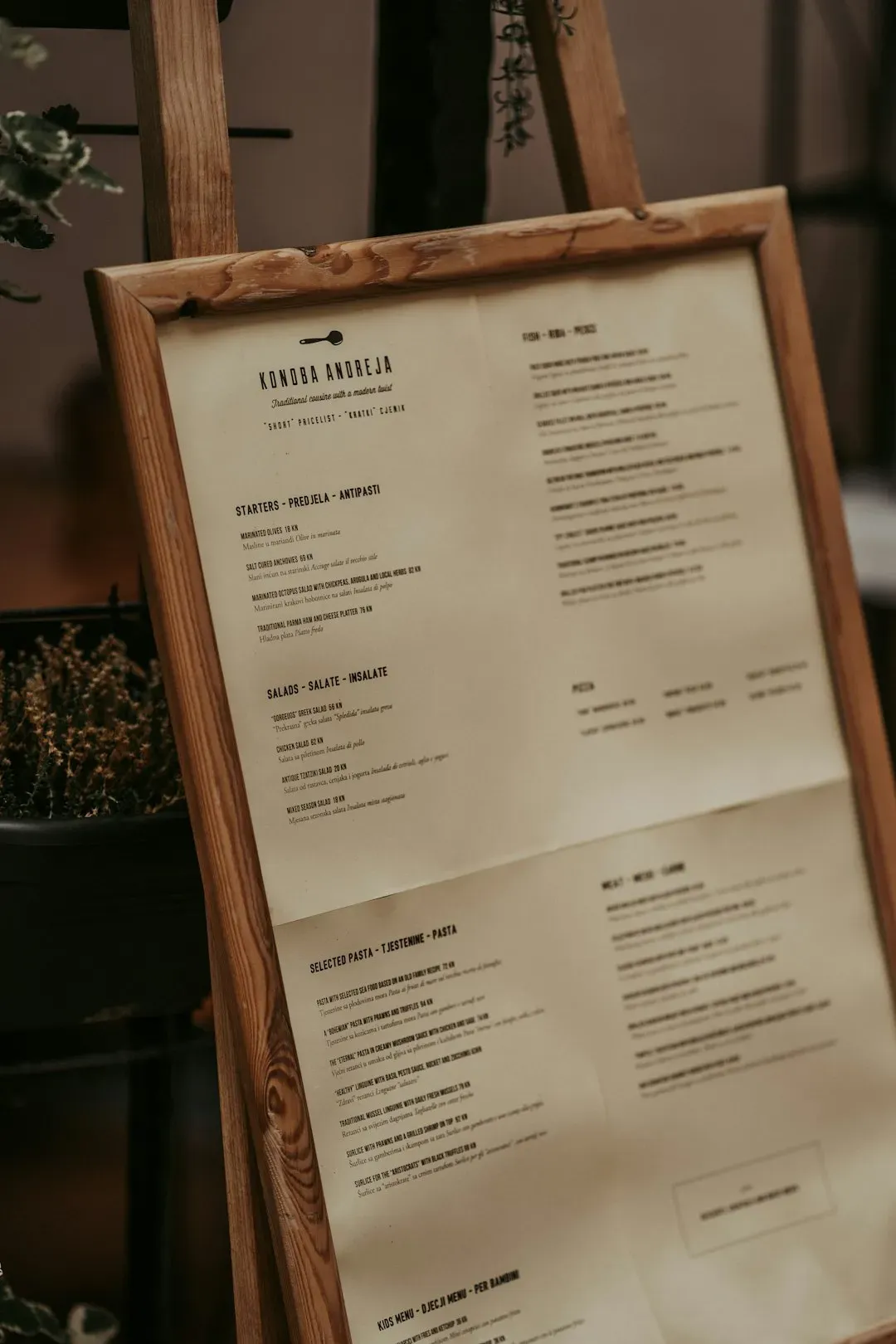
Here’s the thing about restaurant specials. Most diners think they’re getting something creative and exclusive. Chefs tend to avoid specials on the menu as they’re all too aware that it’s usually constructed of ingredients that the restaurant’s about to throw out. As Chef Jon Davis, head chef at City Grocery in Oxford, Mississippi, told The Takeout, “The one thing I do not order at restaurants is the soup du jour. Was it really made today? How long has it been in the steam well? It’s a crap shoot I’m not willing to take.” When a special mysteriously appears on the menu for weeks on end, professional cooks know something’s off.
According to Cosmopolitan, Chef Gordon Ramsay warned that “Specials are there to disappear throughout the evening. When they list ten specials, that’s not special.” If you’re faced with a menu board listing too many options labeled as limited-time offerings, that’s a major red flag.
Chicken Dishes at Most Restaurants
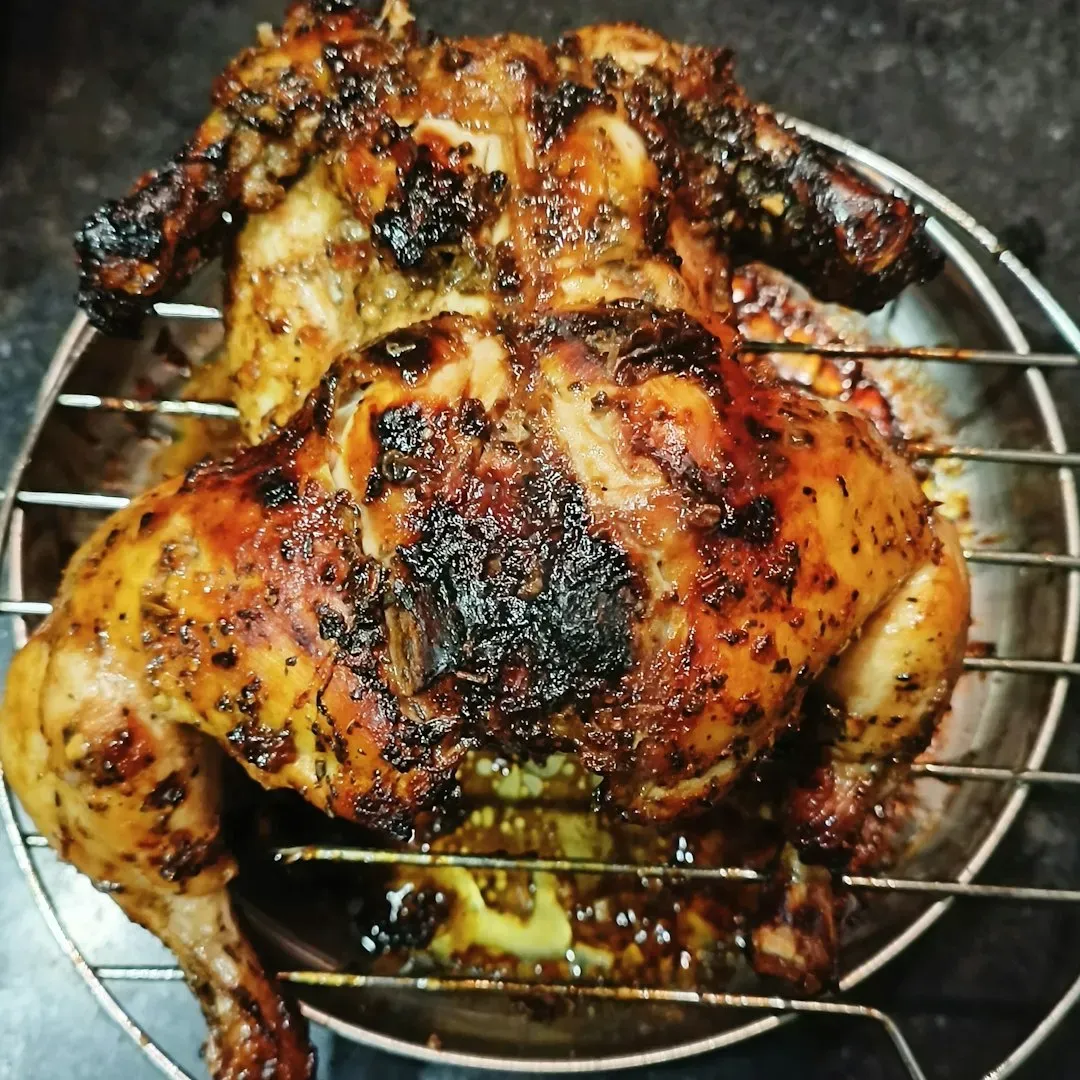
Chef Ryan Ososky, executive chef of The Church Key in West Hollywood, confided, “I will order almost anything when I go out – but never chicken because it tends to be overcooked at most restaurants.” According to the Food Network’s website, chefs avoid ordering chicken in restaurants for many reasons, including overinflated price and lack of originality. Think about it. Most establishments overcook poultry to avoid any risk of salmonella, leaving you with a dry, rubbery piece of protein you definitely could have made better at home.
Restauration Chef Phil Pretty specifically warned against chicken Parmesan: “I would never, ever order chicken Parmesan. It’s always frozen before cooked and tastes like a gross version of chicken nuggets.”
Eggs Benedict During Brunch Rush
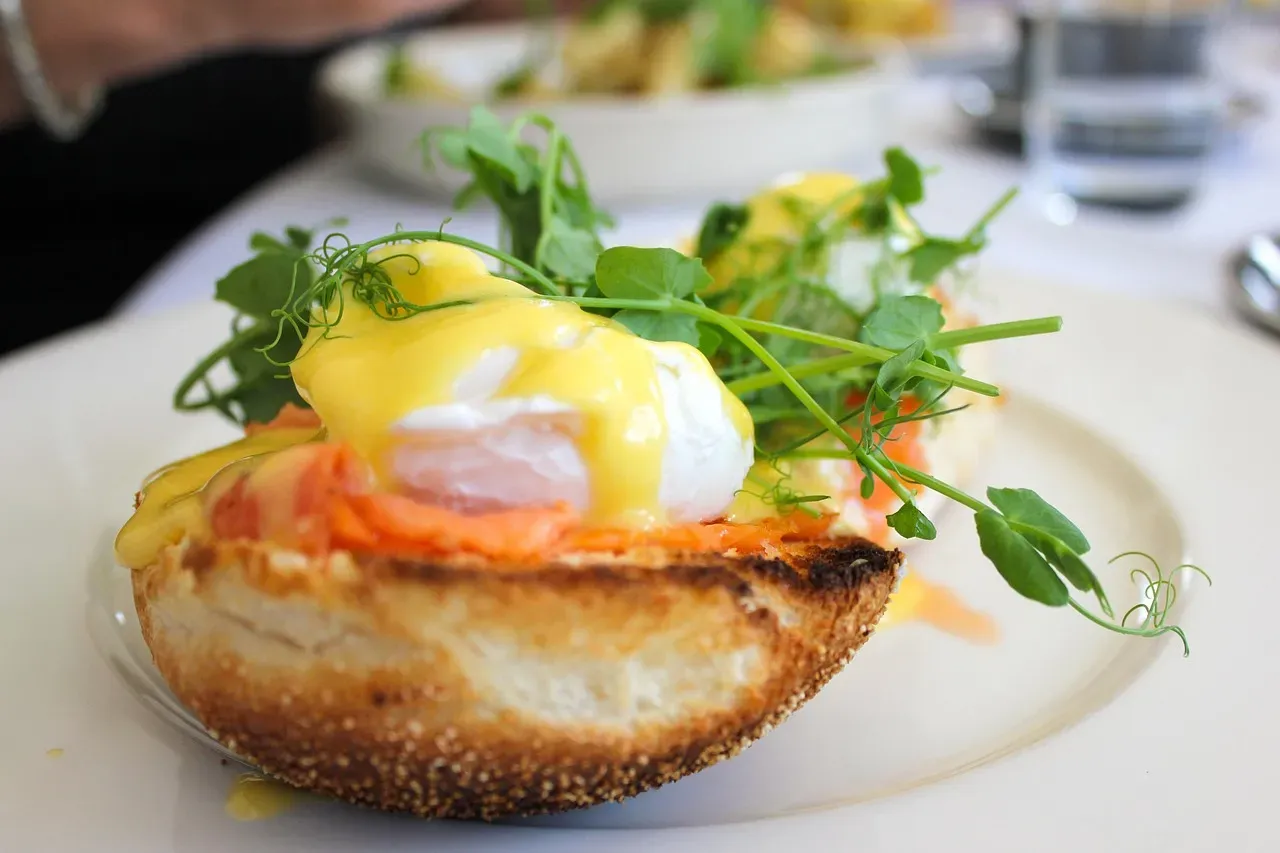
When Chef Clifton Dickerson of the Auguste Escoffier School of Culinary Arts admitted that he never orders eggs Benedict when dining out, many chefs have spoken out against the ills of hollandaise sauce, including Anthony Bourdain. Dickerson clarified, “Don’t get me wrong – I love a good Benedict – but hollandaise sauce is temperamental, especially during a busy brunch rush. If it’s not made to order or held just right, you can end up with a broken sauce or something that’s been sitting too long.”
Sauces like hollandaise are one of the unhealthiest menu items at some restaurants, not only due to the excess calories they can add to a meal, but also because they come with a certain health risk. If the hollandaise is left at the incorrect temperature, the raw egg yolks contained within can go bad, potentially resulting in a bad case of salmonella-related food poisoning. Is it worth gambling your entire weekend on runny eggs with questionable sauce?
Pasta Dishes with Simple Sauces
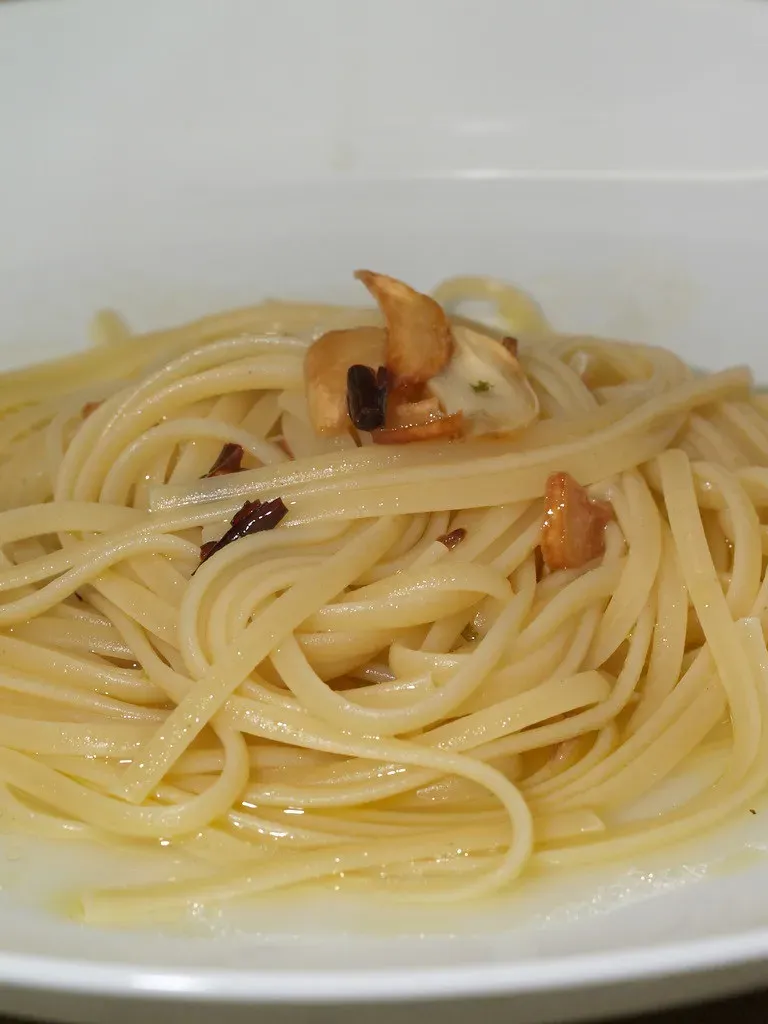
Pasta dishes are often overpriced, especially if you calculate the cost of ingredients. Marcus Mooney, executive chef of Seattle Sutton’s Healthy Eating, has high standards for pasta and rarely orders it at restaurants. He once worked for an Italian restaurant group in Chicago and says, “They were charging $20 for a plate of rigatoni with marinara sauce, and the cost was $1. I can’t bring myself to pay that much knowing what’s involved and how it is prepared.” The only time he orders a pasta dish at a restaurant is if he knows they do it well, such as a lasagna or ravioli, or if they make a great carbonara.
According to Brian Motyka, executive chef of Longman & Eagle in Chicago, “most of the time risottos are pre-cooked, heated up, finished with cream (which is a big no), and then over-cooked beyond the al dente texture that you’re looking for.” Restaurants cut corners with cream and bacon to mask mediocre technique.
Scallops Unless You Trust the Source
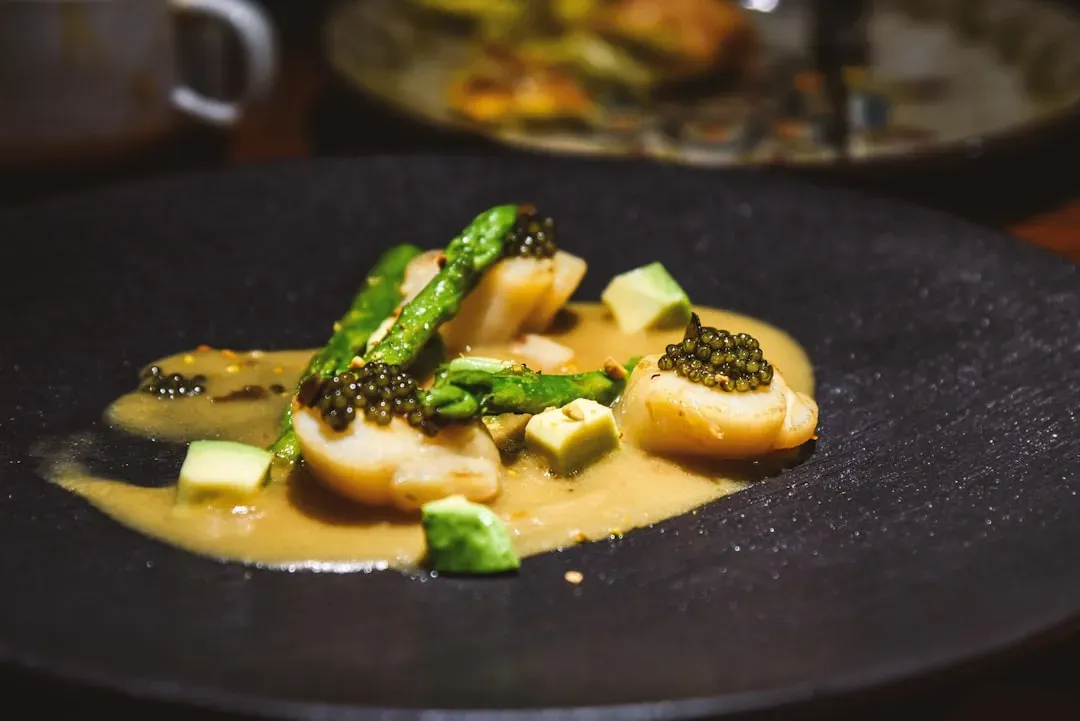
Chef Bill Collins, a personal chef and instructor who worked as a cook at the Ritz-Carlton, Boston, says scallops are a dish that’s often overcooked at restaurants. It’s also rare to find quality scallops – meaning restaurants are often using ones that are just so-so. These delicate shellfish require precise timing and premium ingredients to shine. When restaurants miss the mark, you’re left with rubbery discs swimming in butter.
Collins doesn’t even make scallops himself very often. “I can’t remember the last time I cooked them at home because I haven’t loved the look of them in the market for that special meal.” Scallops are pricey, often about $25 to $45 a pound. Why pay restaurant markup for something that might not even be top quality?
Bread Baskets That Travel Between Tables
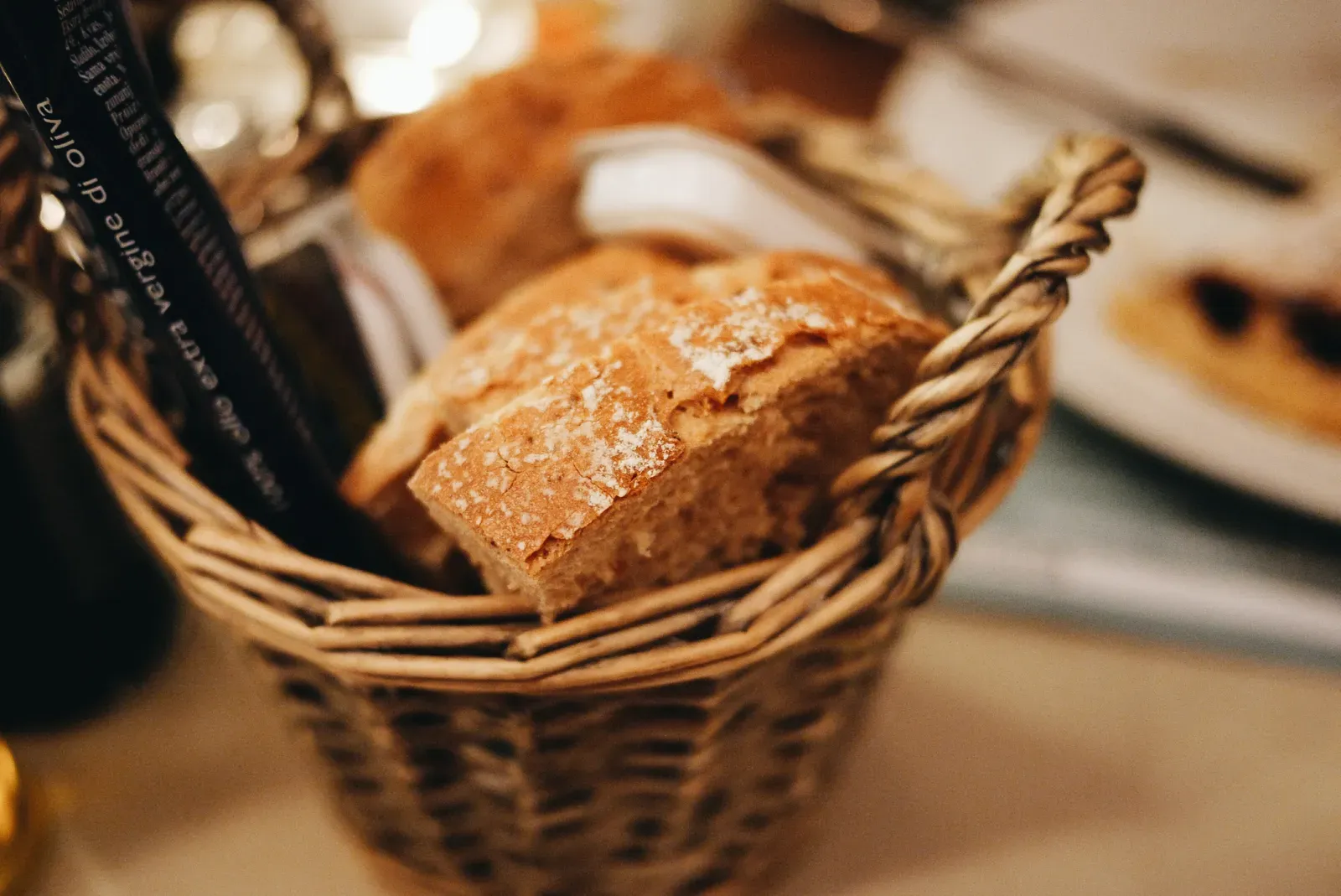
Warm and toasty, served with sweet butter or olive oil, the bread basket that graces your restaurant table may be fresh from the oven, or reheated, after gracing another’s table. Short of fingerprinting each scone, you will never know for sure unless you catch your server in the act. I know it sounds crazy, but this practice still happens in some establishments.
According to Food Network’s chef survey, it’s not uncommon for uneaten bread to make its way to multiple tables. Those untouched rolls you thought were just for you might have been sitting in front of strangers moments earlier. Chefs who understand kitchen economics know exactly why this happens.
Professional chefs have seen it all, from questionable storage practices to corner-cutting techniques that regular diners would never notice. Their avoidance of these six dishes isn’t about being picky. It’s about knowing too much. Next time you’re scanning a menu, maybe think twice before ordering that daily special or that perfectly plated Eggs Benedict during peak brunch hours. What do you think about these revelations? Does it change how you’ll order next time you dine out?