Architects Warn: These 10 “Luxury” Custom Home Features Are Actually a Nightmare to Maintain
You walk into a model home and immediately notice it. The floor-to-ceiling windows pouring in sunlight. The freestanding sculptural tub positioned like art. The infinity pool that seems to spill into the horizon. Your heart skips a beat. You can already picture yourself living there.
Fast forward two years. That same tub is cracked, requires climbing into like you’re scaling Everest, and sits unused except for when guests visit. Those windows need a professional cleaning crew every month, and your energy bills have skyrocketed. The pool? Let’s just say your weekends are now devoted to maintaining complex hydraulic systems you never knew existed.
Here’s the thing. What looks incredible in architectural magazines or on Instagram doesn’t always translate well to actual daily living. Real estate experts say the most overlooked part of planning isn’t the mortgage, it’s the maintenance, with high-end systems adding luxury but every repair and upgrade chipping away at long-term comfort. So let’s dive in.
Floor-to-Ceiling Windows That Drain Your Wallet
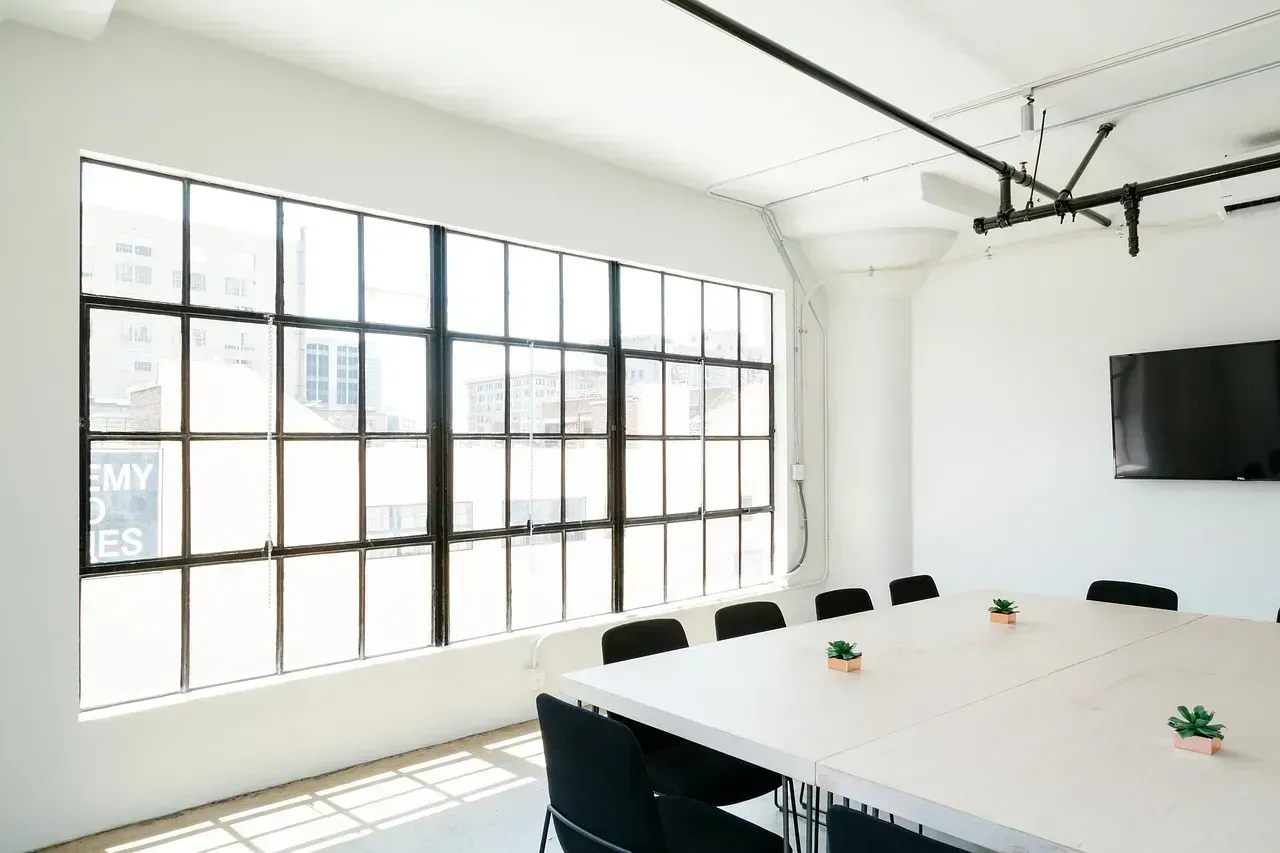
Those gorgeous walls of glass promise endless natural light and breathtaking views. What they don’t advertise is the ongoing financial commitment. Floor-to-ceiling windows cost between seven hundred dollars to three thousand dollars per linear foot installed, with the total varying widely depending on project size and complexity, materials used, features, customizations, and structural requirements.
The problems compound quickly. Floor-to-ceiling windows aren’t the most energy-efficient window option, and low-e coatings, argon gas fills, and other tools to improve energy efficiency can increase project costs. You’ll need specialized window treatments just to control the heat and light. Motorized systems work best for tall installations, eliminating the need for manual operation at difficult heights, with motorized roller shades costing three hundred fifty dollars to over one thousand dollars per window installed.
Floor-to-ceiling windows are more costly than traditional smaller windows due to their size and specialized installation, and they require regular cleaning and upkeep due to their size and exposure to outside elements. Think about it. You’re essentially committing to either hiring professional cleaners or spending entire weekends on a ladder with a squeegee. Not exactly the lifestyle upgrade you imagined.
Infinity Pools: Beautiful Until Reality Hits
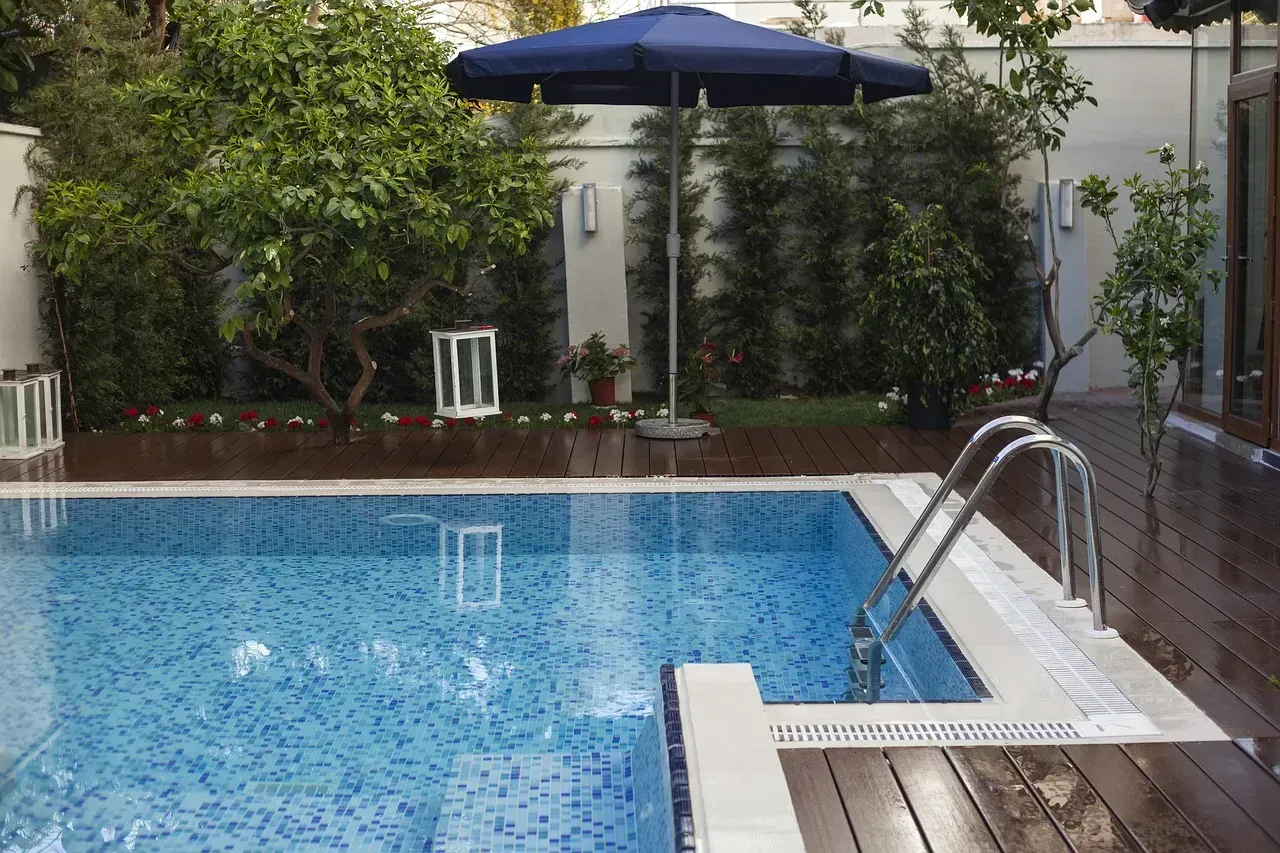
An infinity pool screams luxury and sophistication. Water cascading over the edge into the horizon creates an undeniably stunning effect. Yet the reality check arrives with your first utility bill.
The average infinity pool costs ninety-five thousand dollars, but most homeowners pay between sixty-five thousand and one hundred fifty thousand dollars, with budget averaging eighty dollars per square foot. Installation is just the beginning. Pool maintenance costs eighty to one hundred fifty dollars per month, with infinity pool maintenance typically falling at the high end of this range as they are more difficult to clean than a standard pool.
Here’s what architects don’t tell you upfront. Infinity pools are maintained similarly to regular pools but have a higher evaporation rate, requiring more frequent checks to manage chemical and pH levels, and the catch basin which captures and recirculates water from the overflow edge must be cleaned regularly and kept free of debris to ensure proper water flow. With fewer pumps and simpler filtration systems, traditional pools typically use twenty-five to forty percent less electricity compared to infinity pools, making them a cost-effective option for energy-conscious homeowners.
The hydraulic complexity means repairs cost significantly more than standard pools. One miscalculation in the catch basin system, and you’re looking at thousands in emergency fixes. Is the Instagram aesthetic really worth spending your weekends balancing complex water chemistry?
Freestanding Tubs That Become Dust Collectors
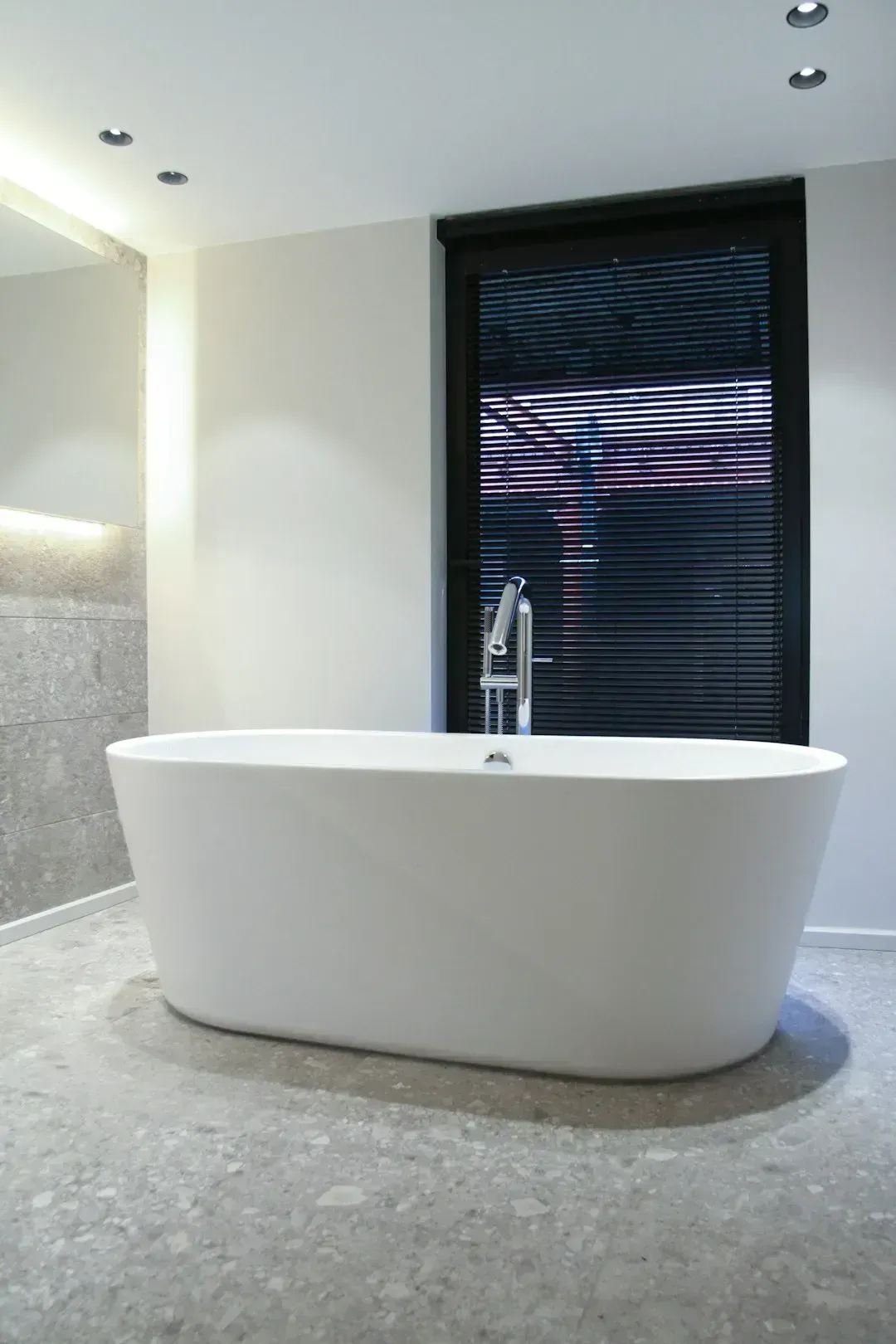
That sculptural freestanding tub looks like a magazine cover waiting to happen. Positioned dramatically in the center of your bathroom, it promises spa-like relaxation and sophisticated style. Reality? It becomes the most expensive decorative element in your house.
A large soaking tub is pretty in pictures and appears to be an indication of leisure time, yet in real life it is not of much use. Most homeowners discover they simply don’t have time for leisurely soaks. You’re too busy maintaining everything else in your custom home. Statement tubs look luxurious in magazines, but they take up valuable bathroom space and are often awkward to use and clean, with Jacuzzi tubs in particular frequently going unused and becoming maintenance headaches.
The practical issues mount quickly. Filling a massive tub wastes water and takes forever. Getting in and out requires gymnastic skills, especially as you age. Cleaning around and underneath becomes a nightmare since you can’t reach tight spaces. These Instagram-friendly additions tend to increase water usage, require upkeep and even create mobility challenges as homeowners age.
Open Shelving That Demands Constant Attention
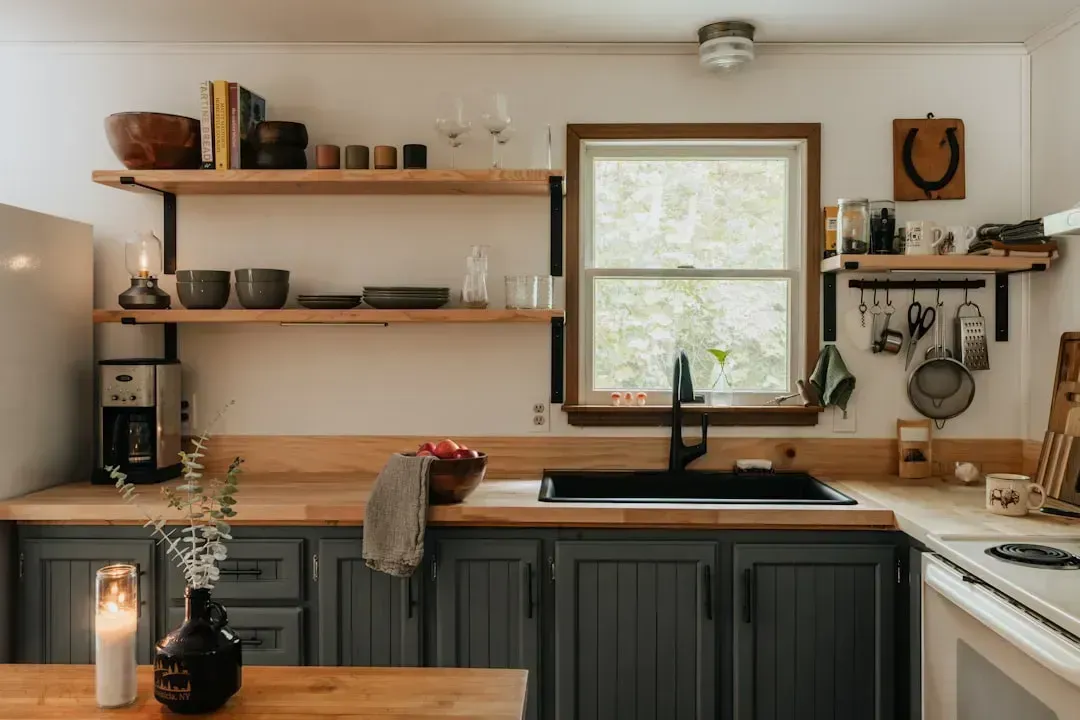
Open kitchen shelving creates that airy, modern aesthetic designers love. Every dish becomes part of your décor. Every glass sparkles under carefully positioned lighting. It looks effortless and chic in photos.
Living with it tells a different story. Open shelving looks airy and beautiful on Instagram, but in reality requires constant dusting, with every dish you own ending up covered in a film of grease and dust unless you wash them daily. Open shelving and glass-front cabinets look beautiful in staged kitchens but are rarely practical for everyday living, as dust, grease, fingerprints, and clutter show instantly, and everything inside has to look perfectly arranged at all times.
I know it sounds crazy, but think about how you actually cook. Oil splatters. Steam rises. Dust settles. Within weeks, those beautifully displayed plates look grimy. You’ll spend more time cleaning dishes you’re not even using than actually cooking. Glass-front cabinets give you the visual openness and let you see your pretty dishes but they are protected from dust and grease, or use just one small open shelf for cookbooks and plants but keep actual dishes in closed cabinets.
Elaborate Landscaping That Owns You
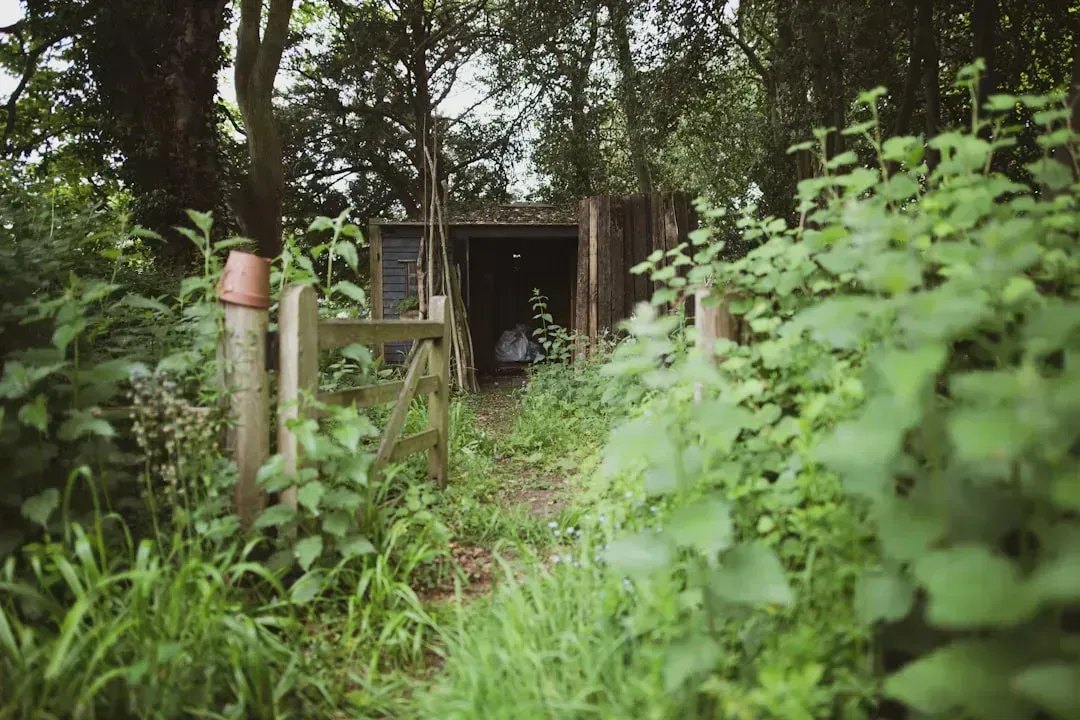
Custom homes often feature stunning landscaping with exotic plants, intricate water features, and elaborate hardscaping. It transforms your property into a botanical showcase. For roughly the first month.
A beautifully landscaped yard can make your home stand out, but overly intricate designs often lead to regret, as exotic plants, delicate flowers, and elaborate water features might look stunning initially but demand constant attention and significant upkeep. A beautifully landscaped yard can be a source of pride but also a source of regret, with thousands spent on exotic plants, intricate water features, and elaborate hardscaping, but those rare plants need special care, the water feature requires constant maintenance, and the fancy patio needs regular sealing.
The time commitment becomes overwhelming. Rare plants die if you miss one watering. Water features clog. Stone pathways crack and need resealing. Maintaining a lush green lawn can be costly and time-consuming, with many homeowners regretting spending money on fertilizers, irrigation systems, and lawn care services, as Americans spend about thirty billion dollars annually on lawn care.
Let’s be real. You wanted a beautiful yard, not a part-time job. Yet here you are, spending entire weekends trimming hedges and clearing debris from ornamental fountains. Native plants and simple designs aren’t glamorous, but they let you actually enjoy your outdoor space instead of constantly maintaining it.
Pot Fillers Nobody Actually Uses
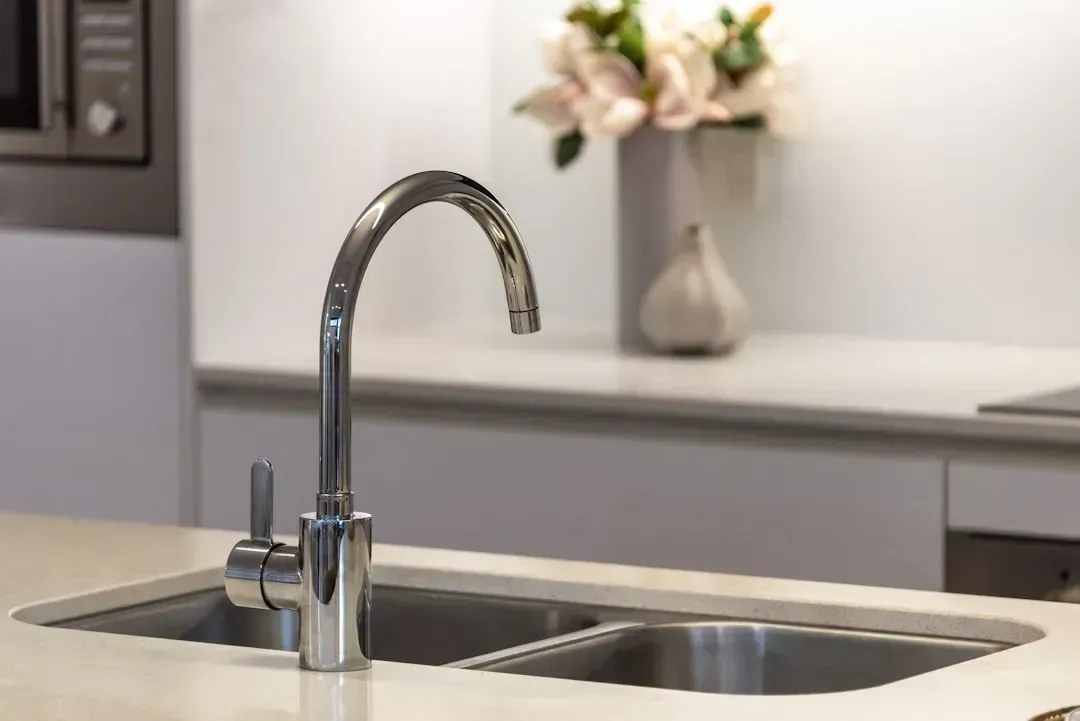
That faucet mounted above your stove seems brilliant during the design phase. Fill pots directly where you’ll use them. No more hauling heavy vessels from sink to burner. Efficiency at its finest.
Then you actually try using it. Retirees regret fad accessories such as pot fillers or the second island kitchen, as they tend to add additional expenses and require additional maintenance with minimal value. The installation costs several hundred dollars. The plumbing runs through your walls. And you discover you rarely use it because most recipes require adding ingredients to pots at the sink anyway.
Here’s the thing. When that pot filler inevitably leaks, repairs involve tearing into your beautiful backsplash or walls. The valve requires periodic maintenance. Pot fillers or the second island kitchen tend to add additional expenses and require additional maintenance with minimal value. Most homeowners report using them maybe a handful of times before reverting to the traditional method.
The smart money goes toward features you’ll use daily. A pot filler makes a great conversation piece but terrible practical investment. Save yourself the installation headache and future repair costs.
Complex Rooflines That Leak and Cost
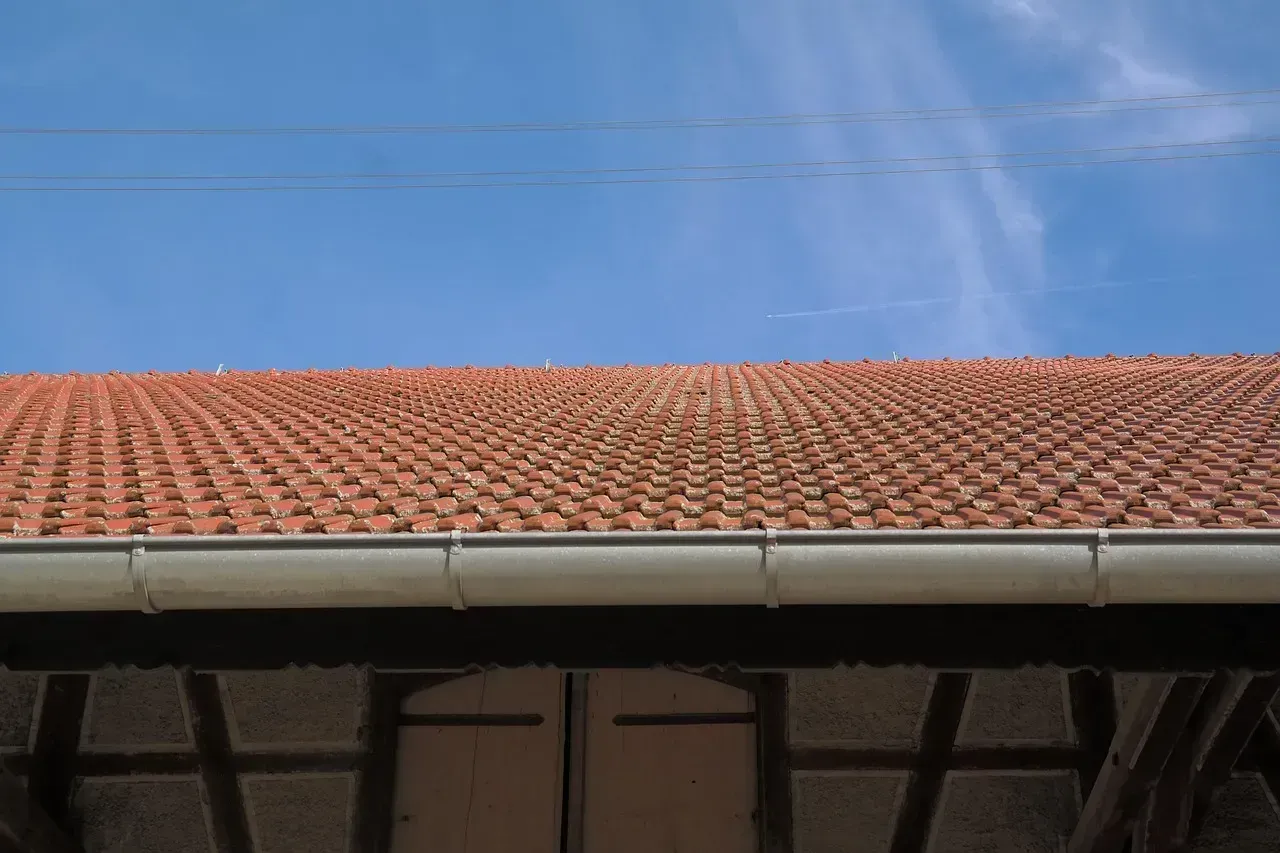
Architects love dramatic rooflines. Multiple peaks and valleys create visual interest and architectural distinction. Your custom home stands out from every boring box on the block. The problems emerge during the first heavy rain.
Complex roof structures can form valleys and pockets where water can pool leading to leaks or structural damage, with more seams and junctions in a roof creating greater chances of water seeping in, which could lead to costly repairs and interior damage. A complicated roof will be more expensive for your builder to frame, to insulate, to flash and weatherproof.
Each valley becomes a potential failure point. Every junction needs perfect sealing. Ice dams form more easily. Maintenance crews charge premium rates because accessing complicated roofs requires extra equipment and safety measures. Avoiding overly intricate roof designs in your custom home isn’t just about visuals, it’s also about dodging future maintenance nightmares.
The ongoing costs never stop. Repairs cost more. Replacement costs more. Even basic maintenance like gutter cleaning becomes complicated and expensive. That stunning roofline might win architectural awards, but your bank account and stress levels pay the price.
Heated Driveways That Sound Better Than They Are

Winter mornings without shoveling snow. No more ice patches threatening to send you sprawling. Your heated driveway melts everything automatically while you sip coffee inside. The dream lasts until you receive the installation bill.
The ultimate luxury item that often turns into a maintenance headache, as electricity costs are astronomical, and if the tubing cracks you have to jackhammer up your driveway to fix it. Installation runs into tens of thousands of dollars. The electrical demands strain your home’s system and send monthly utility bills through the roof.
Honestly, the cost-benefit analysis doesn’t work for most homeowners. You can buy a top-tier snow blower for five percent of the cost of a heated driveway. When the system inevitably malfunctions, you’re looking at destructive and expensive repairs. The tubing runs underneath concrete or pavers, so any leak means tearing up the entire surface.
The initial appeal fades fast when reality sets in. You’ve essentially committed to heating the outdoors through winter while hoping nothing breaks. Most homeowners admit they’d make different choices if they could go back.
Smart Home Systems That Become Obsolete

Cutting-edge home automation promises effortless living. Control everything from your phone. Lights, temperature, security, entertainment. The future is now. Until technology moves forward and leaves your expensive system in the dust.
Smart home technology sounds impressive but can lead to frustration and wasted money, as these devices often become outdated quickly requiring frequent replacements or upgrades, and spending hundreds on a smart thermostat or lighting system only to find it doesn’t work with your other devices or becomes obsolete in a year or two. Retirees regret high-maintenance luxury upgrades like the chef’s kitchen and smart-home systems that magically turn into a curse rather than a blessing.
The integration issues drive people crazy. Different systems don’t communicate. Updates break functionality. Tech support becomes your unwanted hobby. What promised simplicity delivers complexity instead. The learning curve stays steep, especially for less tech-savvy family members or guests.
Here’s what happens. You invest thousands in whole-home automation. Two years later, better technology emerges. Your system can’t upgrade. You’re stuck with outdated equipment or facing another massive investment. Traditional switches and thermostats suddenly seem pretty appealing.
High-Maintenance Natural Stone Surfaces
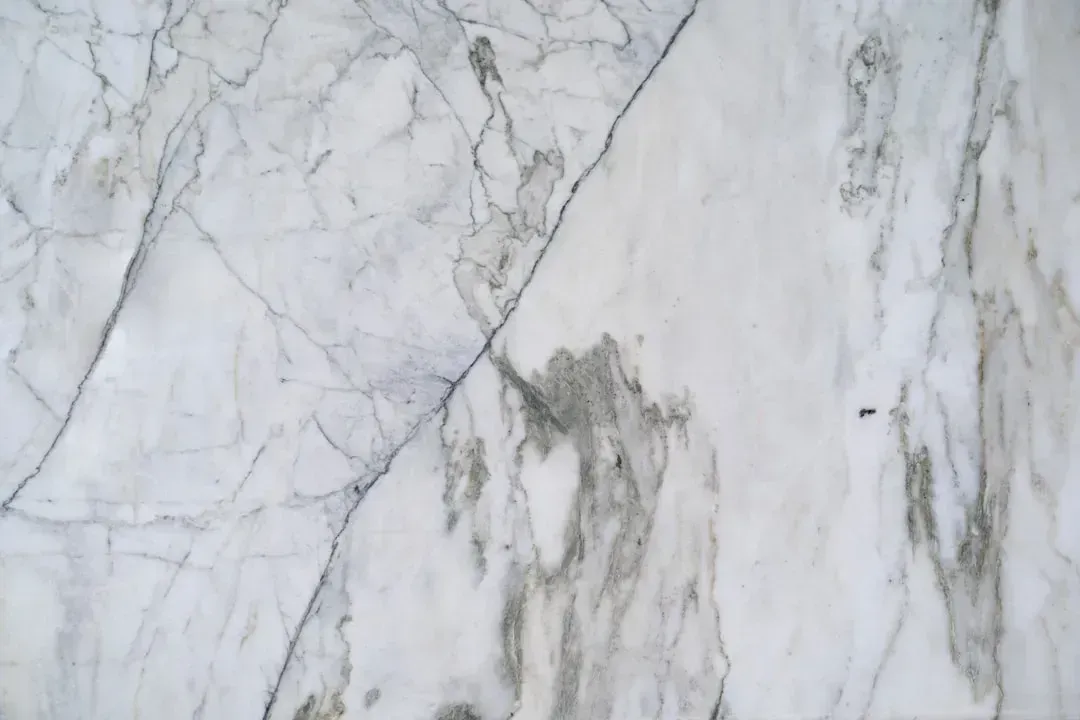
Marble countertops exude elegance and timeless beauty. Natural stone adds luxury and sophistication to kitchens and bathrooms. Every surface feels expensive and refined. Then you actually try living with it.
Marble countertops are undeniably beautiful but also high maintenance, as they stain, scratch, and etch easily, making everyday cooking stressful instead of enjoyable. Acidic foods leave permanent marks. Water spots appear instantly. Wine spills become panic-inducing emergencies. You need special cleaners. Frequent sealing. Constant vigilance.
The maintenance demands never end. You’re essentially treating your countertops like museum pieces instead of functional work surfaces. Coffee? Better clean it immediately. Lemon juice? That’s etching the surface permanently. Every dinner party becomes an exercise in anxiety management.
Quartz countertops with marble-style veining offer the same elegant look with superior durability and low maintenance, ideal for busy households. Modern alternatives deliver the aesthetic without the constant worry. You wanted beautiful surfaces to enjoy, not beautiful surfaces that stress you out daily.
Final Thoughts on Luxury That Actually Works
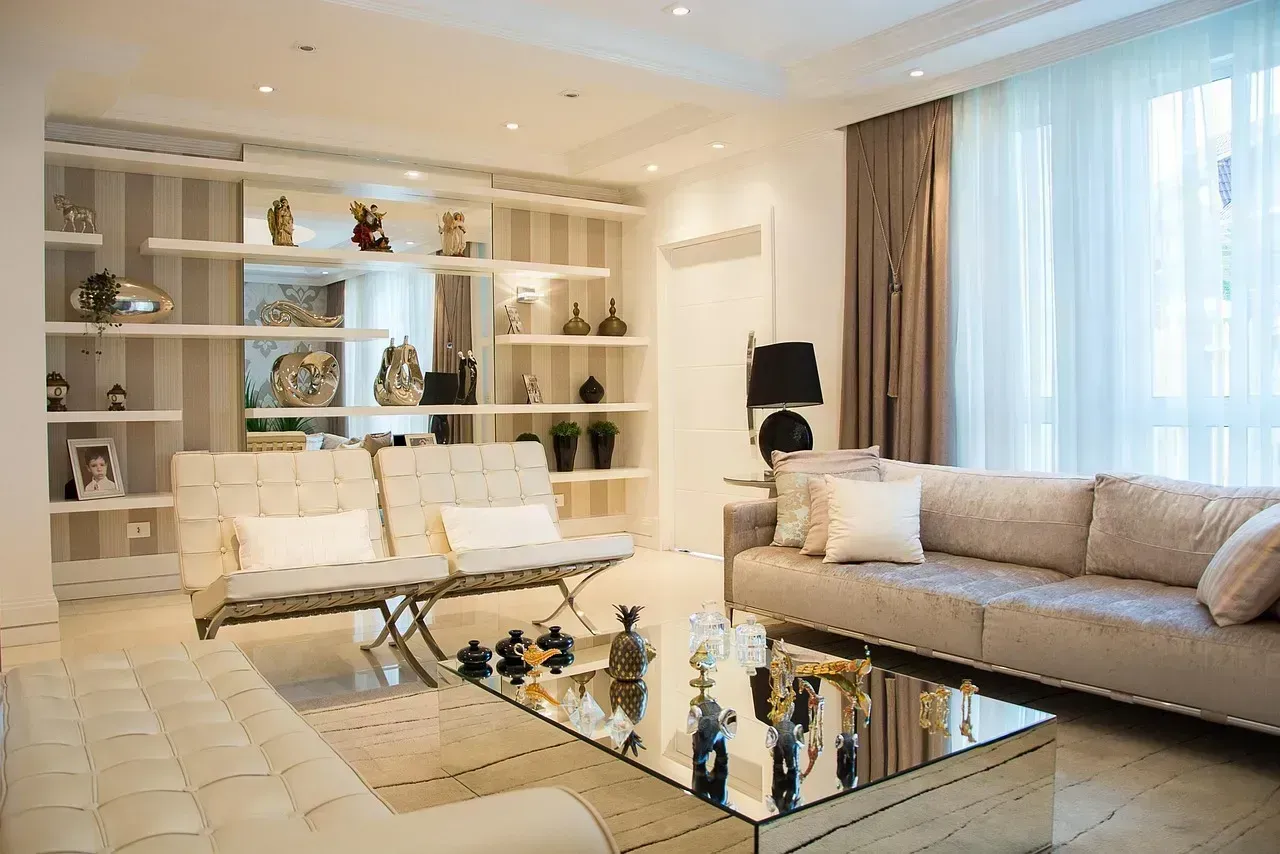
Custom homes offer incredible opportunities to create exactly what you want. The key is choosing features that enhance your actual lifestyle, not just your home’s appearance. Designing for aesthetics rather than functionality creates beautiful but impractical homes that don’t support daily routines, with a study finding that seventy-eight percent of homeowners who expressed dissatisfaction with their custom homes cited poor functionality as the primary reason.
The pattern becomes clear. Features that look spectacular in magazines or model homes often demand levels of maintenance, expense, and attention that don’t fit real life. Experts agreed that retirees are happiest in homes that prioritize safety, accessibility and ease of upkeep, with all a house requiring being comfort, convenience and simplicity to maintain it through the years.
Smart planning means thinking beyond the initial wow factor. Consider how much time you realistically want to spend on maintenance. Factor in ongoing costs, not just installation. Choose features you’ll actually use daily rather than occasionally admire. Your future self will thank you when you’re relaxing in your home instead of constantly working on it.
What features have you learned to avoid through experience? Share your thoughts in the comments.