6 Casual Dining Chains Making a Surprising Comeback in 2026
The casual dining industry has had a rough few years. Bankruptcies, closures, rising food costs, and restless consumers have all taken their toll. Yet something interesting is happening right now: several well-known casual dining chains are pushing back hard, and the numbers are starting to tell a different story. Between bankruptcies, store closures, and traffic declines, 2025 was a rough year for much of the casual dining segment – but not all chains faced significant headwinds. The ones that adapted are now standing on surprisingly firm ground heading into 2026, leaning into value, experience, and smart reinvention to win back diners who drifted away.
1. Chili’s Grill and Bar
If there is one casual dining story that has genuinely stunned the industry over the past two years, it belongs to Chili’s. Same-store sales jumped 8.6% year over year for the three months ending December 24, 2025, continuing a spectacular run since CEO Kevin Hochman arrived in 2022. That growth included a 4.4% price increase, 2.7% traffic growth, and a 1.5% mix improvement, and it came on top of a 31% same-store sales increase a year earlier, giving Chili’s a two-year compound growth rate of 43% – which stretches to 62% on a four-year basis, representing 19 consecutive quarters of same-store sales growth. That is not a fluke. That is a full-blown revival.
The recipe behind the turnaround is fairly straightforward, even if execution is anything but. The brand took to the airwaves with a $10.99 “3 for Me” meal deal and a compelling value message. While that tactic was winning with inflation-weary consumers, the brand was also earning credibility with Gen Z. About halfway through 2024, its Triple Dipper appetizer platter went viral on TikTok, where young customers showed off their cheese pulls with fried mozzarella sticks. Chili’s Triple Dipper business doubled, and in the fourth quarter, the appetizer accounted for 14% of total sales. “Chili’s was the #1 traffic brand in casual dining for the entire 2025 year,” CEO Hochman said, adding that their per-person check average is still more than $3 less than direct casual dining competitors.
2. Texas Roadhouse
Texas Roadhouse has done something remarkable: it quietly became the biggest casual dining chain in America. Texas Roadhouse, the 664-unit steakhouse chain that has been growing rapidly for years, pushed past longtime leader Olive Garden in terms of systemwide sales. Texas Roadhouse’s U.S. systemwide sales surged 14.7% to $5.5 billion, per Technomic data, and it also opened 26 new locations, a 4.1% change. That kind of growth is especially impressive when you consider the broader struggles across the segment.
The chain is not resting on that achievement either. The past two years have brought some great things to Texas Roadhouse. Not only did it replace Olive Garden as America’s top casual dining chain in 2024, it also opened a slew of new locations across the U.S. in 2025 and saw increased sales in its first, second, and third financial quarters. The company isn’t slowing down – a few exciting changes are in 2026. In 2024, Texas Roadhouse began introducing “digital kitchen” technology to stores, which simplifies the traditional ticket ordering system. According to FSR Magazine, 65% of locations had converted to the digital kitchen system as of May 2025, with a goal for the technology to be available at every restaurant by the end of 2026.
3. Applebee’s and IHOP (Dine Brands)
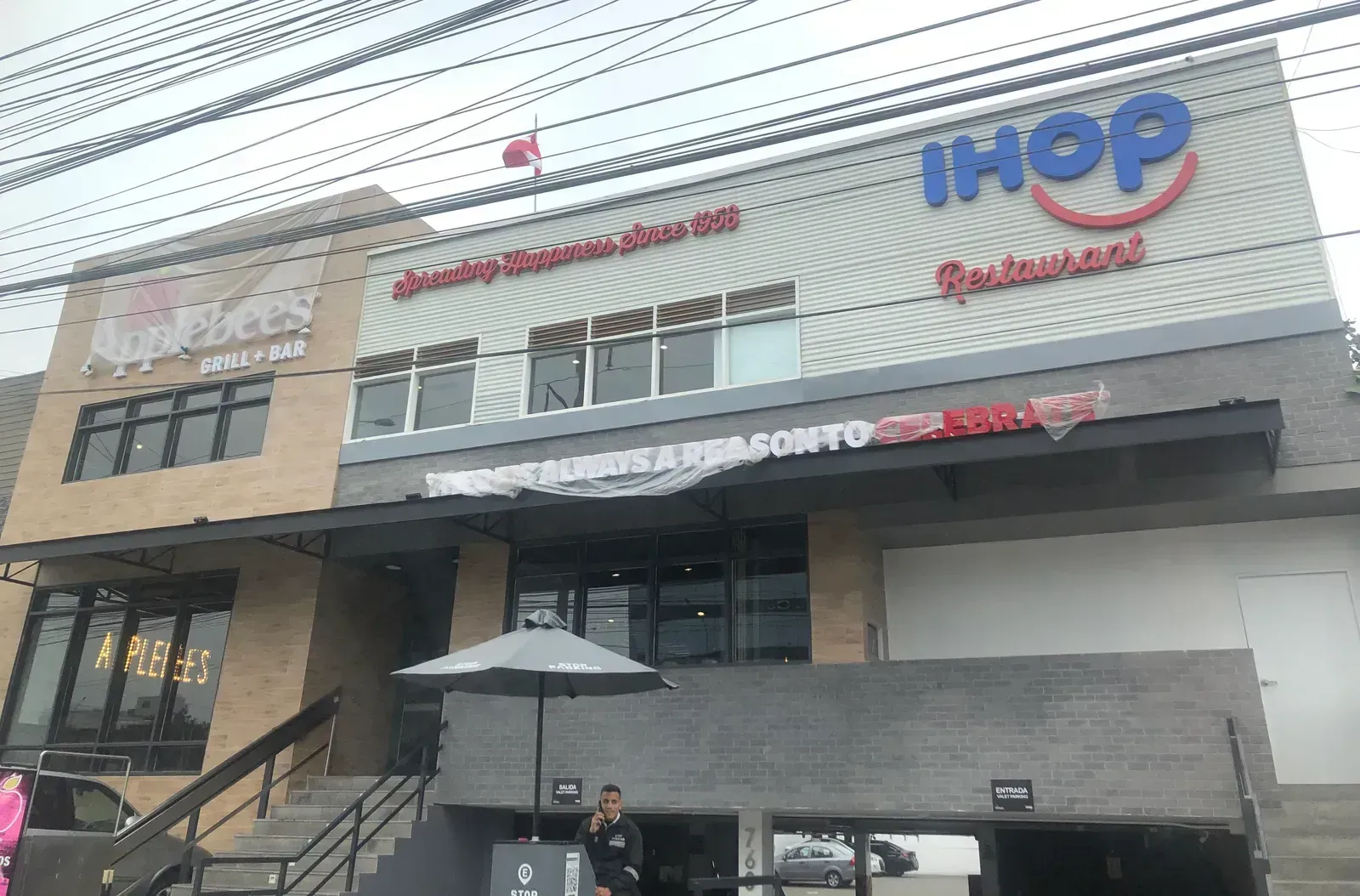
Applebee’s and IHOP may seem like an unlikely duo, but their parent company Dine Brands has cooked up one of the more creative comeback strategies in the industry: putting both under one roof. Dine Brands is focused on combining its morning-focused brand, IHOP, with its evening-centric one, Applebee’s. The goal is to create a dual-branded model that captures and serves customers throughout every daypart – breakfast, lunch, dinner, and late night. By merging the two under one roof, it created a more profitable dual-branded model that it now plans to expand nationwide. Seguin, Texas is now home to the first dual-branded Applebee’s/IHOP restaurant in the U.S., which opened to the public on February 18, 2025.
The financial logic behind the move is hard to argue with. Franchise owners are now making two to three times more money from the combined Applebee’s/IHOP locations compared to what they previously earned from a single IHOP. With every extra dollar of income, about 40 cents ends up as pure profit. Part of the dual model’s success is attributed to customers ordering both breakfast and dinner items throughout the day. Dine Brands sees runway to another 50 locations in 2026, which would give it roughly 80 domestic dual-branded restaurants before the year turns again, with a decade-long view that envisions 900 total.
4. TGI Fridays
TGI Fridays has had an undeniably turbulent few years. After reaching its peak with roughly 600 locations in the United States back in 2008, the casual dining chain had consolidated down to around 270 at the start of 2024. By the end of the year, TGI Fridays had closed more locations, shrinking down to just 85 as the company was forced to declare bankruptcy. That is a steep fall for a chain that essentially pioneered the American casual bar-and-grill concept. Still, the brand has not gone quietly.
TGI Fridays is plotting a massive comeback in 2026 with a business plan called the “1-2-3 Strategic Vision.” Led by CEO Ray Blanchette, Fridays made a bold statement with the plan. If the vision takes hold, Fridays will grow to 1,000 restaurants worldwide and earn $2 billion in annual revenue by 2030, which would bring the brand closer to the comfort of its heyday. In November 2025, Fridays launched TGI Elf Days, an immersive holiday-themed event that went on for nearly two months, during which guests could enjoy menu specials, movie nights, and opportunities to win prizes. It was a major success, and one the company hopes to build upon.
5. Chi-Chi’s
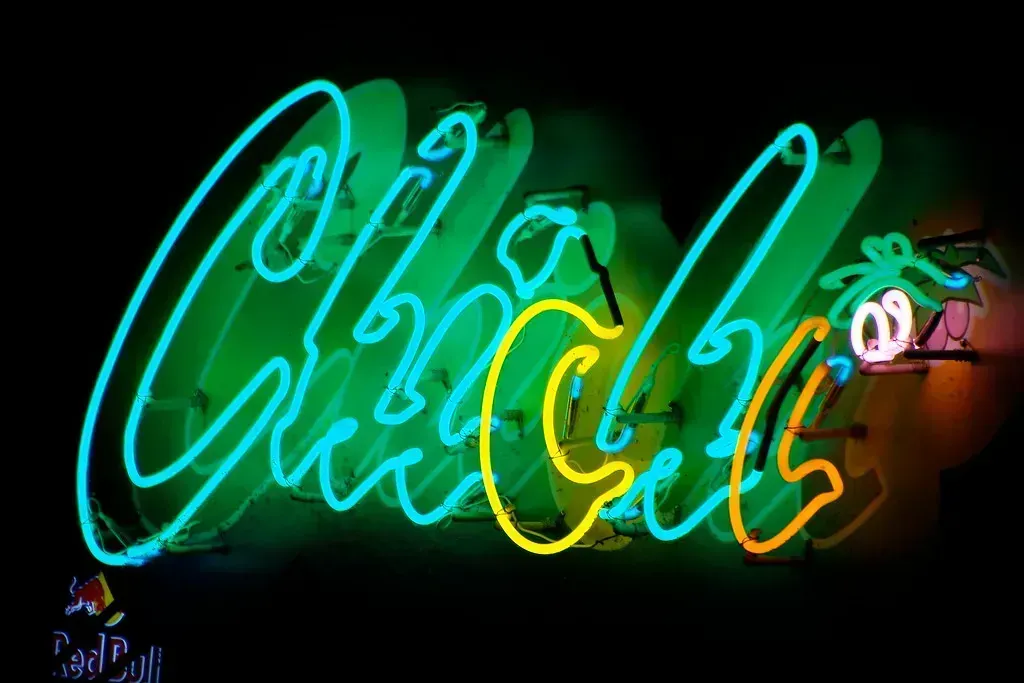
Few chain restaurant revivals carry quite the same shock factor as Chi-Chi’s. The once-beloved Tex-Mex chain disappeared from American dining rooms two full decades ago, which makes what is happening now feel genuinely surprising. Two decades after Chi-Chi’s restaurants disappeared from America, the chain is making a shock return. In the fall of 2025, Chi-Chi’s officially returned with the grand opening of a new flagship location in Minnesota. And that is just the beginning – according to a pitch prepared for possible investors, the burgeoning chain hopes to expand throughout the midwest in 2026, and go national in 2027 and beyond.
The people behind the revival are leaning hard into nostalgia while promising something meaningfully updated for today’s diners. The comeback is driven by a powerful consumer desire for comfort, authenticity, and consistent quality in uncertain times. Millennials and Gen Z, in particular, are seeking genuine, pre-digital era experiences and foods tied to positive childhood memories, making classic chains appealing symbols of a simpler time. The most successful revival strategies involve much more than a simple rerelease. While bringing back iconic dishes generates buzz, the focus is on menu reboots that upgrade ingredient quality while preserving the original’s core flavor profile and spirit – honoring memory while meeting today’s higher standards.
6. Red Lobster
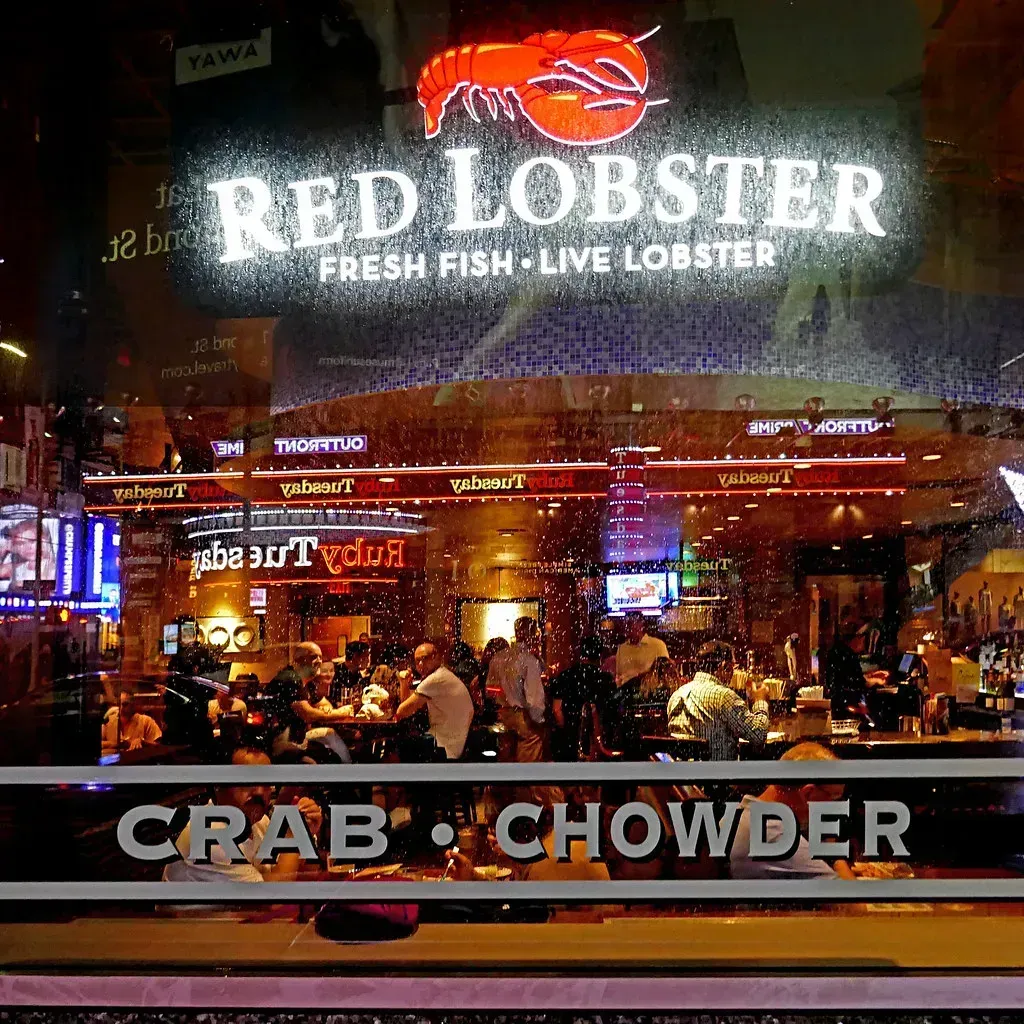
Red Lobster’s story over the past couple of years has been one of the more dramatic in the restaurant world, but the brand is actively fighting its way back. Red Lobster was among the brands on the losing end of casual dining’s recent bifurcation, which pushed it to overhaul its leadership and begin turnaround efforts. The chain emerged from bankruptcy in 2024 and has been methodically working to rebuild its customer base with a sharpened focus on value. Brands like Chili’s and Texas Roadhouse saw steady third-quarter 2025 growth, signaling that middle-income diners are opting for affordable, sit-down meals – and Red Lobster also rebounded with new value combos.
The broader industry backdrop actually works in Red Lobster’s favor as it tries to reclaim its footing. While the limited-service restaurant market in the United States is bigger than the full-service market, full-service restaurants actually led transaction growth in 2025. This is striking not only because full-service restaurants have underperformed compared to limited-service restaurants since the 2020 pandemic, but also because their growth coincides with a prolonged period of low consumer confidence. The top-performing casual chains are expanding their value propositions beyond price, improving on-premise experiences, and opening restaurants in second-generation spaces – strategies experts said continue through 2026. For Red Lobster, the sea of opportunity is real, provided execution keeps pace with ambition.