I’m a Hotel Front Desk Agent: 9 Things You Say at Check-In That Guarantee You Won’t Get an Upgrade
Every traveler secretly dreams about it. You walk up to the front desk, exhausted from your flight, and somehow you end up in a suite with a panoramic view instead of the standard room you booked. It happens – but not to nearly as many people as you’d think. Here’s the thing: in that tiny window of ninety seconds at the front desk, most guests unknowingly say exactly the wrong thing and kill their chances on the spot.
The upgrade decision is far more human than most people realize. It’s not just about availability. It’s about the interaction, the words, the energy you bring. So before your next stay, let’s talk about what you should absolutely stop saying – and why those phrases are quietly working against you. Let’s dive in.
1. “Just Give Me Whatever Room Is Available”
Saying this signals to the agent that you have zero interest in the room you’ll spend the next several nights in. Honestly, it also signals you’re not the kind of guest who values their stay – and that’s not the impression you want to leave. Front desk agents are making rapid, instinctive decisions about who deserves the thoughtful treatment and who just wants a key card.
Agents psychologically divide guests into “problems” versus “people.” Problems get policy; people get creativity. When you make yourself completely indifferent, you take yourself out of the creative pile. You become a transaction, not a guest worth surprising. Think of it like walking into a restaurant and telling the server “I’ll eat anything” – don’t be surprised when you get the last table by the kitchen.
2. “I Booked Through a Third Party So I’m Not Sure About My Room”
This one is almost always a quiet upgrade killer. Third-party bookings like Expedia or Booking.com mean the hotel has less financial incentive to treat you as a high-value guest. You’re not a direct customer in the system’s eyes – you’re a referral. And at a busy hotel, that distinction is absolutely real.
It’s a good idea to join all the major hotel rewards programs to increase your chances of getting an upgrade. As a hotel rewards program member, you are more likely to get upgraded and can even purchase an upgrade using points earned from previous stays. Loyalty program membership is now an enormous part of how hotels fill their rooms. Loyalty members accounted for more than half of all occupied rooms in 2024, a two-percentage-point increase from 2023 that far outpaced overall U.S. demand growth. When you’re a nameless third-party booking, you’re quite literally at the back of that very long line.
3. “I’m a Platinum Elite Diamond Member – Where’s My Upgrade?”
Status is real and it matters. But how you announce it can completely undermine the advantage it gives you. Announcing “I’m a Platinum Elite Diamond member” translates to “I’m entitled to special treatment.” The desk agent already knows your status – it’s on their screen in bold letters. Announcing it suggests you think the normal rules of human interaction don’t apply to you.
The agents who can help you most are motivated by discretion, not obligation. There’s a massive difference between a guest whose loyalty status quietly earns goodwill and a guest who wields it like a weapon. One makes the agent want to help. The other makes the agent want to do the bare minimum required. The data on loyalty programs is staggering – total loyalty membership grew by nearly fifteen percent in 2024 to more than 676 million, outpacing room growth of nearly seven percent – so your status alone doesn’t make you that special anymore. Your attitude does.
4. “I’ve Been Waiting 20 Minutes. This Is Unacceptable.”
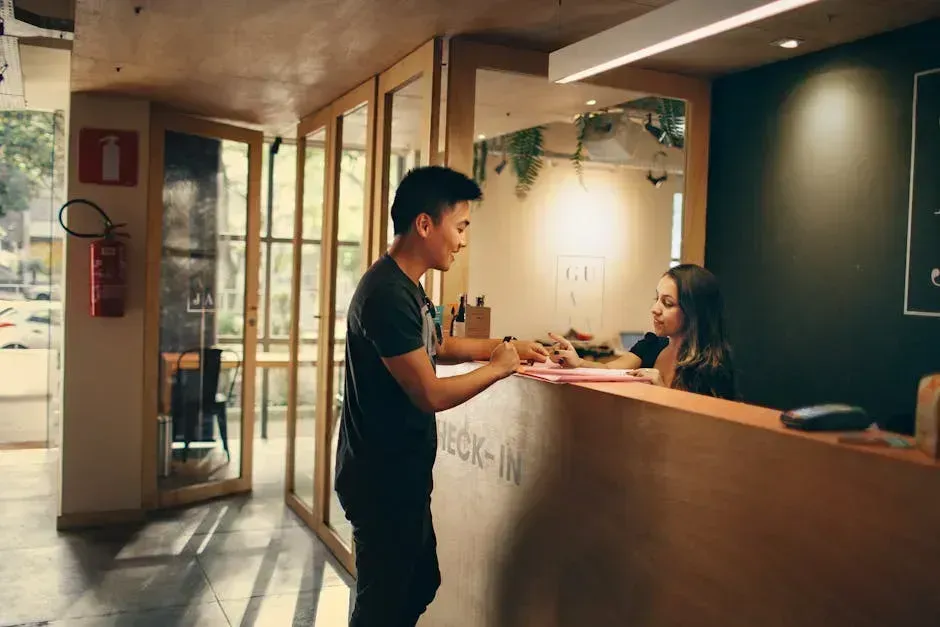
Arriving irritated is one thing. Announcing your irritation before you’ve even handed over your ID is a completely different level of self-sabotage. The check-in moment is an emotional exchange, not just an administrative one. According to the AHLA’s 2025 Report, more than a third of guests consider quick and easy check-in a key driver of a positive guest experience. A pleasant, low-pressure interaction creates the emotional context for a front desk agent to want to reward you.
Think about it from the agent’s perspective. They’ve already processed dozens of guests before you. They’re managing complaints, requests, and room inventory all at once. Walking up with visible anger makes you a problem to be managed, not a guest to be delighted. The person who approaches with genuine warmth gets a different mental file than the one already complaining about the airport. That initial energy sets the entire tone. It’s that simple and that human.
5. “Can I Get a Free Upgrade?” (Without Any Context)
I know it sounds counterintuitive – isn’t asking the obvious first step? Technically yes. Practically, the phrasing matters more than people realize. The word “free” can subtly frame the request as something you’re trying to extract from the hotel rather than something they might naturally offer. There is a kind of social awkwardness around asking for something free, but hotel agents are completely accustomed to this question – and the word “complimentary” carries real weight. Asking specifically for a “complimentary” upgrade matters. If you don’t say that word, you may instead be offered an upgrade for a fee.
According to Plusgrade’s 2024 Hospitality and Rail Study, roughly half of guests are open to floor upgrades when prompted at check-in – which means hotels are already primed for this conversation. So the opportunity exists. The difference between getting a yes and a polite no often comes down to using the language the hospitality industry already uses internally. Say “complimentary upgrade” and you sound like you understand how the game works. Say “free upgrade” and you sound like you’re hoping to get away with something.
6. “I Checked In Early Once Before, So I Expect the Same Treatment”
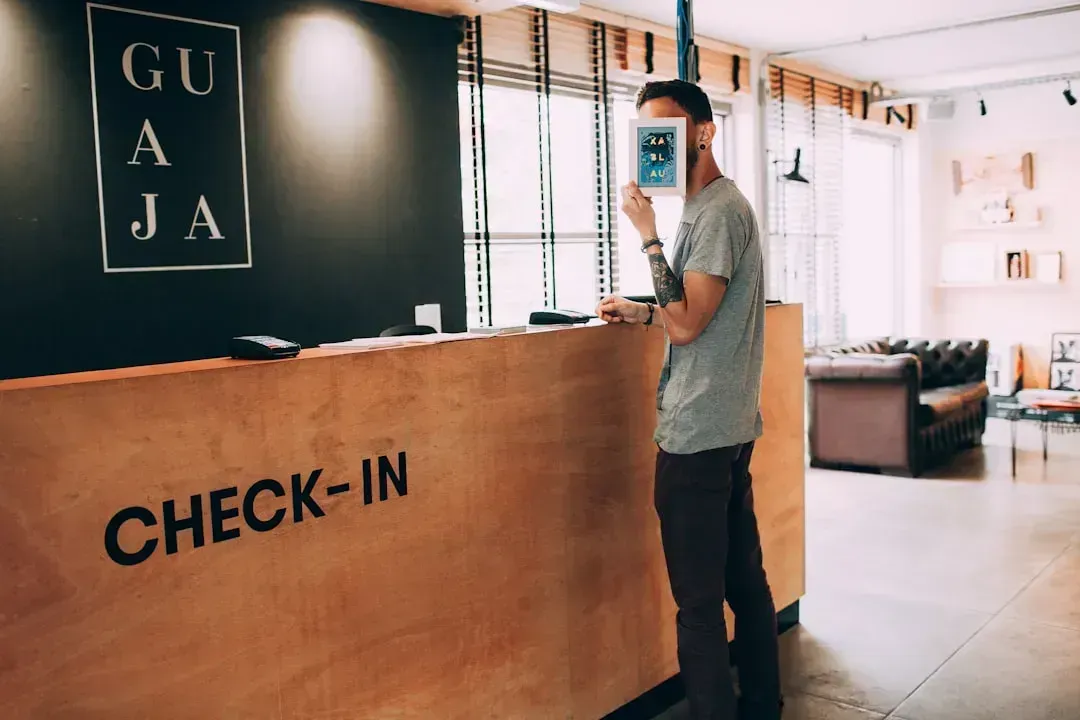
Referencing a past special treatment to demand it again is a surprisingly common mistake. It signals entitlement in one of its most recognizable forms. Checking in early and asking for an upgrade is quite possibly the number one way not to get one. Not only are you showing up before check-in time wanting your room, you’re also asking for an upgrade. That’s like showing up to your dinner reservation 20 minutes early and asking for the best seat in the house.
Room assignments are largely made at the start of each shift, with best available inventory already allocated. Generally, rooms are pre-assigned at the start of the day, so even if you aren’t upgraded, you will still be assigned to a preferable room of the type you reserved. Showing up early and demanding what you got last time puts the agent in an impossible position – and forces them to say no just to maintain fairness across all guests. It leaves everyone frustrated.
7. “I Read Online That You Always Upgrade Guests Who Ask”
Let’s be real: this one genuinely makes agents cringe. It weaponizes information in a way that feels both presumptuous and slightly manipulative. The agent standing in front of you isn’t a search result. They’re a person with real discretionary power – and that discretion is the very thing you’re trying to activate. Telling them what they “always do” immediately puts them on the defensive.
What very few travelers understand is that the front desk agent often has more discretion than you think. They can move inventory. They can block rooms. They can, when the conditions are right, quietly hand you a key to something far better than what you paid for. That’s real power. When you position them as the hero who can save your anniversary weekend, they’ll move mountains. Position them as the villain who must answer for corporate’s sins, and you’ll get exactly what you paid for. Framing matters enormously.
8. “This Room Better Not Be Like the Last One – That Was a Disaster”
Throwing shade at a previous hotel – or even a previous stay at the same property – sets a confrontational tone before the interaction has even properly started. Hotel staffers don’t take kindly to manipulation. Some guests eagerly search for shortfalls in a hotel while seeking perks. They’ll say something like, “Your bedsheet has a stain; this is not acceptable in a hotel of this class,” implying the hotel should make up for it by offering a suite upgrade. Agents recognize this pattern immediately.
The more you need that upgrade, the less likely you’ll get it. Agents can sense desperation like sharks sense blood, and it triggers their defensive instincts rather than their generous ones. Complaints paired with upgrade requests smell like a shakedown, not a genuine concern. The guest who seems genuinely fine with any room often gets the best room. The one who’s clearly planning to complain their way up gets exactly what’s guaranteed, nothing more. It’s human psychology at its most predictable.
9. “I’ve Never Stayed Here Before, But I Deserve the Best Room You Have”

First-time guests with massive expectations and zero relationship with the property are, unfortunately, at the bottom of the upgrade priority list. It’s not personal – it’s data-driven hospitality. If you travel frequently to a particular city, it’s worth staying in the same place each time and developing a relationship with the hotel front desk staff. Regular guests often get extra perks, and they are frequently first in line for upgrades if a hotel overbooks a particular room category.
The guest who stays monthly gets different treatment than the one who stayed once years ago. Recent, frequent interaction creates relational investment that agents protect. They remember who tips housekeeping, who doesn’t complain about construction noise, who treats them like humans at 2 a.m. Your history isn’t just in the computer – it’s in their memory. First-time guests can absolutely still get upgrades, but walking in with an attitude of entitlement rather than charm eliminates what little advantage they had. Friendly people who arrive at slower check-in times and ask politely for upgrades are more likely to receive the white-glove treatment. That’s the real secret, and it costs nothing.