Fugu Chefs: The Rigorous Training Required to Serve the World’s Most Dangerous Fish
Think about walking into a restaurant and ordering a meal where just one microscopic mistake in preparation could put you six feet under. This isn’t the plot of a thriller novel. It’s the reality behind fugu, the Japanese pufferfish delicacy that demands chefs undergo some of the most intense culinary training on the planet. The stakes? Life and death, quite literally.
While most culinary schools teach knife skills and flavor profiles, aspiring fugu chefs spend years learning to navigate one of nature’s deadliest toxins. There’s no room for error here.
The Poison That Makes Cyanide Look Weak
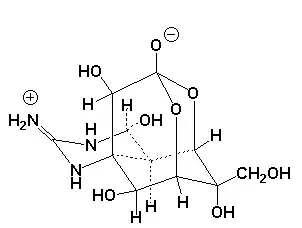
Tetrodotoxin, the neurotoxin found in fugu, is extremely toxic and more poisonous than cyanide even when consumed orally. To put this in perspective, tetrodotoxin is over 1,000 times more toxic to humans than cyanide according to food safety authorities. The poison is found in lethal amounts in the fish’s organs, especially the liver, ovaries, eyes, and skin, and it paralyzes the muscles while the victim stays fully conscious.
The victim can’t breathe, can’t move, but remains aware of everything happening. There is no known antidote for fugu poison. Treatment involves keeping patients alive on life support until their body metabolizes and excretes the toxin naturally. Imagine the horror of being trapped inside your own body, fully aware you might not make it.
Years of Dedication Before Even Touching a Knife
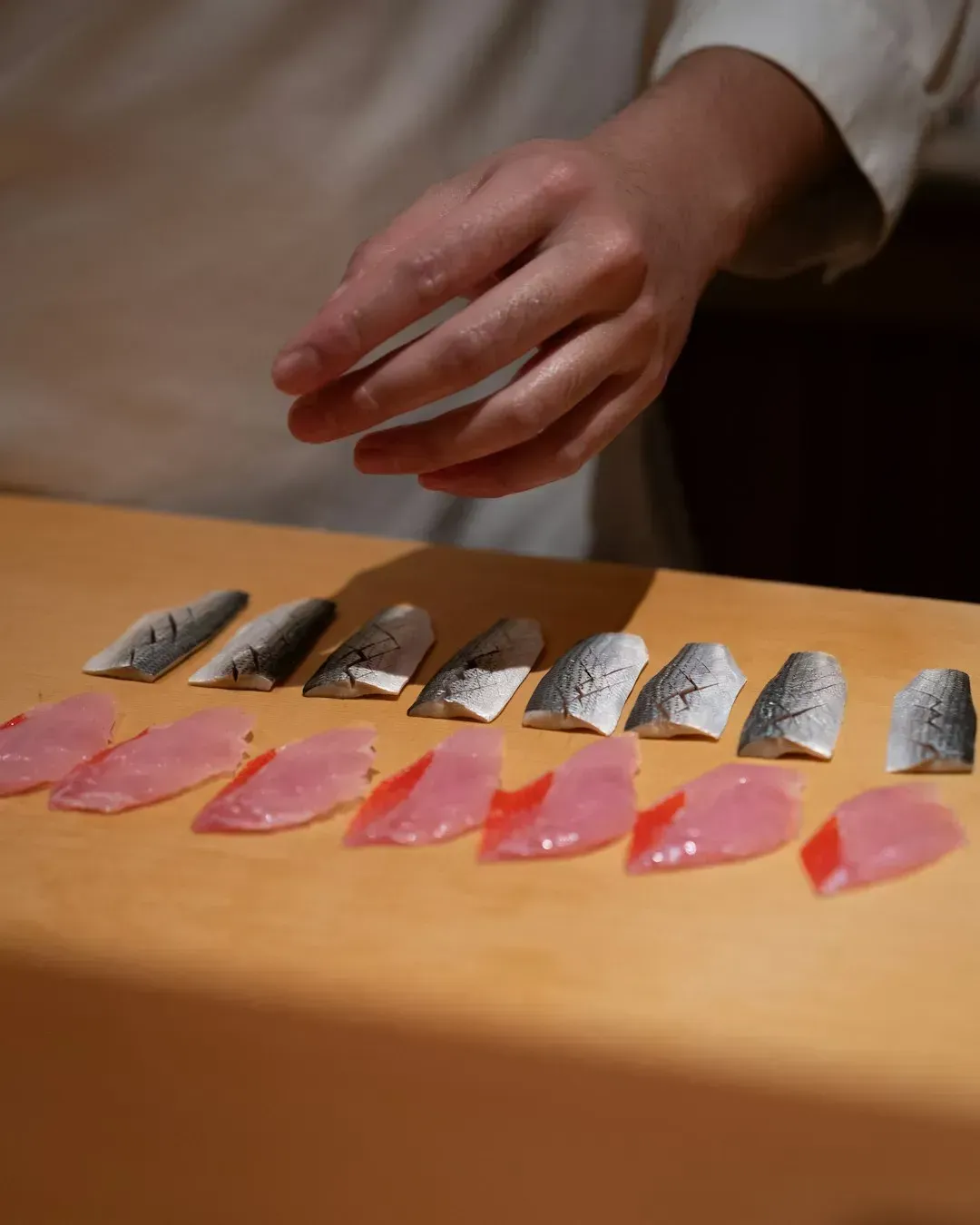
Most fugu chefs start as apprentices in the kitchen at the age of 15, and training takes at least two years, some as long as three depending on the city. In some regions, the requirements are even stricter. In Yamaguchi Prefecture, considered the strictest place regarding fugu licensing in Japan, it is necessary to work for at least 3 years under someone qualified before being allowed to take the exam, while in Tokyo it is possible to take the test after 2 years of apprenticeship.
During their apprenticeship, trainees clean more than 200 fish and spend thousands of dollars just learning how to clean fugu fish. They’re not even working with the real thing at first. Apprentices often practice with frozen “training fugu” because a pound of wild, top-of-the-line fugu can cost $100. Let’s be real, this isn’t like learning to flip burgers.
The Licensing Exam That Makes Med School Look Easy
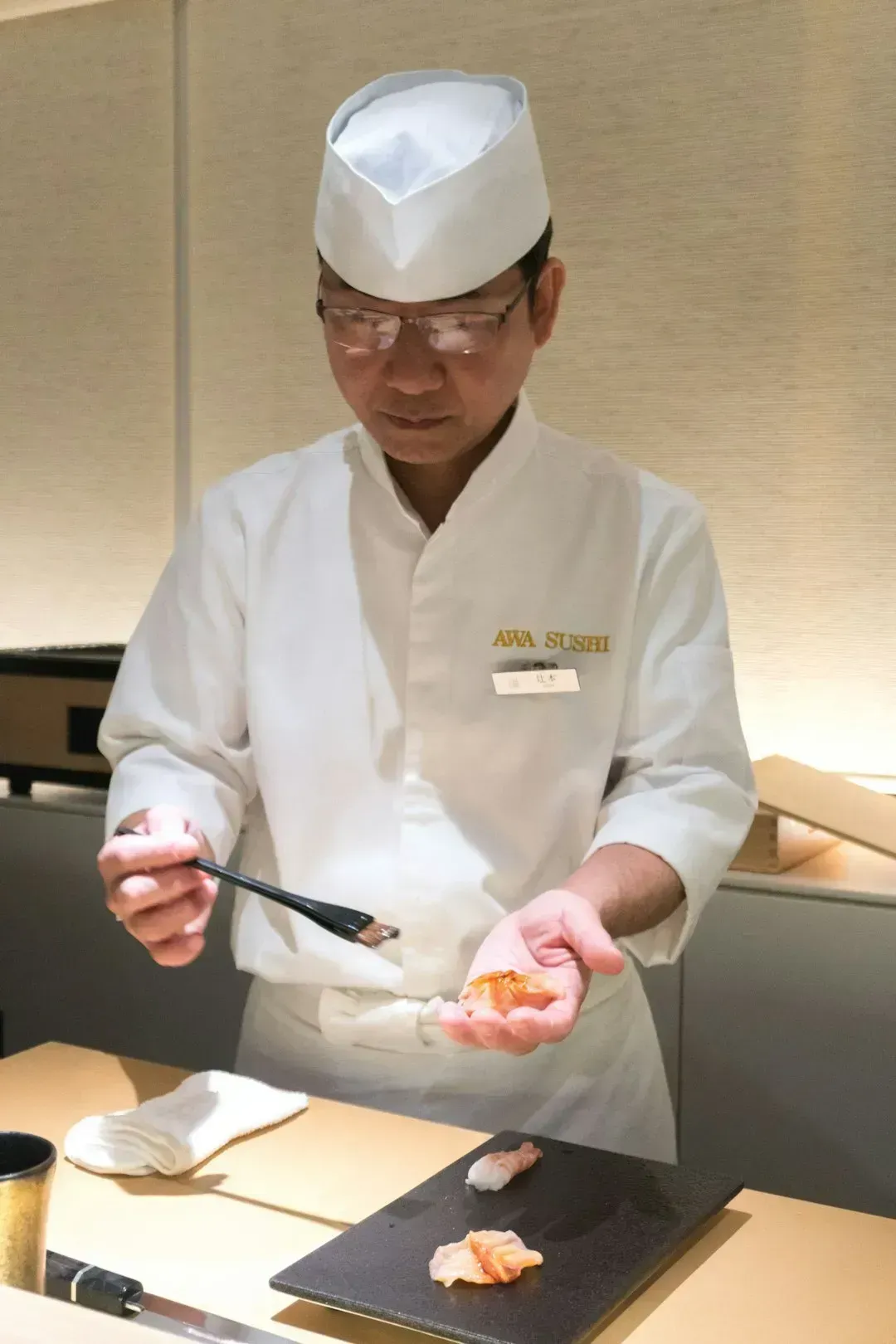
The licensing examination process consists of a written test, a fish-identification test, and a practical test where candidates must prepare and eat the fish. The written portion tests knowledge of fugu regulations, toxicology, species identification, and food safety protocols specific to each prefecture. Here’s where it gets intense.
In the practical test, candidates must identify the species of fugu, identify the edible and inedible parts of the fish, remove the toxic parts, cook the fugu, peel the skin, make the fugu dish, and then eat what they have prepared. The performance must be completed in 20 minutes, and even the smallest trace of blood results in failure. One drop of blood contaminating the flesh? You fail immediately.
Only about 35 percent of the applicants pass this grueling examination. The majority of wannabe fugu chefs walk away without their license, their years of training not quite enough to meet the standard.
Regional Variations Keep Chefs on Their Toes
Fugu cooking licenses are issued by local authorities such as municipalities, so the content of the exam and the apprenticeship may vary from region to region. This lack of standardization creates an interesting challenge. A chef licensed in Tokyo might face different requirements than one trained in Osaka or Kyoto.
Each region has its own way of testing aspiring fugu handlers, leading to inconsistencies in licensing, with some areas insisting on training alone and others demanding both training and exams. The Japanese government has been pushing for more uniformity, particularly since 2019 when the Ministry of Health urged prefectures to eliminate prior experience requirements to address the aging workforce issue. Still, regional differences remain a reality for those pursuing this dangerous art.
What Happens When Things Go Wrong
Between 1996 and 2006, statistics from the Tokyo Bureau of Social Welfare and Public Health indicate 20 to 44 annual incidents of fugu poisoning in Japan, with 34 to 64 people hospitalized and 0 to 6 deaths per year, for an average fatality rate of 6.8%. Recent data shows improvements. Globally, approximately 2 to 6 people die from pufferfish poisoning annually, with Japan accounting for most documented cases and the Japanese Ministry of Health reporting around 50 poisoning cases per year with 0 to 6 deaths.
Of the 23 incidents recorded within Tokyo between 1993 and 2006, only one took place in a restaurant, while the others all involved fishermen eating their catch. The vast majority of poisoning cases happen when amateurs try to prepare fugu at home. Licensed restaurants? They’re remarkably safe thanks to the rigorous training system.
The Banned Delicacy Within a Delicacy
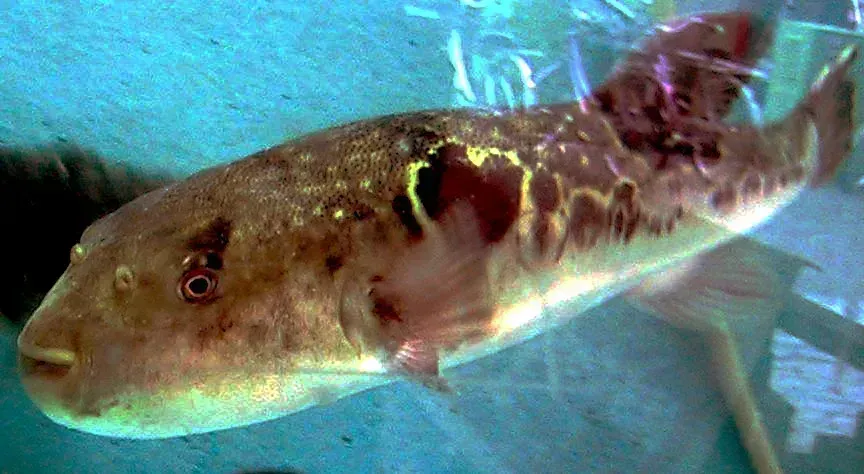
The liver is said to be the most flavorful part of the fugu, but it’s also the most poisonous, and serving or selling it has been prohibited in Japan since 1984. This ban came after decades of deaths, including high-profile cases. One of the most famous victims was the Kabuki actor and “Living National Treasure” Bandō Mitsugorō VIII, who in 1975 died after eating four servings of fugu liver, the sale of which was prohibited by local ordinances at the time; Bandō claimed to be able to resist the poison but died several hours after returning to his hotel.
There’s reportedly an underground market for fugu liver among thrill-seekers who believe the tingling numbness from trace amounts of toxin is part of the authentic experience. Some say that skilled chefs deliberately leave just enough poison to create that sensation without causing harm. It’s a dangerous game of culinary Russian roulette that authorities strongly discourage.
The Precision Tools of the Trade
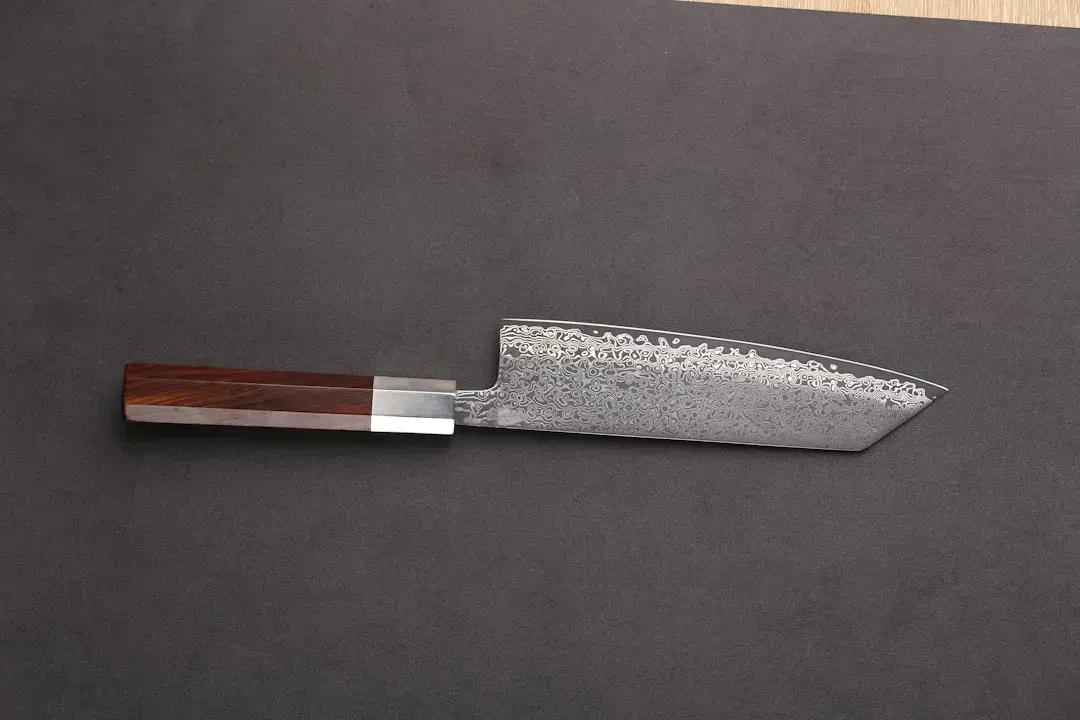
Fugu chefs use a special knife called a fugu hiki, which is usually stored separately from other knives. This isn’t just tradition. It’s about preventing cross-contamination. These specialized blades are designed for the ultra-precise cuts needed to separate toxic organs from edible flesh without rupturing anything.
The slicing technique for fugu sashimi requires years to perfect. Chefs must cut the flesh paper-thin, creating translucent slices arranged in elaborate patterns. One common presentation resembles a chrysanthemum flower, which carries dark symbolism in Japanese culture as funeral wreaths often feature such flowers. The artistry is stunning, yet it serves as a subtle reminder of the risk involved in every bite.
Modern Attempts to Defang the Fish
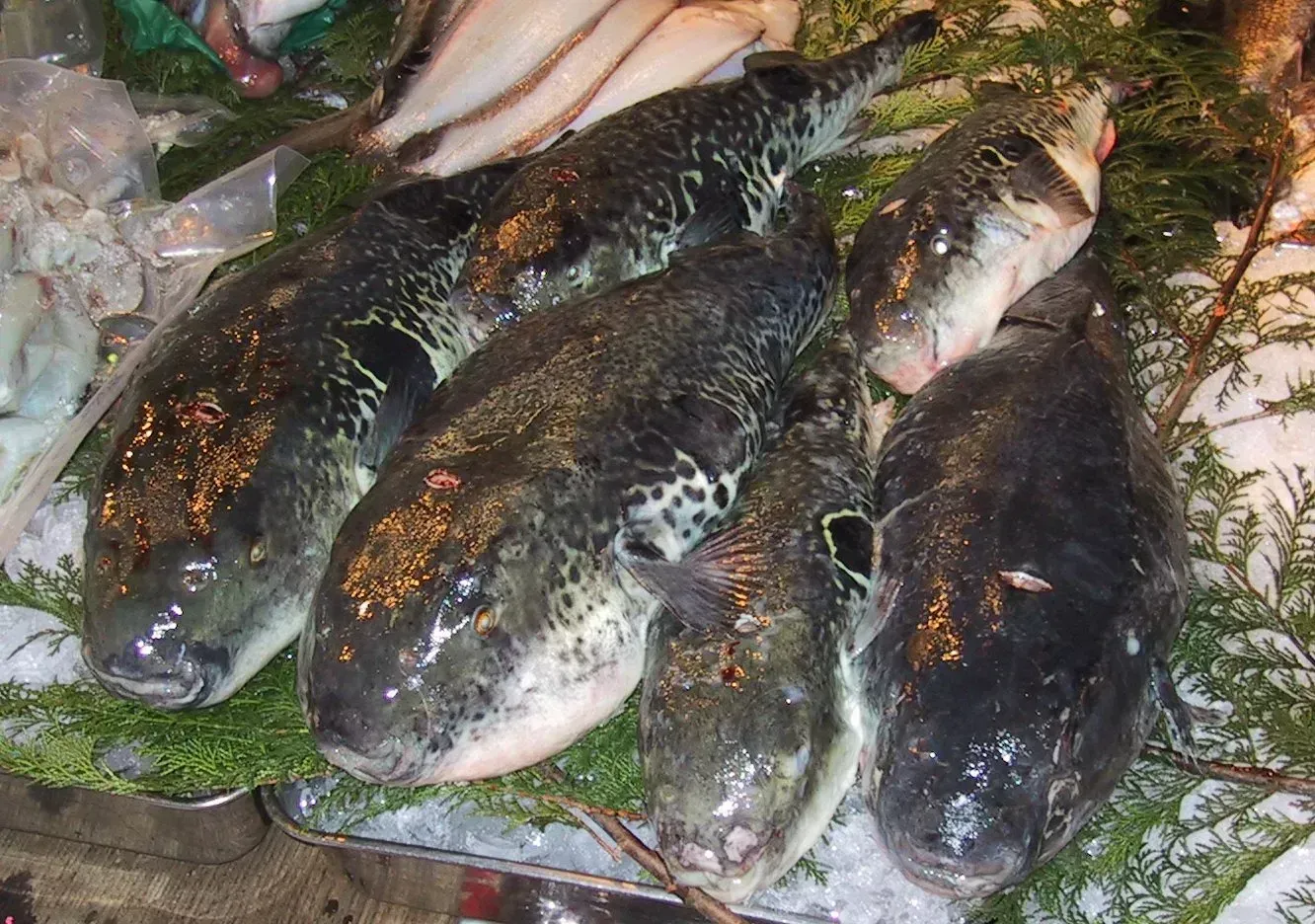
Scientists at Nagasaki University have succeeded in culturing non-toxic torafugu by restricting the fish’s diet, raising over 5,000 fish between 2001 and 2004 and analyzing the toxicity of muscle, skin, gonads, livers, and other organs, concluding that the amount of tetrodotoxin in all those parts was non-toxic. Researchers discovered that fugu don’t produce tetrodotoxin themselves; they accumulate it from bacteria in their diet.
Farmed fugu raised in controlled environments without access to these bacteria can theoretically be toxin-free. The Saga Prefecture in Japan has petitioned the Food Safety Commission of Japan three times to reconsider its ban on fugu liver, stating that its farmed fugu is non-toxic, but the FSCJ has rejected the proposals thrice due to “data insufficient to prove safety”. The government isn’t taking chances, and honestly, can you blame them?
The Global Reach of Fugu Culture
By 2003, only seventeen restaurants in the United States were licensed to serve fugu, with fourteen in New York State and twelve of those in New York City. The fugu is cleaned of its most toxic parts in Japan and freeze-flown to the United States under license in clearly customized plastic containers, and fugu chefs who cook in American restaurants are trained under the same rigorous and stringent specifications as in Japan.
European diners aren’t so lucky. Sale of fish belonging to the Tetraodontidae family is forbidden altogether in the European Union. South Korea has its own fugu tradition and licensing system, while China began allowing restaurants to serve farmed fugu in recent years under strict controls. The fish’s reputation has spread worldwide, even as most countries remain extremely cautious about allowing its preparation.
Why Risk It All for One Fish?
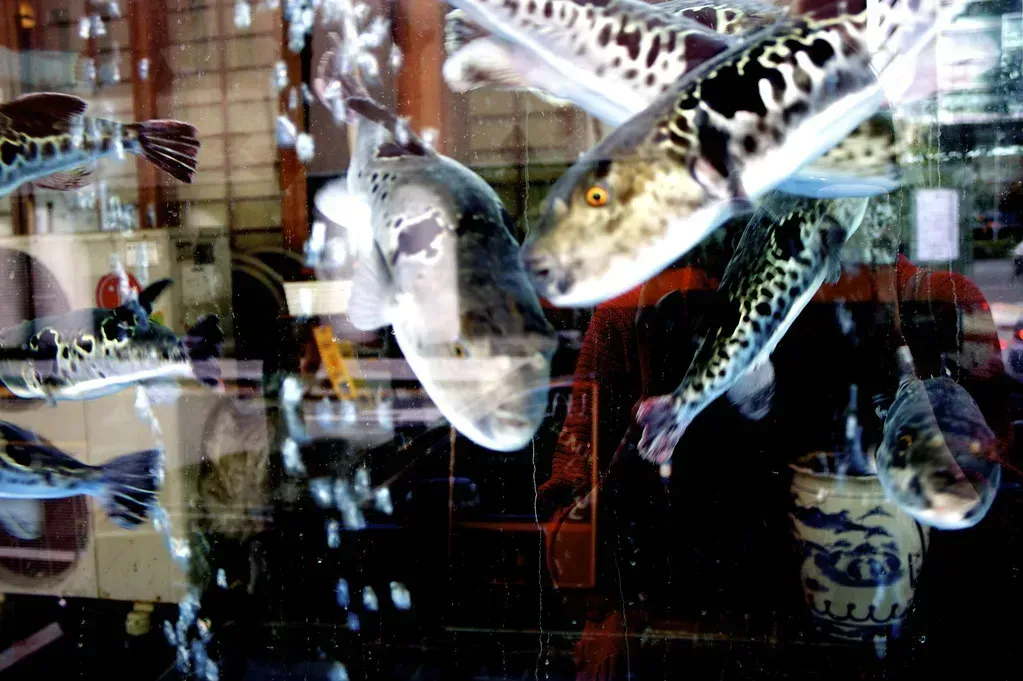
What drives people to dedicate years of their lives to mastering such a dangerous delicacy? The flavor, described as subtle yet profound, creates an almost indescribable eating experience. The texture varies depending on preparation, from the firm chew of sashimi to the delicate melt-in-your-mouth quality of hot pot. Beyond taste, there’s the cultural significance and the undeniable thrill.
Fugu represents the pinnacle of Japanese culinary precision and trust. When you eat fugu in a licensed establishment, you’re placing your life in the chef’s hands. That level of faith and skill creates an experience that transcends ordinary dining. It’s about tradition, mastery, and the human desire to conquer danger through expertise. The apprentices who fail their licensing exam multiple times often try again, driven by passion for this centuries-old craft.
The journey from teenage apprentice to licensed fugu chef represents one of the most demanding paths in the culinary world. These professionals don’t just cook fish; they’re guardians of a tradition where a single mistake could be fatal. Next time you hear about fugu, remember the years of training, the brutal pass rates, and the lives that depend on getting it exactly right. Makes your average cooking show look pretty tame, doesn’t it?