The 10 Poorest Countries With the Happiest People (And Why)
Money doesn’t buy happiness. It sounds like a cliché your grandma would cross-stitch on a pillow, but recent global research is proving there’s surprising truth to it. Some of the world’s economically poorest nations are home to people who report remarkable levels of contentment, defying what economists once thought was an ironclad rule. Several Latin American countries continue to outperform expectations based on income alone, challenging our assumptions about what truly makes life worth living.
The rankings are based on six key factors: GDP per capita, healthy life expectancy, social support, freedom to make life choices, generosity (measured by charitable acts), and perceptions of corruption. What’s fascinating is that wealth represents just one piece of a much larger puzzle.
Costa Rica
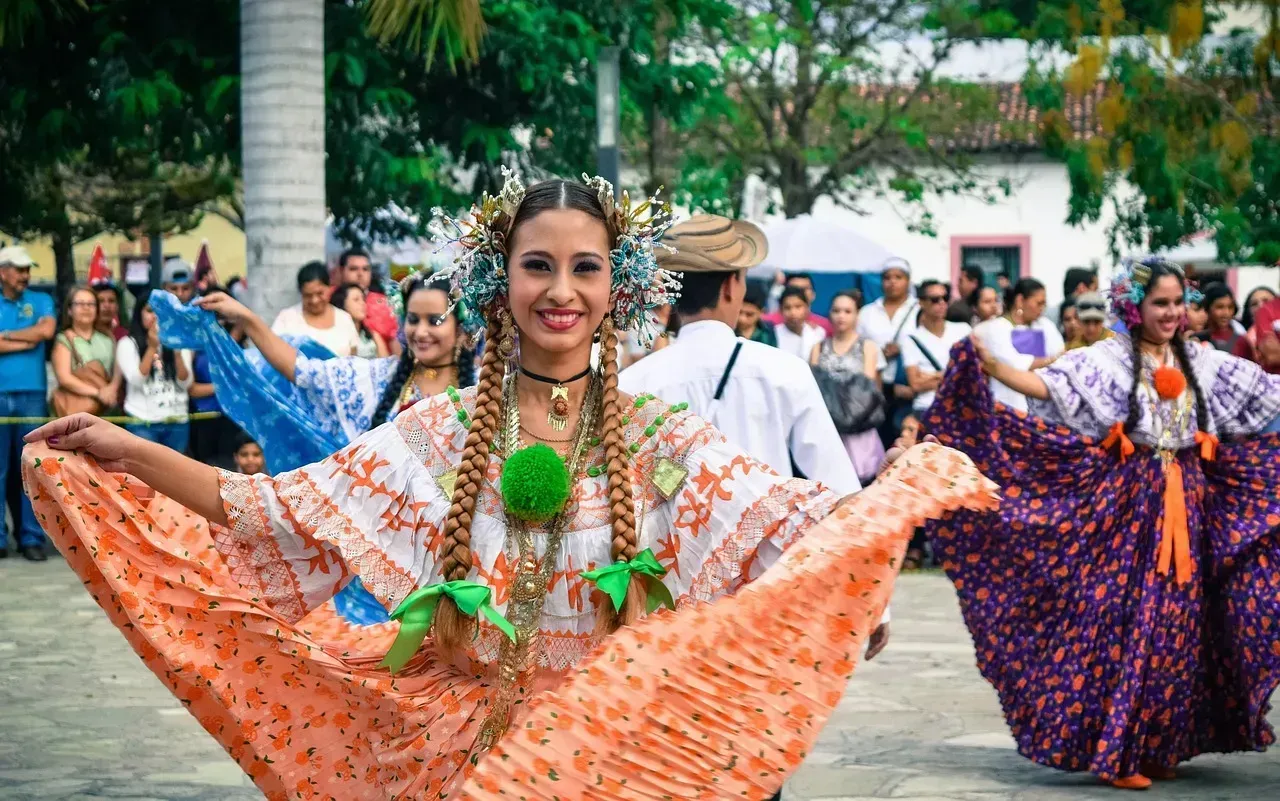
Costa Rica climbed to #6 from #12 last year, marking the highest ranking ever for a Latin American country. This tiny Central American nation punches way above its economic weight class. Despite having a GDP per capita that doesn’t crack the world’s top tier, Costa Ricans report life satisfaction levels that rival wealthy Nordic countries. The secret sauce seems to be strong family bonds, a culture that prioritizes leisure and social connection, and universal healthcare that removes the anxiety many citizens face elsewhere.
GDP per capita only explains 14.1% of the nation’s overall happiness score, whereas social support explains substantially more, about 20% of the score. Costa Rica abolished its military in 1948 and redirected those resources toward education and health, a decision that continues paying dividends generations later. Their concept of “pura vida” isn’t just a tourist slogan, it’s a genuine philosophy emphasizing simple pleasures and gratitude.
Nicaragua

Nicaragua: Happiness Index, 0 (unhappy) – 10 (happy): The latest value from 2024 was 6.28 points, a decline from 6.39 points in 2023. This might seem like a drop, but here’s the thing: the world average is 5.56 points, based on data from 138 countries, meaning Nicaragua still scores above the global mean despite significant economic challenges. The country faces persistent poverty, political instability, and limited infrastructure.
Yet Nicaraguans maintain happiness levels that exceed what their economic indicators would predict. The average monthly salary in Nicaragua tends to hover around the range of $150 to $200 USD, placing it among the Western Hemisphere’s poorest. Strong community ties and extended family networks provide safety nets that money can’t buy. Religious faith also plays a significant role, offering meaning and social connection that transcends material circumstances.
Bhutan
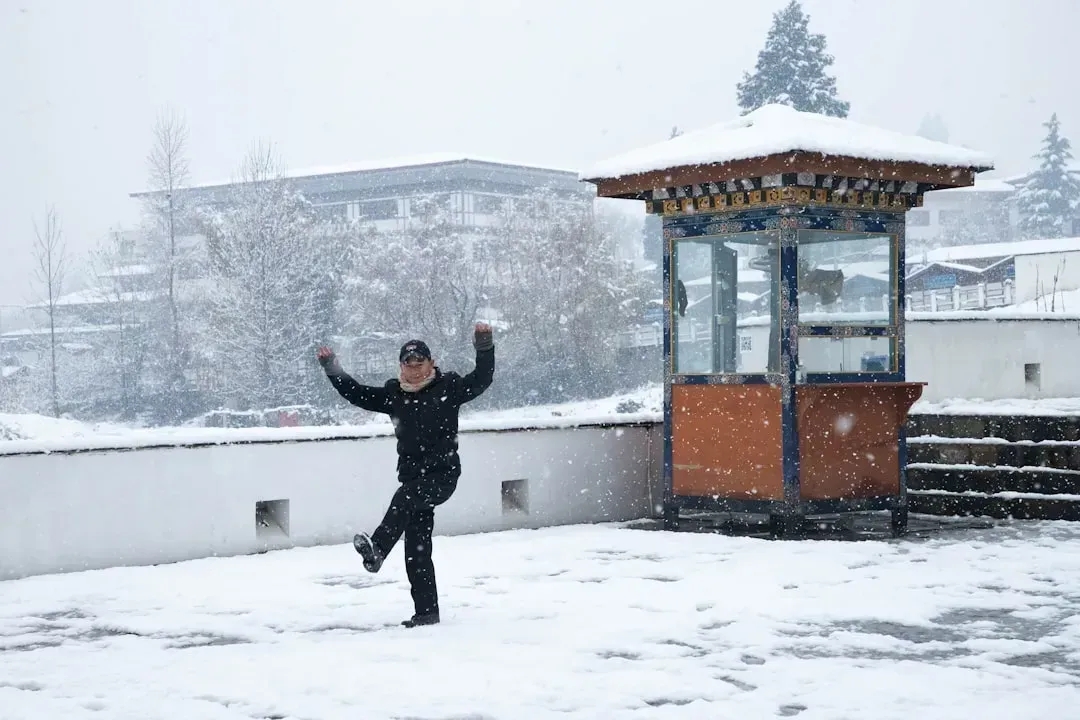
This Himalayan kingdom literally wrote the book on prioritizing happiness over wealth. The term “Gross National Happiness” as conceptualized by the 4th King of Bhutan, Jigme Singye Wangchuck, in 1972 was declared, “more important than Gross Domestic Product.” Bhutan developed an entirely different measurement system that values psychological wellbeing, cultural preservation, environmental conservation, and good governance alongside economic development.
According to the World Happiness Report 2019, Bhutan is 95th out of 156 countries when measured by conventional economic metrics. This ranking is primarily due to the fact that Bhutan is not as wealthy as most other countries. However, using their own Gross National Happiness Index, Bhutan’s GNH Index in 2022 is 0.781, which grew by 3.3% compared to 2015. The country’s focus on spiritual development, environmental stewardship, and community vitality creates conditions for flourishing that pure economics can’t capture.
Guatemala
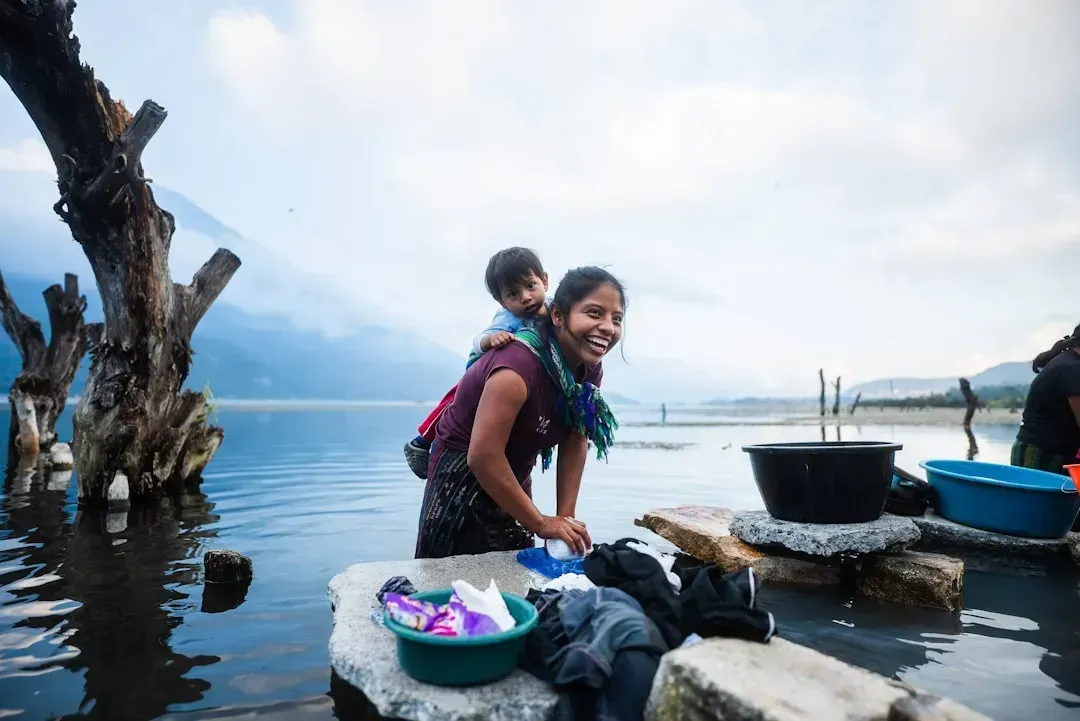
Guatemala presents another compelling case of happiness defying economic hardship. The country struggles with poverty, inequality, and limited access to services that wealthier nations take for granted. Yet Guatemalan culture emphasizes family cohesion, community celebration, and deep spiritual traditions that provide resilience against material scarcity. Indigenous Mayan communities maintain cultural practices centered on collective wellbeing rather than individual accumulation.
The country’s vibrant markets aren’t just economic exchanges but social gatherings where relationships are strengthened. Extended families often live in close proximity, creating support systems that reduce isolation and loneliness. Religious festivals and community celebrations provide regular occasions for joy and connection that require minimal financial resources but generate substantial social capital.
Honduras

Honduras faces significant economic challenges and ranks among Central America’s poorest nations. Violence, corruption, and limited opportunities have driven many to emigrate. Yet those who remain often report surprising levels of life satisfaction rooted in strong social bonds and cultural values that prioritize relationships over possessions.
Honduran culture emphasizes hospitality, generosity, and mutual aid. Neighbors help neighbors not out of obligation but as an expression of shared humanity. Benevolent acts are still about 10% above their pre-pandemic levels globally, and in countries with strong community traditions like Honduras, this tendency toward helping others creates reciprocal networks of support. Music, dance, and shared meals form the backbone of social life, requiring little money but generating genuine contentment.
El Salvador
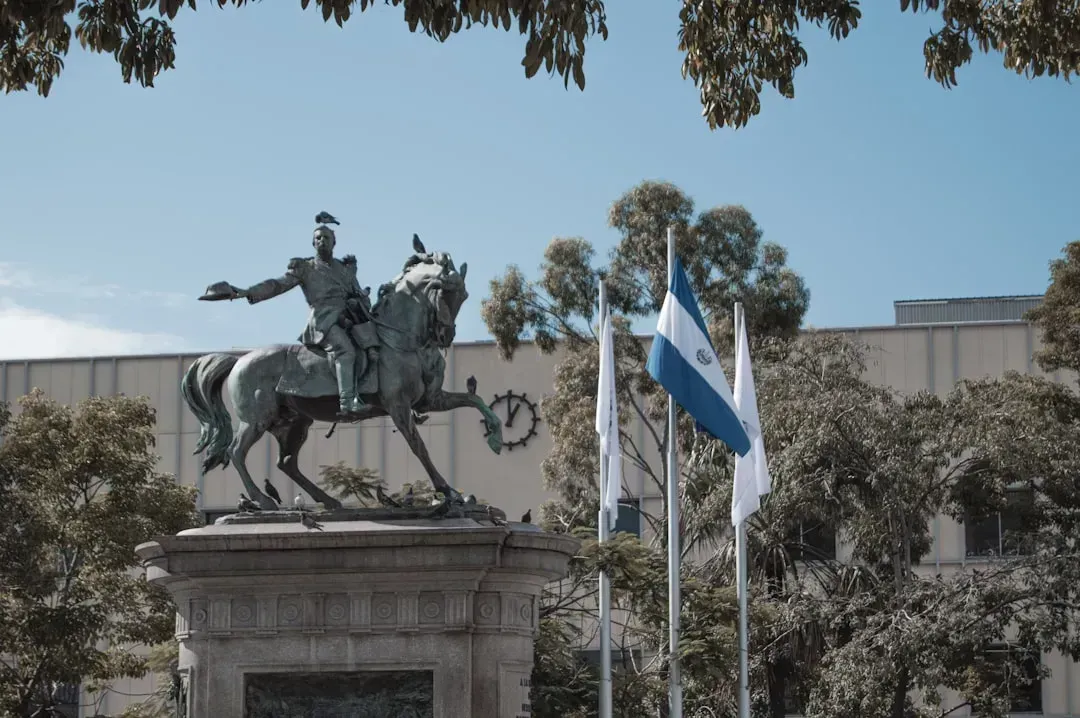
El Salvador has endured civil war, gang violence, natural disasters, and persistent poverty. By conventional economic measures, Salvadorans shouldn’t be particularly happy. The average income remains low, infrastructure challenges persist, and many families have members who’ve migrated abroad seeking better opportunities.
Yet the remittances sent home do more than provide financial support, they maintain family bonds across borders and fund community improvements that benefit everyone. Salvadoran culture places enormous value on family loyalty and community solidarity. Religious faith provides comfort and community, while cultural traditions around food, music, and celebration create regular occasions for joy that don’t depend on wealth.
Bolivia
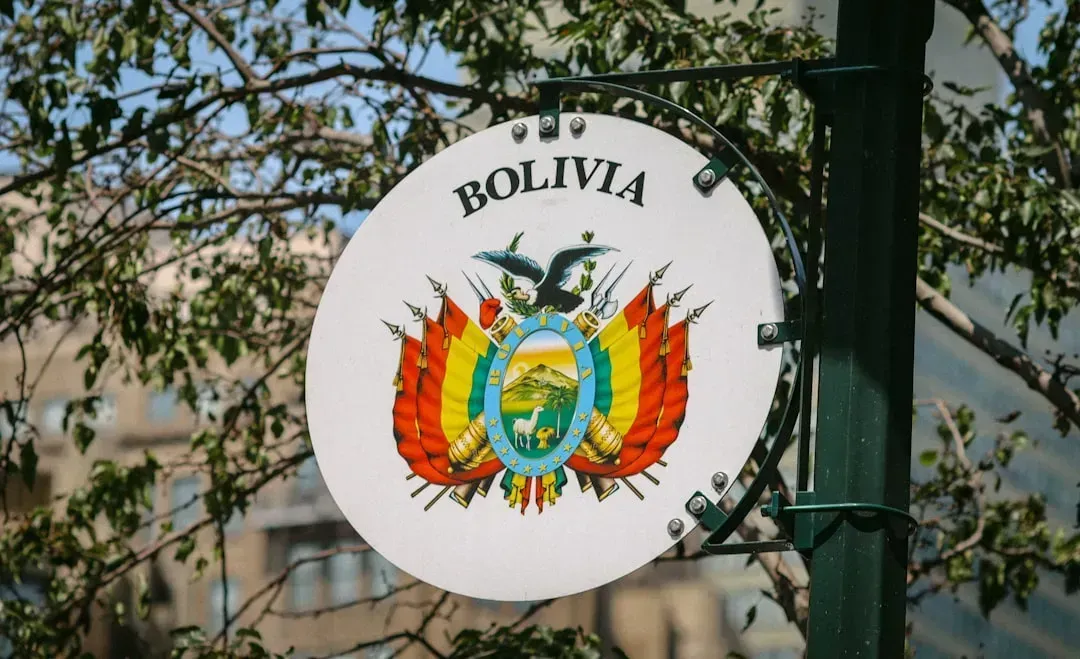
Bolivia is one of South America’s poorest countries, with large indigenous populations that have historically faced discrimination and limited economic opportunities. However, Bolivian indigenous cultures maintain worldviews that measure wealth differently than Western capitalism. The concept of “buen vivir” or “living well” emphasizes harmony with nature, community reciprocity, and spiritual balance over material accumulation.
These communities practice mutual aid systems where labor and resources are shared collectively. Extended kinship networks provide support that makes individual poverty less devastating. Traditional festivals, spiritual practices, and communal decision-making processes create meaning and belonging that money cannot purchase. The Andean philosophy sees humans as part of nature rather than separate from it, fostering contentment with simpler lifestyles.
Paraguay
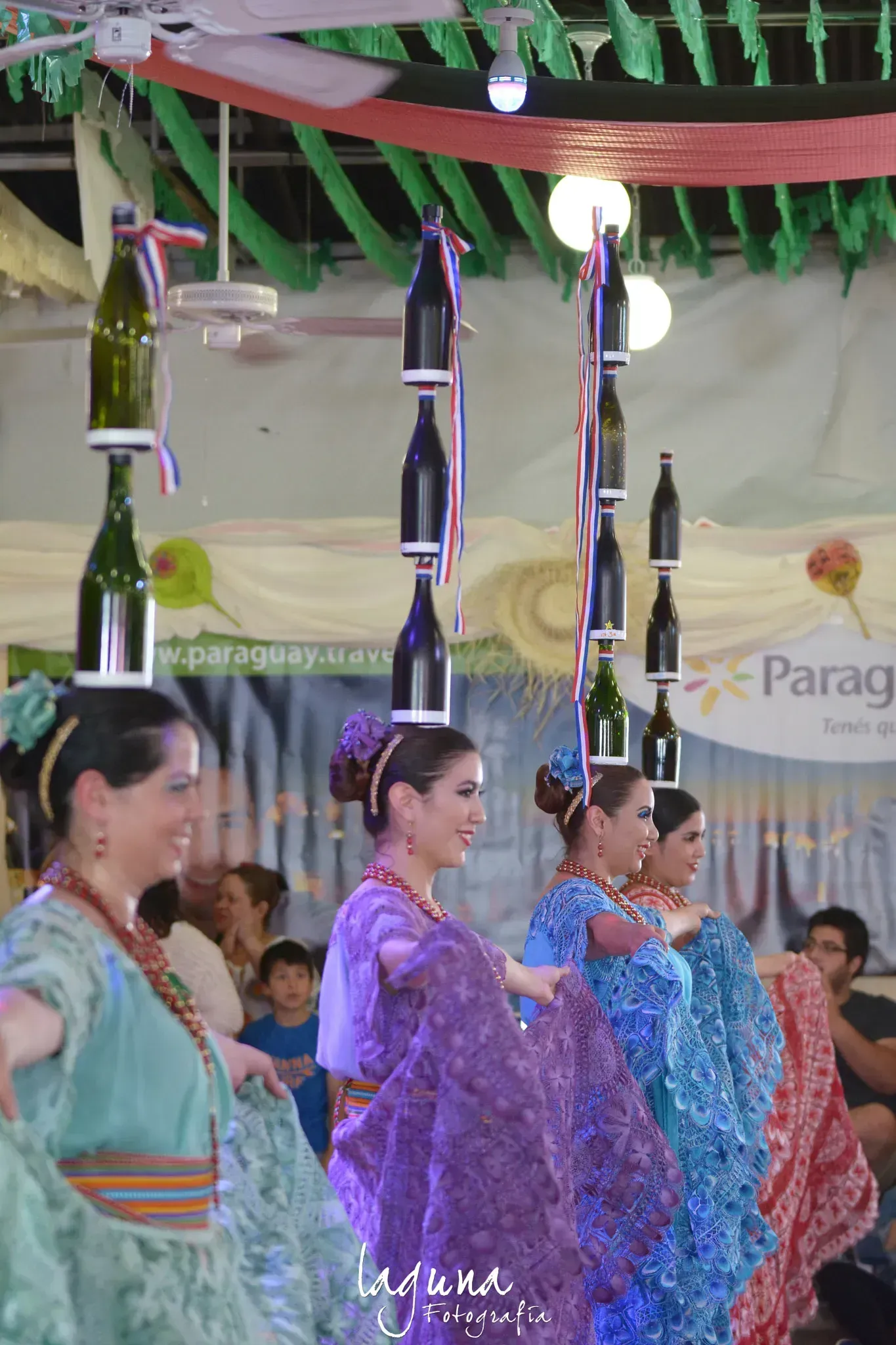
Paraguay often flies under the radar in discussions of Latin American countries, but it offers intriguing insights into the relationship between poverty and happiness. The country maintains strong indigenous Guaraní cultural influences that emphasize community welfare and spiritual values. Family structures remain tightly knit, with multiple generations often living together or in close proximity.
Among Latin American countries, the income–life satisfaction correlation has, on average, decreased since 1997, as income inequality has decreased. Paraguay’s relatively lower inequality compared to some neighbors may contribute to higher subjective wellbeing despite limited absolute wealth. Social trust, while challenged by corruption issues, remains stronger than in many wealthier societies where individualism has eroded communal bonds.
Indonesia
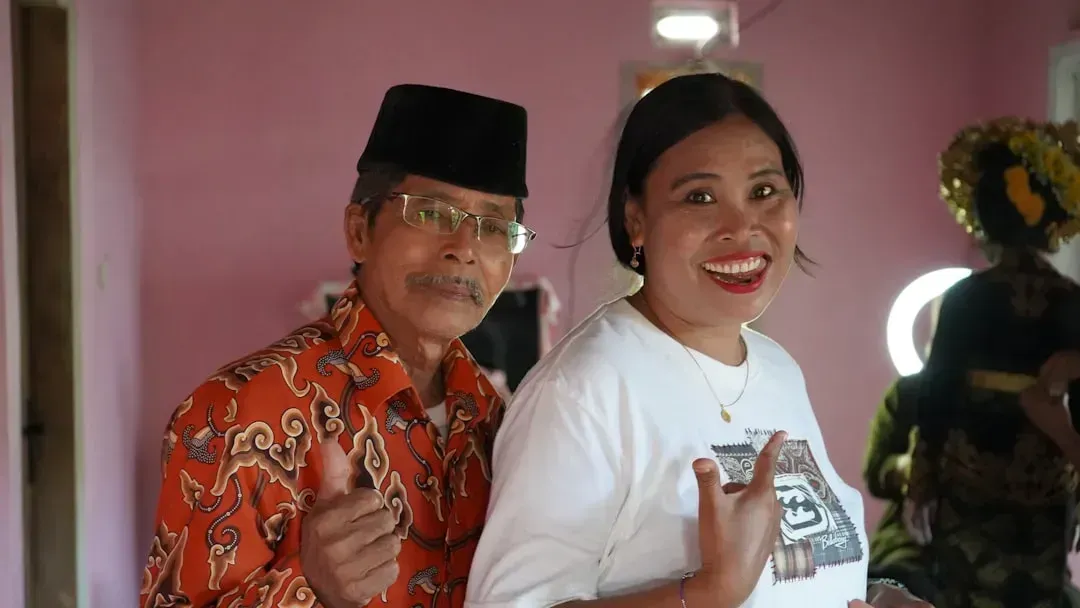
Indonesia presents a complex picture as a lower-middle-income country with vast disparities between urban and rural areas. Many Indonesians live on minimal incomes by global standards, yet report life satisfaction that exceeds economic predictions. The predominantly Muslim population finds meaning and community through religious practice and shared cultural traditions.
The concept of “gotong royong,” or communal cooperation, remains central to Indonesian social life. Neighbors work together on community projects, share resources during hardships, and celebrate together during good times. Extended family networks provide childcare, elder care, and financial support that reduces individual vulnerability. The culture’s emphasis on harmony, respect, and collective welfare creates social conditions that support wellbeing independent of individual wealth.
The Philippines

Filipinos are famously resilient and optimistic despite facing poverty, natural disasters, and political instability. The culture’s strong emphasis on family, community, and faith creates protective factors against despair. People who dine alone have the lowest life evaluation rating globally (4.9) compared to those who regularly share a meal (5.5 to 5.6), and Filipino culture centers on shared meals and family gatherings.
The bayanihan spirit, where communities unite to help neighbors in need, exemplifies the social capital that substitutes for financial capital. Religious devotion provides comfort, community, and meaning that transcends material circumstances. Despite economic challenges, Filipinos maintain a cultural disposition toward humor, celebration, and finding joy in simple pleasures. Extended family networks mean individuals are rarely alone in facing life’s difficulties.
The evidence from these ten countries challenges fundamental assumptions about human wellbeing. Countries with GDP per capita over $20,000 see a much less obvious link between GDP and happiness, and these nations demonstrate that even below that threshold, other factors can compensate for limited wealth. Social support, community bonds, cultural values emphasizing collective welfare, religious or spiritual meaning, and freedom from corruption often matter more than bank account balances.
Sharing meals has a strong impact on subjective wellbeing – on par with the influence of income and unemployment. The poorest happy countries understand this instinctively, building daily life around shared experiences rather than individual consumption. What would happen if wealthier nations borrowed these lessons? That’s the question these countries leave us pondering.