The Insurance Loophole: 5 Popular DIY Home Projects That Can Secretly Void Your Policy
You’re feeling pretty proud. You just finished that bathroom remodel yourself, saved thousands of dollars, and it looks fantastic. Fast forward six months: a small leak turns into major water damage. You file a claim, confident your homeowners insurance will cover it. Then comes the denial letter. Turns out, your weekend project just cost you a whole lot more than you saved.
Here’s the thing most people don’t realize. Tackling certain home improvement projects on your own can quietly invalidate your insurance coverage without you ever knowing. An estimated 245,870 UK households exposed themselves to potential accidents and damages without any financial protection in 2024 alone by planning DIY renovations without proper insurance considerations, according to research by Go.Compare. The kicker? Nearly a quarter of homeowners planning to renovate in 2024 were planning to do the work themselves, potentially opening themselves up to serious risks.
Let’s be real. Insurance companies don’t exactly advertise which projects could get your claim tossed out. They’re counting on you not reading the fine print or understanding what actually voids your policy. These five popular DIY projects might seem harmless, even responsible. Still, they could leave you holding the bag when disaster strikes.
Electrical Work: When Amateur Hour Meets Live Wires
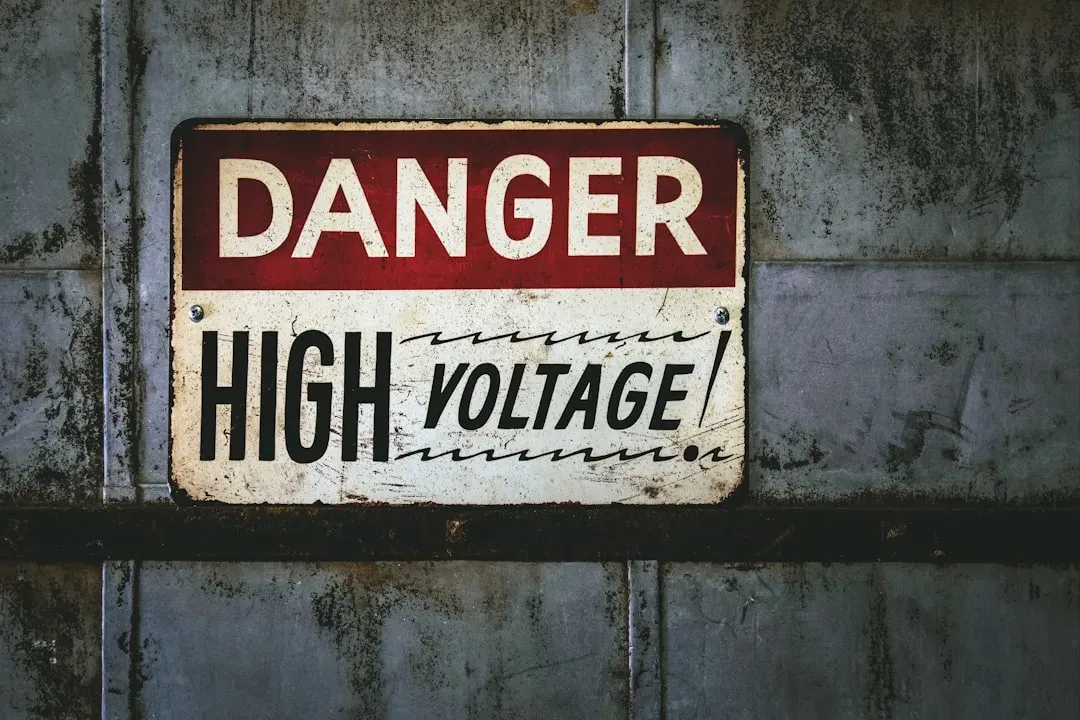
Installing that ceiling fan or adding a few outlets might seem straightforward, especially with YouTube tutorials making everything look easy. The reality is far less forgiving. DIY electrical work can void your insurance, lead to costly damage and pose safety risks, according to electrical experts at ElectriCall.
Consider this sobering example: a homeowner installs recessed lighting themselves, and six months later, a small fire starts in the ceiling, causing extensive damage. Their insurance denies the claim after determining the DIY installation was the cause. The homeowner saves money by not hiring a professional.
If the electrical damage is caused by your own negligence, such as attempting a DIY electrical project without proper knowledge or safety precautions, your insurance company may deny coverage for the resulting repairs. Standard homeowner’s policies often exclude coverage for damage caused by DIY work, especially if it involves major structural changes or electrical and plumbing systems.
Unpermitted Structural Changes: The Silent Policy Killer
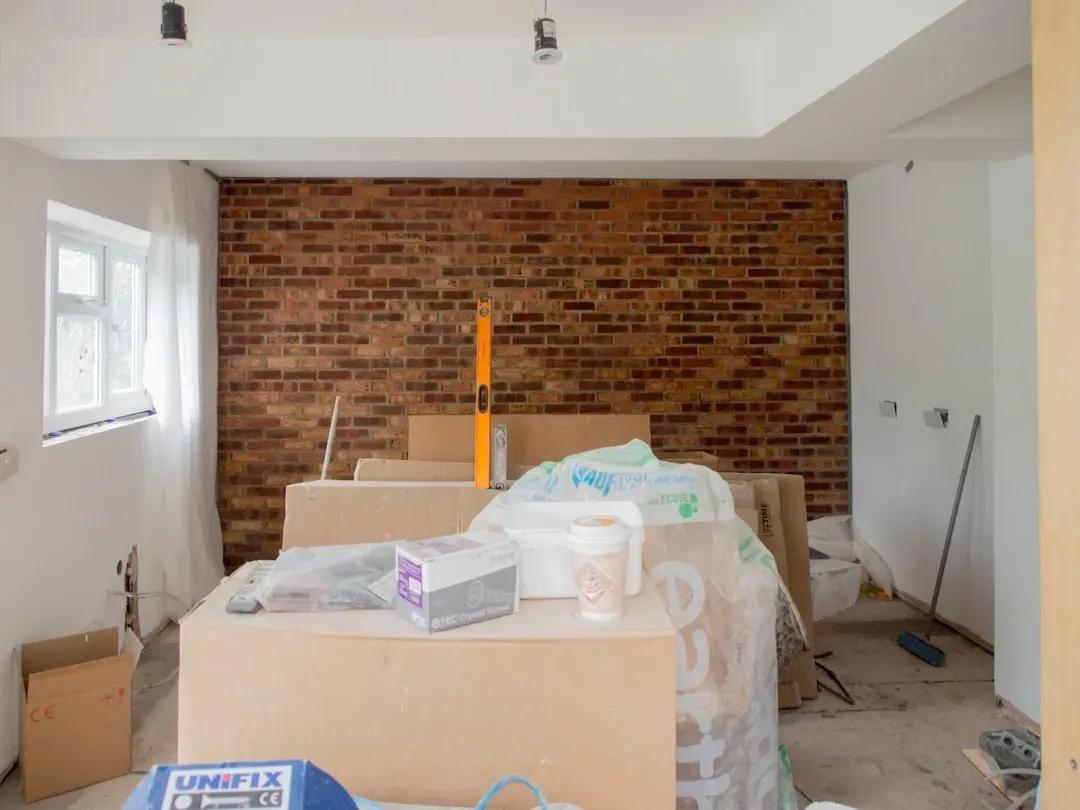
Knocking down that wall to create an open floor plan or adding a home office might transform your space beautifully. What it might also transform is your insurance status. DIY projects that bypass local permits or building codes can be flagged during claims. Insurance providers expect major improvements – like plumbing or structural changes – to be inspected. If work isn’t up to code, claims tied to those areas can be flat-out denied or rejected as invalid.
The consequences extend beyond just claim denials. Failing to notify your insurer about the work could invalidate your policy, leaving you uninsured during the construction process. I know it sounds crazy, but this happened to someone who simply added an extension without telling their insurer.
Common DIY renovation mistakes that can void your policy include failing to obtain necessary permits, not adhering to local building codes, and performing work that significantly alters the structure or safety of your home without informing your insurer. These oversights can lead to denied claims or a lapse in coverage if damage occurs related to the unauthorized renovations, according to Acceptance Insurance experts.
Plumbing Modifications: Where DIY Meets Disaster
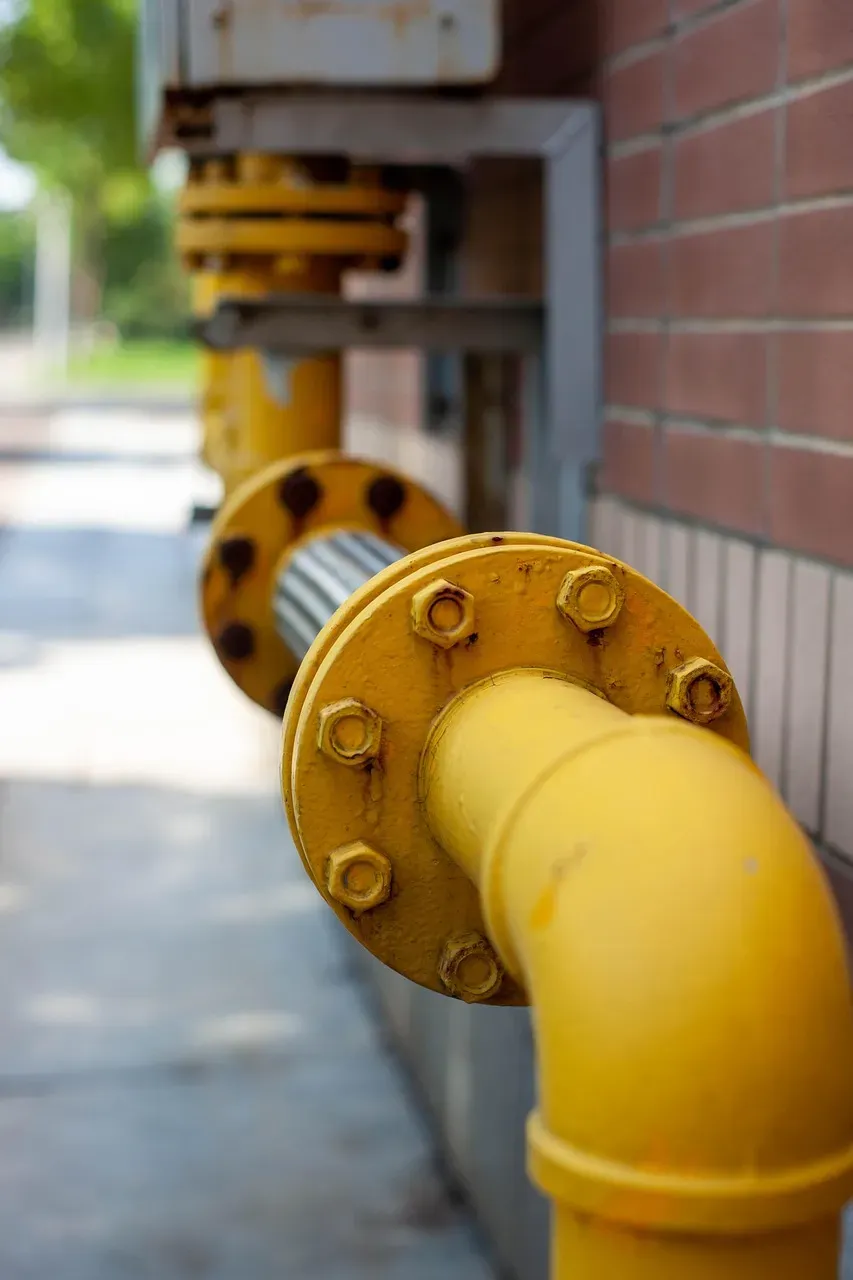
Replacing a faucet is one thing. Rerouting pipes, installing a new bathroom, or upgrading your water heater without professional help is another beast entirely. The risks multiply when homeowners tackle plumbing work themselves, often without understanding the insurance implications.
If your home floods after unpermitted plumbing work, the lack of a permit counts as negligence. That means that your insurance company will deny your homeowner’s insurance claim. Without insurance coverage, those out-of-pocket costs can spiral into the tens of thousands.
What makes plumbing particularly treacherous is the delayed nature of failures. A small mistake might not show up for months or even years. By the time you discover that slow leak behind the wall, the damage is extensive and your DIY origins are obvious. Insurance policies often exclude damage stemming from poor craftsmanship – even if you did the job yourself with the best of intentions. Mistakes in electrical, plumbing, or structural repairs can cause escalating damage that insurance companies refuse to cover. Without a licensed professional or warranty behind the work, insurers view the risk as your own.
Roof Repairs and Replacements: Sky-High Stakes
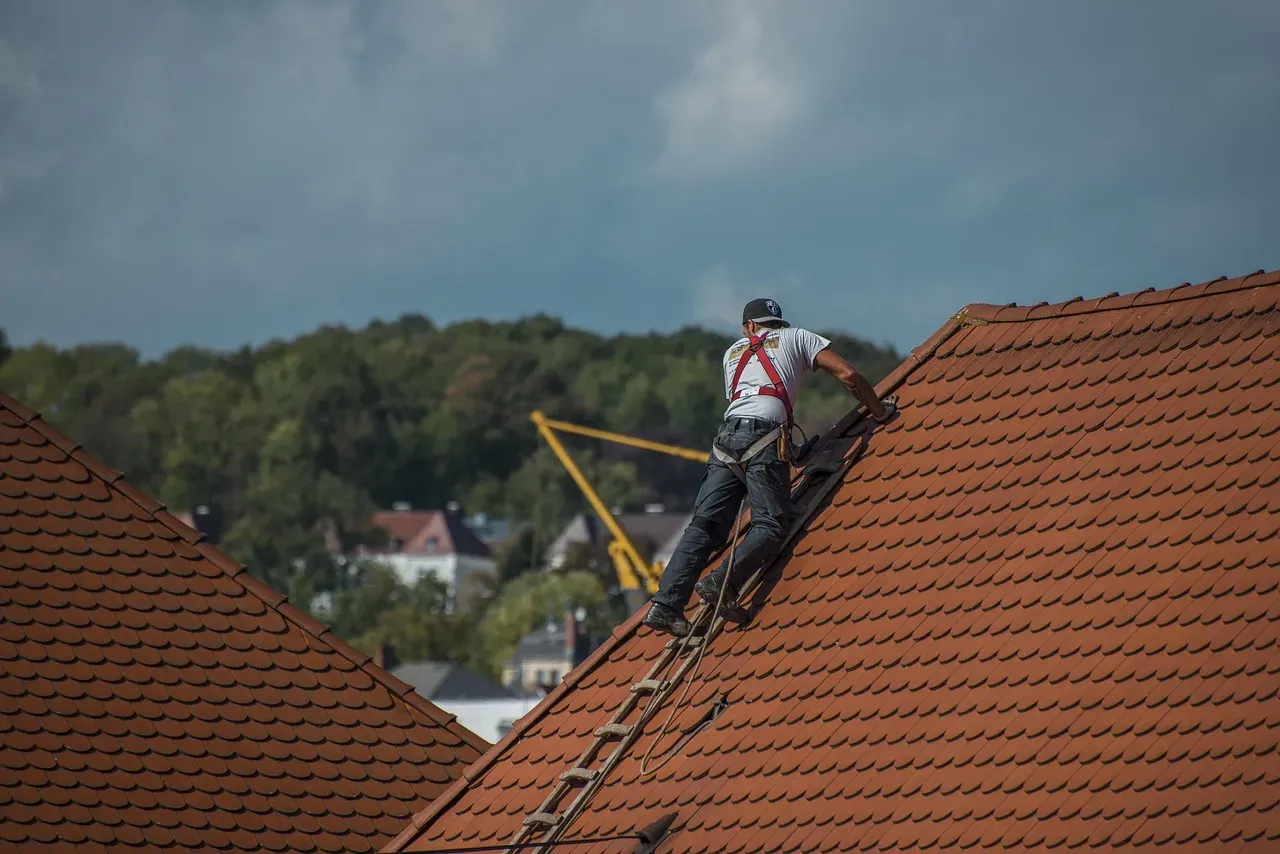
Patching a few shingles after a storm or even attempting a full roof replacement to save money seems practical. Insurance companies see it differently, particularly when claims arise. Attempting to fix roof damage on your own can lead to further harm and potentially higher repair costs. It’s advisable to rely on professional roofers who have the expertise and tools.
The age and condition of your roof already play major roles in coverage. Whether home insurance covers your roof will depend on two things: how old your roof is and the source of the damage. If your roof was damaged by something covered by your home insurance policy, an insurance company will likely help with the repairs or replacement. However, how that claim payout works will mainly depend on your roof’s age.
Adding DIY work into this equation complicates everything. If improper installation or repairs contribute to later damage, insurers can deny the entire claim based on workmanship exclusions. Even worse, DIY work can void your insurance if it’s not done properly. Most policies won’t cover damage caused by self-inflicted construction errors or accidents that occur during a non-professional renovation.
HVAC and Major System Installations: The High-Risk Zone
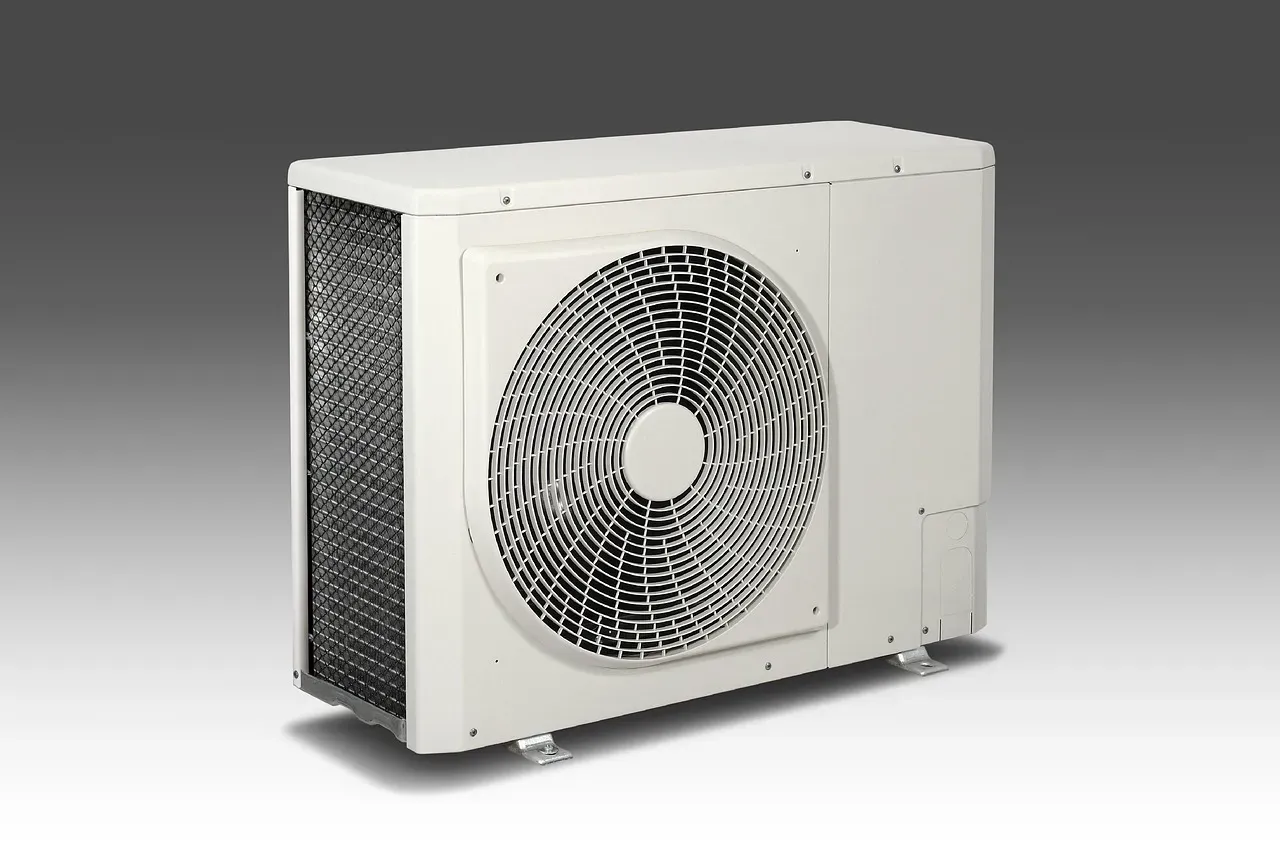
Installing a new furnace, air conditioning system, or even a wood-burning stove might seem like a money-saving endeavor for the mechanically inclined. These are precisely the projects that make insurance adjusters raise red flags. Specialized systems like HVAC, roofing, or wood-burning appliances come with fire, electrical, and structural risks. Most insurers require certified professionals for installing or repairing these systems. If DIY work leads to a fire, leak, or code violation, your insurer may deem it unauthorized and deny any related claim.
The stakes here are particularly high because these systems touch multiple insurance concerns simultaneously. A botched HVAC installation could involve electrical issues, structural modifications, and potential fire hazards all at once.
When construction is done without the necessary permits, there is no official assurance that the structure is safe or up to code. As a result, if illegal construction is discovered, your insurance provider might either deny coverage for the entire home or refuse to pay claims related to the unpermitted area. Furthermore, if you need to file a claim due to fire, water damage, or any other covered peril, the insurance company may deny your claim if the damage is linked to unpermitted construction. Upon discovering unpermitted construction, your insurance provider may cancel your policy altogether, leaving you without coverage. Some insurers might offer to continue your coverage but at a significantly higher rate.
The Bottom Line
The harsh truth is this: what you don’t know about your insurance policy absolutely can hurt you. Those weekend warrior projects might boost your home’s value and your pride, but they can also quietly erode your financial protection in ways you won’t discover until it’s too late.
Failing to secure a required permit for a home improvement project can also affect the terms of your insurance coverage. The company may raise your premiums or even cancel your policy altogether. The solution isn’t necessarily avoiding DIY projects entirely. It’s about understanding which ones require professional help, proper permits, and notification to your insurer.
Before you pick up that drill or wrench for your next big project, make two phone calls: one to your local permitting office and one to your insurance agent. Those conversations might save you from a six-figure mistake down the road. What’s your biggest DIY project so far? Did you check with your insurance company first?